
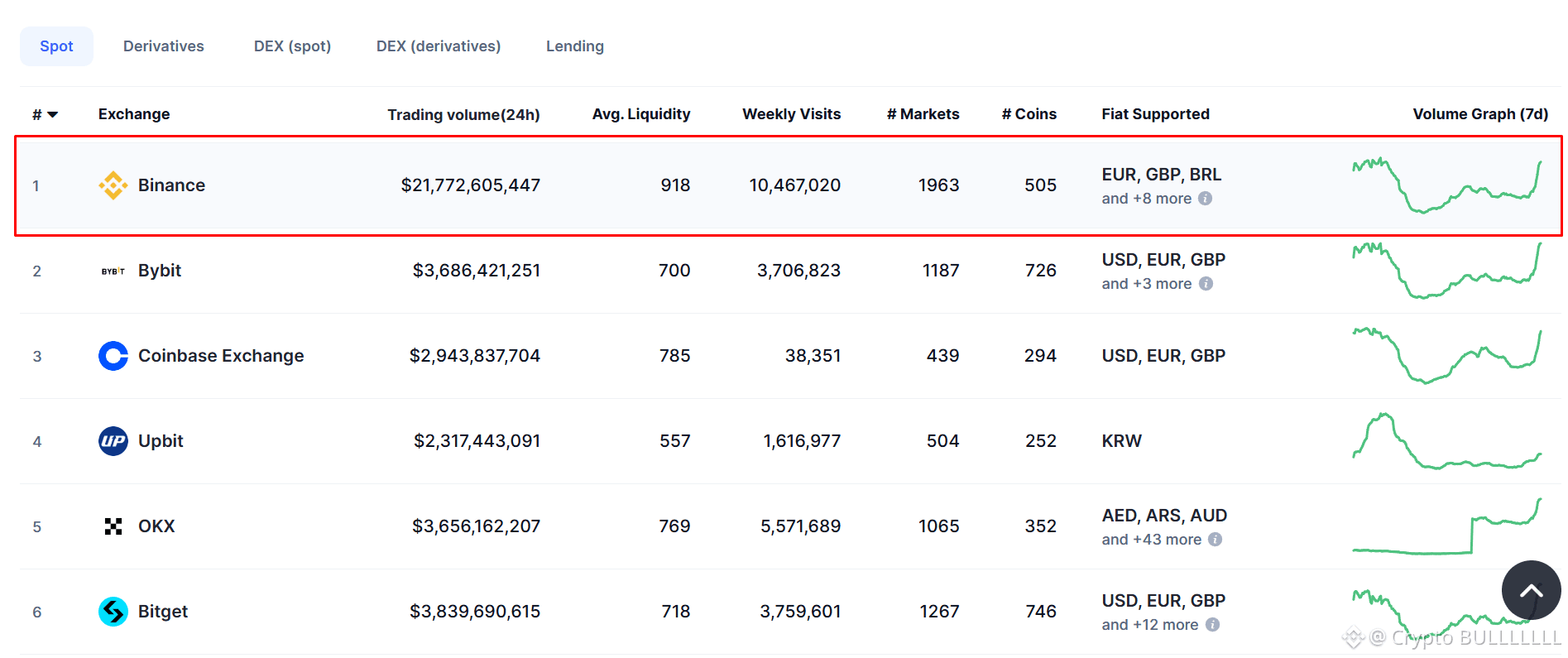
Binance is a global cryptocurrency trading platform that lets you buy, sell, and trade hundreds of coins and tokens like Bitcoin, Ethereum, and a massive variety of altcoins. Beyond standard trading, Binance offers a full suite of features including spot trading, futures, staking, savings products, and a non-custodial Web3 wallet to store your digital assets safely.
Here’s a quick snapshot of what makes Binance the titan of the crypto world:
The World’s Biggest Exchange: As of 2026, Binance continues to lead the global market in trading volume, holding its spot as the largest crypto exchange on Earth.
Massive Coin Selection: You can trade hundreds of thousands of different crypto assets here, from heavyweights like Bitcoin and Ethereum to viral altcoins and memecoins like Pepe, Doge, and Link.
Feature-Packed Ecosystem: Outside of basic trading, you get access to Launchpool, Launchpad, Binance Futures, the BNB Chain, Web3 wallets, Binance Coin (BNB), and much more.
Top-Notch Security: It’s widely considered one of the safest exchanges available today because the vast majority of user funds are kept in offline cold storage away from hackers.
Competitive Trading Fees: Fees are super low and depend on your account tier and volume. Spot trading fees range from 0.02% to 0.1%, while Futures fees range between 0.012% and 0.04%.
Blazing Fast Performance: The match engine can process up to 1.4 million transactions every single second.
Multi-Device Support: You can trade seamlessly whether you're on a desktop browser or using their mobile apps.
Multilingual: It supports dozens of languages globally, including Vietnamese.
If you’re researching Binance to prepare for your first steps into crypto—or if you’re looking to re-evaluate whether this industry giant is still worth your trust—you’ve come to the right place!
I’ve compiled, edited, and structured all the core details about Binance right here. We’ll cover its ecosystem, pros and cons, fee structures, and the latest legal reality in Vietnam so you can get the full, honest picture.
>> SIGN UP Binance account to get 45% off trading fees + 100 USD voucher
What Is Binance?
Binance is the world’s largest cryptocurrency exchange by trading volume. It was launched back in 2017 by Changpeng Zhao (widely known as "CZ"). The platform gives you a gateway to trade over 350 different cryptocurrencies, ranging from top-tier coins like Bitcoin and Ethereum to hundreds of smaller altcoins.
According to Wikipedia, Binance was originally headquartered in China, but moved its operations out of the country as local crypto regulations started tightening.
The platform features a beginner-friendly layout, super low trading fees, and support for dozens of languages. Binance also has its own native token, BNB, which you can use to get fee discounts and access various services across the BNB Chain, a Layer-1 blockchain. That said, I always urge everyone to do their own research on potential risks and check local regulations before jumping in.
Pros & Cons of Binance
Based on my personal experience trading on Binance over the past decade, combined with insights from the wider crypto community, here is my honest breakdown of the platform's strengths and weaknesses:
The Pros
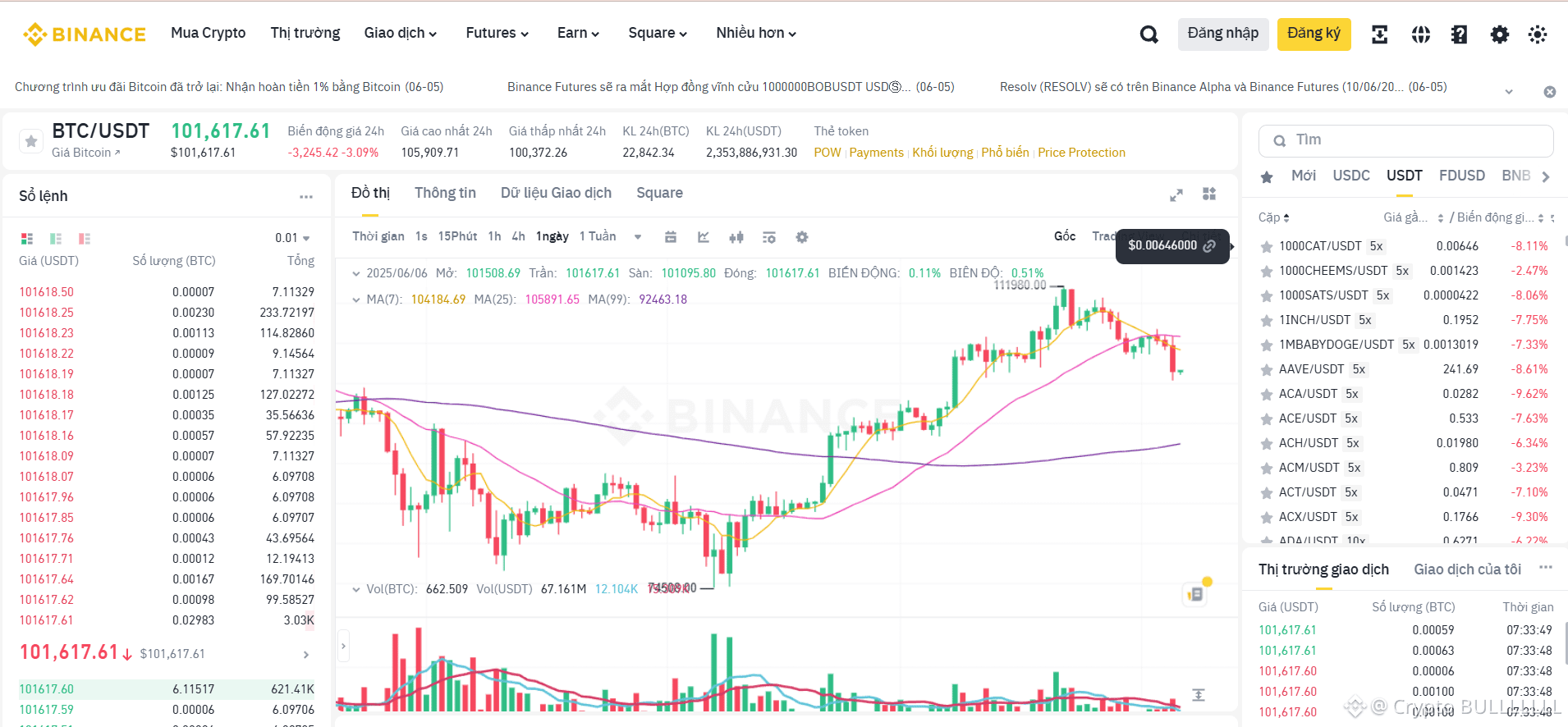
Unmatched Trading Volume: As the top exchange globally, Binance offers deep liquidity. That means your trades execute fast with minimal price slippage. As of August 7, 2026, its 24-hour trading volume sits at around $5.4 billion according to CoinMarketCap data.
Huge Asset Variety: With support for over 350 coins, you can trade everything from top market-cap assets to newly launched altcoins.
Low Fees: Standard spot fees start at just 0.1%, and you get even bigger discounts when you pay with BNB or rank up in VIP levels.
Rich Ecosystem: You get access to spot, futures, margin trading, staking, crypto savings, NFTs, Web3 wallets, Trust Wallet integration, and the BNB Chain ecosystem.
User-Friendly Interface: Works in dozens of languages (including Vietnamese), making it smooth for complete beginners and high-frequency traders alike.
Robust Security: Features Two-Factor Authentication (2FA) and the SAFU (Secure Asset Fund for Users) insurance reserve to protect user funds in worst-case scenarios.
Multi-Platform Access: Trade anywhere using web browsers, mobile apps (iOS & Android), or API setups for automated bots.
Free Learning Hub: Binance Academy provides tons of free educational materials to help you learn crypto and blockchain from scratch.
The Cons
Centralization Risk: Like any centralized exchange (CEX), Binance holds custody of your funds. As the industry learned from the FTX crash, relying on centralized entities always carries counterparty risk.
Regulatory Headwinds: Binance faces regulatory scrutiny in several jurisdictions, which can sometimes lead to regional feature limitations for users.
Can Feel Overwhelming for Beginners: The vast array of features, tools, and leverage options (futures/margin) can be intimidating when you're just starting out.
Higher Withdrawal Fees on Certain Chains: Withdrawal fees for coins like BTC or ETH can run a bit higher depending on network congestion.
Customer Support Delays: While support has improved, response times via tickets or chat can slow down during massive market surges due to high volume.
Security Concerns Exist: Despite the SAFU fund, no exchange is 100% immune to security incidents (such as the minor security exploit Binance suffered in 2019).
Geographic Restrictions: Users in certain countries (like the US) are restricted to dedicated regional platforms like Binance.US, which offer significantly fewer features compared to the global version.
>> READ MORE: How to register on Binance to get a 45% fee discount + 100 USD welcome voucher
Is Binance Legitimate and Trustworthy?
In short: Yes, Binance is widely regarded as one of the most reputable and secure crypto exchanges you can use today. It serves over 250 million registered users across more than 180 countries and leads the industry in daily trading volume. On top of that, Binance established its SAFU (Secure Asset Fund for Users) insurance emergency fund to protect users during extreme incidents like fully reimbursing users after a $40 million exploit in 2019, which solidified its trust in the community.
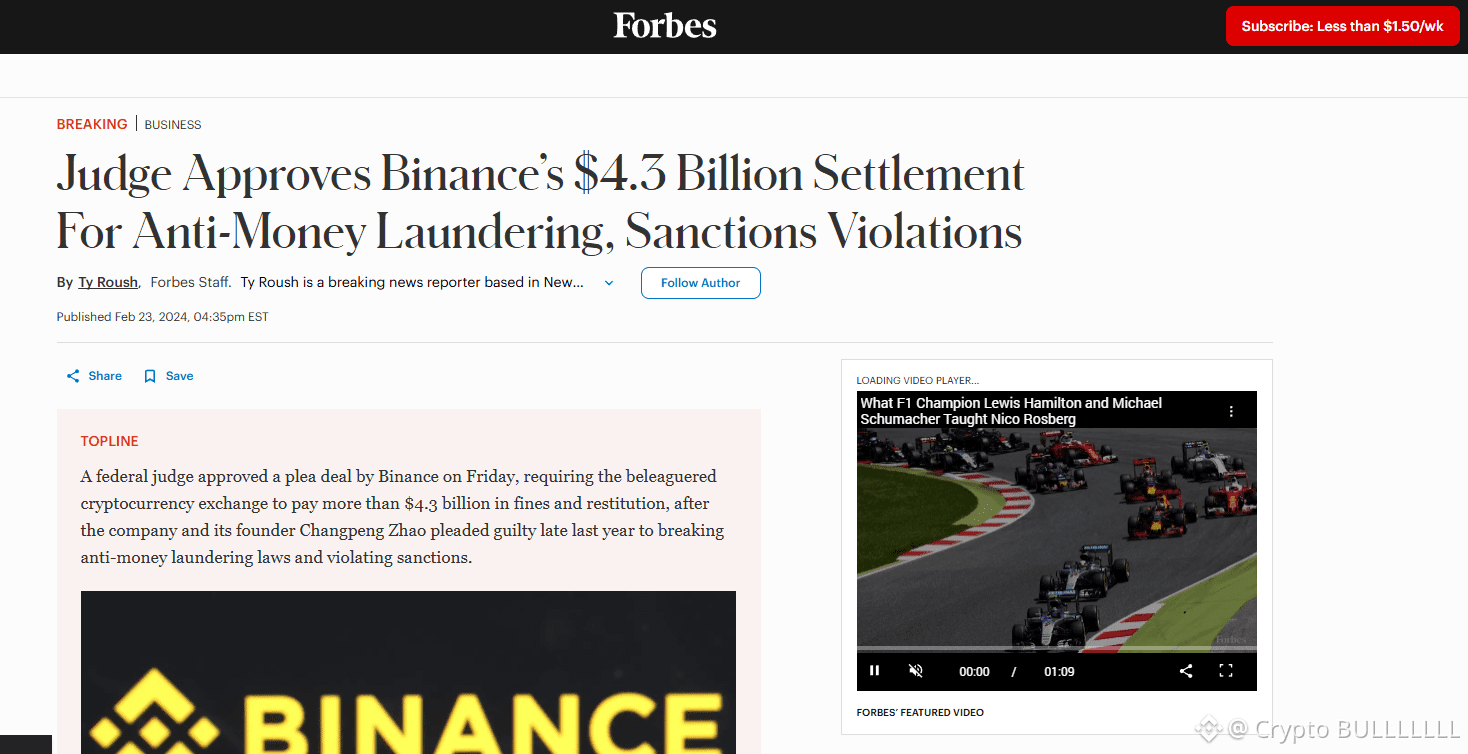
That said, Binance isn't without its bumps in the road. The exchange has faced major regulatory scrutiny, including a $4.3 billion settlement with US authorities in 2023 over anti-money laundering compliance issues. Some users also express frustration with customer support delays during critical moments like account reviews or withdrawal holds. Despite these challenges, Binance's sheer scale, transparency, and liquidity keep it the top choice for millions of traders worldwide.
Is Binance a legitimate crypto exchange?
Yes. Binance is a real, established cryptocurrency exchange rather than an unregulated anonymous trading website. It operates a large global platform offering spot trading, derivatives, P2P markets, custody-related services, and other crypto products.
That said, “legitimate” and “regulated everywhere” are two very different things.
Binance operates through different entities and licenses depending on the jurisdiction. Its services can therefore look very different from one country to another. A product available to a user in one market may be unavailable to someone elsewhere.
This is especially important in 2026. Regulatory treatment of crypto exchanges has been changing quickly. In the European Union, for example, the Markets in Crypto-Assets (MiCA) framework is now fully relevant to crypto-asset service providers, while Binance's regulatory position differs from licensed competitors such as Coinbase, Kraken, and OKX in the EU.
So my short version is:
Binance is a legitimate global crypto exchange, but you should judge its regulatory status based on your own country—not simply by looking at Binance's global brand.
Where is Binance regulated?
Binance does not operate under one single worldwide crypto-exchange license.
Instead, different Binance entities have obtained registrations, licenses, or regulatory approvals in particular jurisdictions. The exact legal entity serving you matters.
That is why you may see Binance described as regulated in one market while facing restrictions or operating under different conditions in another.
For example, the EU is currently a particularly important case. As of August 2026, Binance has not obtained EU-wide MiCA authorization, while Coinbase, Kraken, and OKX are among the major exchanges that have obtained EU licenses.
This is also why I would avoid articles that simply say “Binance is fully regulated” without specifying where.
Binance and regional regulatory requirements
Crypto regulation is increasingly handled at the country or regional level.
Depending on where you live, Binance may have to comply with requirements covering:
Customer identity verification.
Anti-money laundering controls.
Transaction monitoring.
Travel Rule requirements.
Consumer protection.
Local licensing.
Restrictions on specific crypto products.
Reporting and record-keeping.
Binance itself explains KYC as part of broader AML compliance, with identity verification used to establish who customers are and help prevent financial crime.
For users, this can mean a frustrating but important reality: the Binance experience is not identical worldwide.
Why Binance availability differs by country
The reason is fairly simple.
Different governments have different rules for cryptocurrency exchanges, derivatives, stablecoins, fiat payments, and financial promotions.
Binance therefore restricts certain services in some jurisdictions. Even if the Binance website is accessible, that does not necessarily mean every product is available to you.
Before depositing money, I would check:
Whether Binance officially serves your country.
Which Binance entity provides the service.
Which products are available.
Whether fiat deposits and withdrawals are supported.
Whether derivatives are permitted.
What KYC requirements apply.
This is much more useful than relying on a generic “Binance supported countries” list that may become outdated.
KYC and AML requirements
KYC stands for Know Your Customer. AML means Anti-Money Laundering.
These requirements are now standard parts of operating a major centralized crypto exchange.
Binance's own educational material describes KYC as an identity-verification process used as part of AML compliance. Depending on the situation, verification can involve government-issued identification, proof of address, and enhanced due diligence.
For a normal user, that means you should expect identity verification to be part of accessing many Binance services.
What regulation means for Binance users
Regulation can provide an additional layer of oversight, but it does not mean your crypto holdings are risk-free.
A license or registration does not protect you from:
Market losses.
Liquidation.
Phishing.
Account compromise.
Wrong-address transfers.
Token failures.
Product-specific risks.
I see regulation as one factor in evaluating an exchange—not a substitute for checking how the platform actually handles your account, withdrawals, security, and products.
How Safe Is Binance?
Binance employs multi-layered security measures, making it one of the safest platforms in the crypto industry.
Key security features include Two-Factor Authentication (2FA) via Google Authenticator or hardware keys (like YubiKey), cold storage for the majority of funds (keeping assets offline away from hackers), and the SAFU emergency fund to compensate users in case of security breaches.
Additionally, Binance’s real-time risk controls monitor suspicious account activity—like unusual withdrawal attempts or password changes—and automatically freeze accounts for 24 to 48 hours for protection. Following its 2019 hack (where 7,000 BTC was stolen), Binance handled the situation swiftly and reimbursed users in full, reinforcing user confidence in its security model.
However, no platform is 100% risk-free. Most user security issues actually come from personal errors—like failing to turn on 2FA, using weak passwords, or clicking phishing links from scammers pretending to be Binance staff.
My safety rule: Always turn on 2FA, move long-term holdings to a private hardware/cold wallet, and double-check every link or email before clicking.
How to Register a Binance Account
Step 1: Click on the official Binance sign-up link
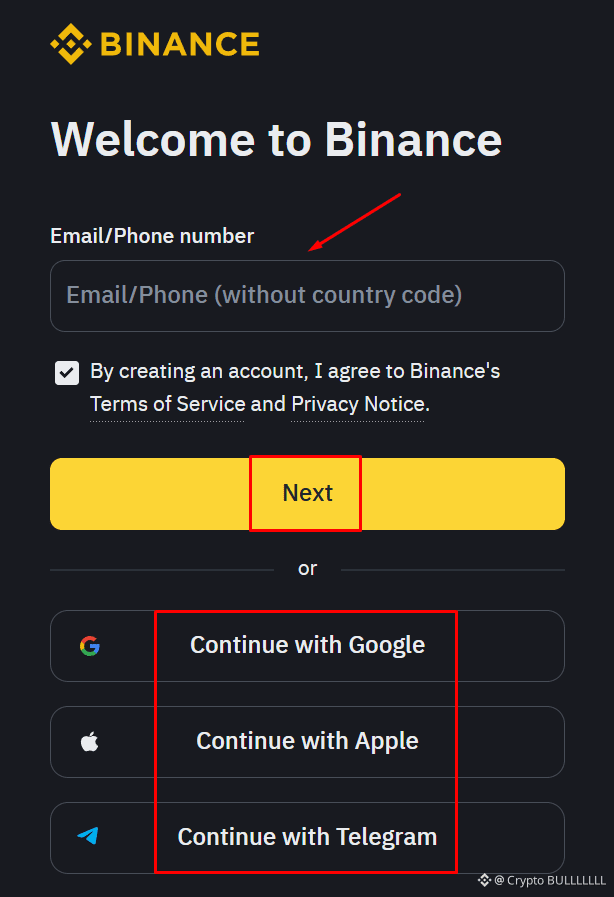
Step 2: Enter your Email Address or Phone Number -> Check the box "By creating an account..." -> Click Next. (You can also sign up using Google, Apple, or Telegram).
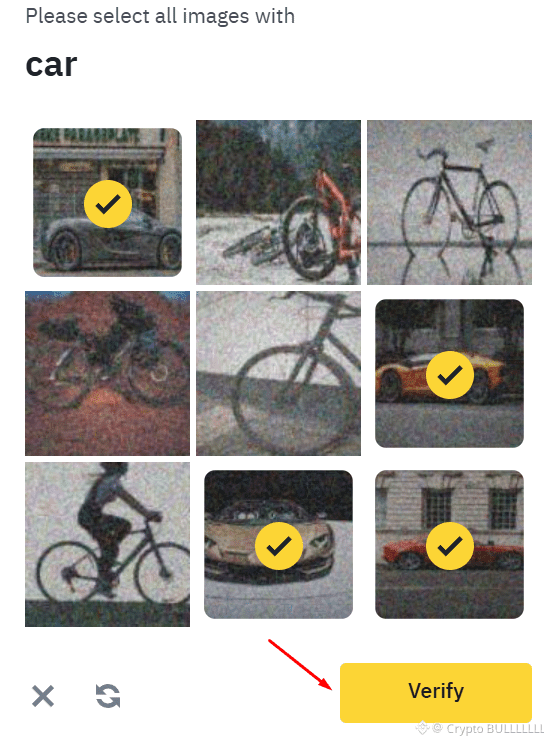
Step 3: Complete the Captcha verification -> Click Verify.
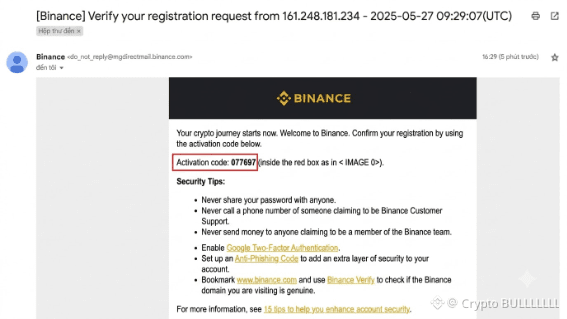
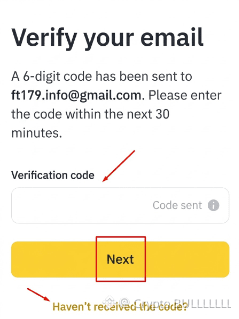
Step 4: Open your email inbox, copy the 6-digit verification code, paste it into the code box, and click Next.
(Tip: If you don't see the email, check your Spam folder or click "Didn't receive the code?" to resend).
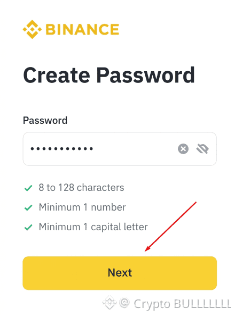
Step 5: Set up a secure login password for your account -> Click Next
Step 6: Enter Referral ID 13830817 to lock in up to 45% off trading fees plus initial sign-up bonuses -> Click Next, and you're done!
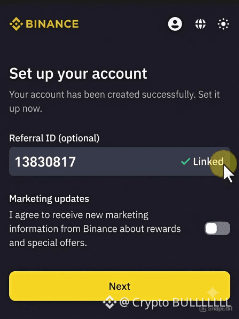
Once your account is created, you'll need to complete identity verification (KYC) before you can start trading.
Who Founded Binance and When Was It Created?
Binance was founded by Changpeng Zhao (CZ), a Chinese-Canadian software developer with a strong background in financial technology.
Back in 2005, Zhao launched Fusion Systems in Shanghai, building high-frequency trading platforms for stockbrokers. In 2013, he joined Blockchain.info as the third team member of the wallet team, and later served as CTO at OKCoin.
Binance officially launched in China in July 2017. However, right before the Chinese government banned cryptocurrency exchanges in September 2017, Binance proactively moved its servers and headquarters to Japan. By March 2018, they expanded operations to Taiwan.
In under a year, by January 2018, Binance had grown into the largest crypto exchange on Earth with a market valuation of $1.3 billion. In March 2018, amidst regulatory tightening in Asia, Binance announced plans to set up an office in Malta due to its crypto-friendly policies.
What can you trade on Binance?
One of Binance's biggest strengths is the sheer range of trading products available to eligible users.
The important word is eligible. Not every product is available in every jurisdiction.
Spot trading
Spot is the simplest way to trade crypto on Binance.
You buy or sell an asset at the current market price or place an order at a price you specify.
For example, you could buy BTC with USDT and hold the Bitcoin without borrowing money or opening a leveraged position.
For beginners, this is usually the product I would look at first because the mechanics are much easier to understand than perpetual futures or margin.
Futures trading
Binance Futures allows eligible users to trade cryptocurrency derivatives rather than simply buying the underlying asset.
The attraction is obvious: you can potentially profit from both rising and falling markets and use leverage.
The downside is equally obvious.
Leverage magnifies losses as well as gains.
A small price move against a highly leveraged position can trigger liquidation. I would not recommend starting with Futures simply because the interface makes leverage look easy to access.
Margin trading
Margin trading allows users to borrow funds to increase their trading exposure.
That introduces another cost and risk layer because you are dealing with borrowed assets, interest, and potential liquidation.
Margin can make sense for experienced traders who understand exactly how borrowing works. It is a poor starting point for someone who is still learning basic Spot trading.
Options
Binance also provides crypto options products for eligible users.
Options are considerably more complicated than buying and selling Spot assets because factors such as strike price, expiry, volatility, and option premium affect the position.
If you have never traded options before, I would learn the mechanics first rather than treating them as another way to speculate on Bitcoin's direction.
P2P trading
Binance P2P allows users to trade crypto directly with other users using supported payment methods.
The exchange provides the marketplace and escrow mechanism, while the actual fiat payment can occur through the payment method selected by the buyer and seller.
P2P can be useful where local banking or payment options make traditional crypto purchases inconvenient.
However, you still need to pay attention to seller reputation, payment instructions, and Binance's P2P rules.
Copy trading
Copy Trading allows eligible users to follow selected traders and automatically replicate qualifying strategies.
It can be convenient, but I would not confuse a trader's historical performance with a guaranteed future return.
A trader who made 80% last year can still lose money this year.
Trading bots
Binance offers automated trading tools that can execute predefined strategies without requiring you to manually place every order.
Depending on the bot and market, automation can be useful for repetitive strategies such as grid trading.
The bot itself does not remove market risk. It simply automates execution.
OTC trading
Over-the-counter (OTC) trading is aimed more at larger transactions where execution, liquidity, and settlement can require a different process from ordinary order-book trading.
This is generally more relevant to high-net-worth individuals, institutions, and traders moving substantially larger amounts.
What Is Binance Coin (BNB)?
Binance Coin (BNB) is the official native cryptocurrency of the Binance ecosystem, launched in 2017.
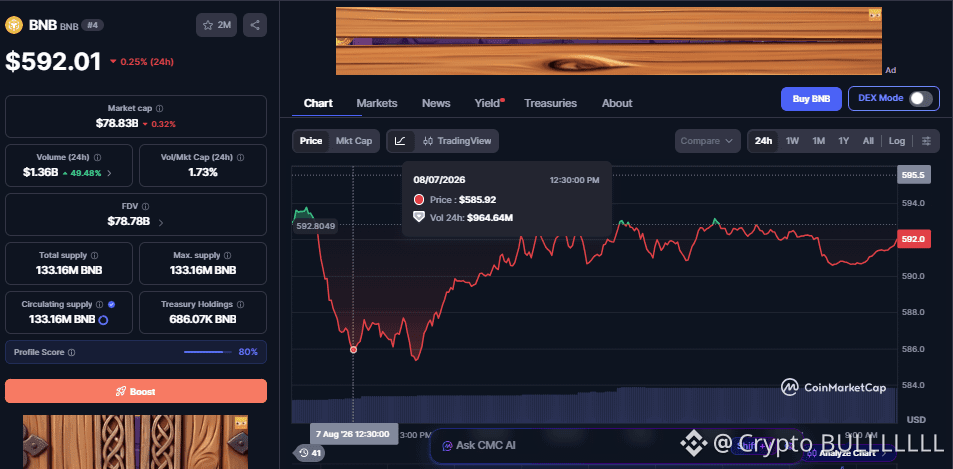
You can use BNB to get a 25% discount on spot trading fees, participate in token sales on Launchpad, stake for rewards, and pay transaction fees on the BNB Chain. BNB consistently ranks among the top 5 cryptocurrencies globally, boasting a market cap of around $90 billion according to CoinMarketCap.
Pros: Highly versatile, great liquidity, price growth potential supported by regular quarterly token burns.
Cons: Heavily dependent on Binance’s platform performance, price volatility, regulatory uncertainties.
Has Binance Collapsed or Gone Down?
When people say "Binance collapsed," they are usually talking about temporary server glitches, scheduled maintenance, or brief pauses in withdrawals during high market volatility. It means a temporary technical issue, not a permanent collapse, bankruptcy, or shutdown.
There is zero evidence that Binance has ever collapsed or stopped operating permanently. Most viral panic on X (Twitter) or social media comes from unverified rumors designed to scare new investors.
Always double-check news directly via official channels like binance.com or their official X account (@Binance) to avoid falling for fake news.
Binance Fee Schedule
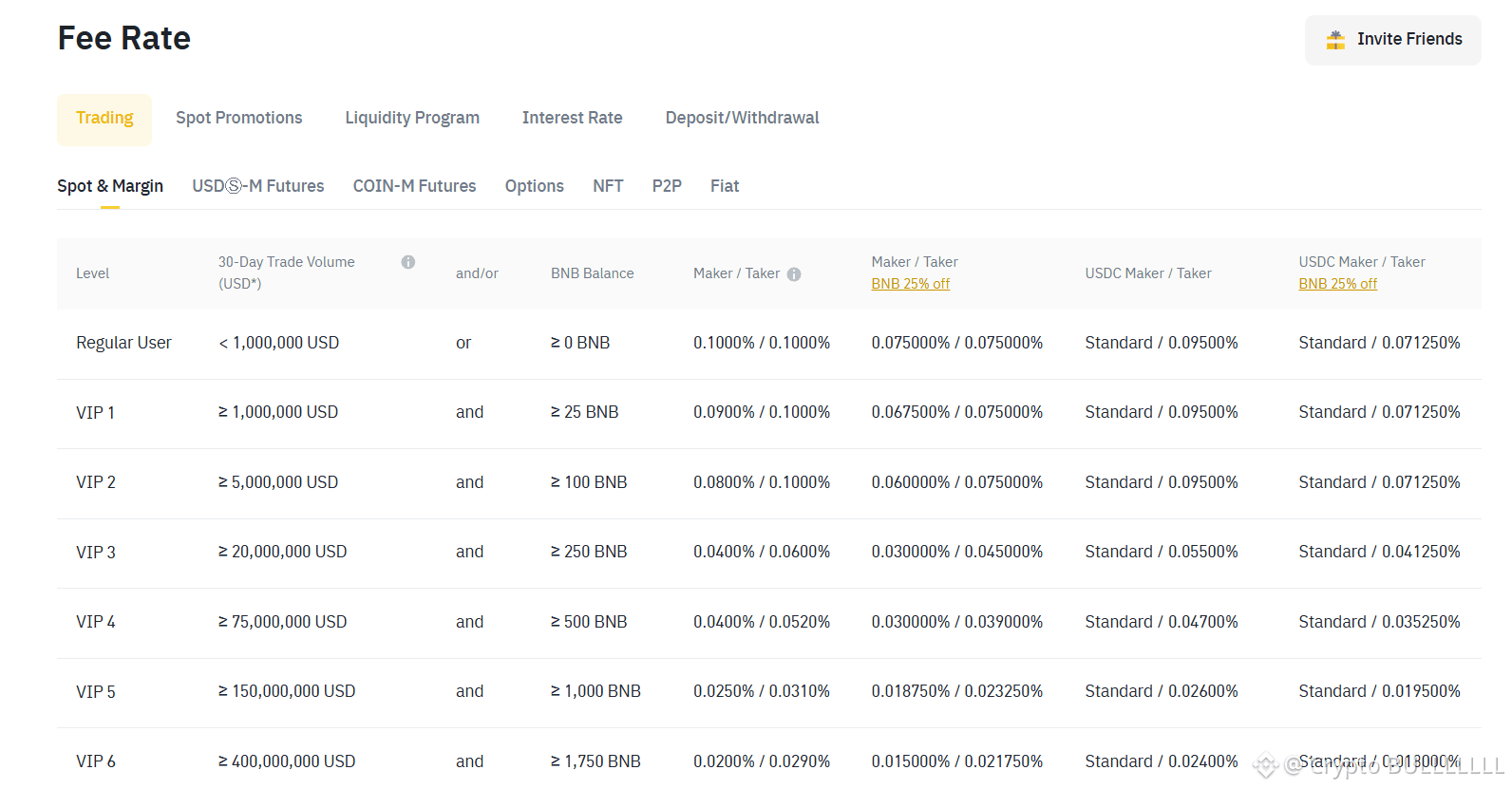
Binance trading fees depend on your trade type, 30-day volume tier (VIP status), BNB holdings, and whether you pay fees using BNB:
1. Spot Trading Fees
Standard Rate: 0.1% for both Makers and Takers.
BNB Discount: 25% off when paying fees in BNB (lowering the fee to 0.075%).
VIP Levels: VIP 1 through VIP 9 accounts enjoy lower fees (e.g., VIP 9 pays just 0.02% Maker / 0.04% Taker).
2. Futures Trading Fees
USDT-M Futures: 0.02% Maker / 0.04% Taker.
COIN-M Futures: 0.012% Maker / 0.036% Taker.
BNB Discount: 10% off when paying fees with BNB.
3. Deposit & Withdrawal Fees
Deposits: Free for almost all cryptocurrencies (you only pay standard blockchain network gas fees).
Withdrawals: Varies by coin and network (e.g., ~0.0005 BTC on the BTC network, ~0.001 ETH on ERC-20, ~$1 USD for USDT on TRC-20).
4. Other Fees
Staking/Earn: Free or minimal management fees.
P2P: Trading on P2P is generally free on Binance's end, though standard bank transfer fees may apply.
Important Tips When Using Binance
1. Secure Your Account
Turn on Google Authenticator or a hardware key like YubiKey, and enable biometric login on mobile. Only access the platform via binance.com or the official app to avoid phishing scams.
Transfer long-term holdings to a private wallet (cold storage) if you aren't trading regularly.
2. Understand Fee Structures
Spot fees start at 0.1% (down to 0.075% with BNB), while Futures fees range from 0.02% to 0.04%. Always check the fee schedule on binance.com for full clarity.
Always double-check withdrawal network fees before making transfers.
3. Stay Legally Compliant
Understand local legal risks in your country.
Complete full KYC identity verification to prevent account holds, especially when dealing with higher trading volumes.
4. Manage Trading Risks
Crypto trading carries high risk and high volatility. Only invest what you can afford to lose, and stay away from high leverage/futures unless you know what you're doing.
If Binance experiences temporary server maintenance, remain calm and check official channels for updates.
5. Ignore Rumors and Fake News
Only trust official announcements from binance.com or Twitter/X @Binance.
Take advantage of Binance Academy to build up your knowledge of crypto and blockchain.
Is Binance good for active traders?
Yes, Binance can be a strong choice for active traders, particularly those who want several markets and trading tools within one platform.
The biggest advantages are the breadth of products, deep market activity in major pairs, advanced order functionality, and access to automation.
The trade-off is complexity.
If you only buy Bitcoin once a month, many of these features are unnecessary. If you trade several times a day, use multiple order types, monitor derivatives, or automate parts of your strategy, Binance becomes much more interesting.
Binance trading platform and user experience
Binance web platform
The web platform is built around a large number of functions rather than extreme simplicity.
You can move between markets, charts, orders, assets, derivatives, P2P, bots, and other services from the same ecosystem.
I like that approach for active trading, but it can feel like a lot on the first visit.
If you're new, don't try to learn the entire platform in one sitting. Start with the account, Assets, and Spot trading sections. Once those feel familiar, move into the advanced tools.
Binance mobile app
The Binance mobile app brings much of the exchange experience to a phone.
You can monitor prices, manage assets, place trades, review positions, and access other supported services.
For quick portfolio checks, the mobile app is convenient. For serious chart analysis, though, I still prefer a larger screen.
Trying to analyze multiple indicators on a phone screen is possible, but it isn't my idea of a comfortable trading setup.
Beginner interface
Binance has simplified interfaces intended to make common actions easier for newer users.
The advantage is obvious: fewer buttons and less information at once.
The downside is that beginners eventually have to move into more advanced screens if they want to use the full trading toolkit.
Advanced trading interface
The advanced interface provides much more market information, including:
Order book.
Recent trades.
Trading chart.
Available order types.
Open orders.
Order history.
Position information for derivatives.
For active traders, this is where Binance becomes much more useful.
Charts and technical analysis tools
Binance trading screens provide integrated charting and technical-analysis functionality.
You can change timeframes, add indicators, draw on charts, and monitor market structure without constantly switching between platforms.
For straightforward technical analysis, that is enough for many traders.
Order types
Binance supports several order types, although the exact availability can vary by product.
Market: executes against available liquidity at the current market.
Limit: lets you specify the price at which you want to buy or sell.
Stop-loss: can be used to trigger an order when the market reaches a specified condition.
Take-profit: helps automate an exit when a target condition is reached.
The exact mechanics differ between Spot, Margin, Futures, and other markets, so don't assume that a stop order behaves identically everywhere.
Trading bots and automation
Automation is one of Binance's more useful additions for traders who have repetitive strategies.
Rather than manually entering dozens of similar orders, a bot can handle predefined rules.
But there is an important distinction:
Automation removes repetitive work, not trading risk.
A poorly designed strategy can lose money much faster when automated.
Binance deposits and withdrawals
Crypto deposits
To deposit crypto, you select the asset and the appropriate network, then send funds to the address provided by Binance.
The network selection is critical.
Sending an asset through an unsupported network can result in delays or, in some circumstances, loss of access to the funds.
I always recommend checking the asset + network + destination address before confirming a blockchain transfer.
Crypto withdrawals
Withdrawals work in the opposite direction.
You provide the destination address, select the network, enter the amount, and complete the required security checks.
Blockchain withdrawals are generally irreversible, so this is one area where rushing can be expensive.
Fiat deposits
Binance supports various fiat payment and banking methods depending on the user's country.
The available methods can include bank transfers, cards, and local payment solutions.
The important part is that fiat availability is highly regional.
Fiat withdrawals
The same applies to fiat withdrawals.
Your available currency and payment method depend on your jurisdiction and Binance's local arrangements.
Withdrawal limits
Withdrawal limits can depend on factors including:
Verification status.
Account status.
Asset.
Network.
Security controls.
Regional rules.
Don't rely on an old screenshot showing a particular withdrawal limit. Check the amount displayed inside your own Binance account.
Why Binance withdrawals may be delayed
A withdrawal delay does not automatically mean something has gone wrong.
Possible reasons include:
Security checks.
Additional identity verification.
Network congestion.
Maintenance.
Risk-control procedures.
Incorrect or incomplete information.
Regional compliance requirements.
If a withdrawal is delayed, check the transaction status and any messages Binance has displayed before submitting another withdrawal.
Common verification requirements
Depending on the situation, Binance may ask for identity information or additional verification.
KYC and AML controls can include identity documents and enhanced checks for higher-risk situations.
Network fees and withdrawal fees
Crypto withdrawals can involve a withdrawal fee, and the amount can differ by asset and network.
Don't confuse the Binance withdrawal fee with the blockchain network fee itself. The amount shown on the withdrawal screen is the figure that matters for the transaction you're about to submit.
Binance customer support
Binance Help Center
The Help Center is the first place I would check for common questions.
It covers account management, trading, deposits, withdrawals, verification, security, and other platform functions.
This is particularly useful when the problem is procedural rather than account-specific.
Live chat and support
For issues that require account-level assistance, Binance provides support channels including live chat where available.
Availability and routing can depend on the user's region and issue.
Account-related support
Account problems can include:
Login issues.
KYC problems.
Security alerts.
Account restrictions.
Missing balances.
Payment problems.
These are cases where generic articles may not be enough and direct support becomes more useful.
Withdrawal and verification issues
Withdrawal and KYC problems are particularly sensitive because support may need to review information specific to your account.
If this happens, I would keep screenshots, transaction IDs, emails, and relevant timestamps. Having the details ready can make the conversation much easier.
What users say about Binance support
User experiences with exchange support are mixed, and I would be careful about drawing a conclusion from either a handful of positive reviews or a handful of angry ones.
Support complaints often become more visible when an account is restricted or a withdrawal is delayed—the exact situations where users are already frustrated.
So I would judge Binance support on the actual channels and escalation options available to your region, rather than assuming the experience will be identical for everyone.
Is Binance worth using?
Binance is worth considering if you want
Broad crypto selection.
Binance is built for users who want access to a large range of crypto markets rather than just a small selection of major assets.
Advanced trading products.
Spot, Futures, Margin, Options, P2P, and other products make the platform much more flexible than a basic crypto-buying app.
Competitive fees.
Binance uses tiered fee structures, and eligible users can potentially reduce costs further through mechanisms such as BNB fee payment and VIP tiers.
Multiple trading tools.
Advanced charts, different order types, copy trading, and automated trading tools make Binance particularly attractive to active traders.
Consider another exchange if you prioritize
A simpler interface.
If your main goal is to buy a few major cryptocurrencies and hold them, Binance's huge feature set can feel unnecessary.
Specific regional availability.
If Binance doesn't offer the products you need in your country, another exchange may simply be more practical.
A particular regulatory environment.
This is especially important in 2026. Regulatory status differs by jurisdiction, and the EU is a clear example where Binance's position differs from several competitors.
A different customer support experience.
If responsive local support is one of your top priorities, compare the actual support options available in your country rather than judging exchanges globally.
Binance alternatives
Coinbase
Best for: beginners and simplicity.
Coinbase is a strong alternative if you want a cleaner starting point and a platform with a strong regulatory presence in its core markets.
Its Advanced Trade product gives experienced users access to more sophisticated trading tools while the main interface remains relatively approachable.
The trade-off is that Coinbase can be less attractive if your priority is the widest possible range of altcoins or advanced derivatives products.
Kraken
Best for: security-focused users and certain advanced trading needs.
Kraken has been operating since 2011 and offers both a beginner-oriented interface and more advanced trading functionality through Kraken Pro.
I would consider Kraken if regulatory alignment and a more focused exchange experience matter more to you than having every possible trading product under one roof.
OKX
Best for: advanced trading and Web3.
OKX is particularly interesting if you want a combination of advanced trading products and a substantial Web3 ecosystem.
Its product range makes it a natural alternative for users who find Binance appealing because of its breadth but want to compare another major global platform.
Regulatory availability still needs to be checked by country, just as it does with Binance.
Bybit
Best for: derivatives-focused traders.
Bybit has historically been particularly strong in derivatives and has expanded into Spot, copy trading, automation, and other products.
For someone whose main interest is perpetuals and other derivatives, Bybit deserves a direct comparison with Binance.
However, regional restrictions are an important consideration.
Frequently Asked Questions (FAQ)
What are Binance’s trading hours?
Binance operates 24/7/365. Unlike traditional stock markets, crypto markets never close, so you can trade anytime via the site or mobile app.
How many coins are listed on Binance?
Binance supports over 350 cryptocurrencies (like BTC, ETH, BNB, USDT, SOL, ADA) and thousands of trading pairs. The listing menu updates constantly.
How many users does Binance have?
Binance has over 275 million users worldwide, up significantly from 90 million in August 2022. Traders from Vietnam account for roughly 5.5% of total platform traffic.
What is the minimum withdrawal amount on Binance?
It depends on the coin and network. For example, minimum withdrawals sit around 0.0001 BTC, 0.001 ETH, or ~1 USD for USDT on the TRC-20 network.
Does Binance charge overnight holding fees?
No, Binance does not charge overnight fees for spot trades. However, Futures contracts incur periodic funding fees (typically every 8 hours), and Margin trades accrue interest on borrowed funds. Funding rates fluctuate depending on market conditions (e.g., 0.01%-0.03% every 8 hours on USDT-M Futures).