Wenn wir über DeFi-Sicherheit sprechen, verdient ein Bereich mehr Aufmerksamkeit: das Orakel-System.
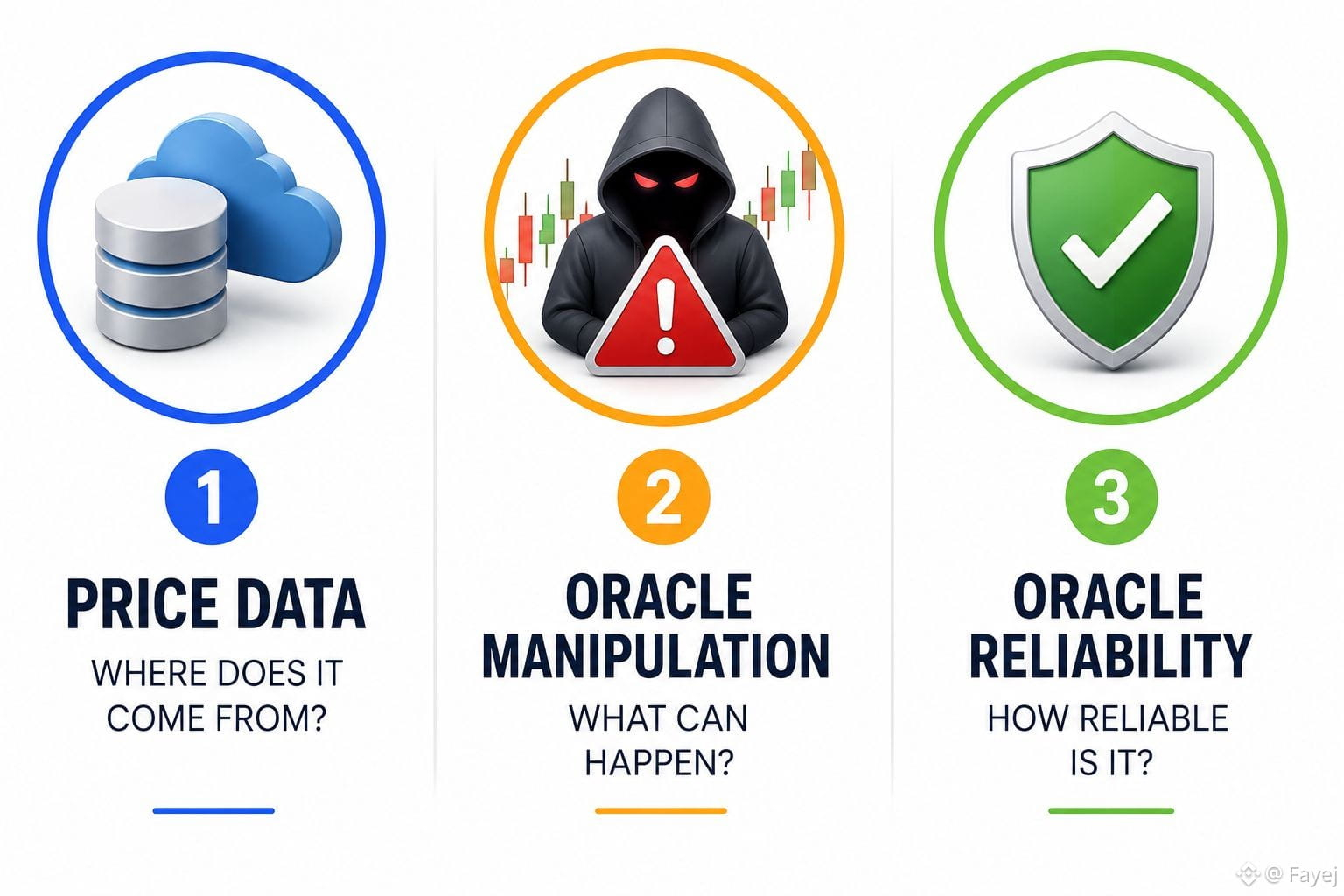
Für TermMax wollte ich mir drei einfache Fragen ansehen:
1️⃣ Woher stammen die Preisdaten?
Die Verträge von TermMax enthalten ein Orakel-Aggregationssystem mit primären und Backup-Preisfeed-Mechanismen. Die Codebasis zeigt außerdem Unterstützung für Chainlink-kompatible Feeds sowie TWAP-basierte Preisfeeds.
Die Idee ist einfach: Das Protokoll benötigt zuverlässige Marktpreise, um Vermögenswerte korrekt zu bewerten und wichtige finanzielle Entscheidungen zu treffen.
2️⃣ Was könnte passieren, wenn ein Orakel manipuliert wird?
Hier liegt das eigentliche Risiko.
Wenn ein Protokoll einen falschen oder manipulierten Preis erhält, könnte dies potenziell die Bewertung von Sicherheiten, Kreditkonditionen, Abwicklungen oder andere Protokollberechnungen beeinflussen.
Je nach spezifischem Markt und der Implementierung kann ein fehlerhafter Preisfeed zu Folgendem führen:
• Falsche Bewertungen
• Unfaire Liquidationen oder Abwicklungen
• Uneinbringliche Forderungen (Bad Debt)
• Verluste für Kreditgeber oder Kreditnehmer
• Chancen für Angreifer, von Preisabweichungen zu profitieren
Das bedeutet nicht, dass TermMax für diese Angriffe anfällig ist. Es heißt lediglich, dass Orakel-Risiken etwas sind, das Nutzer bei der Bewertung eines DeFi-Protokolls immer berücksichtigen sollten.
3️⃣ Wie zuverlässig ist das Orakel?
Die Verwendung von primären/Backup-Feeds und die Orakel-Aggregation von TermMax ist ein positives Designsignal. Aber kein Orakel-System sollte automatisch als risikofrei betrachtet werden.
Preis-Aktualität, Qualität der Datenquelle, Fallback-Verhalten, Manipulationsresistenz und was während extremer Marktvolatilität geschieht, sind entscheidend.
Mein Fazit ist also:
Ein starkes Orakel-Design kann das Risiko reduzieren — aber es kann nicht jedes Risiko ausschließen.
Für alle, die TermMax bewerten, denke ich, dass dies ein wichtiger Bereich ist, den man neben Audits, Smart-Contract-Sicherheit, Liquiditäts- und Marktrisiken verstehen sollte.
DYOR. Gehe nie davon aus, dass ein Orakel-Mechanismus — oder irgendein Security-Score — bedeutet, dass dein Kapital garantiert sicher ist.
#termmax @TermMax
Für TermMax wollte ich mir drei einfache Fragen ansehen:
1️⃣ Woher stammen die Preisdaten?
Die Verträge von TermMax enthalten ein Orakel-Aggregationssystem mit primären und Backup-Preisfeed-Mechanismen. Die Codebasis zeigt außerdem Unterstützung für Chainlink-kompatible Feeds sowie TWAP-basierte Preisfeeds.
Die Idee ist einfach: Das Protokoll benötigt zuverlässige Marktpreise, um Vermögenswerte korrekt zu bewerten und wichtige finanzielle Entscheidungen zu treffen.
2️⃣ Was könnte passieren, wenn ein Orakel manipuliert wird?
Hier liegt das eigentliche Risiko.
Wenn ein Protokoll einen falschen oder manipulierten Preis erhält, könnte dies potenziell die Bewertung von Sicherheiten, Kreditkonditionen, Abwicklungen oder andere Protokollberechnungen beeinflussen.
Je nach spezifischem Markt und der Implementierung kann ein fehlerhafter Preisfeed zu Folgendem führen:
• Falsche Bewertungen
• Unfaire Liquidationen oder Abwicklungen
• Uneinbringliche Forderungen (Bad Debt)
• Verluste für Kreditgeber oder Kreditnehmer
• Chancen für Angreifer, von Preisabweichungen zu profitieren
Das bedeutet nicht, dass TermMax für diese Angriffe anfällig ist. Es heißt lediglich, dass Orakel-Risiken etwas sind, das Nutzer bei der Bewertung eines DeFi-Protokolls immer berücksichtigen sollten.
3️⃣ Wie zuverlässig ist das Orakel?
Die Verwendung von primären/Backup-Feeds und die Orakel-Aggregation von TermMax ist ein positives Designsignal. Aber kein Orakel-System sollte automatisch als risikofrei betrachtet werden.
Preis-Aktualität, Qualität der Datenquelle, Fallback-Verhalten, Manipulationsresistenz und was während extremer Marktvolatilität geschieht, sind entscheidend.
Mein Fazit ist also:
Ein starkes Orakel-Design kann das Risiko reduzieren — aber es kann nicht jedes Risiko ausschließen.
Für alle, die TermMax bewerten, denke ich, dass dies ein wichtiger Bereich ist, den man neben Audits, Smart-Contract-Sicherheit, Liquiditäts- und Marktrisiken verstehen sollte.
DYOR. Gehe nie davon aus, dass ein Orakel-Mechanismus — oder irgendein Security-Score — bedeutet, dass dein Kapital garantiert sicher ist.
#termmax @TermMax