

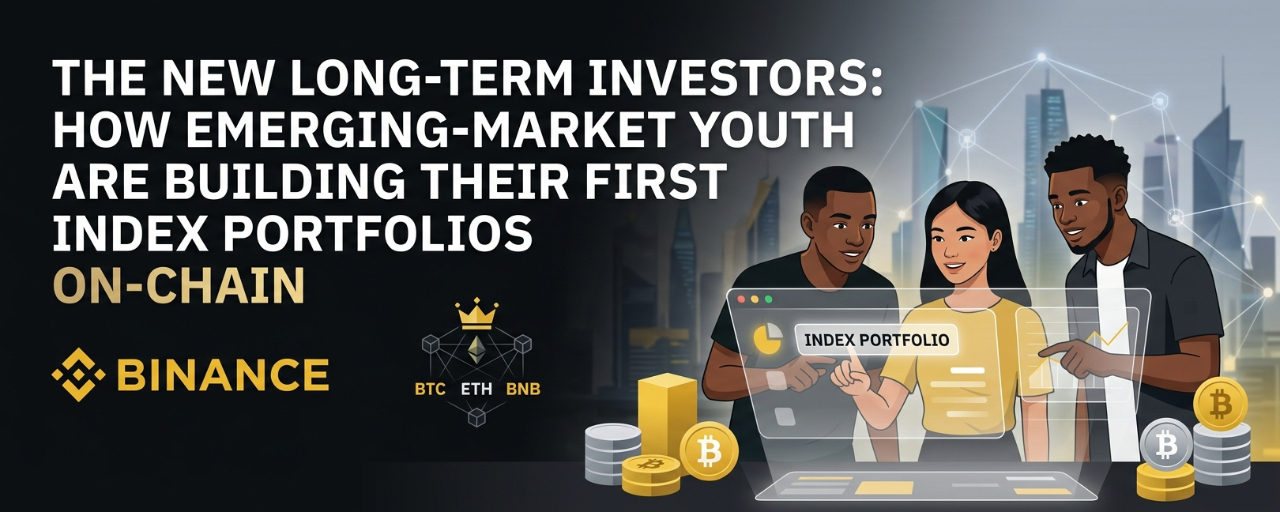
Die neuen langfristigen Anleger: Wie Jugendliche aus Schwellenländern ihre ersten Indexportfolios „On-Chain“ aufbauen
Über Jahrzehnte hinweg war langfristiges Investieren weitgehend ein Privileg von Menschen, die in entwickelten Finanzmärkten leben. Ein junger Profi in New York, London oder Tokio konnte ein Brokerkonto eröffnen, einen Indexfonds kaufen, jeden Monat einzahlen und sich so Schritt für Schritt Wohlstand durch die Partizipation an breiten Märkten aufbauen.
Für Millionen junger Menschen in Schwellenländern war die Situation jedoch sehr unterschiedlich. Der Zugang zu internationalen Märkten war häufig durch Geografie, Bankinfrastruktur, Devisenbeschränkungen, Mindestanlagebeträge und den begrenzten Zugang zu globalen Brokerage-Plattformen erschwert.
Das beginnt sich zu ändern.
Heute entdeckt eine neue Generation Möglichkeiten, über digitale Plattformen und „On-Chain“-Infrastruktur Zugang zu globalen Finanzmärkten zu erhalten. Für manche wird ihr erstes ernsthaftes langfristiges Portfolio nicht mehr über ein traditionelles Brokerkonto aufgebaut – sondern über eine Krypto-Plattform wie Binance.
Vom Krypto-Trading zum langfristigen Investieren
Krypto wurde anfangs mit Spekulation, kurzfristigem Trading und stark volatilen Vermögenswerten in Verbindung gebracht.
Doch die Infrastruktur rund um digitale Vermögenswerte wird viel breiter. Die gleichen Plattformen, die Millionen Menschen an Bitcoin und andere Kryptowährungen heranführten, verbinden Nutzer zunehmend mit tokenisierten und blockchainbasierten Darstellungen traditioneller Finanzvermögenswerte.
Das eröffnet eine interessante Möglichkeit: Eine junge Person in einem Schwellenland könnte möglicherweise Zugang zu Vermögenswerten erhalten, die traditionell mit Wall Street verbunden sind, ohne sich physisch in der Wall Street aufzuhalten. Breite Marktprodukte, die an Benchmarks wie den S&P 500 oder den Nasdaq-100 gekoppelt sind, zeigen, warum diese Entwicklung wichtig ist.
Anstatt zu versuchen, die nächste gewinnende Aktie zu identifizieren, kann ein Anleger über indexbasierte Produkte eine diversifizierte Beteiligung an einer großen Gruppe von Unternehmen anstreben. Die zugrunde liegende Investment-Philosophie ist dabei einfach: Anstatt ständig zu handeln, ein diversifiziertes Portfolio aufbauen und es langfristig halten.
Warum das für Schwellenmärkte wichtig ist
Der wichtigste Teil dieser Geschichte ist nicht einfach die Technologie.
Es ist ein Zugang.
Ein großer Teil der jungen Weltbevölkerung lebt in Schwellenländern – einschließlich Afrika, Südostasien, Lateinamerika und Teilen des Nahen Ostens. Diese Bevölkerungen sind zunehmend mobilitäts- und digitalorientiert, vernetzt und damit vertraut, Finanzanwendungen zu nutzen. Dennoch hat sich der Zugang zu globalen Investmentmärkten nicht immer im gleichen Tempo entwickelt.
Digitale Finanzinfrastruktur kann einige dieser Hürden reduzieren. Ein Smartphone kann potenziell jetzt zum Zugangstor für Finanzprodukte werden, die zuvor ein Bankkonto, eine internationale Brokerbeziehung und den Zugriff auf traditionelle Finanzinfrastruktur erforderten.
Das heißt aber nicht, dass jedes Produkt in jedem Land verfügbar ist. Vorschriften, Produktzulassung, lokale Gesetze und Währungsbeschränkungen sind weiterhin von enormer Bedeutung. Aber die Richtung der Entwicklung ist bedeutsam.
Das erste Portfolio könnte sehr unterschiedlich aussehen
Denken wir an einen 25-Jährigen in einem Schwellenland. Seine Eltern haben möglicherweise Vermögen vor allem durch Immobilien, lokale Unternehmen, Bargeldersparnisse oder Inlandsinvestitionen aufgebaut.
Die nächste Generation könnte Wohlstand anders angehen. Sie könnten einen Teil der lokalen Währung halten, einen Notgroschen führen, digitale Vermögenswerte besitzen und schrittweise über zugängliche digitale Investmentprodukte Exposure gegenüber globalen Aktien aufbauen.
Das Ziel ist nicht unbedingt, ein professioneller Trader zu werden. Vielleicht geht es einfach darum, am langfristigen Wirtschaftswachstum teilzunehmen. Genau hier werden Indexinvestitionen besonders interessant. Anstatt zu fragen: „Welches Unternehmen wird der nächste große Gewinner?“, kann ein langfristiger Anleger eine breitere Frage stellen:
"Wie kann ich am Wachstum der globalen Wirtschaft in den nächsten 10, 20 oder 30 Jahren teilhaben?"
Warum Indexinvestitionen zu einer jüngeren Generation passen
Indexinvestitionen haben eine natürliche Anziehungskraft für jüngere Anleger, weil sie den Bedarf an ständigem Entscheiden reduzieren können.
Breit angelegte Indizes bieten Zugang zu mehreren Unternehmen und Sektoren, statt das gesamte Portfolio auf ein einziges Unternehmen zu konzentrieren. Produkte, die an Benchmarks wie den S&P 500 und den Nasdaq-100 gekoppelt sind, sind zu weithin bekannten Beispielen für diesen Ansatz geworden. Für einen jungen Anleger mit begrenzter Zeit und Erfahrung sind Diversifizierung und langfristige Beständigkeit oft praktikabler, als ständig versuchen zu wollen, Marktbewegungen vorherzusagen.
Die Digitalisierung dieser Produkte könnte diese Philosophie für ein deutlich größeres globales Publikum zugänglich machen.
Binance und die Konvergenz von Krypto und traditionellem Finanzwesen
Hier wird auch die Entwicklung von Binance besonders interessant. Die Plattform begann als Kryptowährungsbörse, aber das breitere Ökosystem umfasst zunehmend mehrere Bereiche der finanziellen Infrastruktur.
Krypto-Trading, Stablecoins, Zahlungen, Ertragsprodukte, tokenisierte Vermögenswerte und der Zugang zu traditionellen Märkten beginnen in zunehmend miteinander vernetzten digitalen Umgebungen zu existieren. Diese Konvergenz könnte verändern, wie Nutzer aus Schwellenländern über das Investieren denken.
Anstatt separate Plattformen für Krypto, Zahlungen, Sparen und den globalen Marktzugang zu haben, erwarten Nutzer zunehmend, dass Finanzdienstleistungen in einem einzigen digitalen Ökosystem existieren. Das Ergebnis könnte eine neue Generation von Anlegern sein, die nicht in strikten Kategorien wie „Krypto-Anleger“ oder „Aktien-Anleger“ denken.
Sie denken einfach von sich selbst als Anleger.
Aber Zugang bedeutet nicht Null Risiko
Ein größerer Zugang zu Finanzmärkten ist positiv, aber Zugänglichkeit darf niemals mit Sicherheit oder garantierten Renditen verwechselt werden.
Globale Aktien können fallen. Krypto kann extrem volatil sein. Währungsbewegungen können die Renditen beeinflussen. Tokenisierte Produkte können zusätzliche strukturelle Risiken, Risiken in Bezug auf Liquidität, Verwahrung (Custody) und Regulierung mit sich bringen.
Am wichtigsten ist: Die Verfügbarkeit eines Finanzprodukts hängt von der Gerichtsbarkeit des Nutzers und den geltenden Vorschriften ab.
Junge Anleger, die in globale Märkte eintreten, brauchen daher mehr als nur Zugang: Sie brauchen Finanzbildung.
Diversifizierung, Volatilität, Gebühren, Liquidität, Besteuerung, Verwahrung und Anlagehorizonte zu verstehen, ist genauso wichtig wie die Fähigkeit, auf „Kaufen“ zu klicken.
Eine globale Generation bekommt endlich einen Platz am Tisch
Die tiefere Geschichte handelt nicht davon, ob Anleger aus Schwellenländern einen Index kaufen sollten.
Es geht darum, wer Zugang zu globalen Kapitalmärkten bekommt.
Über Generationen hinweg spielte die Geografie eine große Rolle dabei, welche finanzielle Möglichkeiten einer einzelnen Person zur Verfügung standen.
Digitale Infrastruktur beginnt, dieses Modell in Frage zu stellen.
Eine junge Person in Nairobi, Addis Abeba, Lagos, Jakarta oder São Paulo kann mit derselben globalen Finanzinformation verbunden sein wie jemand in New York oder London. Der nächste Schritt besteht darin, dass der Zugang zu passenden Finanzprodukten ebenso praktisch, transparent und regelkonform wird.
Das beseitigt nicht die Unterschiede zwischen den Märkten.
Aber das verändert den Ausgangspunkt.
Der Anleger aus dem Schwellenland der Zukunft muss möglicherweise nicht warten, bis er in einen Finanzstandort zieht, um damit zu beginnen, ein globales Portfolio aufzubauen.
Sie könnten von ihrem Telefon aus starten.
Und das könnte eine der wichtigsten Veränderungen bei der Entstehung globalen Vermögens sein: die erste Generation von Anlegern, die langfristige Portfolios aus Märkten aufbaut, die bislang historisch außerhalb des globalen Investment-Dialogs lagen.
#Binance #Investing #IndexInvesting #EmergingMarkets #crypto