@Dusk
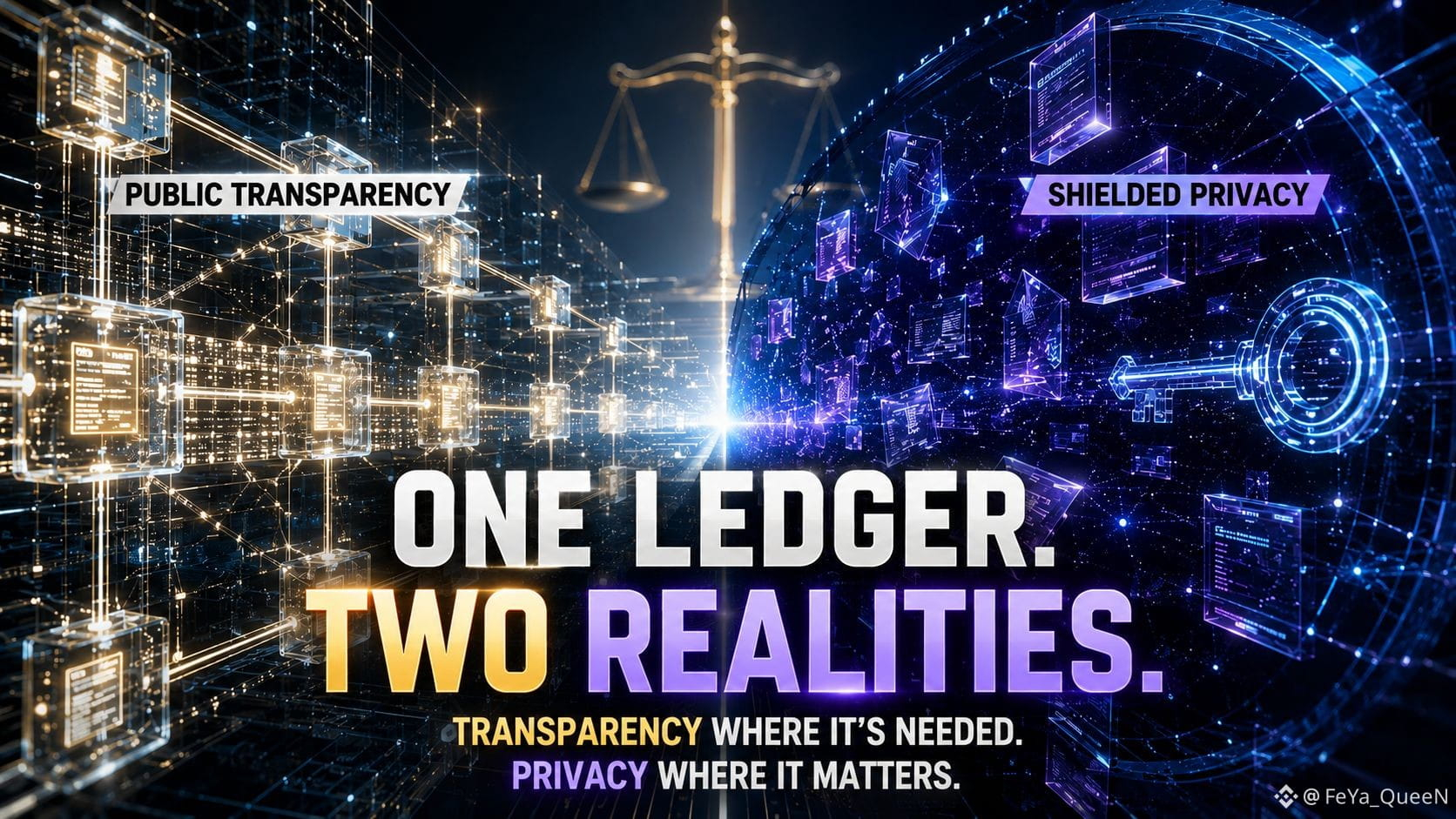
Ich komme immer wieder auf einen Punkt in den Dusk-Dokumenten zurück, der für mich spannender ist als die Datenschutztechnik selbst: Sie behandeln Privatsphäre nicht als Alles-oder-Nichts. Auf derselben Settlement-Schicht verarbeitet Moonlight Überweisungen wie ein normales öffentliches Konto – sichtbare Salden, sichtbarer Absender, Empfänger und Betrag. Phoenix macht das Gegenteil: Es bewegt Gelder als verschlüsselte \"Notizen\", deren Gültigkeit durch Zero-Knowledge-Beweise nachgewiesen wird, sodass standardmäßig fast nichts offengelegt wird.
Was dieses Gefühl erzeugt, weniger wie ein Pitch und mehr wie eine echte Designentscheidung zu sein, ist der Grund, warum beide Modelle nebeneinander existieren. Moonlight ist für Abläufe gedacht, die man sich vermutlich so weit wie möglich nachvollziehbar wünschen sollte – Treasury-Aktivitäten, Reporting, alles, was eine Institution vernünftigerweise prüfen muss. Phoenix hält Überweisungen privat, erlaubt aber dennoch, dass Inhaber einen View-Key teilen, sodass bestimmte Transaktionen auf Anfrage auditiert werden können. Dieser Detailgrad macht es greifbar: Es ist um die Frage herum gebaut, wie Finanzprozesse tatsächlich funktionieren – in denen sowohl Transparenz als auch Vertraulichkeit eine Rolle spielen, jedoch aus unterschiedlichen Gründen und für unterschiedliche Zielgruppen.
Trotzdem bedeutet die Fähigkeit, selektiv offenzulegen, nicht dasselbe wie die Annahme durch Regulierungsbehörden, dass dies als gültiger Beleg gilt. Die Gesetze unterscheiden sich je nach Rechtsraum, die Übernahme durch Institutionen ist nicht garantiert, und wenn man zwei Modelle parallel betreibt, entsteht echte Komplexität: für Wallets, für Nutzer, die das \"richtige\" auswählen, und für alle, die versuchen, das Gesamtsystem zu prüfen. Saubere Architektur schließt die Lücke zwischen dem, was technisch möglich ist, und dem, was rechtlich anerkannt wird, nicht automatisch.
Es lohnt sich, die tatsächlichen Dokumente zu lesen, statt anzunehmen, der Pitch entspreche der Realität – und das gilt für jedes Projekt, das behauptet, Krypto mit Regulierung zu verbinden. Ich versuche, mich wohler damit zu fühlen, dass Fragen ungeklärt bleiben, anstatt vorschnell zu einem Fazit zu kommen – wirkt wie eine nützliche Gewohnheit, die sogar über Krypto hinausgeht.
$DUSK #dusk @Dusk
Ich komme immer wieder auf einen Punkt in den Dusk-Dokumenten zurück, der für mich spannender ist als die Datenschutztechnik selbst: Sie behandeln Privatsphäre nicht als Alles-oder-Nichts. Auf derselben Settlement-Schicht verarbeitet Moonlight Überweisungen wie ein normales öffentliches Konto – sichtbare Salden, sichtbarer Absender, Empfänger und Betrag. Phoenix macht das Gegenteil: Es bewegt Gelder als verschlüsselte \"Notizen\", deren Gültigkeit durch Zero-Knowledge-Beweise nachgewiesen wird, sodass standardmäßig fast nichts offengelegt wird.
Was dieses Gefühl erzeugt, weniger wie ein Pitch und mehr wie eine echte Designentscheidung zu sein, ist der Grund, warum beide Modelle nebeneinander existieren. Moonlight ist für Abläufe gedacht, die man sich vermutlich so weit wie möglich nachvollziehbar wünschen sollte – Treasury-Aktivitäten, Reporting, alles, was eine Institution vernünftigerweise prüfen muss. Phoenix hält Überweisungen privat, erlaubt aber dennoch, dass Inhaber einen View-Key teilen, sodass bestimmte Transaktionen auf Anfrage auditiert werden können. Dieser Detailgrad macht es greifbar: Es ist um die Frage herum gebaut, wie Finanzprozesse tatsächlich funktionieren – in denen sowohl Transparenz als auch Vertraulichkeit eine Rolle spielen, jedoch aus unterschiedlichen Gründen und für unterschiedliche Zielgruppen.
Trotzdem bedeutet die Fähigkeit, selektiv offenzulegen, nicht dasselbe wie die Annahme durch Regulierungsbehörden, dass dies als gültiger Beleg gilt. Die Gesetze unterscheiden sich je nach Rechtsraum, die Übernahme durch Institutionen ist nicht garantiert, und wenn man zwei Modelle parallel betreibt, entsteht echte Komplexität: für Wallets, für Nutzer, die das \"richtige\" auswählen, und für alle, die versuchen, das Gesamtsystem zu prüfen. Saubere Architektur schließt die Lücke zwischen dem, was technisch möglich ist, und dem, was rechtlich anerkannt wird, nicht automatisch.
Es lohnt sich, die tatsächlichen Dokumente zu lesen, statt anzunehmen, der Pitch entspreche der Realität – und das gilt für jedes Projekt, das behauptet, Krypto mit Regulierung zu verbinden. Ich versuche, mich wohler damit zu fühlen, dass Fragen ungeklärt bleiben, anstatt vorschnell zu einem Fazit zu kommen – wirkt wie eine nützliche Gewohnheit, die sogar über Krypto hinausgeht.
$DUSK #dusk @Dusk