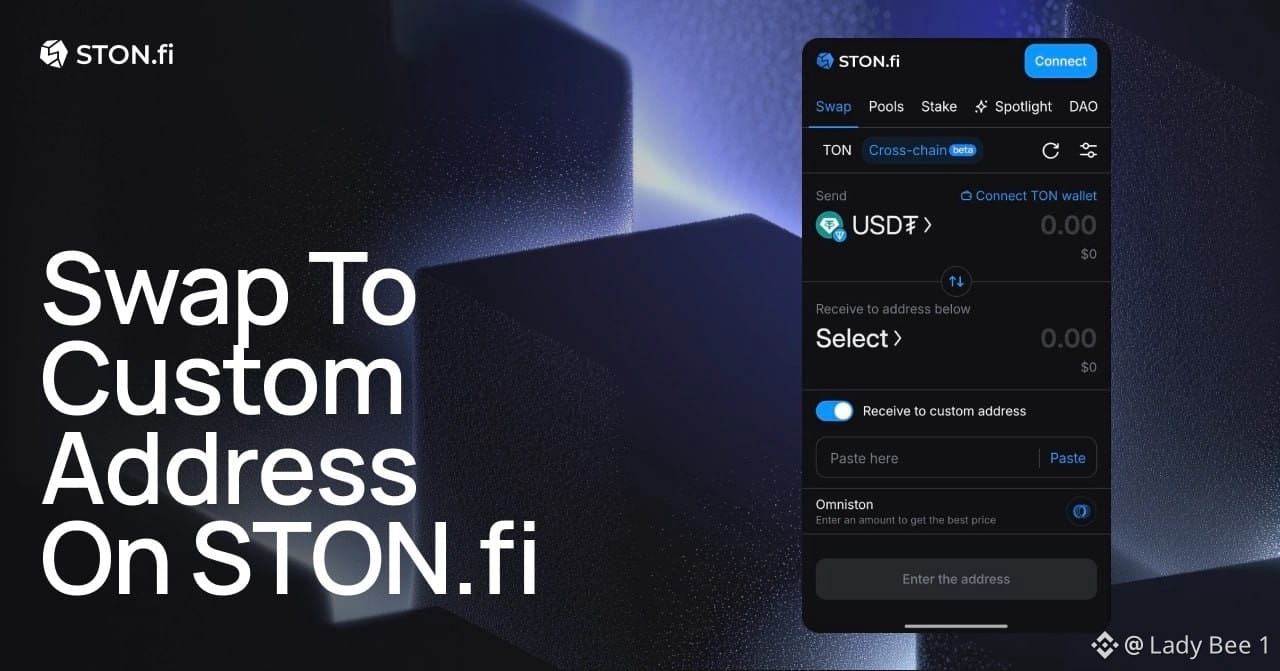
Liquidität von $ETH , $BNB Chain oder Base in $GRAM DeFi verlagern wird immer einfacher.
Aber es gibt noch eine wichtige Frage:
Welche Route solltest du nehmen?
Es gibt zwei gängige Ansätze.
1️⃣ Bridge
Dein Asset wird auf der Quell-Chain gesperrt und ein gewickeltes Jetton wird auf TON ausgegeben.
2️⃣ Atomswap via Omniston
Anstatt eine gewickelte Darstellung zu erhalten, ermöglicht Omniston, die plattformübergreifende Ausführungsschicht von STON.fi, den Swap in ein natives TON-Asset mithilfe gepaarter Hashed Timelock Contracts (HTLCs).
Beide Ansätze können funktionieren.
Doch sie schaffen auf der Ziel-Chain ein unterschiedliches Nutzererlebnis.
Für Nutzer, die in TON DeFi wechseln möchten und das ankommende Asset sofort einsetzen wollen, kann die Route über den Atomswap eine deutlich „cleanere“ Erfahrung bieten.
Warum?
⚡ Keine herkömmliche Bridge-Wartezeit
Der Cross-Chain-Swap wird über den Atomswap-Mechanismus abgewickelt, statt auf das klassische Lock-and-Mint-Bridge-Modell zu setzen.
📊 Der Price Impact ist bis zur Bestätigung festgelegt
Du kennst die Swap-Bedingungen, bevor du die Transaktion bestätigst – statt das endgültige Ergebnis erst nach einem längeren Bridging-Prozess zu erfahren.
Hier wird Cross-Chain-Infrastruktur mehr als nur das Verschieben von Tokens zwischen Netzwerken.
Es geht darum, dass sich Liquidität dort „native“ anfühlt, wo sie landet.
Und genau dafür ist Omniston innerhalb des STON.fi-Ökosystems konzipiert.
#STON #TON #Crypto #DeFi
Aber es gibt noch eine wichtige Frage:
Welche Route solltest du nehmen?
Es gibt zwei gängige Ansätze.
1️⃣ Bridge
Dein Asset wird auf der Quell-Chain gesperrt und ein gewickeltes Jetton wird auf TON ausgegeben.
2️⃣ Atomswap via Omniston
Anstatt eine gewickelte Darstellung zu erhalten, ermöglicht Omniston, die plattformübergreifende Ausführungsschicht von STON.fi, den Swap in ein natives TON-Asset mithilfe gepaarter Hashed Timelock Contracts (HTLCs).
Beide Ansätze können funktionieren.
Doch sie schaffen auf der Ziel-Chain ein unterschiedliches Nutzererlebnis.
Für Nutzer, die in TON DeFi wechseln möchten und das ankommende Asset sofort einsetzen wollen, kann die Route über den Atomswap eine deutlich „cleanere“ Erfahrung bieten.
Warum?
⚡ Keine herkömmliche Bridge-Wartezeit
Der Cross-Chain-Swap wird über den Atomswap-Mechanismus abgewickelt, statt auf das klassische Lock-and-Mint-Bridge-Modell zu setzen.
📊 Der Price Impact ist bis zur Bestätigung festgelegt
Du kennst die Swap-Bedingungen, bevor du die Transaktion bestätigst – statt das endgültige Ergebnis erst nach einem längeren Bridging-Prozess zu erfahren.
Hier wird Cross-Chain-Infrastruktur mehr als nur das Verschieben von Tokens zwischen Netzwerken.
Es geht darum, dass sich Liquidität dort „native“ anfühlt, wo sie landet.
Und genau dafür ist Omniston innerhalb des STON.fi-Ökosystems konzipiert.
#STON #TON #Crypto #DeFi