#dusk $DUSK @Dusk @Dusk Der Teil, den ich jetzt gerade anschaue
Lange Zeit habe ich Börsennotierungen und Liquidität fast wie eine Abkürzung betrachtet, um ein Krypto-Projekt einzuschätzen.
Mehr Märkte, mehr Volumen, mehr Aufmerksamkeit — das fühlte sich nach Fortschritt an.
Doch die Erfahrung hat das für mich verändert. Ich habe gesehen, wie Liquidität auftaucht, Begeisterung erzeugt und dann wieder verschwindet, ohne viel zurückzulassen.
Mit $DUSK fühlt sich die Frage ein wenig anders an.
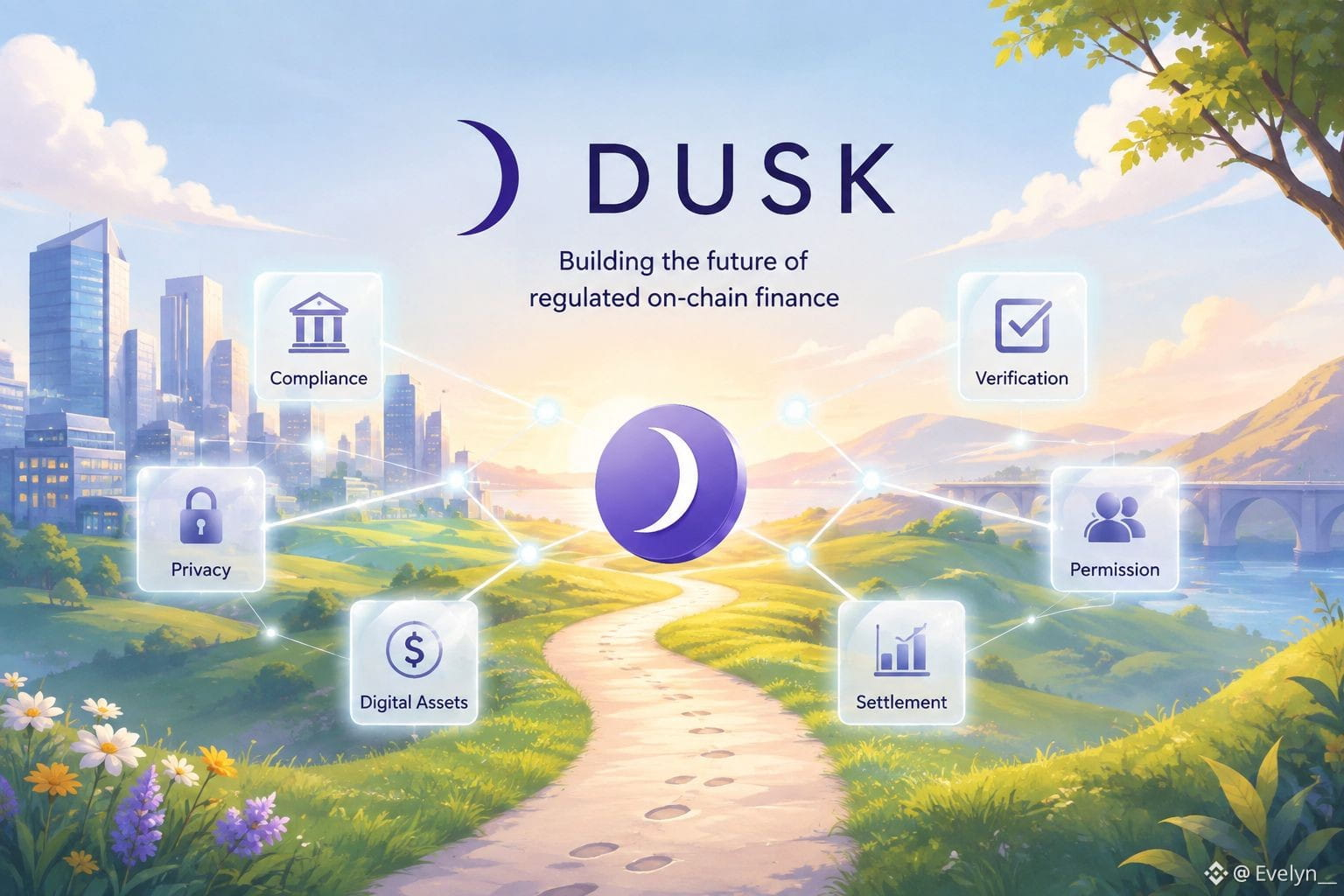
Was wäre, wenn der wertvolle Teil der finanziellen Infrastruktur nicht die Kette selbst ist, sondern die Logik, die darauf aufbaut?
Ein Entwickler könnte einmal eine Compliance-Prüfung, eine Berechtigungsebene oder eine Datenschutzkomponente erstellen, und dann könnte ein anderes Team sie in sein eigenes Produkt einbinden, statt bei Null anzufangen. Das ist näher an Open-Source-Software als an dem üblichen Ablauf „launchen, listen, pushen“.
Und hier wird die Beibehaltung (Retention) interessant.
Nutzer haben einen Grund zurückzukehren, wenn eine Anwendung etwas löst, das sie wirklich brauchen — nicht, weil der Token gerade im Trend liegt.
Entwickler haben einen Grund weiter zu bauen, wenn ihre Module wiederverwendbar sind und über eine einzige Bereitstellung hinaus Mehrwert generieren.
Betreiber haben eine andere Verantwortung. Verifikation muss sich lohnen, damit sie auch wirklich korrekt gemacht wird. Wenn schlechtes Datenmaterial belohnt wird, kann das gesamte System nach außen aktiv wirken, während es darunter weniger vertrauenswürdig wird.
Ich bin allerdings immer noch skeptisch.
Wie viel Aktivität ist wirklich neu? Wie viel wird zwischen denselben Wallets recycelt? Nutzen Menschen die Infrastruktur, weil sie sinnvoll ist — oder weil Anreize sie kurzfristig profitabel machen? Und der Druck durch Token-Freigaben kann das Bild schnell verändern.
Darum behandle ich $DUSK nicht als einen bestätigten Gewinner.
Ich beobachte stattdessen nur eine Sache:
Kann die Infrastruktur Gründe schaffen, zurückzukommen, wenn der Hype weg ist?
Wenn ja, dann bedeutet mir das viel mehr als eine weitere Börsennotierung.
Lange Zeit habe ich Börsennotierungen und Liquidität fast wie eine Abkürzung betrachtet, um ein Krypto-Projekt einzuschätzen.
Mehr Märkte, mehr Volumen, mehr Aufmerksamkeit — das fühlte sich nach Fortschritt an.
Doch die Erfahrung hat das für mich verändert. Ich habe gesehen, wie Liquidität auftaucht, Begeisterung erzeugt und dann wieder verschwindet, ohne viel zurückzulassen.
Mit $DUSK fühlt sich die Frage ein wenig anders an.
Was wäre, wenn der wertvolle Teil der finanziellen Infrastruktur nicht die Kette selbst ist, sondern die Logik, die darauf aufbaut?
Ein Entwickler könnte einmal eine Compliance-Prüfung, eine Berechtigungsebene oder eine Datenschutzkomponente erstellen, und dann könnte ein anderes Team sie in sein eigenes Produkt einbinden, statt bei Null anzufangen. Das ist näher an Open-Source-Software als an dem üblichen Ablauf „launchen, listen, pushen“.
Und hier wird die Beibehaltung (Retention) interessant.
Nutzer haben einen Grund zurückzukehren, wenn eine Anwendung etwas löst, das sie wirklich brauchen — nicht, weil der Token gerade im Trend liegt.
Entwickler haben einen Grund weiter zu bauen, wenn ihre Module wiederverwendbar sind und über eine einzige Bereitstellung hinaus Mehrwert generieren.
Betreiber haben eine andere Verantwortung. Verifikation muss sich lohnen, damit sie auch wirklich korrekt gemacht wird. Wenn schlechtes Datenmaterial belohnt wird, kann das gesamte System nach außen aktiv wirken, während es darunter weniger vertrauenswürdig wird.
Ich bin allerdings immer noch skeptisch.
Wie viel Aktivität ist wirklich neu? Wie viel wird zwischen denselben Wallets recycelt? Nutzen Menschen die Infrastruktur, weil sie sinnvoll ist — oder weil Anreize sie kurzfristig profitabel machen? Und der Druck durch Token-Freigaben kann das Bild schnell verändern.
Darum behandle ich $DUSK nicht als einen bestätigten Gewinner.
Ich beobachte stattdessen nur eine Sache:
Kann die Infrastruktur Gründe schaffen, zurückzukommen, wenn der Hype weg ist?
Wenn ja, dann bedeutet mir das viel mehr als eine weitere Börsennotierung.