


Executive Summary
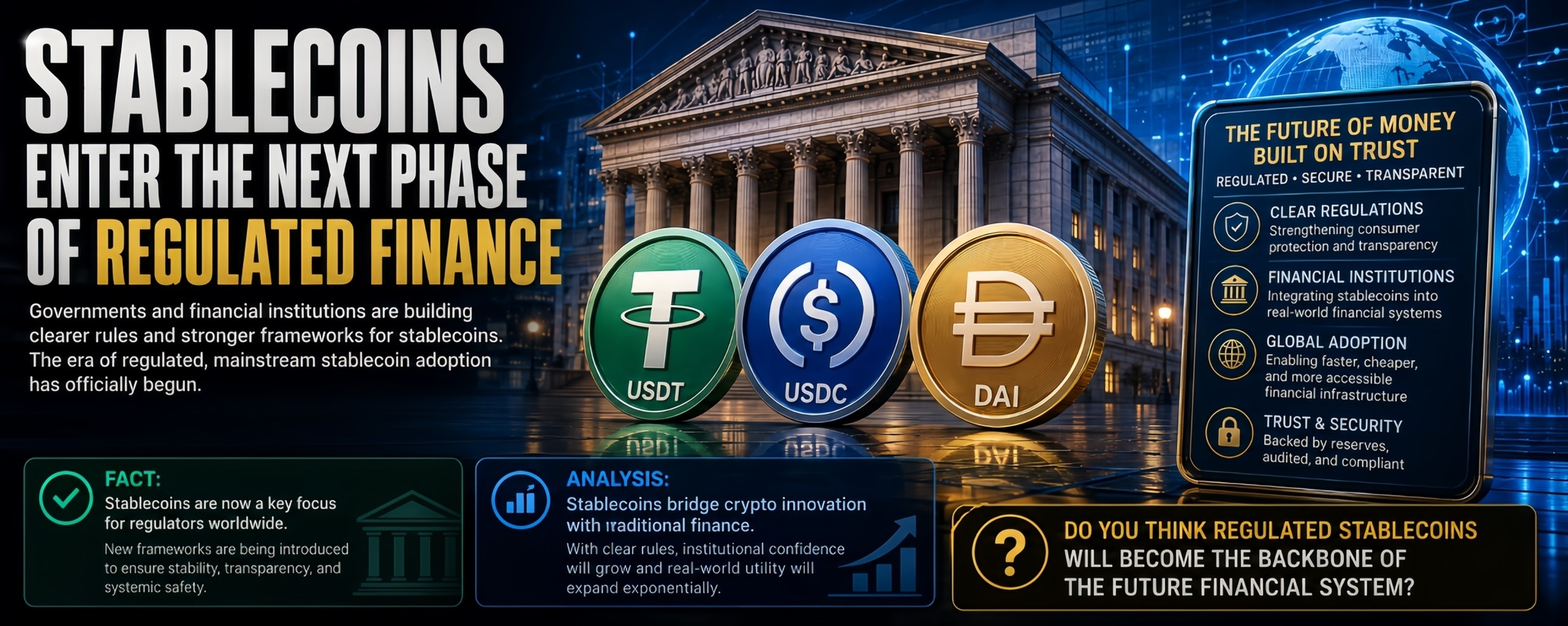
Stablecoins bewegen sich über ihre Rolle als Krypto-Handelsinfrastruktur hinaus und zunehmend hin zu regulierten Finanzdienstleistungen.
Ein bedeutendes Beispiel zeigte sich am 14. August 2026, als das US Office of the Comptroller of the Currency der World Liberty Trust Company, National Association, eine vorläufige bedingte Genehmigung erteilte, um eine nationale Treuhandbank zu werden. Die vorgeschlagene Institution würde von Dollar gestützte Stablecoin-Emission und -Rücknahme durchführen, Reserven verwalten und Dienstleistungen zur Verwahrung digitaler Assets anbieten. (OCC.gov)
Die Genehmigung ist bedingt, nicht final. Die Bank muss zusätzliche Voraussetzungen vor der Eröffnung abschließen, bevor sie den Betrieb aufnehmen kann. (OCC.gov)
Die Bedeutung liegt daher weniger im unmittelbaren Start einer neuen Bank, sondern in der breiteren Ausrichtung der Finanzinfrastruktur: Stablecoins werden zunehmend innerhalb regulierter Bankstrukturen in Betracht gezogen.
Verifizierte Fakten
Die am 14. August datierte OCC-Entscheidung erteilt der World Liberty Trust Company eine vorläufige, bedingte Genehmigung.
Laut OCC dürfte die vorgeschlagene Bank Aktivitäten einschließen, darunter:
Von Dollar gestützte Stablecoin-Emission und -Rücknahme
Pflege der Stablecoin-Reserven
Digital-Asset-Verwahrung
Umwandlungsservices im Zusammenhang mit verwahrten Assets
Die vorgeschlagene Bank beabsichtigt, USD1 auszugeben, einen von Fiatwährung gestützten Stablecoin. (OCC.gov)
Allerdings stellt die OCC ausdrücklich klar, dass die endgültige Genehmigung zur Geschäftseröffnung noch nicht erteilt wurde. Der Regulator behält die Möglichkeit, die vorläufige Genehmigung zu ändern, auszusetzen oder zurückzunehmen, bevor die endgültige Genehmigung erteilt wird. (OCC.gov)
Warum das wichtig ist
Die entscheidende Entwicklung ist die Konvergenz zweier Finanzsysteme, die historisch betrachtet weitgehend getrennt voneinander operiert haben.
Traditionelles Bankwesen bietet regulierte Verwahrung, Abwicklung, Reservemanagement und Finanzinfrastruktur.
Krypto bietet programmierbare digitale Assets, blockchainbasierte Abwicklung und global zugängliche digitale Zahlungsstrukturen.
Stablecoins liegen direkt an der Schnittstelle.
Eine regulierte Bankstruktur, die in der Lage ist, Stablecoin-Emission, Reserven und die Verwahrung digitaler Assets abzuwickeln, könnte es Institutionen erleichtern, blockchainbasierte Finanzprodukte in bestehende Abläufe zu integrieren.
Das bedeutet nicht, dass Stablecoins plötzlich gleichbedeutend mit herkömmlichen Bankeinlagen geworden sind. In der Entscheidung der OCC selbst wird darauf hingewiesen, dass Stablecoins nach dem jeweils anwendbaren Bundesrecht anders behandelt werden. (OCC.gov)
Stattdessen zeigt die Entwicklung, dass Regulierungsbehörden zunehmend Rahmenwerke schaffen, in denen blockchainbasierte Finanzprodukte innerhalb des regulierten Finanzsystems funktionieren können.
Der umfassendere regulatorische Wandel
Die Entwicklung findet parallel zu einem breiteren Versuch statt, in den USA klarere Regeln für digitale Assets zu etablieren.
Die SEC hat kürzlich ein geplantes Treffen abgesagt, bei dem voraussichtlich vorgeschlagene kryptobezogene Regeln behandelt werden sollten, darunter mögliche Ausnahmen, die es Krypto-Startups erleichtern könnten, Kapital aufzunehmen. Das Treffen wurde aufgrund eines unerwarteten Terminproblems verschoben. (Reuters)
Auf legislativer Ebene kam es auch beim CLARITY Act zu Verzögerungen, sodass Teile des breiteren US-Krypto-Frameworks weiterhin ungeklärt bleiben. (Reuters)
Das schafft einen interessanten Kontrast.
Der regulatorische Fortschritt erfolgt nicht in gleichmäßiger Geschwindigkeit.
Einige Bereiche kommen über Entscheidungen von Behörden und Bankgenehmigungen voran, während eine weiterreichende Gesetzgebung zur Marktstruktur noch ungewiss bleibt.
Von Digital-Assets zur Finanzinfrastruktur
Das Stablecoin-Narrativ wird zunehmend wichtiger, weil Stablecoins Funktionen übernehmen können, die über den Handel hinausgehen.
Mögliche Anwendungen sind unter anderem:
Digitale Zahlungen
Grenzüberschreitende Abwicklung
Treasury-Management
Digital-Asset-Verwahrung
On-Chain-Finanzdienstleistungen
Institutionelle Abwicklung
Programmable Finanztransaktionen
Die langfristige Frage lautet daher nicht nur, wie groß der Stablecoin-Markt wird.
Die wichtigere Frage ist daher, wie tief Stablecoins in die bestehende Finanzinfrastruktur integriert werden.
Wenn Banken, Zahlungsunternehmen, Vermögensverwalter und Finanzinstitute zunehmend blockchainbasierte Dollar für Abwicklung und Zahlungen nutzen, könnten Stablecoins zu einer wichtigen Schicht werden, die traditionelles Finanzwesen mit digitalen Märkten verbindet.
Darauf ist als Nächstes zu achten
Mehrere Entwicklungen werden entscheiden, ob sich dieser Trend beschleunigt.
1. Endgültige Bankgenehmigungen
Die vorläufige bedingte Genehmigung ist nicht dasselbe wie die Erlaubnis, den Betrieb aufzunehmen. Die vollständige Erfüllung der Voraussetzungen vor der Eröffnung wird ein wichtiges Meilensteinereignis sein. (OCC.gov)
2. Stablecoin-Regulierung
Klarere Regeln für Emission, Reserven, Verwahrung und Rücknahme könnten die Unsicherheit für Finanzinstitute verringern.
3. Institutionelle Einführung
Der stärkste Hinweis auf eine breite Akzeptanz kommt von der tatsächlichen Nutzung durch Banken, Zahlungsanbieter, Fonds und Unternehmen.
4. Abwicklungsaktivität
Wenn Stablecoins beginnen, bedeutende Zahlungsvolumina und finanzielle Abwicklungen zu übernehmen, könnte sich ihre Rolle vom Krypto-Infrastrukturbestandteil hin zu einer breiteren Finanzinfrastruktur weiterentwickeln.
5. Wettbewerb
Wenn mehr regulierte Institutionen in den Sektor eintreten, könnte der Wettbewerb Verbesserungen bei Transparenz, Verwahrung, Zahlungen und Interoperabilität beschleunigen.
Der konstruktive Takeaway
Die Krypto-Industrie bewegt sich zunehmend in eine Phase, in der Infrastruktur genauso wichtig ist wie Spekulation.
Stablecoins sind eines der eindeutigsten Beispiele.
Die jüngste OCC-Entscheidung bedeutet nicht, dass der Übergang abgeschlossen ist, und sie beseitigt weder regulatorische noch operationelle Risiken.
Aber sie liefert ein weiteres konkretes Beispiel dafür, dass blockchainbasierte Finanzprodukte näher an regulierte Finanzinstitute heranrücken.
Das ist ein Trend, den es zu beobachten gilt.
Die Krypto-Einführung kann letztlich nicht nur dadurch vorangetrieben werden, dass Menschen digitale Assets kaufen, sondern auch dadurch, dass Finanzinstitute still und leise Blockchain in die Systeme integrieren, die sie bereits nutzen.
Fazit
Die nächste Phase des Krypto könnte weniger wie ein separates Finanz-Ökosystem aussehen und mehr wie eine Infrastruktur-Schicht, die in die traditionelle Finanzwelt eingebettet ist.
Stablecoins sind genau an dieser Schnittstelle positioniert.
Die Entscheidung für die World Liberty Trust Company bleibt zwar vorläufig, die zugrunde liegende Richtung ist jedoch bedeutend: Regulierte Institutionen prüfen zunehmend, wie Stablecoin-Emission, Reserven, Verwahrung und blockchainbasierte Finanzdienstleistungen sich in bestehende Bankrahmenwerke einfügen können. (OCC.gov)
Für Krypto-Beobachter könnte sich die wichtigste Kennzahl daher von spekulativer Aufmerksamkeit hin zu einer echten finanziellen Integration verschieben.
Dort könnte die nächste große Phase der Einführung entstehen.