Warum „Privacy + Compliance“ die Kernthese von Dusk ist
Das Problem, das Dusk löst:
Öffentliche Blockchains sind standardmäßig transparent – jede Transaktion, jedes Guthaben und jeder Geschäftspartner ist für alle sichtbar. Das ist in Ordnung für spekulatives Retail-Krypto, aber ein Ausschlusskriterium für regulierte Finanzen. Banken, Asset Manager und Institutionen können echte Wertpapiere, Unternehmensgeschäfte oder Kundendaten nicht auf einer Kette platzieren, auf der Wettbewerber und die Öffentlichkeit alles sehen können. Gleichzeitig gehen vollständig private Chains (Monero-/Zcash-Style) in die andere Richtung zu weit – Regulierer und Auditoren können dann nichts einsehen, was sie für lizenzierte Finanzinstitute, die KYC/AML-Verpflichtungen haben, zu einem No-Go macht.
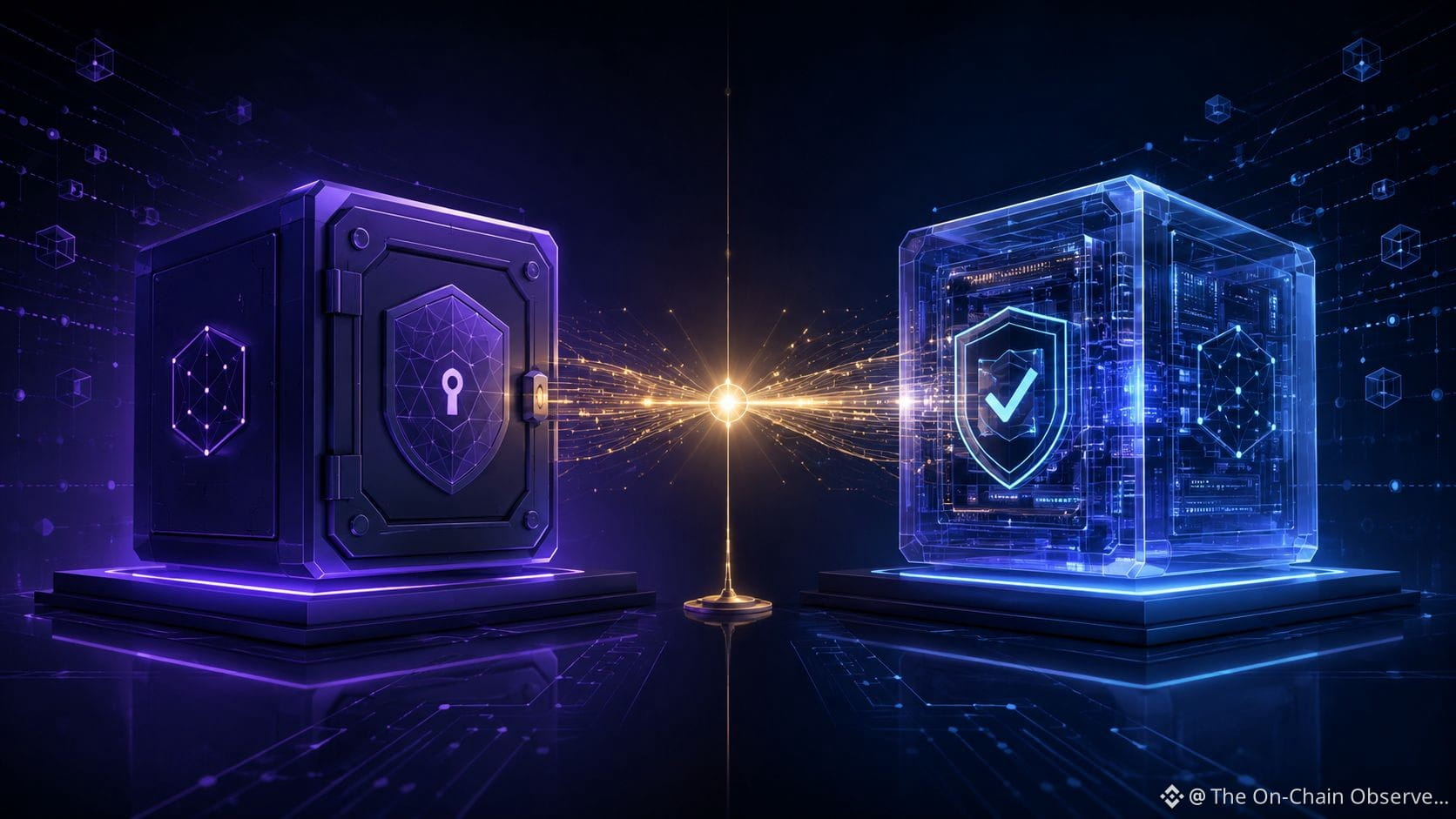
Der Wetteinsatz von Dusk: Man muss sich nicht entscheiden. Mithilfe von Zero-Knowledge-Proofs (PLONK-basiert) und eigens entwickelten Primitiven ermöglicht Dusk, dass Transaktionen gegenüber der Öffentlichkeit vertraulich bleiben, während sie gleichzeitig für autorisierte Parteien (Regulierer, Auditoren und die beteiligten Gegenparteien) nachvollziehbar sind. Das ist das Modell der „selektiven Offenlegung“ – privat per Standard, bei Bedarf beweisbar.
Warum das konkret wichtig ist:
MiCA-Ausrichtung: Der EU-Regelungsrahmen verlangt zunehmend genau das – Datenschutz aus kommerziellen Gründen und Transparenz aus Compliance-Gründen. Dusk wurde um diese Anforderung herum gebaut, statt sie nachträglich anzupassen.
Echte Institutionelle Deals: Die Partnerschaft mit NPEX (tokenisierte Wertpapiere, Werte in der Größenordnung von mehreren hundert Millionen) funktioniert nur, weil Institutionen vertraulich abwickeln können, dabei aber dennoch die Audit-Anforderungen erfüllen.
Differenzierung: Generische L1s behandeln Datenschutz als aufgesetztes Feature (Mixer, optionales Shielding). Dusk behandelt datenschutzkonforme Privatsphäre als die gesamte Architektur – es konkurriert nicht mit Ethereum in puncto Geschwindigkeit, sondern mit der Back-Office-Infrastruktur traditioneller Finanzdienstleistungen.
@Dusk #dusk #Dusk/usdt✅ #DUSKARMY. $DUSK #DUSK.USDT
Das Problem, das Dusk löst:
Öffentliche Blockchains sind standardmäßig transparent – jede Transaktion, jedes Guthaben und jeder Geschäftspartner ist für alle sichtbar. Das ist in Ordnung für spekulatives Retail-Krypto, aber ein Ausschlusskriterium für regulierte Finanzen. Banken, Asset Manager und Institutionen können echte Wertpapiere, Unternehmensgeschäfte oder Kundendaten nicht auf einer Kette platzieren, auf der Wettbewerber und die Öffentlichkeit alles sehen können. Gleichzeitig gehen vollständig private Chains (Monero-/Zcash-Style) in die andere Richtung zu weit – Regulierer und Auditoren können dann nichts einsehen, was sie für lizenzierte Finanzinstitute, die KYC/AML-Verpflichtungen haben, zu einem No-Go macht.
Der Wetteinsatz von Dusk: Man muss sich nicht entscheiden. Mithilfe von Zero-Knowledge-Proofs (PLONK-basiert) und eigens entwickelten Primitiven ermöglicht Dusk, dass Transaktionen gegenüber der Öffentlichkeit vertraulich bleiben, während sie gleichzeitig für autorisierte Parteien (Regulierer, Auditoren und die beteiligten Gegenparteien) nachvollziehbar sind. Das ist das Modell der „selektiven Offenlegung“ – privat per Standard, bei Bedarf beweisbar.
Warum das konkret wichtig ist:
MiCA-Ausrichtung: Der EU-Regelungsrahmen verlangt zunehmend genau das – Datenschutz aus kommerziellen Gründen und Transparenz aus Compliance-Gründen. Dusk wurde um diese Anforderung herum gebaut, statt sie nachträglich anzupassen.
Echte Institutionelle Deals: Die Partnerschaft mit NPEX (tokenisierte Wertpapiere, Werte in der Größenordnung von mehreren hundert Millionen) funktioniert nur, weil Institutionen vertraulich abwickeln können, dabei aber dennoch die Audit-Anforderungen erfüllen.
Differenzierung: Generische L1s behandeln Datenschutz als aufgesetztes Feature (Mixer, optionales Shielding). Dusk behandelt datenschutzkonforme Privatsphäre als die gesamte Architektur – es konkurriert nicht mit Ethereum in puncto Geschwindigkeit, sondern mit der Back-Office-Infrastruktur traditioneller Finanzdienstleistungen.
@Dusk #dusk #Dusk/usdt✅ #DUSKARMY. $DUSK #DUSK.USDT