STONfi’s 78% TON-Dominanz
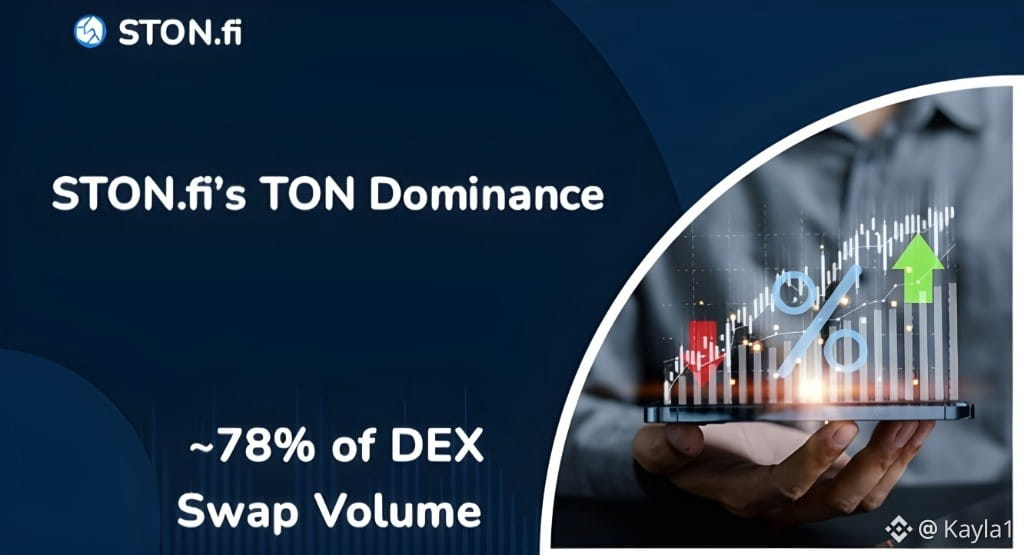
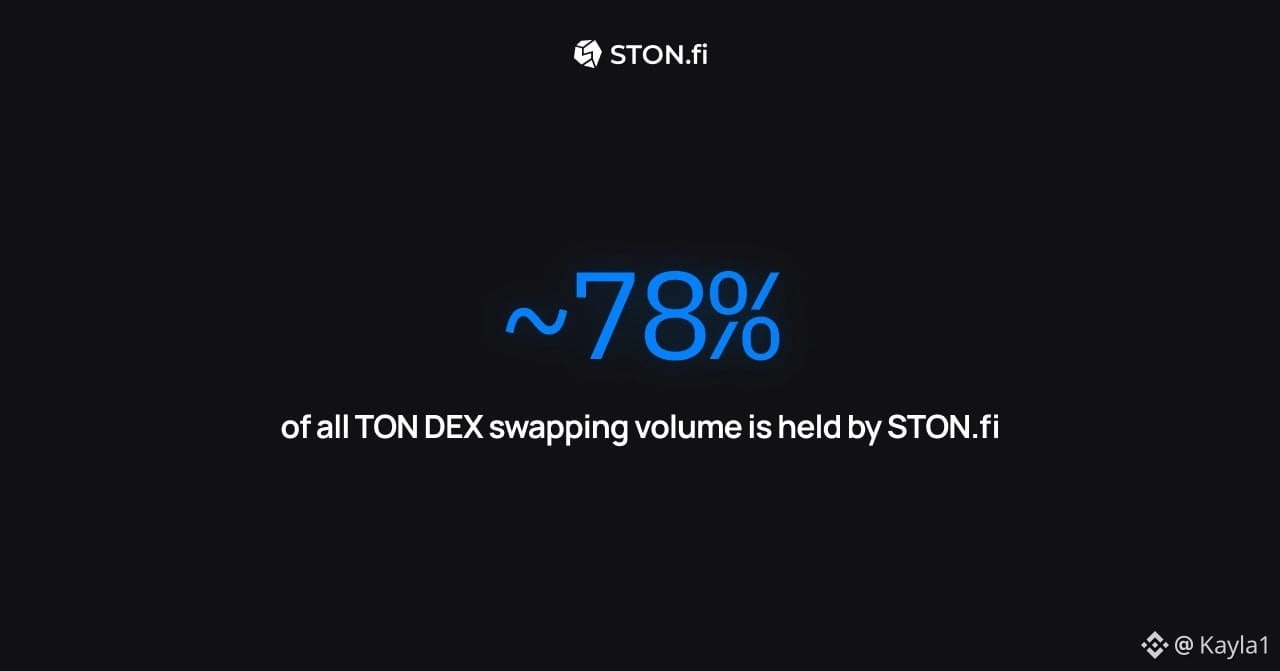
Aktuelle TON-Daten zeigen, dass STON.fi etwa 78% des DEX-Swap-Volumens abwickelt – fast 5× so viel wie der zweitgrößte Marktplatz. Außerdem deckt es rund 59% der DEX-User ab, was zeigt, dass sein Vorsprung nicht nur aus dem Volumen entsteht.
Ein Protokoll mit hohem Volumen, aber wenigen Nutzern, könnte durch eine kleine Zahl großer Trader angetrieben werden. Ein Protokoll mit vielen Nutzern, aber niedrigem Volumen, könnte auf eine begrenzte Kapitalaktivität hindeuten.
STONfi scheint in beiden Bereichen stark zu sein: bei der Reichweite der Nutzer und beim Transaktionsfluss.
Doch die größere Geschichte ist der Zugang zu Liquidität
Die Rolle von STONfi geht darüber hinaus, einfach nur ein weiterer Ort zum Swappen von Tokens zu sein.
Über Omniston kann Liquidität aus mehreren Quellen gebündelt und genutzt werden, um die Ausführung zu verbessern. Für Nutzer kann das bedeuten, dass sie weniger Zeit damit verbringen müssen, Liquidität zu suchen, und potenziell bessere Routen erhalten – ohne die Infrastruktur hinter der Transaktion verstehen zu müssen.$GRAM
Das verändert die Wettbewerbssituation. Der DEX mit dem größten Pool ist nicht immer der DEX, der die beste Ausführung liefert.
Während TON wächst und Liquidität über mehr Protokolle, Anwendungen und Pools verteilt wird, wird das Finden der besten Route genauso wichtig wie das Vorhandensein von Liquidität. Hier wird Aggregation zunehmend wertvoll.
Ich würde die 78%-Zahl nicht als Beweis dafür ansehen, dass der Wettbewerb im TON-DeFi nicht mehr relevant ist. Märkte verändern sich, neue Produkte entstehen – und der heutige Marktführer muss weiterhin Nutzer und Liquidität gewinnen.
Aber die Kombination aus ~78% Swap-Volumen, ~59% Anteil an Nutzern und Liquiditätsaggregation über Omniston lässt sich nur schwer ignorieren.
Das wichtigste Maß, das ich beobachten werde, ist nicht nur, ob STONfi seinen aktuellen Anteil hält.
Es geht darum, ob STONfi weiterhin TON-Liquidität im gesamten Ökosystem einfacher, tiefer und zugänglicher machen kann.
Wenn das gelingt, könnte die heutige DEX-Dominanz langfristig weniger wie eine reine Marktanteils-Kennzahl aussehen – und mehr wie die frühen Phasen einer Ausführungs-Infrastruktur-Schicht für TON DeFi.
$BTC $ETH #TONDeFiEcosystem #STONfi #Omniston #TrendingTopic #LiquidityAggregator
Aktuelle TON-Daten zeigen, dass STON.fi etwa 78% des DEX-Swap-Volumens abwickelt – fast 5× so viel wie der zweitgrößte Marktplatz. Außerdem deckt es rund 59% der DEX-User ab, was zeigt, dass sein Vorsprung nicht nur aus dem Volumen entsteht.
Ein Protokoll mit hohem Volumen, aber wenigen Nutzern, könnte durch eine kleine Zahl großer Trader angetrieben werden. Ein Protokoll mit vielen Nutzern, aber niedrigem Volumen, könnte auf eine begrenzte Kapitalaktivität hindeuten.
STONfi scheint in beiden Bereichen stark zu sein: bei der Reichweite der Nutzer und beim Transaktionsfluss.
Doch die größere Geschichte ist der Zugang zu Liquidität
Die Rolle von STONfi geht darüber hinaus, einfach nur ein weiterer Ort zum Swappen von Tokens zu sein.
Über Omniston kann Liquidität aus mehreren Quellen gebündelt und genutzt werden, um die Ausführung zu verbessern. Für Nutzer kann das bedeuten, dass sie weniger Zeit damit verbringen müssen, Liquidität zu suchen, und potenziell bessere Routen erhalten – ohne die Infrastruktur hinter der Transaktion verstehen zu müssen.$GRAM
Das verändert die Wettbewerbssituation. Der DEX mit dem größten Pool ist nicht immer der DEX, der die beste Ausführung liefert.
Während TON wächst und Liquidität über mehr Protokolle, Anwendungen und Pools verteilt wird, wird das Finden der besten Route genauso wichtig wie das Vorhandensein von Liquidität. Hier wird Aggregation zunehmend wertvoll.
Ich würde die 78%-Zahl nicht als Beweis dafür ansehen, dass der Wettbewerb im TON-DeFi nicht mehr relevant ist. Märkte verändern sich, neue Produkte entstehen – und der heutige Marktführer muss weiterhin Nutzer und Liquidität gewinnen.
Aber die Kombination aus ~78% Swap-Volumen, ~59% Anteil an Nutzern und Liquiditätsaggregation über Omniston lässt sich nur schwer ignorieren.
Das wichtigste Maß, das ich beobachten werde, ist nicht nur, ob STONfi seinen aktuellen Anteil hält.
Es geht darum, ob STONfi weiterhin TON-Liquidität im gesamten Ökosystem einfacher, tiefer und zugänglicher machen kann.
Wenn das gelingt, könnte die heutige DEX-Dominanz langfristig weniger wie eine reine Marktanteils-Kennzahl aussehen – und mehr wie die frühen Phasen einer Ausführungs-Infrastruktur-Schicht für TON DeFi.
$BTC $ETH #TONDeFiEcosystem #STONfi #Omniston #TrendingTopic #LiquidityAggregator