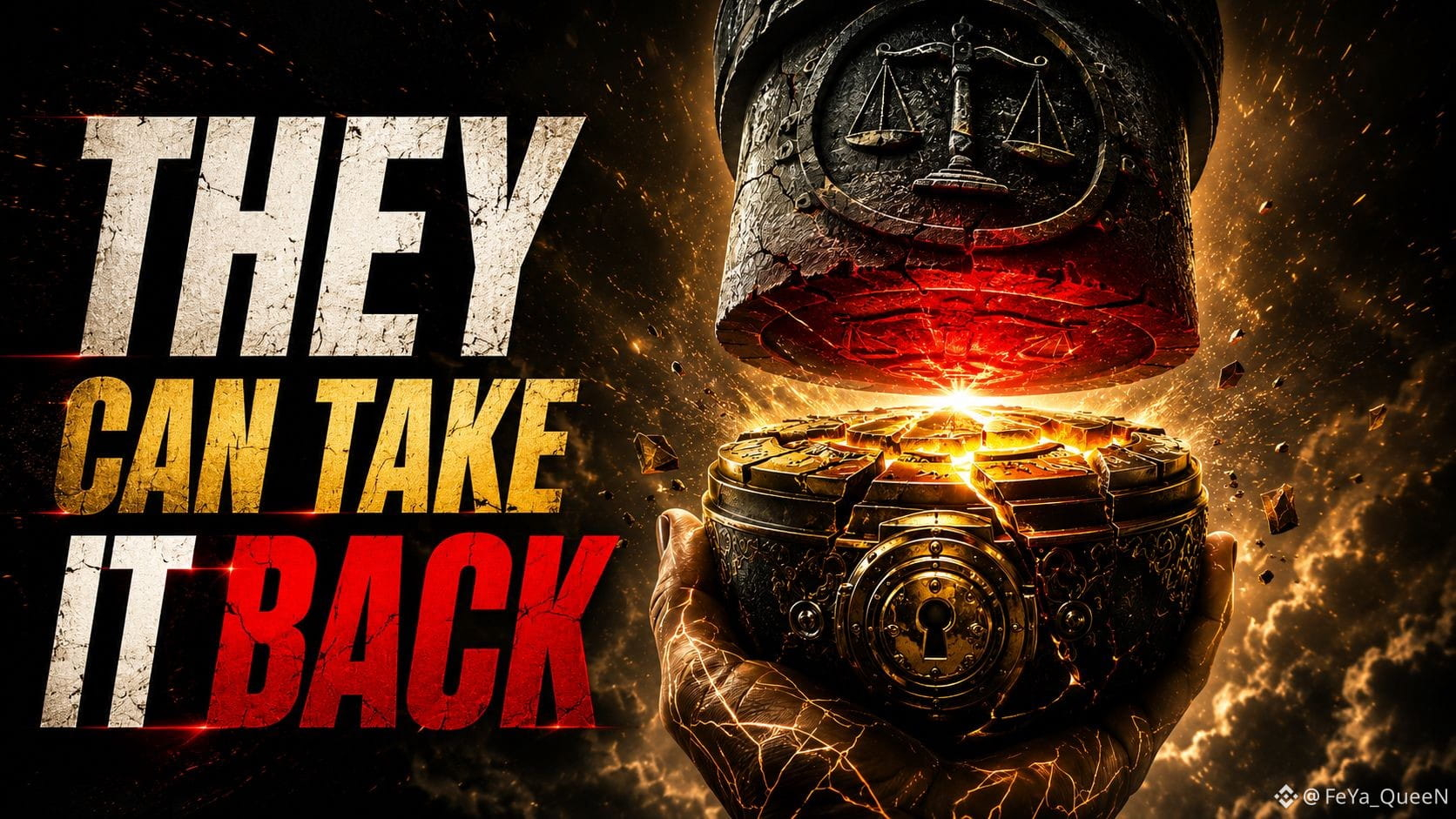
Ich bin heute auf etwas im Design von Dusk gestoßen, das mich kurz innehalten ließ: Ein Emittent kann eine tokenisierte Sicherheit direkt aus dem Wallet einer Person zwangsübertragen. In einem Umfeld, in dem den Menschen gesagt wird, sie sollten ihre eigenen Assets vollständig selbst kontrollieren, wirkte das zunächst fast rückwärts.#Dusk
Dann dachte ich darüber nach, wie echte Wertpapiere bereits funktionieren. Anteile werden nach Betrug zurückgefordert, während gerichtlicher Streitigkeiten eingefroren oder neu ausgegeben, wenn ein Unternehmen einen Aktiensplit durchführt oder eine Dividende zahlt. Ein System, das all das nicht abbilden kann, ist eigentlich nicht für regulierte Finanzen gebaut – egal wie „sauber“ seine Kryptografie auch aussieht. Dusk bündelt das in etwas namens Zedger, gemacht für tokenisierte Wertpapiere und reale Vermögenswerte, wobei Zwangsübertragungen und Audit-Trails Teil des Designs sind, statt ein nachträglicher Gedanke. Genau das hat es weniger wie ein Gedankenexperiment wirken lassen und mehr so, als könnte eine Compliance-Abteilung damit tatsächlich arbeiten.
Trotzdem bleibt dieselbe Macht die Frage offen, die ich aus einem Diagramm nicht beantworten kann: Wer entscheidet, wann eine Zwangsübertragung fair ist, und was verhindert, dass diese Macht missbraucht wird? Ein Mechanismus zu beschreiben ist nicht dasselbe, wie zu beweisen, dass die Menschen dahinter Vertrauen verdienen. Dieser Unterschied wird meistens erst sichtbar, wenn echtes Geld und echte Streitigkeiten auf dem Spiel stehen.
All das führt mich nicht dazu, die Idee sofort abzutun. Die Zusammenführung rechtlicher Realität mit dezentralen Systemen ist wirklich schwierig, und zumindest wird so nicht so getan, als gäbe es diese Spannung nicht.
Vor allem hat es mich daran erinnert, Governance zu studieren – nicht nur Code –, bevor ich entscheide, was ich glaube. Langsame, beständige Neugier altert meistens besser als schnelle Schlussfolgerungen.
@Dusk $DUSK #dusk
Dann dachte ich darüber nach, wie echte Wertpapiere bereits funktionieren. Anteile werden nach Betrug zurückgefordert, während gerichtlicher Streitigkeiten eingefroren oder neu ausgegeben, wenn ein Unternehmen einen Aktiensplit durchführt oder eine Dividende zahlt. Ein System, das all das nicht abbilden kann, ist eigentlich nicht für regulierte Finanzen gebaut – egal wie „sauber“ seine Kryptografie auch aussieht. Dusk bündelt das in etwas namens Zedger, gemacht für tokenisierte Wertpapiere und reale Vermögenswerte, wobei Zwangsübertragungen und Audit-Trails Teil des Designs sind, statt ein nachträglicher Gedanke. Genau das hat es weniger wie ein Gedankenexperiment wirken lassen und mehr so, als könnte eine Compliance-Abteilung damit tatsächlich arbeiten.
Trotzdem bleibt dieselbe Macht die Frage offen, die ich aus einem Diagramm nicht beantworten kann: Wer entscheidet, wann eine Zwangsübertragung fair ist, und was verhindert, dass diese Macht missbraucht wird? Ein Mechanismus zu beschreiben ist nicht dasselbe, wie zu beweisen, dass die Menschen dahinter Vertrauen verdienen. Dieser Unterschied wird meistens erst sichtbar, wenn echtes Geld und echte Streitigkeiten auf dem Spiel stehen.
All das führt mich nicht dazu, die Idee sofort abzutun. Die Zusammenführung rechtlicher Realität mit dezentralen Systemen ist wirklich schwierig, und zumindest wird so nicht so getan, als gäbe es diese Spannung nicht.
Vor allem hat es mich daran erinnert, Governance zu studieren – nicht nur Code –, bevor ich entscheide, was ich glaube. Langsame, beständige Neugier altert meistens besser als schnelle Schlussfolgerungen.
@Dusk $DUSK #dusk