Making Cross-Chain DeFi Feel Simple: Why Omniston Matters
One of the biggest challenges in DeFi today isn’t a lack of networks.
It’s the complexity that comes with having so many of them.
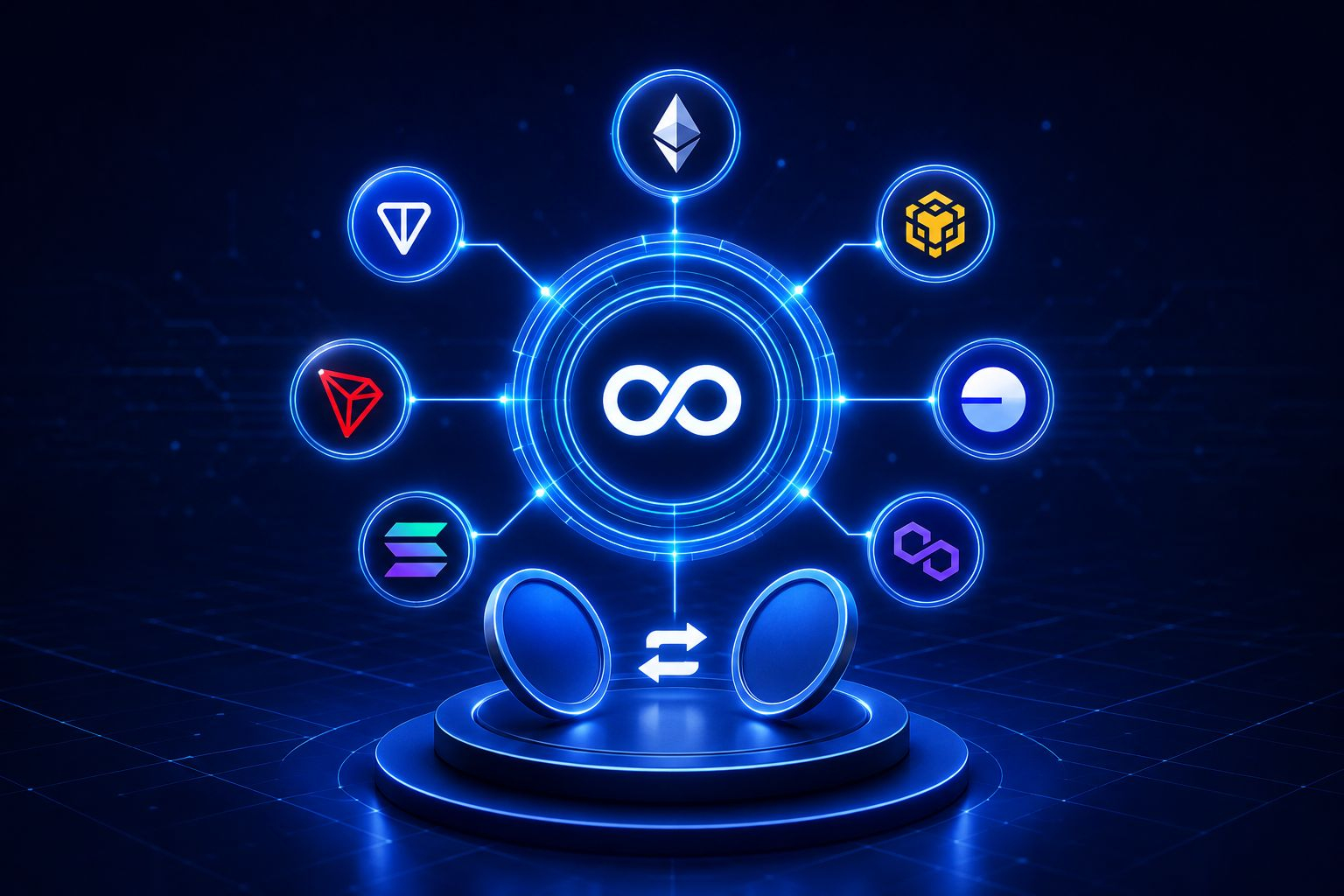
Ethereum TON TRON BNB Chain Solana Arbitrum Base Polygon and many other ecosystems are building their own liquidity applications and communities. This growth is exciting but for the average user moving assets between these ecosystems can still feel unnecessarily complicated.
A simple swap can quickly become a multi-step process.
You may need to find the right bridge connect different wallets understand which network you are using check fees move tokens wait for transactions and sometimes interact with several different platforms before reaching your final destination.
That friction creates a major UX problem.
This is where @ston_fi and Omniston become particularly interesting.
Instead of making users think about every layer of cross-chain infrastructure the goal is to push more of that complexity into the backend.
Users shouldn’t have to understand how every bridge works.
They shouldn’t need to know which route provides the best liquidity.
They shouldn’t have to manually coordinate multiple transactions across different networks.
They should simply be able to choose what they want to swap confirm the transaction and let the infrastructure handle the complicated parts.
That is the kind of abstraction DeFi needs to reach the next stage.
The Real Solution Is Better Infrastructure
Cross-chain development often focuses on connecting more chains.
But connectivity alone isn’t enough.
If every new chain adds another wallet bridge interface transaction and learning curve then the ecosystem becomes more connected while simultaneously becoming harder to use.
The better approach is to make different ecosystems feel less fragmented from the user's perspective.
Omniston is interesting because it is built around this idea of simplifying cross-chain swaps and routing liquidity across supported ecosystems.
The technology underneath can remain complicated.
The user experience shouldn’t be.
Think about how the internet works.
You don’t need to understand DNS routing protocols servers or data packets every time you open a website. The infrastructure handles the complexity so you can focus on what you actually want to do.
DeFi can move in the same direction.
From Fragmented Liquidity to a Smoother Experience
Liquidity is spread across many ecosystems.
That fragmentation can create opportunities but it can also create barriers.
A user might find the asset they want on one network while their capital is sitting somewhere else. Moving that capital can become the hardest part of the entire process.
This is where cross-chain infrastructure can have a meaningful impact.
If users can access liquidity across multiple ecosystems through a simpler interface DeFi becomes more practical.
Instead of asking:
Which bridge should I use?
Which network should I move through?
Where is the best route?
What wallet do I need?
What additional steps are required?
The experience can become much closer to:
I want this asset. Swap it for me.
That difference may sound small but from a UX perspective it is huge.
The Best Infrastructure Disappears
Great infrastructure often becomes invisible.
Users don’t necessarily care about the technology powering the experience. They care that it works.
That principle is especially important for DeFi.
The next wave of adoption may not come from adding more complicated features. It may come from removing unnecessary friction from the features that already exist.
Cross-chain swaps should feel natural.
Moving liquidity between ecosystems should feel straightforward.
Users should be able to interact with DeFi without needing to become experts in bridges and cross-chain routing first.
That is the direction worth watching.
Omniston is therefore interesting not simply because it connects different ecosystems but because it represents a broader shift toward making DeFi infrastructure work behind the scenes.
The chains can remain different.
The liquidity can remain distributed.
The infrastructure can remain sophisticated.
But the user experience can become simple.
And ultimately that is what good infrastructure should do.
It takes something complicated underneath and makes it feel effortless on the surface.
If cross-chain DeFi eventually becomes as simple as swapping on a single chain more users may be willing to explore ecosystems they previously avoided.
The future of DeFi may not be about making users understand more.
It may be about making them worry less.