

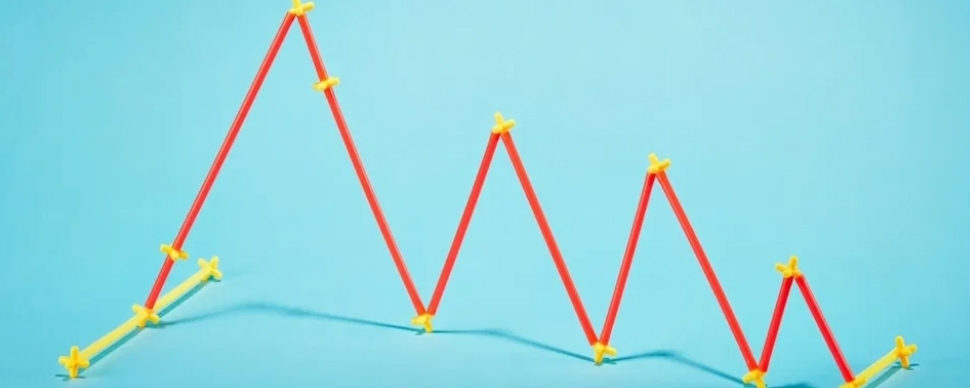
Die Warnung ist real – aber „einmal in einer Generation“ ist wahrscheinlich Schlagzeilen-Sprache, nicht der Beleg dafür, dass ein Crash unmittelbar bevorsteht.
Das schauen Anleger gerade jetzt wirklich an:
Die Bewertungen bleiben hoch. Der S&P 500 war zuletzt auf Rekordhochs, und obwohl sich die Forward-KGVs etwas verbessert haben, deuten andere Bewertungskennzahlen weiterhin darauf hin, dass US-Aktien teuer sind.
KI ist zu einem Konzentrationsrisiko geworden. Ein riesiger Teil der Marktoptimismus hängt von anhaltenden KI-Ausgaben und dem Wachstum der Gewinne ab. Wenn die erwarteten KI-Renditen enttäuschen, könnten sich die derzeit teuersten Technologiewerte deutlich nach unten bewegen. Reuters hat kürzlich Bedenken hinsichtlich der Bewertungen und der mit Schulden finanzierten KI-Investitionen hervorgehoben.
Inflation und Öl sind ein Problem. Hohe Ölpreise und geopolitische Spannungen könnten die Inflation höher halten und es der Fed dadurch schwerer machen, die Politik zu lockern—möglicherweise auch, indem die Renditen von US-Staatsanleihen hoch bleiben.
Die Saisonalität ist ungünstig. Bank of America hat darauf hingewiesen, dass August bis Oktober historisch zu den drei schwächsten Dreimonatszeiträumen für den S&P 500 gehören; seine historische Analyse seit 1928 zeigt für diesen Zeitraum einen durchschnittlichen maximalen Drawdown von etwa 7,35%.
Aber der bullische Fall ist nicht verschwunden. Die Unternehmensgewinne sind überraschend stark. Reuters berichtete, dass das Wachstum der Q2-Gewinne bei etwa 31% im Jahresvergleich lag—mit deutlich steigenden Technologiegewinnen—während große Unternehmen weiterhin massiv in die KI-Infrastruktur investieren.
Also was ist die „Warnung“?
Die belastbarste Interpretation ist ein asymmetrisches Risiko—nicht „der Markt steht kurz vor dem Crash“.
Der Markt ist so bepreist, dass ziemlich gute Entwicklungen weiter eintreten: starke Gewinne, KI-Produktivität, eine eingedämmte Inflation und schließlich eine allmählich lockere Geldpolitik. Wenn diese Annahmen Bestand haben, können die Aktien weiter steigen. Wenn jedoch mehrere gleichzeitig scheitern, lassen die heutigen Bewertungen weniger Spielraum, um Enttäuschungen zu vermeiden.
Darum ist es wichtig, die aktuelle Konstellation im Blick zu behalten—aber es gibt keine glaubwürdigen Belege dafür, dass ein Crash ausgelöst wurde, wie er nur einmal in einer Generation vorkommt. Selbst die jüngsten Warnungen beschreiben eher eine Verwundbarkeit als die Vorhersage eines unmittelbar bevorstehenden Zusammenbruchs.
Wenn Sie möchten, kann ich auch **die 5 Indikatoren aufschlüsseln, die uns zeigen würden, ob das tatsächlich der Beginn eines Bärenmarkts im Stil von 2000/2008 ist oder nur eine weitere normale Korrektur.**$NVDAB $AAPLB