@BabylonLabs_io : Ganz ehrlich: Zuerst dachte ich, ein Explorer sei vor allem für technische Nutzer gedacht. Die meisten würden die Werbung sehen, die grundlegende Idee verstehen und weitermachen. Einfach. Aber warum sollte ein öffentliches Dashboard mehr bedeuten als die Botschaft selbst? Das brachte mich dazu, nochmal nachzudenken. Danach begann ich, Babylons Trustless Bitcoin Vault Testnet anders zu betrachten.
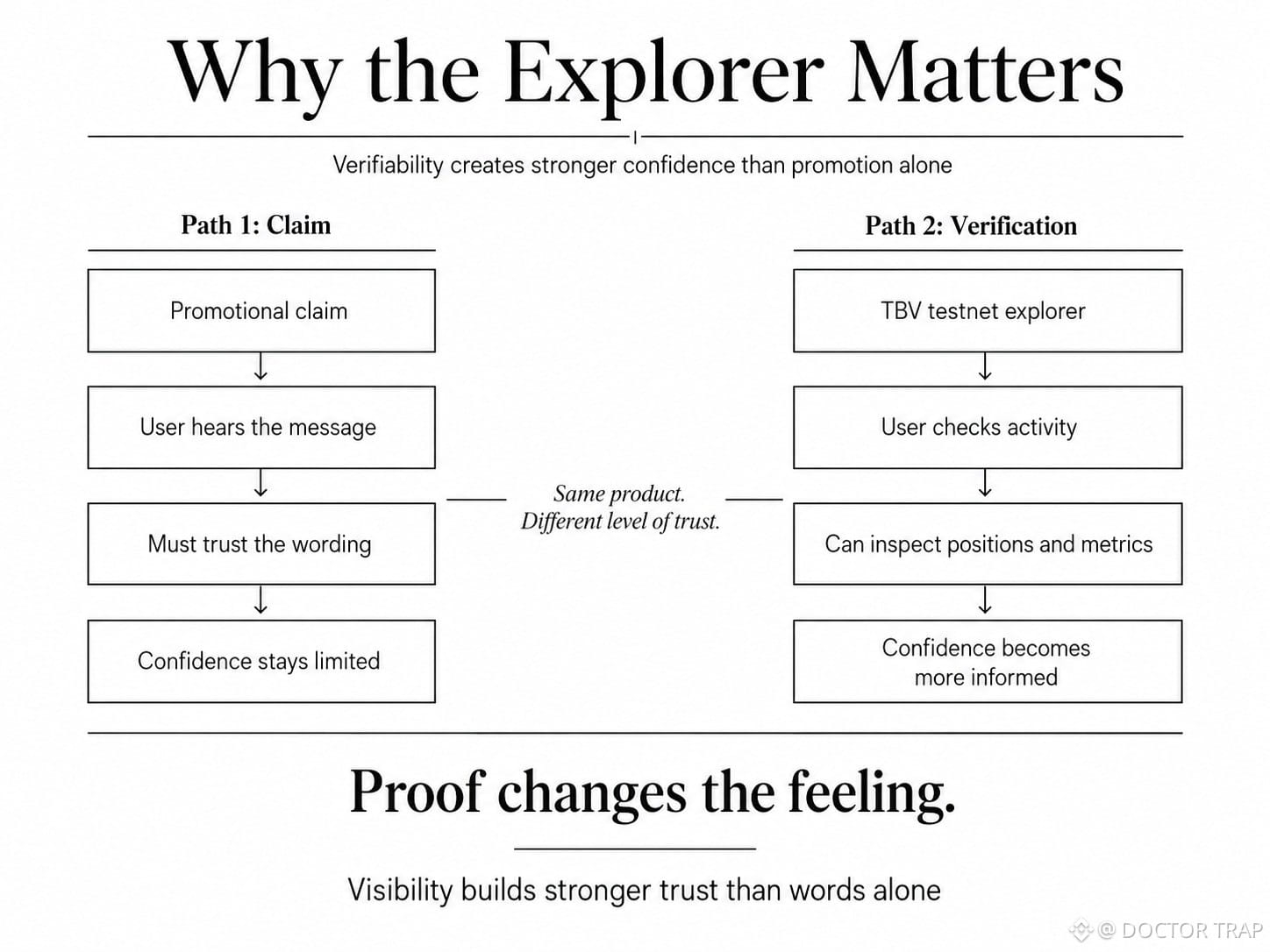
Heute werfe ich einen Blick auf Babylons offiziellen Social-Account. Und ein Detail stach heraus. Dort heißt es, dass Babylons standardmäßiger Trustless Bitcoin Vault Explorer, der von Xangle gebaut wurde, Vault-Aktivitäten, Konten, Vault-Analysen, Lending-Positionen sowie wichtige On-Chain-Kennzahlen anzeigt. In der Dokumentation von Babylon wird außerdem bestätigt, dass der Trustless Bitcoin Vault derzeit als öffentliches Testnet mit test-only Mitteln läuft. Ich glaube, das verändert etwas Wichtiges für Nutzer. Sie müssen nicht einfach jede Behauptung akzeptieren, nur weil die Formulierung selbstbewusst klingt. Sie können prüfen, ob Vaults auftauchen, ob Positionen sichtbar sind und ob das System Aktivität erzeugt, die sich tatsächlich nachprüfen lässt.
Die Behauptung bekommt ein Fenster. Aber aus meiner Analyse ergibt sich ein Haken. Sichtbarkeit ist nicht dasselbe wie Verständnis. Ein Dashboard kann jede Menge Daten anzeigen und trotzdem einen normalen Nutzer im Unklaren lassen, was passiert ist, was riskant ist oder ob die Informationen vollständig sind. Die meisten werden den Bezeichnungen und der Darstellung des Explorers weiterhin vertrauen, weil sie nicht jede Transaktion selbst verifizieren können.
Also verschwindet das Vertrauensproblem nicht vollständig. Es verlagert sich.
Ich denke, diese Verschiebung kann Verhalten prägen. Ein klarer Explorer kann jemandem genug Sicherheit geben, das Produkt erneut zu testen, eine Position nachzuverfolgen oder nach einer Transaktion wiederzukommen. Ein verwirrender kann das Gegenteil bewirken – selbst dann, wenn das zugrunde liegende Protokoll korrekt funktioniert.
Beweise ziehen Aufmerksamkeit an. Klarheit bringt Menschen zurück. Also, für Babylon: Könnte der Explorer irgendwann mehr bedeuten als die Kampagne, die den Nutzern sagt, was sie angeblich sehen sollen? Wie ist deine Meinung?
@BabylonLabs_io $BABY #baby
Heute werfe ich einen Blick auf Babylons offiziellen Social-Account. Und ein Detail stach heraus. Dort heißt es, dass Babylons standardmäßiger Trustless Bitcoin Vault Explorer, der von Xangle gebaut wurde, Vault-Aktivitäten, Konten, Vault-Analysen, Lending-Positionen sowie wichtige On-Chain-Kennzahlen anzeigt. In der Dokumentation von Babylon wird außerdem bestätigt, dass der Trustless Bitcoin Vault derzeit als öffentliches Testnet mit test-only Mitteln läuft. Ich glaube, das verändert etwas Wichtiges für Nutzer. Sie müssen nicht einfach jede Behauptung akzeptieren, nur weil die Formulierung selbstbewusst klingt. Sie können prüfen, ob Vaults auftauchen, ob Positionen sichtbar sind und ob das System Aktivität erzeugt, die sich tatsächlich nachprüfen lässt.
Die Behauptung bekommt ein Fenster. Aber aus meiner Analyse ergibt sich ein Haken. Sichtbarkeit ist nicht dasselbe wie Verständnis. Ein Dashboard kann jede Menge Daten anzeigen und trotzdem einen normalen Nutzer im Unklaren lassen, was passiert ist, was riskant ist oder ob die Informationen vollständig sind. Die meisten werden den Bezeichnungen und der Darstellung des Explorers weiterhin vertrauen, weil sie nicht jede Transaktion selbst verifizieren können.
Also verschwindet das Vertrauensproblem nicht vollständig. Es verlagert sich.
Ich denke, diese Verschiebung kann Verhalten prägen. Ein klarer Explorer kann jemandem genug Sicherheit geben, das Produkt erneut zu testen, eine Position nachzuverfolgen oder nach einer Transaktion wiederzukommen. Ein verwirrender kann das Gegenteil bewirken – selbst dann, wenn das zugrunde liegende Protokoll korrekt funktioniert.
Beweise ziehen Aufmerksamkeit an. Klarheit bringt Menschen zurück. Also, für Babylon: Könnte der Explorer irgendwann mehr bedeuten als die Kampagne, die den Nutzern sagt, was sie angeblich sehen sollen? Wie ist deine Meinung?
@BabylonLabs_io $BABY #baby