
@BabylonLabs_io
Ich sitze mit einer seltsamen Zahl: Weniger als 1% von allen Bitcoin überhaupt kommen jemals mit DeFi in Berührung. Nicht weil niemand die Rendite will, sondern weil man sie bei der Nutzung meist an eine Bridge, einen Custodian oder ein Komitee übergibt und einfach darauf vertraut, dass sie sich entsprechend verhalten. Nach all diesen Jahren fühlt sich das für mich immer noch komisch an.
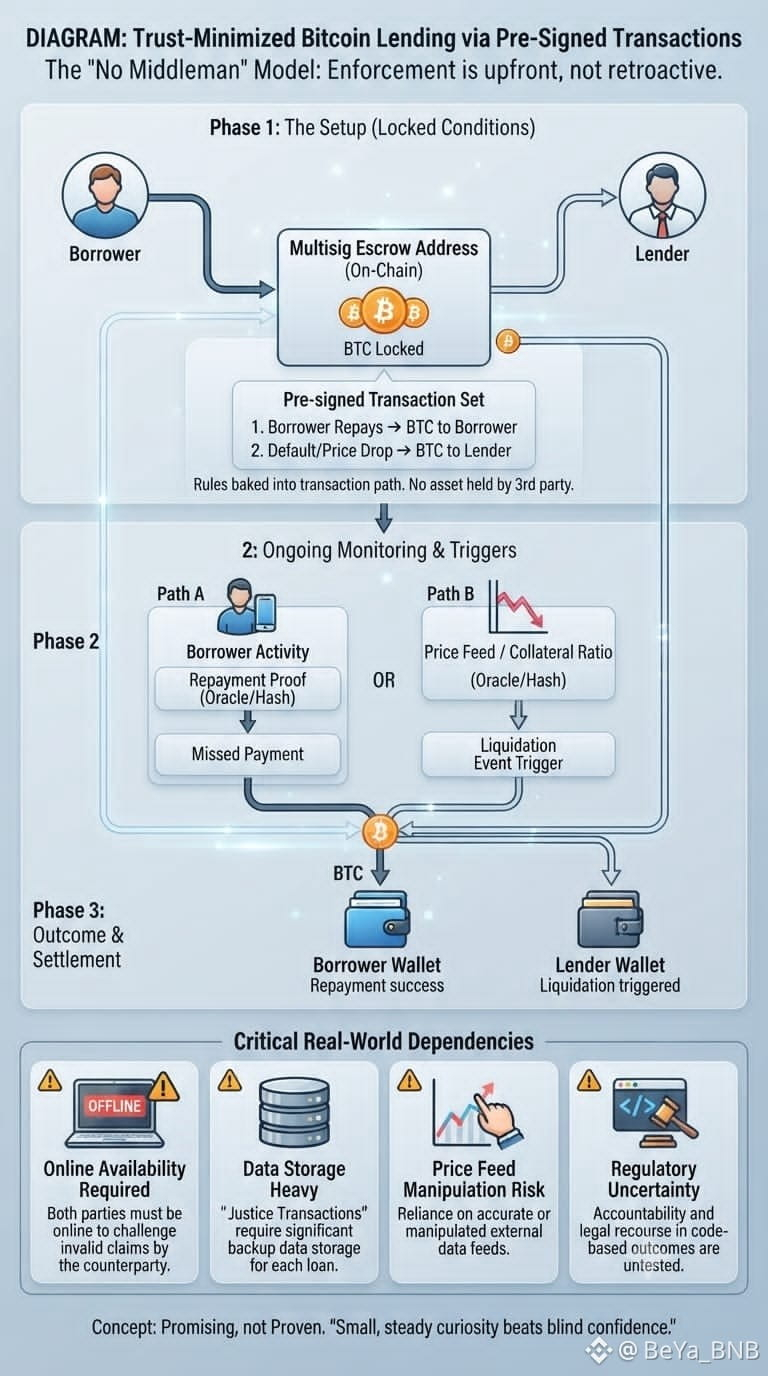
Was meine Aufmerksamkeit bei Babylons neuer Vault-Design-Idee auf sich gezogen hat, ist, dass es nicht nur Theorie ist. Es baut auf einem Staking-Protokoll auf, das bereits Milliarden in echtem BTC hält, und die Vaults sperren Coins mit vorab signierten Transaktionen, die Gelder erst freigeben, sobald ein kryptografischer Nachweis geprüft ist – nicht dann, wenn jemand verspricht, dass es schon so laufen wird. Sie haben das auch im Mainnet von Bitcoin getestet, wobei die Routinekosten ein paar Dollar betragen. Genau das lässt es greifbar wirken, statt rein hypothetisch.
Aber hier komme ich ins Stocken. Vertrauen aus dem Code zu entfernen schneidet es nicht aus allem, was sich um den Code herum befindet. Jemand muss weiterhin Kursdaten ehrlich melden. Wenn eine Gegenpartei verschwindet oder ein verknapper Vertrag ausgenutzt wird, hat kein Gericht tatsächlich entschieden, ob eine vorab signierte Bitcoin-Transaktion als verbindliche Vereinbarung zählt. Die Mathematik kann absolut wasserdicht sein, während der rechtliche Untergrund darunter komplett ungetestet bleibt.
Diese Lücke zwischen sauberem Code und chaotischem Recht ist genau der Grund, warum ich nichts davon einfach für bare Münze nehme – meine eigene Annahmen eingeschlossen. Eine Aufgabe gut zu lösen heißt nicht, dass jedes Problem bereits gelöst ist.
Die Gewohnheit, die es wert ist, beizubehalten, ist nicht blindes Vertrauen in irgendein System – es ist, neugierig genug zu bleiben, um weiterzulernen, wie diese Dinge tatsächlich funktionieren, immer mit einer ehrlichen Frage nach der nächsten.
@BabylonLabs_io $BABY #baby
Ich sitze mit einer seltsamen Zahl: Weniger als 1% von allen Bitcoin überhaupt kommen jemals mit DeFi in Berührung. Nicht weil niemand die Rendite will, sondern weil man sie bei der Nutzung meist an eine Bridge, einen Custodian oder ein Komitee übergibt und einfach darauf vertraut, dass sie sich entsprechend verhalten. Nach all diesen Jahren fühlt sich das für mich immer noch komisch an.
Was meine Aufmerksamkeit bei Babylons neuer Vault-Design-Idee auf sich gezogen hat, ist, dass es nicht nur Theorie ist. Es baut auf einem Staking-Protokoll auf, das bereits Milliarden in echtem BTC hält, und die Vaults sperren Coins mit vorab signierten Transaktionen, die Gelder erst freigeben, sobald ein kryptografischer Nachweis geprüft ist – nicht dann, wenn jemand verspricht, dass es schon so laufen wird. Sie haben das auch im Mainnet von Bitcoin getestet, wobei die Routinekosten ein paar Dollar betragen. Genau das lässt es greifbar wirken, statt rein hypothetisch.
Aber hier komme ich ins Stocken. Vertrauen aus dem Code zu entfernen schneidet es nicht aus allem, was sich um den Code herum befindet. Jemand muss weiterhin Kursdaten ehrlich melden. Wenn eine Gegenpartei verschwindet oder ein verknapper Vertrag ausgenutzt wird, hat kein Gericht tatsächlich entschieden, ob eine vorab signierte Bitcoin-Transaktion als verbindliche Vereinbarung zählt. Die Mathematik kann absolut wasserdicht sein, während der rechtliche Untergrund darunter komplett ungetestet bleibt.
Diese Lücke zwischen sauberem Code und chaotischem Recht ist genau der Grund, warum ich nichts davon einfach für bare Münze nehme – meine eigene Annahmen eingeschlossen. Eine Aufgabe gut zu lösen heißt nicht, dass jedes Problem bereits gelöst ist.
Die Gewohnheit, die es wert ist, beizubehalten, ist nicht blindes Vertrauen in irgendein System – es ist, neugierig genug zu bleiben, um weiterzulernen, wie diese Dinge tatsächlich funktionieren, immer mit einer ehrlichen Frage nach der nächsten.
@BabylonLabs_io $BABY #baby