@BabylonLabs_io
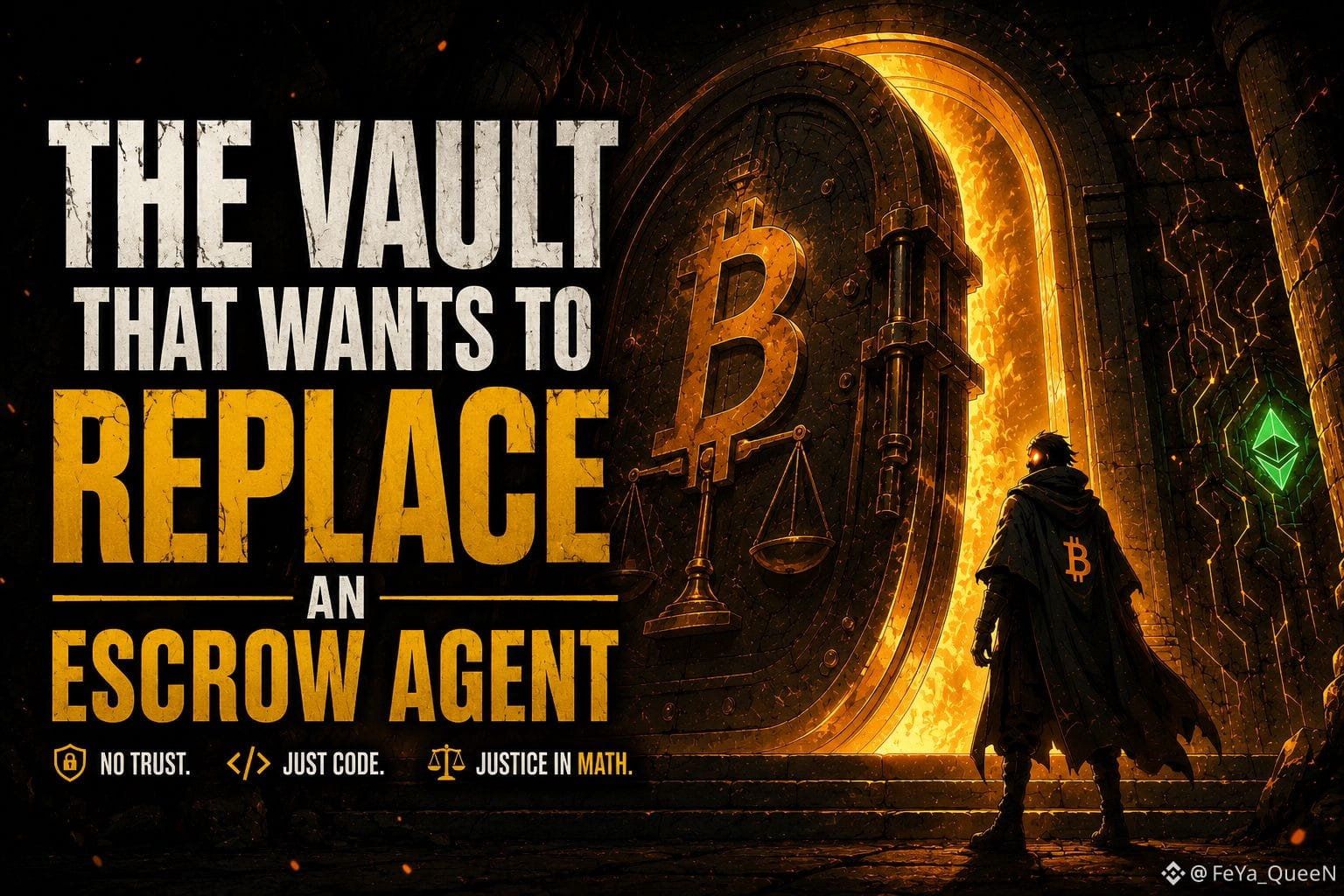
Ich habe letzte Nacht eine technische Arbeit über Bitcoin-Tresore gelesen, und ein Satz ist mir stärker im Gedächtnis geblieben als die Kryptographie selbst: der Vergleich mit einem Treuhand- bzw. Escrow-Verfahren. Nicht das übliche Krypto-Gered darüber, dass alles gestört und neu erfunden wird, sondern eine leise Behauptung, dass vorab signierte Transaktionen und Beweise das leisten könnten, was ein Escrow-Agent oder Notar seit Jahrhunderten tut: etwas sicher zwischen zwei Parteien zu halten, die einander nicht vollständig vertrauen.
Das war es, was sich für mich anders angefühlt hat als der übliche Pitch. Es ging nicht darum, ein neues Finanzsystem aus dem Nichts zu versprechen. Es sollte eine konkrete, langweilige, aber wesentliche juristische Rolle ersetzen: die neutrale dritte Person, die einschreitet, wenn ein Deal durchgesetzt werden muss. Keine Firma, die deine Coins verwahrt, kein Custodian, dem du hinterherlaufen müsstest, falls etwas schiefgeht. Nur Mathematik, die entscheidet, wer was bekommt – basierend auf einem Beweis statt auf Versprechen.
Aber je länger ich darüber nachgedacht habe, desto mehr Fragen sind aufgetaucht. Einen menschlichen Treuhänder zu entfernen, beseitigt kein Risiko – es verlagert es nur. Was passiert, wenn im Code ein Bug steckt, den niemand entdeckt hat? Was passiert, wenn zwei Menschen nicht darüber einig sind, ob ein Beweis gültig ist, und es keinen Richter gibt, keine Institution, niemanden, den man anrufen kann? Gerichte existieren, weil Menschen Streit anders interpretieren als Maschinen, und diese Lücke verschwindet nicht einfach, nur weil das System elegant ist.
Ich denke nicht, dass das die Idee falsch macht. Ich denke, es bedeutet, dass die Technologie schneller voranschreitet als das juristische Denken darum herum – und das ist im Moment ziemlich typisch. Daran sollte man sich erinnern, bevor man irgendein System vollständig vertraut.
Ich arbeite immer noch daran, wie diese Bausteine zusammenhängen – Satz für Satz. Besser neugierig und ein bisschen skeptisch bleiben, statt irgendetwas, Krypto oder auch anderes, allein aus Glauben zu akzeptieren.
@BabylonLabs_io #baby $BABY #Babylon
@bitcoin #bitcoin #BTC $BTC
Ich habe letzte Nacht eine technische Arbeit über Bitcoin-Tresore gelesen, und ein Satz ist mir stärker im Gedächtnis geblieben als die Kryptographie selbst: der Vergleich mit einem Treuhand- bzw. Escrow-Verfahren. Nicht das übliche Krypto-Gered darüber, dass alles gestört und neu erfunden wird, sondern eine leise Behauptung, dass vorab signierte Transaktionen und Beweise das leisten könnten, was ein Escrow-Agent oder Notar seit Jahrhunderten tut: etwas sicher zwischen zwei Parteien zu halten, die einander nicht vollständig vertrauen.
Das war es, was sich für mich anders angefühlt hat als der übliche Pitch. Es ging nicht darum, ein neues Finanzsystem aus dem Nichts zu versprechen. Es sollte eine konkrete, langweilige, aber wesentliche juristische Rolle ersetzen: die neutrale dritte Person, die einschreitet, wenn ein Deal durchgesetzt werden muss. Keine Firma, die deine Coins verwahrt, kein Custodian, dem du hinterherlaufen müsstest, falls etwas schiefgeht. Nur Mathematik, die entscheidet, wer was bekommt – basierend auf einem Beweis statt auf Versprechen.
Aber je länger ich darüber nachgedacht habe, desto mehr Fragen sind aufgetaucht. Einen menschlichen Treuhänder zu entfernen, beseitigt kein Risiko – es verlagert es nur. Was passiert, wenn im Code ein Bug steckt, den niemand entdeckt hat? Was passiert, wenn zwei Menschen nicht darüber einig sind, ob ein Beweis gültig ist, und es keinen Richter gibt, keine Institution, niemanden, den man anrufen kann? Gerichte existieren, weil Menschen Streit anders interpretieren als Maschinen, und diese Lücke verschwindet nicht einfach, nur weil das System elegant ist.
Ich denke nicht, dass das die Idee falsch macht. Ich denke, es bedeutet, dass die Technologie schneller voranschreitet als das juristische Denken darum herum – und das ist im Moment ziemlich typisch. Daran sollte man sich erinnern, bevor man irgendein System vollständig vertraut.
Ich arbeite immer noch daran, wie diese Bausteine zusammenhängen – Satz für Satz. Besser neugierig und ein bisschen skeptisch bleiben, statt irgendetwas, Krypto oder auch anderes, allein aus Glauben zu akzeptieren.
@BabylonLabs_io #baby $BABY #Babylon
@bitcoin #bitcoin #BTC $BTC