


Solana-Analyse 2026: Technisches Review (Teil 1)
Body:
Überblick über das Ökosystem und Architektur
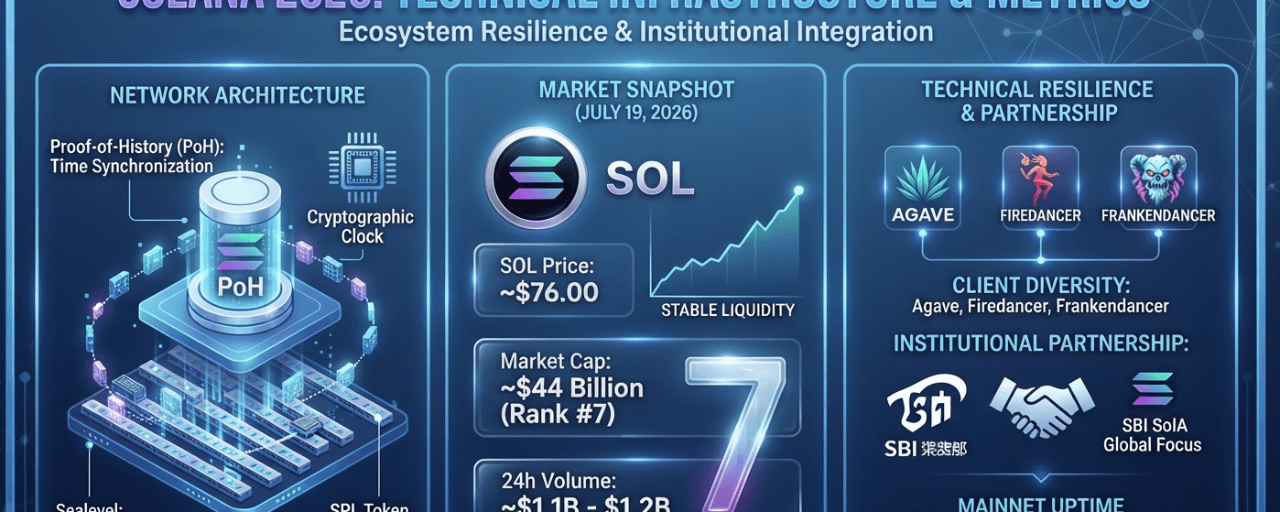
Solana bleibt eine grundlegende Layer-1-Blockchain und wurde so entwickelt, dass sie als leistungsstarke Basis für dezentrale Ausführung dient. Die Kernarchitektur des Netzwerks basiert auf der technischen Synergie zwischen einem Proof-of-Stake-(PoS)-Konsensmechanismus und Proof of History (PoH). PoH arbeitet als „kryptografische Uhr“ und ermöglicht es den Knoten, eine verifizierbare Abfolge von Ereignissen festzulegen, ohne synchrone Kommunikation zu benötigen. Dadurch wird die Effizienz optimiert, mit der Validatoren den Zustand des Netzwerks bestätigen.
Im Gegensatz zum Ethereum Virtual Machine (EVM)-Modell nutzt Solana ein einzigartiges, kontobasiertes Modell, bei dem Programme (Smart Contracts) zustandslos sind. Die Logik liegt im Programm, während Daten – etwa Guthaben und Anwendungszustände – in getrennten Konten gespeichert werden. Diese Trennung ermöglicht die parallele Verarbeitung von Transaktionen.
Technische Unterscheidungsmerkmale
Architekturbedingte Abweichung: Eigenes Kontomodell und Entwicklerumgebung (Rust/C/C++) im Vergleich zum EVM.
Leistungsoptimierung: Nutzung der PoH-Uhr, um den Durchsatz zu maximieren und die Latenz zu minimieren.
Zustandslose Ausführung: Klare Trennung von Programm-Logik und Datenablage, um Zustandsübergänge zu vereinfachen.
Ökosystem-Standards: Breite Anwendung des SPL-Token-Standards über Governance-Tokens, Gaming-Assets, tokenisierte Real-World-Assets (RWAs), NFTs und Memecoins hinweg.
Trade-offs: Analysten müssen erkennen, dass schneller oder günstiger zu sein nicht automatisch auf mehr Sicherheit oder Dezentralisierung hindeutet; Solanas Architektur weist im Vergleich zu stärker synchronen Netzwerken ein anderes Risikoprofil auf.
Marktkennzahlen-Überblick (19. Juli 2026)
Stand: 19. Juli 2026 zeigt das SOL-Token folgende Marktstruktur. Hinweis: Der aktuelle Preis (~76,00) liegt derzeit nahe an der oberen Grenze seiner 24-Stunden-Spanne (74,82–76,57), was auf eine unmittelbare Intraday-Volatilität hindeutet.
SOL-Preis: ~76,00 $ (Standardabweichung über die wichtigsten Börsen-Orderbücher hinweg)
Marktkapitalisierung: ~44 Milliarden $ (weltweit Rang #7)
Handelsvolumen (24 Stunden): 1,1–1,2 Mrd. $ (Ausreichende Liquidität für institutionellen Ein-/Ausstieg)
Marktrang: #7
Validator-Infrastruktur und Resilienz
Der am 16. Juli 2026 veröffentlichte Developer-Changelog signalisiert einen entscheidenden Richtungswechsel hin zu einem Multi-Client-Ökosystem. Die Solana Foundation hat Updates zu mehreren unabhängigen Validator-Implementierungen hervorgehoben:
Agave
Firedancer
Frankendancer
Technische Resilienz: Der Wechsel hin zu unabhängigen Client-Implementierungen – insbesondere der leistungsstarke Firedancer – ist darauf ausgelegt, ein netzwerkweites „Fate-Sharing“ zu reduzieren. Durch die Diversifizierung der Software, die zur Validierung von Transaktionen verwendet wird, mindert das Netzwerk das Risiko, dass ein einzelner Bug einen vollständigen Ausfall auslöst. Ein leitender Analyst muss jedoch beachten: Eine Release-Ankündigung ist ein Fortschritt, kein Beweis. Die Resilienz dieser Clients wird erst durch den langfristigen Mainnet-Betrieb und erfolgreiche Stresstests validiert.
Institutionelle Integration: Partnerschaft mit SBI Holdings
Am 13. Juli 2026 ist die strategische Allianz zwischen der Solana Foundation und SBI Holdings in eine neue Phase eingetreten. SBI R3 Japan soll seine Aktivitäten in eine neu vorgeschlagene Einheit überführen: SBI Solana Global, mit dem Fokus insbesondere auf die Institutionalisierung des Netzwerks.
Primäre Fokusbereiche:
Stablecoins: Emission von fiat-gebundenen On-Chain-Assets.
Tokenisierte Real-World-Assets (RWA): Übertragung traditioneller Finanzinstrumente auf das Solana-Ledger.
Zahlungsinfrastruktur: Entwicklung blockchainbasierter Abwicklungs- und Clearing-Systeme.
Vorsichtshinweis: Eine professionelle Trennung muss zwischen Partnerschaftsankündigungen und Kapitaladoption beibehalten werden. Obwohl die institutionelle Ausrichtung klar ist, bleiben das Volumen des Kapitals und die Beibehaltung echter Nutzer unbewiesene Kennzahlen. Die Dokumentation muss jeder Annahme von Marktdominanz vorausgehen.
Netzwerkgesundheit und Sicherheitsprotokolle
Das Solana Mainnet hat in Q2 und Q3 2026 eine robuste betriebliche Ausrichtung beibehalten. Offizielle Statusberichte bestätigen eine 100%-ige Verfügbarkeit für Mai, Juni und Juli.
Sicherheits-Checkliste für Nutzer: Um sich vor dem Risiko betrügerischer Assets und „Rug-Pulls“ zu schützen, müssen Nutzer eine unabhängige Verifizierung durchführen von:
Token-Adresse: Gegen offizielle Quelldokumentation prüfen.
Mint- und Freeze-Befugnis: Bestätigen, ob der Emittent die Angebotsmenge erhöhen oder die Gelder der Nutzer sperren kann.
Liquiditätsstruktur: Analysieren Sie die Pool-Tiefe und das Vorhandensein von Mechanismen für dauerhaftes Locken.
Konzentration der Inhaber: Prüfen Sie auf bedeutende Wallet-Cluster, die auf potenziell predatory Kontrolle hindeuten könnten.
Kritische Einordnung: Es ist entscheidend, zwischen Ausfällen auf Netzwerkebene und Störungen auf Plattformebene zu unterscheiden. Verzögerungen bei Auszahlungen sind oft auf eine Überlastung durch den RPC-Provider oder technische Probleme auf Seiten der Börse zurückzuführen – nicht auf einen Fehler der Solana-Blockchain-Schicht selbst.
#Solana #Krypto #Blockchain