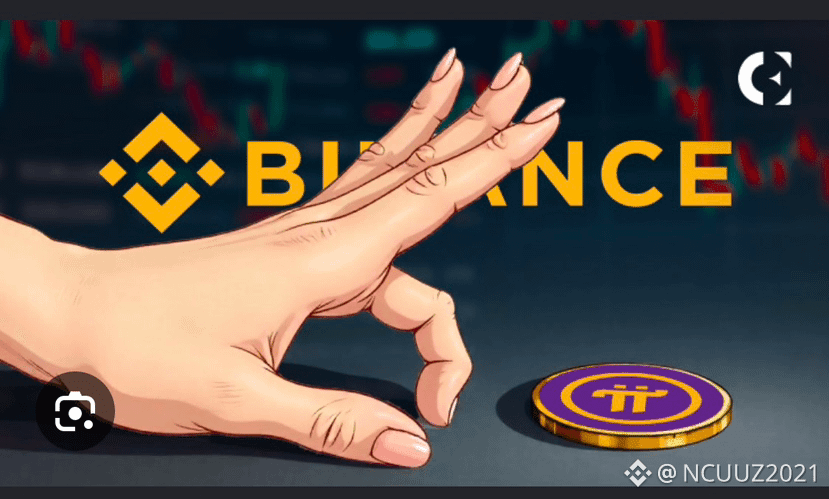
Das Pi Network ist noch nicht an der großen Börse Binance (CEX) gelistet, weil das Projekt sein Open Mainnet noch nicht vollständig gestartet hat und die meisten Nutzer-Token weiterhin gesperrt sind. Außerdem verlangt Binance vollständig transparente Blockchain-Software sowie Security-Audits durch Dritte – Kriterien, die das Pi Network bisher noch nicht erfüllt hat.
Hier sind einige wichtige technische und operative Faktoren, die verhindern, dass Binance Pi für den Handel listet:
✳️Eingeschlossene Mainnet-Phase: Das Pi Network befindet sich weiterhin in der eingeschlossenen Mainnet-Phase. Sein Ökosystem ist noch nicht vollständig geöffnet, wodurch es für große Börsen wie Binance schwierig ist, das Maß an Dezentralisierung und das Liquiditätsrisiko einzuschätzen.
✳️Die meisten Token sind gesperrt: Viele von Nutzern geschürfte Coins bleiben gesperrt oder haben eingeschränkte Übertragbarkeit. Das behindert die Schaffung eines transparenten und dynamischen Marktes für Investoren.
✳️Technische Einschränkungen der Blockchain: Pi arbeitet auf seiner eigenen Blockchain, die nicht als vollständig Open-Source gilt. Die Listing-Anforderungen von Binance erfordern häufig, dass Projekte auf verifizierten öffentlichen Netzwerken laufen (z. B. BSC) oder eine ausgereifte technische Integration vorweisen.
✳️Noch kein Audit durch Dritte: Binance verlangt die strikte Einhaltung von Sicherheitsstandards, bevor ein Token akzeptiert wird – eine Anforderung, die das Pi Network bisher offiziell noch nicht erfüllt hat.
Der Handel mit diesem Token ist derzeit nur über alternative Börsen (z. B. DEXs) oder über den Web3-Wallet-Dienst von Binance zugänglich, der dezentrale Netzwerke nutzt. Möchten Sie eine Möglichkeit zum Verfolgen des Live-Preises, oder interessieren Sie sich dafür, andere Börsen zu beobachten, die den PI-Token bereits offiziell handeln?
#PiNerworkAndBinance
Hier sind einige wichtige technische und operative Faktoren, die verhindern, dass Binance Pi für den Handel listet:
✳️Eingeschlossene Mainnet-Phase: Das Pi Network befindet sich weiterhin in der eingeschlossenen Mainnet-Phase. Sein Ökosystem ist noch nicht vollständig geöffnet, wodurch es für große Börsen wie Binance schwierig ist, das Maß an Dezentralisierung und das Liquiditätsrisiko einzuschätzen.
✳️Die meisten Token sind gesperrt: Viele von Nutzern geschürfte Coins bleiben gesperrt oder haben eingeschränkte Übertragbarkeit. Das behindert die Schaffung eines transparenten und dynamischen Marktes für Investoren.
✳️Technische Einschränkungen der Blockchain: Pi arbeitet auf seiner eigenen Blockchain, die nicht als vollständig Open-Source gilt. Die Listing-Anforderungen von Binance erfordern häufig, dass Projekte auf verifizierten öffentlichen Netzwerken laufen (z. B. BSC) oder eine ausgereifte technische Integration vorweisen.
✳️Noch kein Audit durch Dritte: Binance verlangt die strikte Einhaltung von Sicherheitsstandards, bevor ein Token akzeptiert wird – eine Anforderung, die das Pi Network bisher offiziell noch nicht erfüllt hat.
Der Handel mit diesem Token ist derzeit nur über alternative Börsen (z. B. DEXs) oder über den Web3-Wallet-Dienst von Binance zugänglich, der dezentrale Netzwerke nutzt. Möchten Sie eine Möglichkeit zum Verfolgen des Live-Preises, oder interessieren Sie sich dafür, andere Börsen zu beobachten, die den PI-Token bereits offiziell handeln?
#PiNerworkAndBinance