

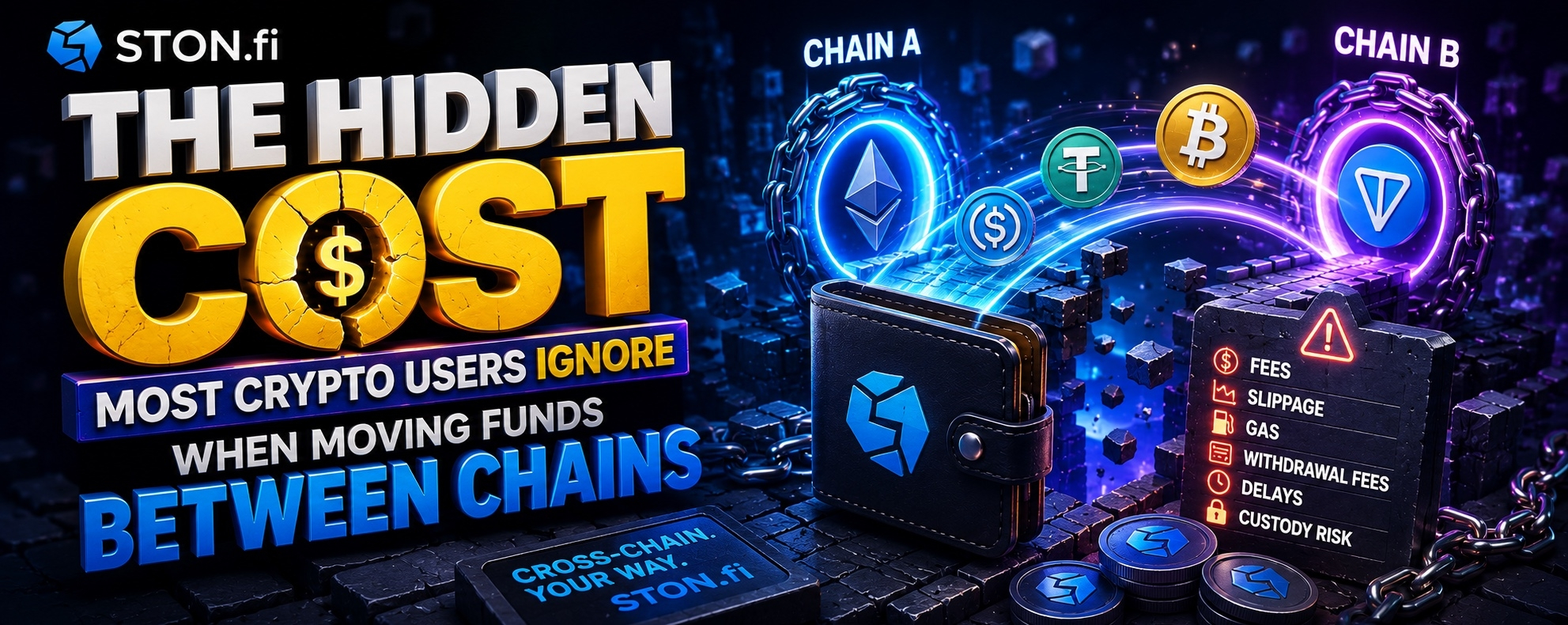

Cross-Chain Rebalancing klingt auf dem Papier einfach. Du identifizierst eine Gelegenheit auf einer anderen Blockchain, verschiebst deine Assets und setzt Kapital dort ein, wo es härter arbeiten kann.
Die meisten Leute nehmen an, dass die Kosten für diesen Move einfach die Gebühren sind, die auf dem Bildschirm angezeigt werden. Vielleicht ist es eine Handelsgebühr auf einer zentralen Börse, vielleicht eine Brückengebühr, oder vielleicht ist es einfach das Gas, das benötigt wird, um eine Transaktion zu senden.
In Wirklichkeit ist die sichtbare Gebühr oft nur ein kleiner Teil der Gesamtkosten.
Je tiefer du schaust, desto mehr Schichten deckst du auf: Einzahlungs-Gas, Spreads, Abhebungsgebühren, Abwicklungsverzögerungen und sogar temporärer Verlust der Kontrolle über deine Assets. Keine dieser Kosten sieht für sich genommen besonders hoch aus, aber zusammen können sie einen angeblich günstigen Transfer viel teurer machen als erwartet.
Warum CEXs weiterhin die Standardwahl sind
Für die meisten Nutzer bleiben zentralisierte Börsen der einfachste Weg zwischen Ökosystemen.
Der Workflow ist vertraut. Vermögenswerte einzahlen, einen Trade ausführen, auf das Zielnetzwerk auszahlen und von dort aus weitermachen. Im Vergleich zum Navigieren über Bridges, Router, Liquiditätspools und unterschiedliche Wallets wirkt der Prozess unkompliziert.
Diese Bequemlichkeit ist real, und sie ist einer der Gründe, warum zentralisierte Börsen weiterhin Cross-Chain-Volumen dominieren.
Manchmal kann jedoch die Bequemlichkeit Komplexität eher verbergen als sie zu entfernen.
Der versteckte Kostenblock
Wenn Nutzer die Kosten eines Cross-Chain-Rebalancings berechnen, konzentrieren sie sich oft auf die Handelsgebühr, weil sie die einfachste Zahl ist, die man sehen kann.
Der eigentliche Kostenblock ist normalerweise deutlich größer.
Bevor der Trade überhaupt stattfindet, müssen Vermögenswerte eingezahlt werden. Je nach Quellkette kann das bereits eine spürbare Gasbelastung beinhalten. Sobald die Gelder ankommen, führt der Trade selbst sowohl sichtbare Gebühren als auch versteckte Spreads ein – besonders bei Paaren mit geringerer Liquidität.
Nach dem Trade kommen die Auszahlungsgebühren. Viele Börsen erheben feste Auszahlungsgebühren, die bei kleineren Überweisungen einen überraschend großen Einfluss haben können. Dann spielt der Zeitfaktor eine Rolle. Verifikationschecks, Verarbeitungsschlangen und Auszahlungsvorlaufzeiten können Kapital untätig herumliegen lassen, obwohl es bereits anderswo eingesetzt werden könnte.
Die endgültigen Kosten sind oft etwas, an das viele Nutzer nie denken.
Die Kosten, die niemand berechnet
In den meisten Fällen geht nichts schief. Auszahlungen funktionieren, die Systeme laufen wie gewohnt, und der Ablauf fühlt sich routiniert an.
Das ist genau der Grund, warum das Verwahrungsrisiko oft ignoriert wird.
Doch von dem Moment an, in dem die Vermögenswerte an einer Börse ankommen, bis zu dem Moment, in dem sie die Börse wieder verlassen, stehen diese Vermögenswerte nicht mehr vollständig unter der Kontrolle des Nutzers. Der Zugriff hängt von der Infrastruktur der Börse, den Auszahlsystemen, den Betriebsabläufen und den Kontorichtlinien ab.
Meistens spielt diese Abhängigkeit keine Rolle. Wenn sie jedoch ins Spiel kommt, wird sie zu einem der wichtigsten Faktoren in der gesamten Transaktion.
Aus genau diesem Grund sollte Verwahrung als Teil der Gesamtkosten jeder Cross-Chain-Übertragung betrachtet werden.
Warum sich diese Kosten vervielfachen
Ein paar Dollar wirken bei einer einzelnen Transaktion möglicherweise nicht bedeutend.
Das Problem entsteht, wenn der Prozess zur Routine wird.
Aktive DeFi-Nutzer bewegen ständig Liquidität zwischen Ökosystemen auf der Suche nach besseren Chancen, höheren Renditen oder anderen Marktexpositionen. Eine Route, die einmal ein paar zusätzliche Dollar kostet, kann sich überraschend teuer anfühlen, wenn man sie Dutzende Male im Verlauf eines Jahres wiederholt.
Hier beginnt es darauf anzukommen, wie effizient etwas ist.
Nicht weil jeder Dollar entscheidend wäre, sondern weil sich wiederholte Ineffizienzen mit der Zeit spürbar summieren.
Wie HTLC-basierte Systeme die Gleichung verändern
Eine der interessantesten Entwicklungen in der Cross-Chain-Infrastruktur ist die zunehmende Nutzung von HTLC-basierten Abwicklungsmodellen.
HTLC steht für Hash Time-Locked Contract (Hash-Zeitgesperrter Vertrag), aber das zugrunde liegende Konzept ist überraschend einfach. Beide Seiten einer Transaktion werden unter gemeinsamen Bedingungen gesperrt. Entweder der Swap wird für alle Beteiligten erfolgreich abgeschlossen, oder die Vermögenswerte werden automatisch zurückerstattet.
Es gibt keinen Mittelweg, bei dem Gelder dauerhaft feststecken.
Dieser Alles-oder-Nichts-Ansatz entfernt viele der Unsicherheiten, die traditionell mit dem Transfer von Vermögenswerten zwischen Netzwerken verbunden sind.
Das fehlende Puzzleteil
Traditionelle HTLC-Swaps bieten schon immer starke Sicherheitsgarantien, litten jedoch unter einer praktischen Einschränkung.
Nutzer brauchten dennoch jemanden auf der anderen Seite des Trades.
Das Finden dieser Gegenpartei war oft der schwierigste Teil des Prozesses und begrenzte die Verbreitung trotz der Stärke des zugrunde liegenden Designs.
Genau hier bringen resolverbasierte Systeme eine wichtige Verbesserung.
Anstatt dass Nutzer manuell nach Gegenparteien suchen, konkurrieren professionelle Liquiditätsanbieter darum, Orders zu erfüllen. Der Nutzer drückt lediglich seine Absicht aus, während Resolver um die beste Ausführungsroute konkurrieren.
Das Ergebnis ist ein System, das eine atomare Abwicklung bewahrt und gleichzeitig die Cross-Chain-Ausführung deutlich praktikabler macht.
Letzte Gedanken
Beim nächsten Mal, wenn du eine Cross-Chain-Übertragung bewertest, schau über die sichtbare Gebühr hinaus.
Frag dich, wofür du Gas zahlst, welche Spreads anfallen, welche Auszahlungsgebühren und Verzögerungen entstehen und wie groß das Risiko der temporären Verwahrung ist. Diese versteckten Schichten zeigen oft ein ganz anderes Bild als das, das an der Oberfläche präsentiert wird.
Der günstigste Weg ist nicht immer der mit der niedrigsten beworbenen Gebühr. Viel häufiger ist es der Weg, der die größte Reibung zwischen Absicht und Ausführung entfernt.