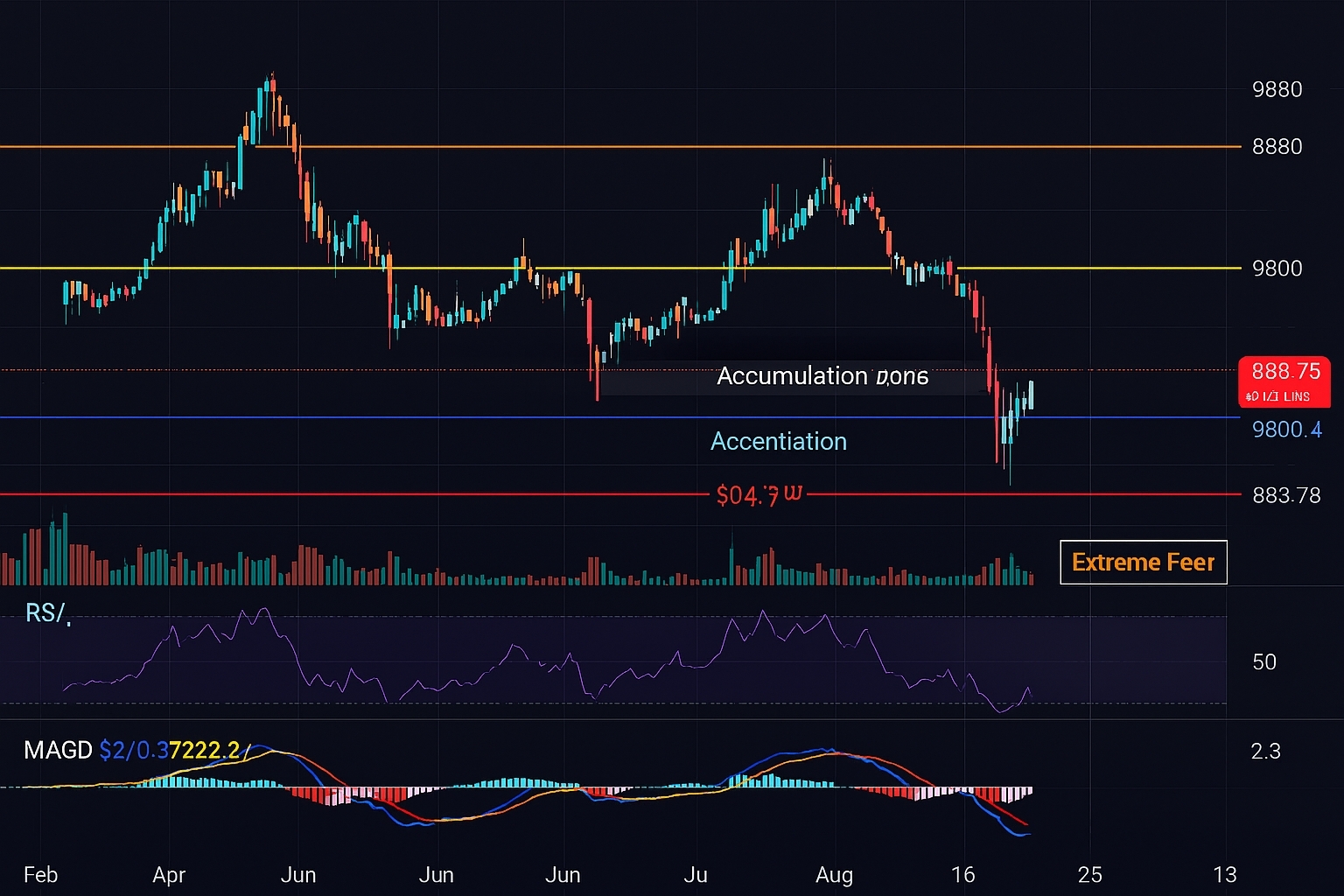
Schneller Überblick: long geneigt, aber vorsichtig sein.
Was sich entwickelte
$BNB Die jüngste Preisaktion wurde nicht durch eine Schlagzeile ausgelöst. Es war das Ergebnis mehrerer Druckfaktoren, die sich aufbauten und dann fast gleichzeitig freigesetzt wurden.
Das breitere Setup war bereits fragil:
- Die Liquidität über Krypto-Märkte ist immer noch dünn.
- Globale Zinserwartungen haben sich nicht entspannt.
- Technologiewerte haben sich erneut abgeschwächt, und Krypto reagierte schneller und härter als die meisten anderen Vermögenswerte.
Dieser Hintergrund besteht seit Monaten.
Was sich diese Woche verschoben hat, war die Struktur.
$BNB fiel nicht einfach nur. Es durchbrach schnell Niveaus, die normalerweise den Preis verlangsamen — insbesondere rund um die Unterstützung bei $630. Solche Bewegungen kommen nicht von ruhigem Verkauf. Sie geschehen normalerweise, wenn Positionen gezwungen sind, geschlossen zu werden.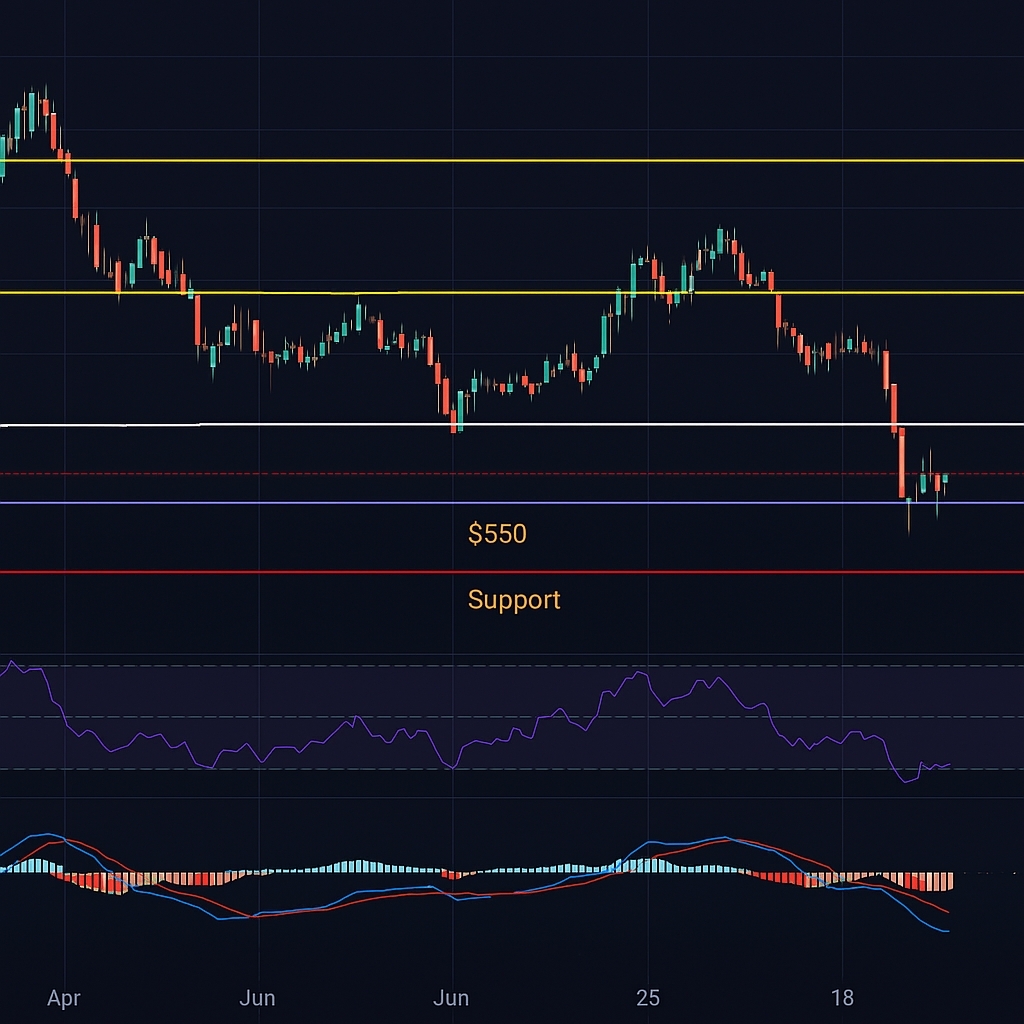
Das klarste Signal zeigte sich in Derivaten. Die Finanzierungsraten wurden negativ und Long-Positionen wurden in einem kurzen Zeitraum liquidiert. Das ist das Markenzeichen von margengetriebenem Verkaufen.
Gleichzeitig:
- Die Hebelwirkung wurde schnell aus dem System abgezogen.
- Das Handelsvolumen blieb hoch, auch als der Preis fiel.
- Staking-Zuflüsse hielten an und zeigten, dass langfristige Inhaber nicht in Panik gerieten.
Das Timing war entscheidend.
Das geschah, während andere gehebelte Geschäfte bereits unter Druck standen:
- Japans Carry-Trading wurde abgebaut.
- Silber fiel stark.
- China hat seine Haltung zu Stablecoins und Tokenisierung verschärft.
- Die Liquidität über mehrere Märkte hat sich gleichzeitig verringert.
Wenn das passiert, absorbieren die liquidesten Märkte den Schock zuerst. Krypto hat genau das getan.
Bis zum Ende der Woche spiegelte die Stimmung den Schaden wider. Die Angstwerte fielen auf Niveaus, die normalerweise in Krisenzeiten gesehen werden, nicht bei routinemäßigen Korrekturen. Das sagt nichts über die Zukunft voraus. Es zeigt nur, wie schnell der Komfort verschwunden ist.
Das ist die Reihenfolge der Ereignisse.
Wo wir stehen
Nach einer erzwungenen Auflösung verhalten sich die Märkte anders:
- Die Hebelwirkung ist jetzt geringer.
- Die Finanzierung hat sich stabilisiert, nachdem sie stark negativ geworden war.
- Die meisten der einfachen Liquidationen sind bereits erfolgt.
Das bedeutet nicht, dass der Markt 'sicher' ist. Es bedeutet, dass weniger Händler mechanisch herausgedrängt werden.
Institutionelle Schreibtische beschreiben diese Bewegung als momentumgetriebenen Verkauf und nicht als Neubewertung der Fundamentaldaten. Diese Unterscheidung ist wichtig. Margengetriebenes Verkaufen neigt dazu, zu enden, sobald die Margin weg ist.
#ETF und das Verhalten der Börsen passt zu diesem Bild. Das Volumen blieb hoch, auch als der Preis fiel. Das ist keine Abkopplung. Das ist eine Neupositionierung. Kapital ist nicht abgezogen. Es hat sich angepasst.
#Binance Dienstprogramm ist der stille Kontrapunkt. Der Preis bleibt schwach, aber die Nutzung zeigt keinen Stress:
- Monatliche Staking-Zuflüsse bleiben stark.
- Die Teilnahme an Launchpools liegt in der Nähe von Rekordhöhen.
- Gebührenrabatte ziehen weiterhin Händler an.
- Händler fügen BNB weiterhin als Zahlungsoption hinzu.
Diese Art von Ungleichgewicht zeigt sich nicht sofort im Preis, aber es sagt etwas darüber aus, wie langfristige Inhaber sich verhalten.
Die institutionelle Aktivität rund um BNB hat sich auch nicht verlangsamt. Binance erweitert weiterhin Produkte, die mit BNB-Nutzungszweck verbunden sind, und diese Arbeit ist nicht spekulativ. Sie ist nicht empfindlich gegenüber kurzfristigen Preisbewegungen.
Regulatorische Fortschritte gehen im Hintergrund weiter. Es ist langsam und prozedural, aber der Ton ist materiell anders als in früheren Zyklen. Weniger konfrontativ, technischer. Das schafft noch keine Rallyes, aber es verändert die Umgebung im Laufe der Zeit.
#BNB selbst sitzt in der Nähe von lang beobachteten historischen Referenzniveaus, die dazu neigen, nach erzwungenen Verkaufsphasen zu erscheinen. Diese Bereiche fühlten sich in Echtzeit nie offensichtlich an. Das taten sie auch in vergangenen Zyklen nicht. Sie fühlten sich unsicher, oft frustrierend und in der Regel früher als die meisten Menschen damit zufrieden waren.
Also… Kurz oder Lang?
Lange Antwort: $BNB neigt zur Long-Seite, aber Geduld ist erforderlich. Der Preis könnte weiterhin fallen. Er könnte auch Zeit damit verbringen, nirgendwohin zu gehen. Märkte tun das oft nach Stressereignissen.
Was sich geändert hat, ist die Qualität des Verkaufs. Es sieht weniger absichtlich und erschöpfter aus.
- Die Angst ist hoch.
- Das Vertrauen ist dünn.
- Narrative sind verstreut.
Das ist kein Signal. Es ist nur Kontext. Und Kontext ist normalerweise das Nützlichste, wenn Sicherheit verschwindet.