


I find crypto investing particularly appealing because the market reflects global trends much faster than the stock market. Lately, the most critical indicator I’ve been monitoring is the Tether (USDT) exchange rate.
What is Tether (USDT)?
Tether is a stablecoin designed to maintain a 1:1 value with the U.S. dollar. While 1 USDT is theoretically equivalent to 1 USD, in practice it often fluctuates between $1.01 and $0.99 due to factors such as price differences across exchanges, transaction fees, and conversion premiums. These may seem like minor discrepancies, but for those managing large sums of money, even a small fluctuation can significantly impact returns.
How Domestic Investors Use Tether
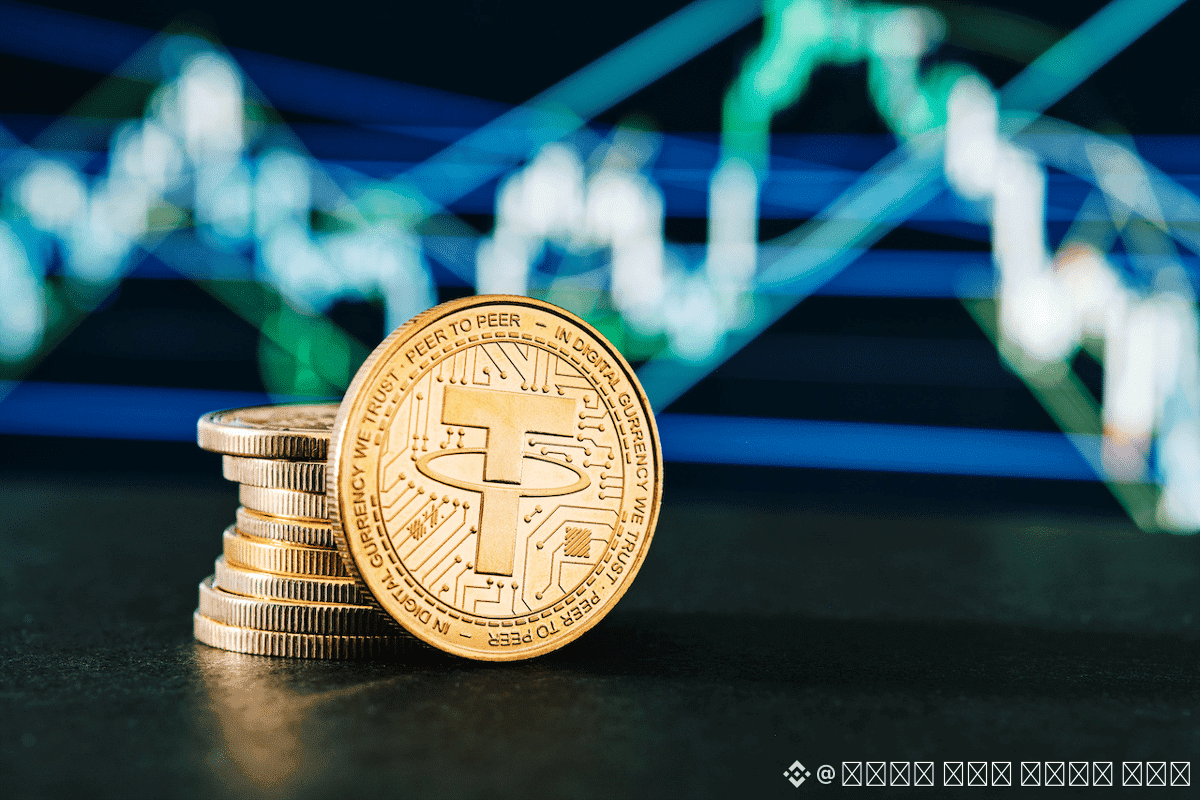
Due to structural limitations, purchasing Tether directly on domestic exchanges is not easy. Typically, investors purchase Bitcoin or Ripple, transfer it to an international exchange, and then convert it into Tether. If the Tether-to-dollar exchange rate is checked in advance, it becomes easier to time remittances and develop more favorable trading strategies.
For example, the profit margin between an exchange rate of 1,350 and 1,390 in local currency is quite substantial, so understanding Tether’s market price in advance can offer a significant strategic advantage.
Tether and Futures Trading
Most crypto futures trading platforms use Tether as collateral. This means that Tether’s exchange rate affects not only your entry point into a trade but also the entire investment result. Since futures trading involves forecasting future prices and taking either a long (bullish) or short (bearish) position, Tether’s value becomes a key variable in that decision.
A particularly important factor is the funding rate. This rate helps balance the ratio between long and short positions and is either paid or received periodically in USDT. When too many investors take long positions, they pay the funding fee to those holding short positions—and vice versa. Therefore, understanding and analyzing the funding rate is crucial for maintaining profitability.
My Preferred Exchange
My preferred exchange is Binance. The user interface is intuitive, and the USDT-based markets are well-organized, allowing for real-time monitoring of funding rates and informed entry strategies.
In Summary: Tether Exchange Rates Are Core to Crypto Strategy
Ultimately, a trading strategy based on the USDT exchange rate isn’t just a supplementary metric—it’s central to crypto investment. From determining deposit and withdrawal timing to funding rate analysis and futures position management, Tether’s value influences every step.
This becomes even more true during periods of high market volatility. Since fully understanding the USDT structure, I’ve seen improvements not only in my profitability but also in my ability to manage risk.
If you start refining your understanding of Tether exchange rates now, your crypto investment strategy will undoubtedly become more precise.
For anyone planning to start investing in crypto, registering with Binance is the essential first step. As the world’s largest exchange, it’s the go-to platform for accessing a wide variety of crypto listings, futures markets, and DeFi services.
Most importantly, signing up via the referral link below will give you a 20% discount on trading fees, which can directly boost your returns
👉 [Binance 20% Fee Discount Sign-Up Link]
In addition, even existing Binance users can enjoy this 20% discount if they meet the following five conditions
You already have a Binance account.
You have never accepted a previous invitation on your account.
You haven’t traded or used Binance services for the past 180 days.
When you click the referral link and log in, a confirmation popup will appear.
After clicking [Bind Now], the discount will be applied successfully.
Even if you already have a Binance account, as long as it hasn’t been used recently, you may still qualify for this discount by binding through the link.