

#whatsnext
whatsnext
200,247 Aufrufe
77 Kommentare
Hot
Zuletzt

·
--
Bullisch
CAMPER-B174 - GRADUIERT! Von Tag 1 bis zum Endlevel: Meine Binance Summer Camp Entschlüsselung 🏆*
Das war nicht nur eine Abzeichenjagd. Das war ein Full-Stack-Krypto-Überlebenskurs.
Was mich #BinanceSummerCamp wirklich, Level für Level, gelehrt hat:
*Phase 1: Das Fundament - SICHERHEIT IST ALPHA*
Bevor es Charts gab, bevor es Coins gab: 2FA, Anti-Phishing-Code, Whitelisting, nur offizielle Kanäle. In Krypto ist deine OPSEC dein Portfolio. Ein einziges Fake-Support-DM kann dich auslöschen. Ich habe gelernt: Verifizieren, nicht vertrauen.
*Phase 2: Der Einstieg - P2P & Risiko*
Eine Lektion aus der echten Welt: Wie du einen legitimen Händler erkennst, warum Namensübereinstimmung wichtig ist und warum „besserer Kurs auf Telegram“ zu 100% ein Scam-Muster ist. Plus die goldene Regel, die Anfängern das Leben rettet: Risiko nur das, was du zu 100% verlieren kannst.
*Phase 3: Der Markt - Spot, Earn & Futures*
Spot ist der Ort, an dem deine Überzeugung getestet wird. Earn hat mir APY vs. Scam beigebracht — wenn es 120% „garantiert“ ist, dann ist es garantiert ein Ponzi. Und Futures? Die ultimative Lektion über Psychologie mit Hebelwirkung: Niedriger Hebel, kleine Position, Stop-Loss gesetzt — immer. Indikatoren sagen nichts voraus, sie geben nur Hinweise.
*Phase 4: Der Mindset - Die echte Erkenntnis*
Meine Abschlussregel, die ich mitnehme:
> *"Sicher zuerst, Positionsgröße als Zweites, DYOR immer. Konsequenz > Intensität."*
Krypto geht nicht darum, die nächsten 100x auszurufen. Es geht um Risikomanagement, Neugier, täglich präsent sein und Community.
Als Camper gestartet. Als verantwortungsvoller Trader gegangen. Das ist erst Tag 1 von der echten Reise.
Danke an das Binance Team, dass ihr die härtesten Lektionen auf die bestmögliche Art spielerisch gemacht habt. 🙏💛
*Endlevel freigeschaltet. Erinnerungen geschaffen. Lektionen gelernt. On-chain, für immer.*
@Binance_Academy
@Binance_Square_Official
@CT988
@jy-3396815
@Square-Creator-839987141
@Square-Creator-e17f21a45bc46
@Square-Creator-8262c42c00fc
@z12123444
@eggtartcake_grape
@IMHuaHua
@heyi
#WhatsNext
#Binance
#Learn
#KnowledgeShare
$BNB
{future}(BNBUSDT)
$NVDA.US
{stock_us}(NVDA.US)
$BTW
{future}(BTWUSDT)
CAMPER-B174 - GRADUIERT! Von Tag 1 bis zum Endlevel: Meine Binance Summer Camp Entschlüsselung 🏆*
Das war nicht nur eine Abzeichenjagd. Das war ein Full-Stack-Krypto-Überlebenskurs.
Was mich #BinanceSummerCamp wirklich, Level für Level, gelehrt hat:
*Phase 1: Das Fundament - SICHERHEIT IST ALPHA*
Bevor es Charts gab, bevor es Coins gab: 2FA, Anti-Phishing-Code, Whitelisting, nur offizielle Kanäle. In Krypto ist deine OPSEC dein Portfolio. Ein einziges Fake-Support-DM kann dich auslöschen. Ich habe gelernt: Verifizieren, nicht vertrauen.
*Phase 2: Der Einstieg - P2P & Risiko*
Eine Lektion aus der echten Welt: Wie du einen legitimen Händler erkennst, warum Namensübereinstimmung wichtig ist und warum „besserer Kurs auf Telegram“ zu 100% ein Scam-Muster ist. Plus die goldene Regel, die Anfängern das Leben rettet: Risiko nur das, was du zu 100% verlieren kannst.
*Phase 3: Der Markt - Spot, Earn & Futures*
Spot ist der Ort, an dem deine Überzeugung getestet wird. Earn hat mir APY vs. Scam beigebracht — wenn es 120% „garantiert“ ist, dann ist es garantiert ein Ponzi. Und Futures? Die ultimative Lektion über Psychologie mit Hebelwirkung: Niedriger Hebel, kleine Position, Stop-Loss gesetzt — immer. Indikatoren sagen nichts voraus, sie geben nur Hinweise.
*Phase 4: Der Mindset - Die echte Erkenntnis*
Meine Abschlussregel, die ich mitnehme:
> *"Sicher zuerst, Positionsgröße als Zweites, DYOR immer. Konsequenz > Intensität."*
Krypto geht nicht darum, die nächsten 100x auszurufen. Es geht um Risikomanagement, Neugier, täglich präsent sein und Community.
Als Camper gestartet. Als verantwortungsvoller Trader gegangen. Das ist erst Tag 1 von der echten Reise.
Danke an das Binance Team, dass ihr die härtesten Lektionen auf die bestmögliche Art spielerisch gemacht habt. 🙏💛
*Endlevel freigeschaltet. Erinnerungen geschaffen. Lektionen gelernt. On-chain, für immer.*
@Binance Academy
@Binance Square Official
@Luna春婷
@瑾怡Joy
@四年
@Lily雪莉呀
@天才小帅
@加密大格格
@Eggtartcake_
@HuaHua-BNB
@Yi He
#WhatsNext
#Binance
#Learn
#KnowledgeShare
$BNB
$NVDA.US
$BTW
Das war nicht nur eine Abzeichenjagd. Das war ein Full-Stack-Krypto-Überlebenskurs.
Was mich #BinanceSummerCamp wirklich, Level für Level, gelehrt hat:
*Phase 1: Das Fundament - SICHERHEIT IST ALPHA*
Bevor es Charts gab, bevor es Coins gab: 2FA, Anti-Phishing-Code, Whitelisting, nur offizielle Kanäle. In Krypto ist deine OPSEC dein Portfolio. Ein einziges Fake-Support-DM kann dich auslöschen. Ich habe gelernt: Verifizieren, nicht vertrauen.
*Phase 2: Der Einstieg - P2P & Risiko*
Eine Lektion aus der echten Welt: Wie du einen legitimen Händler erkennst, warum Namensübereinstimmung wichtig ist und warum „besserer Kurs auf Telegram“ zu 100% ein Scam-Muster ist. Plus die goldene Regel, die Anfängern das Leben rettet: Risiko nur das, was du zu 100% verlieren kannst.
*Phase 3: Der Markt - Spot, Earn & Futures*
Spot ist der Ort, an dem deine Überzeugung getestet wird. Earn hat mir APY vs. Scam beigebracht — wenn es 120% „garantiert“ ist, dann ist es garantiert ein Ponzi. Und Futures? Die ultimative Lektion über Psychologie mit Hebelwirkung: Niedriger Hebel, kleine Position, Stop-Loss gesetzt — immer. Indikatoren sagen nichts voraus, sie geben nur Hinweise.
*Phase 4: Der Mindset - Die echte Erkenntnis*
Meine Abschlussregel, die ich mitnehme:
> *"Sicher zuerst, Positionsgröße als Zweites, DYOR immer. Konsequenz > Intensität."*
Krypto geht nicht darum, die nächsten 100x auszurufen. Es geht um Risikomanagement, Neugier, täglich präsent sein und Community.
Als Camper gestartet. Als verantwortungsvoller Trader gegangen. Das ist erst Tag 1 von der echten Reise.
Danke an das Binance Team, dass ihr die härtesten Lektionen auf die bestmögliche Art spielerisch gemacht habt. 🙏💛
*Endlevel freigeschaltet. Erinnerungen geschaffen. Lektionen gelernt. On-chain, für immer.*
@Binance Academy
@Binance Square Official
@Luna春婷
@瑾怡Joy
@四年
@Lily雪莉呀
@天才小帅
@加密大格格
@Eggtartcake_
@HuaHua-BNB
@Yi He
#WhatsNext
#Binance
#Learn
#KnowledgeShare
$BNB
$NVDA.US
$BTW


3
1.7k



·
--
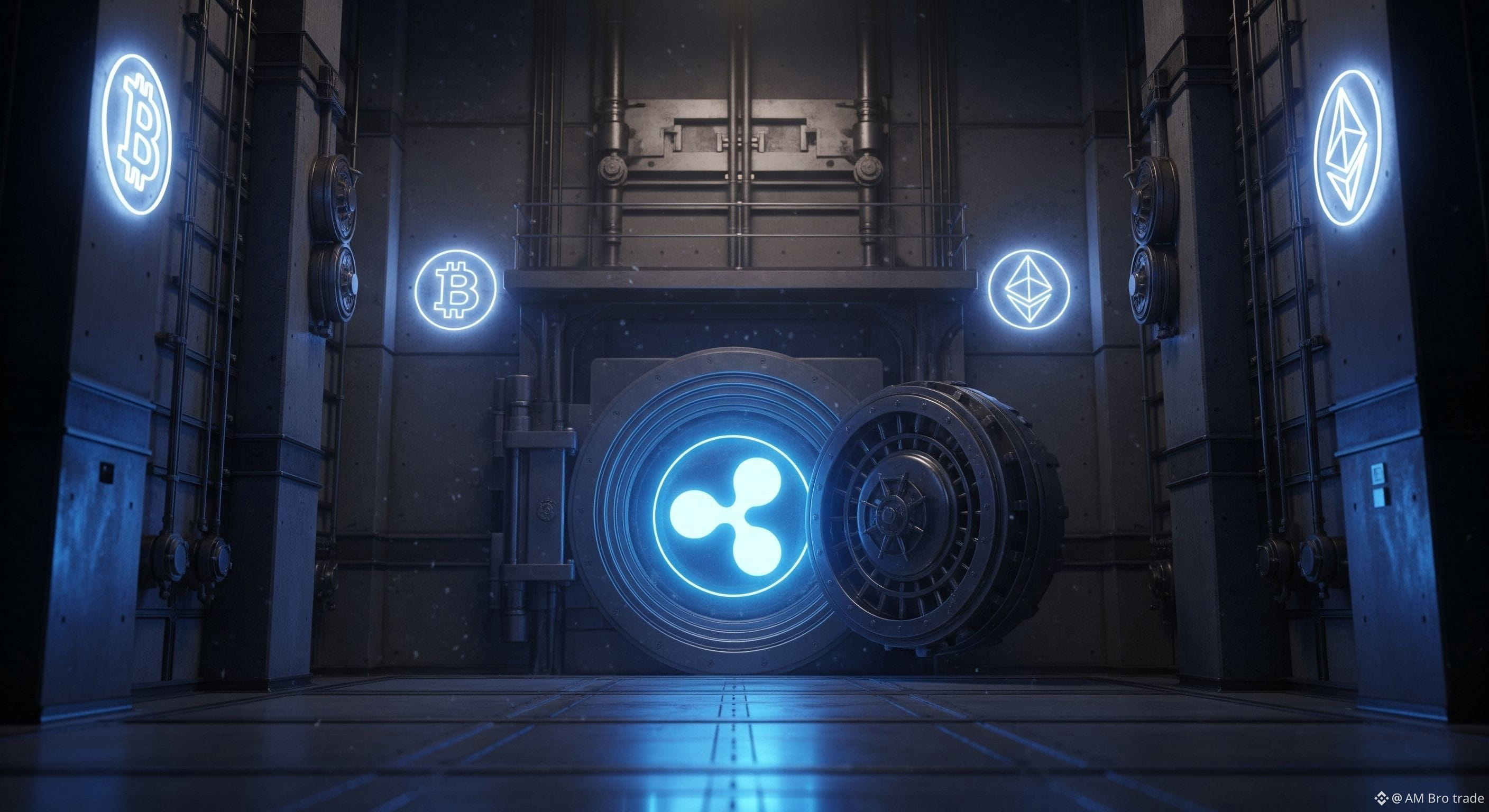
Der Einzelhandel ist beschäftigt, Linien auf einem Chart zu ziehen und zu debattieren, ob $BTC $85K für einen Fake-out erreicht oder zurück in die $60s fluscht, um ein makro-doppeltes Tief zu bilden. Du bist abgelenkt und überanalysierst, ob AI-Privacy-Coins wie $ZEC eine Bewertung von $8.000 verdienen.
Aber während die Massen auf Retail-Hopium und kurzfristige Liquiditätsschübe fixiert sind, bewegen sich die wahren Architekten des globalen Finanzsystems im Schatten.
Beispiel: UBS Group. Der größte Vermögensverwalter der Welt mit über $7 Billionen in AUM hat gerade eine massive 13F-Einreichung veröffentlicht. Sie tauchen nicht nur mit den Zehenspitzen in traditionelle digitale Vermögenswerte ein – sie akkumulieren leise Exposition gegenüber Grayscale und Volatility Shares XRP ETFs.
Lass das mal sacken. Während die Timeline über den nächsten $5.000-Tick von Bitcoin diskutiert, sichert sich ein Schweizer Bankgigant aktiv seine Position in $XRP.
Warum? Weil institutionelles Kapital keine Kopf-und-Schulter-Muster handelt; sie handeln Infrastruktur. UBS hortet "Seed"-Bestände, um massive interne Krypto-Handelsabteilungen und globale Tokenisierungsplattformen zu starten.
Wenn Bitcoin auf $85K pumpt und sofort auf die $60s dumpft, keine Panik. Es ist nur ein gesunder makro-technischer Shakeout, der darauf abzielt, Spätankömmlinge zu liquidieren und interne Liquidität aufzubauen. Aber verliere nicht das ultimative Endspiel aus den Augen. Die alte Finanzwache kämpft nicht mehr gegen Krypto – sie kaufen es leise unter dir weg.
Wenn $7 Billionen sprechen, hörst du auf, das 15-Minuten-Chart zu beobachten, und beginnst, den Geldfluss institutioneller Investoren zu beobachten. Bist du positioniert, oder bist du nur Exit-Liquidität für Wall Street?
#BTC #Market_Update #WhatsNext #Xrp🔥🔥
{spot}(BTCUSDT)
{spot}(XRPUSDT)
Der Einzelhandel ist beschäftigt, Linien auf einem Chart zu ziehen und zu debattieren, ob $BTC $85K für einen Fake-out erreicht oder zurück in die $60s fluscht, um ein makro-doppeltes Tief zu bilden. Du bist abgelenkt und überanalysierst, ob AI-Privacy-Coins wie $ZEC eine Bewertung von $8.000 verdienen.
Aber während die Massen auf Retail-Hopium und kurzfristige Liquiditätsschübe fixiert sind, bewegen sich die wahren Architekten des globalen Finanzsystems im Schatten.
Beispiel: UBS Group. Der größte Vermögensverwalter der Welt mit über $7 Billionen in AUM hat gerade eine massive 13F-Einreichung veröffentlicht. Sie tauchen nicht nur mit den Zehenspitzen in traditionelle digitale Vermögenswerte ein – sie akkumulieren leise Exposition gegenüber Grayscale und Volatility Shares XRP ETFs.
Lass das mal sacken. Während die Timeline über den nächsten $5.000-Tick von Bitcoin diskutiert, sichert sich ein Schweizer Bankgigant aktiv seine Position in $XRP.
Warum? Weil institutionelles Kapital keine Kopf-und-Schulter-Muster handelt; sie handeln Infrastruktur. UBS hortet "Seed"-Bestände, um massive interne Krypto-Handelsabteilungen und globale Tokenisierungsplattformen zu starten.
Wenn Bitcoin auf $85K pumpt und sofort auf die $60s dumpft, keine Panik. Es ist nur ein gesunder makro-technischer Shakeout, der darauf abzielt, Spätankömmlinge zu liquidieren und interne Liquidität aufzubauen. Aber verliere nicht das ultimative Endspiel aus den Augen. Die alte Finanzwache kämpft nicht mehr gegen Krypto – sie kaufen es leise unter dir weg.
Wenn $7 Billionen sprechen, hörst du auf, das 15-Minuten-Chart zu beobachten, und beginnst, den Geldfluss institutioneller Investoren zu beobachten. Bist du positioniert, oder bist du nur Exit-Liquidität für Wall Street?
#BTC #Market_Update #WhatsNext #Xrp🔥🔥
Aber während die Massen auf Retail-Hopium und kurzfristige Liquiditätsschübe fixiert sind, bewegen sich die wahren Architekten des globalen Finanzsystems im Schatten.
Beispiel: UBS Group. Der größte Vermögensverwalter der Welt mit über $7 Billionen in AUM hat gerade eine massive 13F-Einreichung veröffentlicht. Sie tauchen nicht nur mit den Zehenspitzen in traditionelle digitale Vermögenswerte ein – sie akkumulieren leise Exposition gegenüber Grayscale und Volatility Shares XRP ETFs.
Lass das mal sacken. Während die Timeline über den nächsten $5.000-Tick von Bitcoin diskutiert, sichert sich ein Schweizer Bankgigant aktiv seine Position in $XRP.
Warum? Weil institutionelles Kapital keine Kopf-und-Schulter-Muster handelt; sie handeln Infrastruktur. UBS hortet "Seed"-Bestände, um massive interne Krypto-Handelsabteilungen und globale Tokenisierungsplattformen zu starten.
Wenn Bitcoin auf $85K pumpt und sofort auf die $60s dumpft, keine Panik. Es ist nur ein gesunder makro-technischer Shakeout, der darauf abzielt, Spätankömmlinge zu liquidieren und interne Liquidität aufzubauen. Aber verliere nicht das ultimative Endspiel aus den Augen. Die alte Finanzwache kämpft nicht mehr gegen Krypto – sie kaufen es leise unter dir weg.
Wenn $7 Billionen sprechen, hörst du auf, das 15-Minuten-Chart zu beobachten, und beginnst, den Geldfluss institutioneller Investoren zu beobachten. Bist du positioniert, oder bist du nur Exit-Liquidität für Wall Street?
#BTC #Market_Update #WhatsNext #Xrp🔥🔥
252


·
--
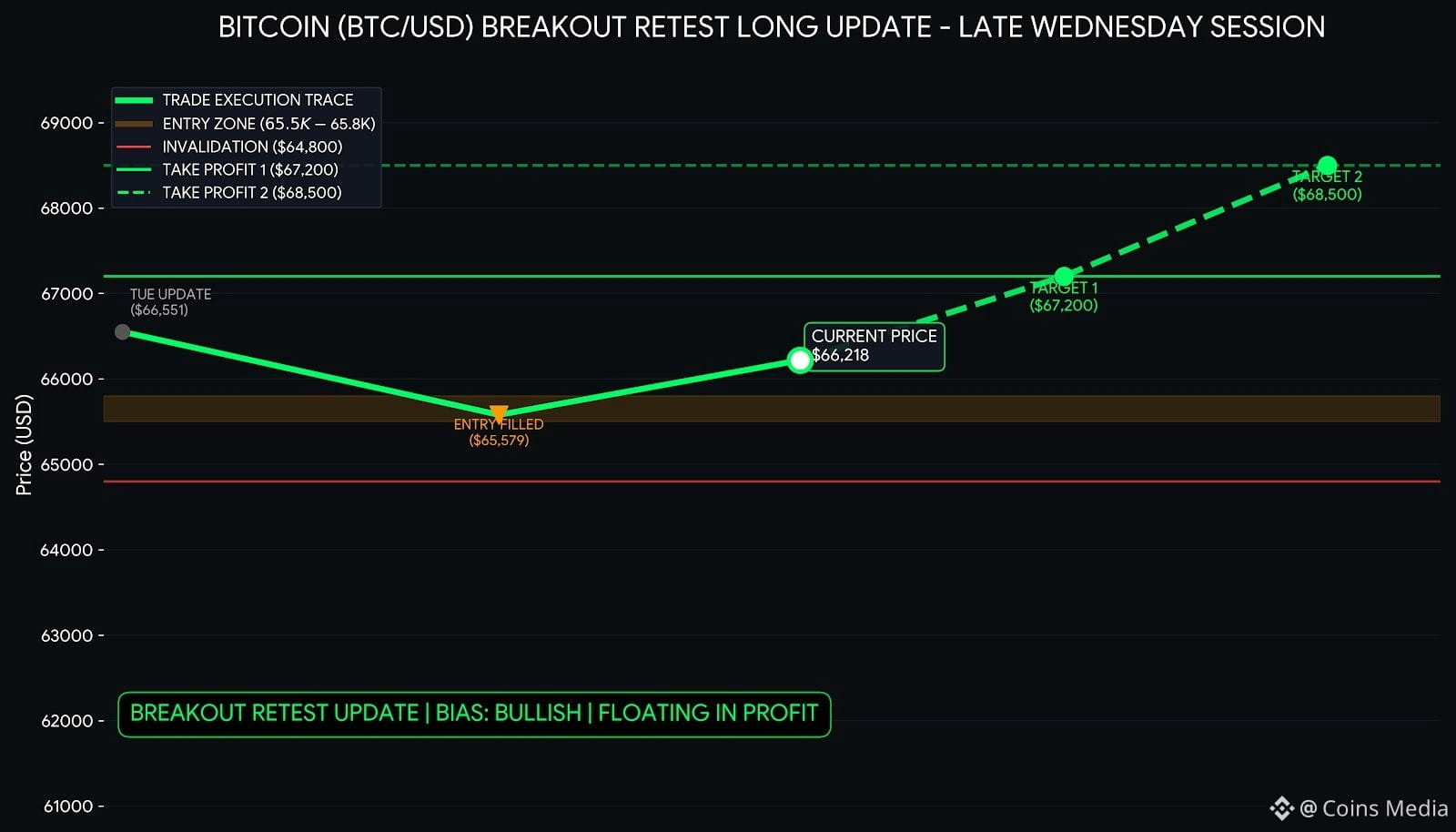
BITCOIN (BTC) „BREAKOUT-RETEST“ #LONG (TRADING-UPDATE)
EINSTIEGSZONE: 65.500 – 65.800 Status: AUSGEFÜLLT. (Bei 65.579 nach unten ausgestoppt und die Zone perfekt für den Einstieg abgefegt).
TAKE PROFIT 1: 67.200 Status: AUSSTEHEND.
TAKE PROFIT 2: 68.500 Status: AUSSTEHEND.
Der Trade spielt sich exakt nach dem algorithmischen Bauplan ab. Nach der gestrigen makroökonomischen Expansion ist der Kurs in einen lokal begrenzten Pullback gefallen und hat ein bestätigtes Intraday-Tief von 65.579 gedruckt. Das bedeutet, dass der Vermögenswert perfekt in unsere vordefinierte Einstiegszone von 65.500 – 65.800 eingetippt hat, um deine Limit-Orders auszuführen, bevor institutionelle Käufer eingriffen, um den Boden zu verteidigen. Der Trade ist offiziell aktiv und schwebt im positiven Bereich (grün).
$BTC $DODO $RE
#BTC #Bitcoin #WhatsNext #trading #crypto
BITCOIN (BTC) „BREAKOUT-RETEST“ #LONG (TRADING-UPDATE)
EINSTIEGSZONE: 65.500 – 65.800 Status: AUSGEFÜLLT. (Bei 65.579 nach unten ausgestoppt und die Zone perfekt für den Einstieg abgefegt).
TAKE PROFIT 1: 67.200 Status: AUSSTEHEND.
TAKE PROFIT 2: 68.500 Status: AUSSTEHEND.
Der Trade spielt sich exakt nach dem algorithmischen Bauplan ab. Nach der gestrigen makroökonomischen Expansion ist der Kurs in einen lokal begrenzten Pullback gefallen und hat ein bestätigtes Intraday-Tief von 65.579 gedruckt. Das bedeutet, dass der Vermögenswert perfekt in unsere vordefinierte Einstiegszone von 65.500 – 65.800 eingetippt hat, um deine Limit-Orders auszuführen, bevor institutionelle Käufer eingriffen, um den Boden zu verteidigen. Der Trade ist offiziell aktiv und schwebt im positiven Bereich (grün).
$BTC $DODO $RE
#BTC #Bitcoin #WhatsNext #trading #crypto
EINSTIEGSZONE: 65.500 – 65.800 Status: AUSGEFÜLLT. (Bei 65.579 nach unten ausgestoppt und die Zone perfekt für den Einstieg abgefegt).
TAKE PROFIT 1: 67.200 Status: AUSSTEHEND.
TAKE PROFIT 2: 68.500 Status: AUSSTEHEND.
Der Trade spielt sich exakt nach dem algorithmischen Bauplan ab. Nach der gestrigen makroökonomischen Expansion ist der Kurs in einen lokal begrenzten Pullback gefallen und hat ein bestätigtes Intraday-Tief von 65.579 gedruckt. Das bedeutet, dass der Vermögenswert perfekt in unsere vordefinierte Einstiegszone von 65.500 – 65.800 eingetippt hat, um deine Limit-Orders auszuführen, bevor institutionelle Käufer eingriffen, um den Boden zu verteidigen. Der Trade ist offiziell aktiv und schwebt im positiven Bereich (grün).
$BTC $DODO $RE
#BTC #Bitcoin #WhatsNext #trading #crypto
54

·
--
Artikel
Versteck den Preis nicht und schütte den Preis nicht einfach raus. Gib die Zahl + verknüpfe sie mit dem Problem.Eine der einfachsten Möglichkeiten, bei einem potenziellen Kunden an Schwung zu verlieren:
Sie fragen:
„Wie viel?“
Du antwortest:
„49 $.“
Dann…
Nichts.
Also denkst du:
„Zu teuer.“
Vielleicht.
Aber das weißt du eigentlich nicht.
Das Problem könnte sein, dass du ihnen eine Zahl gegeben hast, ohne Kontext.
Denk mal darüber nach.
Wenn jemand nicht wirklich versteht, wie dein Angebot mit seinem Problem zusammenhängt, bewertet er deine Lösung noch gar nicht richtig.
Sie prüfen gerade nur eine Zahl.
⚡ Probier stattdessen das:
Nutze:
PREIS → PROBLEM → NÄCHSTER SCHRITT
Beispiel:
Versteck den Preis nicht und schütte den Preis nicht einfach raus. Gib die Zahl + verknüpfe sie mit dem Problem.
Eine der einfachsten Möglichkeiten, bei einem potenziellen Kunden an Schwung zu verlieren:
Sie fragen:
„Wie viel?“
Du antwortest:
„49 $.“
Dann…
Nichts.
Also denkst du:
„Zu teuer.“
Vielleicht.
Aber das weißt du eigentlich nicht.
Das Problem könnte sein, dass du ihnen eine Zahl gegeben hast, ohne Kontext.
Denk mal darüber nach.
Wenn jemand nicht wirklich versteht, wie dein Angebot mit seinem Problem zusammenhängt, bewertet er deine Lösung noch gar nicht richtig.
Sie prüfen gerade nur eine Zahl.
⚡ Probier stattdessen das:
Nutze:
PREIS → PROBLEM → NÄCHSTER SCHRITT
Beispiel:
Sie fragen:
„Wie viel?“
Du antwortest:
„49 $.“
Dann…
Nichts.
Also denkst du:
„Zu teuer.“
Vielleicht.
Aber das weißt du eigentlich nicht.
Das Problem könnte sein, dass du ihnen eine Zahl gegeben hast, ohne Kontext.
Denk mal darüber nach.
Wenn jemand nicht wirklich versteht, wie dein Angebot mit seinem Problem zusammenhängt, bewertet er deine Lösung noch gar nicht richtig.
Sie prüfen gerade nur eine Zahl.
⚡ Probier stattdessen das:
Nutze:
PREIS → PROBLEM → NÄCHSTER SCHRITT
Beispiel:
1
111

·
--
Fortschritt wird nicht daran gemessen, wie viel du ankündigst.
Er wird daran gemessen, wie viel bereit ist, wenn die Zeit gekommen ist.
Wir haben uns entschieden, zuerst zu bauen.
Alles andere kommt danach.
#MelegaLabs #BuildInSilence #CryptoInfrastructure #melega #WhatsNext
Fortschritt wird nicht daran gemessen, wie viel du ankündigst.
Er wird daran gemessen, wie viel bereit ist, wenn die Zeit gekommen ist.
Wir haben uns entschieden, zuerst zu bauen.
Alles andere kommt danach.
#MelegaLabs #BuildInSilence #CryptoInfrastructure #melega #WhatsNext
Er wird daran gemessen, wie viel bereit ist, wenn die Zeit gekommen ist.
Wir haben uns entschieden, zuerst zu bauen.
Alles andere kommt danach.
#MelegaLabs #BuildInSilence #CryptoInfrastructure #melega #WhatsNext

124
Anmelden und weiter Inhalte entdecken
Krypto-Nutzer weltweit auf Binance Square kennenlernen
⚡️ Bleib in Sachen Krypto stets am Puls.
💬 Die weltgrößte Kryptobörse vertraut darauf.
👍 Erhalte verlässliche Einblicke von verifizierten Creators.
E-Mail-Adresse/Telefonnummer
Trendthemen
1
#UKFCAWinsCourtOrderToRecover851400Pounds
17,502 Aufrufe
633 Kommentare
2
#ChainlinkLaunchesCCIP2WithEnterpriseVerification
31,967 Aufrufe
831 Kommentare
3
#GoldFallsTo$4144
11,641 Aufrufe
140 Kommentare
4
#QNTFallsOver40%FromMorningHigh
72,675 Aufrufe
1,254 Kommentare
5
#USDTAdds845900HoldersInPast7Days
11,434 Aufrufe
362 Kommentare
6
#KospiFalls2.7%SamsungSKHynixDropOver5%
21,432 Aufrufe
535 Kommentare
7
#BitgetCEOConfirms$388MStolenInHack
4,809 Aufrufe
41 Kommentare
8
#BTCFallsBelow$83000
28,082 Aufrufe
161 Kommentare
9
#BitgetDetailsSecurityIncidentTimeline
39,947 Aufrufe
687 Kommentare
10
#BitcoinSpotETFs$2.39BWeeklyNetInflow
13,064 Aufrufe
48 Kommentare