

#vanryusdt
vanryusdt
601,899 Aufrufe
3,072 Kommentare
Hot
Zuletzt

·
--
Bullisch
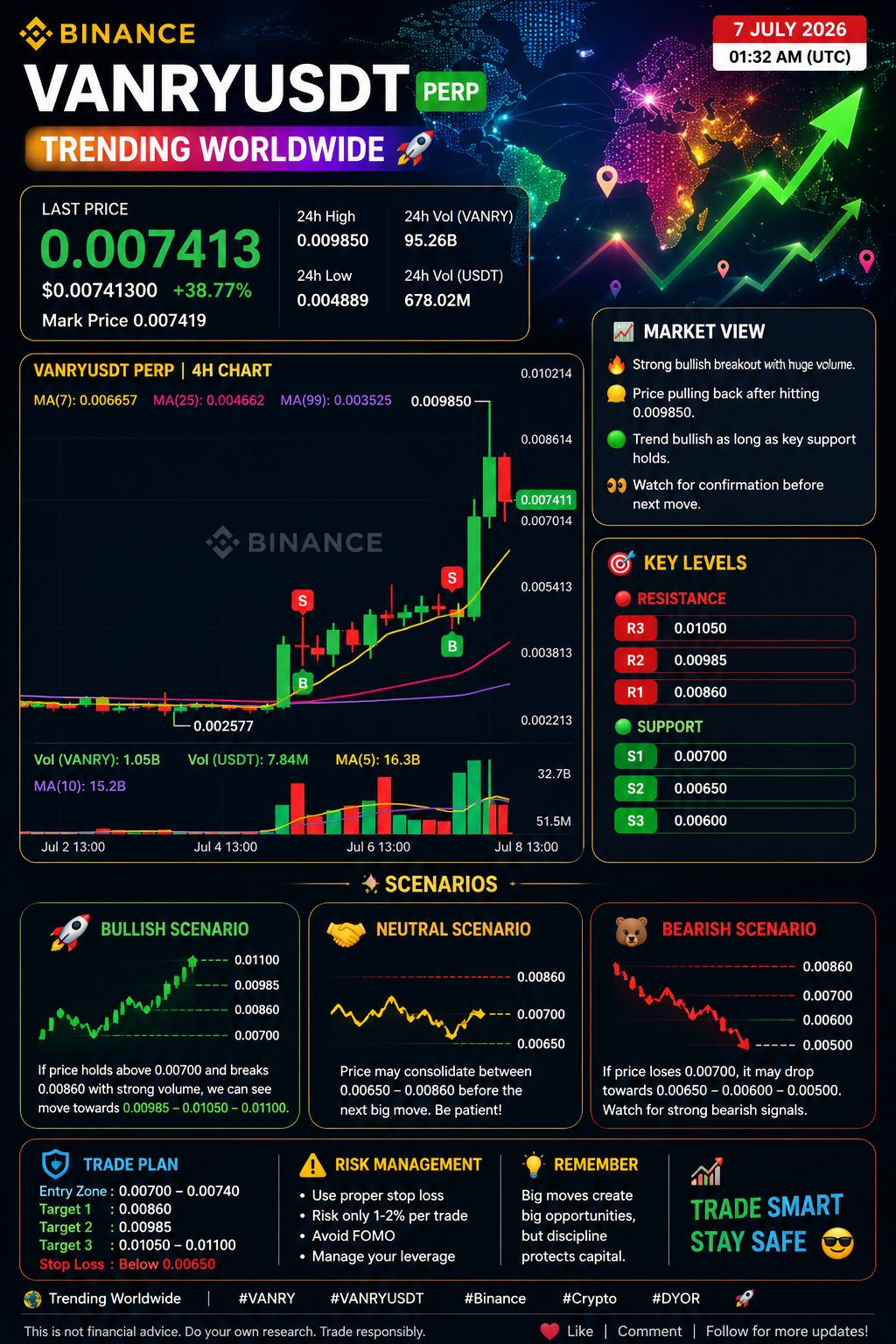
🚀 $VANRY USDT | 4H Markt-Update 📈
VANRY ist endlich mit einem starken Ausbruch aufgewacht und hat in einer einzigen Sitzung fast 39% gewonnen. Der Run hat den Preis auf 0.00985 gedrückt, doch Verkäufer stiegen ein und lösten so einen gesunden Pullback aus.
Derzeit entscheidet der Markt, ob das nur Gewinnmitnahmen sind oder die Vorbereitung auf den nächsten Schritt nach oben.
🔍 Worauf ich Achte
Solange 0.0070–0.0072 hält, haben die Bullen weiterhin den Vorteil.
Eine saubere Rückeroberung von 0.0086 könnte die Tür für einen weiteren Versuch bei 0.0098 öffnen, wobei 0.0105–0.0110 die nächste Aufwärts-Region wäre.
Wenn 0.0070 fällt, kann es zu einer tieferen Korrektur Richtung 0.0062–0.0065 kommen, bevor Käufer zurückkehren.
📊 Wichtige Levels 🟢 Support: 0.0070 | 0.0065 | 0.0060 🔴 Widerstand: 0.0086 | 0.00985 | 0.0105
💡 Meine Einschätzung Das Momentum bleibt bullisch, aber nach so einem starken Move ist Geduld wichtig. Grünes Kerzen hinterherzulaufen birgt meist mehr Risiko als auf Bestätigung oder einen gesunden Retest zu warten.
Steuere dein Risiko, setze einen Stop-Loss und lass den Markt zu dir kommen.
#BinanceTurns9 #VANRYUSDT #OilFalls #SKHynixToIssue177.9MillionADSs #DYOR
$BTC
{future}(BTCUSDT)
🚀 $VANRY USDT | 4H Markt-Update 📈
VANRY ist endlich mit einem starken Ausbruch aufgewacht und hat in einer einzigen Sitzung fast 39% gewonnen. Der Run hat den Preis auf 0.00985 gedrückt, doch Verkäufer stiegen ein und lösten so einen gesunden Pullback aus.
Derzeit entscheidet der Markt, ob das nur Gewinnmitnahmen sind oder die Vorbereitung auf den nächsten Schritt nach oben.
🔍 Worauf ich Achte
Solange 0.0070–0.0072 hält, haben die Bullen weiterhin den Vorteil.
Eine saubere Rückeroberung von 0.0086 könnte die Tür für einen weiteren Versuch bei 0.0098 öffnen, wobei 0.0105–0.0110 die nächste Aufwärts-Region wäre.
Wenn 0.0070 fällt, kann es zu einer tieferen Korrektur Richtung 0.0062–0.0065 kommen, bevor Käufer zurückkehren.
📊 Wichtige Levels 🟢 Support: 0.0070 | 0.0065 | 0.0060 🔴 Widerstand: 0.0086 | 0.00985 | 0.0105
💡 Meine Einschätzung Das Momentum bleibt bullisch, aber nach so einem starken Move ist Geduld wichtig. Grünes Kerzen hinterherzulaufen birgt meist mehr Risiko als auf Bestätigung oder einen gesunden Retest zu warten.
Steuere dein Risiko, setze einen Stop-Loss und lass den Markt zu dir kommen.
#BinanceTurns9 #VANRYUSDT #OilFalls #SKHynixToIssue177.9MillionADSs #DYOR
$BTC
VANRY ist endlich mit einem starken Ausbruch aufgewacht und hat in einer einzigen Sitzung fast 39% gewonnen. Der Run hat den Preis auf 0.00985 gedrückt, doch Verkäufer stiegen ein und lösten so einen gesunden Pullback aus.
Derzeit entscheidet der Markt, ob das nur Gewinnmitnahmen sind oder die Vorbereitung auf den nächsten Schritt nach oben.
🔍 Worauf ich Achte
Solange 0.0070–0.0072 hält, haben die Bullen weiterhin den Vorteil.
Eine saubere Rückeroberung von 0.0086 könnte die Tür für einen weiteren Versuch bei 0.0098 öffnen, wobei 0.0105–0.0110 die nächste Aufwärts-Region wäre.
Wenn 0.0070 fällt, kann es zu einer tieferen Korrektur Richtung 0.0062–0.0065 kommen, bevor Käufer zurückkehren.
📊 Wichtige Levels 🟢 Support: 0.0070 | 0.0065 | 0.0060 🔴 Widerstand: 0.0086 | 0.00985 | 0.0105
💡 Meine Einschätzung Das Momentum bleibt bullisch, aber nach so einem starken Move ist Geduld wichtig. Grünes Kerzen hinterherzulaufen birgt meist mehr Risiko als auf Bestätigung oder einen gesunden Retest zu warten.
Steuere dein Risiko, setze einen Stop-Loss und lass den Markt zu dir kommen.
#BinanceTurns9 #VANRYUSDT #OilFalls #SKHynixToIssue177.9MillionADSs #DYOR
$BTC
3
1
14
678

✒️ Der Profitstift schreibt eine wahre Märchenstory, in der ein unbekannter Trader das Spiel umdrehen kann.
🏆 LONG $VANRY
Entry: 0.00376
TP: 0.00395 | SL: 0.00339
💼 Die großen Banken können sich dieser Welle von digitalen Assets nicht entziehen.
🔍 Die Support Confluence Zone hält den Preis extrem gut.
📈 Der Aufstieg des Kontos steht in direktem Verhältnis zur Reifung des Mindsets.
🍀 Ich wünsche dir einen Tag voller Glück und genialer Trading-Entscheidungen.
#VANRYUSDT $VANRYUSDT
✒️ Der Profitstift schreibt eine wahre Märchenstory, in der ein unbekannter Trader das Spiel umdrehen kann.
🏆 LONG $VANRY
Entry: 0.00376
TP: 0.00395 | SL: 0.00339
💼 Die großen Banken können sich dieser Welle von digitalen Assets nicht entziehen.
🔍 Die Support Confluence Zone hält den Preis extrem gut.
📈 Der Aufstieg des Kontos steht in direktem Verhältnis zur Reifung des Mindsets.
🍀 Ich wünsche dir einen Tag voller Glück und genialer Trading-Entscheidungen.
#VANRYUSDT $VANRYUSDT
🏆 LONG $VANRY
Entry: 0.00376
TP: 0.00395 | SL: 0.00339
💼 Die großen Banken können sich dieser Welle von digitalen Assets nicht entziehen.
🔍 Die Support Confluence Zone hält den Preis extrem gut.
📈 Der Aufstieg des Kontos steht in direktem Verhältnis zur Reifung des Mindsets.
🍀 Ich wünsche dir einen Tag voller Glück und genialer Trading-Entscheidungen.
#VANRYUSDT $VANRYUSDT
283

·
--
$VANRY
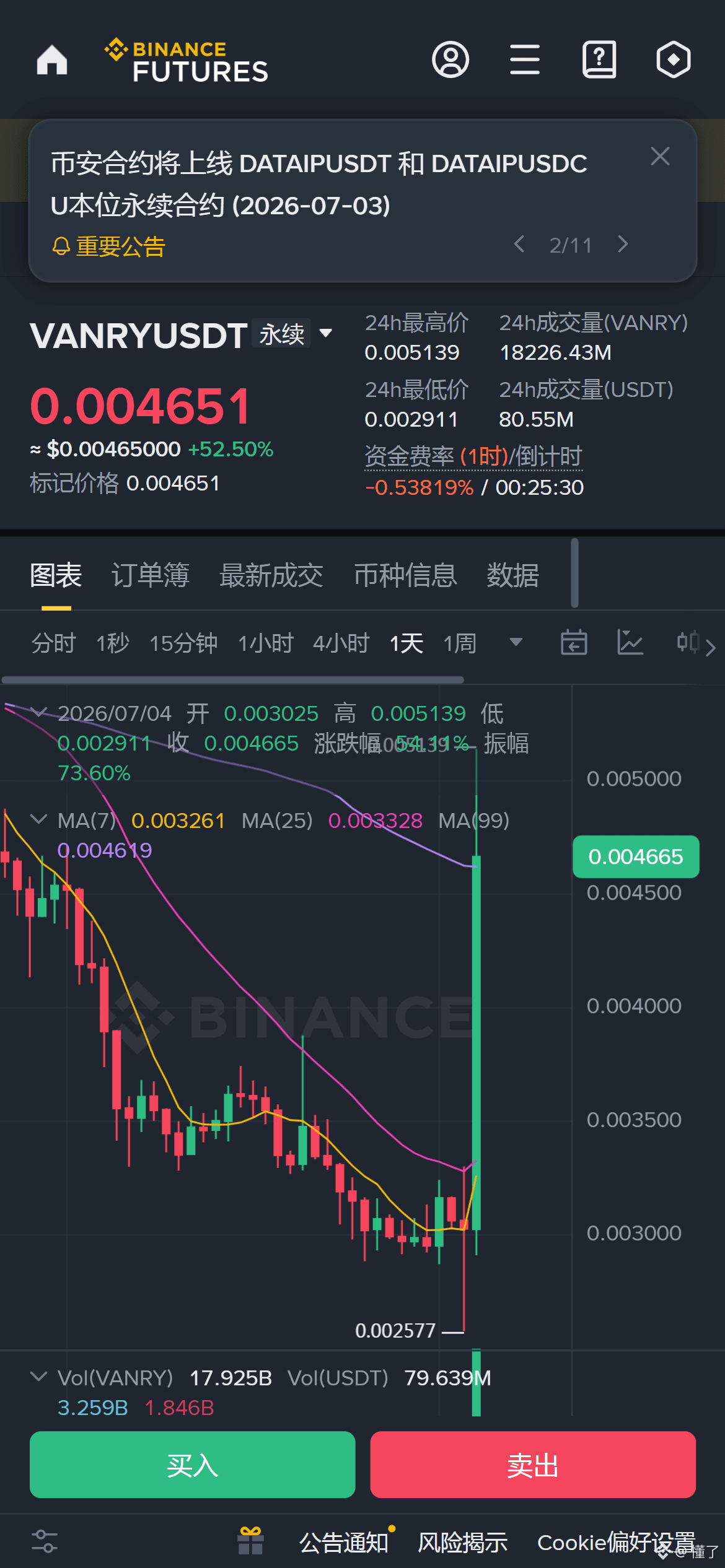
VANRY, diese Geldbewegung ist gerade im Gange 😏. Die Kontraktabschlüsse und die Bestände steigen beide rasant – das schlaues Geld war längst schon bereit vor Ort. Reagiert ihr jetzt erst? ZU SPÄT! Ich gehe nur mit den Profis mit, ich prophezehe keinen Kurs, ich pflücke nur das fertige 💰 #VANRYUSDT
$VANRY
VANRY, diese Geldbewegung ist gerade im Gange 😏. Die Kontraktabschlüsse und die Bestände steigen beide rasant – das schlaues Geld war längst schon bereit vor Ort. Reagiert ihr jetzt erst? ZU SPÄT! Ich gehe nur mit den Profis mit, ich prophezehe keinen Kurs, ich pflücke nur das fertige 💰 #VANRYUSDT
VANRY, diese Geldbewegung ist gerade im Gange 😏. Die Kontraktabschlüsse und die Bestände steigen beide rasant – das schlaues Geld war längst schon bereit vor Ort. Reagiert ihr jetzt erst? ZU SPÄT! Ich gehe nur mit den Profis mit, ich prophezehe keinen Kurs, ich pflücke nur das fertige 💰 #VANRYUSDT
328

VANRY richtet sich für einen langfristigen Trade mit 94% Konfidenz ein und bietet ein Chance/Risiko-Verhältnis von 1:1.7. Aktuelle Marktbedingungen deuten auf eine hohe Erfolgswahrscheinlichkeit hin.
━━━━━━━━━━━━━━━━━━━━━
🟢 VANRY LONG 📈
━━━━━━━━━━━━━━━━━━━━━
📍 Einstiegsspanne: $0.005005 – $0.005015
🛑 Stop Loss: $0.004860 (-3.0%)
🎯 TP1: $0.005085 (+1.5%)
🏆 TP2: $0.005260 (+5.0%)
⚡ R/R Verhältnis: 1:1.7
📊 Konfidenz: 94%
━━━━━━━━━━━━━━━━━━━━━
Das CHoCH-Signal wurde ausgelöst, was auf einen Bruch der Marktstruktur hindeutet. Gleichzeitig konvergieren FVG und OB, um eine starke POI-Überschneidung zu bilden, was auf eine bedeutende Bewegung hindeutet. Diese Signalüberlappung verstärkt das Trade-Setup und deutet auf ein mögliches Upside hin. Die Marktstruktur ist bereit für einen Ausbruch.
Ein 3.0%-Stop-Loss ist relativ eng, was auf die Nutzung einer moderaten Hebelwirkung hindeutet, um die Rendite zu maximieren und gleichzeitig das Risiko zu steuern.
Ziehe in Erwägung, bei dem ersten Ziel teilweise Gewinne mitzunehmen, um die Gewinne zu sichern und den Stop Loss auf Break-even anzupassen, damit die verbleibende Position dem potenziellen Trend folgen kann.
Keine Finanzberatung — verwalte immer dein eigenes Risiko 🙏
#VANRYUSDT $VANRY #SMC #Write2Earn #Binance
VANRY richtet sich für einen langfristigen Trade mit 94% Konfidenz ein und bietet ein Chance/Risiko-Verhältnis von 1:1.7. Aktuelle Marktbedingungen deuten auf eine hohe Erfolgswahrscheinlichkeit hin.
━━━━━━━━━━━━━━━━━━━━━
🟢 VANRY LONG 📈
━━━━━━━━━━━━━━━━━━━━━
📍 Einstiegsspanne: $0.005005 – $0.005015
🛑 Stop Loss: $0.004860 (-3.0%)
🎯 TP1: $0.005085 (+1.5%)
🏆 TP2: $0.005260 (+5.0%)
⚡ R/R Verhältnis: 1:1.7
📊 Konfidenz: 94%
━━━━━━━━━━━━━━━━━━━━━
Das CHoCH-Signal wurde ausgelöst, was auf einen Bruch der Marktstruktur hindeutet. Gleichzeitig konvergieren FVG und OB, um eine starke POI-Überschneidung zu bilden, was auf eine bedeutende Bewegung hindeutet. Diese Signalüberlappung verstärkt das Trade-Setup und deutet auf ein mögliches Upside hin. Die Marktstruktur ist bereit für einen Ausbruch.
Ein 3.0%-Stop-Loss ist relativ eng, was auf die Nutzung einer moderaten Hebelwirkung hindeutet, um die Rendite zu maximieren und gleichzeitig das Risiko zu steuern.
Ziehe in Erwägung, bei dem ersten Ziel teilweise Gewinne mitzunehmen, um die Gewinne zu sichern und den Stop Loss auf Break-even anzupassen, damit die verbleibende Position dem potenziellen Trend folgen kann.
Keine Finanzberatung — verwalte immer dein eigenes Risiko 🙏
#VANRYUSDT $VANRY #SMC #Write2Earn #Binance
━━━━━━━━━━━━━━━━━━━━━
🟢 VANRY LONG 📈
━━━━━━━━━━━━━━━━━━━━━
📍 Einstiegsspanne: $0.005005 – $0.005015
🛑 Stop Loss: $0.004860 (-3.0%)
🎯 TP1: $0.005085 (+1.5%)
🏆 TP2: $0.005260 (+5.0%)
⚡ R/R Verhältnis: 1:1.7
📊 Konfidenz: 94%
━━━━━━━━━━━━━━━━━━━━━
Das CHoCH-Signal wurde ausgelöst, was auf einen Bruch der Marktstruktur hindeutet. Gleichzeitig konvergieren FVG und OB, um eine starke POI-Überschneidung zu bilden, was auf eine bedeutende Bewegung hindeutet. Diese Signalüberlappung verstärkt das Trade-Setup und deutet auf ein mögliches Upside hin. Die Marktstruktur ist bereit für einen Ausbruch.
Ein 3.0%-Stop-Loss ist relativ eng, was auf die Nutzung einer moderaten Hebelwirkung hindeutet, um die Rendite zu maximieren und gleichzeitig das Risiko zu steuern.
Ziehe in Erwägung, bei dem ersten Ziel teilweise Gewinne mitzunehmen, um die Gewinne zu sichern und den Stop Loss auf Break-even anzupassen, damit die verbleibende Position dem potenziellen Trend folgen kann.
Keine Finanzberatung — verwalte immer dein eigenes Risiko 🙏
#VANRYUSDT $VANRY #SMC #Write2Earn #Binance
138

·
--
📋 Letztes Comeback (3 Kryptowährungen | Trefferquote 33% | Ø +7,92%)
📈 $HOT ((eher bullisch))
Einstieg 0.00035400-0.00040000 → aktueller Preis 0.00038900 | Veränderung +3,18% | Gewinn läuft ✅
🛑 $EPIC ((eher bärisch))
Einstieg 0.43250-0.52640 → aktueller Preis 0.44800 | Veränderung -6,56% | Stop-Loss ausgelöst❌
🎉 $VANRY ((eher bullisch))
Einstieg 0.004363-0.004600 → aktueller Preis 0.005697 | Veränderung +27,12% | 🎯 Zweiter Take-Profit bereits erreicht!
🤩 Zusammenfassung des letzten Mal: Insgesamt profitabel—weiter so!
---
Kaum öffnet der Markt, bewegt sich $VANRY schon wieder—schnell, ich gebe euch eine Analyse
💰 Aktueller Preis: 0.005900 USDT (2H +73,07%)
📈 Indikatoren für 4H
RSI: 77,9 ⚠️ Überkauft-Zone, auf Rücksetzer achten
MACD: Golden Cross 🟢
Trend: Bullisches Chartbild ✅ Trend sieht gut aus
📊 Indikatoren für Daily
RSI: 80,8
MA7/25: über den Kurslinien ✅
MA99: über der Jahreslinie ✅
MACD: Golden Cross 🟢
⚡ Momentum
Richtung des Trends: eher stark (eher bullisch)
Momentum 1H: +9,58 bullische Dynamik ↑
Momentum 4H: +0,80 bullische Dynamik ↑
Divergenz-Signale: 1H keine | 4H keine
Stärke des Moments: stark 🔥
Handelsvolumen: 📊 Volumenanstieg (Faktor 9,47x)
🔗 On-Chain-Tracking
OI-Veränderung 1H: +30,32%
OI-Veränderung 4H: +36,61%
Geldfluss 1H: Bullenfluss 🟢 | Nettozufluss: 778,42K
Geldfluss 4H: Bärenfluss 🔴 | Nettozufluss: -2,53M
Handlungen der Large Trader: Wechsel im Open Interest (Long/Short-Positionen getauscht)
Funding Rate: -0,0015%
🎯 Trading-Empfehlung
Richtung: 🟢 Long
Einstieg: 0.004718-0.005900
Starker Stop-Loss: 0.004609
Erster Take-Profit: 0.006195
Zweiter Take-Profit: 0.006490
Empfohlene Hebelwirkung: 5x
#VANRY #VANRYUSDT #币安广场 #Technische Analyse
📋 Letztes Comeback (3 Kryptowährungen | Trefferquote 33% | Ø +7,92%)
📈 $HOT ((eher bullisch))
Einstieg 0.00035400-0.00040000 → aktueller Preis 0.00038900 | Veränderung +3,18% | Gewinn läuft ✅
🛑 $EPIC ((eher bärisch))
Einstieg 0.43250-0.52640 → aktueller Preis 0.44800 | Veränderung -6,56% | Stop-Loss ausgelöst❌
🎉 $VANRY ((eher bullisch))
Einstieg 0.004363-0.004600 → aktueller Preis 0.005697 | Veränderung +27,12% | 🎯 Zweiter Take-Profit bereits erreicht!
🤩 Zusammenfassung des letzten Mal: Insgesamt profitabel—weiter so!
---
Kaum öffnet der Markt, bewegt sich $VANRY schon wieder—schnell, ich gebe euch eine Analyse
💰 Aktueller Preis: 0.005900 USDT (2H +73,07%)
📈 Indikatoren für 4H
RSI: 77,9 ⚠️ Überkauft-Zone, auf Rücksetzer achten
MACD: Golden Cross 🟢
Trend: Bullisches Chartbild ✅ Trend sieht gut aus
📊 Indikatoren für Daily
RSI: 80,8
MA7/25: über den Kurslinien ✅
MA99: über der Jahreslinie ✅
MACD: Golden Cross 🟢
⚡ Momentum
Richtung des Trends: eher stark (eher bullisch)
Momentum 1H: +9,58 bullische Dynamik ↑
Momentum 4H: +0,80 bullische Dynamik ↑
Divergenz-Signale: 1H keine | 4H keine
Stärke des Moments: stark 🔥
Handelsvolumen: 📊 Volumenanstieg (Faktor 9,47x)
🔗 On-Chain-Tracking
OI-Veränderung 1H: +30,32%
OI-Veränderung 4H: +36,61%
Geldfluss 1H: Bullenfluss 🟢 | Nettozufluss: 778,42K
Geldfluss 4H: Bärenfluss 🔴 | Nettozufluss: -2,53M
Handlungen der Large Trader: Wechsel im Open Interest (Long/Short-Positionen getauscht)
Funding Rate: -0,0015%
🎯 Trading-Empfehlung
Richtung: 🟢 Long
Einstieg: 0.004718-0.005900
Starker Stop-Loss: 0.004609
Erster Take-Profit: 0.006195
Zweiter Take-Profit: 0.006490
Empfohlene Hebelwirkung: 5x
#VANRY #VANRYUSDT #币安广场 #Technische Analyse
📈 $HOT ((eher bullisch))
Einstieg 0.00035400-0.00040000 → aktueller Preis 0.00038900 | Veränderung +3,18% | Gewinn läuft ✅
🛑 $EPIC ((eher bärisch))
Einstieg 0.43250-0.52640 → aktueller Preis 0.44800 | Veränderung -6,56% | Stop-Loss ausgelöst❌
🎉 $VANRY ((eher bullisch))
Einstieg 0.004363-0.004600 → aktueller Preis 0.005697 | Veränderung +27,12% | 🎯 Zweiter Take-Profit bereits erreicht!
🤩 Zusammenfassung des letzten Mal: Insgesamt profitabel—weiter so!
---
Kaum öffnet der Markt, bewegt sich $VANRY schon wieder—schnell, ich gebe euch eine Analyse
💰 Aktueller Preis: 0.005900 USDT (2H +73,07%)
📈 Indikatoren für 4H
RSI: 77,9 ⚠️ Überkauft-Zone, auf Rücksetzer achten
MACD: Golden Cross 🟢
Trend: Bullisches Chartbild ✅ Trend sieht gut aus
📊 Indikatoren für Daily
RSI: 80,8
MA7/25: über den Kurslinien ✅
MA99: über der Jahreslinie ✅
MACD: Golden Cross 🟢
⚡ Momentum
Richtung des Trends: eher stark (eher bullisch)
Momentum 1H: +9,58 bullische Dynamik ↑
Momentum 4H: +0,80 bullische Dynamik ↑
Divergenz-Signale: 1H keine | 4H keine
Stärke des Moments: stark 🔥
Handelsvolumen: 📊 Volumenanstieg (Faktor 9,47x)
🔗 On-Chain-Tracking
OI-Veränderung 1H: +30,32%
OI-Veränderung 4H: +36,61%
Geldfluss 1H: Bullenfluss 🟢 | Nettozufluss: 778,42K
Geldfluss 4H: Bärenfluss 🔴 | Nettozufluss: -2,53M
Handlungen der Large Trader: Wechsel im Open Interest (Long/Short-Positionen getauscht)
Funding Rate: -0,0015%
🎯 Trading-Empfehlung
Richtung: 🟢 Long
Einstieg: 0.004718-0.005900
Starker Stop-Loss: 0.004609
Erster Take-Profit: 0.006195
Zweiter Take-Profit: 0.006490
Empfohlene Hebelwirkung: 5x
#VANRY #VANRYUSDT #币安广场 #Technische Analyse
210

·
--
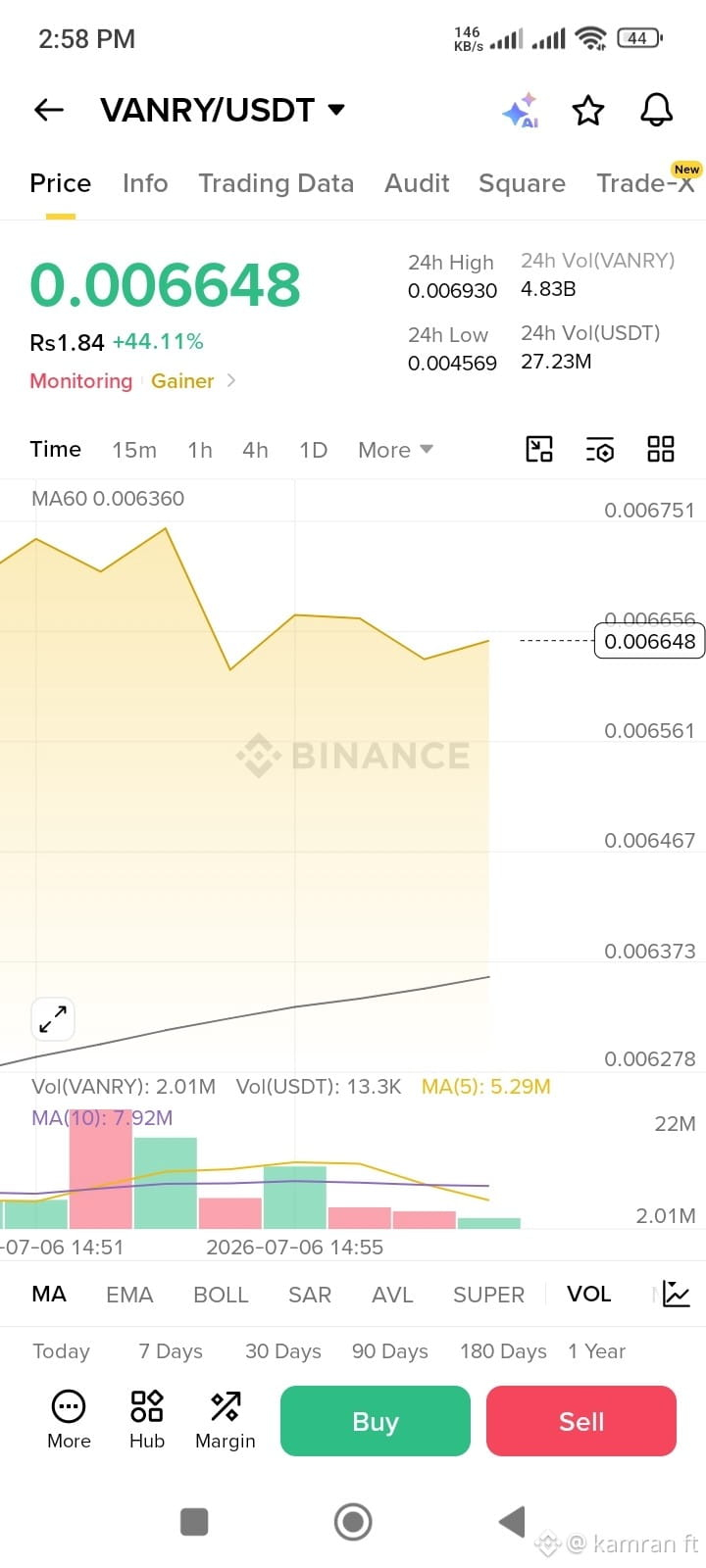
$VANRY brennt förmlich. Das Open Interest ist in den letzten 24 Stunden um 106 % gestiegen und hat über 60 Millionen Yen an neuen Positionen hinzugefügt, während der Kurs weiter nach oben explodiert.
Dieser synchronisierte Anstieg sowohl von Preis als auch Open Interest ist oft das Setup, das man vor einem großen Ausbruch sieht. Der Schwung baut sich schnell auf, und $VANRY wirkt, als könnte es gerade erst losgehen.
#VANRYUSDT
$VANRY brennt förmlich. Das Open Interest ist in den letzten 24 Stunden um 106 % gestiegen und hat über 60 Millionen Yen an neuen Positionen hinzugefügt, während der Kurs weiter nach oben explodiert.
Dieser synchronisierte Anstieg sowohl von Preis als auch Open Interest ist oft das Setup, das man vor einem großen Ausbruch sieht. Der Schwung baut sich schnell auf, und $VANRY wirkt, als könnte es gerade erst losgehen.
#VANRYUSDT
Dieser synchronisierte Anstieg sowohl von Preis als auch Open Interest ist oft das Setup, das man vor einem großen Ausbruch sieht. Der Schwung baut sich schnell auf, und $VANRY wirkt, als könnte es gerade erst losgehen.
#VANRYUSDT
186

·
--
Bullisch
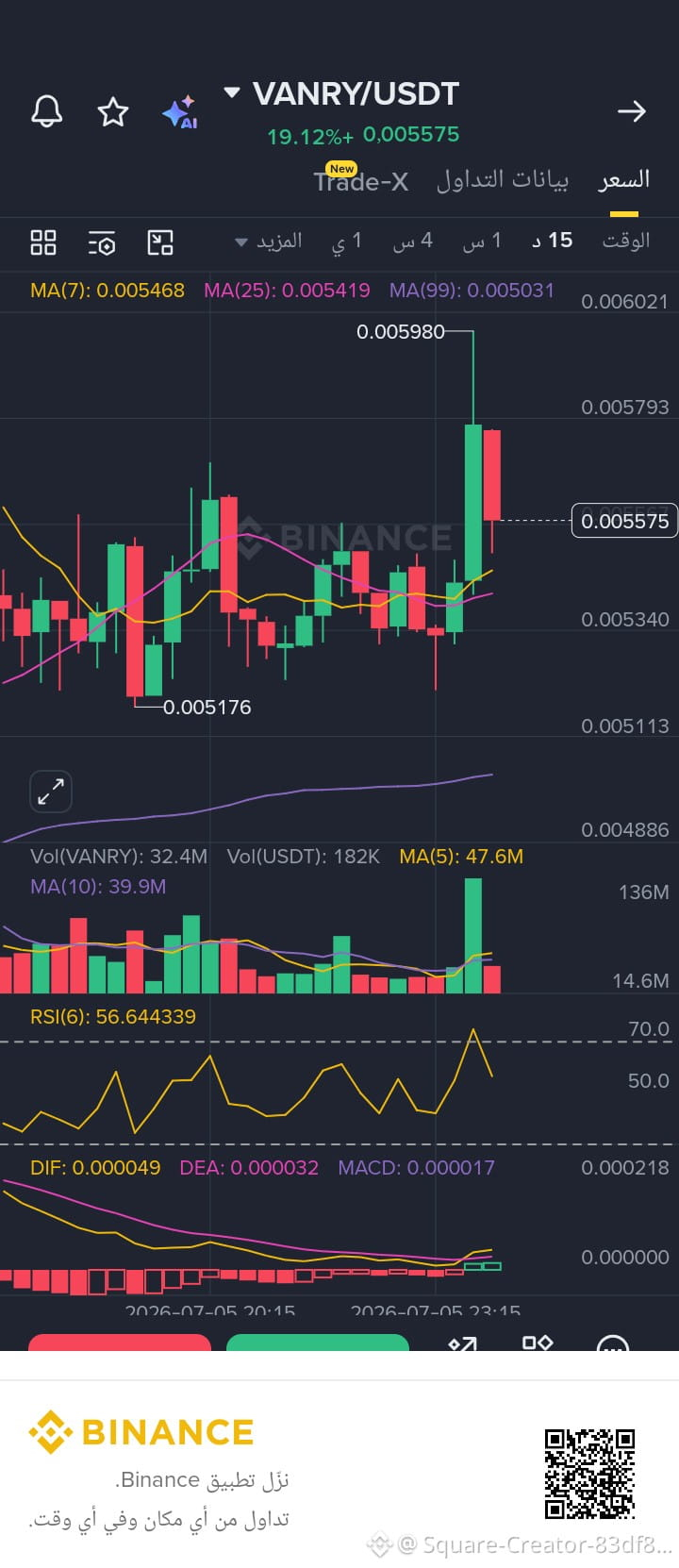
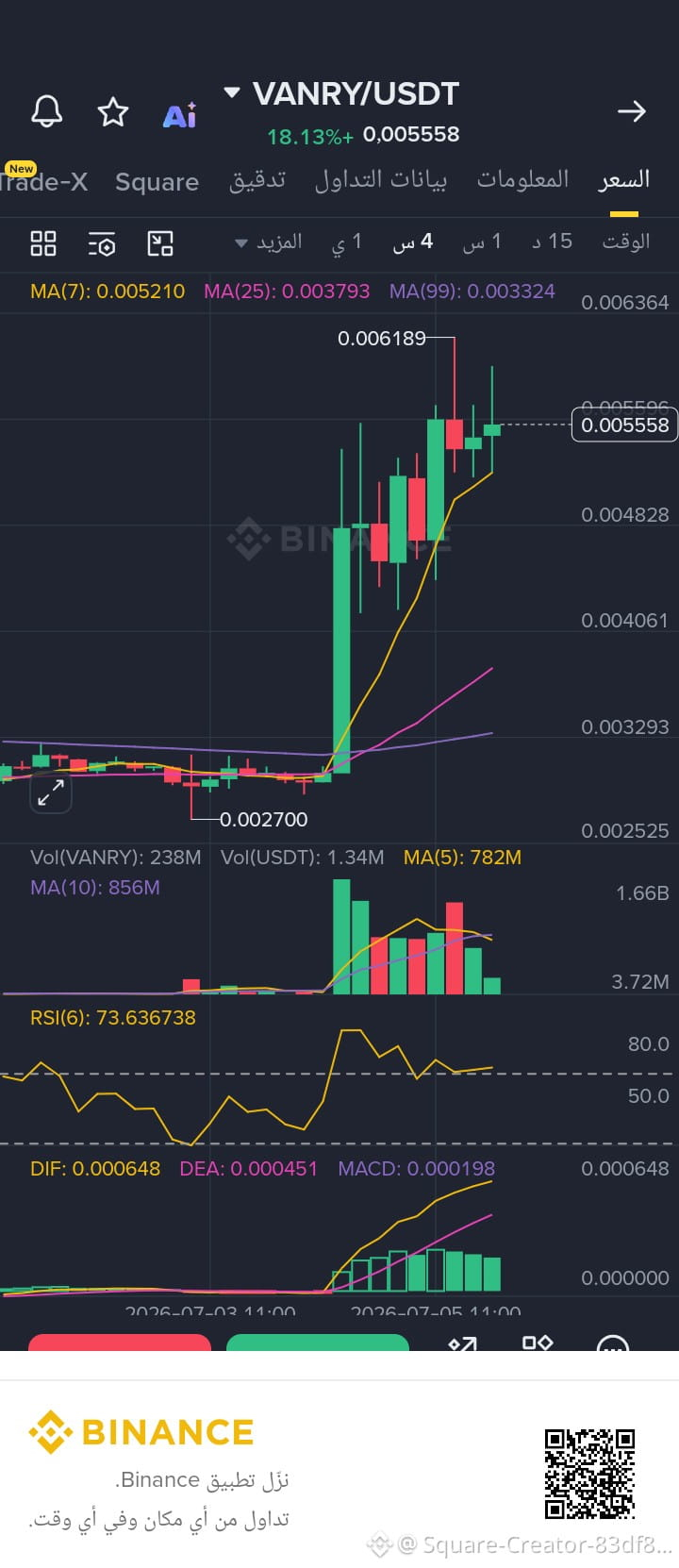
🔥🚀 Schnelles Update für die Währung $VANRY . Wir haben die letzten 4 Stunden mit den 15 Minuten zusammengeführt 🔥🚀
Der Preis über die letzten 15 Minuten bewegt sich gerade in einer schnellen und ruhigen Korrektur über den Unterstützungsniveaus, nachdem es zum letzten starken Anstieg kam und die Rückkehr von dem Hoch bei 0.005980. Die Indikatoren beginnen sich etwas zu erholen und bieten eine hervorragende Gelegenheit für alle, die die Bewegung bei einem Rebound des Preises und der Fortsetzung des Aufwärtsimpulses mitnehmen wollen.
⚡⚡ Einstiegszonen zwischen 0.005340 und 0.005565
🎯🎯🎯 Nahe Ziele:
Ziel 1: 0.005793
Ziel 2: 0.005980 für einen erneuten Test des nahegelegenen letzten Hochs
Ziel 3: 0.006250 das nächste Hauptziel
❌ Stop-Loss: 15-Minuten-Kerze schließen unter 0.005176, Bruch der letzten Unterstützungszone
🤍 Erinnerung:
🚀 💥 Diese Analyse ist eine technische Chart-Sicht und keine Anlageberatung. Die Entscheidung liegt bei dir – achte auf das Risikomanagement und gehe mit dem ein, was zu dir passt. 👍 Viel Glück für alle 💥 🚀
#VANRYUSDT #بينانس #تداول #عملات_رقمية
#Crypto_Jobs🎯
🔥🚀 Schnelles Update für die Währung $VANRY . Wir haben die letzten 4 Stunden mit den 15 Minuten zusammengeführt 🔥🚀
Der Preis über die letzten 15 Minuten bewegt sich gerade in einer schnellen und ruhigen Korrektur über den Unterstützungsniveaus, nachdem es zum letzten starken Anstieg kam und die Rückkehr von dem Hoch bei 0.005980. Die Indikatoren beginnen sich etwas zu erholen und bieten eine hervorragende Gelegenheit für alle, die die Bewegung bei einem Rebound des Preises und der Fortsetzung des Aufwärtsimpulses mitnehmen wollen.
⚡⚡ Einstiegszonen zwischen 0.005340 und 0.005565
🎯🎯🎯 Nahe Ziele:
Ziel 1: 0.005793
Ziel 2: 0.005980 für einen erneuten Test des nahegelegenen letzten Hochs
Ziel 3: 0.006250 das nächste Hauptziel
❌ Stop-Loss: 15-Minuten-Kerze schließen unter 0.005176, Bruch der letzten Unterstützungszone
🤍 Erinnerung:
🚀 💥 Diese Analyse ist eine technische Chart-Sicht und keine Anlageberatung. Die Entscheidung liegt bei dir – achte auf das Risikomanagement und gehe mit dem ein, was zu dir passt. 👍 Viel Glück für alle 💥 🚀
#VANRYUSDT #بينانس #تداول #عملات_رقمية
#Crypto_Jobs🎯
Der Preis über die letzten 15 Minuten bewegt sich gerade in einer schnellen und ruhigen Korrektur über den Unterstützungsniveaus, nachdem es zum letzten starken Anstieg kam und die Rückkehr von dem Hoch bei 0.005980. Die Indikatoren beginnen sich etwas zu erholen und bieten eine hervorragende Gelegenheit für alle, die die Bewegung bei einem Rebound des Preises und der Fortsetzung des Aufwärtsimpulses mitnehmen wollen.
⚡⚡ Einstiegszonen zwischen 0.005340 und 0.005565
🎯🎯🎯 Nahe Ziele:
Ziel 1: 0.005793
Ziel 2: 0.005980 für einen erneuten Test des nahegelegenen letzten Hochs
Ziel 3: 0.006250 das nächste Hauptziel
❌ Stop-Loss: 15-Minuten-Kerze schließen unter 0.005176, Bruch der letzten Unterstützungszone
🤍 Erinnerung:
🚀 💥 Diese Analyse ist eine technische Chart-Sicht und keine Anlageberatung. Die Entscheidung liegt bei dir – achte auf das Risikomanagement und gehe mit dem ein, was zu dir passt. 👍 Viel Glück für alle 💥 🚀
#VANRYUSDT #بينانس #تداول #عملات_رقمية
#Crypto_Jobs🎯
226

·
--
$VANRY Vanar Chain (VANRY) ist ein Blockchain-Projekt, das sich auf den Aufbau skalierbarer Web3-Anwendungen, Gaming, KI und digitales Entertainment konzentriert. Sein Ökosystem zielt darauf ab, schnelle, kostengünstige Transaktionen sowohl für Entwickler als auch für Nutzer bereitzustellen. Die Coin hat aufgrund von Partnerschaften und der fortgesetzten Weiterentwicklung des Ökosystems Aufmerksamkeit auf sich gezogen. Der Preis von VANRY kann stark schwanken, wodurch sie für Investoren geeignet ist, die die Risiken des Krypto-Marktes verstehen. Eine starke Akzeptanz und eine zunehmende Netzwerkaktivität könnten das langfristige Wachstum unterstützen. Dennoch bleiben die allgemeine Marktrichtung und der Wettbewerb durch andere Blockchain-Projekte zentrale Herausforderungen. Trader sollten wichtige Unterstützungs- und Widerstandsniveaus im Blick behalten, bevor sie Entscheidungen treffen. Langfristige Investoren sollten außerdem den Fortschritt der Roadmap, neue Integrationen und die Nutzerakzeptanz beobachten. Wie bei jeder Kryptowährung sind ein angemessenes Risikomanagement und gründliche Recherche vor einer Investition unerlässlich.$VANRY #VANRYUSDT
{spot}(VANRYUSDT)
$VANRY Vanar Chain (VANRY) ist ein Blockchain-Projekt, das sich auf den Aufbau skalierbarer Web3-Anwendungen, Gaming, KI und digitales Entertainment konzentriert. Sein Ökosystem zielt darauf ab, schnelle, kostengünstige Transaktionen sowohl für Entwickler als auch für Nutzer bereitzustellen. Die Coin hat aufgrund von Partnerschaften und der fortgesetzten Weiterentwicklung des Ökosystems Aufmerksamkeit auf sich gezogen. Der Preis von VANRY kann stark schwanken, wodurch sie für Investoren geeignet ist, die die Risiken des Krypto-Marktes verstehen. Eine starke Akzeptanz und eine zunehmende Netzwerkaktivität könnten das langfristige Wachstum unterstützen. Dennoch bleiben die allgemeine Marktrichtung und der Wettbewerb durch andere Blockchain-Projekte zentrale Herausforderungen. Trader sollten wichtige Unterstützungs- und Widerstandsniveaus im Blick behalten, bevor sie Entscheidungen treffen. Langfristige Investoren sollten außerdem den Fortschritt der Roadmap, neue Integrationen und die Nutzerakzeptanz beobachten. Wie bei jeder Kryptowährung sind ein angemessenes Risikomanagement und gründliche Recherche vor einer Investition unerlässlich.$VANRY #VANRYUSDT
182


·
--
$VANRY Diese Abwicklung ging schnell, Disziplin zählt
Ergebnis: -24,67 U | Position: 1 Minute | Stop-Loss hat ausgelöst
Höchststand: +0,18%, Tiefststand: -3,3%
Einfach nach der Disziplin handeln, bitte keine Szenen hin und her spielen
Nur Handels-Recap, keine Anlageberatung.
#VANRYUSDT
$VANRY Diese Abwicklung ging schnell, Disziplin zählt
Ergebnis: -24,67 U | Position: 1 Minute | Stop-Loss hat ausgelöst
Höchststand: +0,18%, Tiefststand: -3,3%
Einfach nach der Disziplin handeln, bitte keine Szenen hin und her spielen
Nur Handels-Recap, keine Anlageberatung.
#VANRYUSDT
Ergebnis: -24,67 U | Position: 1 Minute | Stop-Loss hat ausgelöst
Höchststand: +0,18%, Tiefststand: -3,3%
Einfach nach der Disziplin handeln, bitte keine Szenen hin und her spielen
Nur Handels-Recap, keine Anlageberatung.
#VANRYUSDT
167

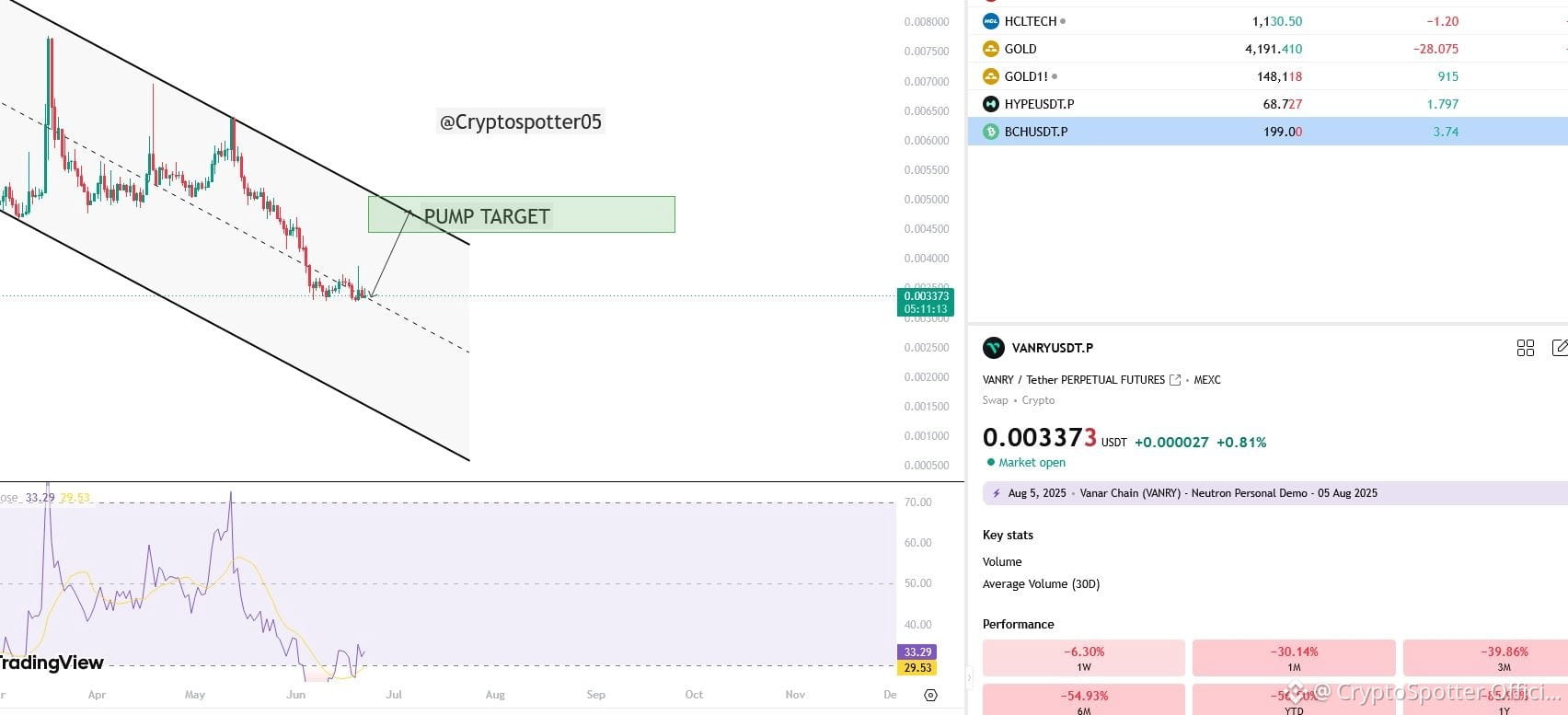
$VANRY Chart-Anfrage 🚨
Erwarte einen Pump in unsere Zielzone
Die liegt bei etwa 0.0045 oder höher.
Kurz gesagt, der beste Fall ist 1,5x bis 2x im Juli..
Viel Glück.
Folge @Cryptospotter1505
#VANRY #VANRYUSDT
$VANRY Chart-Anfrage 🚨
Erwarte einen Pump in unsere Zielzone
Die liegt bei etwa 0.0045 oder höher.
Kurz gesagt, der beste Fall ist 1,5x bis 2x im Juli..
Viel Glück.
Folge @CryptoSpotter Official
#VANRY #VANRYUSDT
Erwarte einen Pump in unsere Zielzone
Die liegt bei etwa 0.0045 oder höher.
Kurz gesagt, der beste Fall ist 1,5x bis 2x im Juli..
Viel Glück.
Folge @CryptoSpotter Official
#VANRY #VANRYUSDT
419

·
--
$VANRY
{future}(VANRYUSDT)
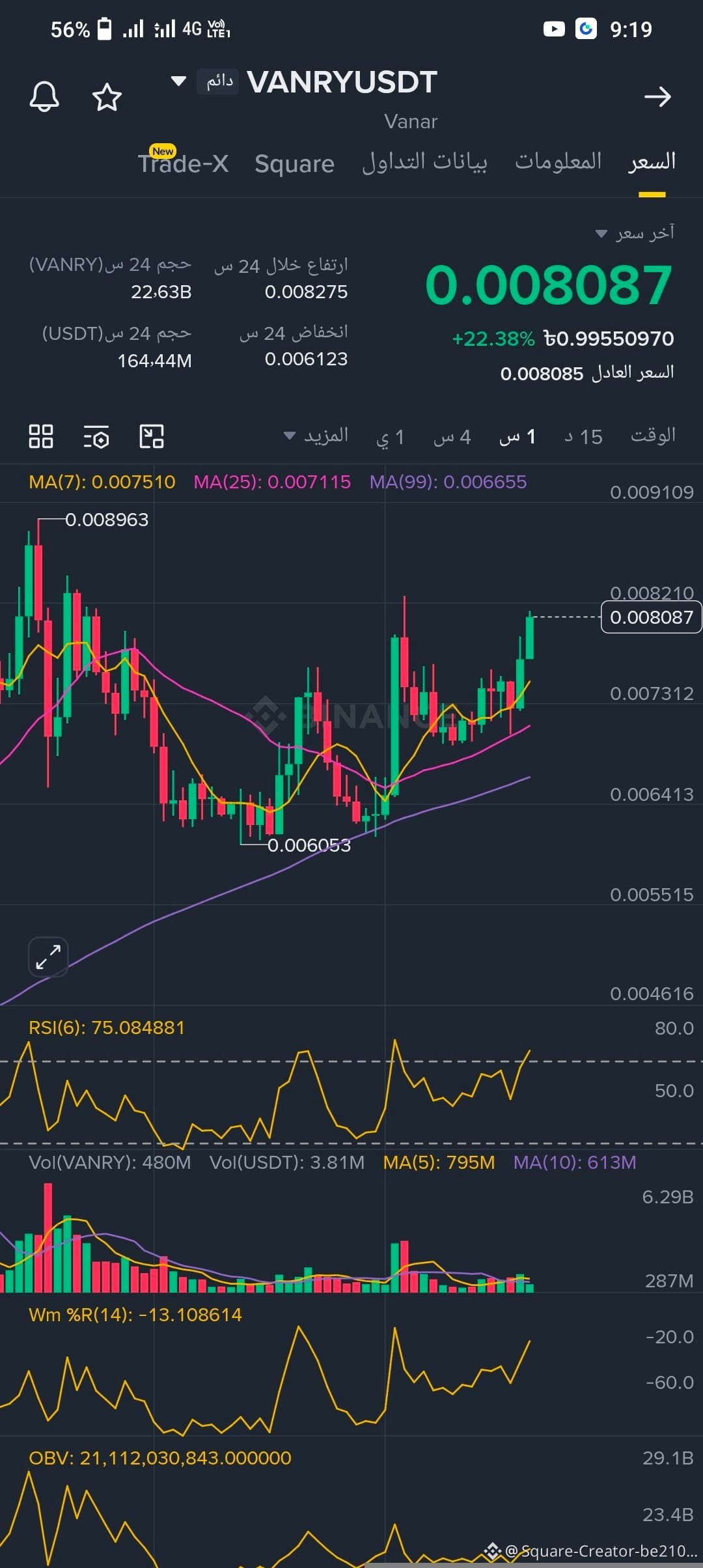
– Re-Test des Durchbruchs, Aufwärtsdynamik bleibt bestehen
Trade-Vorbereitung: Kauf (Long)
📍 Einstiegzone: 0.00790 – 0.00802 USD
🛑 Stop Loss: 0.00766 USD
🎯 Ziele:
· TP1: 0.00820
· TP2: 0.00840
· TP3: 0.00862
Technische Einschätzung:
Der Kurs zeigte einen klaren Ausbruch über den Widerstand, gefolgt von einem erfolgreichen Re-Test des zuvor gebrochenen Bereichs, was die Kontrolle der Käufer und das Fortbestehen der positiven Dynamik widerspiegelt. Solange der Kurs über dem definierten Unterstützungsniveau bleibt, ist die Wahrscheinlichkeit einer neuen Aufwärtswelle in Richtung der genannten Ziele gegeben.
$VANRY
Risikomanagement:
· Es wird empfohlen, einen maximalen Hebel von 20x zu verwenden.
· Den Stop Loss auf den Break-Even anpassen, sobald das erste Ziel erreicht ist, um Gewinne zu sichern.
Aktueller Preis: 0.008064 USD (+22.36%)
🔗 Trade ausführen auf $VANRY von hier 👇
#VANRY #VANRYUSDT
$VANRY
– Re-Test des Durchbruchs, Aufwärtsdynamik bleibt bestehen
Trade-Vorbereitung: Kauf (Long)
📍 Einstiegzone: 0.00790 – 0.00802 USD
🛑 Stop Loss: 0.00766 USD
🎯 Ziele:
· TP1: 0.00820
· TP2: 0.00840
· TP3: 0.00862
Technische Einschätzung:
Der Kurs zeigte einen klaren Ausbruch über den Widerstand, gefolgt von einem erfolgreichen Re-Test des zuvor gebrochenen Bereichs, was die Kontrolle der Käufer und das Fortbestehen der positiven Dynamik widerspiegelt. Solange der Kurs über dem definierten Unterstützungsniveau bleibt, ist die Wahrscheinlichkeit einer neuen Aufwärtswelle in Richtung der genannten Ziele gegeben.
$VANRY
Risikomanagement:
· Es wird empfohlen, einen maximalen Hebel von 20x zu verwenden.
· Den Stop Loss auf den Break-Even anpassen, sobald das erste Ziel erreicht ist, um Gewinne zu sichern.
Aktueller Preis: 0.008064 USD (+22.36%)
🔗 Trade ausführen auf $VANRY von hier 👇
#VANRY #VANRYUSDT
– Re-Test des Durchbruchs, Aufwärtsdynamik bleibt bestehen
Trade-Vorbereitung: Kauf (Long)
📍 Einstiegzone: 0.00790 – 0.00802 USD
🛑 Stop Loss: 0.00766 USD
🎯 Ziele:
· TP1: 0.00820
· TP2: 0.00840
· TP3: 0.00862
Technische Einschätzung:
Der Kurs zeigte einen klaren Ausbruch über den Widerstand, gefolgt von einem erfolgreichen Re-Test des zuvor gebrochenen Bereichs, was die Kontrolle der Käufer und das Fortbestehen der positiven Dynamik widerspiegelt. Solange der Kurs über dem definierten Unterstützungsniveau bleibt, ist die Wahrscheinlichkeit einer neuen Aufwärtswelle in Richtung der genannten Ziele gegeben.
$VANRY
Risikomanagement:
· Es wird empfohlen, einen maximalen Hebel von 20x zu verwenden.
· Den Stop Loss auf den Break-Even anpassen, sobald das erste Ziel erreicht ist, um Gewinne zu sichern.
Aktueller Preis: 0.008064 USD (+22.36%)
🔗 Trade ausführen auf $VANRY von hier 👇
#VANRY #VANRYUSDT
400

·
--
Bärisch
#نصيحة Währung $VANRY
{future}(VANRYUSDT)
Diese Währung ist keine gute Wahl für den Handel, weil sie innerhalb eines Monats weiter fallen wird.
Schwierige Währung gerade.
#VANRYUSDT
$BLUAI
{alpha}(560xed9ae3def8d6f052971bb8b6d1975ff267cf9aad)
#نصيحة Währung $VANRY
Diese Währung ist keine gute Wahl für den Handel, weil sie innerhalb eines Monats weiter fallen wird.
Schwierige Währung gerade.
#VANRYUSDT
$BLUAI
Diese Währung ist keine gute Wahl für den Handel, weil sie innerhalb eines Monats weiter fallen wird.
Schwierige Währung gerade.
#VANRYUSDT
$BLUAI
1
104

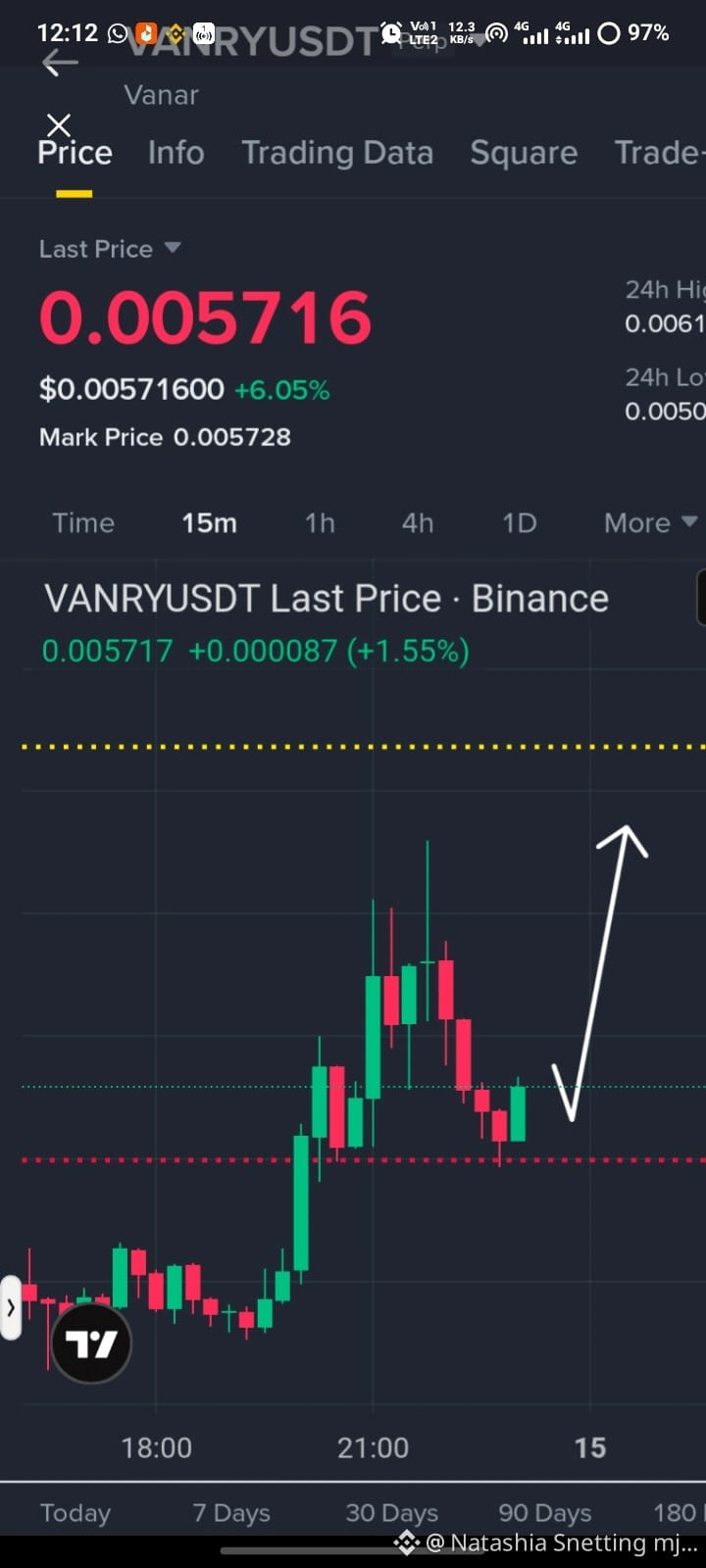
$VANRY Warte kurz mit dem nächsten Trade – ich habe noch ein weiteres Setup zu teilen, und der Zeitpunkt sieht endlich richtig aus.
Ich gehe long $VANRY mit 20x Hebel und habe als Ziel 0.0062 im Blick.
VANRYUSDT Perp wird derzeit bei etwa 0.005568 gehandelt, mit einem Plus von 4,19%.
Was mir hier besonders auffällt, ist die Funding-Rate, die auf -0,77% gefallen ist. Das ist genau die Art Signal, auf die ich gewartet habe, und es macht dieses Setup sehr interessant für einen möglichen Anstieg.
Ich setze bei diesem Trade keinen Stop Loss. Stattdessen halte ich meine Liquidationsgrenze weit weg und begrenze das Risiko auf nur 2% meines Portfolios.
Wie immer: Gehe mit deinem Risiko sorgfältig um, überfordere dein Konto nicht, und schauen wir, wie sich das entwickelt.
Hinweis: Dies dient nur zu Informationszwecken und stellt keine finanzielle, Investitions-, rechtliche oder steuerliche Beratung dar. Krypto-Trading ist mit erheblichen Risiken verbunden, einschließlich der möglichen vollständigen Verlustes des eingesetzten Kapitals. Recherchiere immer selbst.
$VANRY
{future}(VANRYUSDT)
#VANRYUSDT #JuneCPIFedHike20% #SamsungExploresPotentialUSADRListing
$VANRY Warte kurz mit dem nächsten Trade – ich habe noch ein weiteres Setup zu teilen, und der Zeitpunkt sieht endlich richtig aus.
Ich gehe long $VANRY mit 20x Hebel und habe als Ziel 0.0062 im Blick.
VANRYUSDT Perp wird derzeit bei etwa 0.005568 gehandelt, mit einem Plus von 4,19%.
Was mir hier besonders auffällt, ist die Funding-Rate, die auf -0,77% gefallen ist. Das ist genau die Art Signal, auf die ich gewartet habe, und es macht dieses Setup sehr interessant für einen möglichen Anstieg.
Ich setze bei diesem Trade keinen Stop Loss. Stattdessen halte ich meine Liquidationsgrenze weit weg und begrenze das Risiko auf nur 2% meines Portfolios.
Wie immer: Gehe mit deinem Risiko sorgfältig um, überfordere dein Konto nicht, und schauen wir, wie sich das entwickelt.
Hinweis: Dies dient nur zu Informationszwecken und stellt keine finanzielle, Investitions-, rechtliche oder steuerliche Beratung dar. Krypto-Trading ist mit erheblichen Risiken verbunden, einschließlich der möglichen vollständigen Verlustes des eingesetzten Kapitals. Recherchiere immer selbst.
$VANRY
#VANRYUSDT #JuneCPIFedHike20% #SamsungExploresPotentialUSADRListing
Ich gehe long $VANRY mit 20x Hebel und habe als Ziel 0.0062 im Blick.
VANRYUSDT Perp wird derzeit bei etwa 0.005568 gehandelt, mit einem Plus von 4,19%.
Was mir hier besonders auffällt, ist die Funding-Rate, die auf -0,77% gefallen ist. Das ist genau die Art Signal, auf die ich gewartet habe, und es macht dieses Setup sehr interessant für einen möglichen Anstieg.
Ich setze bei diesem Trade keinen Stop Loss. Stattdessen halte ich meine Liquidationsgrenze weit weg und begrenze das Risiko auf nur 2% meines Portfolios.
Wie immer: Gehe mit deinem Risiko sorgfältig um, überfordere dein Konto nicht, und schauen wir, wie sich das entwickelt.
Hinweis: Dies dient nur zu Informationszwecken und stellt keine finanzielle, Investitions-, rechtliche oder steuerliche Beratung dar. Krypto-Trading ist mit erheblichen Risiken verbunden, einschließlich der möglichen vollständigen Verlustes des eingesetzten Kapitals. Recherchiere immer selbst.
$VANRY
#VANRYUSDT #JuneCPIFedHike20% #SamsungExploresPotentialUSADRListing
1
212

·
--
Bullisch
$VANRY Die Chain hat sich still und leise durch das Rauschen aufgebaut, während der Großteil des Marktes schnellen Hype-Zyklen hinterherjagt.
VANRY fühlt sich an wie eines dieser Projekte, das stärker auf echte Infrastruktur und langfristigen Nutzen setzt – statt auf kurzfristige Aufmerksamkeitsschübe.
Wenn die Umsetzung weiterhin mit der Vision übereinstimmt, könnte es über die üblichen erzählerischen Wellen hinaus relevant bleiben, die wir im Krypto-Bereich sehen. $VANRY #vanry #VANRYUSDT $BLUR #blur #BinanceTurns9
{future}(VANRYUSDT)
$VANRY Die Chain hat sich still und leise durch das Rauschen aufgebaut, während der Großteil des Marktes schnellen Hype-Zyklen hinterherjagt.
VANRY fühlt sich an wie eines dieser Projekte, das stärker auf echte Infrastruktur und langfristigen Nutzen setzt – statt auf kurzfristige Aufmerksamkeitsschübe.
Wenn die Umsetzung weiterhin mit der Vision übereinstimmt, könnte es über die üblichen erzählerischen Wellen hinaus relevant bleiben, die wir im Krypto-Bereich sehen. $VANRY #vanry #VANRYUSDT $BLUR #blur #BinanceTurns9
VANRY fühlt sich an wie eines dieser Projekte, das stärker auf echte Infrastruktur und langfristigen Nutzen setzt – statt auf kurzfristige Aufmerksamkeitsschübe.
Wenn die Umsetzung weiterhin mit der Vision übereinstimmt, könnte es über die üblichen erzählerischen Wellen hinaus relevant bleiben, die wir im Krypto-Bereich sehen. $VANRY #vanry #VANRYUSDT $BLUR #blur #BinanceTurns9
351

·
--
Bullisch
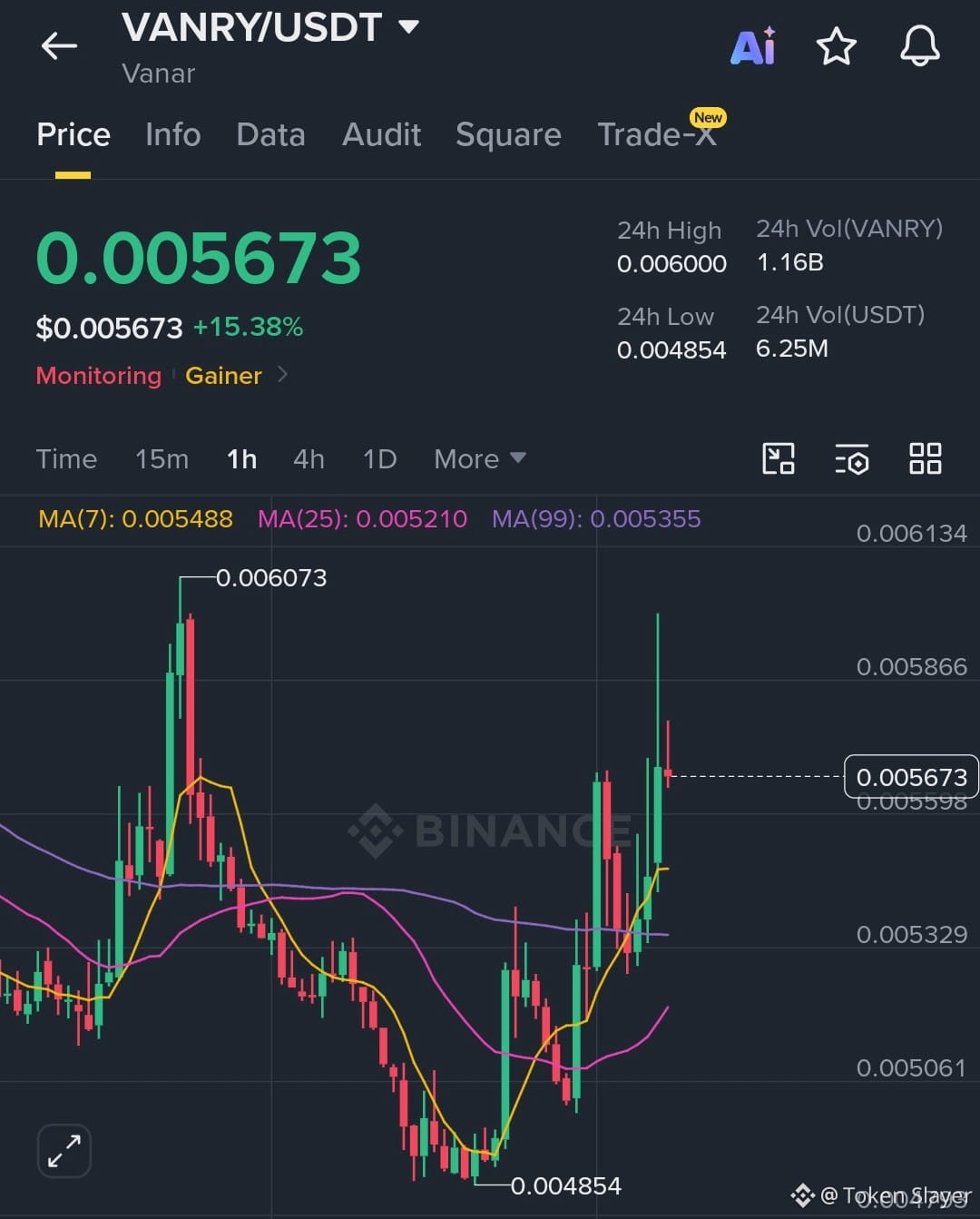
$VANRY Bullish Breakout-Wiederaufladung — Bullen gewinnen wieder an Schwung
$VANRY hat alle wichtigen gleitenden Durchschnitte nach einer starken Umkehr vom Support zurückerobert. Der Momentum-Impuls dreht wieder bullisch, und ein sauberer Ausbruch über das jüngste Hoch könnte den nächsten Aufwärtsschub auslösen.
Long-Trade-Setup
Einstiegsbereich: 0.00560 – 0.00575
TP1: 0.00600
TP2: 0.00630
TP3: 0.00670
Stop Loss: 0.00530
#VANRYUSDT $VANRY
{spot}(VANRYUSDT)
$VANRY Bullish Breakout-Wiederaufladung — Bullen gewinnen wieder an Schwung
$VANRY hat alle wichtigen gleitenden Durchschnitte nach einer starken Umkehr vom Support zurückerobert. Der Momentum-Impuls dreht wieder bullisch, und ein sauberer Ausbruch über das jüngste Hoch könnte den nächsten Aufwärtsschub auslösen.
Long-Trade-Setup
Einstiegsbereich: 0.00560 – 0.00575
TP1: 0.00600
TP2: 0.00630
TP3: 0.00670
Stop Loss: 0.00530
#VANRYUSDT $VANRY
$VANRY hat alle wichtigen gleitenden Durchschnitte nach einer starken Umkehr vom Support zurückerobert. Der Momentum-Impuls dreht wieder bullisch, und ein sauberer Ausbruch über das jüngste Hoch könnte den nächsten Aufwärtsschub auslösen.
Long-Trade-Setup
Einstiegsbereich: 0.00560 – 0.00575
TP1: 0.00600
TP2: 0.00630
TP3: 0.00670
Stop Loss: 0.00530
#VANRYUSDT $VANRY
115

·
--
Bullisch
ALTCOIN-ANSTURM 🎯
$VANRY +9% 🟢 $near 1% 🟡 $TRX +1% 🟢
Altcoins zeigen Stärke!
VANRY führt an, TRX ist stabil, NEAR kühlt ab.
Diversifikation ist der Schlüssel!
Welche*r wird morgen besser abschneiden? 🌟
#BinanceHerYerde #VANRYUSDT #Near #TRX
{spot}(VANRYUSDT)
ALTCOIN-ANSTURM 🎯
$VANRY +9% 🟢 $near 1% 🟡 $TRX +1% 🟢
Altcoins zeigen Stärke!
VANRY führt an, TRX ist stabil, NEAR kühlt ab.
Diversifikation ist der Schlüssel!
Welche*r wird morgen besser abschneiden? 🌟
#BinanceHerYerde #VANRYUSDT #Near #TRX
$VANRY +9% 🟢 $near 1% 🟡 $TRX +1% 🟢
Altcoins zeigen Stärke!
VANRY führt an, TRX ist stabil, NEAR kühlt ab.
Diversifikation ist der Schlüssel!
Welche*r wird morgen besser abschneiden? 🌟
#BinanceHerYerde #VANRYUSDT #Near #TRX
1
168

·
--
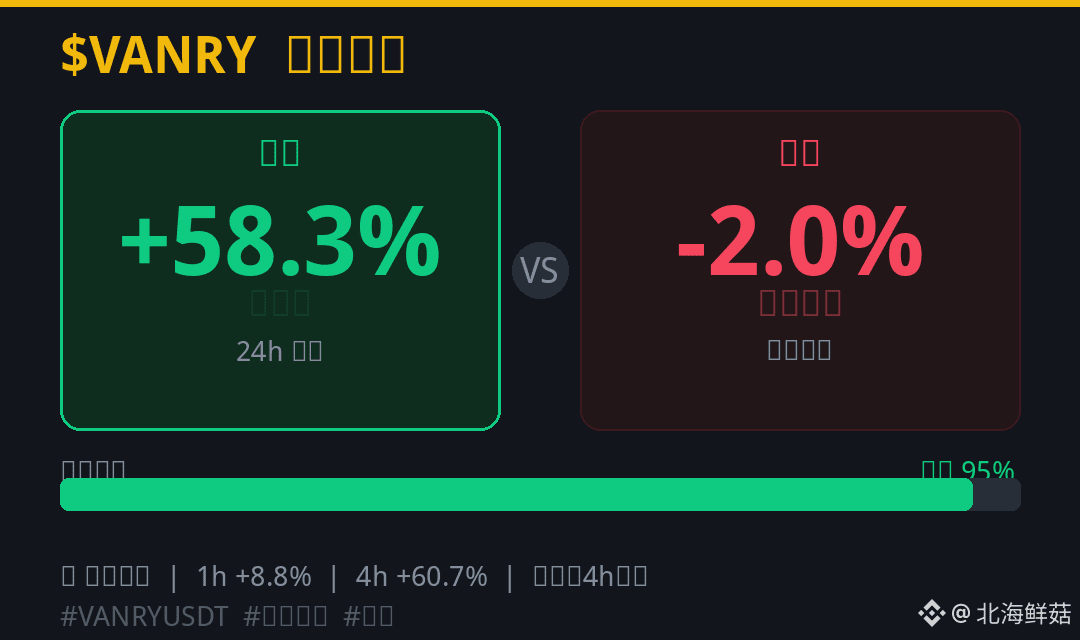
$VANRY schlägt Short-Seller, tritt Zögernde.
Gebühr -2,0%, 24h +58,3%, die Richtung hat bereits für dich entschieden.
#VANRYUSDT #永续合约 #Mach es dir zunutze, im Trend zu handeln
$VANRY zum Handeln klicken
↗️ 1h +8,8% | 4h +60,7% | Gebühr wird alle 4h abgerechnet
$VANRY schlägt Short-Seller, tritt Zögernde.
Gebühr -2,0%, 24h +58,3%, die Richtung hat bereits für dich entschieden.
#VANRYUSDT #永续合约 #Mach es dir zunutze, im Trend zu handeln
$VANRY zum Handeln klicken
↗️ 1h +8,8% | 4h +60,7% | Gebühr wird alle 4h abgerechnet
Gebühr -2,0%, 24h +58,3%, die Richtung hat bereits für dich entschieden.
#VANRYUSDT #永续合约 #Mach es dir zunutze, im Trend zu handeln
$VANRY zum Handeln klicken
↗️ 1h +8,8% | 4h +60,7% | Gebühr wird alle 4h abgerechnet
43
☕ Nimm einen bitteren Kaffee-Sip am Morgen, erstarrte kurz und starrte auf den glühend roten Chart, dann seufzt man machtlos.
🎯 KURZ $VANRY
Einstieg: 0.00571
TP: 0.00543 | SL: 0.00629
📈 Das nachhaltige Wachstum der Marktkapitalisierung ist ein Beweis für den Erfolg.
📉 Die Verknappung des Angebots an den Börsen unterstützt den Aufwärtstrend.
🛡️ Bewahre den Frieden in deinem Geist – das ist das größte Kapital eines Traders.
🌞 Möge das Morgenlicht des neuen Tages die Brise eines Kursanstiegs mitbringen.
#VANRYUSDT $VANRYUSDT
☕ Nimm einen bitteren Kaffee-Sip am Morgen, erstarrte kurz und starrte auf den glühend roten Chart, dann seufzt man machtlos.
🎯 KURZ $VANRY
Einstieg: 0.00571
TP: 0.00543 | SL: 0.00629
📈 Das nachhaltige Wachstum der Marktkapitalisierung ist ein Beweis für den Erfolg.
📉 Die Verknappung des Angebots an den Börsen unterstützt den Aufwärtstrend.
🛡️ Bewahre den Frieden in deinem Geist – das ist das größte Kapital eines Traders.
🌞 Möge das Morgenlicht des neuen Tages die Brise eines Kursanstiegs mitbringen.
#VANRYUSDT $VANRYUSDT
🎯 KURZ $VANRY
Einstieg: 0.00571
TP: 0.00543 | SL: 0.00629
📈 Das nachhaltige Wachstum der Marktkapitalisierung ist ein Beweis für den Erfolg.
📉 Die Verknappung des Angebots an den Börsen unterstützt den Aufwärtstrend.
🛡️ Bewahre den Frieden in deinem Geist – das ist das größte Kapital eines Traders.
🌞 Möge das Morgenlicht des neuen Tages die Brise eines Kursanstiegs mitbringen.
#VANRYUSDT $VANRYUSDT
101

$VANRY - Aufwärts-Impuls-Signal 🚀
{future}(VANRYUSDT)
Einstieg: 0.00377500–0.00380400
TP1: 0.00391200 | TP2: 0.00398050 | TP3: 0.00404900
SL: < 0.00365700
Impuls + Ausbruch | DYOR
#VANRY #VANRYUSDT
$VANRY - Aufwärts-Impuls-Signal 🚀
Einstieg: 0.00377500–0.00380400
TP1: 0.00391200 | TP2: 0.00398050 | TP3: 0.00404900
SL: < 0.00365700
Impuls + Ausbruch | DYOR
#VANRY #VANRYUSDT
Einstieg: 0.00377500–0.00380400
TP1: 0.00391200 | TP2: 0.00398050 | TP3: 0.00404900
SL: < 0.00365700
Impuls + Ausbruch | DYOR
#VANRY #VANRYUSDT

135
VANRY steht kurz davor, mit einem Vertrauensniveau von 94% deutlich nach oben auszubrechen – angetrieben durch eine überzeugende Häufung technischer Signale. Die aktuelle Marktstruktur deutet auf ein hochwahrscheinliches Long-Setup hin, das sich gerade entfaltet.
━━━━━━━━━━━━━━━━━━━━━
🟢 $VANRY LONG 📈
━━━━━━━━━━━━━━━━━━━━━
📍 Einstiegsspanne: $0.004619 – $0.004629
🛑 Stop Loss: $0.004485 (-3.0%)
🎯 TP1: $0.004693 (+1.5%)
🏆 TP2: $0.004855 (+5.0%)
⚡ R/R-Verhältnis: 1:1.7
📊 Vertrauen: 94%
━━━━━━━━━━━━━━━━━━━━━
Das VANRY-Long-Setup wird von einer starken Kombination an Signalen getragen: ein Bruch der Marktstruktur, Volumen, das die Richtung bestätigt, sowie eine Fair-Value-Lücke – alles überlappt mit einem Order-Block und einem Liquidity-Sweep. Das zeichnet ein Bild eines Marktes, der bereit ist, weiter nach oben zu explodieren. Diese robuste Struktur, kombiniert mit einer Häufung von Interessenszonen, ergibt eine überzeugende Story. Dass mehrere Signale synchron ausgelöst wurden, stärkt den Fall für diesen Trade.
Mit einem Stop Loss von 3,0%, der relativ eng ist, erfordert dieser Trade ein sorgfältiges Leverage-Management – wahrscheinlich passt daher ein moderates Leverage, um Risiko und potenziellen Gewinn effektiv auszugleichen.
Angesichts des Chance-Risiko-Verhältnisses von 1:1.7 ist es sinnvoll, am ersten Zielteilgewinn zu realisieren, um sich einen Teil der Gewinne zu sichern, und den Stop Loss anschließend auf Break-even zu setzen, damit der verbleibende Teil der Position das mögliche Upside mitnehmen kann.
Keine Finanzberatung – verwalte immer dein eigenes Risiko 🙏
$VANRY #VANRYUSDT #krxhaltskospiafterchipselloff #TradingSignals #Write2Earn
VANRY steht kurz davor, mit einem Vertrauensniveau von 94% deutlich nach oben auszubrechen – angetrieben durch eine überzeugende Häufung technischer Signale. Die aktuelle Marktstruktur deutet auf ein hochwahrscheinliches Long-Setup hin, das sich gerade entfaltet.
━━━━━━━━━━━━━━━━━━━━━
🟢 $VANRY LONG 📈
━━━━━━━━━━━━━━━━━━━━━
📍 Einstiegsspanne: $0.004619 – $0.004629
🛑 Stop Loss: $0.004485 (-3.0%)
🎯 TP1: $0.004693 (+1.5%)
🏆 TP2: $0.004855 (+5.0%)
⚡ R/R-Verhältnis: 1:1.7
📊 Vertrauen: 94%
━━━━━━━━━━━━━━━━━━━━━
Das VANRY-Long-Setup wird von einer starken Kombination an Signalen getragen: ein Bruch der Marktstruktur, Volumen, das die Richtung bestätigt, sowie eine Fair-Value-Lücke – alles überlappt mit einem Order-Block und einem Liquidity-Sweep. Das zeichnet ein Bild eines Marktes, der bereit ist, weiter nach oben zu explodieren. Diese robuste Struktur, kombiniert mit einer Häufung von Interessenszonen, ergibt eine überzeugende Story. Dass mehrere Signale synchron ausgelöst wurden, stärkt den Fall für diesen Trade.
Mit einem Stop Loss von 3,0%, der relativ eng ist, erfordert dieser Trade ein sorgfältiges Leverage-Management – wahrscheinlich passt daher ein moderates Leverage, um Risiko und potenziellen Gewinn effektiv auszugleichen.
Angesichts des Chance-Risiko-Verhältnisses von 1:1.7 ist es sinnvoll, am ersten Zielteilgewinn zu realisieren, um sich einen Teil der Gewinne zu sichern, und den Stop Loss anschließend auf Break-even zu setzen, damit der verbleibende Teil der Position das mögliche Upside mitnehmen kann.
Keine Finanzberatung – verwalte immer dein eigenes Risiko 🙏
$VANRY #VANRYUSDT #krxhaltskospiafterchipselloff #TradingSignals #Write2Earn
━━━━━━━━━━━━━━━━━━━━━
🟢 $VANRY LONG 📈
━━━━━━━━━━━━━━━━━━━━━
📍 Einstiegsspanne: $0.004619 – $0.004629
🛑 Stop Loss: $0.004485 (-3.0%)
🎯 TP1: $0.004693 (+1.5%)
🏆 TP2: $0.004855 (+5.0%)
⚡ R/R-Verhältnis: 1:1.7
📊 Vertrauen: 94%
━━━━━━━━━━━━━━━━━━━━━
Das VANRY-Long-Setup wird von einer starken Kombination an Signalen getragen: ein Bruch der Marktstruktur, Volumen, das die Richtung bestätigt, sowie eine Fair-Value-Lücke – alles überlappt mit einem Order-Block und einem Liquidity-Sweep. Das zeichnet ein Bild eines Marktes, der bereit ist, weiter nach oben zu explodieren. Diese robuste Struktur, kombiniert mit einer Häufung von Interessenszonen, ergibt eine überzeugende Story. Dass mehrere Signale synchron ausgelöst wurden, stärkt den Fall für diesen Trade.
Mit einem Stop Loss von 3,0%, der relativ eng ist, erfordert dieser Trade ein sorgfältiges Leverage-Management – wahrscheinlich passt daher ein moderates Leverage, um Risiko und potenziellen Gewinn effektiv auszugleichen.
Angesichts des Chance-Risiko-Verhältnisses von 1:1.7 ist es sinnvoll, am ersten Zielteilgewinn zu realisieren, um sich einen Teil der Gewinne zu sichern, und den Stop Loss anschließend auf Break-even zu setzen, damit der verbleibende Teil der Position das mögliche Upside mitnehmen kann.
Keine Finanzberatung – verwalte immer dein eigenes Risiko 🙏
$VANRY #VANRYUSDT #krxhaltskospiafterchipselloff #TradingSignals #Write2Earn
26
Anmelden und weiter Inhalte entdecken
Krypto-Nutzer weltweit auf Binance Square kennenlernen
⚡️ Bleib in Sachen Krypto stets am Puls.
💬 Die weltgrößte Kryptobörse vertraut darauf.
👍 Erhalte verlässliche Einblicke von verifizierten Creators.
E-Mail-Adresse/Telefonnummer
Trendthemen
1
#CanMicrosoftDeliverOnAI
70,341 Aufrufe
696 Kommentare
2
#CanGoogleDefindItsCore
37,589 Aufrufe
513 Kommentare
3
#FOMCWatch
9.1M Aufrufe
27,895 Kommentare
4
#EthereumDropsBelow$2300
10,583 Aufrufe
156 Kommentare
5
#BitcoinSlipsBelow$80KAgain
29,774 Aufrufe
119 Kommentare
6
#ThailandLaunchesWORPTStablecoinToQRPaymentApp
60,235 Aufrufe
769 Kommentare
7
#StrategySkipsBitcoinPurchasesSpends$205MOnSTRCBuybacks
11,452 Aufrufe
98 Kommentare
8
#BitmineAdds10452ETH
104,356 Aufrufe
1,163 Kommentare
9
#SouthKoreaConsidersEducationTaxOnCryptoExchanges
61,154 Aufrufe
831 Kommentare
10
#OCCUrgesCommunityBanksToEnterStablecoinPayments
42,652 Aufrufe
595 Kommentare