

#pixel.
pixel.
96,320 Aufrufe
285 Kommentare
Hot
Zuletzt

#pixel $PIXEL Der Beitrag muss das Projektkonto @pixels (https://www.binance.com/en/square/profile/pixels) erwähnen, den Token $PIXEL taggen und den Hashtag #pixel. verwenden. Der Inhalt muss stark mit Pixels und seinem Stacked-Ökosystem verbunden sein und muss original, nicht kopiert oder dupliziert sein.
#pixel $PIXEL Der Beitrag muss das Projektkonto @Pixels (https://www.binance.com/en/square/profile/pixels) erwähnen, den Token $PIXEL taggen und den Hashtag #pixel. verwenden. Der Inhalt muss stark mit Pixels und seinem Stacked-Ökosystem verbunden sein und muss original, nicht kopiert oder dupliziert sein.
47

·
--
Bullisch
#pixel $PIXEL
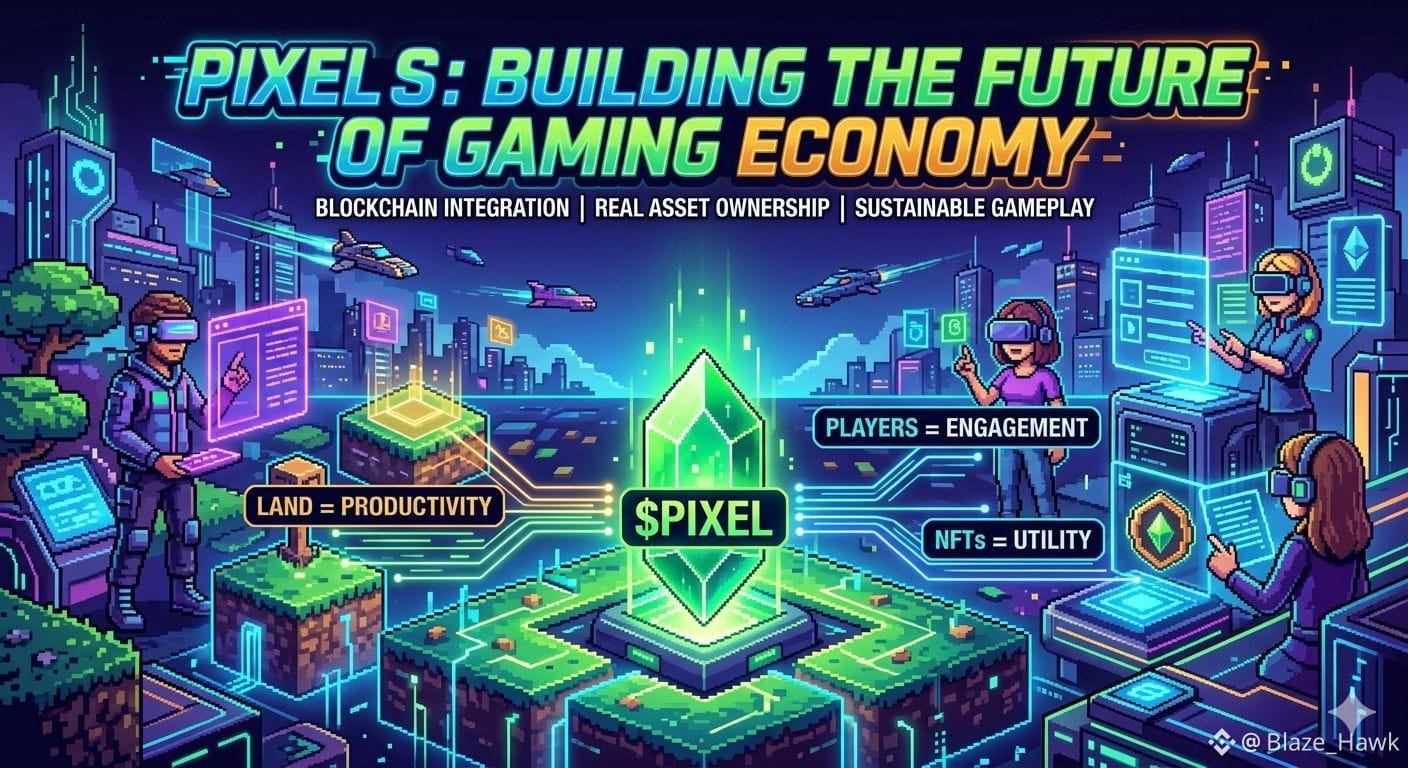
Ich sehe Pixels nicht wirklich nur als ein Spiel. Je mehr Zeit ich damit verbringe, darüber nachzudenken, desto mehr fühlt es sich wie ein System an, das darauf ausgelegt ist, Verhalten leise zu organisieren. Die vertrauten Schleifen—Farming, Erkunden, Kreieren—sind nicht da, um zu beeindrucken. Sie existieren, um Reibung zu reduzieren, damit die Menschen teilnehmen können, ohne zu viel nachzudenken. Diese Einfachheit leistet mehr Arbeit, als es scheint.
Was mir auffällt, ist das Tempo. Nichts erfordert ständige Aufmerksamkeit. Du handelst, du wartest, du kommst zurück. Im Laufe der Zeit baut dieser Rhythmus Konsistenz statt Burnout auf. Es ist eine kleine Designentscheidung, aber sie prägt, wie die Menschen das System in ihr tägliches Leben integrieren.
Die soziale Schicht wächst natürlich daraus. Wenn Aufgaben einfach und zeitbasiert sind, haben die Menschen Raum, um zu interagieren, ohne dazu gezwungen zu werden. Das schafft eine weichere Art der Koordination—weniger strukturiert, aber oft haltbarer
@pixels #pixel. $PIXEL
{spot}(PIXELUSDT)
#pixel $PIXEL
Ich sehe Pixels nicht wirklich nur als ein Spiel. Je mehr Zeit ich damit verbringe, darüber nachzudenken, desto mehr fühlt es sich wie ein System an, das darauf ausgelegt ist, Verhalten leise zu organisieren. Die vertrauten Schleifen—Farming, Erkunden, Kreieren—sind nicht da, um zu beeindrucken. Sie existieren, um Reibung zu reduzieren, damit die Menschen teilnehmen können, ohne zu viel nachzudenken. Diese Einfachheit leistet mehr Arbeit, als es scheint.
Was mir auffällt, ist das Tempo. Nichts erfordert ständige Aufmerksamkeit. Du handelst, du wartest, du kommst zurück. Im Laufe der Zeit baut dieser Rhythmus Konsistenz statt Burnout auf. Es ist eine kleine Designentscheidung, aber sie prägt, wie die Menschen das System in ihr tägliches Leben integrieren.
Die soziale Schicht wächst natürlich daraus. Wenn Aufgaben einfach und zeitbasiert sind, haben die Menschen Raum, um zu interagieren, ohne dazu gezwungen zu werden. Das schafft eine weichere Art der Koordination—weniger strukturiert, aber oft haltbarer
@Pixels #pixel. $PIXEL
Ich sehe Pixels nicht wirklich nur als ein Spiel. Je mehr Zeit ich damit verbringe, darüber nachzudenken, desto mehr fühlt es sich wie ein System an, das darauf ausgelegt ist, Verhalten leise zu organisieren. Die vertrauten Schleifen—Farming, Erkunden, Kreieren—sind nicht da, um zu beeindrucken. Sie existieren, um Reibung zu reduzieren, damit die Menschen teilnehmen können, ohne zu viel nachzudenken. Diese Einfachheit leistet mehr Arbeit, als es scheint.
Was mir auffällt, ist das Tempo. Nichts erfordert ständige Aufmerksamkeit. Du handelst, du wartest, du kommst zurück. Im Laufe der Zeit baut dieser Rhythmus Konsistenz statt Burnout auf. Es ist eine kleine Designentscheidung, aber sie prägt, wie die Menschen das System in ihr tägliches Leben integrieren.
Die soziale Schicht wächst natürlich daraus. Wenn Aufgaben einfach und zeitbasiert sind, haben die Menschen Raum, um zu interagieren, ohne dazu gezwungen zu werden. Das schafft eine weichere Art der Koordination—weniger strukturiert, aber oft haltbarer
@Pixels #pixel. $PIXEL
1
1
45

·
--
@Pixels (https://www.binance.com/en/square/profile/pixels), Tag-Token $PIXEL, und verwenden Sie den Hashtag #p@pixels (https://www.binance.com/en/square/profile/pixels), Tag-Token $PIXEL , und verwenden Sie den Hashtag #pixel.
die aufregendsten Projekte im Web3-Gaming-Ökosystem, die immersives Gameplay mit echtem blockchainbasiertem Eigentum verbinden. Pixels bietet den Spielern die Möglichkeit, zu erkunden, Ressourcen zu sammeln, Gegenstände zu craften und ihre eigene digitale Welt zu bauen, während sie mit einer globalen Community interagieren.
Was Pixels wirklich auszeichnet, ist die Integration des $PIXEL-Tokens, der als Rückgrat der In-Game-Wirtschaft dient. Spieler können $PIXEL durch Gameplay-Aktivitäten wie Farming, das Abschließen von Quests und die Teilnahme an Events verdienen. Dies schafft eine lohnende Play-to-Earn-Umgebung, in der Zeit und Mühe direkt in greifbaren Wert umgewandelt werden. Im Gegensatz zu traditionellen Spielen, bei denen Vermögenswerte innerhalb der Plattform gesperrt sind, nutzt Pixels die Blockchain-Technologie, um den Spielern echtes Eigentum an ihren Gegenständen und Fortschritten zu geben.
@Pixels (https://www.binance.com/en/square/profile/pixels), Tag-Token $PIXEL, und verwenden Sie den Hashtag #p
@Pixels (https://www.binance.com/en/square/profile/pixels), Tag-Token $PIXEL , und verwenden Sie den Hashtag #pixel.
die aufregendsten Projekte im Web3-Gaming-Ökosystem, die immersives Gameplay mit echtem blockchainbasiertem Eigentum verbinden. Pixels bietet den Spielern die Möglichkeit, zu erkunden, Ressourcen zu sammeln, Gegenstände zu craften und ihre eigene digitale Welt zu bauen, während sie mit einer globalen Community interagieren.
Was Pixels wirklich auszeichnet, ist die Integration des $PIXEL -Tokens, der als Rückgrat der In-Game-Wirtschaft dient. Spieler können $PIXEL durch Gameplay-Aktivitäten wie Farming, das Abschließen von Quests und die Teilnahme an Events verdienen. Dies schafft eine lohnende Play-to-Earn-Umgebung, in der Zeit und Mühe direkt in greifbaren Wert umgewandelt werden. Im Gegensatz zu traditionellen Spielen, bei denen Vermögenswerte innerhalb der Plattform gesperrt sind, nutzt Pixels die Blockchain-Technologie, um den Spielern echtes Eigentum an ihren Gegenständen und Fortschritten zu geben.
die aufregendsten Projekte im Web3-Gaming-Ökosystem, die immersives Gameplay mit echtem blockchainbasiertem Eigentum verbinden. Pixels bietet den Spielern die Möglichkeit, zu erkunden, Ressourcen zu sammeln, Gegenstände zu craften und ihre eigene digitale Welt zu bauen, während sie mit einer globalen Community interagieren.
Was Pixels wirklich auszeichnet, ist die Integration des $PIXEL -Tokens, der als Rückgrat der In-Game-Wirtschaft dient. Spieler können $PIXEL durch Gameplay-Aktivitäten wie Farming, das Abschließen von Quests und die Teilnahme an Events verdienen. Dies schafft eine lohnende Play-to-Earn-Umgebung, in der Zeit und Mühe direkt in greifbaren Wert umgewandelt werden. Im Gegensatz zu traditionellen Spielen, bei denen Vermögenswerte innerhalb der Plattform gesperrt sind, nutzt Pixels die Blockchain-Technologie, um den Spielern echtes Eigentum an ihren Gegenständen und Fortschritten zu geben.
124



·
--
#pixel $PIXEL
Lassen Sie uns der Wahrheit ins Auge sehen. Die meisten Belohnungen in Spielen sind ziemlich langweilig. Sie melden sich an, spielen eine Weile und erhalten den Bonus wie alle anderen. Es fühlt sich nicht an, als hätten Sie es wirklich verdient. Es fühlt sich an, als würden Sie einfach nur ein Kästchen abhaken.
Die Spieler von heute wollen etwas. Wir wollen Belohnungen, die auftauchen, wenn wir tatsächlich etwas getan haben. Nicht zufällig. Nicht spät. Einfach, im Moment.
Hier kommen bessere Systeme ins Spiel. Denken Sie an ein Spiel, das beobachtet, wie Sie spielen. Nicht um Sie auszuspionieren. Um es zu verstehen. Es sieht, dass Sie auf einem Level kämpfen, und gibt Ihnen direkt Hilfe, wenn Sie sie brauchen. Es bemerkt, dass Sie das Erkunden lieben, also belohnt es Sie für das Finden geheimer Orte und nicht nur für das Besiegen von Feinden.
Keine verschwendete Zeit. Keine nutzlosen Geschenke.
Hier ist der beste Teil. Einige Belohnungen funktionieren jetzt spielübergreifend. Sie verdienen etwas in einem Spiel. Verwenden Sie es in einem anderen. Ihre Zeit beginnt tatsächlich zu zählen.
Das ändert alles. Spiele fühlen sich nicht mehr wie Aufgaben an. Sie beginnen, sich so anzufühlen, als würden sie Sie wertschätzen. Wenn ein Spiel Ihre Zeit wertschätzt? Sie wollen nie aufhören zu spielen.
@pixels ,$PIXEL ,#PIXEL. .
#pixel $PIXEL
Lassen Sie uns der Wahrheit ins Auge sehen. Die meisten Belohnungen in Spielen sind ziemlich langweilig. Sie melden sich an, spielen eine Weile und erhalten den Bonus wie alle anderen. Es fühlt sich nicht an, als hätten Sie es wirklich verdient. Es fühlt sich an, als würden Sie einfach nur ein Kästchen abhaken.
Die Spieler von heute wollen etwas. Wir wollen Belohnungen, die auftauchen, wenn wir tatsächlich etwas getan haben. Nicht zufällig. Nicht spät. Einfach, im Moment.
Hier kommen bessere Systeme ins Spiel. Denken Sie an ein Spiel, das beobachtet, wie Sie spielen. Nicht um Sie auszuspionieren. Um es zu verstehen. Es sieht, dass Sie auf einem Level kämpfen, und gibt Ihnen direkt Hilfe, wenn Sie sie brauchen. Es bemerkt, dass Sie das Erkunden lieben, also belohnt es Sie für das Finden geheimer Orte und nicht nur für das Besiegen von Feinden.
Keine verschwendete Zeit. Keine nutzlosen Geschenke.
Hier ist der beste Teil. Einige Belohnungen funktionieren jetzt spielübergreifend. Sie verdienen etwas in einem Spiel. Verwenden Sie es in einem anderen. Ihre Zeit beginnt tatsächlich zu zählen.
Das ändert alles. Spiele fühlen sich nicht mehr wie Aufgaben an. Sie beginnen, sich so anzufühlen, als würden sie Sie wertschätzen. Wenn ein Spiel Ihre Zeit wertschätzt? Sie wollen nie aufhören zu spielen.
@Pixels ,$PIXEL ,#PIXEL. .
Lassen Sie uns der Wahrheit ins Auge sehen. Die meisten Belohnungen in Spielen sind ziemlich langweilig. Sie melden sich an, spielen eine Weile und erhalten den Bonus wie alle anderen. Es fühlt sich nicht an, als hätten Sie es wirklich verdient. Es fühlt sich an, als würden Sie einfach nur ein Kästchen abhaken.
Die Spieler von heute wollen etwas. Wir wollen Belohnungen, die auftauchen, wenn wir tatsächlich etwas getan haben. Nicht zufällig. Nicht spät. Einfach, im Moment.
Hier kommen bessere Systeme ins Spiel. Denken Sie an ein Spiel, das beobachtet, wie Sie spielen. Nicht um Sie auszuspionieren. Um es zu verstehen. Es sieht, dass Sie auf einem Level kämpfen, und gibt Ihnen direkt Hilfe, wenn Sie sie brauchen. Es bemerkt, dass Sie das Erkunden lieben, also belohnt es Sie für das Finden geheimer Orte und nicht nur für das Besiegen von Feinden.
Keine verschwendete Zeit. Keine nutzlosen Geschenke.
Hier ist der beste Teil. Einige Belohnungen funktionieren jetzt spielübergreifend. Sie verdienen etwas in einem Spiel. Verwenden Sie es in einem anderen. Ihre Zeit beginnt tatsächlich zu zählen.
Das ändert alles. Spiele fühlen sich nicht mehr wie Aufgaben an. Sie beginnen, sich so anzufühlen, als würden sie Sie wertschätzen. Wenn ein Spiel Ihre Zeit wertschätzt? Sie wollen nie aufhören zu spielen.
@Pixels ,$PIXEL ,#PIXEL. .

34
25
817

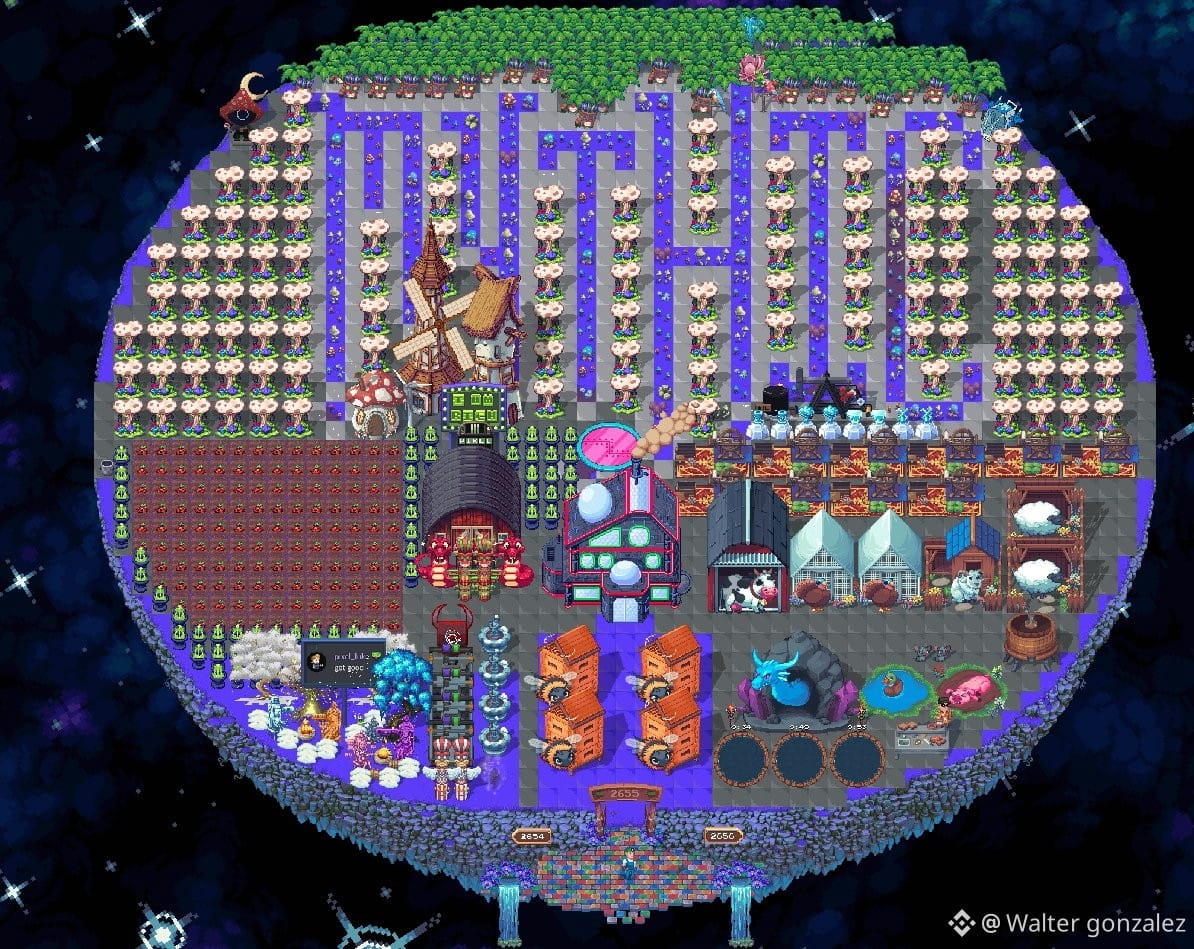

Von Pixeln zu Münzen: Wie digitale Kunst zu Kryptowährung wirdHier ist ein klarer, gut strukturierter Artikel über Pixel zu Münze (ich interpretiere dies als das Konzept, digitale Pixel/Kunst in Kryptowährungswerte umzuwandeln, oft über NFTs und Blockchain):
---
Von Pixeln zu Münzen: Wie digitale Kunst zu Kryptowährung wird
In der heutigen digitalen Wirtschaft kann etwas so Einfaches wie ein Pixel echten monetären Wert haben. Der Weg von einem „Pixel“ zu einer „Münze“ spiegelt einen wesentlichen Wandel in unserer Wahrnehmung von Eigentum, Kunst und Wert in der Online-Welt wider.
Was bedeutet „Pixel zu Münze“?
Von Pixeln zu Münzen: Wie digitale Kunst zu Kryptowährung wird
Hier ist ein klarer, gut strukturierter Artikel über Pixel zu Münze (ich interpretiere dies als das Konzept, digitale Pixel/Kunst in Kryptowährungswerte umzuwandeln, oft über NFTs und Blockchain):
---
Von Pixeln zu Münzen: Wie digitale Kunst zu Kryptowährung wird
In der heutigen digitalen Wirtschaft kann etwas so Einfaches wie ein Pixel echten monetären Wert haben. Der Weg von einem „Pixel“ zu einer „Münze“ spiegelt einen wesentlichen Wandel in unserer Wahrnehmung von Eigentum, Kunst und Wert in der Online-Welt wider.
Was bedeutet „Pixel zu Münze“?
---
Von Pixeln zu Münzen: Wie digitale Kunst zu Kryptowährung wird
In der heutigen digitalen Wirtschaft kann etwas so Einfaches wie ein Pixel echten monetären Wert haben. Der Weg von einem „Pixel“ zu einer „Münze“ spiegelt einen wesentlichen Wandel in unserer Wahrnehmung von Eigentum, Kunst und Wert in der Online-Welt wider.
Was bedeutet „Pixel zu Münze“?
98


Artikel
PIXELS WEB3 Gaming@pixels Pixel ($PIXEL): Die Zukunft des Play-to-Earn Gamings? 🌐🎮
[https://www.binance.com/en/squ](https://www.binance.com/en/squ)
$PIXEL
#pixel.
punkt: https://tinyurl.com/2edxc4t2
Der Aufstieg des Web3-Gamings hat eine neue Möglichkeit geschaffen, wie Spieler mit digitalen Welten interagieren, und Pixel ($PIXEL) steht im Zentrum dieser Transformation. Als der Kern-Token des Pixels-Spiels im Ronin-Netzwerk treibt er ein dynamisches Ökosystem an, in dem Spieler nicht nur spielen – sie nehmen an einer realen Wirtschaft teil.
In Pixels können Nutzer farmen, erkunden, bauen und handeln, während sie durch das Gameplay Tokens verdienen. Dieses Play-to-Earn-Modell hat ein großes globales Publikum angezogen, insbesondere diejenigen, die sowohl Unterhaltung als auch Einkommensmöglichkeiten suchen. Der Token wird verwendet, um In-Game-Items zu kaufen, Land zu upgraden und an Marktplatztransaktionen teilzunehmen, was ihn innerhalb des Ökosystems sehr funktional macht.
PIXELS WEB3 Gaming
@Pixels Pixel ($PIXEL ): Die Zukunft des Play-to-Earn Gamings? 🌐🎮
https://www.binance.com/en/squ
$PIXEL
#pixel.
punkt: https://tinyurl.com/2edxc4t2
Der Aufstieg des Web3-Gamings hat eine neue Möglichkeit geschaffen, wie Spieler mit digitalen Welten interagieren, und Pixel ($PIXEL ) steht im Zentrum dieser Transformation. Als der Kern-Token des Pixels-Spiels im Ronin-Netzwerk treibt er ein dynamisches Ökosystem an, in dem Spieler nicht nur spielen – sie nehmen an einer realen Wirtschaft teil.
In Pixels können Nutzer farmen, erkunden, bauen und handeln, während sie durch das Gameplay Tokens verdienen. Dieses Play-to-Earn-Modell hat ein großes globales Publikum angezogen, insbesondere diejenigen, die sowohl Unterhaltung als auch Einkommensmöglichkeiten suchen. Der Token wird verwendet, um In-Game-Items zu kaufen, Land zu upgraden und an Marktplatztransaktionen teilzunehmen, was ihn innerhalb des Ökosystems sehr funktional macht.
https://www.binance.com/en/squ
$PIXEL
#pixel.
punkt: https://tinyurl.com/2edxc4t2
Der Aufstieg des Web3-Gamings hat eine neue Möglichkeit geschaffen, wie Spieler mit digitalen Welten interagieren, und Pixel ($PIXEL ) steht im Zentrum dieser Transformation. Als der Kern-Token des Pixels-Spiels im Ronin-Netzwerk treibt er ein dynamisches Ökosystem an, in dem Spieler nicht nur spielen – sie nehmen an einer realen Wirtschaft teil.
In Pixels können Nutzer farmen, erkunden, bauen und handeln, während sie durch das Gameplay Tokens verdienen. Dieses Play-to-Earn-Modell hat ein großes globales Publikum angezogen, insbesondere diejenigen, die sowohl Unterhaltung als auch Einkommensmöglichkeiten suchen. Der Token wird verwendet, um In-Game-Items zu kaufen, Land zu upgraden und an Marktplatztransaktionen teilzunehmen, was ihn innerhalb des Ökosystems sehr funktional macht.
27

·
--
#pixel $PIXEL
Ich beobachte die Entwicklung des Projekts @Pixels und sehe, dass es ein einzigartiges Modell bietet, das Spiele und die digitale Wirtschaft auf clevere Weise kombiniert. Die Integration eines Staked-Systems innerhalb des Ökosystems verleiht den Inhabern von $PIXEL zusätzlichen Wert, indem die Teilnahme und Nachhaltigkeit im Spiel gefördert werden. Mit dem zunehmenden Interesse an GameFi-Projekten glaube ich, dass Pixels eine starke Wachstumschance hat, dank dieses Gleichgewichts zwischen Spaß und Renditen. #pixel.
#pixel $PIXEL
Ich beobachte die Entwicklung des Projekts @Pixels und sehe, dass es ein einzigartiges Modell bietet, das Spiele und die digitale Wirtschaft auf clevere Weise kombiniert. Die Integration eines Staked-Systems innerhalb des Ökosystems verleiht den Inhabern von $PIXEL zusätzlichen Wert, indem die Teilnahme und Nachhaltigkeit im Spiel gefördert werden. Mit dem zunehmenden Interesse an GameFi-Projekten glaube ich, dass Pixels eine starke Wachstumschance hat, dank dieses Gleichgewichts zwischen Spaß und Renditen. #pixel.
Ich beobachte die Entwicklung des Projekts @Pixels und sehe, dass es ein einzigartiges Modell bietet, das Spiele und die digitale Wirtschaft auf clevere Weise kombiniert. Die Integration eines Staked-Systems innerhalb des Ökosystems verleiht den Inhabern von $PIXEL zusätzlichen Wert, indem die Teilnahme und Nachhaltigkeit im Spiel gefördert werden. Mit dem zunehmenden Interesse an GameFi-Projekten glaube ich, dass Pixels eine starke Wachstumschance hat, dank dieses Gleichgewichts zwischen Spaß und Renditen. #pixel.
1
158

·
--
Bärisch
#pixel $PIXEL
{future}(PIXELUSDT)
Mit der fortlaufenden Entwicklung des Staked-Mechanismus bei @Pixels wird deutlich, dass das System darauf abzielt, die Nutzer zu ermutigen, die Token $PIXEL über längere Zeiträume zu halten. Dieses Verhalten, wenn es anhält, könnte die Stabilität des Ökosystems des Projekts #pixel. unterstützen.
#pixel $PIXEL
Mit der fortlaufenden Entwicklung des Staked-Mechanismus bei @Pixels wird deutlich, dass das System darauf abzielt, die Nutzer zu ermutigen, die Token $PIXEL über längere Zeiträume zu halten. Dieses Verhalten, wenn es anhält, könnte die Stabilität des Ökosystems des Projekts #pixel. unterstützen.
Mit der fortlaufenden Entwicklung des Staked-Mechanismus bei @Pixels wird deutlich, dass das System darauf abzielt, die Nutzer zu ermutigen, die Token $PIXEL über längere Zeiträume zu halten. Dieses Verhalten, wenn es anhält, könnte die Stabilität des Ökosystems des Projekts #pixel. unterstützen.
144

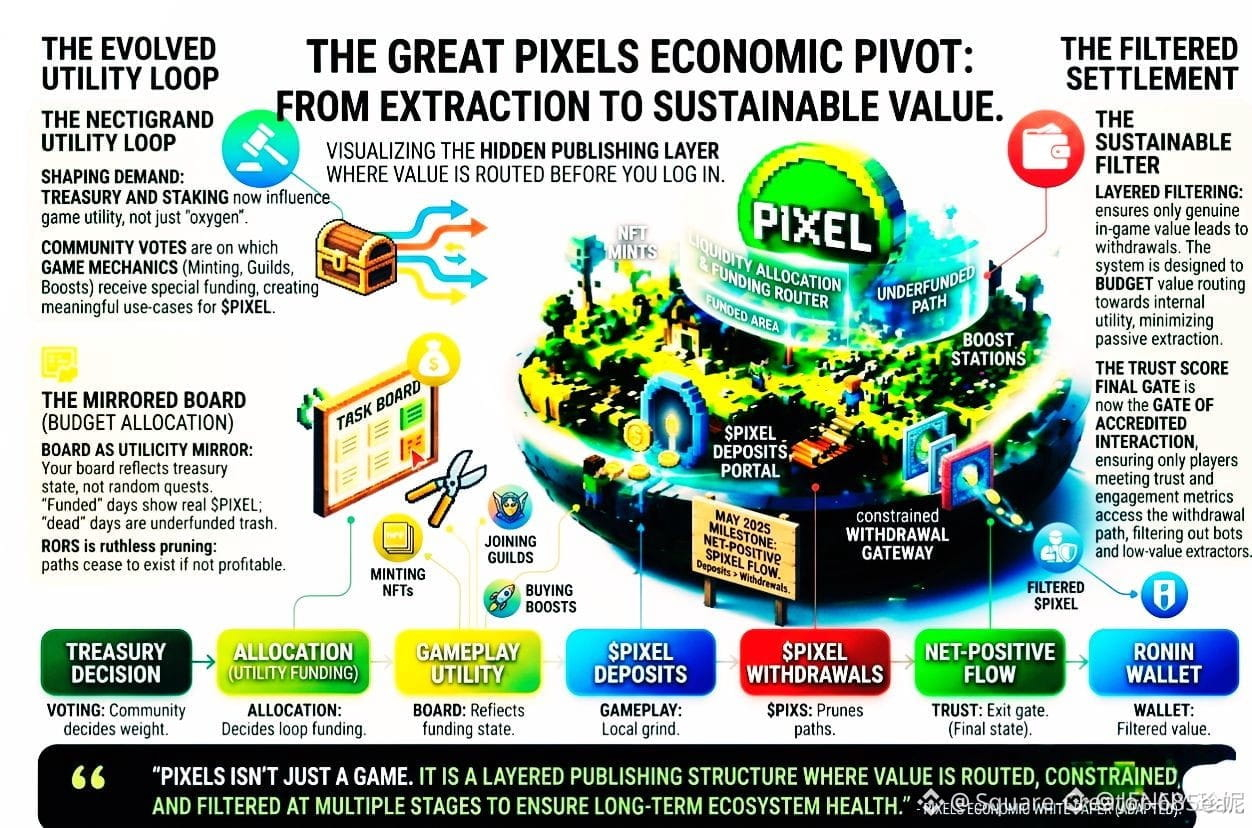
#pixel $PIXEL Community-Ansatz:
Die @Pixels-Community im Stacked-Ökosystem ist unübertroffen. Tägliche Quests, Gilden und von Spielern getriebene Märkte, die von $PIXEL unterstützt werden, machen das Einloggen lohnenswert. Web3-Gaming fühlt sich hier tatsächlich nach Spaß an, nicht nach Zwang. Das ist der Plan. #PIXEL.
#pixel $PIXEL Community-Ansatz:
Die @Pixels-Community im Stacked-Ökosystem ist unübertroffen. Tägliche Quests, Gilden und von Spielern getriebene Märkte, die von $PIXEL unterstützt werden, machen das Einloggen lohnenswert. Web3-Gaming fühlt sich hier tatsächlich nach Spaß an, nicht nach Zwang. Das ist der Plan. #PIXEL.
Die @Pixels-Community im Stacked-Ökosystem ist unübertroffen. Tägliche Quests, Gilden und von Spielern getriebene Märkte, die von $PIXEL unterstützt werden, machen das Einloggen lohnenswert. Web3-Gaming fühlt sich hier tatsächlich nach Spaß an, nicht nach Zwang. Das ist der Plan. #PIXEL.
2
78

·
--

Artikel
Pixel-Ökosystem @Pixels (https://www.binance.com/id/square/profile/pixels), Token $PIXEL <t-8/>#pixel.
Entwicklung des Pixel-Währungsprojekts
Das Pixel-Währungsprojekt zeigt seit dem Launch signifikante Fortschritte. Anfang 2024 konzentriert sich das Team auf die Entwicklung des Web3-Gaming-Ökosystems und die Integration von NFTs im Ronin Network.
Q2 2026, Pixel hat es geschafft, 1,2 Millionen aktive tägliche Nutzer nach dem Release der Funktionen Land-Staking und Gildenkriege zu gewinnen. Der Preis von PIXEL ist nach dem Listing auf Binance und der Partnerschaft mit einem großen Gaming-Studio um 85% gestiegen.
In Zukunft zielt das Team auf die Expansion in den mobilen Bereich und die Integration von KI für NPCs ab. Eine aktive Community ist der Schlüssel zum Wachstum, wobei die DAO beginnt, über den Fahrplan für Q3 abzustimmen. Herausforderungen: Inflationskontrolle des Tokens und Spielerbindung.
Pixel-Ökosystem
@Pixels (https://www.binance.com/id/square/profile/pixels), Token $PIXEL <t-8/>#pixel.
Entwicklung des Pixel-Währungsprojekts
Das Pixel-Währungsprojekt zeigt seit dem Launch signifikante Fortschritte. Anfang 2024 konzentriert sich das Team auf die Entwicklung des Web3-Gaming-Ökosystems und die Integration von NFTs im Ronin Network.
Q2 2026, Pixel hat es geschafft, 1,2 Millionen aktive tägliche Nutzer nach dem Release der Funktionen Land-Staking und Gildenkriege zu gewinnen. Der Preis von PIXEL ist nach dem Listing auf Binance und der Partnerschaft mit einem großen Gaming-Studio um 85% gestiegen.
In Zukunft zielt das Team auf die Expansion in den mobilen Bereich und die Integration von KI für NPCs ab. Eine aktive Community ist der Schlüssel zum Wachstum, wobei die DAO beginnt, über den Fahrplan für Q3 abzustimmen. Herausforderungen: Inflationskontrolle des Tokens und Spielerbindung.
Entwicklung des Pixel-Währungsprojekts
Das Pixel-Währungsprojekt zeigt seit dem Launch signifikante Fortschritte. Anfang 2024 konzentriert sich das Team auf die Entwicklung des Web3-Gaming-Ökosystems und die Integration von NFTs im Ronin Network.
Q2 2026, Pixel hat es geschafft, 1,2 Millionen aktive tägliche Nutzer nach dem Release der Funktionen Land-Staking und Gildenkriege zu gewinnen. Der Preis von PIXEL ist nach dem Listing auf Binance und der Partnerschaft mit einem großen Gaming-Studio um 85% gestiegen.
In Zukunft zielt das Team auf die Expansion in den mobilen Bereich und die Integration von KI für NPCs ab. Eine aktive Community ist der Schlüssel zum Wachstum, wobei die DAO beginnt, über den Fahrplan für Q3 abzustimmen. Herausforderungen: Inflationskontrolle des Tokens und Spielerbindung.
16
pixelDer Kryptomarkt dreht sich nicht mehr nur um schnelle Gewinne—er entwickelt sich zu einem mächtigen Ökosystem, das Finanzen, Technologie und sogar globale Vertrauenssysteme neu gestaltet. In den letzten Jahren haben wir gesehen, wie sich die Blockchain-Innovation über einfache Transaktionen hinaus in Bereiche wie DeFi, NFTs und die Tokenisierung realer Vermögenswerte bewegt hat.
Eine der wichtigsten Lektionen für jeden Krypto-Enthusiasten heute ist Geduld. Märkte bewegen sich in Zyklen, und während die Volatilität überwältigend erscheinen kann, schafft sie auch Chancen für diejenigen, die informiert und diszipliniert bleiben. Anstatt dem Hype nachzujagen, konzentrieren sich erfolgreiche Investoren darauf, die Grundlagen der Projekte, deren Anwendungsfälle und den langfristigen Wert zu verstehen.
pixel
Der Kryptomarkt dreht sich nicht mehr nur um schnelle Gewinne—er entwickelt sich zu einem mächtigen Ökosystem, das Finanzen, Technologie und sogar globale Vertrauenssysteme neu gestaltet. In den letzten Jahren haben wir gesehen, wie sich die Blockchain-Innovation über einfache Transaktionen hinaus in Bereiche wie DeFi, NFTs und die Tokenisierung realer Vermögenswerte bewegt hat.
Eine der wichtigsten Lektionen für jeden Krypto-Enthusiasten heute ist Geduld. Märkte bewegen sich in Zyklen, und während die Volatilität überwältigend erscheinen kann, schafft sie auch Chancen für diejenigen, die informiert und diszipliniert bleiben. Anstatt dem Hype nachzujagen, konzentrieren sich erfolgreiche Investoren darauf, die Grundlagen der Projekte, deren Anwendungsfälle und den langfristigen Wert zu verstehen.
Eine der wichtigsten Lektionen für jeden Krypto-Enthusiasten heute ist Geduld. Märkte bewegen sich in Zyklen, und während die Volatilität überwältigend erscheinen kann, schafft sie auch Chancen für diejenigen, die informiert und diszipliniert bleiben. Anstatt dem Hype nachzujagen, konzentrieren sich erfolgreiche Investoren darauf, die Grundlagen der Projekte, deren Anwendungsfälle und den langfristigen Wert zu verstehen.
11

#pixel $PIXEL
Die Entwicklung von @Pixels innerhalb des Stacked-Ökosystems zeigt, wie GameFi über Unterhaltung hinausgehen kann 🎮. Mit $PIXEL als wirtschaftlichem Dreh- und Angelpunkt können Nutzer farmen, handeln und aktiv an einer wachsenden digitalen Wirtschaft teilnehmen. Dieses Modell kombiniert Strategie, Community und echte Belohnungen und positioniert Pixels als ein innovatives Projekt in der Welt von Web3. #pixel @pixels #pixel.
#pixel $PIXEL
Die Entwicklung von @Pixels innerhalb des Stacked-Ökosystems zeigt, wie GameFi über Unterhaltung hinausgehen kann 🎮. Mit $PIXEL als wirtschaftlichem Dreh- und Angelpunkt können Nutzer farmen, handeln und aktiv an einer wachsenden digitalen Wirtschaft teilnehmen. Dieses Modell kombiniert Strategie, Community und echte Belohnungen und positioniert Pixels als ein innovatives Projekt in der Welt von Web3. #pixel @Pixels #pixel.
Die Entwicklung von @Pixels innerhalb des Stacked-Ökosystems zeigt, wie GameFi über Unterhaltung hinausgehen kann 🎮. Mit $PIXEL als wirtschaftlichem Dreh- und Angelpunkt können Nutzer farmen, handeln und aktiv an einer wachsenden digitalen Wirtschaft teilnehmen. Dieses Modell kombiniert Strategie, Community und echte Belohnungen und positioniert Pixels als ein innovatives Projekt in der Welt von Web3. #pixel @Pixels #pixel.
59
Der Kryptomarkt belohnt Geduld, nicht Panik. Zu viele Trader jagen schnellen Gewinn und enden damit, hoch zu kaufen und tief zu verkaufen. Stattdessen solltest du dich darauf konzentrieren, die Grundlagen zu lernen, das Risiko zu managen und langfristig zu denken. Konsistenz schlägt den Hype in diesem Bereich jedes Mal. @pixels $PIXEL #PIXEL.
Der Kryptomarkt belohnt Geduld, nicht Panik. Zu viele Trader jagen schnellen Gewinn und enden damit, hoch zu kaufen und tief zu verkaufen. Stattdessen solltest du dich darauf konzentrieren, die Grundlagen zu lernen, das Risiko zu managen und langfristig zu denken. Konsistenz schlägt den Hype in diesem Bereich jedes Mal. @Pixels $PIXEL #PIXEL.
1
95

·
--
PixelDie Integration von $PIXEL innerhalb des @pixels -Ökosystems markiert einen entscheidenden Wandel im Web3-Gaming. Dabei liegt der Fokus auf Nutzen, Eigentum und sozialer Interaktion, wodurch es seinen Status als führendes Projekt im Ronin-Netzwerk festigt. Während sich die Plattform mit Blick auf langfristige Nachhaltigkeit weiterentwickelt, bleibt das $PIXEL -Token ein integraler Bestandteil der In-Game-Ökonomien, verbesserter Farming-Mechaniken und der Nutzerbindung #PIXEL.
Pixel
Die Integration von $PIXEL innerhalb des @Pixels -Ökosystems markiert einen entscheidenden Wandel im Web3-Gaming. Dabei liegt der Fokus auf Nutzen, Eigentum und sozialer Interaktion, wodurch es seinen Status als führendes Projekt im Ronin-Netzwerk festigt. Während sich die Plattform mit Blick auf langfristige Nachhaltigkeit weiterentwickelt, bleibt das $PIXEL -Token ein integraler Bestandteil der In-Game-Ökonomien, verbesserter Farming-Mechaniken und der Nutzerbindung #PIXEL.
1
27

·
--
Artikel
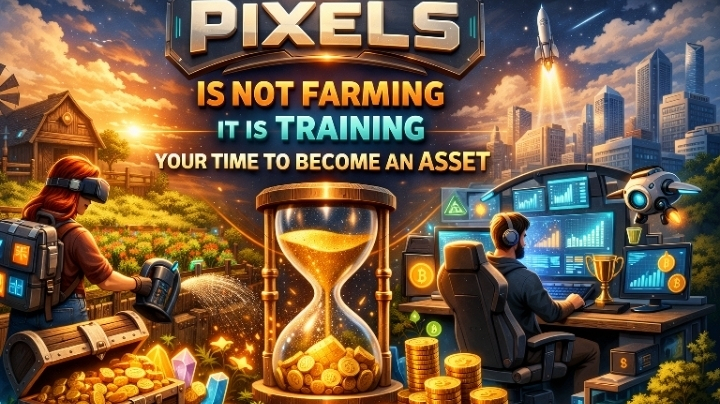
Pixels ist kein Farming, es ist Training Ihrer Zeit, um ein Vermögen zu werden. @pixels #pixel $PIXEL
ich dachte zunächst nicht viel darüber nach, es fühlte sich einfach wie eine weitere Schleife an: einloggen, pflanzen, ernten, wiederholen, die Art von System, die man nicht hinterfragt, weil sie bereits vertraut erscheint.
aber nach ein paar Tagen begann etwas seltsam zu fühlen, nicht kaputt, sondern ungleichmäßig. Zwei Spieler, die ähnlich viel Zeit investierten, landeten nicht am gleichen Ort und es war nicht Können und es war nicht Glück, es fühlte sich an wie etwas Ruhigeres, etwas Schwerer zu Bemerkendes.
das ist, als ich aufhörte, darauf zu achten, was ich tat, und begann, darauf zu achten, wie das System reagierte.
Pixels ist kein Farming, es ist Training Ihrer Zeit, um ein Vermögen zu werden.
@Pixels #pixel $PIXEL
ich dachte zunächst nicht viel darüber nach, es fühlte sich einfach wie eine weitere Schleife an: einloggen, pflanzen, ernten, wiederholen, die Art von System, die man nicht hinterfragt, weil sie bereits vertraut erscheint.
aber nach ein paar Tagen begann etwas seltsam zu fühlen, nicht kaputt, sondern ungleichmäßig. Zwei Spieler, die ähnlich viel Zeit investierten, landeten nicht am gleichen Ort und es war nicht Können und es war nicht Glück, es fühlte sich an wie etwas Ruhigeres, etwas Schwerer zu Bemerkendes.
das ist, als ich aufhörte, darauf zu achten, was ich tat, und begann, darauf zu achten, wie das System reagierte.
ich dachte zunächst nicht viel darüber nach, es fühlte sich einfach wie eine weitere Schleife an: einloggen, pflanzen, ernten, wiederholen, die Art von System, die man nicht hinterfragt, weil sie bereits vertraut erscheint.
aber nach ein paar Tagen begann etwas seltsam zu fühlen, nicht kaputt, sondern ungleichmäßig. Zwei Spieler, die ähnlich viel Zeit investierten, landeten nicht am gleichen Ort und es war nicht Können und es war nicht Glück, es fühlte sich an wie etwas Ruhigeres, etwas Schwerer zu Bemerkendes.
das ist, als ich aufhörte, darauf zu achten, was ich tat, und begann, darauf zu achten, wie das System reagierte.
5
1
9
132


Artikel
Pixels als System: Anreize, Reibung und die Realität der lässigen Web3-ÖkonomienIch tendiere dazu, Projekte wie Pixels weniger als „Spiele“ und mehr als Systeme zu betrachten, die versuchen, Verhalten unter Einschränkungen zu koordinieren. Wenn ich etwas wie dies auf Ronin öffne, denke ich nicht zuerst an Ernten oder Avatare – ich beobachte, wie Anreize verdrahtet sind, wo Reibung auftritt und ob das System konsistente, wiederholbare Aktivitäten ohne ständige externe Stimulation produziert. Die Oberfläche ist ein Landwirtschaftsloop, aber darunter liegt die Frage, ob die Zeit der Benutzer in etwas geformt werden kann, das einem stabilen wirtschaftlichen Durchsatz ähnelt.
Pixels als System: Anreize, Reibung und die Realität der lässigen Web3-Ökonomien
Ich tendiere dazu, Projekte wie Pixels weniger als „Spiele“ und mehr als Systeme zu betrachten, die versuchen, Verhalten unter Einschränkungen zu koordinieren. Wenn ich etwas wie dies auf Ronin öffne, denke ich nicht zuerst an Ernten oder Avatare – ich beobachte, wie Anreize verdrahtet sind, wo Reibung auftritt und ob das System konsistente, wiederholbare Aktivitäten ohne ständige externe Stimulation produziert. Die Oberfläche ist ein Landwirtschaftsloop, aber darunter liegt die Frage, ob die Zeit der Benutzer in etwas geformt werden kann, das einem stabilen wirtschaftlichen Durchsatz ähnelt.
6
103
Anmelden und weiter Inhalte entdecken
Krypto-Nutzer weltweit auf Binance Square kennenlernen
⚡️ Bleib in Sachen Krypto stets am Puls.
💬 Die weltgrößte Kryptobörse vertraut darauf.
👍 Erhalte verlässliche Einblicke von verifizierten Creators.
E-Mail-Adresse/Telefonnummer
Trendthemen
1
#BinancePick
3.1M Aufrufe
152,707 Kommentare
2
#EarningsSeason
5.3M Aufrufe
25,976 Kommentare
3
#AnthropicTTMRevenueGrewAbout1200%
28,363 Aufrufe
406 Kommentare
4
#AnthropicS1ExpectedToday
25,380 Aufrufe
338 Kommentare
5
#SouthKoreaReportedlyWeighsFourthCryptoTaxDelay
29,946 Aufrufe
461 Kommentare
6
#FranklinTempletonFilesForTwoDividendToBitcoinETFs
39,448 Aufrufe
535 Kommentare
7
#StrategyMSTRSurpassesNasdaqInMarketCap
29,874 Aufrufe
382 Kommentare
8
#CanadaProposesStablecoinRedemptionWithin3BusinessDays
1,310 Aufrufe
36 Kommentare
9
#ElectrumWalletBugLetRogueServersStealFunds
30,723 Aufrufe
460 Kommentare
10
#ArgentineCourtDismissesLIBRACaseAgainstMilei
46,078 Aufrufe
575 Kommentare