

#nadyisom
nadyisom
264,589 Aufrufe
118 Kommentare
Hot
Zuletzt


·
--

DaniSacco2017:
btc
2.4k
15
133
2.4k

·
--
Risikomanagement ist langweilig – bis zu dem Tag, an dem es dein Konto rettet.
Setze nie mehr als ein bis zwei Prozent deines Kapitals auf einen einzelnen Trade. Wenn dieser Trade stirbt, hast du noch einen nächsten.
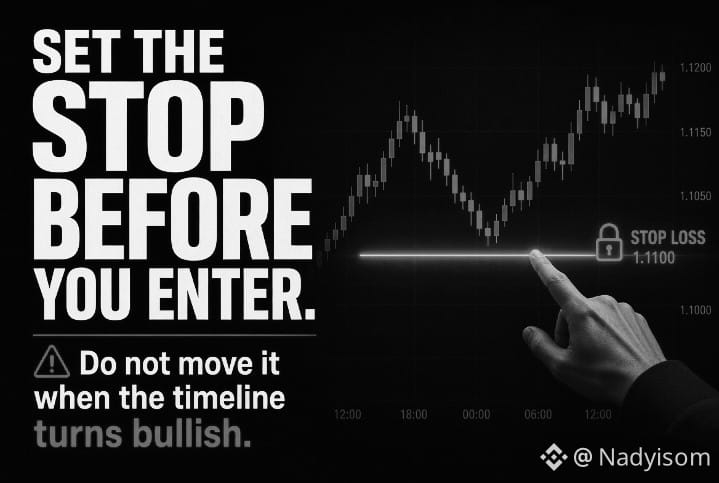
Lege den Stop fest, bevor du einsteigst. Bewege ihn nicht, nur weil die Zeitleiste bullisch geworden ist und du dich plötzlich clever fühlst.
Schau zuerst auf das Risiko nach unten. Wenn du mehr verlieren kannst, als du zu gewinnen hoffst, überspringe den Trade.
Geh nicht „all in“, nur weil alle Targets posten. So geben Leute innerhalb von zwei Tagen Monate an Gewinnen wieder zurück.
Behalte Cash zur Seite. Du wirst ihn brauchen, wenn genau dieselben Leute, die letzte Woche noch Experten waren, anfangen zu fragen, was passiert ist.
Die Regeln, die du aufgeschrieben hast, als der Markt ruhig war, sind die einzigen, die zählen, wenn plötzlich alle zu Genies werden.
#nadyisom
Risikomanagement ist langweilig – bis zu dem Tag, an dem es dein Konto rettet.
Setze nie mehr als ein bis zwei Prozent deines Kapitals auf einen einzelnen Trade. Wenn dieser Trade stirbt, hast du noch einen nächsten.
Lege den Stop fest, bevor du einsteigst. Bewege ihn nicht, nur weil die Zeitleiste bullisch geworden ist und du dich plötzlich clever fühlst.
Schau zuerst auf das Risiko nach unten. Wenn du mehr verlieren kannst, als du zu gewinnen hoffst, überspringe den Trade.
Geh nicht „all in“, nur weil alle Targets posten. So geben Leute innerhalb von zwei Tagen Monate an Gewinnen wieder zurück.
Behalte Cash zur Seite. Du wirst ihn brauchen, wenn genau dieselben Leute, die letzte Woche noch Experten waren, anfangen zu fragen, was passiert ist.
Die Regeln, die du aufgeschrieben hast, als der Markt ruhig war, sind die einzigen, die zählen, wenn plötzlich alle zu Genies werden.
#nadyisom
Setze nie mehr als ein bis zwei Prozent deines Kapitals auf einen einzelnen Trade. Wenn dieser Trade stirbt, hast du noch einen nächsten.
Lege den Stop fest, bevor du einsteigst. Bewege ihn nicht, nur weil die Zeitleiste bullisch geworden ist und du dich plötzlich clever fühlst.
Schau zuerst auf das Risiko nach unten. Wenn du mehr verlieren kannst, als du zu gewinnen hoffst, überspringe den Trade.
Geh nicht „all in“, nur weil alle Targets posten. So geben Leute innerhalb von zwei Tagen Monate an Gewinnen wieder zurück.
Behalte Cash zur Seite. Du wirst ihn brauchen, wenn genau dieselben Leute, die letzte Woche noch Experten waren, anfangen zu fragen, was passiert ist.
Die Regeln, die du aufgeschrieben hast, als der Markt ruhig war, sind die einzigen, die zählen, wenn plötzlich alle zu Genies werden.
#nadyisom
8
489
·
--
Verifiziert
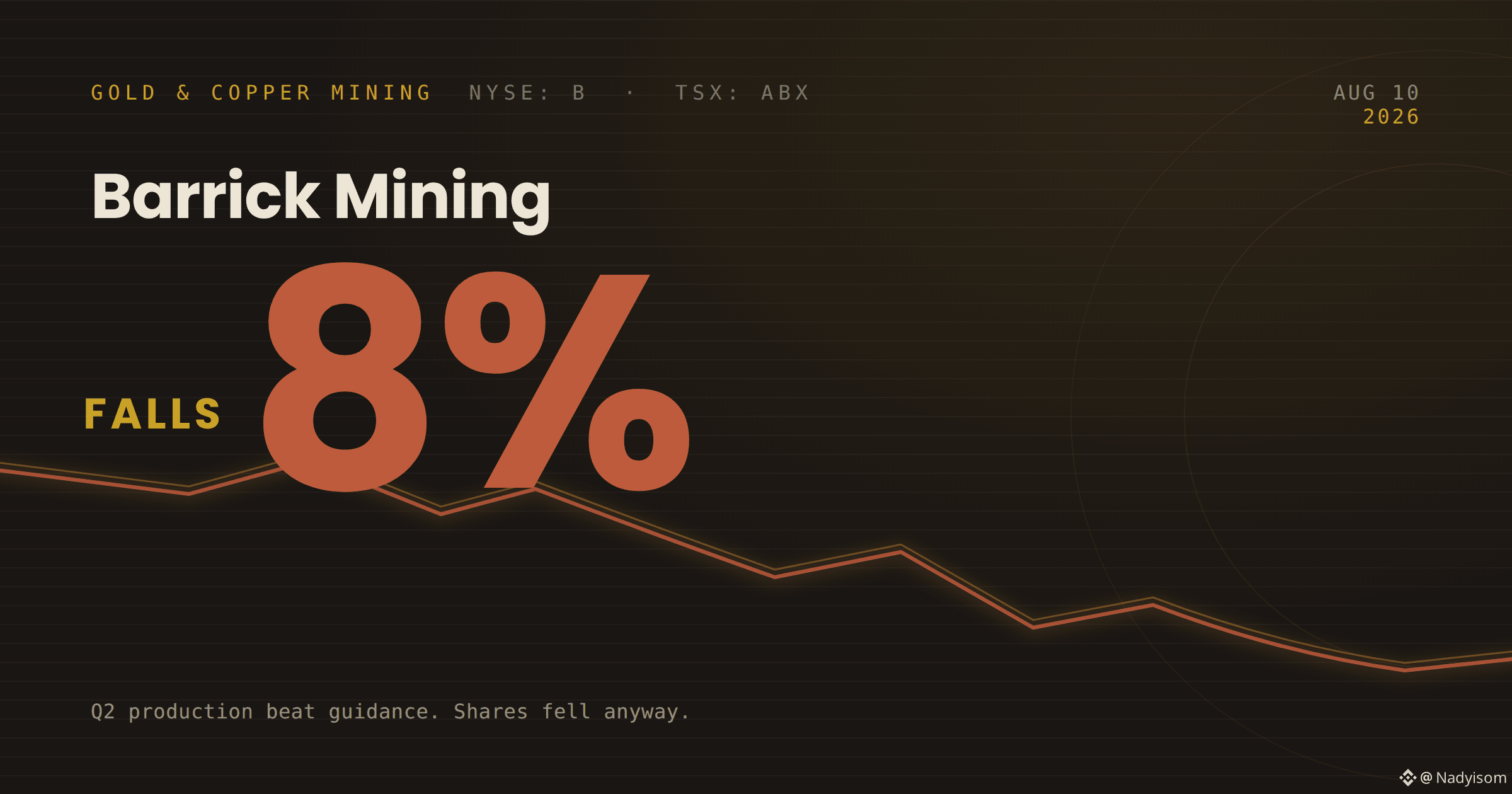
Barrick Mining stürzt um 8%
Die Aktie von Barrick Mining fiel am Montag um etwa 8%. Für ein Unternehmen dieser Größe ist das ein holpriger Tag.
Was daran seltsam ist, ist der Zeitpunkt. Der Rückgang kam direkt nachdem Barrick ein wirklich starkes Quartal veröffentlicht hatte. Die Goldproduktion sprang um 11% gegenüber dem Vorquartal auf 796.000 Unzen und übertraf damit die eigenen Prognosen des Unternehmens. Der Umsatz stieg um 44% im Vergleich zum Vorjahr auf 5,29 Milliarden US-Dollar. Der Nettogewinn stieg um 50% auf 1,22 Milliarden US-Dollar. Das sind gute Zahlen.
Also, warum fiel die Aktie? Ein paar Dinge kamen gleichzeitig zusammen.
Das große Thema: Wall Street wollte mehr. Analysten hatten für die erwarteten bereinigten Gewinne 0,94 US-Dollar je Aktie und einen Umsatz in der Nähe von 5,67 Milliarden US-Dollar prognostiziert. Barrick lieferte 0,82 US-Dollar und 5,29 Milliarden US-Dollar. Solides Wachstum, aber hinter dem zurück, was bereits eingepreist war. Auch die Kosten halfen nicht. Die All-in Sustaining Costs stiegen um 11% gegenüber dem Vorjahr auf 1.866 US-Dollar je Unze.
Darüber hinaus kündigte Barrick einen Deal mit Newmont an, der ihre gemeinsame Goldproduktion in Nevada ausweitet. Newmont will Barrick 1,95 Milliarden US-Dollar in bar zahlen und einige langjährige Streitigkeiten zwischen den beiden Unternehmen beilegen. Außerdem ebnet das den Weg dafür, dass Barrick seine nordamerikanischen Gold-Assets später in diesem Jahr in eine separate, öffentlich gehandelte Gesellschaft ausgliedert. Klingt nach guter Nachricht. Aber die Anleger waren von den Konditionen nicht begeistert – und offenbar hat das den anschließenden Verkaufsdruck noch verstärkt.
Es gibt auch einen einfacheren Punkt. Die Barrick-Aktien waren seit Mitte Juli um fast 30% gestiegen, und sie liegen im Vergleich zum vergangenen Jahr immer noch bei rund 78%. Wenn eine Aktie so stark läuft, kann selbst ein solides Quartal wie eine Enttäuschung wirken. Ein Teil des Rückgangs am Montag ist schlicht, dass der Markt erst einmal Dampf ablassen muss.
Wenn man den Blick weitet, wirkt es ruhiger. Ein einziger holpriger Tag löscht kein starkes Jahr aus. Das ist nur ein Datenpunkt, nicht die ganze Geschichte – und auch nichts, worüber man in Panik geraten müsste.
#BarrickMiningFalls8% #nadyisom
Barrick Mining stürzt um 8%
Die Aktie von Barrick Mining fiel am Montag um etwa 8%. Für ein Unternehmen dieser Größe ist das ein holpriger Tag.
Was daran seltsam ist, ist der Zeitpunkt. Der Rückgang kam direkt nachdem Barrick ein wirklich starkes Quartal veröffentlicht hatte. Die Goldproduktion sprang um 11% gegenüber dem Vorquartal auf 796.000 Unzen und übertraf damit die eigenen Prognosen des Unternehmens. Der Umsatz stieg um 44% im Vergleich zum Vorjahr auf 5,29 Milliarden US-Dollar. Der Nettogewinn stieg um 50% auf 1,22 Milliarden US-Dollar. Das sind gute Zahlen.
Also, warum fiel die Aktie? Ein paar Dinge kamen gleichzeitig zusammen.
Das große Thema: Wall Street wollte mehr. Analysten hatten für die erwarteten bereinigten Gewinne 0,94 US-Dollar je Aktie und einen Umsatz in der Nähe von 5,67 Milliarden US-Dollar prognostiziert. Barrick lieferte 0,82 US-Dollar und 5,29 Milliarden US-Dollar. Solides Wachstum, aber hinter dem zurück, was bereits eingepreist war. Auch die Kosten halfen nicht. Die All-in Sustaining Costs stiegen um 11% gegenüber dem Vorjahr auf 1.866 US-Dollar je Unze.
Darüber hinaus kündigte Barrick einen Deal mit Newmont an, der ihre gemeinsame Goldproduktion in Nevada ausweitet. Newmont will Barrick 1,95 Milliarden US-Dollar in bar zahlen und einige langjährige Streitigkeiten zwischen den beiden Unternehmen beilegen. Außerdem ebnet das den Weg dafür, dass Barrick seine nordamerikanischen Gold-Assets später in diesem Jahr in eine separate, öffentlich gehandelte Gesellschaft ausgliedert. Klingt nach guter Nachricht. Aber die Anleger waren von den Konditionen nicht begeistert – und offenbar hat das den anschließenden Verkaufsdruck noch verstärkt.
Es gibt auch einen einfacheren Punkt. Die Barrick-Aktien waren seit Mitte Juli um fast 30% gestiegen, und sie liegen im Vergleich zum vergangenen Jahr immer noch bei rund 78%. Wenn eine Aktie so stark läuft, kann selbst ein solides Quartal wie eine Enttäuschung wirken. Ein Teil des Rückgangs am Montag ist schlicht, dass der Markt erst einmal Dampf ablassen muss.
Wenn man den Blick weitet, wirkt es ruhiger. Ein einziger holpriger Tag löscht kein starkes Jahr aus. Das ist nur ein Datenpunkt, nicht die ganze Geschichte – und auch nichts, worüber man in Panik geraten müsste.
#BarrickMiningFalls8% #nadyisom
Die Aktie von Barrick Mining fiel am Montag um etwa 8%. Für ein Unternehmen dieser Größe ist das ein holpriger Tag.
Was daran seltsam ist, ist der Zeitpunkt. Der Rückgang kam direkt nachdem Barrick ein wirklich starkes Quartal veröffentlicht hatte. Die Goldproduktion sprang um 11% gegenüber dem Vorquartal auf 796.000 Unzen und übertraf damit die eigenen Prognosen des Unternehmens. Der Umsatz stieg um 44% im Vergleich zum Vorjahr auf 5,29 Milliarden US-Dollar. Der Nettogewinn stieg um 50% auf 1,22 Milliarden US-Dollar. Das sind gute Zahlen.
Also, warum fiel die Aktie? Ein paar Dinge kamen gleichzeitig zusammen.
Das große Thema: Wall Street wollte mehr. Analysten hatten für die erwarteten bereinigten Gewinne 0,94 US-Dollar je Aktie und einen Umsatz in der Nähe von 5,67 Milliarden US-Dollar prognostiziert. Barrick lieferte 0,82 US-Dollar und 5,29 Milliarden US-Dollar. Solides Wachstum, aber hinter dem zurück, was bereits eingepreist war. Auch die Kosten halfen nicht. Die All-in Sustaining Costs stiegen um 11% gegenüber dem Vorjahr auf 1.866 US-Dollar je Unze.
Darüber hinaus kündigte Barrick einen Deal mit Newmont an, der ihre gemeinsame Goldproduktion in Nevada ausweitet. Newmont will Barrick 1,95 Milliarden US-Dollar in bar zahlen und einige langjährige Streitigkeiten zwischen den beiden Unternehmen beilegen. Außerdem ebnet das den Weg dafür, dass Barrick seine nordamerikanischen Gold-Assets später in diesem Jahr in eine separate, öffentlich gehandelte Gesellschaft ausgliedert. Klingt nach guter Nachricht. Aber die Anleger waren von den Konditionen nicht begeistert – und offenbar hat das den anschließenden Verkaufsdruck noch verstärkt.
Es gibt auch einen einfacheren Punkt. Die Barrick-Aktien waren seit Mitte Juli um fast 30% gestiegen, und sie liegen im Vergleich zum vergangenen Jahr immer noch bei rund 78%. Wenn eine Aktie so stark läuft, kann selbst ein solides Quartal wie eine Enttäuschung wirken. Ein Teil des Rückgangs am Montag ist schlicht, dass der Markt erst einmal Dampf ablassen muss.
Wenn man den Blick weitet, wirkt es ruhiger. Ein einziger holpriger Tag löscht kein starkes Jahr aus. Das ist nur ein Datenpunkt, nicht die ganze Geschichte – und auch nichts, worüber man in Panik geraten müsste.
#BarrickMiningFalls8% #nadyisom
ABXUS+0,06%
1
2
423
·
--
Artikel
Was mit Krypto gerade wirklich passiertAnfang August 2026
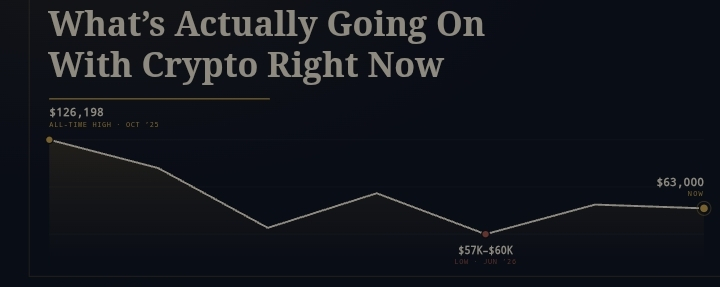
Bitcoin liegt derzeit bei rund 63.000 US-Dollar. Das ist immer noch etwa die Hälfte weniger als sein Allzeithoch von 126.000 US-Dollar im Oktober 2025. Wenn Crypto-Twitter zuletzt ruhig war, liegt das daran. Der Markt hat sich seit Februar gegenseitig die Wunden geleckt.
Ende Februar kündigte Trump einen großen globalen Zoll-Vorstoß an. Das hat alle wegen der Inflation verunsichert und Hoffnungen auf kurzfristige Zinssenkungen zerstört. Zinssenkungen waren im Grunde der Treibstoff für den Rallye von 2025 – also, als diese Hoffnung weg war, begann Geld abzufließen. Ein großer Teil davon war über Bitcoin-ETFs gekommen, und wenn ETF-Anleger sich zurückziehen, muss der Fonds echtes Bitcoin verkaufen, um das auszugleichen. Dieser Verkauf zog die Preise bis Juni auf etwa 57.000–60.000 US-Dollar herunter.
Was mit Krypto gerade wirklich passiert
Anfang August 2026
Bitcoin liegt derzeit bei rund 63.000 US-Dollar. Das ist immer noch etwa die Hälfte weniger als sein Allzeithoch von 126.000 US-Dollar im Oktober 2025. Wenn Crypto-Twitter zuletzt ruhig war, liegt das daran. Der Markt hat sich seit Februar gegenseitig die Wunden geleckt.
Ende Februar kündigte Trump einen großen globalen Zoll-Vorstoß an. Das hat alle wegen der Inflation verunsichert und Hoffnungen auf kurzfristige Zinssenkungen zerstört. Zinssenkungen waren im Grunde der Treibstoff für den Rallye von 2025 – also, als diese Hoffnung weg war, begann Geld abzufließen. Ein großer Teil davon war über Bitcoin-ETFs gekommen, und wenn ETF-Anleger sich zurückziehen, muss der Fonds echtes Bitcoin verkaufen, um das auszugleichen. Dieser Verkauf zog die Preise bis Juni auf etwa 57.000–60.000 US-Dollar herunter.
Bitcoin liegt derzeit bei rund 63.000 US-Dollar. Das ist immer noch etwa die Hälfte weniger als sein Allzeithoch von 126.000 US-Dollar im Oktober 2025. Wenn Crypto-Twitter zuletzt ruhig war, liegt das daran. Der Markt hat sich seit Februar gegenseitig die Wunden geleckt.
Ende Februar kündigte Trump einen großen globalen Zoll-Vorstoß an. Das hat alle wegen der Inflation verunsichert und Hoffnungen auf kurzfristige Zinssenkungen zerstört. Zinssenkungen waren im Grunde der Treibstoff für den Rallye von 2025 – also, als diese Hoffnung weg war, begann Geld abzufließen. Ein großer Teil davon war über Bitcoin-ETFs gekommen, und wenn ETF-Anleger sich zurückziehen, muss der Fonds echtes Bitcoin verkaufen, um das auszugleichen. Dieser Verkauf zog die Preise bis Juni auf etwa 57.000–60.000 US-Dollar herunter.
4
1.7k
·
--
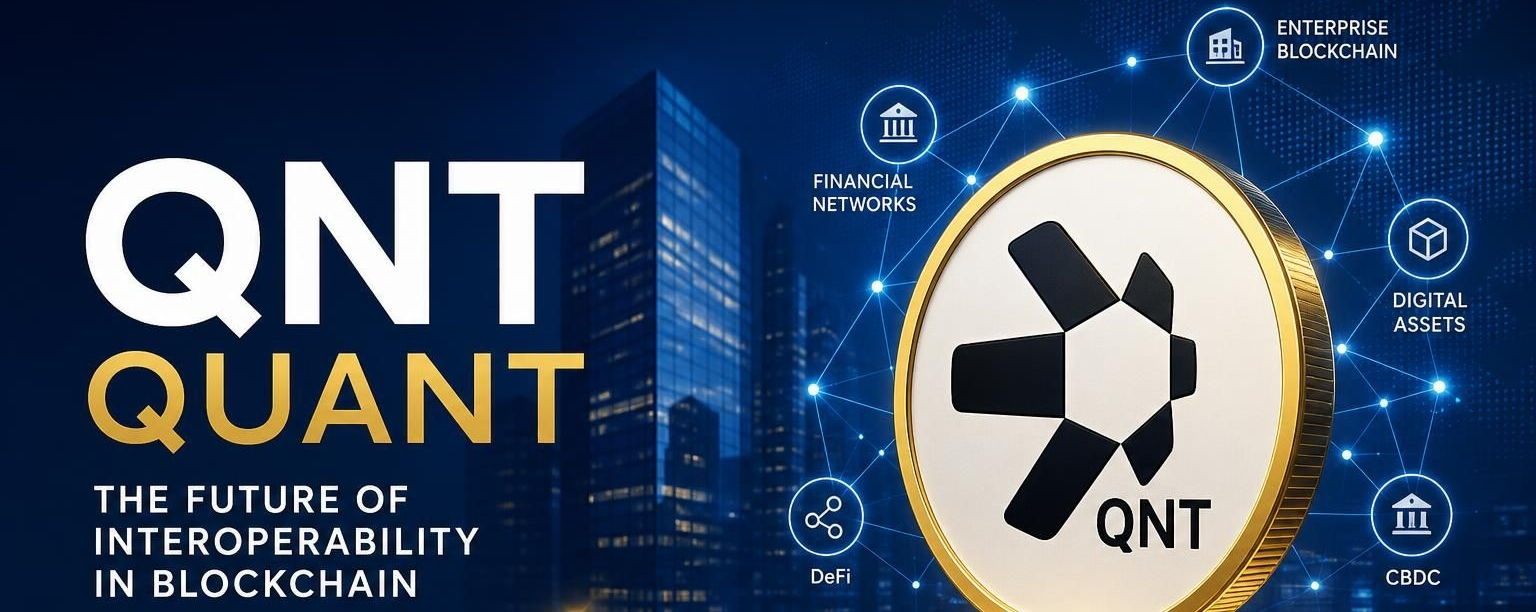
Artikel
QNT: Der ruhige Riese der Unternehmens-BlockchainJede große Veränderung in der Finanzwelt beginnt mit langweiligen Infrastrukturen. Kreditkarten waren einst Papierbelege. SWIFT war Telexgeräte. Die Blockchain wird denselben Weg gehen, es dauert nur Zeit, Systeme zu bauen, die tatsächlich funktionieren. Quant hat das früh verstanden. Während der Markt Memes und trendende Coins verfolgt hat, hat Quant Overledger entwickelt, ein Betriebssystem, das verschiedene Blockchains mit echten Unternehmenssystemen verbindet. Banken. Regierungen. Lieferketten. Dort lebt Quant. Nicht auf den Trendseiten, sondern im Backend der finanziellen Infrastruktur.
QNT: Der ruhige Riese der Unternehmens-Blockchain
Jede große Veränderung in der Finanzwelt beginnt mit langweiligen Infrastrukturen. Kreditkarten waren einst Papierbelege. SWIFT war Telexgeräte. Die Blockchain wird denselben Weg gehen, es dauert nur Zeit, Systeme zu bauen, die tatsächlich funktionieren. Quant hat das früh verstanden. Während der Markt Memes und trendende Coins verfolgt hat, hat Quant Overledger entwickelt, ein Betriebssystem, das verschiedene Blockchains mit echten Unternehmenssystemen verbindet. Banken. Regierungen. Lieferketten. Dort lebt Quant. Nicht auf den Trendseiten, sondern im Backend der finanziellen Infrastruktur.
8
361
·
--
Handel und Investieren sind nicht das Einzige, was ich aus Binance mitgenommen habe. Ich habe auch Zeit auf Learn & Earn verbracht, Creator Pad ausprobiert und mit ein paar weiteren Programmen auf der Plattform herumexperimentiert. Alles nützlich, alles sinnvoll. Aber wenn du mich fragst, was ich am meisten geliebt habe, dann ist es keines davon.
Es ist Binance Live.
Ich habe sehr viel Zeit damit verbracht, Streams zu schauen, in den Kommentaren zu chatten und mit Menschen aus der ganzen Welt zu sprechen. Irgendwann habe ich nebenbei angefangen, Brocken anderer Sprachen aufzuschnappen, ohne es überhaupt zu beabsichtigen. Ein bisschen Chinesisch. Etwas Kurdisch. Ein paar türkische und arabische Sätze. Sogar kleine Bruchstücke aus anderen Sprachen, die ich nicht mehr ganz benennen kann.
Niemand hat mir das absichtlich beigebracht. Es ist einfach passiert. Ich habe gesehen, wie ein Wort immer wieder im Chat auftauchte, habe gefragt, was es bedeutet, und es ist hängen geblieben. Langsam bin ich von dem Zustand, kein einziges Wort zu verstehen, dazu übergegangen, die einzelnen Stücke dessen, was die Leute gesagt haben, tatsächlich mitzuverfolgen.
Das ist der Teil von Binance, der mir am meisten geblieben ist. Trading hat mir beigebracht, wie sich Märkte bewegen. Learn & Earn hat mir die Grundlagen verschiedener Coins vermittelt. Aber Live hat mir etwas gegeben, das keines davon konnte: echte Gespräche mit echten Menschen aus verschiedenen Ländern – und nebenbei ein paar neue Sprachen.
Wenn mich also jemand fragt, was ich von Binance mitgenommen habe, ist meine ehrliche Antwort nicht die Trades oder die Tokens. Es ist die Tatsache, dass ich jetzt ein paar Worte auf Chinesisch, Kurdisch, Arabisch und Türkisch sagen kann und sie dabei auch wirklich meine. Kleines Ding, vielleicht. Aber für mich ist es das Beste. #nadyisom #BinanceSquareTalks ❤️❤️❤️
Handel und Investieren sind nicht das Einzige, was ich aus Binance mitgenommen habe. Ich habe auch Zeit auf Learn & Earn verbracht, Creator Pad ausprobiert und mit ein paar weiteren Programmen auf der Plattform herumexperimentiert. Alles nützlich, alles sinnvoll. Aber wenn du mich fragst, was ich am meisten geliebt habe, dann ist es keines davon.
Es ist Binance Live.
Ich habe sehr viel Zeit damit verbracht, Streams zu schauen, in den Kommentaren zu chatten und mit Menschen aus der ganzen Welt zu sprechen. Irgendwann habe ich nebenbei angefangen, Brocken anderer Sprachen aufzuschnappen, ohne es überhaupt zu beabsichtigen. Ein bisschen Chinesisch. Etwas Kurdisch. Ein paar türkische und arabische Sätze. Sogar kleine Bruchstücke aus anderen Sprachen, die ich nicht mehr ganz benennen kann.
Niemand hat mir das absichtlich beigebracht. Es ist einfach passiert. Ich habe gesehen, wie ein Wort immer wieder im Chat auftauchte, habe gefragt, was es bedeutet, und es ist hängen geblieben. Langsam bin ich von dem Zustand, kein einziges Wort zu verstehen, dazu übergegangen, die einzelnen Stücke dessen, was die Leute gesagt haben, tatsächlich mitzuverfolgen.
Das ist der Teil von Binance, der mir am meisten geblieben ist. Trading hat mir beigebracht, wie sich Märkte bewegen. Learn & Earn hat mir die Grundlagen verschiedener Coins vermittelt. Aber Live hat mir etwas gegeben, das keines davon konnte: echte Gespräche mit echten Menschen aus verschiedenen Ländern – und nebenbei ein paar neue Sprachen.
Wenn mich also jemand fragt, was ich von Binance mitgenommen habe, ist meine ehrliche Antwort nicht die Trades oder die Tokens. Es ist die Tatsache, dass ich jetzt ein paar Worte auf Chinesisch, Kurdisch, Arabisch und Türkisch sagen kann und sie dabei auch wirklich meine. Kleines Ding, vielleicht. Aber für mich ist es das Beste. #nadyisom #BinanceSquareTalks ❤️❤️❤️
Es ist Binance Live.
Ich habe sehr viel Zeit damit verbracht, Streams zu schauen, in den Kommentaren zu chatten und mit Menschen aus der ganzen Welt zu sprechen. Irgendwann habe ich nebenbei angefangen, Brocken anderer Sprachen aufzuschnappen, ohne es überhaupt zu beabsichtigen. Ein bisschen Chinesisch. Etwas Kurdisch. Ein paar türkische und arabische Sätze. Sogar kleine Bruchstücke aus anderen Sprachen, die ich nicht mehr ganz benennen kann.
Niemand hat mir das absichtlich beigebracht. Es ist einfach passiert. Ich habe gesehen, wie ein Wort immer wieder im Chat auftauchte, habe gefragt, was es bedeutet, und es ist hängen geblieben. Langsam bin ich von dem Zustand, kein einziges Wort zu verstehen, dazu übergegangen, die einzelnen Stücke dessen, was die Leute gesagt haben, tatsächlich mitzuverfolgen.
Das ist der Teil von Binance, der mir am meisten geblieben ist. Trading hat mir beigebracht, wie sich Märkte bewegen. Learn & Earn hat mir die Grundlagen verschiedener Coins vermittelt. Aber Live hat mir etwas gegeben, das keines davon konnte: echte Gespräche mit echten Menschen aus verschiedenen Ländern – und nebenbei ein paar neue Sprachen.
Wenn mich also jemand fragt, was ich von Binance mitgenommen habe, ist meine ehrliche Antwort nicht die Trades oder die Tokens. Es ist die Tatsache, dass ich jetzt ein paar Worte auf Chinesisch, Kurdisch, Arabisch und Türkisch sagen kann und sie dabei auch wirklich meine. Kleines Ding, vielleicht. Aber für mich ist es das Beste. #nadyisom #BinanceSquareTalks ❤️❤️❤️
1
10
435
·
--
1
11
746
·
--
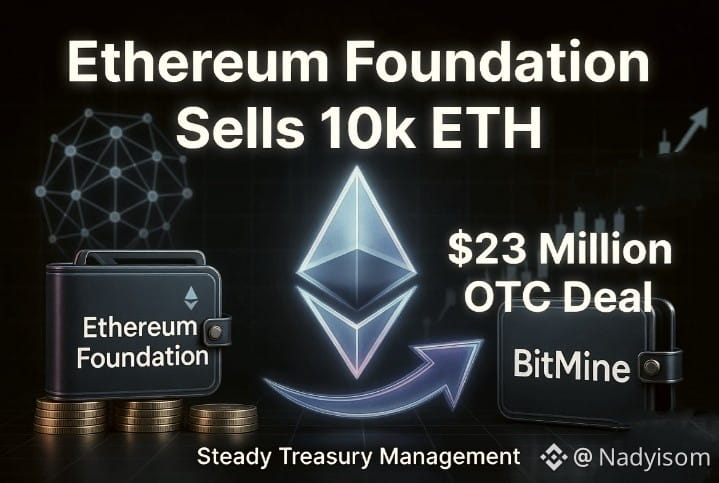
Die Ethereum Foundation hat gerade weitere 10k ETH an BitMine verkauft. Sie haben 10.000 ETH in einem OTC-Deal zu etwa 2.292 $ pro Stück bewegt, das sind ungefähr 23 Millionen $.\nDies ist der neueste in einer Reihe von Verkäufen an BitMine, ähnliche Deals fanden im März und letzte Woche statt.\nDie Foundation nutzt diese Mittel für Kernarbeit wie Forschungsstipendien und um den Betrieb am Laufen zu halten, sie halten immer noch viel in ihrer Treasury. BitMine stapelt weiter, während die Firma von Tom Lee eines der größten ETH-Holdings aufbaut.\nNichts Dramatisches, nur ein stetiges Treasury-Management in einem volatilen Markt. ETH hält sich momentan in der Nähe dieser Niveaus.\n#nadyisom \n\n#EthereumFoundationSellsETHtoBitmineAgain
Die Ethereum Foundation hat gerade weitere 10k ETH an BitMine verkauft. Sie haben 10.000 ETH in einem OTC-Deal zu etwa 2.292 $ pro Stück bewegt, das sind ungefähr 23 Millionen $.\nDies ist der neueste in einer Reihe von Verkäufen an BitMine, ähnliche Deals fanden im März und letzte Woche statt.\nDie Foundation nutzt diese Mittel für Kernarbeit wie Forschungsstipendien und um den Betrieb am Laufen zu halten, sie halten immer noch viel in ihrer Treasury. BitMine stapelt weiter, während die Firma von Tom Lee eines der größten ETH-Holdings aufbaut.\nNichts Dramatisches, nur ein stetiges Treasury-Management in einem volatilen Markt. ETH hält sich momentan in der Nähe dieser Niveaus.\n#nadyisom \n\n#EthereumFoundationSellsETHtoBitmineAgain
1
1
11
766
·
--
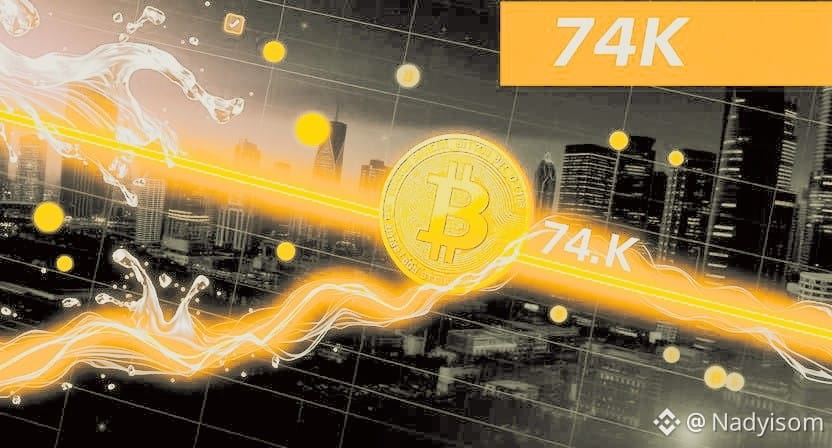
BTC ist noch nicht am Ende, ein Rückbesuch bei 74K wird immer wahrscheinlicher, Liquidität liebt unerledigte Geschäfte...
$BTC #nadyisom
BTC ist noch nicht am Ende, ein Rückbesuch bei 74K wird immer wahrscheinlicher, Liquidität liebt unerledigte Geschäfte...
$BTC #nadyisom
$BTC #nadyisom
1
12
431
·
--
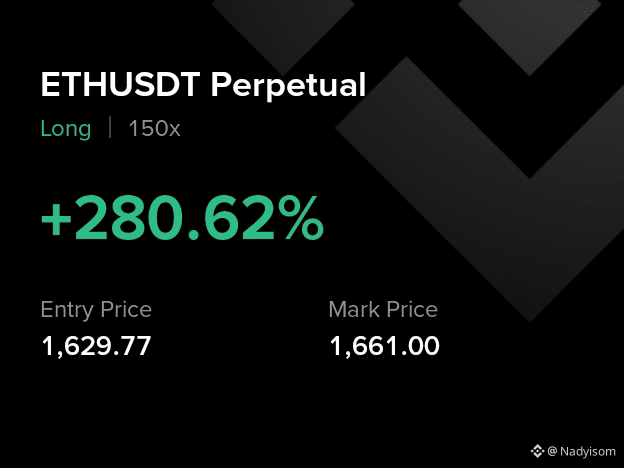
Hab Spaß $ETH manchmal lohnt es sich, Risiko einzugehen #nadyisom
Hab Spaß $ETH manchmal lohnt es sich, Risiko einzugehen #nadyisom
17
771
·
--
Artikel
Binance ist nicht nur etwas für Trader – So verdienen Creator und Lernende kostenlos KryptoBinance ist nicht nur etwas für Trader
Die meisten Menschen denken, dass Binance nur zum Kaufen und Verkaufen von Krypto gedacht ist. Das ist nur ein Teil davon.
Händler erhalten Spot- und Futures-Märkte. Anleger bekommen Staking, Spar-Optionen und andere Möglichkeiten, um das zu vermehren, was sie bereits besitzen. Aber Binance hat auch eine eigene Spur für Menschen geschaffen, die gar nicht handeln oder investieren: für Creator und Lernende. Und in dieser Spur brauchst du kein Geld, um zu starten. Du brauchst Zeit und ein bisschen Engagement.
Verdienen durch Schreiben
Du veröffentlichst Inhalte auf Binance Square. Nenne eine Coin wie $BTC oder $BNB – und wenn ein Leser darauf klickt und handelt, erhältst du einen Anteil an der Gebühr, die er bezahlt. Kein Trade, keine Auszahlung.
Binance ist nicht nur etwas für Trader – So verdienen Creator und Lernende kostenlos Krypto
Binance ist nicht nur etwas für Trader
Die meisten Menschen denken, dass Binance nur zum Kaufen und Verkaufen von Krypto gedacht ist. Das ist nur ein Teil davon.
Händler erhalten Spot- und Futures-Märkte. Anleger bekommen Staking, Spar-Optionen und andere Möglichkeiten, um das zu vermehren, was sie bereits besitzen. Aber Binance hat auch eine eigene Spur für Menschen geschaffen, die gar nicht handeln oder investieren: für Creator und Lernende. Und in dieser Spur brauchst du kein Geld, um zu starten. Du brauchst Zeit und ein bisschen Engagement.
Verdienen durch Schreiben
Du veröffentlichst Inhalte auf Binance Square. Nenne eine Coin wie $BTC oder $BNB – und wenn ein Leser darauf klickt und handelt, erhältst du einen Anteil an der Gebühr, die er bezahlt. Kein Trade, keine Auszahlung.
Die meisten Menschen denken, dass Binance nur zum Kaufen und Verkaufen von Krypto gedacht ist. Das ist nur ein Teil davon.
Händler erhalten Spot- und Futures-Märkte. Anleger bekommen Staking, Spar-Optionen und andere Möglichkeiten, um das zu vermehren, was sie bereits besitzen. Aber Binance hat auch eine eigene Spur für Menschen geschaffen, die gar nicht handeln oder investieren: für Creator und Lernende. Und in dieser Spur brauchst du kein Geld, um zu starten. Du brauchst Zeit und ein bisschen Engagement.
Verdienen durch Schreiben
Du veröffentlichst Inhalte auf Binance Square. Nenne eine Coin wie $BTC oder $BNB – und wenn ein Leser darauf klickt und handelt, erhältst du einen Anteil an der Gebühr, die er bezahlt. Kein Trade, keine Auszahlung.
13
1.2k
·
--
Artikel
Warum du bei USD1 und WLFI trotz der positiven Aussagen vorsichtig bleiben solltestAlso ist der Hype, den du gerade siehst, nur die halbe Geschichte. Kurz sortiert: USD1 ist der eigentliche Stablecoin – an den Dollar gekoppelt. WLFI ist ein separater Token, mit dem die Leute handeln und über den sie spekulieren. Beide stammen aus World Liberty Financial, dem Krypto-Unternehmen der Trump-Familie. Dieser letzte Punkt ist wirklich die Wurzel des größten Risikos hier – mehr als alles andere, was mit der Technik selbst nicht in Ordnung sein könnte.
Fangen wir damit an, wer es besitzt, denn das erklärt sehr viel von dem, was als Nächstes folgt. Eine Trump-Geschäftseinheit besitzt 60 % von World Liberty und ist berechtigt, 75 % der Einnahmen aus Coin-Verkäufen zu erhalten. Eric Trump und Donald Trump Jr. sind aktiv in die Führung des Unternehmens eingebunden, und eine Emirat(en)-königliche Familiengesellschaft hält eine Beteiligung von 49 %. Dieses Geschäft wurde vier Tage vor der Amtseinführung unterzeichnet, und die erste Zahlung soll rund 187 Millionen US-Dollar an mit Trump verknüpfte Rechtseinheiten gesendet haben. Damit profitiert die Familie des amtierenden Präsidenten direkt, wenn das gelingt, während seine eigene Verwaltung die Regeln für die Branche festlegt. Das ist nicht nur Internet-Gerede: Senatoren Warren und Waters haben die SEC offiziell darum gebeten und dabei auf die stille Entscheidung der SEC hingewiesen, einen Betrugsfall gegen die Krypto-Persönlichkeit Justin Sun kurz darauf zu pausieren, nachdem dieser 75 Millionen US-Dollar in WLFI investiert hatte. Unabhängig davon haben Senatoren auch Berichte aufgegriffen, wonach WLFI angeblich Token an mit Nordkorea und Russland verbundene Einrichtungen verkauft habe – eine echte, ernsthafte Geldwäsche-Bedenken, nicht nur ein PR-Thema. WLFI und seine Gründer haben in Bezug auf den Interessenkonflikt jede Fehlhandlung bestritten.
Warum du bei USD1 und WLFI trotz der positiven Aussagen vorsichtig bleiben solltest
Also ist der Hype, den du gerade siehst, nur die halbe Geschichte. Kurz sortiert: USD1 ist der eigentliche Stablecoin – an den Dollar gekoppelt. WLFI ist ein separater Token, mit dem die Leute handeln und über den sie spekulieren. Beide stammen aus World Liberty Financial, dem Krypto-Unternehmen der Trump-Familie. Dieser letzte Punkt ist wirklich die Wurzel des größten Risikos hier – mehr als alles andere, was mit der Technik selbst nicht in Ordnung sein könnte.
Fangen wir damit an, wer es besitzt, denn das erklärt sehr viel von dem, was als Nächstes folgt. Eine Trump-Geschäftseinheit besitzt 60 % von World Liberty und ist berechtigt, 75 % der Einnahmen aus Coin-Verkäufen zu erhalten. Eric Trump und Donald Trump Jr. sind aktiv in die Führung des Unternehmens eingebunden, und eine Emirat(en)-königliche Familiengesellschaft hält eine Beteiligung von 49 %. Dieses Geschäft wurde vier Tage vor der Amtseinführung unterzeichnet, und die erste Zahlung soll rund 187 Millionen US-Dollar an mit Trump verknüpfte Rechtseinheiten gesendet haben. Damit profitiert die Familie des amtierenden Präsidenten direkt, wenn das gelingt, während seine eigene Verwaltung die Regeln für die Branche festlegt. Das ist nicht nur Internet-Gerede: Senatoren Warren und Waters haben die SEC offiziell darum gebeten und dabei auf die stille Entscheidung der SEC hingewiesen, einen Betrugsfall gegen die Krypto-Persönlichkeit Justin Sun kurz darauf zu pausieren, nachdem dieser 75 Millionen US-Dollar in WLFI investiert hatte. Unabhängig davon haben Senatoren auch Berichte aufgegriffen, wonach WLFI angeblich Token an mit Nordkorea und Russland verbundene Einrichtungen verkauft habe – eine echte, ernsthafte Geldwäsche-Bedenken, nicht nur ein PR-Thema. WLFI und seine Gründer haben in Bezug auf den Interessenkonflikt jede Fehlhandlung bestritten.
Fangen wir damit an, wer es besitzt, denn das erklärt sehr viel von dem, was als Nächstes folgt. Eine Trump-Geschäftseinheit besitzt 60 % von World Liberty und ist berechtigt, 75 % der Einnahmen aus Coin-Verkäufen zu erhalten. Eric Trump und Donald Trump Jr. sind aktiv in die Führung des Unternehmens eingebunden, und eine Emirat(en)-königliche Familiengesellschaft hält eine Beteiligung von 49 %. Dieses Geschäft wurde vier Tage vor der Amtseinführung unterzeichnet, und die erste Zahlung soll rund 187 Millionen US-Dollar an mit Trump verknüpfte Rechtseinheiten gesendet haben. Damit profitiert die Familie des amtierenden Präsidenten direkt, wenn das gelingt, während seine eigene Verwaltung die Regeln für die Branche festlegt. Das ist nicht nur Internet-Gerede: Senatoren Warren und Waters haben die SEC offiziell darum gebeten und dabei auf die stille Entscheidung der SEC hingewiesen, einen Betrugsfall gegen die Krypto-Persönlichkeit Justin Sun kurz darauf zu pausieren, nachdem dieser 75 Millionen US-Dollar in WLFI investiert hatte. Unabhängig davon haben Senatoren auch Berichte aufgegriffen, wonach WLFI angeblich Token an mit Nordkorea und Russland verbundene Einrichtungen verkauft habe – eine echte, ernsthafte Geldwäsche-Bedenken, nicht nur ein PR-Thema. WLFI und seine Gründer haben in Bezug auf den Interessenkonflikt jede Fehlhandlung bestritten.
1
1
11
1.3k
·
--
Handele mit Risikokontrolle:
1. Riskiere niemals mehr als ein Prozent deines Kontos bei einem einzelnen Trade. Ein paar Verluste werden dich nicht auslöschen.
2. Lege deinen Stop-Loss fest, bevor du einsteigst. Setze ihn dort, wo der Chart Sinn ergibt, und lass ihn dort. Ihn zu verschieben ist, wie Konten sterben.
3. Nimm nur Trades, bei denen die mögliche Rendite mindestens doppelt so hoch aussieht wie das Risiko. Wenn das Upside nicht klar größer ist, lass es.
4. Halte die Positionsgröße klein genug, damit dich normale Rücksetzer nicht verunsichern. Große Größen machen aus jedem Dip Panik.
5. Streue dein Geld. Gib nicht alles in eine Münze oder in eine Richtung. Ein paar verschiedene Positionen schlagen eine einzige große Wette.
6. Dokumentiere jeden Trade. Notiere, warum du eingestiegen bist, warum du ausgestiegen bist und wie viel du riskiert hast. Muster werden schnell sichtbar.
7. Beherrsche deinen Kopf. Nach einem Gewinn nicht die Größe erhöhen. Nach einem Verlust nicht hinterherjagen. Halte jedes Mal an denselben Regeln fest.
#nadyisom
Handele mit Risikokontrolle:
1. Riskiere niemals mehr als ein Prozent deines Kontos bei einem einzelnen Trade. Ein paar Verluste werden dich nicht auslöschen.
2. Lege deinen Stop-Loss fest, bevor du einsteigst. Setze ihn dort, wo der Chart Sinn ergibt, und lass ihn dort. Ihn zu verschieben ist, wie Konten sterben.
3. Nimm nur Trades, bei denen die mögliche Rendite mindestens doppelt so hoch aussieht wie das Risiko. Wenn das Upside nicht klar größer ist, lass es.
4. Halte die Positionsgröße klein genug, damit dich normale Rücksetzer nicht verunsichern. Große Größen machen aus jedem Dip Panik.
5. Streue dein Geld. Gib nicht alles in eine Münze oder in eine Richtung. Ein paar verschiedene Positionen schlagen eine einzige große Wette.
6. Dokumentiere jeden Trade. Notiere, warum du eingestiegen bist, warum du ausgestiegen bist und wie viel du riskiert hast. Muster werden schnell sichtbar.
7. Beherrsche deinen Kopf. Nach einem Gewinn nicht die Größe erhöhen. Nach einem Verlust nicht hinterherjagen. Halte jedes Mal an denselben Regeln fest.
#nadyisom
1. Riskiere niemals mehr als ein Prozent deines Kontos bei einem einzelnen Trade. Ein paar Verluste werden dich nicht auslöschen.
2. Lege deinen Stop-Loss fest, bevor du einsteigst. Setze ihn dort, wo der Chart Sinn ergibt, und lass ihn dort. Ihn zu verschieben ist, wie Konten sterben.
3. Nimm nur Trades, bei denen die mögliche Rendite mindestens doppelt so hoch aussieht wie das Risiko. Wenn das Upside nicht klar größer ist, lass es.
4. Halte die Positionsgröße klein genug, damit dich normale Rücksetzer nicht verunsichern. Große Größen machen aus jedem Dip Panik.
5. Streue dein Geld. Gib nicht alles in eine Münze oder in eine Richtung. Ein paar verschiedene Positionen schlagen eine einzige große Wette.
6. Dokumentiere jeden Trade. Notiere, warum du eingestiegen bist, warum du ausgestiegen bist und wie viel du riskiert hast. Muster werden schnell sichtbar.
7. Beherrsche deinen Kopf. Nach einem Gewinn nicht die Größe erhöhen. Nach einem Verlust nicht hinterherjagen. Halte jedes Mal an denselben Regeln fest.
#nadyisom
2
277
Anmelden und weiter Inhalte entdecken
Krypto-Nutzer weltweit auf Binance Square kennenlernen
⚡️ Bleib in Sachen Krypto stets am Puls.
💬 Die weltgrößte Kryptobörse vertraut darauf.
👍 Erhalte verlässliche Einblicke von verifizierten Creators.
E-Mail-Adresse/Telefonnummer
Trendthemen
1
#NvidiaApproves$150BBuyback
1,342 Aufrufe
33 Kommentare
2
#OpenAIDelaysGPT6.1OverSafetyIssues
6,530 Aufrufe
295 Kommentare
3
#AMDToAcquireWorldLabsFor$8.2B
847 Aufrufe
31 Kommentare
4
#AnthropicIPOProspectusCouldValueItOver$2T
3,011 Aufrufe
59 Kommentare
5
#HackersDrainOver12.4MXRPFromDCENTWallets
19,140 Aufrufe
460 Kommentare
6
#SECSaysDecentralizedTokenBuybacksNotInvestmentContracts
1,776 Aufrufe
32 Kommentare
7
#UKFCAWinsCourtOrderToRecover851400Pounds
75,383 Aufrufe
1,325 Kommentare
8
#ChainlinkLaunchesCCIP2WithEnterpriseVerification
81,905 Aufrufe
1,449 Kommentare
9
#GoldFallsTo$4144
25,378 Aufrufe
188 Kommentare
10
#QNTFallsOver40%FromMorningHigh
135,355 Aufrufe
1,800 Kommentare