

#michaelburry
michaelburry
229,276 Aufrufe
247 Kommentare
Hot
Zuletzt

·
--
Burry schlägt wieder Alarm: US-Aktien befinden sich erst in der ersten Trauerphase – der „Verleugnung“. Nach dem Drehbuch von 2000 und 2008 kann diese Phase 6–9 Monate dauern; danach wird es erst richtig schmerzhaft.
Schon müde vom ewigen „Der Wolf kommt“? 2008 lag er mit seiner Wette tatsächlich richtig. Seinem Zeitplan zufolge steht das Crash-Fenster in den nächsten sechs Monaten offen. Sollte sich das Drehbuch bewahrheiten, gehen US-Aktien zuerst in die Knie. BTC wird sich kurzfristig kaum davon abkoppeln können – alle mit Hebel sollten sich das gut überlegen. 🍿
$BTC $SPX #MichaelBurry #US-Aktien
Burry schlägt wieder Alarm: US-Aktien befinden sich erst in der ersten Trauerphase – der „Verleugnung“. Nach dem Drehbuch von 2000 und 2008 kann diese Phase 6–9 Monate dauern; danach wird es erst richtig schmerzhaft.
Schon müde vom ewigen „Der Wolf kommt“? 2008 lag er mit seiner Wette tatsächlich richtig. Seinem Zeitplan zufolge steht das Crash-Fenster in den nächsten sechs Monaten offen. Sollte sich das Drehbuch bewahrheiten, gehen US-Aktien zuerst in die Knie. BTC wird sich kurzfristig kaum davon abkoppeln können – alle mit Hebel sollten sich das gut überlegen. 🍿
$BTC $SPX #MichaelBurry #US-Aktien
Schon müde vom ewigen „Der Wolf kommt“? 2008 lag er mit seiner Wette tatsächlich richtig. Seinem Zeitplan zufolge steht das Crash-Fenster in den nächsten sechs Monaten offen. Sollte sich das Drehbuch bewahrheiten, gehen US-Aktien zuerst in die Knie. BTC wird sich kurzfristig kaum davon abkoppeln können – alle mit Hebel sollten sich das gut überlegen. 🍿
$BTC $SPX #MichaelBurry #US-Aktien
193
·
--
Michael Burry ist das ganze Jahr über pessimistisch gegenüber KI-Aktien eingestellt. Deshalb habe ich seine öffentlichen Einschätzungen täglich dem Nasdaq 100 gegenübergestellt, um zu sehen, ob sie als konträres Signal taugen. Die kurze Antwort: Es kommt darauf an, wie laut die Menge wird.
Die beiden Einschätzungen, die die größte Reaktion auslösten, kamen beide nahe an Tiefständen. Am 10. April postete er eine Bemerkung darüber, dass Anthropic Palantir die Butter vom Brot nehmen würde, löschte sie dann aber wieder. $PLTR verlor an diesem Tag 7,3 %. Der Nasdaq 100 lag da zwei Wochen über seinem Tief vom 30. März und stieg anschließend bis zum Hoch am 2. Juni um 22 %. Am 16. September war die Nachricht, dass er einen neuen auf Leerverkäufe spezialisierten Fonds berät, überall zu lesen. Der Index notierte gerade auf seinem Septembertief und liegt seitdem 7,4 % im Plus.
Wenn er postete, ohne dass sich besonders viele Leute dafür interessierten, lag er häufiger richtig. Sein Post über Palantir als „Sandburg“ kam am Tag nach dem Hoch vom 2. Juni, und seine Leerverkäufe vom 30. Juni bei $NVDA und den Chip-Aktien gingen einem Rückgang um 10 % bis zum 29. Juli voraus. Seine Warnung vom 4. August vor einem „Börsencrash wie 1987“ blieb sechs Wochen lang folgenlos; der Index liegt jetzt 4,5 % darüber.
Ich würde seine Einschätzungen also als Signal zum Gegenhalten lesen, wenn sie zur Schlagzeile werden, und eher ernst nehmen, wenn sie nur ein weiterer Post sind. Der Nasdaq 100 schloss am Montag auf einem neuen Hoch, während er weiterhin gegen die KI-Aktien positioniert ist. Bisher schenkt die Menge dem kaum Beachtung … Ich werde beobachten, ob sich das ändert. $QQQ
#Nasdaq #MichaelBurry #AIStocks #Märkte
Michael Burry ist das ganze Jahr über pessimistisch gegenüber KI-Aktien eingestellt. Deshalb habe ich seine öffentlichen Einschätzungen täglich dem Nasdaq 100 gegenübergestellt, um zu sehen, ob sie als konträres Signal taugen. Die kurze Antwort: Es kommt darauf an, wie laut die Menge wird.
Die beiden Einschätzungen, die die größte Reaktion auslösten, kamen beide nahe an Tiefständen. Am 10. April postete er eine Bemerkung darüber, dass Anthropic Palantir die Butter vom Brot nehmen würde, löschte sie dann aber wieder. $PLTR verlor an diesem Tag 7,3 %. Der Nasdaq 100 lag da zwei Wochen über seinem Tief vom 30. März und stieg anschließend bis zum Hoch am 2. Juni um 22 %. Am 16. September war die Nachricht, dass er einen neuen auf Leerverkäufe spezialisierten Fonds berät, überall zu lesen. Der Index notierte gerade auf seinem Septembertief und liegt seitdem 7,4 % im Plus.
Wenn er postete, ohne dass sich besonders viele Leute dafür interessierten, lag er häufiger richtig. Sein Post über Palantir als „Sandburg“ kam am Tag nach dem Hoch vom 2. Juni, und seine Leerverkäufe vom 30. Juni bei $NVDA und den Chip-Aktien gingen einem Rückgang um 10 % bis zum 29. Juli voraus. Seine Warnung vom 4. August vor einem „Börsencrash wie 1987“ blieb sechs Wochen lang folgenlos; der Index liegt jetzt 4,5 % darüber.
Ich würde seine Einschätzungen also als Signal zum Gegenhalten lesen, wenn sie zur Schlagzeile werden, und eher ernst nehmen, wenn sie nur ein weiterer Post sind. Der Nasdaq 100 schloss am Montag auf einem neuen Hoch, während er weiterhin gegen die KI-Aktien positioniert ist. Bisher schenkt die Menge dem kaum Beachtung … Ich werde beobachten, ob sich das ändert. $QQQ
#Nasdaq #MichaelBurry #AIStocks #Märkte
Die beiden Einschätzungen, die die größte Reaktion auslösten, kamen beide nahe an Tiefständen. Am 10. April postete er eine Bemerkung darüber, dass Anthropic Palantir die Butter vom Brot nehmen würde, löschte sie dann aber wieder. $PLTR verlor an diesem Tag 7,3 %. Der Nasdaq 100 lag da zwei Wochen über seinem Tief vom 30. März und stieg anschließend bis zum Hoch am 2. Juni um 22 %. Am 16. September war die Nachricht, dass er einen neuen auf Leerverkäufe spezialisierten Fonds berät, überall zu lesen. Der Index notierte gerade auf seinem Septembertief und liegt seitdem 7,4 % im Plus.
Wenn er postete, ohne dass sich besonders viele Leute dafür interessierten, lag er häufiger richtig. Sein Post über Palantir als „Sandburg“ kam am Tag nach dem Hoch vom 2. Juni, und seine Leerverkäufe vom 30. Juni bei $NVDA und den Chip-Aktien gingen einem Rückgang um 10 % bis zum 29. Juli voraus. Seine Warnung vom 4. August vor einem „Börsencrash wie 1987“ blieb sechs Wochen lang folgenlos; der Index liegt jetzt 4,5 % darüber.
Ich würde seine Einschätzungen also als Signal zum Gegenhalten lesen, wenn sie zur Schlagzeile werden, und eher ernst nehmen, wenn sie nur ein weiterer Post sind. Der Nasdaq 100 schloss am Montag auf einem neuen Hoch, während er weiterhin gegen die KI-Aktien positioniert ist. Bisher schenkt die Menge dem kaum Beachtung … Ich werde beobachten, ob sich das ändert. $QQQ
#Nasdaq #MichaelBurry #AIStocks #Märkte
443

·
--
Artikel
🔥 SIE SETZTEN SICH GEGEN DEN GESAMTEN MARKT — UND LAGEN RICHTIGEs gibt Geschichten auf dem Finanzmarkt, die man gern weitererzählt, nicht nur wegen der Zahlen.
Aber nur für eine einzige Frage:
„Und könnten wir so etwas durchhalten?“
2005.
Amerikanische Immobilien wachsen.
Hypotheken werden praktisch an alle vergeben.
Die Banken verdienen.
Ratingagenturen geben hypothekenbesicherten Papieren Spitzenbewertungen.
🔥 SIE SETZTEN SICH GEGEN DEN GESAMTEN MARKT — UND LAGEN RICHTIG
Es gibt Geschichten auf dem Finanzmarkt, die man gern weitererzählt, nicht nur wegen der Zahlen.
Aber nur für eine einzige Frage:
„Und könnten wir so etwas durchhalten?“
2005.
Amerikanische Immobilien wachsen.
Hypotheken werden praktisch an alle vergeben.
Die Banken verdienen.
Ratingagenturen geben hypothekenbesicherten Papieren Spitzenbewertungen.
Aber nur für eine einzige Frage:
„Und könnten wir so etwas durchhalten?“
2005.
Amerikanische Immobilien wachsen.
Hypotheken werden praktisch an alle vergeben.
Die Banken verdienen.
Ratingagenturen geben hypothekenbesicherten Papieren Spitzenbewertungen.
390

·
--
Bärisch
🚨 Michael Burry schlägt erneut Alarm! 🚨
Der Investor, der bekanntlich die Finanzkrise von 2008 vorausgesagt hat, warnt erneut vor übermäßiger Marktoffenheit und potenziellen Blasenbedingungen. 📉
Michael Burry, bekannt aus The Big Short, hat kürzlich die astronomischen Bewertungen im Bereich KI und technologiebezogene Sektoren in Frage gestellt und argumentiert, dass die aktuelle Marktbegeisterung gefährliche Verzerrungen erzeugen könnte. Er hat zudem eine konträre Haltung beibehalten, während viele Investoren bullish bleiben.
👀 Die Geschichte wiederholt sich nicht immer, aber sie reimt sich oft.
Wird Burry wieder recht behalten, oder ist dieses Mal alles anders?
🔥 Der Mann, der den Crash von 2008 kommen sah, beobachtet den Markt erneut genau.$BTC
{future}(BTCUSDT)
$BNB
{future}(BNBUSDT)
$USDC
#MichaelBurry #TheBigShortSoon #stocks #AI
🚨 Michael Burry schlägt erneut Alarm! 🚨
Der Investor, der bekanntlich die Finanzkrise von 2008 vorausgesagt hat, warnt erneut vor übermäßiger Marktoffenheit und potenziellen Blasenbedingungen. 📉
Michael Burry, bekannt aus The Big Short, hat kürzlich die astronomischen Bewertungen im Bereich KI und technologiebezogene Sektoren in Frage gestellt und argumentiert, dass die aktuelle Marktbegeisterung gefährliche Verzerrungen erzeugen könnte. Er hat zudem eine konträre Haltung beibehalten, während viele Investoren bullish bleiben.
👀 Die Geschichte wiederholt sich nicht immer, aber sie reimt sich oft.
Wird Burry wieder recht behalten, oder ist dieses Mal alles anders?
🔥 Der Mann, der den Crash von 2008 kommen sah, beobachtet den Markt erneut genau.$BTC
$BNB
$USDC
#MichaelBurry #TheBigShortSoon #stocks #AI
Der Investor, der bekanntlich die Finanzkrise von 2008 vorausgesagt hat, warnt erneut vor übermäßiger Marktoffenheit und potenziellen Blasenbedingungen. 📉
Michael Burry, bekannt aus The Big Short, hat kürzlich die astronomischen Bewertungen im Bereich KI und technologiebezogene Sektoren in Frage gestellt und argumentiert, dass die aktuelle Marktbegeisterung gefährliche Verzerrungen erzeugen könnte. Er hat zudem eine konträre Haltung beibehalten, während viele Investoren bullish bleiben.
👀 Die Geschichte wiederholt sich nicht immer, aber sie reimt sich oft.
Wird Burry wieder recht behalten, oder ist dieses Mal alles anders?
🔥 Der Mann, der den Crash von 2008 kommen sah, beobachtet den Markt erneut genau.$BTC
$BNB
$USDC
#MichaelBurry #TheBigShortSoon #stocks #AI
1
132

·
--
$NVDA
{future}(NVDAUSDT)
$PLTR
{future}(PLTRUSDT)
Michael Burry, der berühmte "Big Short"-Investor, der den Immobiliencrash von 2008 vorhergesagt hat, hat eine eindringliche Warnung ausgesprochen und erklärt, dass die aktuellen Marktbedingungen wie die letzten Monate der Dotcom-Blase von 1999–2000 wirken.
Um seine Worte zu untermauern, hat Burry eine massive Short-Position in Höhe von 1 Milliarde USD aufgebaut, die sich auf führende Unternehmen im Bereich künstliche Intelligenz (KI) und Halbleiter konzentriert. Das signalisiert seinen festen Glauben daran, dass eine große Marktkorrektur bevorsteht.
#BinanceSquare #MichaelBurry #TheBigShort #Nvidia #KI #MarktCrash #DotComBubble #CryptoMacro
Haftungsausschluss: Dieser Beitrag hebt öffentliche Finanzmarktdisclosure und Meinungen Dritter hervor. Dies ist keine Finanzberatung. Märkte sind extrem unvorhersehbar – mach immer deine eigenen Recherchen (DYOR) und manage dein Risiko sorgfältig!
$NVDA
$PLTR
Michael Burry, der berühmte "Big Short"-Investor, der den Immobiliencrash von 2008 vorhergesagt hat, hat eine eindringliche Warnung ausgesprochen und erklärt, dass die aktuellen Marktbedingungen wie die letzten Monate der Dotcom-Blase von 1999–2000 wirken.
Um seine Worte zu untermauern, hat Burry eine massive Short-Position in Höhe von 1 Milliarde USD aufgebaut, die sich auf führende Unternehmen im Bereich künstliche Intelligenz (KI) und Halbleiter konzentriert. Das signalisiert seinen festen Glauben daran, dass eine große Marktkorrektur bevorsteht.
#BinanceSquare #MichaelBurry #TheBigShort #Nvidia #KI #MarktCrash #DotComBubble #CryptoMacro
Haftungsausschluss: Dieser Beitrag hebt öffentliche Finanzmarktdisclosure und Meinungen Dritter hervor. Dies ist keine Finanzberatung. Märkte sind extrem unvorhersehbar – mach immer deine eigenen Recherchen (DYOR) und manage dein Risiko sorgfältig!
$PLTR
Michael Burry, der berühmte "Big Short"-Investor, der den Immobiliencrash von 2008 vorhergesagt hat, hat eine eindringliche Warnung ausgesprochen und erklärt, dass die aktuellen Marktbedingungen wie die letzten Monate der Dotcom-Blase von 1999–2000 wirken.
Um seine Worte zu untermauern, hat Burry eine massive Short-Position in Höhe von 1 Milliarde USD aufgebaut, die sich auf führende Unternehmen im Bereich künstliche Intelligenz (KI) und Halbleiter konzentriert. Das signalisiert seinen festen Glauben daran, dass eine große Marktkorrektur bevorsteht.
#BinanceSquare #MichaelBurry #TheBigShort #Nvidia #KI #MarktCrash #DotComBubble #CryptoMacro
Haftungsausschluss: Dieser Beitrag hebt öffentliche Finanzmarktdisclosure und Meinungen Dritter hervor. Dies ist keine Finanzberatung. Märkte sind extrem unvorhersehbar – mach immer deine eigenen Recherchen (DYOR) und manage dein Risiko sorgfältig!
269

·
--
🚨 Der „Big Short“ schlägt erneut zu: Michael Burry setzt einen massiven Tesla-Short! 📉🚗
Michael Burry hat gerade eine Meisterklasse im Timen des Marktes geliefert. Am 30. Juni 2026 enthüllte er, eine Short-Position gegen Tesla exakt bei 416,22 USD eröffnet zu haben.
Der Zusammenbruch: Nach seinem Q2-2026-Earnings-Report fielen die TSLA-Aktien in die Zone von 319,69 USD – ein nahezu 26%iger Intraday-Crash. Trotz eines Umsatz-„Beats“ stürzte die Aktie ab, weil die EPS-Schätzungen verfehlt wurden, die Gewinnmargen schrumpften und die Zweifel an der kurzfristigen Umsetzbarkeit des Robotaxi-Projekts zunahmen.
Zielt auf die „KI-Blase“💥
Das ist Teil einer viel umfassenderen bärischen Wette gegen die KI- und Halbleiterbranche. Burry hat außerdem gleichzeitig Short-Positionen gegen Schwergewichte wie Nvidia, Applied Materials und Caterpillar eröffnet.
Seine langjährigen Warnungen werden endlich konkret. Burry hat Tesla wiederholt als „lächerlich überteuert“ bezeichnet – basierend auf zwei zentralen fundamentalen Schwächen:
Nicht nachhaltige Bewertung: Er vergleicht die aktuelle Tech-Hype-Phase mit der Dotcom-Blase von 1999 und dem Housing-Crash von 2006.
Verwässerung der Anteile: Er kritisiert massiv aktienbasierte Vergütungen sowie Elons riesiges Pay-Paket dafür, dass der echte Wert für Minderheitsaktionäre stark verwässert wird.
Burrys Schritt im Juni 2026 hat den allgemeinen Rücksetzer im Technologiesektor perfekt genutzt und die unübersehbaren Risse in Teslas Wachstumserzählung.
#Tesla #MichaelBurry #BigShort #Trading
$TSLA
🚨 Der „Big Short“ schlägt erneut zu: Michael Burry setzt einen massiven Tesla-Short! 📉🚗
Michael Burry hat gerade eine Meisterklasse im Timen des Marktes geliefert. Am 30. Juni 2026 enthüllte er, eine Short-Position gegen Tesla exakt bei 416,22 USD eröffnet zu haben.
Der Zusammenbruch: Nach seinem Q2-2026-Earnings-Report fielen die TSLA-Aktien in die Zone von 319,69 USD – ein nahezu 26%iger Intraday-Crash. Trotz eines Umsatz-„Beats“ stürzte die Aktie ab, weil die EPS-Schätzungen verfehlt wurden, die Gewinnmargen schrumpften und die Zweifel an der kurzfristigen Umsetzbarkeit des Robotaxi-Projekts zunahmen.
Zielt auf die „KI-Blase“💥
Das ist Teil einer viel umfassenderen bärischen Wette gegen die KI- und Halbleiterbranche. Burry hat außerdem gleichzeitig Short-Positionen gegen Schwergewichte wie Nvidia, Applied Materials und Caterpillar eröffnet.
Seine langjährigen Warnungen werden endlich konkret. Burry hat Tesla wiederholt als „lächerlich überteuert“ bezeichnet – basierend auf zwei zentralen fundamentalen Schwächen:
Nicht nachhaltige Bewertung: Er vergleicht die aktuelle Tech-Hype-Phase mit der Dotcom-Blase von 1999 und dem Housing-Crash von 2006.
Verwässerung der Anteile: Er kritisiert massiv aktienbasierte Vergütungen sowie Elons riesiges Pay-Paket dafür, dass der echte Wert für Minderheitsaktionäre stark verwässert wird.
Burrys Schritt im Juni 2026 hat den allgemeinen Rücksetzer im Technologiesektor perfekt genutzt und die unübersehbaren Risse in Teslas Wachstumserzählung.
#Tesla #MichaelBurry #BigShort #Trading
$TSLA
Michael Burry hat gerade eine Meisterklasse im Timen des Marktes geliefert. Am 30. Juni 2026 enthüllte er, eine Short-Position gegen Tesla exakt bei 416,22 USD eröffnet zu haben.
Der Zusammenbruch: Nach seinem Q2-2026-Earnings-Report fielen die TSLA-Aktien in die Zone von 319,69 USD – ein nahezu 26%iger Intraday-Crash. Trotz eines Umsatz-„Beats“ stürzte die Aktie ab, weil die EPS-Schätzungen verfehlt wurden, die Gewinnmargen schrumpften und die Zweifel an der kurzfristigen Umsetzbarkeit des Robotaxi-Projekts zunahmen.
Zielt auf die „KI-Blase“💥
Das ist Teil einer viel umfassenderen bärischen Wette gegen die KI- und Halbleiterbranche. Burry hat außerdem gleichzeitig Short-Positionen gegen Schwergewichte wie Nvidia, Applied Materials und Caterpillar eröffnet.
Seine langjährigen Warnungen werden endlich konkret. Burry hat Tesla wiederholt als „lächerlich überteuert“ bezeichnet – basierend auf zwei zentralen fundamentalen Schwächen:
Nicht nachhaltige Bewertung: Er vergleicht die aktuelle Tech-Hype-Phase mit der Dotcom-Blase von 1999 und dem Housing-Crash von 2006.
Verwässerung der Anteile: Er kritisiert massiv aktienbasierte Vergütungen sowie Elons riesiges Pay-Paket dafür, dass der echte Wert für Minderheitsaktionäre stark verwässert wird.
Burrys Schritt im Juni 2026 hat den allgemeinen Rücksetzer im Technologiesektor perfekt genutzt und die unübersehbaren Risse in Teslas Wachstumserzählung.
#Tesla #MichaelBurry #BigShort #Trading
$TSLA
516

🚨 MICHAEL BURRY IST IM ALARM-MODUS — UND SEINE BEWEGUNGEN SAGEN MEHR ALS JEDER TWEET.
Der Mann, der den Crash von 2008 vorhergesagt hat, muss nicht schreien. Seine Positionen sagen alles. 👀
📊 DAS WISSEN WIR HEUTE ÜBER SCION ASSET MANAGEMENT:
Burry hat im Q1 2026 fast alle seine Long-Positionen liquidiert und sein Portfolio auf nur noch einige wenige, stark fokussierte Wetten reduziert ⚠️
Er hält Puts auf den S&P 500 und den Nasdaq — und setzt aktiv auf einen Marktrückgang
Seine Historie: Er kaufte massive Puts vor dem Crash von 2008, vor der Korrektur von 2022 und vor dem Rückschlag der Big Techs im Jahr 2023 📉
🌐 DAS KONTEXT, DAS DAS UNTERMAUERT:
Der Buffett-Indicator liegt bei 233 % — Burry hat ihn wiederholt als Signal für eine extreme Blase zitiert
Der S&P 500 bündelt über 35 % in nur 7 KI-Aktien — das höchste Konzentrationsniveau seit der Dotcom-Blase 🤯
Die Unternehmensverschuldung in den USA erreichte 13,7 Billionen US-Dollar — mit massiven Refinanzierungen, die zwischen 2026 und 2028 fällig werden
💡 DER SATZ, DEN ER WIRKLICH GESAGT HAT:
"Jeder will schnell reich werden. Niemand will geduldig sein." 🎯
Burry sagt keine Termine voraus. Er prognostiziert Bedingungen. Und die Bedingungen von heute ähneln denen, die er bereits zuvor gesehen hat. ⏳
⚠️ DIE ANDERE SEITE:
Die Bullen argumentieren, dass KI die aktuellen Bewertungen rechtfertigt — dass es keine Blase ist, sondern eine echte Transformation
Der Markt ignoriert Burry seit 2021. Und ist seitdem volatiler geworden. 🤔
Glaubst du Burry diesmal oder glaubst du, dass der Markt diese Bewertungen tragen kann? 👇
#MichaelBurry #SCION #SP500 #BURBUJA #CryptoMercado
🚨 MICHAEL BURRY IST IM ALARM-MODUS — UND SEINE BEWEGUNGEN SAGEN MEHR ALS JEDER TWEET.
Der Mann, der den Crash von 2008 vorhergesagt hat, muss nicht schreien. Seine Positionen sagen alles. 👀
📊 DAS WISSEN WIR HEUTE ÜBER SCION ASSET MANAGEMENT:
Burry hat im Q1 2026 fast alle seine Long-Positionen liquidiert und sein Portfolio auf nur noch einige wenige, stark fokussierte Wetten reduziert ⚠️
Er hält Puts auf den S&P 500 und den Nasdaq — und setzt aktiv auf einen Marktrückgang
Seine Historie: Er kaufte massive Puts vor dem Crash von 2008, vor der Korrektur von 2022 und vor dem Rückschlag der Big Techs im Jahr 2023 📉
🌐 DAS KONTEXT, DAS DAS UNTERMAUERT:
Der Buffett-Indicator liegt bei 233 % — Burry hat ihn wiederholt als Signal für eine extreme Blase zitiert
Der S&P 500 bündelt über 35 % in nur 7 KI-Aktien — das höchste Konzentrationsniveau seit der Dotcom-Blase 🤯
Die Unternehmensverschuldung in den USA erreichte 13,7 Billionen US-Dollar — mit massiven Refinanzierungen, die zwischen 2026 und 2028 fällig werden
💡 DER SATZ, DEN ER WIRKLICH GESAGT HAT:
"Jeder will schnell reich werden. Niemand will geduldig sein." 🎯
Burry sagt keine Termine voraus. Er prognostiziert Bedingungen. Und die Bedingungen von heute ähneln denen, die er bereits zuvor gesehen hat. ⏳
⚠️ DIE ANDERE SEITE:
Die Bullen argumentieren, dass KI die aktuellen Bewertungen rechtfertigt — dass es keine Blase ist, sondern eine echte Transformation
Der Markt ignoriert Burry seit 2021. Und ist seitdem volatiler geworden. 🤔
Glaubst du Burry diesmal oder glaubst du, dass der Markt diese Bewertungen tragen kann? 👇
#MichaelBurry #SCION #SP500 #BURBUJA #CryptoMercado
Der Mann, der den Crash von 2008 vorhergesagt hat, muss nicht schreien. Seine Positionen sagen alles. 👀
📊 DAS WISSEN WIR HEUTE ÜBER SCION ASSET MANAGEMENT:
Burry hat im Q1 2026 fast alle seine Long-Positionen liquidiert und sein Portfolio auf nur noch einige wenige, stark fokussierte Wetten reduziert ⚠️
Er hält Puts auf den S&P 500 und den Nasdaq — und setzt aktiv auf einen Marktrückgang
Seine Historie: Er kaufte massive Puts vor dem Crash von 2008, vor der Korrektur von 2022 und vor dem Rückschlag der Big Techs im Jahr 2023 📉
🌐 DAS KONTEXT, DAS DAS UNTERMAUERT:
Der Buffett-Indicator liegt bei 233 % — Burry hat ihn wiederholt als Signal für eine extreme Blase zitiert
Der S&P 500 bündelt über 35 % in nur 7 KI-Aktien — das höchste Konzentrationsniveau seit der Dotcom-Blase 🤯
Die Unternehmensverschuldung in den USA erreichte 13,7 Billionen US-Dollar — mit massiven Refinanzierungen, die zwischen 2026 und 2028 fällig werden
💡 DER SATZ, DEN ER WIRKLICH GESAGT HAT:
"Jeder will schnell reich werden. Niemand will geduldig sein." 🎯
Burry sagt keine Termine voraus. Er prognostiziert Bedingungen. Und die Bedingungen von heute ähneln denen, die er bereits zuvor gesehen hat. ⏳
⚠️ DIE ANDERE SEITE:
Die Bullen argumentieren, dass KI die aktuellen Bewertungen rechtfertigt — dass es keine Blase ist, sondern eine echte Transformation
Der Markt ignoriert Burry seit 2021. Und ist seitdem volatiler geworden. 🤔
Glaubst du Burry diesmal oder glaubst du, dass der Markt diese Bewertungen tragen kann? 👇
#MichaelBurry #SCION #SP500 #BURBUJA #CryptoMercado
QQQETF-2,76%
SPYETF-1,37%
1
625
·
--
Bärisch
Verifiziert
🪒 Michael Burry, der Investor, der vor der Finanzkrise 2008 berühmt dafür war, gegen den Markt zu wetten, geht nun mit Leerverkäufen bei KI-Chip-Aktien — darunter Micron Technology, Nvidia und Applied Materials — vor.
Er ist der Ansicht, dass ihre Kursentwicklung nicht durch die Fundamentaldaten bestimmt wurde, sondern durch den Hype und die Markthektik rund um Künstliche Intelligenz.
Abonniere Updates
#MichaelBurry #Nvidia
🪒 Michael Burry, der Investor, der vor der Finanzkrise 2008 berühmt dafür war, gegen den Markt zu wetten, geht nun mit Leerverkäufen bei KI-Chip-Aktien — darunter Micron Technology, Nvidia und Applied Materials — vor.
Er ist der Ansicht, dass ihre Kursentwicklung nicht durch die Fundamentaldaten bestimmt wurde, sondern durch den Hype und die Markthektik rund um Künstliche Intelligenz.
Abonniere Updates
#MichaelBurry #Nvidia
Er ist der Ansicht, dass ihre Kursentwicklung nicht durch die Fundamentaldaten bestimmt wurde, sondern durch den Hype und die Markthektik rund um Künstliche Intelligenz.
Abonniere Updates
#MichaelBurry #Nvidia
2
329

·
--
MICHAEL BURRY — der Investor, der vor dem Zusammenbruch von 2008 berühmt wurde — warnt nun, dass der KI-Chip-Boom gefährlich überhitzt wirkt, und vergleicht ihn mit der Dotcom-Blase von 1999.
Laut Berichten sitzt er auf etwa 600 Mio. $ in bärischen KI-Wetten: 187 Mio. $ gegen $NVDAB
{spot}(NVDABUSDT)
, 323 Mio. $ gegen $PLTRon
{alpha}(560x9351abd19f42101dd36025e495b98e910b255d78)
, und nahe 100 Mio. $, die an $SOXX gebunden sind.
Laut Burry signalisiert das Szenario starke Blasenwarnzeichen... und der mögliche Rückschlag könnte näher sein, als die meisten erwarten.
$NVDAon
{alpha}(560xa9ee28c80f960b889dfbd1902055218cba016f75)
#AIBubble #StockMarketCrash #MichaelBurry
MICHAEL BURRY — der Investor, der vor dem Zusammenbruch von 2008 berühmt wurde — warnt nun, dass der KI-Chip-Boom gefährlich überhitzt wirkt, und vergleicht ihn mit der Dotcom-Blase von 1999.
Laut Berichten sitzt er auf etwa 600 Mio. $ in bärischen KI-Wetten: 187 Mio. $ gegen $NVDAB
, 323 Mio. $ gegen $PLTRon
, und nahe 100 Mio. $, die an $SOXX gebunden sind.
Laut Burry signalisiert das Szenario starke Blasenwarnzeichen... und der mögliche Rückschlag könnte näher sein, als die meisten erwarten.
$NVDAon
#AIBubble #StockMarketCrash #MichaelBurry
Laut Berichten sitzt er auf etwa 600 Mio. $ in bärischen KI-Wetten: 187 Mio. $ gegen $NVDAB
, 323 Mio. $ gegen $PLTRon
, und nahe 100 Mio. $, die an $SOXX gebunden sind.
Laut Burry signalisiert das Szenario starke Blasenwarnzeichen... und der mögliche Rückschlag könnte näher sein, als die meisten erwarten.
$NVDAon
#AIBubble #StockMarketCrash #MichaelBurry
162
·
--
🚨 Michael Burry’s $1B Warnung: Platzt die KI-Blase wie 2000? 📉💥
🏛️👋
Der Mann, der bekanntlich den Zusammenbruch des Subprime-Hypothekenmarktes 2008 vorhergesagt hat, schlägt erneut Alarm – und diesmal zielt er direkt auf den massiven Boom der künstlichen Intelligenz ab. 🤖⚠️
Michael Burry, der legendäre Investor, der in The Big Short unsterblich wurde, hat kürzlich eine bombastische Aussage gemacht, die Wellen an der Wall Street geschlagen hat: "Fühlt sich an wie die letzten Monate der Blase 1999-2000." 🗓️⏳
Sein Geld spricht Bände 💰
Burry redet nicht nur, er hat seine Warnung mit einer erstaunlichen $1 Milliarde Short-Position (unter Verwendung von bärischen Put-Optionen) gegen große Technologie- und Halbleiter-Giganten wie Nvidia ($NVDA ) und Palantir ($PLTR ) untermauert.
Der Vergleich: Genauso wie beim Dotcom-Boom der späten 90er Jahre – wo Internetunternehmen ohne echte Gewinne in die Höhe schossen, bevor sie komplett abstürzten – glaubt Burry, dass die heutige Hyper-Euphorie über KI-Chips und Software die Bewertungen in eine gefährliche, unhaltbare Zone gedrängt hat. 🎈📌
Das Risiko: Technologiemärkte sind notorisch volatil. Wenn der breitere Aktienmarkt eine schwere Tech-Korrektur erlebt, könnte die Liquiditäts-Schockwelle leicht in die Kryptomärkte übergreifen. 🌊📉
Wiederholt sich die Geschichte, oder ist "Kassandra" zu früh dran? 🔮
Obwohl Burry eine durchwachsene Erfolgsbilanz beim Timing auf kurze Sicht hat – oft ruft er Höchststände Monate oder sogar Jahre vor ihrem tatsächlichen Eintreten – sollten seine tiefgehenden Daten zu Markt-Leverage, extremen Bewertungen und der Euphorie der Investoren nicht völlig ignoriert werden. Wenn ein Makro-Titan eine Milliarde Dollar auf einen Crash setzt, ist es immer wert, auf dein eigenes Risikomanagement zu achten. 🛡️💼
Sitzen wir am Rande eines massiven Markt-Resets, oder ist die KI-Revolution zu mächtig, um zu scheitern? Lass mich deine Strategie in den Kommentaren wissen! 👇💬
#BinanceSquare #MichaelBurry #TheBigShort #Nvidia #AI #MarketCrash #DotComBubble #CryptoMacro
🚨 Michael Burry’s $1B Warnung: Platzt die KI-Blase wie 2000? 📉💥
🏛️👋
Der Mann, der bekanntlich den Zusammenbruch des Subprime-Hypothekenmarktes 2008 vorhergesagt hat, schlägt erneut Alarm – und diesmal zielt er direkt auf den massiven Boom der künstlichen Intelligenz ab. 🤖⚠️
Michael Burry, der legendäre Investor, der in The Big Short unsterblich wurde, hat kürzlich eine bombastische Aussage gemacht, die Wellen an der Wall Street geschlagen hat: "Fühlt sich an wie die letzten Monate der Blase 1999-2000." 🗓️⏳
Sein Geld spricht Bände 💰
Burry redet nicht nur, er hat seine Warnung mit einer erstaunlichen $1 Milliarde Short-Position (unter Verwendung von bärischen Put-Optionen) gegen große Technologie- und Halbleiter-Giganten wie Nvidia ($NVDA ) und Palantir ($PLTR ) untermauert.
Der Vergleich: Genauso wie beim Dotcom-Boom der späten 90er Jahre – wo Internetunternehmen ohne echte Gewinne in die Höhe schossen, bevor sie komplett abstürzten – glaubt Burry, dass die heutige Hyper-Euphorie über KI-Chips und Software die Bewertungen in eine gefährliche, unhaltbare Zone gedrängt hat. 🎈📌
Das Risiko: Technologiemärkte sind notorisch volatil. Wenn der breitere Aktienmarkt eine schwere Tech-Korrektur erlebt, könnte die Liquiditäts-Schockwelle leicht in die Kryptomärkte übergreifen. 🌊📉
Wiederholt sich die Geschichte, oder ist "Kassandra" zu früh dran? 🔮
Obwohl Burry eine durchwachsene Erfolgsbilanz beim Timing auf kurze Sicht hat – oft ruft er Höchststände Monate oder sogar Jahre vor ihrem tatsächlichen Eintreten – sollten seine tiefgehenden Daten zu Markt-Leverage, extremen Bewertungen und der Euphorie der Investoren nicht völlig ignoriert werden. Wenn ein Makro-Titan eine Milliarde Dollar auf einen Crash setzt, ist es immer wert, auf dein eigenes Risikomanagement zu achten. 🛡️💼
Sitzen wir am Rande eines massiven Markt-Resets, oder ist die KI-Revolution zu mächtig, um zu scheitern? Lass mich deine Strategie in den Kommentaren wissen! 👇💬
#BinanceSquare #MichaelBurry #TheBigShort #Nvidia #AI #MarketCrash #DotComBubble #CryptoMacro
🏛️👋
Der Mann, der bekanntlich den Zusammenbruch des Subprime-Hypothekenmarktes 2008 vorhergesagt hat, schlägt erneut Alarm – und diesmal zielt er direkt auf den massiven Boom der künstlichen Intelligenz ab. 🤖⚠️
Michael Burry, der legendäre Investor, der in The Big Short unsterblich wurde, hat kürzlich eine bombastische Aussage gemacht, die Wellen an der Wall Street geschlagen hat: "Fühlt sich an wie die letzten Monate der Blase 1999-2000." 🗓️⏳
Sein Geld spricht Bände 💰
Burry redet nicht nur, er hat seine Warnung mit einer erstaunlichen $1 Milliarde Short-Position (unter Verwendung von bärischen Put-Optionen) gegen große Technologie- und Halbleiter-Giganten wie Nvidia ($NVDA ) und Palantir ($PLTR ) untermauert.
Der Vergleich: Genauso wie beim Dotcom-Boom der späten 90er Jahre – wo Internetunternehmen ohne echte Gewinne in die Höhe schossen, bevor sie komplett abstürzten – glaubt Burry, dass die heutige Hyper-Euphorie über KI-Chips und Software die Bewertungen in eine gefährliche, unhaltbare Zone gedrängt hat. 🎈📌
Das Risiko: Technologiemärkte sind notorisch volatil. Wenn der breitere Aktienmarkt eine schwere Tech-Korrektur erlebt, könnte die Liquiditäts-Schockwelle leicht in die Kryptomärkte übergreifen. 🌊📉
Wiederholt sich die Geschichte, oder ist "Kassandra" zu früh dran? 🔮
Obwohl Burry eine durchwachsene Erfolgsbilanz beim Timing auf kurze Sicht hat – oft ruft er Höchststände Monate oder sogar Jahre vor ihrem tatsächlichen Eintreten – sollten seine tiefgehenden Daten zu Markt-Leverage, extremen Bewertungen und der Euphorie der Investoren nicht völlig ignoriert werden. Wenn ein Makro-Titan eine Milliarde Dollar auf einen Crash setzt, ist es immer wert, auf dein eigenes Risikomanagement zu achten. 🛡️💼
Sitzen wir am Rande eines massiven Markt-Resets, oder ist die KI-Revolution zu mächtig, um zu scheitern? Lass mich deine Strategie in den Kommentaren wissen! 👇💬
#BinanceSquare #MichaelBurry #TheBigShort #Nvidia #AI #MarketCrash #DotComBubble #CryptoMacro
173
·
--
⚠️ MICHAEL BURRY SETZT BEI HALBLEITER-SHORTS NOCH EINS — WAS DAS FÜR $BTC 🦈 BEDEUTET
Der legendäre „Big Short“-Investor hat seine bärischen Wetten auf NVDA, MU und SOXX ausgeweitet und Short-Positionen auf erhöhten Kursniveaus weiter aufgestockt. Auf der Long-Seite hat er DraftKings, Flutter und Molina Healthcare aufgebaut. Seine Tesla-, Palantir- und QQQ-Shorts bleiben unverändert.
📌 Das ist ein klares Makro-Signal: Kluge Akteure positionieren sich für eine Rotation weg von Tech, das gerade stark durchstartet, hin zu defensiven bzw. freizeitorientierten Sektoren. Wenn die Liquidität rotiert, spüren Risiko-Assets — einschließlich Krypto — den Zug oft zuerst. 🧐
💡 Historisch gesehen geht es oft zu breiterer Marktschwäche innerhalb von 30–60 Tagen, wenn Burry Halbleiter-Shorts erhöht. Behalte die Reaktion von BTC im Blick, insbesondere unterhalb der 4H-Struktur-Unterstützungszone. 💬 Hedgst du dein Portfolio oder bleibst du hier vollständig in Krypto investiert? 👇
⚠️ Keine Finanzberatung. Steuere stets dein Risiko. 🛡️
🏷️ #BTC #MichaelBurry #Macro #Crypto #RiskOff
🚨 🔍
⚠️ MICHAEL BURRY SETZT BEI HALBLEITER-SHORTS NOCH EINS — WAS DAS FÜR $BTC 🦈 BEDEUTET
Der legendäre „Big Short“-Investor hat seine bärischen Wetten auf NVDA, MU und SOXX ausgeweitet und Short-Positionen auf erhöhten Kursniveaus weiter aufgestockt. Auf der Long-Seite hat er DraftKings, Flutter und Molina Healthcare aufgebaut. Seine Tesla-, Palantir- und QQQ-Shorts bleiben unverändert.
📌 Das ist ein klares Makro-Signal: Kluge Akteure positionieren sich für eine Rotation weg von Tech, das gerade stark durchstartet, hin zu defensiven bzw. freizeitorientierten Sektoren. Wenn die Liquidität rotiert, spüren Risiko-Assets — einschließlich Krypto — den Zug oft zuerst. 🧐
💡 Historisch gesehen geht es oft zu breiterer Marktschwäche innerhalb von 30–60 Tagen, wenn Burry Halbleiter-Shorts erhöht. Behalte die Reaktion von BTC im Blick, insbesondere unterhalb der 4H-Struktur-Unterstützungszone. 💬 Hedgst du dein Portfolio oder bleibst du hier vollständig in Krypto investiert? 👇
⚠️ Keine Finanzberatung. Steuere stets dein Risiko. 🛡️
🏷️ #BTC #MichaelBurry #Macro #Crypto #RiskOff
🚨 🔍
Der legendäre „Big Short“-Investor hat seine bärischen Wetten auf NVDA, MU und SOXX ausgeweitet und Short-Positionen auf erhöhten Kursniveaus weiter aufgestockt. Auf der Long-Seite hat er DraftKings, Flutter und Molina Healthcare aufgebaut. Seine Tesla-, Palantir- und QQQ-Shorts bleiben unverändert.
📌 Das ist ein klares Makro-Signal: Kluge Akteure positionieren sich für eine Rotation weg von Tech, das gerade stark durchstartet, hin zu defensiven bzw. freizeitorientierten Sektoren. Wenn die Liquidität rotiert, spüren Risiko-Assets — einschließlich Krypto — den Zug oft zuerst. 🧐
💡 Historisch gesehen geht es oft zu breiterer Marktschwäche innerhalb von 30–60 Tagen, wenn Burry Halbleiter-Shorts erhöht. Behalte die Reaktion von BTC im Blick, insbesondere unterhalb der 4H-Struktur-Unterstützungszone. 💬 Hedgst du dein Portfolio oder bleibst du hier vollständig in Krypto investiert? 👇
⚠️ Keine Finanzberatung. Steuere stets dein Risiko. 🛡️
🏷️ #BTC #MichaelBurry #Macro #Crypto #RiskOff
🚨 🔍
43
$BTC TRADERS: MICHAEL BURRYS KI-KURZSICHTIGE STRATEGIEN SIND EIN WARNHINWEIS 🔥
Michael Burry hat eine solide Erfolgsbilanz – 82% Trefferquote bei seinen bärischen Wetten über zwei Jahre. Doch bei genauerem Hinsehen wird die Trennung klar: Er trifft Shorts bei Nicht-KI-Werten wie chinesischer Tech ziemlich gut, während seine Erfolgsquote bei KI-Shorts auf nur 33% fällt. Allein zwei gescheiterte Versuche auf NVDA haben ihn richtig viel gekostet.
Die Erkenntnis? Er geht jetzt wieder das KI-Sektor-Thema an – fügt Shorts auf Tesla, Applied Materials und den Semiconductor-ETF SOXX hinzu. Diese gleiche „Bubble“-Logik könnte sich auch in Krypto-KI-Tokens ausbreiten, bevor die Rotation die Richtung wechselt.
Hältst du immer noch KI-Altcoins oder gehst du eher in defensivere Setups wie BTC oder ETH?
Keine Finanzberatung. Behalte immer dein Risiko im Blick.
#BTC #Crypto #MichaelBurry #ShortSignal #AI
🔥
$BTC TRADERS: MICHAEL BURRYS KI-KURZSICHTIGE STRATEGIEN SIND EIN WARNHINWEIS 🔥
Michael Burry hat eine solide Erfolgsbilanz – 82% Trefferquote bei seinen bärischen Wetten über zwei Jahre. Doch bei genauerem Hinsehen wird die Trennung klar: Er trifft Shorts bei Nicht-KI-Werten wie chinesischer Tech ziemlich gut, während seine Erfolgsquote bei KI-Shorts auf nur 33% fällt. Allein zwei gescheiterte Versuche auf NVDA haben ihn richtig viel gekostet.
Die Erkenntnis? Er geht jetzt wieder das KI-Sektor-Thema an – fügt Shorts auf Tesla, Applied Materials und den Semiconductor-ETF SOXX hinzu. Diese gleiche „Bubble“-Logik könnte sich auch in Krypto-KI-Tokens ausbreiten, bevor die Rotation die Richtung wechselt.
Hältst du immer noch KI-Altcoins oder gehst du eher in defensivere Setups wie BTC oder ETH?
Keine Finanzberatung. Behalte immer dein Risiko im Blick.
#BTC #Crypto #MichaelBurry #ShortSignal #AI
🔥
Michael Burry hat eine solide Erfolgsbilanz – 82% Trefferquote bei seinen bärischen Wetten über zwei Jahre. Doch bei genauerem Hinsehen wird die Trennung klar: Er trifft Shorts bei Nicht-KI-Werten wie chinesischer Tech ziemlich gut, während seine Erfolgsquote bei KI-Shorts auf nur 33% fällt. Allein zwei gescheiterte Versuche auf NVDA haben ihn richtig viel gekostet.
Die Erkenntnis? Er geht jetzt wieder das KI-Sektor-Thema an – fügt Shorts auf Tesla, Applied Materials und den Semiconductor-ETF SOXX hinzu. Diese gleiche „Bubble“-Logik könnte sich auch in Krypto-KI-Tokens ausbreiten, bevor die Rotation die Richtung wechselt.
Hältst du immer noch KI-Altcoins oder gehst du eher in defensivere Setups wie BTC oder ETH?
Keine Finanzberatung. Behalte immer dein Risiko im Blick.
#BTC #Crypto #MichaelBurry #ShortSignal #AI
🔥
31

·
--
Artikel
🚨 SO EBEN: Michael Burry warnt, dass das Ende für KI-Aktien möglicherweise nahe istDie Rally rund um künstliche Intelligenz ($AI ) ist in den vergangenen zwei Jahren einer der stärksten Markttrends gewesen. Doch der legendäre Investor Michael Burry, berühmt dafür, die Finanzkrise 2008 vorhergesagt zu haben, schlägt erneut Alarm.
Laut aktuellen Berichten glaubt Burry, dass der KI-Aktienboom sich seinem finalen Stadium nähert, was Bedenken aufkommen lässt, dass der Sektor in eine Blasenbildung geraten könnte.
Warum ist Michael Burry bärisch?
Burry ist der Ansicht, dass die Begeisterung der Anleger die Bewertungen von KI-bezogenen Unternehmen auf untragbare Werte getrieben hat. Ähnlich wie bei früheren Marktblasen könnten übermäßiger Optimismus und spekulatives Kaufen die Preise weit über ihren grundlegenden Wert hinaus getrieben haben.
🚨 SO EBEN: Michael Burry warnt, dass das Ende für KI-Aktien möglicherweise nahe ist
Die Rally rund um künstliche Intelligenz ($AI ) ist in den vergangenen zwei Jahren einer der stärksten Markttrends gewesen. Doch der legendäre Investor Michael Burry, berühmt dafür, die Finanzkrise 2008 vorhergesagt zu haben, schlägt erneut Alarm.
Laut aktuellen Berichten glaubt Burry, dass der KI-Aktienboom sich seinem finalen Stadium nähert, was Bedenken aufkommen lässt, dass der Sektor in eine Blasenbildung geraten könnte.
Warum ist Michael Burry bärisch?
Burry ist der Ansicht, dass die Begeisterung der Anleger die Bewertungen von KI-bezogenen Unternehmen auf untragbare Werte getrieben hat. Ähnlich wie bei früheren Marktblasen könnten übermäßiger Optimismus und spekulatives Kaufen die Preise weit über ihren grundlegenden Wert hinaus getrieben haben.
Laut aktuellen Berichten glaubt Burry, dass der KI-Aktienboom sich seinem finalen Stadium nähert, was Bedenken aufkommen lässt, dass der Sektor in eine Blasenbildung geraten könnte.
Warum ist Michael Burry bärisch?
Burry ist der Ansicht, dass die Begeisterung der Anleger die Bewertungen von KI-bezogenen Unternehmen auf untragbare Werte getrieben hat. Ähnlich wie bei früheren Marktblasen könnten übermäßiger Optimismus und spekulatives Kaufen die Preise weit über ihren grundlegenden Wert hinaus getrieben haben.
1
141

·
--
🚨 Michael Burry vs $SPCX 👀
Legendärer Bär sagt, er juckt es, SpaceX $SPCX zu shorten… aber die Optionen sind zu teuer.
Mit einer fast $3T Bewertung fragt er sich, ob dieser Raketenritt rein 🚀 oder eine reine Blase 💣 ist.
Smart Money Dilemma: den Hype ignorieren oder den Momentum respektieren? ⚡
$SPCX #SpaceX #MichaelBurry #Markets
{future}(SPCXUSDT)
🚨 Michael Burry vs $SPCX 👀
Legendärer Bär sagt, er juckt es, SpaceX $SPCX zu shorten… aber die Optionen sind zu teuer.
Mit einer fast $3T Bewertung fragt er sich, ob dieser Raketenritt rein 🚀 oder eine reine Blase 💣 ist.
Smart Money Dilemma: den Hype ignorieren oder den Momentum respektieren? ⚡
$SPCX #SpaceX #MichaelBurry #Markets
Legendärer Bär sagt, er juckt es, SpaceX $SPCX zu shorten… aber die Optionen sind zu teuer.
Mit einer fast $3T Bewertung fragt er sich, ob dieser Raketenritt rein 🚀 oder eine reine Blase 💣 ist.
Smart Money Dilemma: den Hype ignorieren oder den Momentum respektieren? ⚡
$SPCX #SpaceX #MichaelBurry #Markets
2
170

·
--
Bullisch
🔥KÜRZLICH IM ANGRIFF: Michael Burry bekräftigt erneut seine Wette darauf, den Verkauf im KI-Rally zu forcieren, obwohl sich alle Aktien gegen ihn stellen, auf die er gesetzt hat, und DISPARA (schießt) heute.
Burry hat seinen Shorts laut Verbreitungs-Trackern hinzugefügt:
- Nebius $NBIS a $247, das mit +34% schloss
- Micron $MU a $924, +4,9%
- Oráculo$ORCL A $152, +5,4%
- Halbleiter-ETF #SOXX , +2,3%
Burry bezeichnete die Branchen als „wie man Fische in einen Fass schießt.“
{future}(MUUSDT)
{future}(NBISUSDT)
{spot}(ORCLBUSDT)
#news #MichaelBurry #AI #bullish
🔥KÜRZLICH IM ANGRIFF: Michael Burry bekräftigt erneut seine Wette darauf, den Verkauf im KI-Rally zu forcieren, obwohl sich alle Aktien gegen ihn stellen, auf die er gesetzt hat, und DISPARA (schießt) heute.
Burry hat seinen Shorts laut Verbreitungs-Trackern hinzugefügt:
- Nebius $NBIS a $247, das mit +34% schloss
- Micron $MU a $924, +4,9%
- Oráculo$ORCL A $152, +5,4%
- Halbleiter-ETF #SOXX , +2,3%
Burry bezeichnete die Branchen als „wie man Fische in einen Fass schießt.“
#news #MichaelBurry #AI #bullish
Burry hat seinen Shorts laut Verbreitungs-Trackern hinzugefügt:
- Nebius $NBIS a $247, das mit +34% schloss
- Micron $MU a $924, +4,9%
- Oráculo$ORCL A $152, +5,4%
- Halbleiter-ETF #SOXX , +2,3%
Burry bezeichnete die Branchen als „wie man Fische in einen Fass schießt.“
#news #MichaelBurry #AI #bullish
123

·
--
Bullisch
🚨 BREAKING:
$BTC
{spot}(BTCUSDT)
Michael Burry hat gerade eine Warnung ausgesprochen, die Köpfe verdreht 👀
🗣️ "Das fühlt sich an wie die letzten Monate der Blase von 1999–2000."
Der Mann, der den Crash von 2008 frühzeitig vorhergesagt hat, sitzt jetzt angeblich auf einer $1B Short-Position gegen große KI-Unternehmen 📉🤖
⚠️ Geschichte wiederholt sich nicht genau… aber sie reimt sich oft.
$XRP
{spot}(XRPUSDT)
🔥 Überbewertete Narrative
🔥 Extreme Bewertungen
🔥 Retail FOMO auf Höchstständen
Klingt das bekannt?
🐻 Schlaue Kohle könnte sich bereits für einen Rücksetzer positionieren, während die Masse dem Hype nachjagt.
💭 Ist das nur Vorsicht… oder der Beginn von etwas Größerem?
#StockMarket #AI #MichaelBurry #CrashWarning #Investing 🚨📉
🚨 BREAKING:
$BTC
Michael Burry hat gerade eine Warnung ausgesprochen, die Köpfe verdreht 👀
🗣️ "Das fühlt sich an wie die letzten Monate der Blase von 1999–2000."
Der Mann, der den Crash von 2008 frühzeitig vorhergesagt hat, sitzt jetzt angeblich auf einer $1B Short-Position gegen große KI-Unternehmen 📉🤖
⚠️ Geschichte wiederholt sich nicht genau… aber sie reimt sich oft.
$XRP
🔥 Überbewertete Narrative
🔥 Extreme Bewertungen
🔥 Retail FOMO auf Höchstständen
Klingt das bekannt?
🐻 Schlaue Kohle könnte sich bereits für einen Rücksetzer positionieren, während die Masse dem Hype nachjagt.
💭 Ist das nur Vorsicht… oder der Beginn von etwas Größerem?
#StockMarket #AI #MichaelBurry #CrashWarning #Investing 🚨📉
$BTC
Michael Burry hat gerade eine Warnung ausgesprochen, die Köpfe verdreht 👀
🗣️ "Das fühlt sich an wie die letzten Monate der Blase von 1999–2000."
Der Mann, der den Crash von 2008 frühzeitig vorhergesagt hat, sitzt jetzt angeblich auf einer $1B Short-Position gegen große KI-Unternehmen 📉🤖
⚠️ Geschichte wiederholt sich nicht genau… aber sie reimt sich oft.
$XRP
🔥 Überbewertete Narrative
🔥 Extreme Bewertungen
🔥 Retail FOMO auf Höchstständen
Klingt das bekannt?
🐻 Schlaue Kohle könnte sich bereits für einen Rücksetzer positionieren, während die Masse dem Hype nachjagt.
💭 Ist das nur Vorsicht… oder der Beginn von etwas Größerem?
#StockMarket #AI #MichaelBurry #CrashWarning #Investing 🚨📉
3
189
·
--
Bullisch
$ESPORTS Michael Burry, der renommierte Investor, der präzise 51 der letzten zwei Zusammenbrüche des US-Aktienmarktes vorhergesagt hat, hat angekündigt, dass er in Betracht zieht, Aktien von SpaceX ($SPCX ) short zu verkaufen.
Burys Geschichte hat ihn zu einer Schlüsselfigur in Marktprognosen gemacht, und sein neuestes Interesse an SpaceX zieht Aufmerksamkeit auf sich.
Für weitere Details, folge. $AGT
{future}(SPCXUSDT)
{future}(ESPORTSUSDT)
{future}(AGTUSDT)
#news #MichaelBurry #SpaceX #bullish #SECChairAtkinsReformsIPOAccess
$ESPORTS Michael Burry, der renommierte Investor, der präzise 51 der letzten zwei Zusammenbrüche des US-Aktienmarktes vorhergesagt hat, hat angekündigt, dass er in Betracht zieht, Aktien von SpaceX ($SPCX ) short zu verkaufen.
Burys Geschichte hat ihn zu einer Schlüsselfigur in Marktprognosen gemacht, und sein neuestes Interesse an SpaceX zieht Aufmerksamkeit auf sich.
Für weitere Details, folge. $AGT
#news #MichaelBurry #SpaceX #bullish #SECChairAtkinsReformsIPOAccess
Burys Geschichte hat ihn zu einer Schlüsselfigur in Marktprognosen gemacht, und sein neuestes Interesse an SpaceX zieht Aufmerksamkeit auf sich.
Für weitere Details, folge. $AGT
#news #MichaelBurry #SpaceX #bullish #SECChairAtkinsReformsIPOAccess
497

·
--
„The Big Short“-Michael Burry neueste Positionsanpassungen: setzt weiterhin auf eine Aufstockung der Short-Positionen im Halbleiterbereich – jeweils durch Zukäufe von 933,86 $, 210,28 $ und 535,83 $ bei MU-, NVDA- und SOXX-Shorts; Short-Position bei CAT wird um 893,49 $ aufgestockt. Long-Positionen werden aufgestockt bei FLUT, DKNG und MOH. Bei den Short-Positionen von TSLA, PLTR und QQQ bleibt alles unverändert.
#MichaelBurry #美股 #半导体 #做空
„The Big Short“-Michael Burry neueste Positionsanpassungen: setzt weiterhin auf eine Aufstockung der Short-Positionen im Halbleiterbereich – jeweils durch Zukäufe von 933,86 $, 210,28 $ und 535,83 $ bei MU-, NVDA- und SOXX-Shorts; Short-Position bei CAT wird um 893,49 $ aufgestockt. Long-Positionen werden aufgestockt bei FLUT, DKNG und MOH. Bei den Short-Positionen von TSLA, PLTR und QQQ bleibt alles unverändert.
#MichaelBurry #美股 #半导体 #做空
#MichaelBurry #美股 #半导体 #做空
31
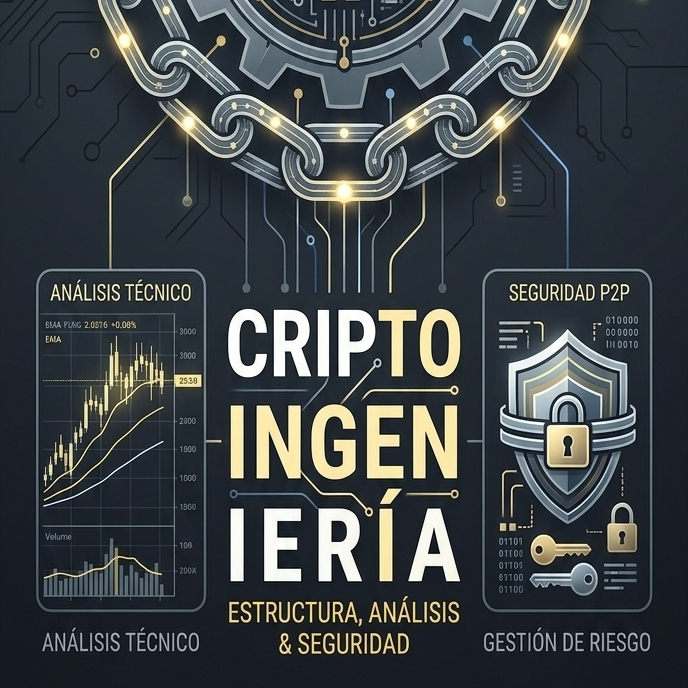
🚨 Blase in Sicht? Was uns Michael Burry heute lehrt
Michael Burry vergleicht den aktuellen Markt mit den Monaten vor der Dotcom-Blase im Jahr 2000. Angesichts der Vorsicht eines großen Players gerät der wahre Trader nicht in Panik:
er bereitet seine Strategie vor. 🧠
Kein Asset steigt in gerader Linie. Die Korrekturen räumen den übermäßigen Hebel auf. Worauf sollten wir im Chart achten? 👇
📉 Der technische Ansatz:
Wichtige Unterstützungszonen: Rate nicht den Boden. Warte auf Reaktionen an institutionellen Niveaus oder wichtigen gleitenden Durchschnitten (siehe angehängtes Chart 📊).
Momentum messen: Überwache das Volumen, um zu sehen, ob es sich um eine gesunde Korrektur oder einen strukturellen Wandel handelt.
🛡️ Dein Schild: Risikomanagement
1. Passe deine Stops an: Bei hoher Volatilität ohne technischen Stop Loss zu traden ist Glücksspiel, kein Trading.
2. Kapital schützen: Wenn die Unterstützungen brechen, hat die Liquidität das Sagen. Stablecoins und flexible Renditen schützen deine Kaufkraft.
Der Markt belohnt Disziplin, nicht Euphorie.
Ist es eine gesunde Korrektur oder der Beginn eines größeren Rückgangs? Ich lese euch unten! 👇
#Marktanalyse #KryptoTrading #RiskManagement #MichaelBurry #BTC #TradingStrategie
🚨 Blase in Sicht? Was uns Michael Burry heute lehrt
Michael Burry vergleicht den aktuellen Markt mit den Monaten vor der Dotcom-Blase im Jahr 2000. Angesichts der Vorsicht eines großen Players gerät der wahre Trader nicht in Panik:
er bereitet seine Strategie vor. 🧠
Kein Asset steigt in gerader Linie. Die Korrekturen räumen den übermäßigen Hebel auf. Worauf sollten wir im Chart achten? 👇
📉 Der technische Ansatz:
Wichtige Unterstützungszonen: Rate nicht den Boden. Warte auf Reaktionen an institutionellen Niveaus oder wichtigen gleitenden Durchschnitten (siehe angehängtes Chart 📊).
Momentum messen: Überwache das Volumen, um zu sehen, ob es sich um eine gesunde Korrektur oder einen strukturellen Wandel handelt.
🛡️ Dein Schild: Risikomanagement
1. Passe deine Stops an: Bei hoher Volatilität ohne technischen Stop Loss zu traden ist Glücksspiel, kein Trading.
2. Kapital schützen: Wenn die Unterstützungen brechen, hat die Liquidität das Sagen. Stablecoins und flexible Renditen schützen deine Kaufkraft.
Der Markt belohnt Disziplin, nicht Euphorie.
Ist es eine gesunde Korrektur oder der Beginn eines größeren Rückgangs? Ich lese euch unten! 👇
#Marktanalyse #KryptoTrading #RiskManagement #MichaelBurry #BTC #TradingStrategie
Michael Burry vergleicht den aktuellen Markt mit den Monaten vor der Dotcom-Blase im Jahr 2000. Angesichts der Vorsicht eines großen Players gerät der wahre Trader nicht in Panik:
er bereitet seine Strategie vor. 🧠
Kein Asset steigt in gerader Linie. Die Korrekturen räumen den übermäßigen Hebel auf. Worauf sollten wir im Chart achten? 👇
📉 Der technische Ansatz:
Wichtige Unterstützungszonen: Rate nicht den Boden. Warte auf Reaktionen an institutionellen Niveaus oder wichtigen gleitenden Durchschnitten (siehe angehängtes Chart 📊).
Momentum messen: Überwache das Volumen, um zu sehen, ob es sich um eine gesunde Korrektur oder einen strukturellen Wandel handelt.
🛡️ Dein Schild: Risikomanagement
1. Passe deine Stops an: Bei hoher Volatilität ohne technischen Stop Loss zu traden ist Glücksspiel, kein Trading.
2. Kapital schützen: Wenn die Unterstützungen brechen, hat die Liquidität das Sagen. Stablecoins und flexible Renditen schützen deine Kaufkraft.
Der Markt belohnt Disziplin, nicht Euphorie.
Ist es eine gesunde Korrektur oder der Beginn eines größeren Rückgangs? Ich lese euch unten! 👇
#Marktanalyse #KryptoTrading #RiskManagement #MichaelBurry #BTC #TradingStrategie
3
1
210

·
--
Bärisch
Verifiziert
📉 $TSLA ist seit dem 30. Juni, als Michael Burry seine bärische Position offengelegt hat, um 24% gefallen.
Der Rückgang hat die Debatte neu entfacht, ob der berühmte Investor den Schritt richtig vorausgesehen hat – oder ob er lediglich von einem Markt profitiert hat, der bereits an Dynamik verloren hatte.
Teslas Schwäche wird nicht von einem einzigen Ereignis allein getrieben.
Anleger wägen eine sich verlangsamende Nachfrage nach Elektrofahrzeugen, zunehmenden Wettbewerb, Margendruck und breitere Bedenken hinsichtlich von Tech-Aktien mit hohem Wachstumspotenzial ab.
Michael Burrys Short-Position hat der bärischen Erzählung zusätzlichen Auftrieb gegeben, doch der Kursrückgang der Aktie spiegelt auch eine wachsende Vorsicht gegenüber Unternehmen mit Premium-Bewertungen wider.
Trotz des jüngsten Abverkaufs bleibt Tesla eines der einflussreichsten Unternehmen in den Bereichen E-Mobilität und KI.
Der nächste große Auslöser wird voraussichtlich aus den Quartalszahlen, den Auslieferungszahlen und Updates zu seiner KI- und autonomen-Fahrstrategie kommen.
Für den Moment haben die Bären die Dynamik.
Die Frage ist, ob dies der Beginn einer tieferen Korrektur ist – oder eine weitere Gelegenheit für langfristige Investoren, sich einzudecken.
Liegt Michael Burry diesmal mit Tesla richtig, oder wird $TSLA stage schon wieder einen Comeback starten, wie so oft zuvor? 👇
#Tesla #TSLA #Stocks #Investing #MichaelBurry
📉 $TSLA ist seit dem 30. Juni, als Michael Burry seine bärische Position offengelegt hat, um 24% gefallen.
Der Rückgang hat die Debatte neu entfacht, ob der berühmte Investor den Schritt richtig vorausgesehen hat – oder ob er lediglich von einem Markt profitiert hat, der bereits an Dynamik verloren hatte.
Teslas Schwäche wird nicht von einem einzigen Ereignis allein getrieben.
Anleger wägen eine sich verlangsamende Nachfrage nach Elektrofahrzeugen, zunehmenden Wettbewerb, Margendruck und breitere Bedenken hinsichtlich von Tech-Aktien mit hohem Wachstumspotenzial ab.
Michael Burrys Short-Position hat der bärischen Erzählung zusätzlichen Auftrieb gegeben, doch der Kursrückgang der Aktie spiegelt auch eine wachsende Vorsicht gegenüber Unternehmen mit Premium-Bewertungen wider.
Trotz des jüngsten Abverkaufs bleibt Tesla eines der einflussreichsten Unternehmen in den Bereichen E-Mobilität und KI.
Der nächste große Auslöser wird voraussichtlich aus den Quartalszahlen, den Auslieferungszahlen und Updates zu seiner KI- und autonomen-Fahrstrategie kommen.
Für den Moment haben die Bären die Dynamik.
Die Frage ist, ob dies der Beginn einer tieferen Korrektur ist – oder eine weitere Gelegenheit für langfristige Investoren, sich einzudecken.
Liegt Michael Burry diesmal mit Tesla richtig, oder wird $TSLA stage schon wieder einen Comeback starten, wie so oft zuvor? 👇
#Tesla #TSLA #Stocks #Investing #MichaelBurry
Der Rückgang hat die Debatte neu entfacht, ob der berühmte Investor den Schritt richtig vorausgesehen hat – oder ob er lediglich von einem Markt profitiert hat, der bereits an Dynamik verloren hatte.
Teslas Schwäche wird nicht von einem einzigen Ereignis allein getrieben.
Anleger wägen eine sich verlangsamende Nachfrage nach Elektrofahrzeugen, zunehmenden Wettbewerb, Margendruck und breitere Bedenken hinsichtlich von Tech-Aktien mit hohem Wachstumspotenzial ab.
Michael Burrys Short-Position hat der bärischen Erzählung zusätzlichen Auftrieb gegeben, doch der Kursrückgang der Aktie spiegelt auch eine wachsende Vorsicht gegenüber Unternehmen mit Premium-Bewertungen wider.
Trotz des jüngsten Abverkaufs bleibt Tesla eines der einflussreichsten Unternehmen in den Bereichen E-Mobilität und KI.
Der nächste große Auslöser wird voraussichtlich aus den Quartalszahlen, den Auslieferungszahlen und Updates zu seiner KI- und autonomen-Fahrstrategie kommen.
Für den Moment haben die Bären die Dynamik.
Die Frage ist, ob dies der Beginn einer tieferen Korrektur ist – oder eine weitere Gelegenheit für langfristige Investoren, sich einzudecken.
Liegt Michael Burry diesmal mit Tesla richtig, oder wird $TSLA stage schon wieder einen Comeback starten, wie so oft zuvor? 👇
#Tesla #TSLA #Stocks #Investing #MichaelBurry
1
2.3k
Anmelden und weiter Inhalte entdecken
Krypto-Nutzer weltweit auf Binance Square kennenlernen
⚡️ Bleib in Sachen Krypto stets am Puls.
💬 Die weltgrößte Kryptobörse vertraut darauf.
👍 Erhalte verlässliche Einblicke von verifizierten Creators.
E-Mail-Adresse/Telefonnummer
Trendthemen
1
#ElSalvadorBitcoinHoldingsSurpass7800BTC
3,586 Aufrufe
117 Kommentare
2
#BitcoinSurpasses$82K
19,001 Aufrufe
75 Kommentare
3
#FranceNationalAssemblyPassesCryptoToStablecoinTaxAmendment
42 Aufrufe
50 Kommentare
4
#DeepSeekReleasesUpdatedAIModel
35,910 Aufrufe
469 Kommentare
5
#CelestiaRises16%To2026High
285,891 Aufrufe
1,718 Kommentare
6
#NasdaqDowWeeklyGapWidestSinceJuly2002
145,255 Aufrufe
1,264 Kommentare
7
#Nasdaq100Falls5.5%InWorstWeekIn18Months
69,587 Aufrufe
893 Kommentare
8
#StrategySharesFall9%OnFriday
95,144 Aufrufe
829 Kommentare
9
#USPPIRises6.3%YearOverYear
138,382 Aufrufe
1,017 Kommentare
10
#CelestiaLaunchesEdenToTestAIAgentTrading
80,358 Aufrufe
873 Kommentare