
#marketpullback
marketpullback
310.2M Aufrufe
533,696 Kommentare
Hot
Zuletzt


·
--
#MarketPullback Während die Spannungen zwischen den USA und dem Iran weiter eskalieren, sehen sich BTC und wichtige Altcoins jetzt Rückgängen gegenüber. BTC ist unter 70.000 $ gefallen und die Öl- und Gaspreise steigen weltweit weiter. Glauben Sie, dass die kommende Woche die Kryptowährungen wieder bullisch machen wird oder wird der bärische Zyklus fortgesetzt?
#MarketPullback Während die Spannungen zwischen den USA und dem Iran weiter eskalieren, sehen sich BTC und wichtige Altcoins jetzt Rückgängen gegenüber. BTC ist unter 70.000 $ gefallen und die Öl- und Gaspreise steigen weltweit weiter. Glauben Sie, dass die kommende Woche die Kryptowährungen wieder bullisch machen wird oder wird der bärische Zyklus fortgesetzt?
Bullish rebound incoming
51%
Bearish continuation
44%
Other views (leave comments!)
5%
139 Stimmen • Abstimmung beendet
2
16
3.2k

·
--
🚨 $COIN $MSTR $CRCL SLIDE IN PRE‑MARKET 🐻
📉 Pre‑Market‑Daten zeigen unter Druck stehende crypto‑verbundene Aktien: $COIN down um 0,46% und $MSTR slipping um 0,66%. Der Verkaufsdruck spiegelt eine breitere Risk‑off‑Welle wider und deutet darauf hin, dass „Smart‑Money“-Wale möglicherweise Liquidität abstoßen, noch bevor der nächste Katalysator ansteht. 📊 Das Volumen steigt bei den Kursrückgängen deutlich, und der Order‑Flow zeigt, dass sich über den gesamten Markt hinweg ein Short‑Bias aufbaut. 🦈
💬 Ziehst du deine Stops enger oder jagst du die nächste Erholung bei diesen Aktien? 👇
⚠️ Keine Finanzberatung. Immer dein Risiko managen. 🛡️
🏷️ #COIN #ShortSetup #CryptoStocks #MarketPullback
🔥 💎
🚨 $COIN $MSTR $CRCL SLIDE IN PRE‑MARKET 🐻
📉 Pre‑Market‑Daten zeigen unter Druck stehende crypto‑verbundene Aktien: $COIN down um 0,46% und $MSTR slipping um 0,66%. Der Verkaufsdruck spiegelt eine breitere Risk‑off‑Welle wider und deutet darauf hin, dass „Smart‑Money“-Wale möglicherweise Liquidität abstoßen, noch bevor der nächste Katalysator ansteht. 📊 Das Volumen steigt bei den Kursrückgängen deutlich, und der Order‑Flow zeigt, dass sich über den gesamten Markt hinweg ein Short‑Bias aufbaut. 🦈
💬 Ziehst du deine Stops enger oder jagst du die nächste Erholung bei diesen Aktien? 👇
⚠️ Keine Finanzberatung. Immer dein Risiko managen. 🛡️
🏷️ #COIN #ShortSetup #CryptoStocks #MarketPullback
🔥 💎
📉 Pre‑Market‑Daten zeigen unter Druck stehende crypto‑verbundene Aktien: $COIN down um 0,46% und $MSTR slipping um 0,66%. Der Verkaufsdruck spiegelt eine breitere Risk‑off‑Welle wider und deutet darauf hin, dass „Smart‑Money“-Wale möglicherweise Liquidität abstoßen, noch bevor der nächste Katalysator ansteht. 📊 Das Volumen steigt bei den Kursrückgängen deutlich, und der Order‑Flow zeigt, dass sich über den gesamten Markt hinweg ein Short‑Bias aufbaut. 🦈
💬 Ziehst du deine Stops enger oder jagst du die nächste Erholung bei diesen Aktien? 👇
⚠️ Keine Finanzberatung. Immer dein Risiko managen. 🛡️
🏷️ #COIN #ShortSetup #CryptoStocks #MarketPullback
🔥 💎
83

{future}(BTCUSDT)
Drei Zurückweisungen bei 82.000 US-Dollar — und jetzt sind wir wieder bei 78.282 US-Dollar.
Das ist im Moment die nützlichste Information aus dem $BTC-Chart.
Als ich mit dem Trading begonnen habe, habe ich wiederholte Zurückweisungen so gelesen, dass „es gleich ausbricht“. Meistens bedeutet das Gegenteil: Verkäufer sind auf einem bekannten Level geparkt und werden jedes einzelne Mal ausgefüllt, wenn der Preis zu ihnen zurückkommt. Die Zurückweisung bei 82K hat ihren Job gemacht, und hier sind wir — 4% tiefer.
Aber: Blick weiter raus. $BTC liegt rund 21% über dem Tief vom 7. August. Das ist eine Spanne, kein Breakdown — zumindest noch nicht.
Auch der Kontext ist wichtig. $ETH hinkt bei der Erholung $BTC hinterher, was dir sagt, dass die Rotation in Altcoins noch nicht begonnen hat. $BNB und der Rest handeln als reines BTC-Beta. Das ist keine Krypto-Story. Bei wieder auf knapp 60% liegenden Zinserhöhungs-Wahrscheinlichkeiten für September und noch ausstehenden CPI-Daten handelt der gesamte Markt vor allem makroökonomisch.
Mein Plan ist also simpel: 82K ist das Breakout-Level, das August-Tief ist die Invalidierung. Beides ist handelbar. Das „Chop“ dazwischen ist es nicht.
Wo stehst du positioniert?
DYOR — keine finanzielle Beratung.
#BTC #MarketPullback #CPIWatch✨ #FedRateCut
Drei Zurückweisungen bei 82.000 US-Dollar — und jetzt sind wir wieder bei 78.282 US-Dollar.
Das ist im Moment die nützlichste Information aus dem $BTC-Chart.
Als ich mit dem Trading begonnen habe, habe ich wiederholte Zurückweisungen so gelesen, dass „es gleich ausbricht“. Meistens bedeutet das Gegenteil: Verkäufer sind auf einem bekannten Level geparkt und werden jedes einzelne Mal ausgefüllt, wenn der Preis zu ihnen zurückkommt. Die Zurückweisung bei 82K hat ihren Job gemacht, und hier sind wir — 4% tiefer.
Aber: Blick weiter raus. $BTC liegt rund 21% über dem Tief vom 7. August. Das ist eine Spanne, kein Breakdown — zumindest noch nicht.
Auch der Kontext ist wichtig. $ETH hinkt bei der Erholung $BTC hinterher, was dir sagt, dass die Rotation in Altcoins noch nicht begonnen hat. $BNB und der Rest handeln als reines BTC-Beta. Das ist keine Krypto-Story. Bei wieder auf knapp 60% liegenden Zinserhöhungs-Wahrscheinlichkeiten für September und noch ausstehenden CPI-Daten handelt der gesamte Markt vor allem makroökonomisch.
Mein Plan ist also simpel: 82K ist das Breakout-Level, das August-Tief ist die Invalidierung. Beides ist handelbar. Das „Chop“ dazwischen ist es nicht.
Wo stehst du positioniert?
DYOR — keine finanzielle Beratung.
#BTC #MarketPullback #CPIWatch✨ #FedRateCut
Das ist im Moment die nützlichste Information aus dem $BTC-Chart.
Als ich mit dem Trading begonnen habe, habe ich wiederholte Zurückweisungen so gelesen, dass „es gleich ausbricht“. Meistens bedeutet das Gegenteil: Verkäufer sind auf einem bekannten Level geparkt und werden jedes einzelne Mal ausgefüllt, wenn der Preis zu ihnen zurückkommt. Die Zurückweisung bei 82K hat ihren Job gemacht, und hier sind wir — 4% tiefer.
Aber: Blick weiter raus. $BTC liegt rund 21% über dem Tief vom 7. August. Das ist eine Spanne, kein Breakdown — zumindest noch nicht.
Auch der Kontext ist wichtig. $ETH hinkt bei der Erholung $BTC hinterher, was dir sagt, dass die Rotation in Altcoins noch nicht begonnen hat. $BNB und der Rest handeln als reines BTC-Beta. Das ist keine Krypto-Story. Bei wieder auf knapp 60% liegenden Zinserhöhungs-Wahrscheinlichkeiten für September und noch ausstehenden CPI-Daten handelt der gesamte Markt vor allem makroökonomisch.
Mein Plan ist also simpel: 82K ist das Breakout-Level, das August-Tief ist die Invalidierung. Beides ist handelbar. Das „Chop“ dazwischen ist es nicht.
Wo stehst du positioniert?
DYOR — keine finanzielle Beratung.
#BTC #MarketPullback #CPIWatch✨ #FedRateCut
396

$PAXG POSTS 3,24% WOCHENTLICHER DRAWDOWN ALS MAKRO-SELLER TESTEN WICHTIGEN SUPPORT 📊
Gold hat gerade einen wöchentlichen Drawdown von 3,24% absorbiert, während Gewinnmitnahmen über Makro-Assets hinwegfegten. Sich verändernde Zinserwartungen und die Stärke des USD zwangen zu einem schnellen Abbau stark gehebelter Positionen und drückten Kursmetriken direkt in einen großen Liquiditäts-Cluster.
Statistisch gesehen bestimmt der Order-Flow an diesem entscheidenden Wendepunkt die nächste Entwicklung. Wenn hier das verbleibende Sell-Side-Volumen absorbiert wird, entsteht ein positives EV-Setup für eine taktische Erholung; wenn der Support jedoch nicht verteidigt wird, verschiebt sich die Wahrscheinlichkeit hin dazu, niedrigere Nachfragezonen zu testen. Führst du auf diesen Rücksetzer eine Kauforder aus oder wartest du darauf, dass der Verkäufer-Momentum erschöpft?
Keine Finanzberatung. Verwalt immer dein Risiko.
#PAXG #Gold #MarketPullback #Macro
Daten rein. Entscheidungen raus.
$PAXG POSTS 3,24% WOCHENTLICHER DRAWDOWN ALS MAKRO-SELLER TESTEN WICHTIGEN SUPPORT 📊
Gold hat gerade einen wöchentlichen Drawdown von 3,24% absorbiert, während Gewinnmitnahmen über Makro-Assets hinwegfegten. Sich verändernde Zinserwartungen und die Stärke des USD zwangen zu einem schnellen Abbau stark gehebelter Positionen und drückten Kursmetriken direkt in einen großen Liquiditäts-Cluster.
Statistisch gesehen bestimmt der Order-Flow an diesem entscheidenden Wendepunkt die nächste Entwicklung. Wenn hier das verbleibende Sell-Side-Volumen absorbiert wird, entsteht ein positives EV-Setup für eine taktische Erholung; wenn der Support jedoch nicht verteidigt wird, verschiebt sich die Wahrscheinlichkeit hin dazu, niedrigere Nachfragezonen zu testen. Führst du auf diesen Rücksetzer eine Kauforder aus oder wartest du darauf, dass der Verkäufer-Momentum erschöpft?
Keine Finanzberatung. Verwalt immer dein Risiko.
#PAXG #Gold #MarketPullback #Macro
Daten rein. Entscheidungen raus.
Gold hat gerade einen wöchentlichen Drawdown von 3,24% absorbiert, während Gewinnmitnahmen über Makro-Assets hinwegfegten. Sich verändernde Zinserwartungen und die Stärke des USD zwangen zu einem schnellen Abbau stark gehebelter Positionen und drückten Kursmetriken direkt in einen großen Liquiditäts-Cluster.
Statistisch gesehen bestimmt der Order-Flow an diesem entscheidenden Wendepunkt die nächste Entwicklung. Wenn hier das verbleibende Sell-Side-Volumen absorbiert wird, entsteht ein positives EV-Setup für eine taktische Erholung; wenn der Support jedoch nicht verteidigt wird, verschiebt sich die Wahrscheinlichkeit hin dazu, niedrigere Nachfragezonen zu testen. Führst du auf diesen Rücksetzer eine Kauforder aus oder wartest du darauf, dass der Verkäufer-Momentum erschöpft?
Keine Finanzberatung. Verwalt immer dein Risiko.
#PAXG #Gold #MarketPullback #Macro
Daten rein. Entscheidungen raus.
52

🚨 $BTC SPÜLT UNTER 77K, WÄHREND SICH DIE ALTCOIN-LIQUIDITÄT VORSAMMELT UND MARKTWEITES CHAOS ENTESCHLEIßT! 🩸
Wenn der König stolpert, blutet zuerst das High-Beta-Ökosystem. 📉 $BTC Das Aufgeben der Marke von 77.000 US-Dollar löste eine Kettenreaktion von Stopps über Altcoins aus und ließ Tokens wie $TAC um 40% innerhalb eines brutalen Liquidationszyklus von 24 Stunden abstürzen. 🩸
Smartes Geld betrachtet diese heftigen Flush-Events als klassische Re-Accumulation-Jagden, sobald sich der Orderflow stabilisiert. 📊 Panikverkäufer werfen bei den Tiefs ab, während große Kauforders tiefer warten, um das erzwungene Verkaufen aufzufangen. 🔍
Fängst du hier fallende Messer auf oder wartest du darauf, dass $BTC einen sauberen strukturellen Reclaim druckt? 👇
⚠️ Keine Finanzberatung. Steuere immer dein Risiko. 🛡️
🏷️ #BTC #Altcoins #MarketPullback #Crypto
🐻 🩸
🚨 $BTC SPÜLT UNTER 77K, WÄHREND SICH DIE ALTCOIN-LIQUIDITÄT VORSAMMELT UND MARKTWEITES CHAOS ENTESCHLEIßT! 🩸
Wenn der König stolpert, blutet zuerst das High-Beta-Ökosystem. 📉 $BTC Das Aufgeben der Marke von 77.000 US-Dollar löste eine Kettenreaktion von Stopps über Altcoins aus und ließ Tokens wie $TAC um 40% innerhalb eines brutalen Liquidationszyklus von 24 Stunden abstürzen. 🩸
Smartes Geld betrachtet diese heftigen Flush-Events als klassische Re-Accumulation-Jagden, sobald sich der Orderflow stabilisiert. 📊 Panikverkäufer werfen bei den Tiefs ab, während große Kauforders tiefer warten, um das erzwungene Verkaufen aufzufangen. 🔍
Fängst du hier fallende Messer auf oder wartest du darauf, dass $BTC einen sauberen strukturellen Reclaim druckt? 👇
⚠️ Keine Finanzberatung. Steuere immer dein Risiko. 🛡️
🏷️ #BTC #Altcoins #MarketPullback #Crypto
🐻 🩸
Wenn der König stolpert, blutet zuerst das High-Beta-Ökosystem. 📉 $BTC Das Aufgeben der Marke von 77.000 US-Dollar löste eine Kettenreaktion von Stopps über Altcoins aus und ließ Tokens wie $TAC um 40% innerhalb eines brutalen Liquidationszyklus von 24 Stunden abstürzen. 🩸
Smartes Geld betrachtet diese heftigen Flush-Events als klassische Re-Accumulation-Jagden, sobald sich der Orderflow stabilisiert. 📊 Panikverkäufer werfen bei den Tiefs ab, während große Kauforders tiefer warten, um das erzwungene Verkaufen aufzufangen. 🔍
Fängst du hier fallende Messer auf oder wartest du darauf, dass $BTC einen sauberen strukturellen Reclaim druckt? 👇
⚠️ Keine Finanzberatung. Steuere immer dein Risiko. 🛡️
🏷️ #BTC #Altcoins #MarketPullback #Crypto
🐻 🩸
162
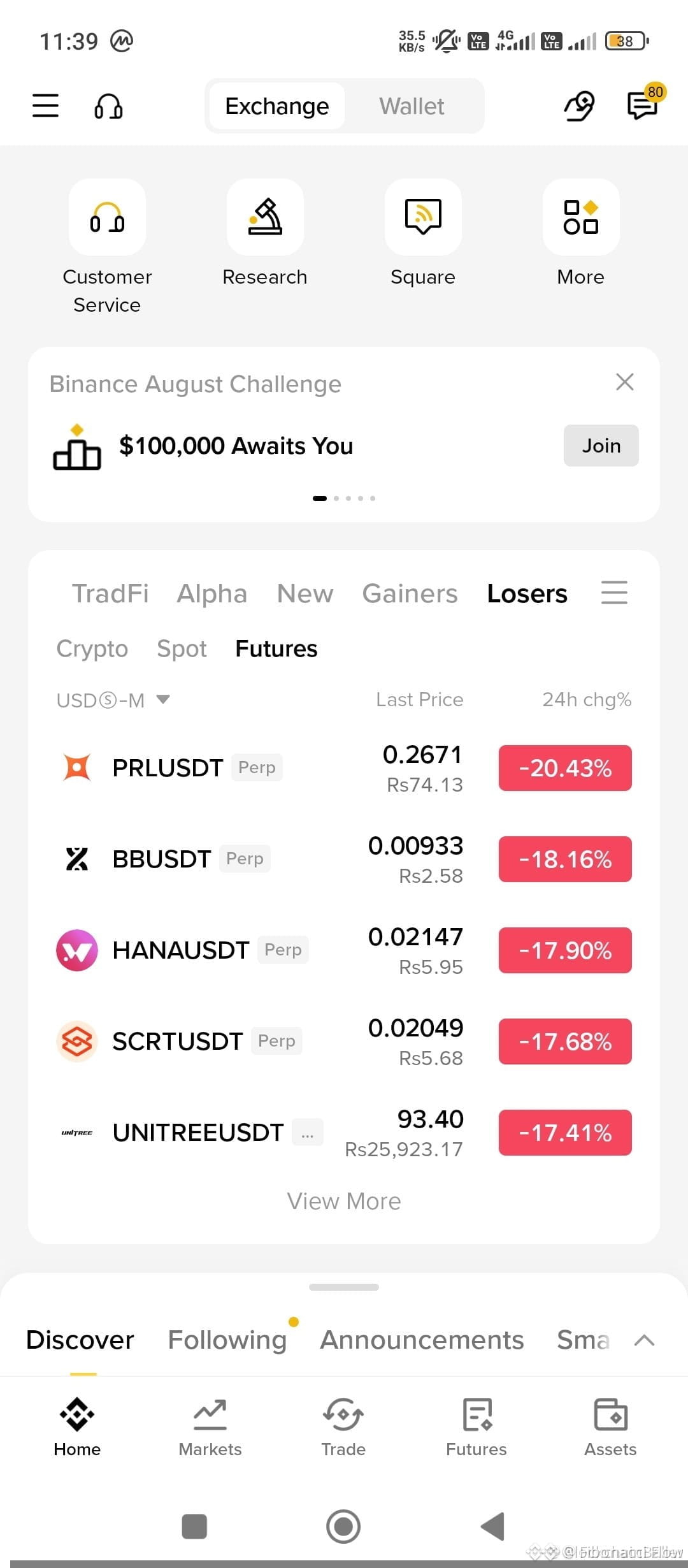
🚨 DUMP DAY AUF ALT-FUTURES: $PRL UND $BB IN DIE LIQUIDITÄTSABSCHÖPFUNG BEFÖRDERN! 📉
Verkäufer hämmern heute hart auf High-Beta-Futures ein und drücken $PRL um über 20% nach unten, während $BB und $HANA direkt durch kurzfristige Nachfragezonen schneiden. 📊 Lange Liquidationen wälzen sich über das Orderbuch hinweg, während aggressive Market Orders Stops jagen, die unter den jüngsten Swing-Lows liegen.
Wenn aggressive Margin-Unwinds gleichzeitig bei diesen Momentum-Tokens einschlagen, zieht sich die institutionelle Kaufkraft meist erst zurück, bis die Funding Rates überhebelte Longs durchgespült haben. 🌊 Behalte die Volumen-Aufnahme nahe diesen unteren strukturellen Grenzen im Blick, bevor du nach Erleichterungs-Setups suchst.
💡 Fängst du hier fallende Messer in diesem Flush, oder wartest du auf eine saubere Rückeroberung der gebrochenen Unterstützung? 👇
⚠️ Keine Finanzberatung. Risikomanagement nicht vergessen. 🛡️
🏷️ #PRL #Altcoins #MarketPullback #Crypto
🐻 🩸
🚨 DUMP DAY AUF ALT-FUTURES: $PRL UND $BB IN DIE LIQUIDITÄTSABSCHÖPFUNG BEFÖRDERN! 📉
Verkäufer hämmern heute hart auf High-Beta-Futures ein und drücken $PRL um über 20% nach unten, während $BB und $HANA direkt durch kurzfristige Nachfragezonen schneiden. 📊 Lange Liquidationen wälzen sich über das Orderbuch hinweg, während aggressive Market Orders Stops jagen, die unter den jüngsten Swing-Lows liegen.
Wenn aggressive Margin-Unwinds gleichzeitig bei diesen Momentum-Tokens einschlagen, zieht sich die institutionelle Kaufkraft meist erst zurück, bis die Funding Rates überhebelte Longs durchgespült haben. 🌊 Behalte die Volumen-Aufnahme nahe diesen unteren strukturellen Grenzen im Blick, bevor du nach Erleichterungs-Setups suchst.
💡 Fängst du hier fallende Messer in diesem Flush, oder wartest du auf eine saubere Rückeroberung der gebrochenen Unterstützung? 👇
⚠️ Keine Finanzberatung. Risikomanagement nicht vergessen. 🛡️
🏷️ #PRL #Altcoins #MarketPullback #Crypto
🐻 🩸
Verkäufer hämmern heute hart auf High-Beta-Futures ein und drücken $PRL um über 20% nach unten, während $BB und $HANA direkt durch kurzfristige Nachfragezonen schneiden. 📊 Lange Liquidationen wälzen sich über das Orderbuch hinweg, während aggressive Market Orders Stops jagen, die unter den jüngsten Swing-Lows liegen.
Wenn aggressive Margin-Unwinds gleichzeitig bei diesen Momentum-Tokens einschlagen, zieht sich die institutionelle Kaufkraft meist erst zurück, bis die Funding Rates überhebelte Longs durchgespült haben. 🌊 Behalte die Volumen-Aufnahme nahe diesen unteren strukturellen Grenzen im Blick, bevor du nach Erleichterungs-Setups suchst.
💡 Fängst du hier fallende Messer in diesem Flush, oder wartest du auf eine saubere Rückeroberung der gebrochenen Unterstützung? 👇
⚠️ Keine Finanzberatung. Risikomanagement nicht vergessen. 🛡️
🏷️ #PRL #Altcoins #MarketPullback #Crypto
🐻 🩸
179

🚨 $YUSHU KÜHLT AB NACH EINEM ERSCHÜTTERNDEN ANSTIEG VON 460 PROZENT, UM EINE BEWERTUNG VON 298B ZU ERREICHEN! 🔻
Nachdem $YUSHU in einer einzigen Sitzung eine atemberaubende vertikale Expansion von 460% gedruckt hatte, ging es mit einem scharfen Pullback von 15,01% an den Markt. 📊 Starker Gewinnmitnahmen setzt sich durch, während die Bewertung nach dem gestrigen manischen Ansturm rund um die Marke von 298,09 Milliarden US-Dollar zur Ruhe kommt.
Wenn vertikale, parabolische Bewegungen auf aggressive Eröffnungs-Abverkäufe treffen, wartet intelligentes Geld typischerweise, bis sich die Order-Flow-Struktur stabilisiert, bevor es wieder einsteigt. 🔍 Frühe aggressive Verfolgungen werden bestraft, während geduldige Augen nach der Re-Akkumulationsbasis suchen.
💬 Lässt du die Volatilität sich beruhigen, bevor du eine Position einnimmst, oder wettet du gegen diese Kurslücke? 👇
⚠️ Keine Finanzberatung. Immer dein Risiko managen. 🛡️
🏷️ #YUSHU #MarketPullback #StockMarket #Volatility
📉 🦈
🚨 $YUSHU KÜHLT AB NACH EINEM ERSCHÜTTERNDEN ANSTIEG VON 460 PROZENT, UM EINE BEWERTUNG VON 298B ZU ERREICHEN! 🔻
Nachdem $YUSHU in einer einzigen Sitzung eine atemberaubende vertikale Expansion von 460% gedruckt hatte, ging es mit einem scharfen Pullback von 15,01% an den Markt. 📊 Starker Gewinnmitnahmen setzt sich durch, während die Bewertung nach dem gestrigen manischen Ansturm rund um die Marke von 298,09 Milliarden US-Dollar zur Ruhe kommt.
Wenn vertikale, parabolische Bewegungen auf aggressive Eröffnungs-Abverkäufe treffen, wartet intelligentes Geld typischerweise, bis sich die Order-Flow-Struktur stabilisiert, bevor es wieder einsteigt. 🔍 Frühe aggressive Verfolgungen werden bestraft, während geduldige Augen nach der Re-Akkumulationsbasis suchen.
💬 Lässt du die Volatilität sich beruhigen, bevor du eine Position einnimmst, oder wettet du gegen diese Kurslücke? 👇
⚠️ Keine Finanzberatung. Immer dein Risiko managen. 🛡️
🏷️ #YUSHU #MarketPullback #StockMarket #Volatility
📉 🦈
Nachdem $YUSHU in einer einzigen Sitzung eine atemberaubende vertikale Expansion von 460% gedruckt hatte, ging es mit einem scharfen Pullback von 15,01% an den Markt. 📊 Starker Gewinnmitnahmen setzt sich durch, während die Bewertung nach dem gestrigen manischen Ansturm rund um die Marke von 298,09 Milliarden US-Dollar zur Ruhe kommt.
Wenn vertikale, parabolische Bewegungen auf aggressive Eröffnungs-Abverkäufe treffen, wartet intelligentes Geld typischerweise, bis sich die Order-Flow-Struktur stabilisiert, bevor es wieder einsteigt. 🔍 Frühe aggressive Verfolgungen werden bestraft, während geduldige Augen nach der Re-Akkumulationsbasis suchen.
💬 Lässt du die Volatilität sich beruhigen, bevor du eine Position einnimmst, oder wettet du gegen diese Kurslücke? 👇
⚠️ Keine Finanzberatung. Immer dein Risiko managen. 🛡️
🏷️ #YUSHU #MarketPullback #StockMarket #Volatility
📉 🦈
8
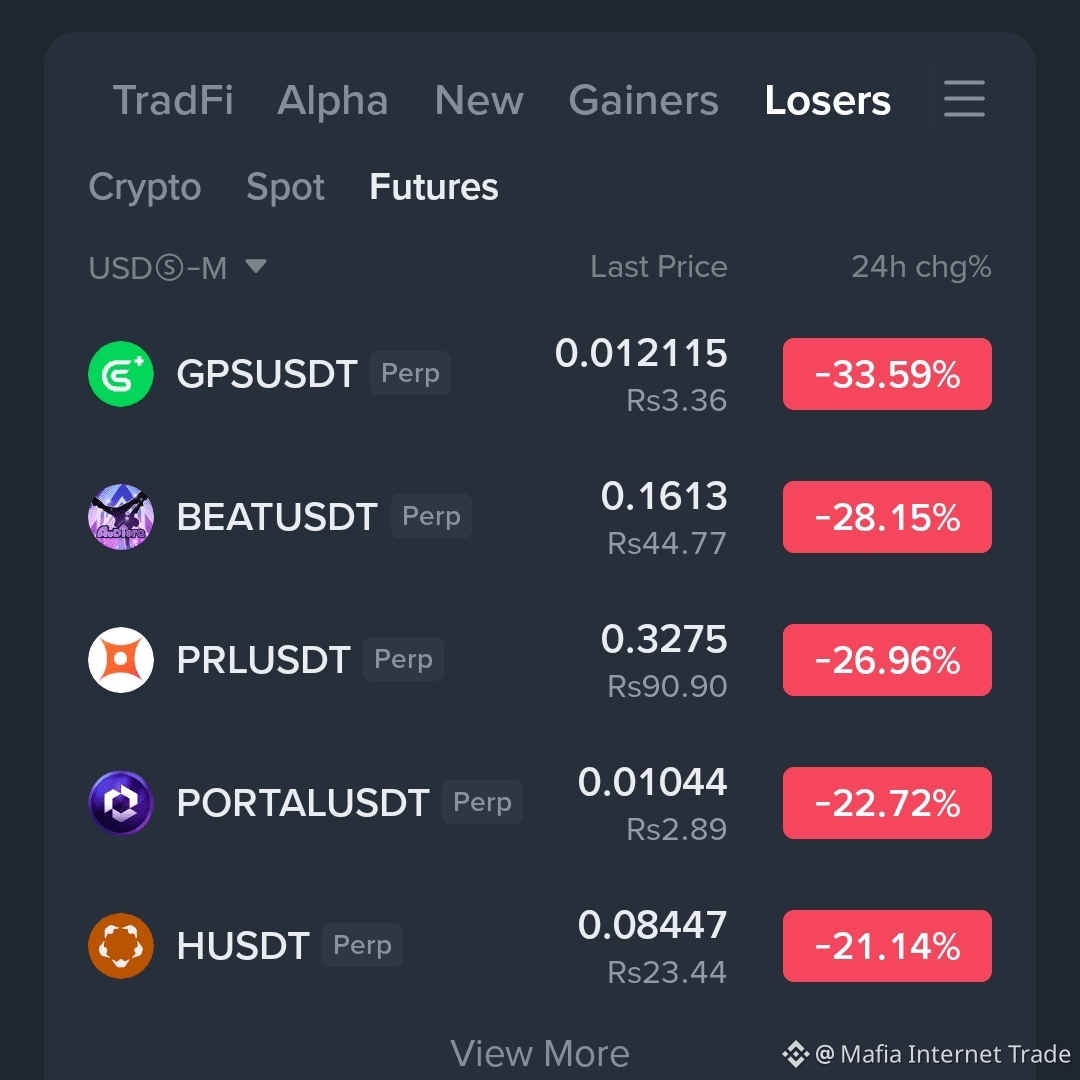
🚨 BÄREN ÜBERNEHMEN DIE TOTALE KONTROLLE, WÄHREND $GPS LEADS ZU EINEM VIOLENTEN ALTCOIN-ABFLUSS FÜHRT! 📉
Der Verkaufsdruck reißt heute durch schwache Hände, während Short-Orders quer über alles gestapelt werden. 📊 $GPS führt das Gemetzel nach unten um 33%, während die Kollateralschäden sich schnell auf $BEAT und $PORTAL ausbreiten, da Liquiditätspools vollständig geleert werden.
📉 Smart Money sitzt still und lässt die Liquidations-Kaskaden erst ablaufen, bevor es auf eine strukturelle Rückeroberung achtet. 💡 Momente wie dieser trennen Impuls-Panik von disziplinierter Ausführung, wenn man nach Kapitulations-Wicks sucht. 🤔 Fängst du gerade Messer, oder wartest du auf bestätigte Käufer-Aufnahme? 👇
⚠️ Keine Finanzberatung. Manage immer dein Risiko. 🛡️
🏷️ #GPS #Altcoins #MarketPullback #Crypto
🐻 🩸
🚨 BÄREN ÜBERNEHMEN DIE TOTALE KONTROLLE, WÄHREND $GPS LEADS ZU EINEM VIOLENTEN ALTCOIN-ABFLUSS FÜHRT! 📉
Der Verkaufsdruck reißt heute durch schwache Hände, während Short-Orders quer über alles gestapelt werden. 📊 $GPS führt das Gemetzel nach unten um 33%, während die Kollateralschäden sich schnell auf $BEAT und $PORTAL ausbreiten, da Liquiditätspools vollständig geleert werden.
📉 Smart Money sitzt still und lässt die Liquidations-Kaskaden erst ablaufen, bevor es auf eine strukturelle Rückeroberung achtet. 💡 Momente wie dieser trennen Impuls-Panik von disziplinierter Ausführung, wenn man nach Kapitulations-Wicks sucht. 🤔 Fängst du gerade Messer, oder wartest du auf bestätigte Käufer-Aufnahme? 👇
⚠️ Keine Finanzberatung. Manage immer dein Risiko. 🛡️
🏷️ #GPS #Altcoins #MarketPullback #Crypto
🐻 🩸
Der Verkaufsdruck reißt heute durch schwache Hände, während Short-Orders quer über alles gestapelt werden. 📊 $GPS führt das Gemetzel nach unten um 33%, während die Kollateralschäden sich schnell auf $BEAT und $PORTAL ausbreiten, da Liquiditätspools vollständig geleert werden.
📉 Smart Money sitzt still und lässt die Liquidations-Kaskaden erst ablaufen, bevor es auf eine strukturelle Rückeroberung achtet. 💡 Momente wie dieser trennen Impuls-Panik von disziplinierter Ausführung, wenn man nach Kapitulations-Wicks sucht. 🤔 Fängst du gerade Messer, oder wartest du auf bestätigte Käufer-Aufnahme? 👇
⚠️ Keine Finanzberatung. Manage immer dein Risiko. 🛡️
🏷️ #GPS #Altcoins #MarketPullback #Crypto
🐻 🩸
1
466
🚨 SCHWERER LIQUIDATIONSPROZESS ENTFESSELT SICH, WÄHREND $HYNIX EINBRICHT UND 10% VERLIERT — GRIMMT UND BRICHT DOPPELTE LONG-POSITIONEN! 📉
📊 Die Volatilität an den Aktienmärkten hat den gehebelten Bullen gerade eine brutale Realitätserkennung verpasst. Ein 10%iger Schlusskursrutsch beim südkoreanischen Tech-Riesen löste einen bösartigen Rückgang von 19,3% bei den Double-Long-Hebelprodukten aus, die an erstklassige Börsenindizes gekoppelt sind. 📉 Wenn der zugrunde liegende Momentum kippt, wird die gehebelte Exponierung zu einem Sprint nach unten durch das Orderbuch.
⚠️ Smart Money respektiert den Hebelverfall und die beschleunigte Abwärtsdynamik, bevor es wieder zurücktritt. 🔍 Liquidität wurde in diesen gehebelten Setups hart aufgesaugt — ein weiteres Mal ein Beleg dafür, warum enge Risikoparameter nicht verhandelbar sind, wenn es bei systemischen Tech-Rücksetzern kracht. 💬 Fängst du hier das fallende Messer auf oder wartest du, bis die Struktur die wichtigen Levels wieder zurückerobert? 👇
⚠️ Keine Finanzberatung. Behandle immer dein Risiko. 🛡️
🏷️ #HYNIX #LeveragedTokens #MarketPullback #RiskManagement
🚨 📉
🚨 SCHWERER LIQUIDATIONSPROZESS ENTFESSELT SICH, WÄHREND $HYNIX EINBRICHT UND 10% VERLIERT — GRIMMT UND BRICHT DOPPELTE LONG-POSITIONEN! 📉
📊 Die Volatilität an den Aktienmärkten hat den gehebelten Bullen gerade eine brutale Realitätserkennung verpasst. Ein 10%iger Schlusskursrutsch beim südkoreanischen Tech-Riesen löste einen bösartigen Rückgang von 19,3% bei den Double-Long-Hebelprodukten aus, die an erstklassige Börsenindizes gekoppelt sind. 📉 Wenn der zugrunde liegende Momentum kippt, wird die gehebelte Exponierung zu einem Sprint nach unten durch das Orderbuch.
⚠️ Smart Money respektiert den Hebelverfall und die beschleunigte Abwärtsdynamik, bevor es wieder zurücktritt. 🔍 Liquidität wurde in diesen gehebelten Setups hart aufgesaugt — ein weiteres Mal ein Beleg dafür, warum enge Risikoparameter nicht verhandelbar sind, wenn es bei systemischen Tech-Rücksetzern kracht. 💬 Fängst du hier das fallende Messer auf oder wartest du, bis die Struktur die wichtigen Levels wieder zurückerobert? 👇
⚠️ Keine Finanzberatung. Behandle immer dein Risiko. 🛡️
🏷️ #HYNIX #LeveragedTokens #MarketPullback #RiskManagement
🚨 📉
📊 Die Volatilität an den Aktienmärkten hat den gehebelten Bullen gerade eine brutale Realitätserkennung verpasst. Ein 10%iger Schlusskursrutsch beim südkoreanischen Tech-Riesen löste einen bösartigen Rückgang von 19,3% bei den Double-Long-Hebelprodukten aus, die an erstklassige Börsenindizes gekoppelt sind. 📉 Wenn der zugrunde liegende Momentum kippt, wird die gehebelte Exponierung zu einem Sprint nach unten durch das Orderbuch.
⚠️ Smart Money respektiert den Hebelverfall und die beschleunigte Abwärtsdynamik, bevor es wieder zurücktritt. 🔍 Liquidität wurde in diesen gehebelten Setups hart aufgesaugt — ein weiteres Mal ein Beleg dafür, warum enge Risikoparameter nicht verhandelbar sind, wenn es bei systemischen Tech-Rücksetzern kracht. 💬 Fängst du hier das fallende Messer auf oder wartest du, bis die Struktur die wichtigen Levels wieder zurückerobert? 👇
⚠️ Keine Finanzberatung. Behandle immer dein Risiko. 🛡️
🏷️ #HYNIX #LeveragedTokens #MarketPullback #RiskManagement
🚨 📉
127

HK-KI-SEKTOR BLENDET ROT — MINIMAX-W STÜRZT 10%+ 📉💸
Die Euphorie rund um Künstliche Intelligenz an den Hongkonger Börsen ist gerade gegen eine harte Betonwand gefahren. MINIMAX-W blutet mit zweistelligen Verlusten, während INTAGE um fast 6% nachgibt — und der Abverkauf wird breiter: Sagami und Infotmic geraten ebenfalls in den Abwärtssog.
Das ist noch kein Spielplatz für Schnäppchenjäger. Der KI-Anwendungsbereich wurde auf Perfektion bepreist, und die Verkäufer schieben nun mit Nachdruck dagegen. Wenn Momentum-Titel gleichzeitig ins Rutschen geraten, deutet das eher auf eine Kapitalrotation hin als auf eine reine Rauschkorrektur.
Die Million-Dollar-Frage: Ist das nur Panik, die schwache Hände ausspült, oder der Beginn eines tieferen Neubewertungszyklus? Wer die Börsen im Blick hat, weiß: Tech in Hongkong bewegt sich schnell — 10% tägliche Schwankungen sind hier quasi der Sport.
Wo siehst du den Sektor wieder mit Nachfrage? Schreib deinen Standpunkt unten in die Kommentare 👇
⚠️ Keine Finanzberatung. Risikomanagement nicht vergessen. 🛡️
🏷️ $MINIMAX #HKStocks #AISector #MarketPullback #CryptoAlpha
🚨📉
HK-KI-SEKTOR BLENDET ROT — MINIMAX-W STÜRZT 10%+ 📉💸
Die Euphorie rund um Künstliche Intelligenz an den Hongkonger Börsen ist gerade gegen eine harte Betonwand gefahren. MINIMAX-W blutet mit zweistelligen Verlusten, während INTAGE um fast 6% nachgibt — und der Abverkauf wird breiter: Sagami und Infotmic geraten ebenfalls in den Abwärtssog.
Das ist noch kein Spielplatz für Schnäppchenjäger. Der KI-Anwendungsbereich wurde auf Perfektion bepreist, und die Verkäufer schieben nun mit Nachdruck dagegen. Wenn Momentum-Titel gleichzeitig ins Rutschen geraten, deutet das eher auf eine Kapitalrotation hin als auf eine reine Rauschkorrektur.
Die Million-Dollar-Frage: Ist das nur Panik, die schwache Hände ausspült, oder der Beginn eines tieferen Neubewertungszyklus? Wer die Börsen im Blick hat, weiß: Tech in Hongkong bewegt sich schnell — 10% tägliche Schwankungen sind hier quasi der Sport.
Wo siehst du den Sektor wieder mit Nachfrage? Schreib deinen Standpunkt unten in die Kommentare 👇
⚠️ Keine Finanzberatung. Risikomanagement nicht vergessen. 🛡️
🏷️ $MINIMAX #HKStocks #AISector #MarketPullback #CryptoAlpha
🚨📉
Die Euphorie rund um Künstliche Intelligenz an den Hongkonger Börsen ist gerade gegen eine harte Betonwand gefahren. MINIMAX-W blutet mit zweistelligen Verlusten, während INTAGE um fast 6% nachgibt — und der Abverkauf wird breiter: Sagami und Infotmic geraten ebenfalls in den Abwärtssog.
Das ist noch kein Spielplatz für Schnäppchenjäger. Der KI-Anwendungsbereich wurde auf Perfektion bepreist, und die Verkäufer schieben nun mit Nachdruck dagegen. Wenn Momentum-Titel gleichzeitig ins Rutschen geraten, deutet das eher auf eine Kapitalrotation hin als auf eine reine Rauschkorrektur.
Die Million-Dollar-Frage: Ist das nur Panik, die schwache Hände ausspült, oder der Beginn eines tieferen Neubewertungszyklus? Wer die Börsen im Blick hat, weiß: Tech in Hongkong bewegt sich schnell — 10% tägliche Schwankungen sind hier quasi der Sport.
Wo siehst du den Sektor wieder mit Nachfrage? Schreib deinen Standpunkt unten in die Kommentare 👇
⚠️ Keine Finanzberatung. Risikomanagement nicht vergessen. 🛡️
🏷️ $MINIMAX #HKStocks #AISector #MarketPullback #CryptoAlpha
🚨📉
136

·
--
🚨 Markterschütterung: $400M liquidiert! Ist der Bitcoin-Rückgang unter $76K eine Falle oder ein Geschenk? 📉
Der Kryptomarkt wirft heute einen massiven Curveball! Nach erheblicher Ablehnung in der Nähe der $82.000 Widerstandszone hat $BTC aggressiv in den Bereich von $75.000–$76.000 zurückgezogen und über $400M an gehebelten Positionen innerhalb von 24 Stunden ausgelöscht.
Was treibt den Druck?
Makro-Risiken: Steigende Renditen der US-Staatsanleihen und anhaltende Inflationsdaten zwingen zu einer breiteren risikoscheuen Haltung der Institutionen.
ETF-Abkühlung: Abflüsse aus Spot Bitcoin ETFs erzeugen kurzfristigen Verkaufsdruck auf dem Spotmarkt.
Der Silberstreif:
Während die Großen konsolidieren und Long-Positionen ausgewaschen werden, schau dir die Rotation an! Ausgewählte Altcoins wie $HYPE zeigen wahnsinnige relative Stärke und beweisen, dass die Liquidität immer noch nach aktiven Ökosystemen sucht.
Kaufst du diesen Dip oder denkst du, dass wir weiter auf $72K fallen? Lass deine Charts unten da! 👇
#MarketPullback #bitcoin #hype #Write2Earn #CryptoAnalysis
🚨 Markterschütterung: $400M liquidiert! Ist der Bitcoin-Rückgang unter $76K eine Falle oder ein Geschenk? 📉
Der Kryptomarkt wirft heute einen massiven Curveball! Nach erheblicher Ablehnung in der Nähe der $82.000 Widerstandszone hat $BTC aggressiv in den Bereich von $75.000–$76.000 zurückgezogen und über $400M an gehebelten Positionen innerhalb von 24 Stunden ausgelöscht.
Was treibt den Druck?
Makro-Risiken: Steigende Renditen der US-Staatsanleihen und anhaltende Inflationsdaten zwingen zu einer breiteren risikoscheuen Haltung der Institutionen.
ETF-Abkühlung: Abflüsse aus Spot Bitcoin ETFs erzeugen kurzfristigen Verkaufsdruck auf dem Spotmarkt.
Der Silberstreif:
Während die Großen konsolidieren und Long-Positionen ausgewaschen werden, schau dir die Rotation an! Ausgewählte Altcoins wie $HYPE zeigen wahnsinnige relative Stärke und beweisen, dass die Liquidität immer noch nach aktiven Ökosystemen sucht.
Kaufst du diesen Dip oder denkst du, dass wir weiter auf $72K fallen? Lass deine Charts unten da! 👇
#MarketPullback #bitcoin #hype #Write2Earn #CryptoAnalysis
Der Kryptomarkt wirft heute einen massiven Curveball! Nach erheblicher Ablehnung in der Nähe der $82.000 Widerstandszone hat $BTC aggressiv in den Bereich von $75.000–$76.000 zurückgezogen und über $400M an gehebelten Positionen innerhalb von 24 Stunden ausgelöscht.
Was treibt den Druck?
Makro-Risiken: Steigende Renditen der US-Staatsanleihen und anhaltende Inflationsdaten zwingen zu einer breiteren risikoscheuen Haltung der Institutionen.
ETF-Abkühlung: Abflüsse aus Spot Bitcoin ETFs erzeugen kurzfristigen Verkaufsdruck auf dem Spotmarkt.
Der Silberstreif:
Während die Großen konsolidieren und Long-Positionen ausgewaschen werden, schau dir die Rotation an! Ausgewählte Altcoins wie $HYPE zeigen wahnsinnige relative Stärke und beweisen, dass die Liquidität immer noch nach aktiven Ökosystemen sucht.
Kaufst du diesen Dip oder denkst du, dass wir weiter auf $72K fallen? Lass deine Charts unten da! 👇
#MarketPullback #bitcoin #hype #Write2Earn #CryptoAnalysis
1
296

·
--
ETH: -1,9% — Ethereum ist heute ebenfalls gefallen und liegt bei etwa $2.087, während die Verkäufer den Druck auf den Preis aufrechterhielten und der Markt bei den Majors abgekühlt ist.
Trotz des Rückgangs hält sich ETH immer noch innerhalb seiner letzten Spanne – das deutet darauf hin, dass Trader auf den nächsten Katalysator warten, bevor sie sich für einen stärkeren Richtungshandel entscheiden.
Binance-Chart (ETHUSDT — live heute)
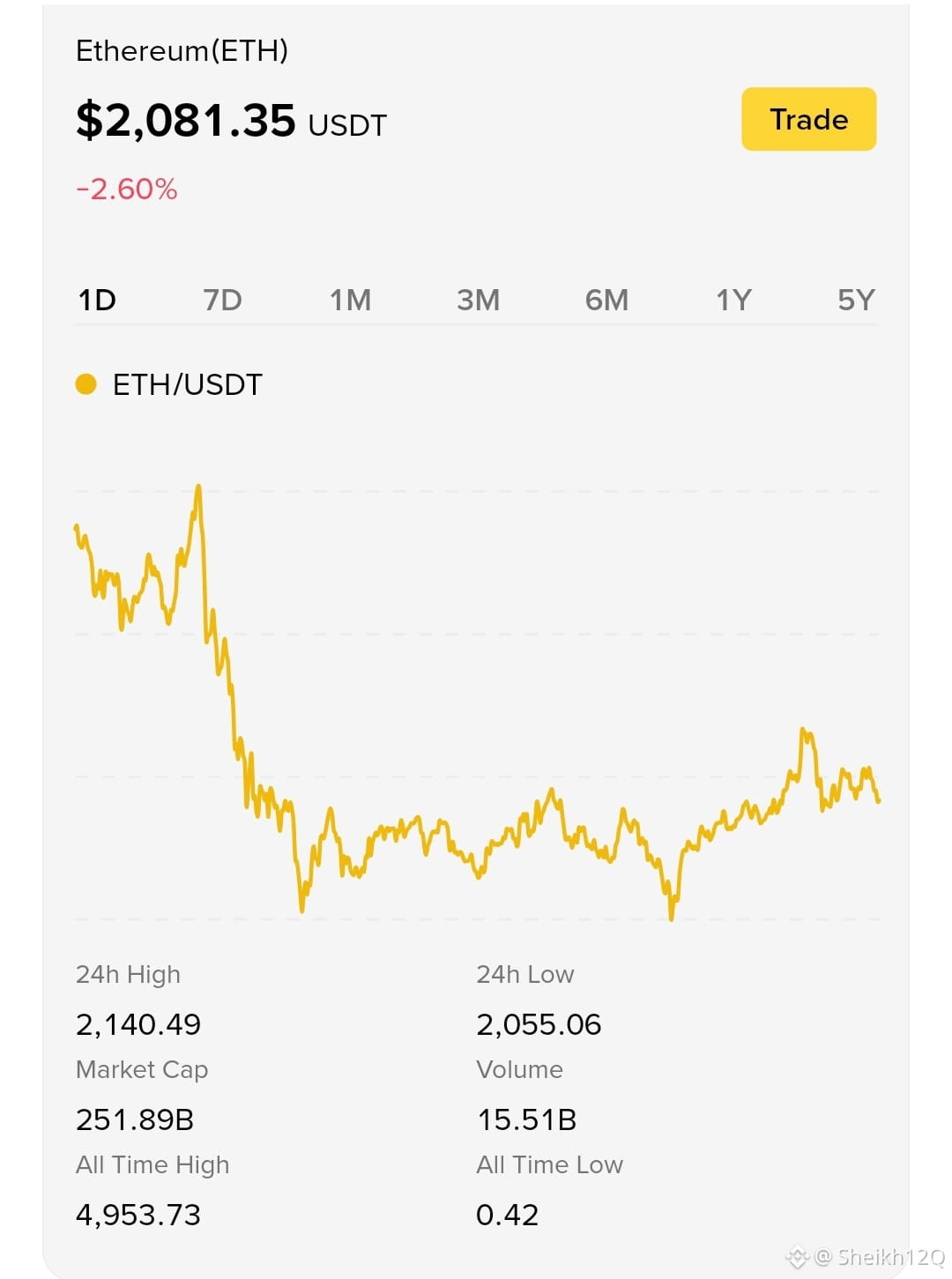
$ETH liegt derzeit bei $2.081,36, was einem Rückgang von etwa -2,55% in den letzten 24 Stunden entspricht (24h-Eröffnung $2.135,83, Hoch $2.140,49, Tief $2.055,06).
{spot}(ETHUSDT)
#ETH #Ethereum #ETHUSDT #CryptoMarket #MarketPullback
ETH: -1,9% — Ethereum ist heute ebenfalls gefallen und liegt bei etwa $2.087, während die Verkäufer den Druck auf den Preis aufrechterhielten und der Markt bei den Majors abgekühlt ist.
Trotz des Rückgangs hält sich ETH immer noch innerhalb seiner letzten Spanne – das deutet darauf hin, dass Trader auf den nächsten Katalysator warten, bevor sie sich für einen stärkeren Richtungshandel entscheiden.
Binance-Chart (ETHUSDT — live heute)
$ETH liegt derzeit bei $2.081,36, was einem Rückgang von etwa -2,55% in den letzten 24 Stunden entspricht (24h-Eröffnung $2.135,83, Hoch $2.140,49, Tief $2.055,06).
#ETH #Ethereum #ETHUSDT #CryptoMarket #MarketPullback
Trotz des Rückgangs hält sich ETH immer noch innerhalb seiner letzten Spanne – das deutet darauf hin, dass Trader auf den nächsten Katalysator warten, bevor sie sich für einen stärkeren Richtungshandel entscheiden.
Binance-Chart (ETHUSDT — live heute)
$ETH liegt derzeit bei $2.081,36, was einem Rückgang von etwa -2,55% in den letzten 24 Stunden entspricht (24h-Eröffnung $2.135,83, Hoch $2.140,49, Tief $2.055,06).
#ETH #Ethereum #ETHUSDT #CryptoMarket #MarketPullback
19

Kollektiver Rücksetzer im Halbleitersektor: MRVL fällt an einem Tag um 9,8 %, MU um 5,5 % und führt die Verlierer an. Die Hardware-Story im Bereich KI stößt erneut auf Gewinnmitnahmen.
Meine persönliche Einschätzung: Dieser Ausverkauf wirkt eher wie ein Abbau von Bewertungen als eine grundlegende Veränderung der Fundamentaldaten. Die Auftragslage für Speicher- und Netzwerchips ist weiterhin klar, nur beginnt der Markt, den Takt der KI-Capex neu zu bewerten.
Beobachtenswert ist, dass die Stimmung bei US-amerikanischen Halbleitern häufig auf den Krypto-KI-Sektor übergreift: In der kurzen Frist könnten $BTC und mit Rechenleistung (Compute) verbundene Tokens gleichzeitig unter Druck geraten. Wenn die Volatilität sich abgebaut hat, ist das hingegen ein guter Zeitpunkt, um die tatsächliche Nachfrage hinter der KI-Story zu beobachten.
Nicht hinterher verkaufen, nicht überstürzt nachkaufen: Zuerst die Richtung anhand der Ergebnis- und Prognoseguidance von MU abwarten.
#Semiconductors #AInarrative #MarketPullback
Kollektiver Rücksetzer im Halbleitersektor: MRVL fällt an einem Tag um 9,8 %, MU um 5,5 % und führt die Verlierer an. Die Hardware-Story im Bereich KI stößt erneut auf Gewinnmitnahmen.
Meine persönliche Einschätzung: Dieser Ausverkauf wirkt eher wie ein Abbau von Bewertungen als eine grundlegende Veränderung der Fundamentaldaten. Die Auftragslage für Speicher- und Netzwerchips ist weiterhin klar, nur beginnt der Markt, den Takt der KI-Capex neu zu bewerten.
Beobachtenswert ist, dass die Stimmung bei US-amerikanischen Halbleitern häufig auf den Krypto-KI-Sektor übergreift: In der kurzen Frist könnten $BTC und mit Rechenleistung (Compute) verbundene Tokens gleichzeitig unter Druck geraten. Wenn die Volatilität sich abgebaut hat, ist das hingegen ein guter Zeitpunkt, um die tatsächliche Nachfrage hinter der KI-Story zu beobachten.
Nicht hinterher verkaufen, nicht überstürzt nachkaufen: Zuerst die Richtung anhand der Ergebnis- und Prognoseguidance von MU abwarten.
#Semiconductors #AInarrative #MarketPullback
Meine persönliche Einschätzung: Dieser Ausverkauf wirkt eher wie ein Abbau von Bewertungen als eine grundlegende Veränderung der Fundamentaldaten. Die Auftragslage für Speicher- und Netzwerchips ist weiterhin klar, nur beginnt der Markt, den Takt der KI-Capex neu zu bewerten.
Beobachtenswert ist, dass die Stimmung bei US-amerikanischen Halbleitern häufig auf den Krypto-KI-Sektor übergreift: In der kurzen Frist könnten $BTC und mit Rechenleistung (Compute) verbundene Tokens gleichzeitig unter Druck geraten. Wenn die Volatilität sich abgebaut hat, ist das hingegen ein guter Zeitpunkt, um die tatsächliche Nachfrage hinter der KI-Story zu beobachten.
Nicht hinterher verkaufen, nicht überstürzt nachkaufen: Zuerst die Richtung anhand der Ergebnis- und Prognoseguidance von MU abwarten.
#Semiconductors #AInarrative #MarketPullback
103
$BTC IS GETTING HIT WITH FRESH SELLING — HERE'S WHY I'M NOT PANICKING 🔥
Body:
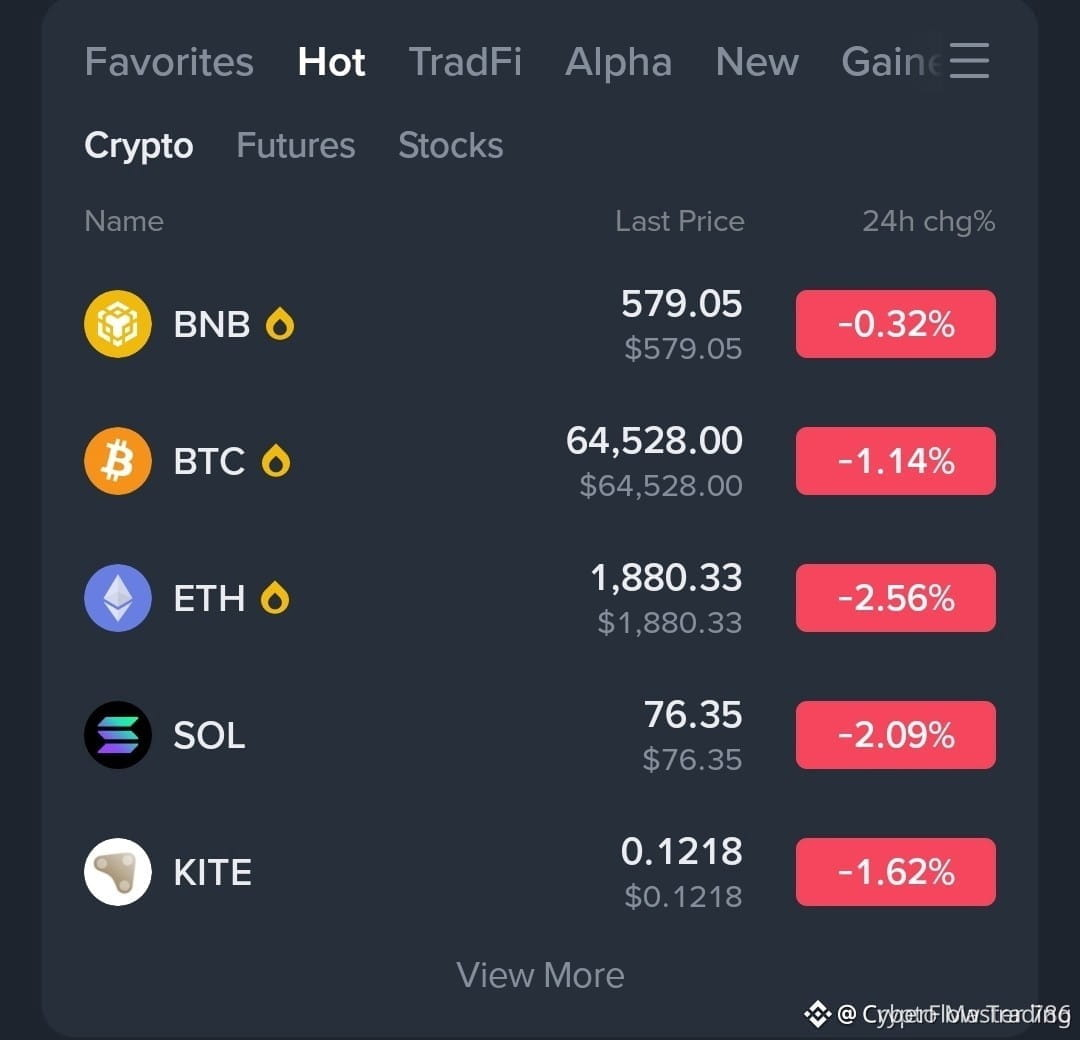
Scharfe Rücksetzer gehören zum Spiel – sie sortieren die Ungeduldigen aus und setzen den Hebel zurück. Aktuell schlagen $BTC , $ETH und $BNB nach einer starken Erholung alle auf Rot aus, aber das bedeutet nicht automatisch, dass der Aufwärtstrend tot ist. Tatsächlich liegt das Verkaufsvolumen immer noch unter dem Akkumulationsniveau, das wir während des letzten Ausbruchs gesehen haben.
Die entscheidende Frage ist, ob Käufer in der aktuellen Zone eingreifen oder ob sie es erst tiefer durchlaufen lassen. Ich beobachte ein Rückeroberungs-Signal, bevor ich mich entscheide.
Schneidest du hier Risiko oder wartest du auf die nächste Kauforder?
Keine Finanzberatung. Verwalte immer dein Risiko.
#BTC #MarketPullback #Crypto #Volatility
🔥
$BTC IS GETTING HIT WITH FRESH SELLING — HERE'S WHY I'M NOT PANICKING 🔥
Body:
Scharfe Rücksetzer gehören zum Spiel – sie sortieren die Ungeduldigen aus und setzen den Hebel zurück. Aktuell schlagen $BTC , $ETH und $BNB nach einer starken Erholung alle auf Rot aus, aber das bedeutet nicht automatisch, dass der Aufwärtstrend tot ist. Tatsächlich liegt das Verkaufsvolumen immer noch unter dem Akkumulationsniveau, das wir während des letzten Ausbruchs gesehen haben.
Die entscheidende Frage ist, ob Käufer in der aktuellen Zone eingreifen oder ob sie es erst tiefer durchlaufen lassen. Ich beobachte ein Rückeroberungs-Signal, bevor ich mich entscheide.
Schneidest du hier Risiko oder wartest du auf die nächste Kauforder?
Keine Finanzberatung. Verwalte immer dein Risiko.
#BTC #MarketPullback #Crypto #Volatility
🔥
Body:
Scharfe Rücksetzer gehören zum Spiel – sie sortieren die Ungeduldigen aus und setzen den Hebel zurück. Aktuell schlagen $BTC , $ETH und $BNB nach einer starken Erholung alle auf Rot aus, aber das bedeutet nicht automatisch, dass der Aufwärtstrend tot ist. Tatsächlich liegt das Verkaufsvolumen immer noch unter dem Akkumulationsniveau, das wir während des letzten Ausbruchs gesehen haben.
Die entscheidende Frage ist, ob Käufer in der aktuellen Zone eingreifen oder ob sie es erst tiefer durchlaufen lassen. Ich beobachte ein Rückeroberungs-Signal, bevor ich mich entscheide.
Schneidest du hier Risiko oder wartest du auf die nächste Kauforder?
Keine Finanzberatung. Verwalte immer dein Risiko.
#BTC #MarketPullback #Crypto #Volatility
🔥
67

$BTC IS TESTET DAS 58K-UNTERSTÜTZUNGSNIVEAU, DAS DIE NÄCHSTE ENTSCHEIDUNG BESTIMMEN KÖNNTE 📉
60-100 Wörter, 2-3 kurze Absätze. Ein Datenpunkt: große Inhaber nehmen Gewinne mit, die Nachfrage schwach. Enden mit einer Frage.
Bitcoin ist gerade unter 60.000 $ gefallen und bei 58.000 $ angekommen – derselbe Bereich, in dem Akkumulation in der Vergangenheit oft Erleichterungsrallys ausgelöst hat. Große Inhaber reduzieren ihre Positionen, während die Spot-Nachfrage weiterhin dünn ist, aber diese Spanne von 50.000 $–60.000 $ war in der Vergangenheit ein Magnet für kluge Geld-Einstiege.
Die nächsten Sitzungen werden zeigen, ob das ein gesunder Rücksetzer ist oder der Beginn einer tieferen Korrektur. Wartest du auf eine Rückeroberung über 60.000 $, bevor du kaufst?
Keine Finanzberatung. Manage immer dein Risiko.
#BTC #MarketPullback #AccumulationZone #RiskManagement
⚡
$BTC IS TESTET DAS 58K-UNTERSTÜTZUNGSNIVEAU, DAS DIE NÄCHSTE ENTSCHEIDUNG BESTIMMEN KÖNNTE 📉
60-100 Wörter, 2-3 kurze Absätze. Ein Datenpunkt: große Inhaber nehmen Gewinne mit, die Nachfrage schwach. Enden mit einer Frage.
Bitcoin ist gerade unter 60.000 $ gefallen und bei 58.000 $ angekommen – derselbe Bereich, in dem Akkumulation in der Vergangenheit oft Erleichterungsrallys ausgelöst hat. Große Inhaber reduzieren ihre Positionen, während die Spot-Nachfrage weiterhin dünn ist, aber diese Spanne von 50.000 $–60.000 $ war in der Vergangenheit ein Magnet für kluge Geld-Einstiege.
Die nächsten Sitzungen werden zeigen, ob das ein gesunder Rücksetzer ist oder der Beginn einer tieferen Korrektur. Wartest du auf eine Rückeroberung über 60.000 $, bevor du kaufst?
Keine Finanzberatung. Manage immer dein Risiko.
#BTC #MarketPullback #AccumulationZone #RiskManagement
⚡
60-100 Wörter, 2-3 kurze Absätze. Ein Datenpunkt: große Inhaber nehmen Gewinne mit, die Nachfrage schwach. Enden mit einer Frage.
Bitcoin ist gerade unter 60.000 $ gefallen und bei 58.000 $ angekommen – derselbe Bereich, in dem Akkumulation in der Vergangenheit oft Erleichterungsrallys ausgelöst hat. Große Inhaber reduzieren ihre Positionen, während die Spot-Nachfrage weiterhin dünn ist, aber diese Spanne von 50.000 $–60.000 $ war in der Vergangenheit ein Magnet für kluge Geld-Einstiege.
Die nächsten Sitzungen werden zeigen, ob das ein gesunder Rücksetzer ist oder der Beginn einer tieferen Korrektur. Wartest du auf eine Rückeroberung über 60.000 $, bevor du kaufst?
Keine Finanzberatung. Manage immer dein Risiko.
#BTC #MarketPullback #AccumulationZone #RiskManagement
⚡
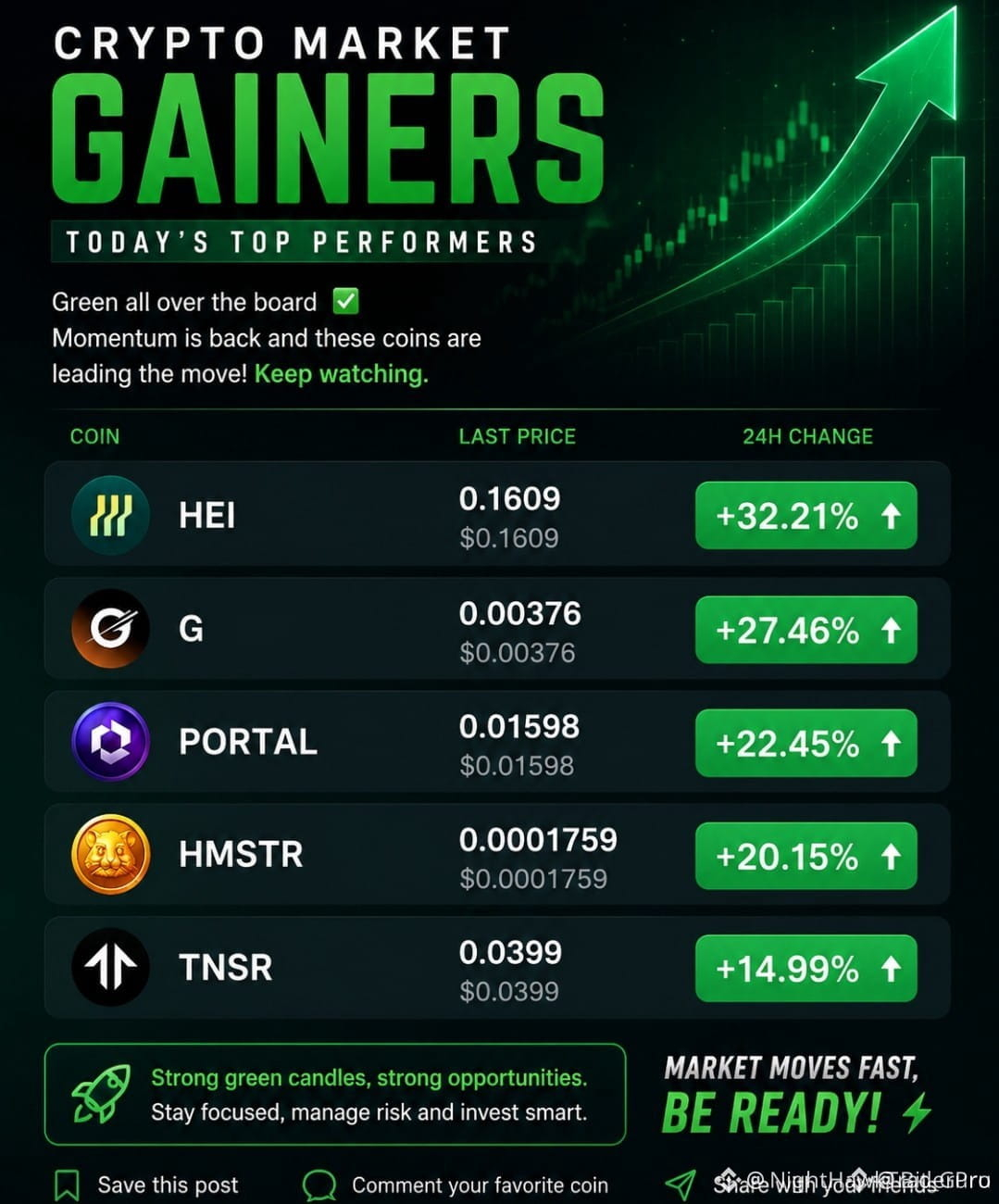
155
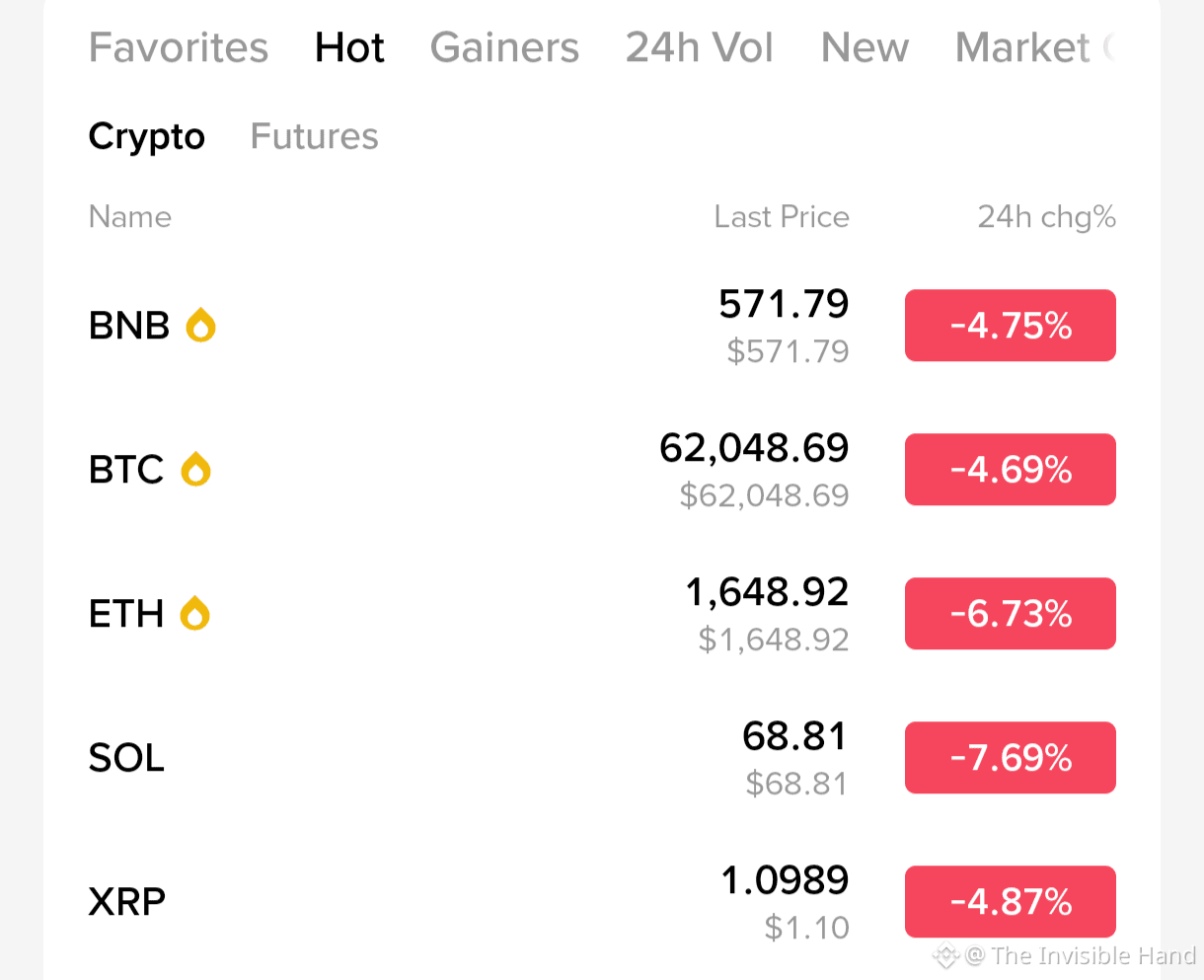
📉 Der Markt korrigiert sich wieder
Die Angst ist zurück.
Der Fear & Greed Index hat extreme Angst erreicht, während viele der größten Kryptowährungen Verluste von 5% oder mehr verzeichnen. 😬
Das ist normalerweise der Moment, in dem die Emotionen die Oberhand gewinnen.
Einige Investoren geraten in Panik und gehen short.
Andere fangen an, nach Möglichkeiten zu suchen.
Immerhin bieten Märkte oft ihre besten Rabatte, wenn das Sentiment am schlechtesten ist. 👀
Die Frage ist:
Panisch mit der Menge...
Oder die Korrektur nutzen, um bessere Positionen für die Zukunft aufzubauen? 📈
Lass mich wissen, wie du dich in diesem Markt zurechtfindest. 👇🔥
#BTC #MarketPullback #analysis #BinanceToList4BStocksUSDTPairs
$BTC $AMDB $ETH
📉 Der Markt korrigiert sich wieder
Die Angst ist zurück.
Der Fear & Greed Index hat extreme Angst erreicht, während viele der größten Kryptowährungen Verluste von 5% oder mehr verzeichnen. 😬
Das ist normalerweise der Moment, in dem die Emotionen die Oberhand gewinnen.
Einige Investoren geraten in Panik und gehen short.
Andere fangen an, nach Möglichkeiten zu suchen.
Immerhin bieten Märkte oft ihre besten Rabatte, wenn das Sentiment am schlechtesten ist. 👀
Die Frage ist:
Panisch mit der Menge...
Oder die Korrektur nutzen, um bessere Positionen für die Zukunft aufzubauen? 📈
Lass mich wissen, wie du dich in diesem Markt zurechtfindest. 👇🔥
#BTC #MarketPullback #analysis #BinanceToList4BStocksUSDTPairs
$BTC $AMDB $ETH
Die Angst ist zurück.
Der Fear & Greed Index hat extreme Angst erreicht, während viele der größten Kryptowährungen Verluste von 5% oder mehr verzeichnen. 😬
Das ist normalerweise der Moment, in dem die Emotionen die Oberhand gewinnen.
Einige Investoren geraten in Panik und gehen short.
Andere fangen an, nach Möglichkeiten zu suchen.
Immerhin bieten Märkte oft ihre besten Rabatte, wenn das Sentiment am schlechtesten ist. 👀
Die Frage ist:
Panisch mit der Menge...
Oder die Korrektur nutzen, um bessere Positionen für die Zukunft aufzubauen? 📈
Lass mich wissen, wie du dich in diesem Markt zurechtfindest. 👇🔥
#BTC #MarketPullback #analysis #BinanceToList4BStocksUSDTPairs
$BTC $AMDB $ETH
1
326

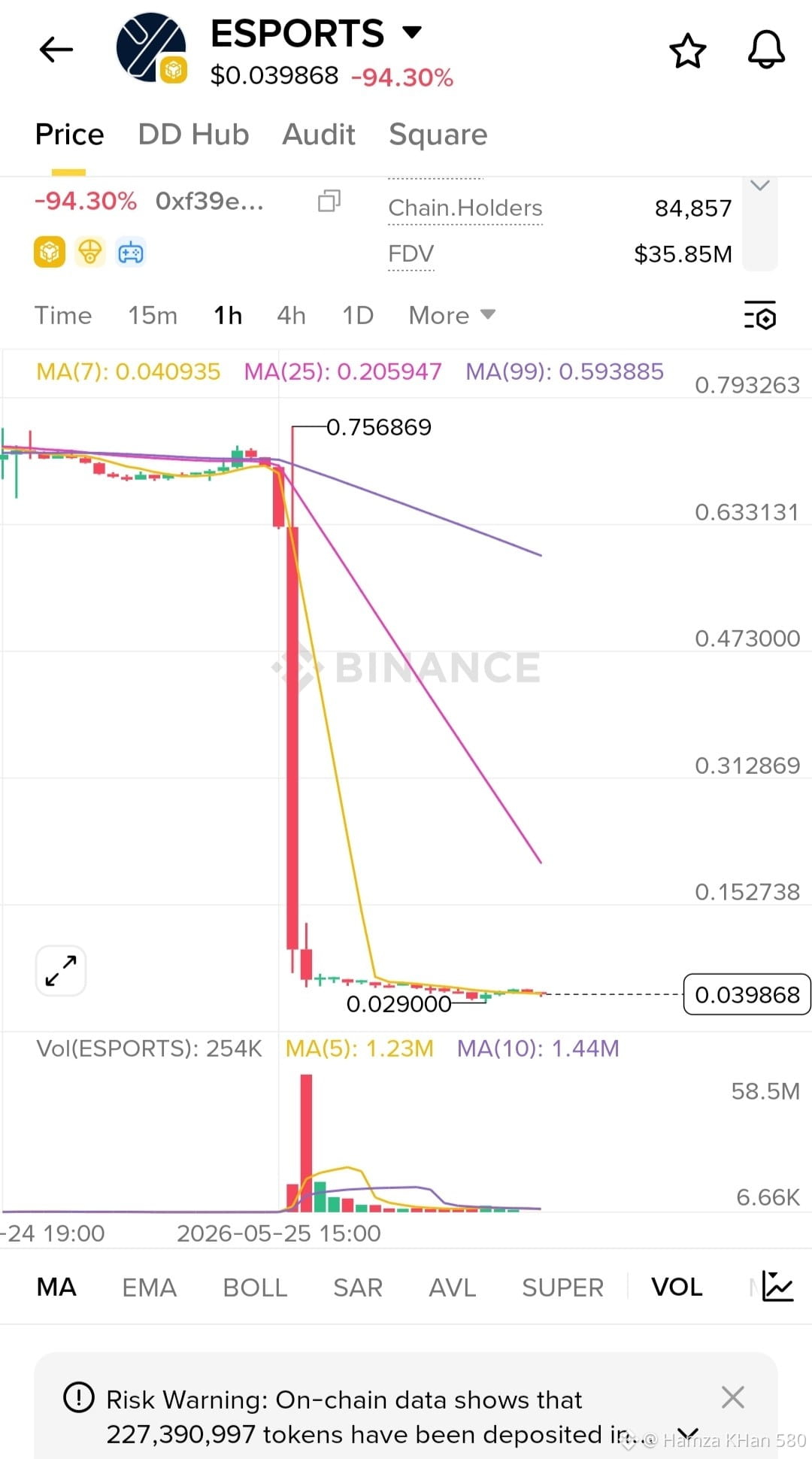
🚨 94% Dump…
Aber das Verrückteste daran?
Die meisten Leute denken immer noch, das wäre das Ende.
Echte Märkte zerstören schwache Hände nicht leise…
sondern tun es öffentlich.
Angst breitet sich schnell aus.
Geduld verschwindet noch schneller.
Und irgendwo im Chaos beginnt schlaue Kohle, still zuzuschauen. 👀📉
$ESPORTS ist gerade zum perfekten Beispiel geworden, wie Emotionen schneller bewegen als Candlesticks.
Die Frage ist nicht: „Warum ist es abgestürzt?“
Die echte Frage ist:
Wer hat noch Überzeugung, wenn alle anderen sie verlieren?
@Binance_Square_Official
$ESPORTS
{future}(ESPORTSUSDT)
#TrendingTopic #MarketRebound #Megadrop #meme #MarketPullback
🚨 94% Dump…
Aber das Verrückteste daran?
Die meisten Leute denken immer noch, das wäre das Ende.
Echte Märkte zerstören schwache Hände nicht leise…
sondern tun es öffentlich.
Angst breitet sich schnell aus.
Geduld verschwindet noch schneller.
Und irgendwo im Chaos beginnt schlaue Kohle, still zuzuschauen. 👀📉
$ESPORTS ist gerade zum perfekten Beispiel geworden, wie Emotionen schneller bewegen als Candlesticks.
Die Frage ist nicht: „Warum ist es abgestürzt?“
Die echte Frage ist:
Wer hat noch Überzeugung, wenn alle anderen sie verlieren?
@Binance Square Official
$ESPORTS
#TrendingTopic #MarketRebound #Megadrop #meme #MarketPullback
Aber das Verrückteste daran?
Die meisten Leute denken immer noch, das wäre das Ende.
Echte Märkte zerstören schwache Hände nicht leise…
sondern tun es öffentlich.
Angst breitet sich schnell aus.
Geduld verschwindet noch schneller.
Und irgendwo im Chaos beginnt schlaue Kohle, still zuzuschauen. 👀📉
$ESPORTS ist gerade zum perfekten Beispiel geworden, wie Emotionen schneller bewegen als Candlesticks.
Die Frage ist nicht: „Warum ist es abgestürzt?“
Die echte Frage ist:
Wer hat noch Überzeugung, wenn alle anderen sie verlieren?
@Binance Square Official
$ESPORTS
#TrendingTopic #MarketRebound #Megadrop #meme #MarketPullback
2
4
398
·
--
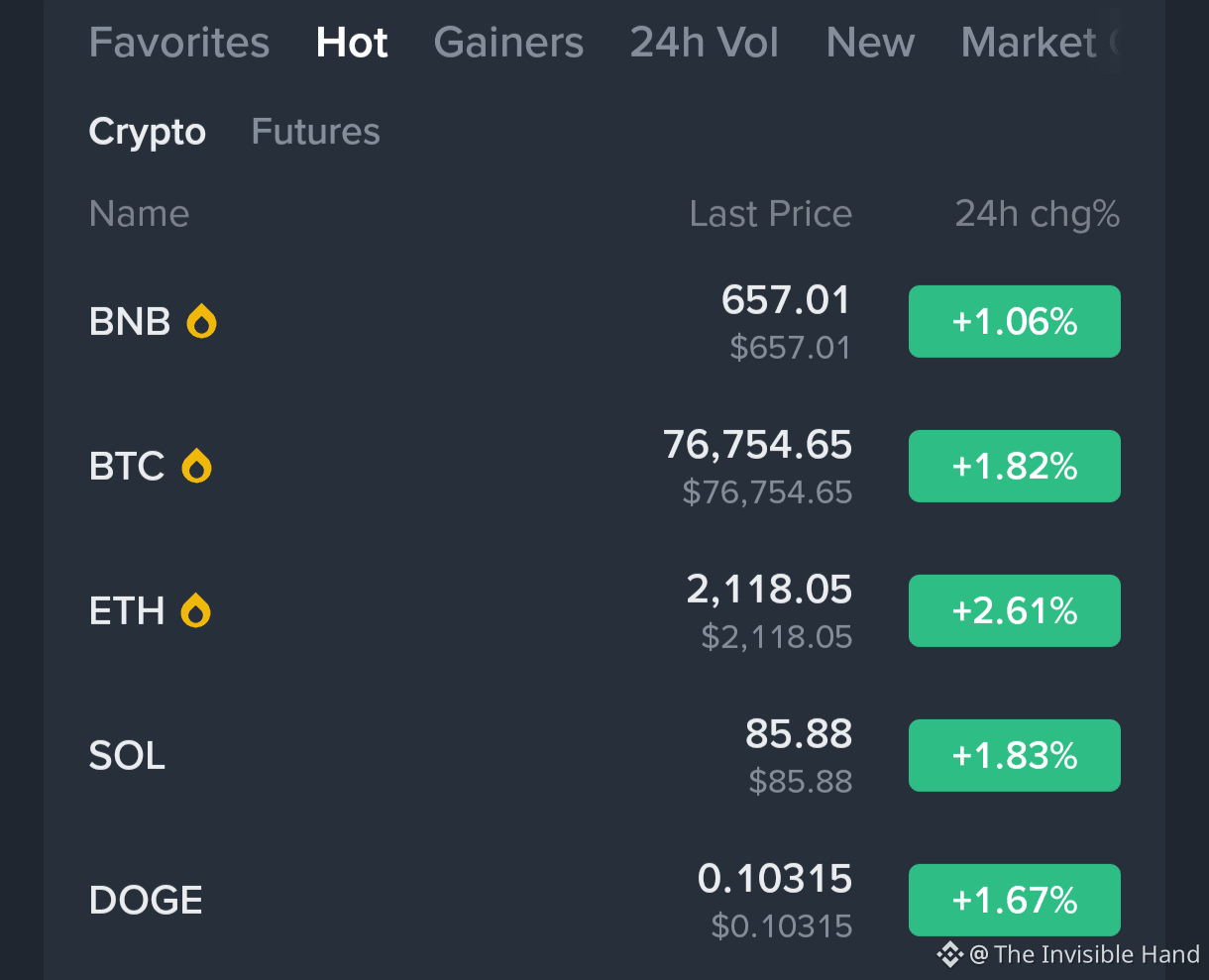
Bullisch
Marktdumps, Stop-Losses werden ausgelöst… und dann erholt sich der Preis sofort. 🤦♂️📉➡️📈
Genau das meinte ich früher mit den Low-Volume-Bewegungen, die an echter Überzeugung fehlen.
Schwacher Verkaufsdruck erzeugt oft Panik, bevor der Markt aggressiv zurückschlägt.
Manchmal ist der Markt nicht wirklich bärisch — er jagt nur Liquidität. 🎯
Wie sieht es bei dir aus?
Wurden deine Stops getroffen und jetzt schaust du der Erholung von der Seitenlinie zu? 👀
#marketpullback #recovery #fakeout
Marktdumps, Stop-Losses werden ausgelöst… und dann erholt sich der Preis sofort. 🤦♂️📉➡️📈
Genau das meinte ich früher mit den Low-Volume-Bewegungen, die an echter Überzeugung fehlen.
Schwacher Verkaufsdruck erzeugt oft Panik, bevor der Markt aggressiv zurückschlägt.
Manchmal ist der Markt nicht wirklich bärisch — er jagt nur Liquidität. 🎯
Wie sieht es bei dir aus?
Wurden deine Stops getroffen und jetzt schaust du der Erholung von der Seitenlinie zu? 👀
#marketpullback #recovery #fakeout
Genau das meinte ich früher mit den Low-Volume-Bewegungen, die an echter Überzeugung fehlen.
Schwacher Verkaufsdruck erzeugt oft Panik, bevor der Markt aggressiv zurückschlägt.
Manchmal ist der Markt nicht wirklich bärisch — er jagt nur Liquidität. 🎯
Wie sieht es bei dir aus?
Wurden deine Stops getroffen und jetzt schaust du der Erholung von der Seitenlinie zu? 👀
#marketpullback #recovery #fakeout
1
225
Teilweise korrekt
Die stärksten Charts entstehen oft in den ruhigsten Momenten.
Nachdem $ZEC ein neues ATH erreicht hat, hat es die letzten zwei Tage damit verbracht, sich abzukühlen und zu konsolidieren. Während einige Schwäche sehen, wissen erfahrene Investoren, dass gesunde Pullbacks ein natürlicher Teil jedes starken Trends sind. Der Momentum mag langsamer werden, aber der Glaube bleibt unverändert. Die Projekte, die echten Wert schaffen, bewegen sich nicht in einer geraden Linie – sie bauen auf, wachsen und bereiten sich auf die nächste Expansion vor. Behaltet ZEC im Auge. Manchmal beginnt der nächste große Move, wenn die Masse aufhört, aufmerksam zu sein.
@Binance_Square_Official $ZEC
{spot}(ZECUSDT)
$PHA
{spot}(PHAUSDT)
#MarketRebound #Megadrop #MarketPullback #TrendingTopic MARKTBEWEGUNG
Die stärksten Charts entstehen oft in den ruhigsten Momenten.
Nachdem $ZEC ein neues ATH erreicht hat, hat es die letzten zwei Tage damit verbracht, sich abzukühlen und zu konsolidieren. Während einige Schwäche sehen, wissen erfahrene Investoren, dass gesunde Pullbacks ein natürlicher Teil jedes starken Trends sind. Der Momentum mag langsamer werden, aber der Glaube bleibt unverändert. Die Projekte, die echten Wert schaffen, bewegen sich nicht in einer geraden Linie – sie bauen auf, wachsen und bereiten sich auf die nächste Expansion vor. Behaltet ZEC im Auge. Manchmal beginnt der nächste große Move, wenn die Masse aufhört, aufmerksam zu sein.
@Binance Square Official $ZEC
$PHA
#MarketRebound #Megadrop #MarketPullback #TrendingTopic MARKTBEWEGUNG
Nachdem $ZEC ein neues ATH erreicht hat, hat es die letzten zwei Tage damit verbracht, sich abzukühlen und zu konsolidieren. Während einige Schwäche sehen, wissen erfahrene Investoren, dass gesunde Pullbacks ein natürlicher Teil jedes starken Trends sind. Der Momentum mag langsamer werden, aber der Glaube bleibt unverändert. Die Projekte, die echten Wert schaffen, bewegen sich nicht in einer geraden Linie – sie bauen auf, wachsen und bereiten sich auf die nächste Expansion vor. Behaltet ZEC im Auge. Manchmal beginnt der nächste große Move, wenn die Masse aufhört, aufmerksam zu sein.
@Binance Square Official $ZEC
$PHA
#MarketRebound #Megadrop #MarketPullback #TrendingTopic MARKTBEWEGUNG
UP TREND 📈🍎
36%
DOWN TREND 📉🍏
64%
53 Stimmen • Abstimmung beendet
4
2
3.7k

·
--
Der Internet-Sektor schwächt sich kollektiv ab: NBIS fällt um 5,9 %, META folgt direkt dahinter mit einem Minus von 4,9 %.
Vom Kursbild her wirkt diese Korrektur eher wie eine Gewinnmitnahme bei Tech-Aktien an der Spitze, kombiniert mit einem Rückgang der makroökonomischen Risikoneigung. Da META als Schwergewicht schwächelt, kann das die Stimmung am Nasdaq meist nach unten ziehen; und bei NBIS – einem High-Beta-Titel aus dem Bereich KI-Infrastruktur – werden die Kursverluste in der Regel zusätzlich verstärkt.
Die Übertragung auf den Kryptomarkt verdient Aufmerksamkeit: Die Korrelation zwischen US-Tech-Aktien und BTC hat sich in den letzten Monaten deutlich erhöht. Besonders im Hinblick auf das KI-Narrativ gibt es eine Resonanz mit dem Kapitalfluss in Richtung On-Chain-Compute und der DePIN-Sektor. Wenn der Nasdaq weiter schwächelt, dürfte es kurzfristig sehr wahrscheinlich sein, dass riskante Assets parallel unter Druck geraten; bei gehebelten Positionen ist zudem auf die Kettenreaktion zu achten, die aus einer Straffung der Liquidität entstehen kann.
Umgekehrt kann der Tech-Rücksetzer auch einen Teil der Mittel freisetzen, die anschließend erneut nach einer Anlageausrichtung suchen. Historisch betrachtet ist diese Phase gerade ein Zeitfenster, um eine eher unabhängige Kursentwicklung von Krypto-Assets zu beobachten.
Beobachten Sie, ob der Nasdaq im Tageschart wichtige Schlüsselgleitenden Durchschnitte unterschreitet – das ist das zentrale Signal zur Einschätzung der künftigen Risikoneigung.
#MarketPullback #TradFi
Der Internet-Sektor schwächt sich kollektiv ab: NBIS fällt um 5,9 %, META folgt direkt dahinter mit einem Minus von 4,9 %.
Vom Kursbild her wirkt diese Korrektur eher wie eine Gewinnmitnahme bei Tech-Aktien an der Spitze, kombiniert mit einem Rückgang der makroökonomischen Risikoneigung. Da META als Schwergewicht schwächelt, kann das die Stimmung am Nasdaq meist nach unten ziehen; und bei NBIS – einem High-Beta-Titel aus dem Bereich KI-Infrastruktur – werden die Kursverluste in der Regel zusätzlich verstärkt.
Die Übertragung auf den Kryptomarkt verdient Aufmerksamkeit: Die Korrelation zwischen US-Tech-Aktien und BTC hat sich in den letzten Monaten deutlich erhöht. Besonders im Hinblick auf das KI-Narrativ gibt es eine Resonanz mit dem Kapitalfluss in Richtung On-Chain-Compute und der DePIN-Sektor. Wenn der Nasdaq weiter schwächelt, dürfte es kurzfristig sehr wahrscheinlich sein, dass riskante Assets parallel unter Druck geraten; bei gehebelten Positionen ist zudem auf die Kettenreaktion zu achten, die aus einer Straffung der Liquidität entstehen kann.
Umgekehrt kann der Tech-Rücksetzer auch einen Teil der Mittel freisetzen, die anschließend erneut nach einer Anlageausrichtung suchen. Historisch betrachtet ist diese Phase gerade ein Zeitfenster, um eine eher unabhängige Kursentwicklung von Krypto-Assets zu beobachten.
Beobachten Sie, ob der Nasdaq im Tageschart wichtige Schlüsselgleitenden Durchschnitte unterschreitet – das ist das zentrale Signal zur Einschätzung der künftigen Risikoneigung.
#MarketPullback #TradFi
Vom Kursbild her wirkt diese Korrektur eher wie eine Gewinnmitnahme bei Tech-Aktien an der Spitze, kombiniert mit einem Rückgang der makroökonomischen Risikoneigung. Da META als Schwergewicht schwächelt, kann das die Stimmung am Nasdaq meist nach unten ziehen; und bei NBIS – einem High-Beta-Titel aus dem Bereich KI-Infrastruktur – werden die Kursverluste in der Regel zusätzlich verstärkt.
Die Übertragung auf den Kryptomarkt verdient Aufmerksamkeit: Die Korrelation zwischen US-Tech-Aktien und BTC hat sich in den letzten Monaten deutlich erhöht. Besonders im Hinblick auf das KI-Narrativ gibt es eine Resonanz mit dem Kapitalfluss in Richtung On-Chain-Compute und der DePIN-Sektor. Wenn der Nasdaq weiter schwächelt, dürfte es kurzfristig sehr wahrscheinlich sein, dass riskante Assets parallel unter Druck geraten; bei gehebelten Positionen ist zudem auf die Kettenreaktion zu achten, die aus einer Straffung der Liquidität entstehen kann.
Umgekehrt kann der Tech-Rücksetzer auch einen Teil der Mittel freisetzen, die anschließend erneut nach einer Anlageausrichtung suchen. Historisch betrachtet ist diese Phase gerade ein Zeitfenster, um eine eher unabhängige Kursentwicklung von Krypto-Assets zu beobachten.
Beobachten Sie, ob der Nasdaq im Tageschart wichtige Schlüsselgleitenden Durchschnitte unterschreitet – das ist das zentrale Signal zur Einschätzung der künftigen Risikoneigung.
#MarketPullback #TradFi
35

Überschrift:
Marktrücksetzer oder gesunde Korrektur?
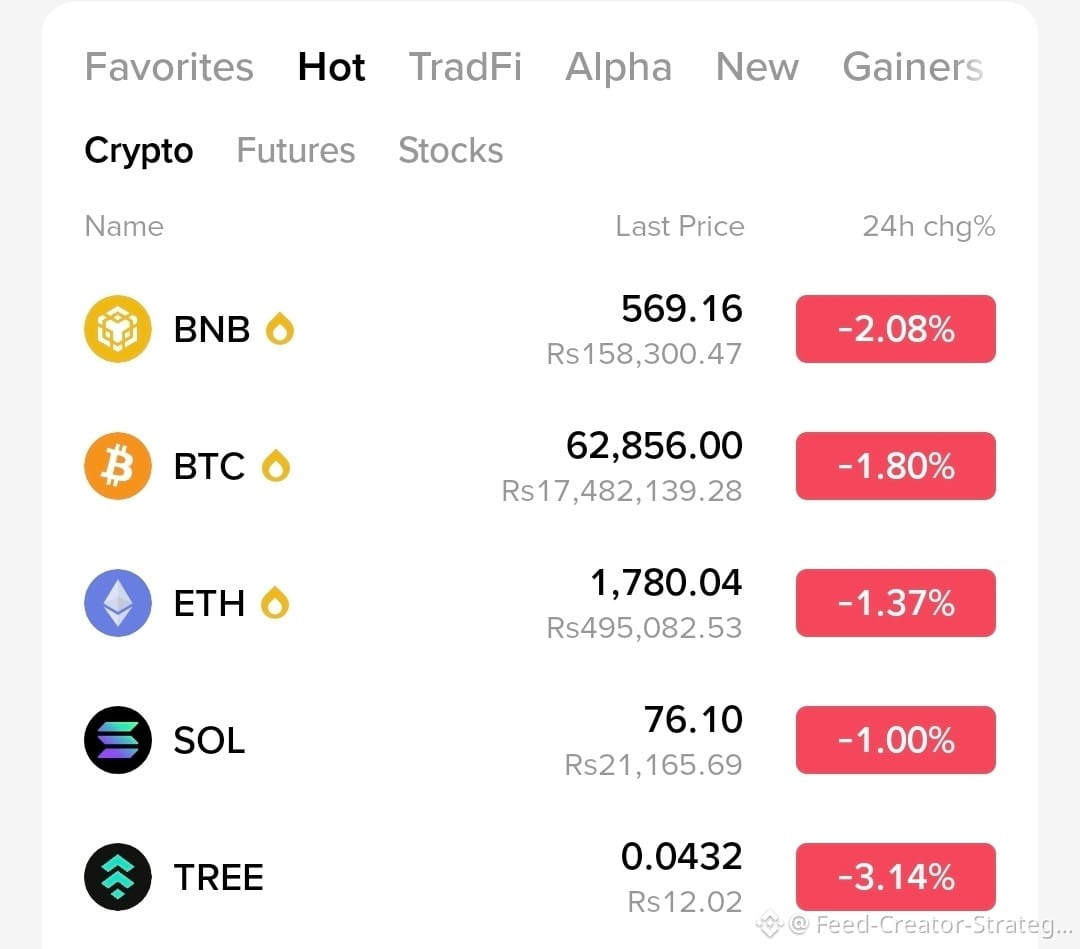
📉 So sieht die Ausgangslage aus!Der aktuelle Markt zeigt heute über den gesamten Markt hinweg rote Werte. Große Assets ziehen sich zurück – aber ist das eine Kaufgelegenheit oder ein tieferer Rückgang?Aktueller Überblick: $BNB : -1,98% bei $569,06 $BTC : -1,80% bei $62.823,74 $ETH : -1,34% bei $1.779,50 $SOL : -0,99% bei $76,04Marktanalyse. Bitcoin pendelt knapp oberhalb der Marke von $62k. Wenn wir hier einen starken Rebound sehen, könnte das auf eine Fortsetzung des bullischen Trends hindeuten. Ein Bruch darunter könnte jedoch dazu führen, dass die Unterstützungszonen um $60k erneut getestet werden.Was ist dein nächster Schritt?Bist du in Panik mit der Masse oder nutzt diese Korrektur, um bessere Positionen aufzubauen? Lass mich in den Kommentaren deine Strategie wissen 👇🔥#BTC #MarketPullback #TradingStrategy #BinanceSquare #CryptoNews
Haftungsausschluss: Das ist keine Anlageberatung. DYOR (Mach deine eigene Recherche). Trading ist mit Risiken verbunden.
Überschrift:
Marktrücksetzer oder gesunde Korrektur?
📉 So sieht die Ausgangslage aus!Der aktuelle Markt zeigt heute über den gesamten Markt hinweg rote Werte. Große Assets ziehen sich zurück – aber ist das eine Kaufgelegenheit oder ein tieferer Rückgang?Aktueller Überblick: $BNB : -1,98% bei $569,06 $BTC : -1,80% bei $62.823,74 $ETH : -1,34% bei $1.779,50 $SOL : -0,99% bei $76,04Marktanalyse. Bitcoin pendelt knapp oberhalb der Marke von $62k. Wenn wir hier einen starken Rebound sehen, könnte das auf eine Fortsetzung des bullischen Trends hindeuten. Ein Bruch darunter könnte jedoch dazu führen, dass die Unterstützungszonen um $60k erneut getestet werden.Was ist dein nächster Schritt?Bist du in Panik mit der Masse oder nutzt diese Korrektur, um bessere Positionen aufzubauen? Lass mich in den Kommentaren deine Strategie wissen 👇🔥#BTC #MarketPullback #TradingStrategy #BinanceSquare #CryptoNews
Haftungsausschluss: Das ist keine Anlageberatung. DYOR (Mach deine eigene Recherche). Trading ist mit Risiken verbunden.
Marktrücksetzer oder gesunde Korrektur?
📉 So sieht die Ausgangslage aus!Der aktuelle Markt zeigt heute über den gesamten Markt hinweg rote Werte. Große Assets ziehen sich zurück – aber ist das eine Kaufgelegenheit oder ein tieferer Rückgang?Aktueller Überblick: $BNB : -1,98% bei $569,06 $BTC : -1,80% bei $62.823,74 $ETH : -1,34% bei $1.779,50 $SOL : -0,99% bei $76,04Marktanalyse. Bitcoin pendelt knapp oberhalb der Marke von $62k. Wenn wir hier einen starken Rebound sehen, könnte das auf eine Fortsetzung des bullischen Trends hindeuten. Ein Bruch darunter könnte jedoch dazu führen, dass die Unterstützungszonen um $60k erneut getestet werden.Was ist dein nächster Schritt?Bist du in Panik mit der Masse oder nutzt diese Korrektur, um bessere Positionen aufzubauen? Lass mich in den Kommentaren deine Strategie wissen 👇🔥#BTC #MarketPullback #TradingStrategy #BinanceSquare #CryptoNews
Haftungsausschluss: Das ist keine Anlageberatung. DYOR (Mach deine eigene Recherche). Trading ist mit Risiken verbunden.
1
113
Anmelden und weiter Inhalte entdecken
Krypto-Nutzer weltweit auf Binance Square kennenlernen
⚡️ Bleib in Sachen Krypto stets am Puls.
💬 Die weltgrößte Kryptobörse vertraut darauf.
👍 Erhalte verlässliche Einblicke von verifizierten Creators.
E-Mail-Adresse/Telefonnummer
Ähnliche Coins
Trendthemen
1
#USAugustPPIRisesLessThanExpected
41 Aufrufe
43 Kommentare
2
#SECApprovesNasdaqTexasCommodityTrustRule
1,457 Aufrufe
119 Kommentare
3
#ECBRaisesRatesSecondTimeTo2.5%
661 Aufrufe
80 Kommentare
4
#USContinuingJoblessClaims1.774M
4,239 Aufrufe
174 Kommentare
5
#USAugustPPIYoYRisesTo5.4%
4,065 Aufrufe
131 Kommentare
6
#AppleDebutsFoldablePhone
65,435 Aufrufe
1,194 Kommentare
7
#TSMCAugustRevenueUp53.3%YoY
16,807 Aufrufe
448 Kommentare
8
#IranSaysReadyToEscalateWarWithUS
22,935 Aufrufe
448 Kommentare
9
#EUExtendsCentralContactPointToCASPs
19,940 Aufrufe
469 Kommentare
10
#US10YTreasuryYieldHitsHighestSinceNov2023
46,615 Aufrufe
703 Kommentare