
#learnwithfatima
learnwithfatima
993,960 Aufrufe
2,263 Kommentare
Hot
Zuletzt


Fatima_Tariq
·
--
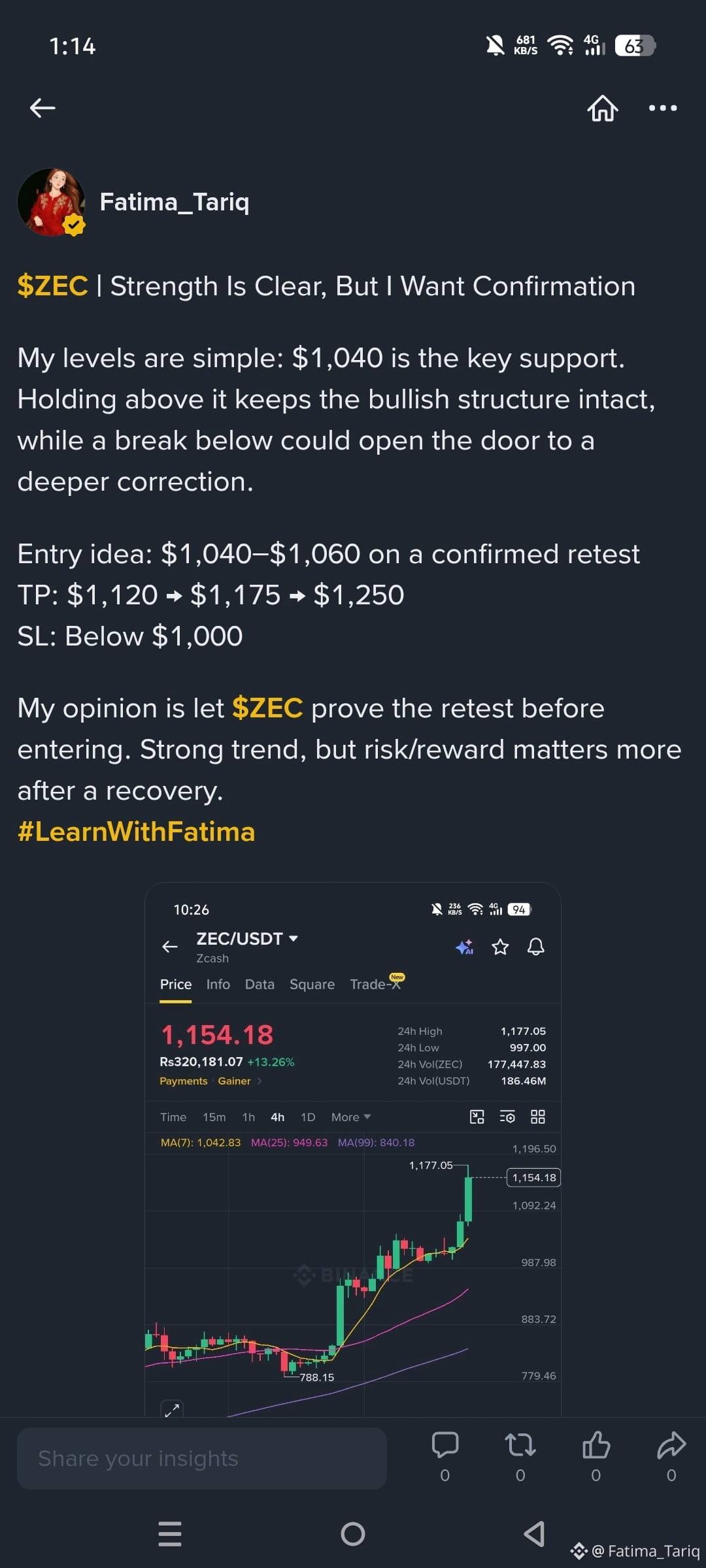
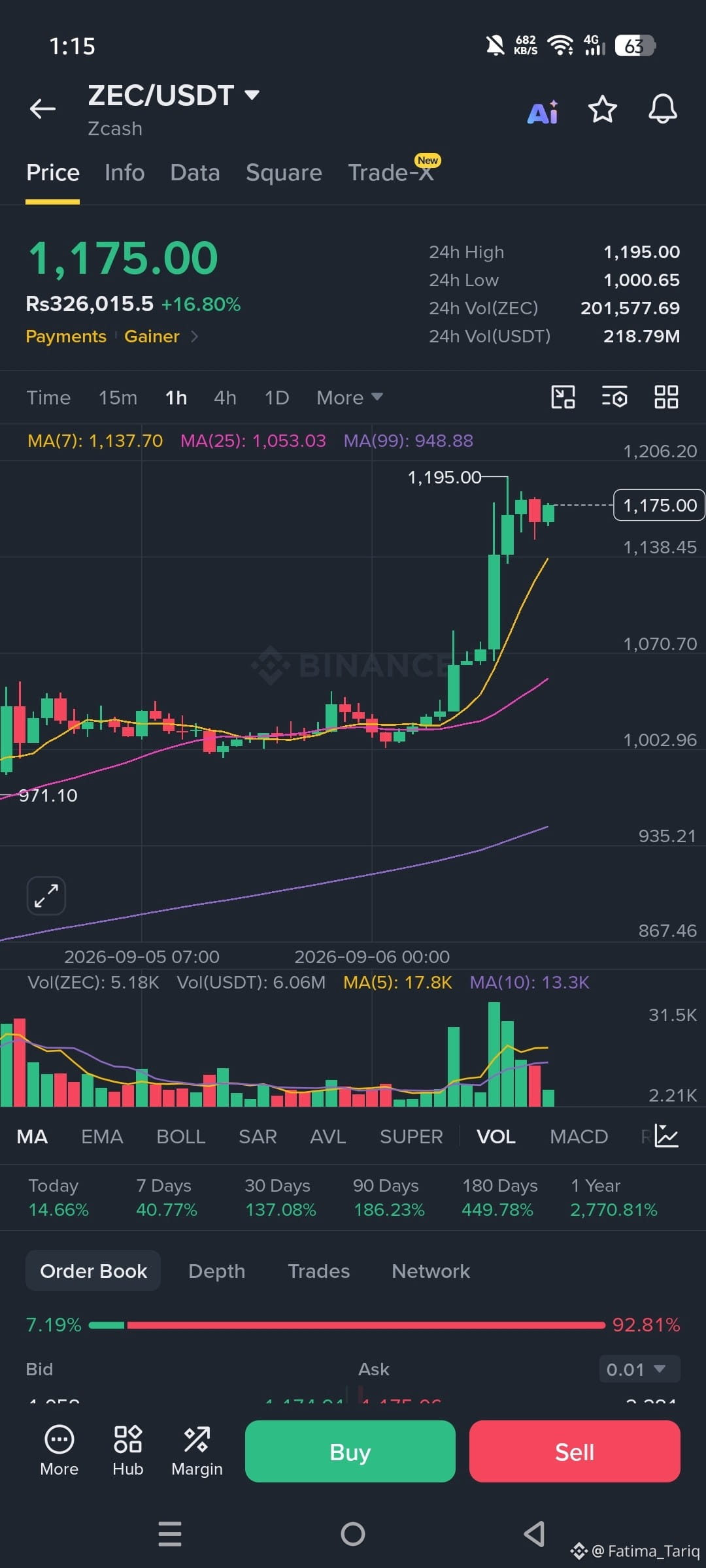
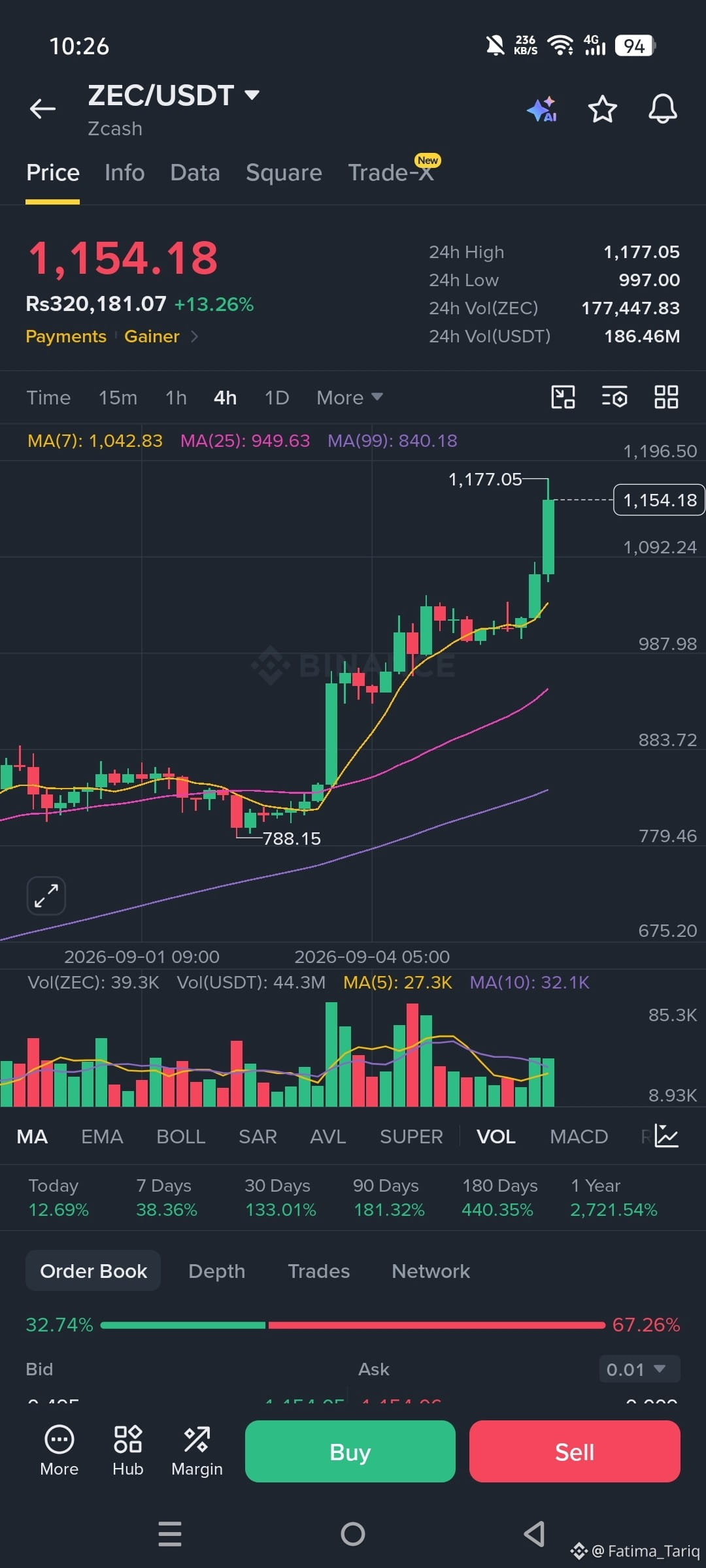
$ZEC | Stärke ist klar, aber ich möchte eine Bestätigung
Meine Niveaus sind einfach: $1,040 ist die wichtige Unterstützung. Ein Halten darüber bewahrt die bullische Struktur, während ein Bruch darunter die Tür für eine tiefere Korrektur öffnen könnte.
Einstiegsidee: $1,040–$1,060 bei einem bestätigten Retest
TP: $1,120 → $1,175 → $1,250
SL: Unter $1,000
Meine Meinung ist, $ZEC den Retest vor dem Einstieg bestätigen zu lassen. Starker Trend, aber Chance-Risiko-Verhältnis ist nach einer Erholung wichtiger.
#LearnWithFatima
Meine Niveaus sind einfach: $1,040 ist die wichtige Unterstützung. Ein Halten darüber bewahrt die bullische Struktur, während ein Bruch darunter die Tür für eine tiefere Korrektur öffnen könnte.
Einstiegsidee: $1,040–$1,060 bei einem bestätigten Retest
TP: $1,120 → $1,175 → $1,250
SL: Unter $1,000
Meine Meinung ist, $ZEC den Retest vor dem Einstieg bestätigen zu lassen. Starker Trend, aber Chance-Risiko-Verhältnis ist nach einer Erholung wichtiger.
#LearnWithFatima
Fatima_Tariq
·
--
Bullisch$RAYSOL | SHORT-SETUP
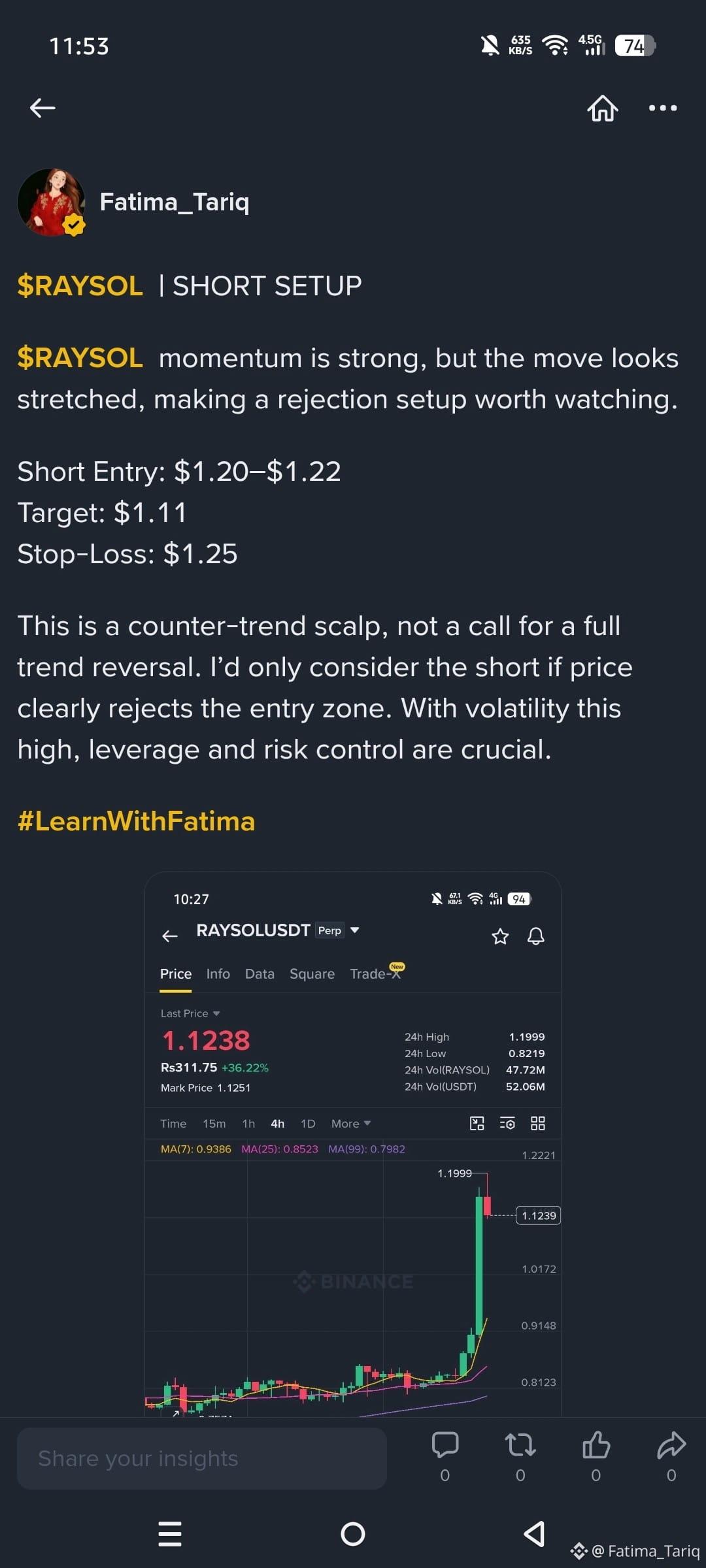
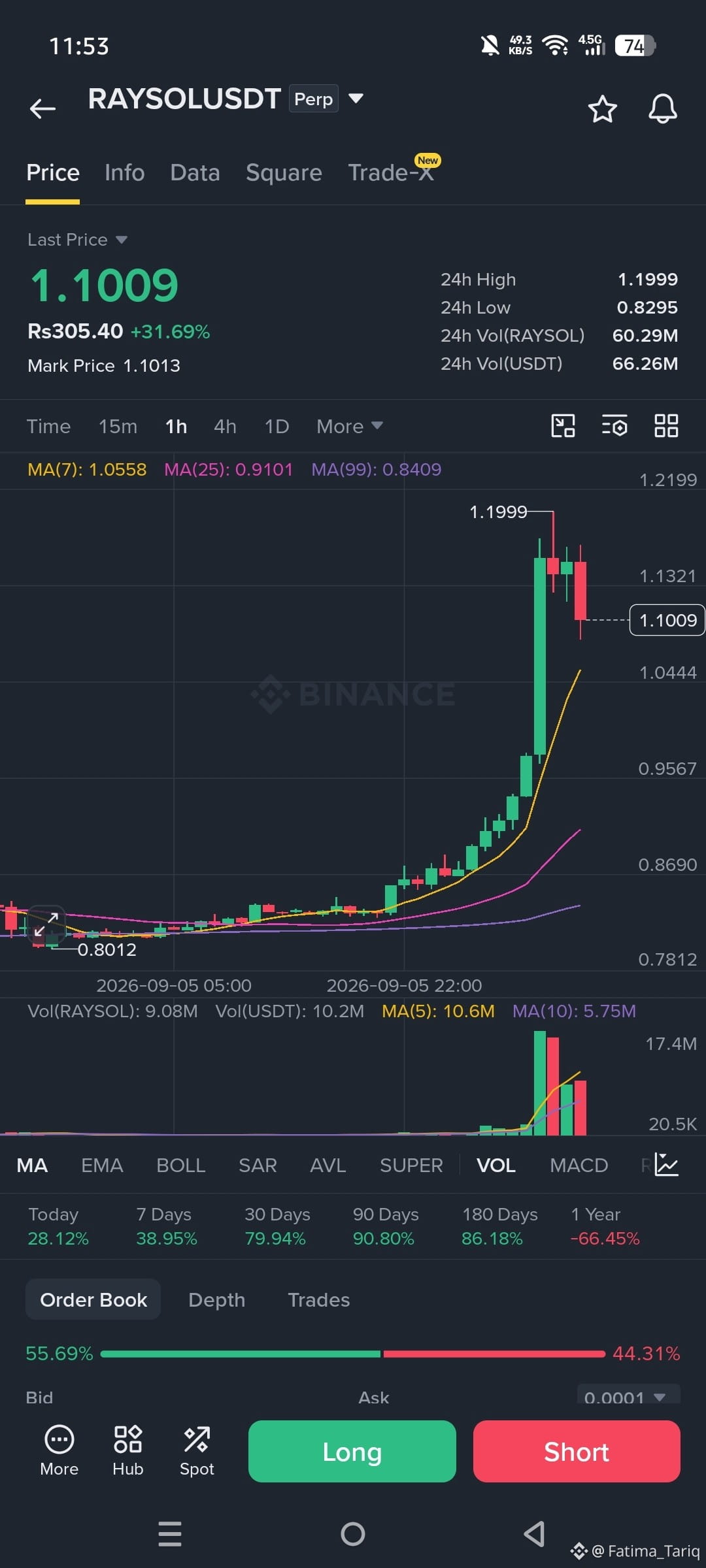
$RAYSOL Momentum ist stark, aber die Bewegung wirkt überdehnt, sodass sich ein Rejection-Setup zu beobachten lohnt.
Short-Einstieg: $1.20–$1.22
Ziel: $1.11
Stop-Loss: $1.25
Dies ist ein Countertrend-Scalp, keine Aufforderung zu einer vollständigen Trendwende. Ich würde den Short nur in Betracht ziehen, wenn der Preis die Einstiegszone klar ablehnt. Bei dieser hohen Volatilität sind Hebel und Risikokontrolle entscheidend.
#LearnWithFatima
$RAYSOL Momentum ist stark, aber die Bewegung wirkt überdehnt, sodass sich ein Rejection-Setup zu beobachten lohnt.
Short-Einstieg: $1.20–$1.22
Ziel: $1.11
Stop-Loss: $1.25
Dies ist ein Countertrend-Scalp, keine Aufforderung zu einer vollständigen Trendwende. Ich würde den Short nur in Betracht ziehen, wenn der Preis die Einstiegszone klar ablehnt. Bei dieser hohen Volatilität sind Hebel und Risikokontrolle entscheidend.
#LearnWithFatima

Fatima_Tariq
·
--
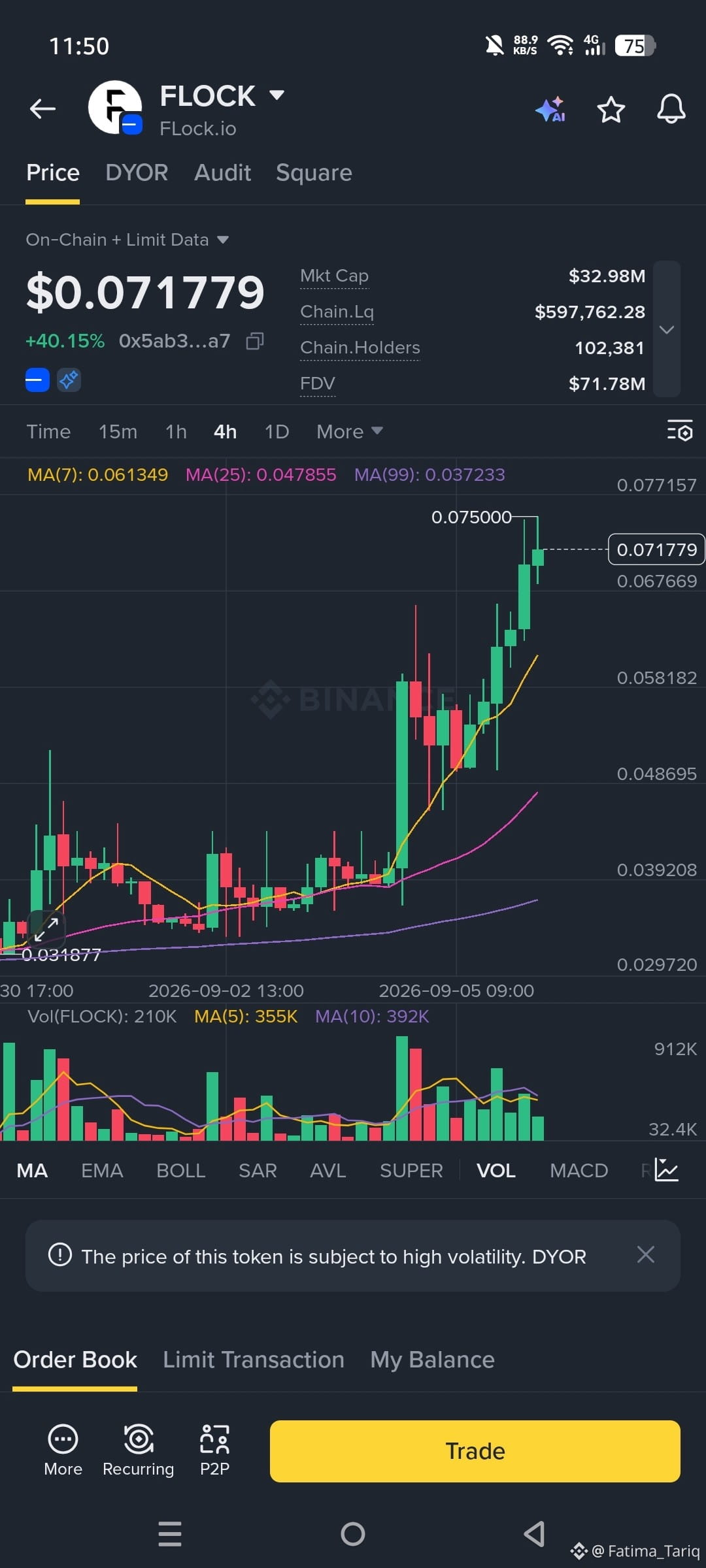
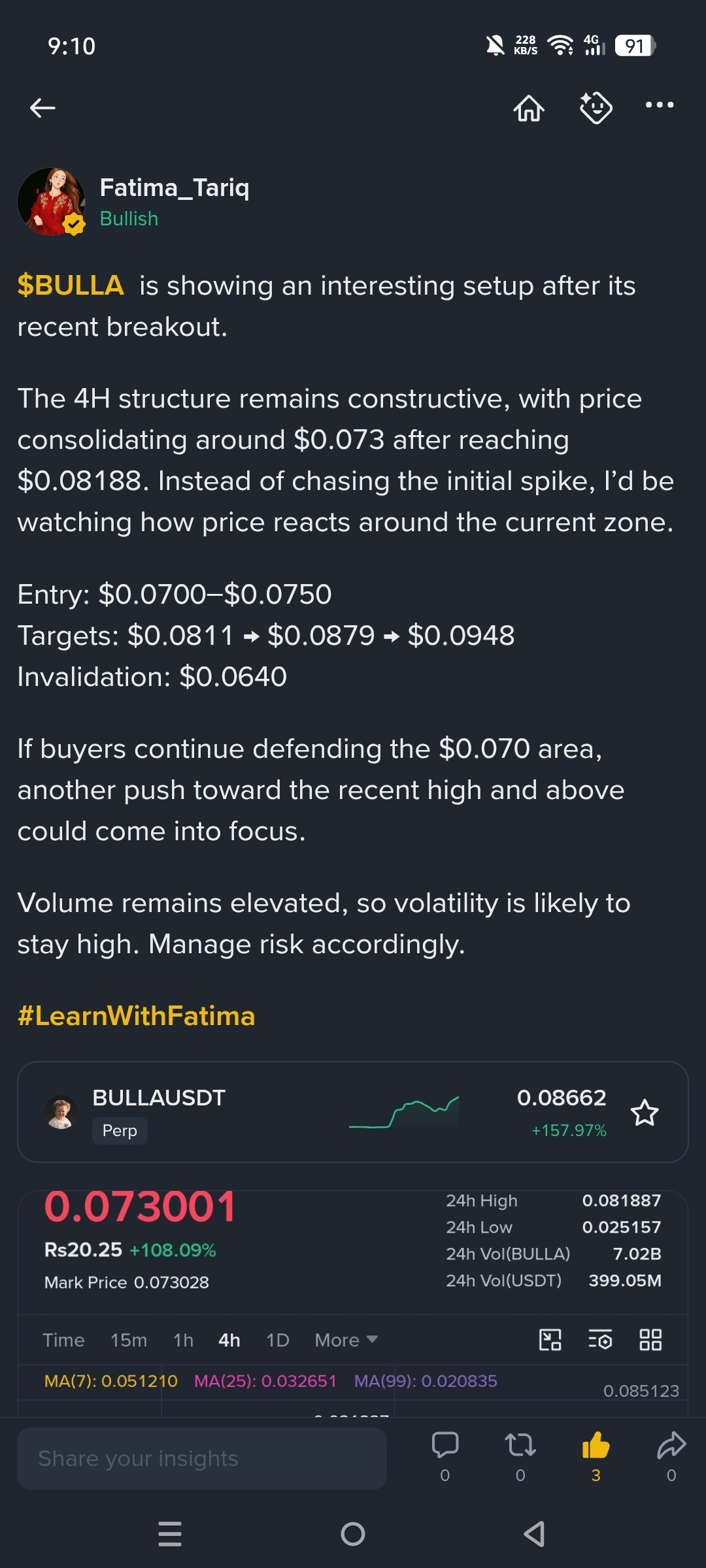
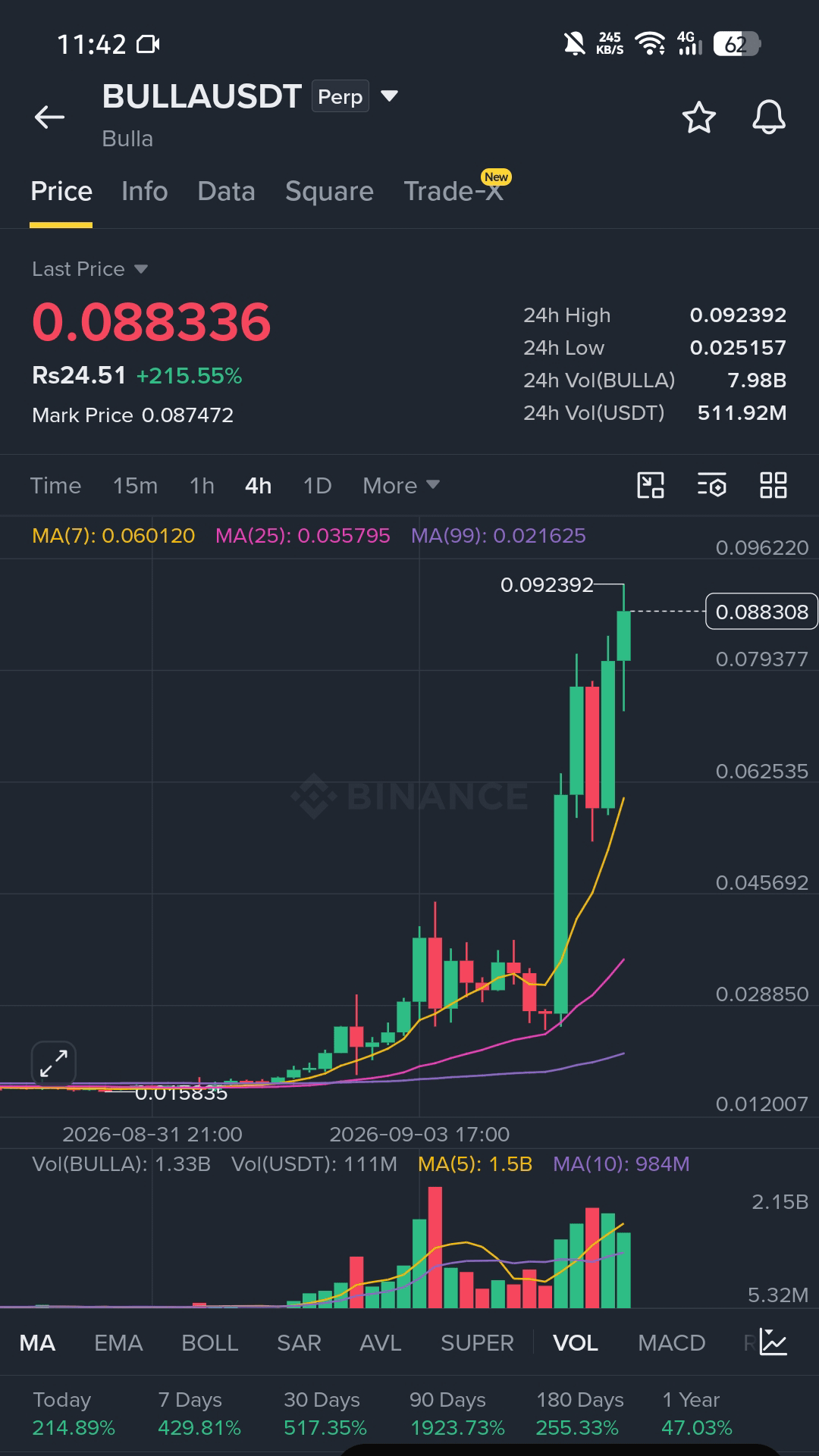
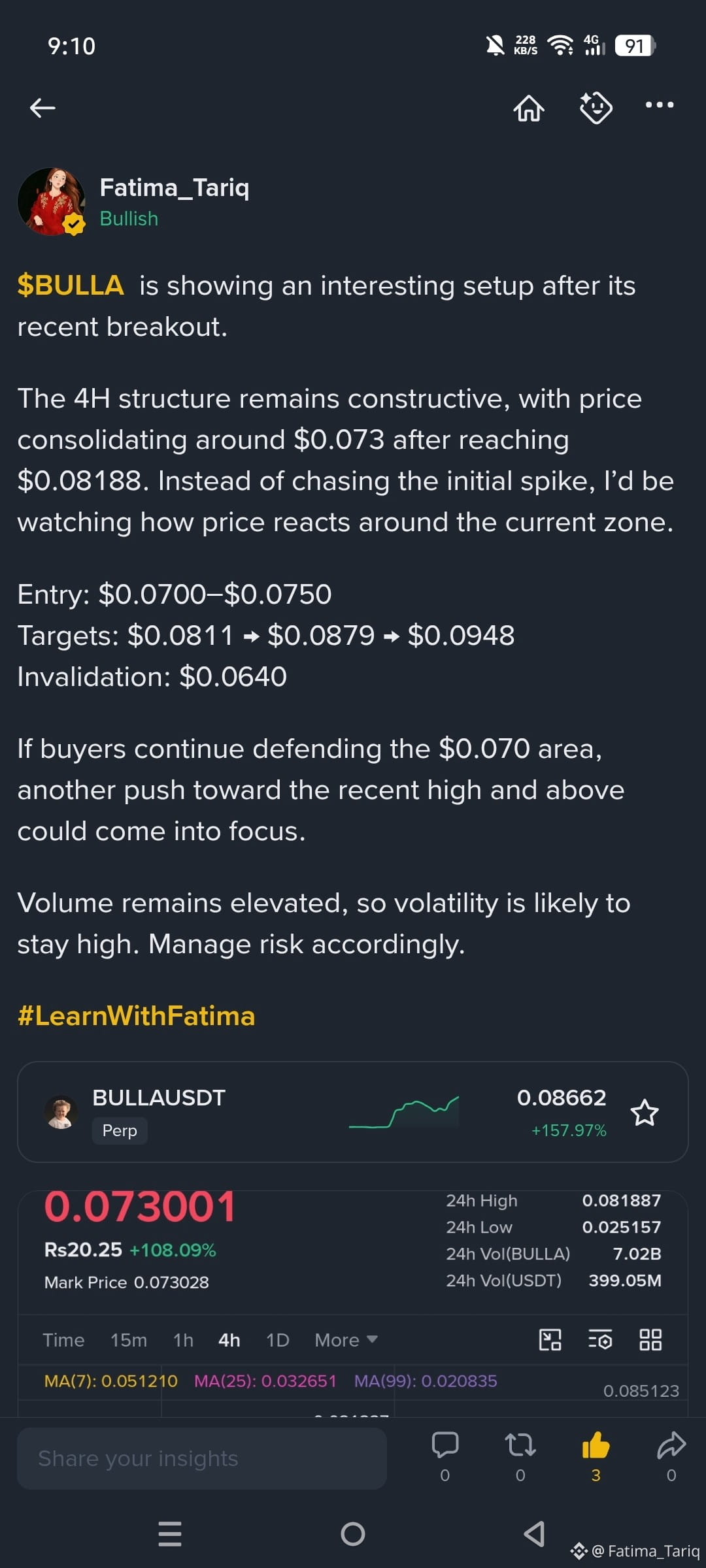
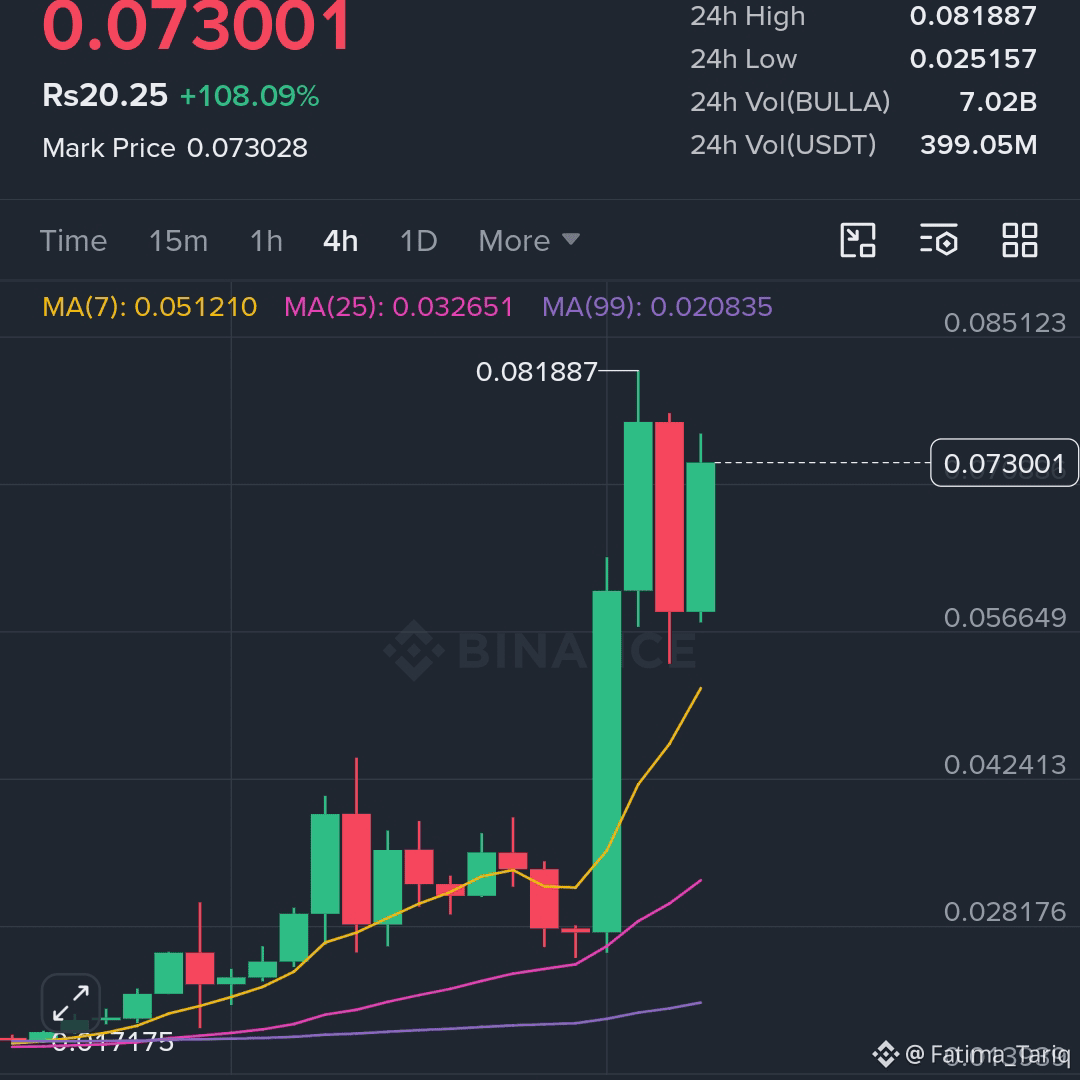
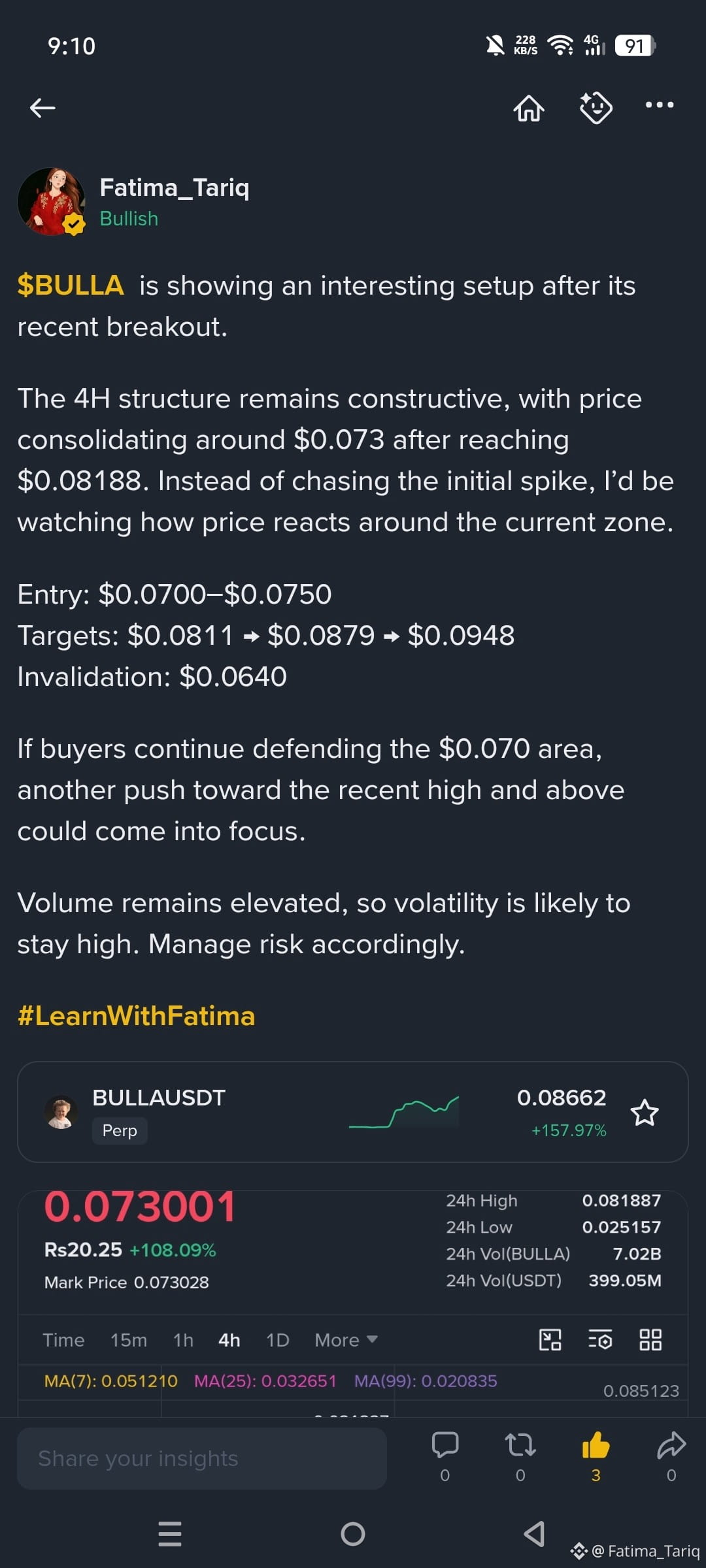
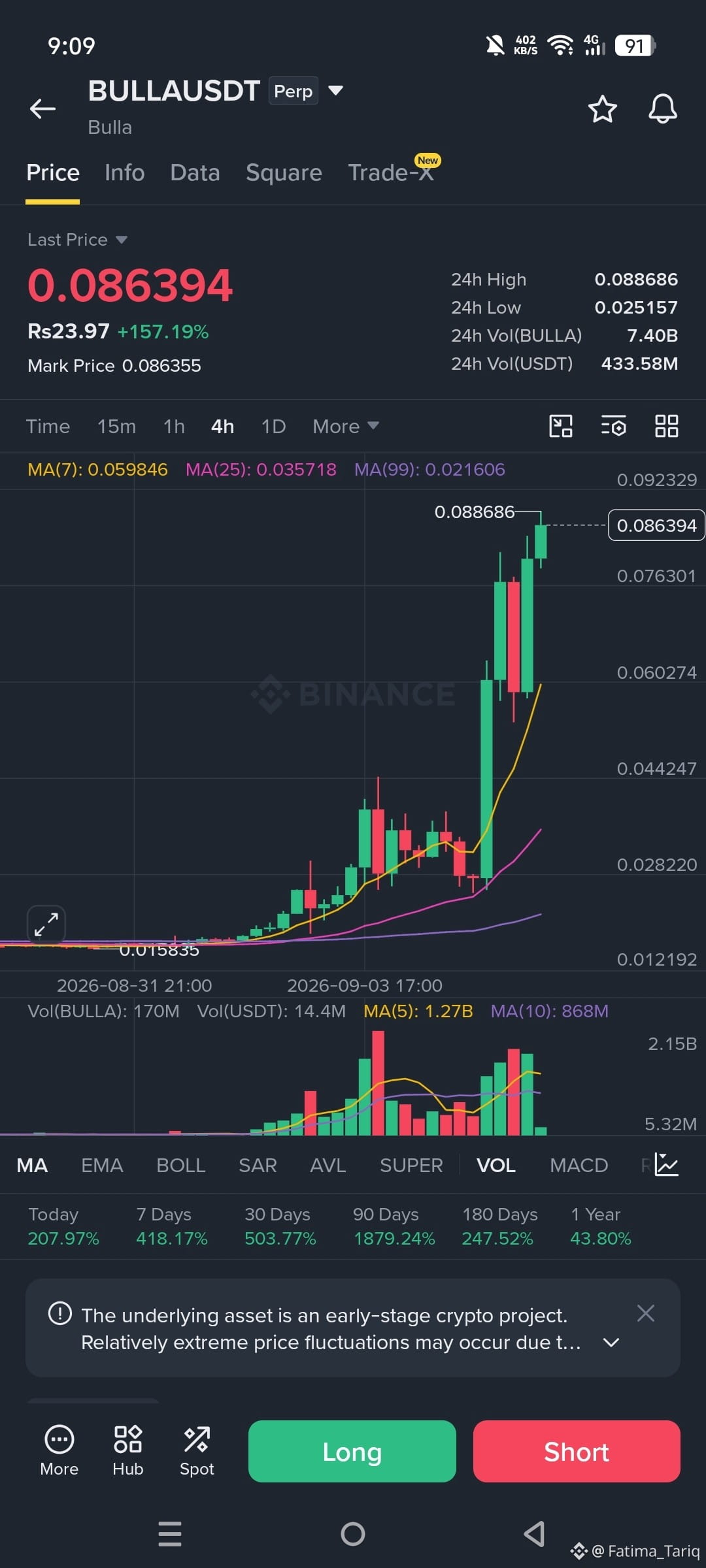
Bullisch$BULLA zeigt nach dem jüngsten Ausbruch ein interessantes Setup.
Die 4H-Struktur bleibt konstruktiv, wobei sich der Kurs nach dem Erreichen von $0.08188 um $0.073 konsolidiert. Statt der ersten Spitze hinterherzujagen, würde ich beobachten, wie der Kurs auf die aktuelle Zone reagiert.
Einstieg: $0.0700–$0.0750
Ziele: $0.0811 → $0.0879 → $0.0948
Invalidierung: $0.0640
Wenn die Käufer das Niveau von $0.070 weiterhin verteidigen, könnte ein weiterer Anstieg in Richtung des jüngsten Hochs und darüber hinaus in den Fokus rücken.
Das Volumen bleibt erhöht, daher dürfte die Volatilität hoch bleiben. Das Risiko entsprechend managen.
#LearnWithFatima
Die 4H-Struktur bleibt konstruktiv, wobei sich der Kurs nach dem Erreichen von $0.08188 um $0.073 konsolidiert. Statt der ersten Spitze hinterherzujagen, würde ich beobachten, wie der Kurs auf die aktuelle Zone reagiert.
Einstieg: $0.0700–$0.0750
Ziele: $0.0811 → $0.0879 → $0.0948
Invalidierung: $0.0640
Wenn die Käufer das Niveau von $0.070 weiterhin verteidigen, könnte ein weiterer Anstieg in Richtung des jüngsten Hochs und darüber hinaus in den Fokus rücken.
Das Volumen bleibt erhöht, daher dürfte die Volatilität hoch bleiben. Das Risiko entsprechend managen.
#LearnWithFatima
Fatima_Tariq
·
--
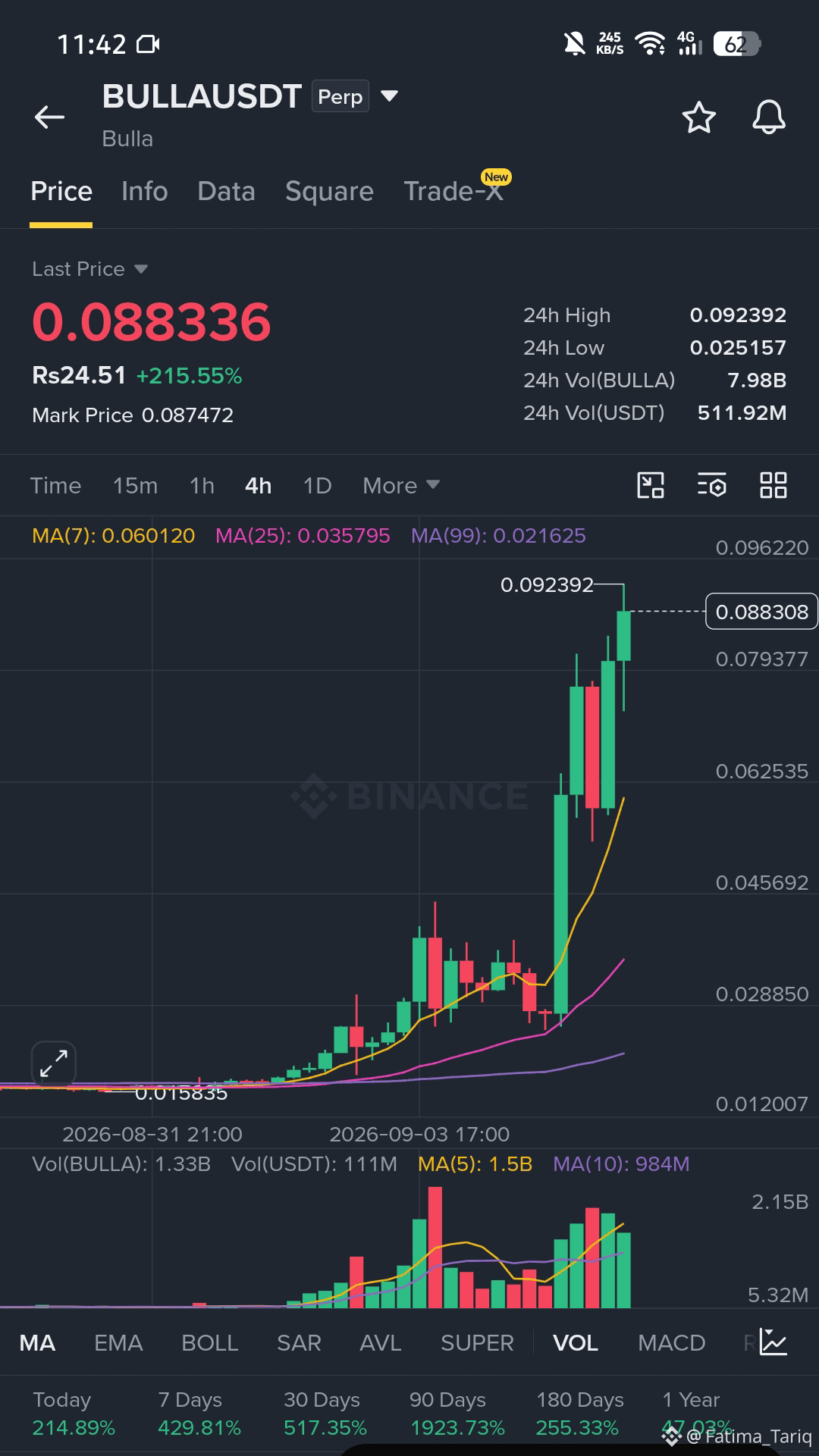
Bullisch$BULLA zeigt nach dem jüngsten Ausbruch ein interessantes Setup.
Die 4H-Struktur bleibt konstruktiv, wobei sich der Kurs nach dem Erreichen von $0.08188 um $0.073 konsolidiert. Statt der ersten Spitze hinterherzujagen, würde ich beobachten, wie der Kurs auf die aktuelle Zone reagiert.
Einstieg: $0.0700–$0.0750
Ziele: $0.0811 → $0.0879 → $0.0948
Invalidierung: $0.0640
Wenn die Käufer das Niveau von $0.070 weiterhin verteidigen, könnte ein weiterer Anstieg in Richtung des jüngsten Hochs und darüber hinaus in den Fokus rücken.
Das Volumen bleibt erhöht, daher dürfte die Volatilität hoch bleiben. Das Risiko entsprechend managen.
#LearnWithFatima
Die 4H-Struktur bleibt konstruktiv, wobei sich der Kurs nach dem Erreichen von $0.08188 um $0.073 konsolidiert. Statt der ersten Spitze hinterherzujagen, würde ich beobachten, wie der Kurs auf die aktuelle Zone reagiert.
Einstieg: $0.0700–$0.0750
Ziele: $0.0811 → $0.0879 → $0.0948
Invalidierung: $0.0640
Wenn die Käufer das Niveau von $0.070 weiterhin verteidigen, könnte ein weiterer Anstieg in Richtung des jüngsten Hochs und darüber hinaus in den Fokus rücken.
Das Volumen bleibt erhöht, daher dürfte die Volatilität hoch bleiben. Das Risiko entsprechend managen.
#LearnWithFatima

Anmelden und weiter Inhalte entdecken