

#grv
grv
530 Aufrufe
53 Kommentare
Hot
Zuletzt

·
--
Bullisch
#grvt
Der hybride Zero-Knowledge-Austausch GRVT startet seine lang ersehnte Handelsplattform und die native Token-Generierungsveranstaltung (TGE) am 21. Juli 2026. Vor dem Start müssen die Pläne für Multiplikatoren der Nutzer bis zum 17. Juli 2026 registriert werden, und die Zuteilung des Community-Tokens wurde auf 28% erhöht.
Integration des Plume-Netzwerks: GRVT hat mit Plume zusammengearbeitet, um institutstaugliche Real-World-Asset-(RWA)-Yield-Produkte On-Chain einzuführen. So können Nutzer direkt über ihre Self-Custody-Balances auf drei neue Yield-Vaults zugreifen (Base Yield, Balanced und Opportunistic).
Ökosystem-Nutzen: Der $GRVT-Token fungiert als Mitgliedsschlüssel und bietet reduzierte Handelsgebühren, höhere APR-Erträge bei Vault-Produkten, bevorzugten Zugang zu Investitionen sowie Cashback-Belohnungen auf der Zahlungskarte der Plattform.
Plattform-Kennzahlen
Total Value Locked (TVL): Um 847% gestiegen und vor der TGE auf 107,1 Millionen US-Dollar geklettert.
Open Interest: Um das 42-fache ausgeweitet und auf 484,1 Millionen US-Dollar gebracht.
Handelsvolumen: Übertraf in der bilateralen Summe kumuliert 393 Milliarden US-Dollar vor dem Launch.#grv
#grvt
Der hybride Zero-Knowledge-Austausch GRVT startet seine lang ersehnte Handelsplattform und die native Token-Generierungsveranstaltung (TGE) am 21. Juli 2026. Vor dem Start müssen die Pläne für Multiplikatoren der Nutzer bis zum 17. Juli 2026 registriert werden, und die Zuteilung des Community-Tokens wurde auf 28% erhöht.
Integration des Plume-Netzwerks: GRVT hat mit Plume zusammengearbeitet, um institutstaugliche Real-World-Asset-(RWA)-Yield-Produkte On-Chain einzuführen. So können Nutzer direkt über ihre Self-Custody-Balances auf drei neue Yield-Vaults zugreifen (Base Yield, Balanced und Opportunistic).
Ökosystem-Nutzen: Der $GRVT-Token fungiert als Mitgliedsschlüssel und bietet reduzierte Handelsgebühren, höhere APR-Erträge bei Vault-Produkten, bevorzugten Zugang zu Investitionen sowie Cashback-Belohnungen auf der Zahlungskarte der Plattform.
Plattform-Kennzahlen
Total Value Locked (TVL): Um 847% gestiegen und vor der TGE auf 107,1 Millionen US-Dollar geklettert.
Open Interest: Um das 42-fache ausgeweitet und auf 484,1 Millionen US-Dollar gebracht.
Handelsvolumen: Übertraf in der bilateralen Summe kumuliert 393 Milliarden US-Dollar vor dem Launch.#grv
Der hybride Zero-Knowledge-Austausch GRVT startet seine lang ersehnte Handelsplattform und die native Token-Generierungsveranstaltung (TGE) am 21. Juli 2026. Vor dem Start müssen die Pläne für Multiplikatoren der Nutzer bis zum 17. Juli 2026 registriert werden, und die Zuteilung des Community-Tokens wurde auf 28% erhöht.
Integration des Plume-Netzwerks: GRVT hat mit Plume zusammengearbeitet, um institutstaugliche Real-World-Asset-(RWA)-Yield-Produkte On-Chain einzuführen. So können Nutzer direkt über ihre Self-Custody-Balances auf drei neue Yield-Vaults zugreifen (Base Yield, Balanced und Opportunistic).
Ökosystem-Nutzen: Der $GRVT-Token fungiert als Mitgliedsschlüssel und bietet reduzierte Handelsgebühren, höhere APR-Erträge bei Vault-Produkten, bevorzugten Zugang zu Investitionen sowie Cashback-Belohnungen auf der Zahlungskarte der Plattform.
Plattform-Kennzahlen
Total Value Locked (TVL): Um 847% gestiegen und vor der TGE auf 107,1 Millionen US-Dollar geklettert.
Open Interest: Um das 42-fache ausgeweitet und auf 484,1 Millionen US-Dollar gebracht.
Handelsvolumen: Übertraf in der bilateralen Summe kumuliert 393 Milliarden US-Dollar vor dem Launch.#grv
160
#grvt Headline: Die Zukunft des Tradings: Warum GRVT ein Game-Changer ist! 🚀
#grv @grvt_io
Caption:
Hast du die Aufmerksamkeit rund um GRVT in letzter Zeit bemerkt? Das ist nicht einfach nur ein weiteres Projekt; es ist eine revolutionäre hybride Börse, die das Beste aus CEX und DEX vereint. Durch die nahtlose Integration in die Binance Web3 Wallet ist das Trading noch nie schneller oder sicherer gewesen.
Ich freue mich sehr, schon früh Teil dieses Ökosystems zu sein. Bist du bereit für die nächste Evolution im Krypto-Trading? Lass uns unten darüber sprechen! 👇
#GRVT @grvt_io
#grvt Headline: Die Zukunft des Tradings: Warum GRVT ein Game-Changer ist! 🚀
#grv @grvt_io
Caption:
Hast du die Aufmerksamkeit rund um GRVT in letzter Zeit bemerkt? Das ist nicht einfach nur ein weiteres Projekt; es ist eine revolutionäre hybride Börse, die das Beste aus CEX und DEX vereint. Durch die nahtlose Integration in die Binance Web3 Wallet ist das Trading noch nie schneller oder sicherer gewesen.
Ich freue mich sehr, schon früh Teil dieses Ökosystems zu sein. Bist du bereit für die nächste Evolution im Krypto-Trading? Lass uns unten darüber sprechen! 👇
#GRVT @grvt_io
#grv @grvt_io
Caption:
Hast du die Aufmerksamkeit rund um GRVT in letzter Zeit bemerkt? Das ist nicht einfach nur ein weiteres Projekt; es ist eine revolutionäre hybride Börse, die das Beste aus CEX und DEX vereint. Durch die nahtlose Integration in die Binance Web3 Wallet ist das Trading noch nie schneller oder sicherer gewesen.
Ich freue mich sehr, schon früh Teil dieses Ökosystems zu sein. Bist du bereit für die nächste Evolution im Krypto-Trading? Lass uns unten darüber sprechen! 👇
#GRVT @grvt_io
2
101

·
--
#grvt @grvt_io #grv Dein $GRVT, liegt ganz bei dir.
Hol dir deinen Anteil beim TGE, oder verschiebe die Auszahlung und erhöhe deine Zuteilung um bis zu das 4-fache.
Die Airdrop-Registrierung ist jetzt geöffnet.
Wähle bis zum 17. Juli deinen Multiplikationsplan und deinen Empfangsort.
Die Auswahl kann nicht geändert werden.
#grvt @grvt_io #grv Dein $GRVT, liegt ganz bei dir.
Hol dir deinen Anteil beim TGE, oder verschiebe die Auszahlung und erhöhe deine Zuteilung um bis zu das 4-fache.
Die Airdrop-Registrierung ist jetzt geöffnet.
Wähle bis zum 17. Juli deinen Multiplikationsplan und deinen Empfangsort.
Die Auswahl kann nicht geändert werden.
Hol dir deinen Anteil beim TGE, oder verschiebe die Auszahlung und erhöhe deine Zuteilung um bis zu das 4-fache.
Die Airdrop-Registrierung ist jetzt geöffnet.
Wähle bis zum 17. Juli deinen Multiplikationsplan und deinen Empfangsort.
Die Auswahl kann nicht geändert werden.
82
#grvt
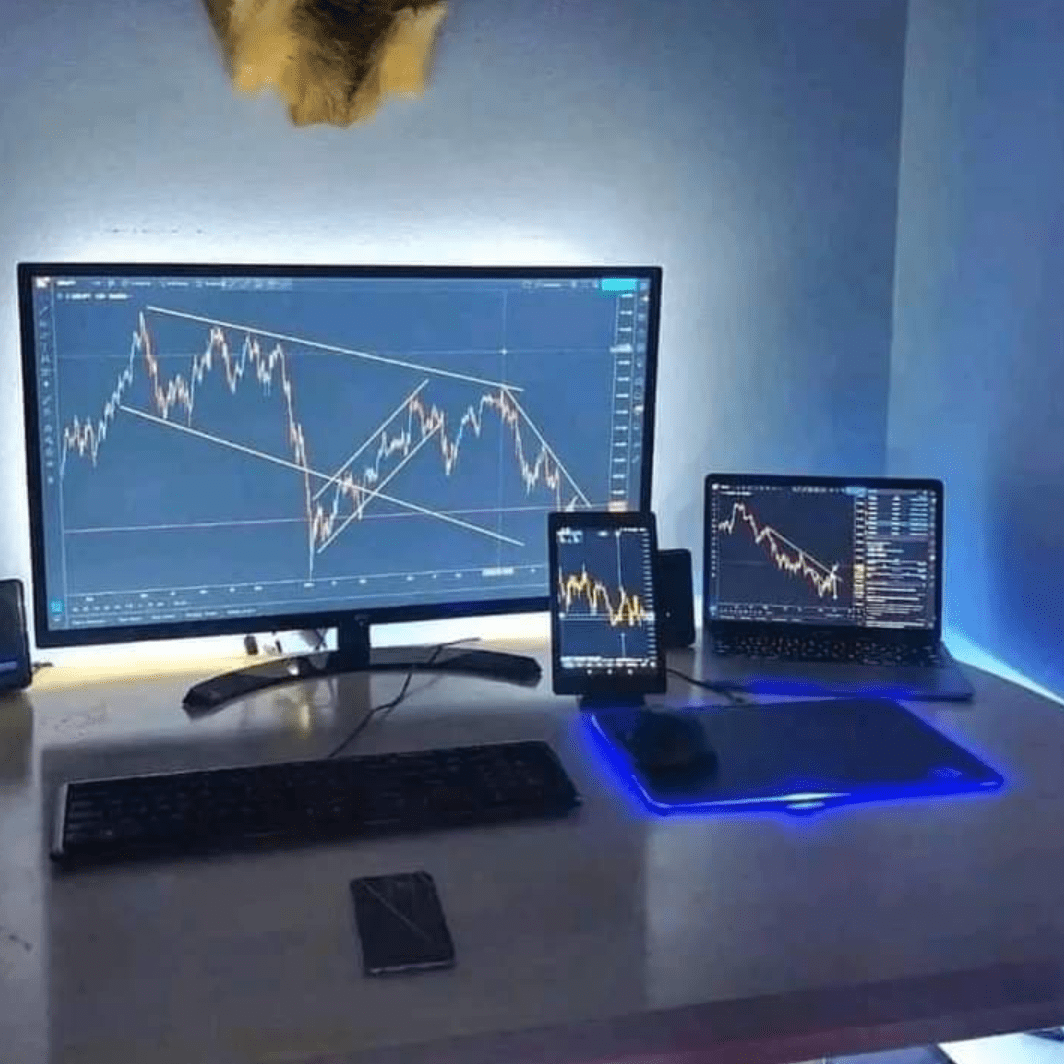
Als jemand, der die Markttrends genau beobachtet und Futures handelt, erwarte ich mit großer Spannung die vollständige Einführung von @grvt_io io. Die Überbrückung der Lücke zwischen der Sicherheit einer selbstverwalteten Wallet und der schnellen Ausführung, die für ernsthaftes Trading erforderlich ist, ist ein großer Schritt nach vorn für das Ökosystem. Sicher, skalierbar und für echte Trader gebaut! #grv
#grvt
Als jemand, der die Markttrends genau beobachtet und Futures handelt, erwarte ich mit großer Spannung die vollständige Einführung von @grvt_io io. Die Überbrückung der Lücke zwischen der Sicherheit einer selbstverwalteten Wallet und der schnellen Ausführung, die für ernsthaftes Trading erforderlich ist, ist ein großer Schritt nach vorn für das Ökosystem. Sicher, skalierbar und für echte Trader gebaut! #grv
Als jemand, der die Markttrends genau beobachtet und Futures handelt, erwarte ich mit großer Spannung die vollständige Einführung von @grvt_io io. Die Überbrückung der Lücke zwischen der Sicherheit einer selbstverwalteten Wallet und der schnellen Ausführung, die für ernsthaftes Trading erforderlich ist, ist ein großer Schritt nach vorn für das Ökosystem. Sicher, skalierbar und für echte Trader gebaut! #grv
73

·
--
#grvt Jede Innovation in der Krypto-Welt beginnt damit, ein echtes Problem zu lösen. @grvt_io konzentriert sich darauf, das Trading durch seinen hybriden Exchange-Ansatz sicherer und effizienter zu machen. Es ist großartig zu sehen, dass Projekte praktische Infrastruktur aufbauen, die das Handelserlebnis für alle verbessern kann. #grv
#grvt Jede Innovation in der Krypto-Welt beginnt damit, ein echtes Problem zu lösen. @grvt_io konzentriert sich darauf, das Trading durch seinen hybriden Exchange-Ansatz sicherer und effizienter zu machen. Es ist großartig zu sehen, dass Projekte praktische Infrastruktur aufbauen, die das Handelserlebnis für alle verbessern kann. #grv
61
🚨 $GRV PERPS LIVE AM 31. JULI — 10X HEBEL BEREIT FÜR DIE ERSTE BEWEGUNG! ⚡
Der Perp-Markt hat gerade ein neues Instrument zum Handel erhalten. Die $GRV /USDT-Perpetual-Notierung wird am 31. Juli um 20:45 UTC+8 an einer erstklassigen Börse starten — mit bis zu 10x Hebel, der ab der Eröffnung freigeschaltet wird. ⚡
Frische Perpetual-Notierungen schaffen ein Vakuum an Liquidität — und dort, wo sich Liquidität sammelt, folgen die schärfsten Moves. 📊 Das frühe Sitzungsvolumen bestimmt oft die Richtung für die ersten Stunden, während Gebote und Anfragen noch in Echtzeit ausgehandelt werden. 🔍
Der eigentliche Vorteil liegt darin, zu beobachten, wie die erste Kerze „atmet“: ein heftiger Spike nach oben oder ein Sweep der Tiefs, bevor die tatsächliche Richtung einsetzt. 💬 Spürst du die Notierungs-Liquidität voraus oder lässt du den Orderflow erst bestätigen? 👇
⚠️ Keine finanzielle Beratung. Verwalte stets dein Risiko. 🛡️
🏷️ #GRV #Perpetual #Crypto #Trading #Altcoins
⚡ 🎯
🚨 $GRV PERPS LIVE AM 31. JULI — 10X HEBEL BEREIT FÜR DIE ERSTE BEWEGUNG! ⚡
Der Perp-Markt hat gerade ein neues Instrument zum Handel erhalten. Die $GRV /USDT-Perpetual-Notierung wird am 31. Juli um 20:45 UTC+8 an einer erstklassigen Börse starten — mit bis zu 10x Hebel, der ab der Eröffnung freigeschaltet wird. ⚡
Frische Perpetual-Notierungen schaffen ein Vakuum an Liquidität — und dort, wo sich Liquidität sammelt, folgen die schärfsten Moves. 📊 Das frühe Sitzungsvolumen bestimmt oft die Richtung für die ersten Stunden, während Gebote und Anfragen noch in Echtzeit ausgehandelt werden. 🔍
Der eigentliche Vorteil liegt darin, zu beobachten, wie die erste Kerze „atmet“: ein heftiger Spike nach oben oder ein Sweep der Tiefs, bevor die tatsächliche Richtung einsetzt. 💬 Spürst du die Notierungs-Liquidität voraus oder lässt du den Orderflow erst bestätigen? 👇
⚠️ Keine finanzielle Beratung. Verwalte stets dein Risiko. 🛡️
🏷️ #GRV #Perpetual #Crypto #Trading #Altcoins
⚡ 🎯
Der Perp-Markt hat gerade ein neues Instrument zum Handel erhalten. Die $GRV /USDT-Perpetual-Notierung wird am 31. Juli um 20:45 UTC+8 an einer erstklassigen Börse starten — mit bis zu 10x Hebel, der ab der Eröffnung freigeschaltet wird. ⚡
Frische Perpetual-Notierungen schaffen ein Vakuum an Liquidität — und dort, wo sich Liquidität sammelt, folgen die schärfsten Moves. 📊 Das frühe Sitzungsvolumen bestimmt oft die Richtung für die ersten Stunden, während Gebote und Anfragen noch in Echtzeit ausgehandelt werden. 🔍
Der eigentliche Vorteil liegt darin, zu beobachten, wie die erste Kerze „atmet“: ein heftiger Spike nach oben oder ein Sweep der Tiefs, bevor die tatsächliche Richtung einsetzt. 💬 Spürst du die Notierungs-Liquidität voraus oder lässt du den Orderflow erst bestätigen? 👇
⚠️ Keine finanzielle Beratung. Verwalte stets dein Risiko. 🛡️
🏷️ #GRV #Perpetual #Crypto #Trading #Altcoins
⚡ 🎯
1
25

·
--
Bullisch
#grvt Ever notice how your trading capital is basically "asleep" the moment it's not in an active position? That's the quiet inefficiency most exchanges never talk about.
GRVT ist dabei, genau das zu beheben. Es ist eine Hybrid-Börse – teils CeFi, teils DeFi – gebaut, damit du die Geschwindigkeit und Benutzerfreundlichkeit einer zentralisierten Plattform bekommst, ohne vollständig auf die Verwahrung deiner Mittel zu verzichten.
Hier kommt der praktische Teil: Du behältst die Selbstverwahrung deiner Assets, während Trades weiterhin on-chain abgerechnet werden. So gibt es einen transparenten Nachweis darüber, was tatsächlich mit deinen Mitteln passiert ist – statt nur auf das interne Ledger eines Unternehmens zu vertrauen. Die Ausführung ist auf Tempo ausgelegt, sodass es sich nicht so anfühlt, als würdest du für diese Transparenz auf Performance verzichten.
Am meisten aufgefallen ist mir das einheitliche Balance-Setup. Anstatt die Mittel auf Spot, Futures und inaktive Wallets aufzuteilen, arbeitet deine Balance als ein einziger Pool. Kapital, das nicht aktiv in einem Trade steckt, kann weiterhin so positioniert werden, dass es Rendite erzielt – statt komplett ungenutzt herumzuliegen, bis du es verwendest.
Außerdem kannst du in demselben Konto sowohl Krypto als auch tokenisierte Real-World-Assets handeln – das ist zwar nur ein kleiner, aber bedeutsamer Schritt hin zu Börsen, die eher wie vereinheitlichte Finanzplattformen agieren, statt wie Single-Purpose-Trading-Apps.
Der Blickwinkel der Kapitaleffizienz ist hier wirklich die Kernidee: Bei traditionellen Börsen ist uninvestiertes Guthaben im Grunde totes Gewicht. Wenn das Modell von GRVT sich bei echtem Volumen und unter Stressbedingungen bewährt, wird dieses Problem mit dem „idle capital“ deutlich kleiner.
Mein ehrliches Fazit: Die Kombination aus Self-Custody + On-Chain-Abrechnung ist das schwierigere Engineering-Problem, das man richtig hinbekommt – nicht der spektakuläre Teil. Execution Speed ist leicht zu vermarkten. Vertrauenslose Abwicklung ohne Verzögerung ist es, bei der die meisten hybriden Modelle tatsächlich scheitern bzw. Schwierigkeiten haben.
Würdest du persönlich auf einer hybriden CeFi/DeFi-Börse handeln, oder ziehst du es immer noch vor, die Verwahrung und das Trading strikt getrennt zu halten?
@grvt_io #grv
{future}(LABUSDT)
#grvt Ever notice how your trading capital is basically "asleep" the moment it's not in an active position? That's the quiet inefficiency most exchanges never talk about.
GRVT ist dabei, genau das zu beheben. Es ist eine Hybrid-Börse – teils CeFi, teils DeFi – gebaut, damit du die Geschwindigkeit und Benutzerfreundlichkeit einer zentralisierten Plattform bekommst, ohne vollständig auf die Verwahrung deiner Mittel zu verzichten.
Hier kommt der praktische Teil: Du behältst die Selbstverwahrung deiner Assets, während Trades weiterhin on-chain abgerechnet werden. So gibt es einen transparenten Nachweis darüber, was tatsächlich mit deinen Mitteln passiert ist – statt nur auf das interne Ledger eines Unternehmens zu vertrauen. Die Ausführung ist auf Tempo ausgelegt, sodass es sich nicht so anfühlt, als würdest du für diese Transparenz auf Performance verzichten.
Am meisten aufgefallen ist mir das einheitliche Balance-Setup. Anstatt die Mittel auf Spot, Futures und inaktive Wallets aufzuteilen, arbeitet deine Balance als ein einziger Pool. Kapital, das nicht aktiv in einem Trade steckt, kann weiterhin so positioniert werden, dass es Rendite erzielt – statt komplett ungenutzt herumzuliegen, bis du es verwendest.
Außerdem kannst du in demselben Konto sowohl Krypto als auch tokenisierte Real-World-Assets handeln – das ist zwar nur ein kleiner, aber bedeutsamer Schritt hin zu Börsen, die eher wie vereinheitlichte Finanzplattformen agieren, statt wie Single-Purpose-Trading-Apps.
Der Blickwinkel der Kapitaleffizienz ist hier wirklich die Kernidee: Bei traditionellen Börsen ist uninvestiertes Guthaben im Grunde totes Gewicht. Wenn das Modell von GRVT sich bei echtem Volumen und unter Stressbedingungen bewährt, wird dieses Problem mit dem „idle capital“ deutlich kleiner.
Mein ehrliches Fazit: Die Kombination aus Self-Custody + On-Chain-Abrechnung ist das schwierigere Engineering-Problem, das man richtig hinbekommt – nicht der spektakuläre Teil. Execution Speed ist leicht zu vermarkten. Vertrauenslose Abwicklung ohne Verzögerung ist es, bei der die meisten hybriden Modelle tatsächlich scheitern bzw. Schwierigkeiten haben.
Würdest du persönlich auf einer hybriden CeFi/DeFi-Börse handeln, oder ziehst du es immer noch vor, die Verwahrung und das Trading strikt getrennt zu halten?
@grvt_io #grv
GRVT ist dabei, genau das zu beheben. Es ist eine Hybrid-Börse – teils CeFi, teils DeFi – gebaut, damit du die Geschwindigkeit und Benutzerfreundlichkeit einer zentralisierten Plattform bekommst, ohne vollständig auf die Verwahrung deiner Mittel zu verzichten.
Hier kommt der praktische Teil: Du behältst die Selbstverwahrung deiner Assets, während Trades weiterhin on-chain abgerechnet werden. So gibt es einen transparenten Nachweis darüber, was tatsächlich mit deinen Mitteln passiert ist – statt nur auf das interne Ledger eines Unternehmens zu vertrauen. Die Ausführung ist auf Tempo ausgelegt, sodass es sich nicht so anfühlt, als würdest du für diese Transparenz auf Performance verzichten.
Am meisten aufgefallen ist mir das einheitliche Balance-Setup. Anstatt die Mittel auf Spot, Futures und inaktive Wallets aufzuteilen, arbeitet deine Balance als ein einziger Pool. Kapital, das nicht aktiv in einem Trade steckt, kann weiterhin so positioniert werden, dass es Rendite erzielt – statt komplett ungenutzt herumzuliegen, bis du es verwendest.
Außerdem kannst du in demselben Konto sowohl Krypto als auch tokenisierte Real-World-Assets handeln – das ist zwar nur ein kleiner, aber bedeutsamer Schritt hin zu Börsen, die eher wie vereinheitlichte Finanzplattformen agieren, statt wie Single-Purpose-Trading-Apps.
Der Blickwinkel der Kapitaleffizienz ist hier wirklich die Kernidee: Bei traditionellen Börsen ist uninvestiertes Guthaben im Grunde totes Gewicht. Wenn das Modell von GRVT sich bei echtem Volumen und unter Stressbedingungen bewährt, wird dieses Problem mit dem „idle capital“ deutlich kleiner.
Mein ehrliches Fazit: Die Kombination aus Self-Custody + On-Chain-Abrechnung ist das schwierigere Engineering-Problem, das man richtig hinbekommt – nicht der spektakuläre Teil. Execution Speed ist leicht zu vermarkten. Vertrauenslose Abwicklung ohne Verzögerung ist es, bei der die meisten hybriden Modelle tatsächlich scheitern bzw. Schwierigkeiten haben.
Würdest du persönlich auf einer hybriden CeFi/DeFi-Börse handeln, oder ziehst du es immer noch vor, die Verwahrung und das Trading strikt getrennt zu halten?
@grvt_io #grv
14
6
299

#grvt
@grvt_io definiert DeFi neu – mit ihrer zk-basierten Hybrid-Börse. Die Kombination aus CEX-Geschwindigkeit und DEX-Selbstverwahrung auf ZKsync bedeutet sicheres Trading ohne Kompromisse. Ich freue mich darauf, Grvts transparente Orderbücher und Funktionen auf institutionellem Niveau zu erkunden. #grv
#grvt
@grvt_io definiert DeFi neu – mit ihrer zk-basierten Hybrid-Börse. Die Kombination aus CEX-Geschwindigkeit und DEX-Selbstverwahrung auf ZKsync bedeutet sicheres Trading ohne Kompromisse. Ich freue mich darauf, Grvts transparente Orderbücher und Funktionen auf institutionellem Niveau zu erkunden. #grv
@grvt_io definiert DeFi neu – mit ihrer zk-basierten Hybrid-Börse. Die Kombination aus CEX-Geschwindigkeit und DEX-Selbstverwahrung auf ZKsync bedeutet sicheres Trading ohne Kompromisse. Ich freue mich darauf, Grvts transparente Orderbücher und Funktionen auf institutionellem Niveau zu erkunden. #grv
84

·
--
#grvt #GRVT
Die Erwartungen an den Start des Projekts @grvt_io laufen auf die Zielgerade zu!
Die hybride Derivateplattform bereitet sich auf den offiziellen Launch ihres nativen Tokens vor – bereits am 21. Juli. Die Kombination aus der Geschwindigkeit zentralisierter Börsen mit der Sicherheit von Self-Custody und der Architektur von ZK-Beweisen schafft einen ernstzunehmenden Wettbewerber für den DEX-Markt.
Besonders hervorzuheben ist die Integration mit Aave zur Steigerung der Kapitaleffizienz sowie die kürzliche Aufnahme des Projekts in die Roadmap für Listings von Coinbase. Da den Nutzern bereits die Registrierung für ein Airdrop mit flexiblen Strategien zur Token-Erzielung geöffnet wurde, verspricht der Juli für das Ökosystem extrem heiß zu werden. Was denkt ihr über das Potenzial des Tokens zum Start?
#grvt #GRV
#grvt #GRVT
Die Erwartungen an den Start des Projekts @grvt_io laufen auf die Zielgerade zu!
Die hybride Derivateplattform bereitet sich auf den offiziellen Launch ihres nativen Tokens vor – bereits am 21. Juli. Die Kombination aus der Geschwindigkeit zentralisierter Börsen mit der Sicherheit von Self-Custody und der Architektur von ZK-Beweisen schafft einen ernstzunehmenden Wettbewerber für den DEX-Markt.
Besonders hervorzuheben ist die Integration mit Aave zur Steigerung der Kapitaleffizienz sowie die kürzliche Aufnahme des Projekts in die Roadmap für Listings von Coinbase. Da den Nutzern bereits die Registrierung für ein Airdrop mit flexiblen Strategien zur Token-Erzielung geöffnet wurde, verspricht der Juli für das Ökosystem extrem heiß zu werden. Was denkt ihr über das Potenzial des Tokens zum Start?
#grvt #GRV
Die Erwartungen an den Start des Projekts @grvt_io laufen auf die Zielgerade zu!
Die hybride Derivateplattform bereitet sich auf den offiziellen Launch ihres nativen Tokens vor – bereits am 21. Juli. Die Kombination aus der Geschwindigkeit zentralisierter Börsen mit der Sicherheit von Self-Custody und der Architektur von ZK-Beweisen schafft einen ernstzunehmenden Wettbewerber für den DEX-Markt.
Besonders hervorzuheben ist die Integration mit Aave zur Steigerung der Kapitaleffizienz sowie die kürzliche Aufnahme des Projekts in die Roadmap für Listings von Coinbase. Da den Nutzern bereits die Registrierung für ein Airdrop mit flexiblen Strategien zur Token-Erzielung geöffnet wurde, verspricht der Juli für das Ökosystem extrem heiß zu werden. Was denkt ihr über das Potenzial des Tokens zum Start?
#grvt #GRV
21
91
🦈 $GRV PERP DEBUTS MIT 10X HEBEL — NEUER LIQUIDITÄTSPOOL IM SPIEL ⚡
📌 Eine erstklassige Börse hat gerade den $GRV-Perp eröffnet — ein nagelneuer Orderbook mit null historischen Liquiditätsankern. Die ersten Stunden nach dem Listing definieren oft den anfänglichen Bereich, und frühe Verschiebungen hinterlassen häufig die erste Fair-Value-Lücke, die Trader mehrere Tage lang beobachten werden. 🔍
⚡ Bei einem auf 10x begrenzten Leverage gibt es Raum für Ausdruck, ohne extremes Multiplikator-Chaos. Der Vorteil hier ist Geduld — lass die Eröffnungsauktion sich setzen und warte, bis der Preis seine erste strukturelle Weiche offenbart. 💬 Reitest du den anfänglichen Impuls oder wartest du einen Liquidity Sweep unter den Eröffnungsbereich? 👇
⚠️ Keine Finanzberatung. Behandle immer dein Risiko. 🛡️
🏷️ #GRV #Perpetual #NewListing #Crypto
🎯 🦈
🦈 $GRV PERP DEBUTS MIT 10X HEBEL — NEUER LIQUIDITÄTSPOOL IM SPIEL ⚡
📌 Eine erstklassige Börse hat gerade den $GRV-Perp eröffnet — ein nagelneuer Orderbook mit null historischen Liquiditätsankern. Die ersten Stunden nach dem Listing definieren oft den anfänglichen Bereich, und frühe Verschiebungen hinterlassen häufig die erste Fair-Value-Lücke, die Trader mehrere Tage lang beobachten werden. 🔍
⚡ Bei einem auf 10x begrenzten Leverage gibt es Raum für Ausdruck, ohne extremes Multiplikator-Chaos. Der Vorteil hier ist Geduld — lass die Eröffnungsauktion sich setzen und warte, bis der Preis seine erste strukturelle Weiche offenbart. 💬 Reitest du den anfänglichen Impuls oder wartest du einen Liquidity Sweep unter den Eröffnungsbereich? 👇
⚠️ Keine Finanzberatung. Behandle immer dein Risiko. 🛡️
🏷️ #GRV #Perpetual #NewListing #Crypto
🎯 🦈
📌 Eine erstklassige Börse hat gerade den $GRV-Perp eröffnet — ein nagelneuer Orderbook mit null historischen Liquiditätsankern. Die ersten Stunden nach dem Listing definieren oft den anfänglichen Bereich, und frühe Verschiebungen hinterlassen häufig die erste Fair-Value-Lücke, die Trader mehrere Tage lang beobachten werden. 🔍
⚡ Bei einem auf 10x begrenzten Leverage gibt es Raum für Ausdruck, ohne extremes Multiplikator-Chaos. Der Vorteil hier ist Geduld — lass die Eröffnungsauktion sich setzen und warte, bis der Preis seine erste strukturelle Weiche offenbart. 💬 Reitest du den anfänglichen Impuls oder wartest du einen Liquidity Sweep unter den Eröffnungsbereich? 👇
⚠️ Keine Finanzberatung. Behandle immer dein Risiko. 🛡️
🏷️ #GRV #Perpetual #NewListing #Crypto
🎯 🦈
9

·
--
#grvt Unterhaltung mit Gemini
Erstelle kurze Posts auf Binance Square (≥100 Zeichen)für grav
Hier sind drei unterschiedliche Optionen für deine Binance-Square-Posts über Gravity (G), jeweils mit passenden Hashtags und engagement-orientierter Formatierung. Alle Optionen liegen deutlich über der 100-Zeichen-Mindestlänge.
Option 1: Fokus auf Tech & Skalierbarkeit (bullisch/fundamental)
🚀 Lass uns über die Technologie sprechen, die $G (#Gravity) antreibt. 1 Gigagas pro Sekunde Durchsatz mit Finalität im Sekundenbruchteil zu erreichen, ist riesig für die Massenadoption. In Kombination mit EVM-Kompatibilität und durch Restaking gestützter Sicherheit ist es ein Paradies für Entwickler, um Web3-dApps nahtlos zu skalieren. Augen auf den Chart, wenn das Wachstum des Ökosystems wieder anzieht! 🌌
Binance
#Gravity #G #Layer1 #CryptoDeFi #BinanceSquare
Option 2: Fokus auf Ökosystem & Nutzen (Galxe-Integration)
Der Nutzen über zwei Ökosysteme hinweg ist ein enormer fundamentaler Treiber. $G ist nicht nur der native Gas-Token für die Gravity Chain; es ist vollständig in das Galxe-Ökosystem integriert und unterstützt Governance, Staking-Rewards und App-Zahlungen. $G für langfristige Nachhaltigkeit zu staken und exklusive Benefits zu sichern, ist für aktive Web3-Nutzer ein No-Brainer. 💎💼
Binance
#G #GravityChain #Galxe #Web3 #StakingRewards
Option 3: Marktsentiment & Momentum (Trading/TA-Fokus)
$G /USDT zeigt gerade eine absolute Meisterklasse mit massivem Volumen, das in die Orderbücher strömt! 📊 Durchbricht wichtige makroökonomische Widerstandsmarken und fängt extremes Momentum ab. Beobachte die Support-Zonen genau für einen sauberen Einstieg. Akkumulierst du hier $G Spot oder wartest du auf einen kurzen Konsolidations-Run? Lass es uns unten diskutieren! 👇🔥
#Gravity #GUSDT #Altcoins #CryptoTrading #BullRun#Grv
#grvt Unterhaltung mit Gemini
Erstelle kurze Posts auf Binance Square (≥100 Zeichen)für grav
Hier sind drei unterschiedliche Optionen für deine Binance-Square-Posts über Gravity (G), jeweils mit passenden Hashtags und engagement-orientierter Formatierung. Alle Optionen liegen deutlich über der 100-Zeichen-Mindestlänge.
Option 1: Fokus auf Tech & Skalierbarkeit (bullisch/fundamental)
🚀 Lass uns über die Technologie sprechen, die $G (#Gravity) antreibt. 1 Gigagas pro Sekunde Durchsatz mit Finalität im Sekundenbruchteil zu erreichen, ist riesig für die Massenadoption. In Kombination mit EVM-Kompatibilität und durch Restaking gestützter Sicherheit ist es ein Paradies für Entwickler, um Web3-dApps nahtlos zu skalieren. Augen auf den Chart, wenn das Wachstum des Ökosystems wieder anzieht! 🌌
Binance
#Gravity #G #Layer1 #CryptoDeFi #BinanceSquare
Option 2: Fokus auf Ökosystem & Nutzen (Galxe-Integration)
Der Nutzen über zwei Ökosysteme hinweg ist ein enormer fundamentaler Treiber. $G ist nicht nur der native Gas-Token für die Gravity Chain; es ist vollständig in das Galxe-Ökosystem integriert und unterstützt Governance, Staking-Rewards und App-Zahlungen. $G für langfristige Nachhaltigkeit zu staken und exklusive Benefits zu sichern, ist für aktive Web3-Nutzer ein No-Brainer. 💎💼
Binance
#G #GravityChain #Galxe #Web3 #StakingRewards
Option 3: Marktsentiment & Momentum (Trading/TA-Fokus)
$G /USDT zeigt gerade eine absolute Meisterklasse mit massivem Volumen, das in die Orderbücher strömt! 📊 Durchbricht wichtige makroökonomische Widerstandsmarken und fängt extremes Momentum ab. Beobachte die Support-Zonen genau für einen sauberen Einstieg. Akkumulierst du hier $G Spot oder wartest du auf einen kurzen Konsolidations-Run? Lass es uns unten diskutieren! 👇🔥
#Gravity #GUSDT #Altcoins #CryptoTrading #BullRun#Grv
Erstelle kurze Posts auf Binance Square (≥100 Zeichen)für grav
Hier sind drei unterschiedliche Optionen für deine Binance-Square-Posts über Gravity (G), jeweils mit passenden Hashtags und engagement-orientierter Formatierung. Alle Optionen liegen deutlich über der 100-Zeichen-Mindestlänge.
Option 1: Fokus auf Tech & Skalierbarkeit (bullisch/fundamental)
🚀 Lass uns über die Technologie sprechen, die $G (#Gravity) antreibt. 1 Gigagas pro Sekunde Durchsatz mit Finalität im Sekundenbruchteil zu erreichen, ist riesig für die Massenadoption. In Kombination mit EVM-Kompatibilität und durch Restaking gestützter Sicherheit ist es ein Paradies für Entwickler, um Web3-dApps nahtlos zu skalieren. Augen auf den Chart, wenn das Wachstum des Ökosystems wieder anzieht! 🌌
Binance
#Gravity #G #Layer1 #CryptoDeFi #BinanceSquare
Option 2: Fokus auf Ökosystem & Nutzen (Galxe-Integration)
Der Nutzen über zwei Ökosysteme hinweg ist ein enormer fundamentaler Treiber. $G ist nicht nur der native Gas-Token für die Gravity Chain; es ist vollständig in das Galxe-Ökosystem integriert und unterstützt Governance, Staking-Rewards und App-Zahlungen. $G für langfristige Nachhaltigkeit zu staken und exklusive Benefits zu sichern, ist für aktive Web3-Nutzer ein No-Brainer. 💎💼
Binance
#G #GravityChain #Galxe #Web3 #StakingRewards
Option 3: Marktsentiment & Momentum (Trading/TA-Fokus)
$G /USDT zeigt gerade eine absolute Meisterklasse mit massivem Volumen, das in die Orderbücher strömt! 📊 Durchbricht wichtige makroökonomische Widerstandsmarken und fängt extremes Momentum ab. Beobachte die Support-Zonen genau für einen sauberen Einstieg. Akkumulierst du hier $G Spot oder wartest du auf einen kurzen Konsolidations-Run? Lass es uns unten diskutieren! 👇🔥
#Gravity #GUSDT #Altcoins #CryptoTrading #BullRun#Grv
125
·
--
#grvt
Ich habe heute beschlossen, die Architektur beliebter Kryptobörsen zu vergleichen, um einen sicheren und bequemen Ort für das Trading zu finden. Und dabei ist mir eine Sache klar geworden. Die meisten uns vertrauten CEX-Plattformen sind zwar schnell, aber sie zwingen uns dazu, die Schlüssel zu unserem Geld der Börsen-Administration zu überlassen. Normale DEX hingegen bieten dagegen volle Sicherheit, bremsen aber stark, sobald auf dem Markt eine hohe Volatilität einsetzt.
Und hier konnte das Projekt @grvt_io beide Welten gewissermaßen vereinen. Dank moderner ZK-Technologien haben sie die Auftragsverarbeitung in ein ultraschnelles System verlagert. Gleichzeitig haben sie aber das self-custody-Konzept beibehalten, also liegen die Gelder nur in Ihrer persönlichen Wallet. Niemand von außen kann Ihr Guthaben blockieren. Der Zugang zu dieser Hybrid-Plattform ist dabei einfach gemacht – über eine normale E-Mail oder per Biometrie – ohne komplizierte Web3-Anweisungen.
Meiner Meinung nach ist das der erste Marktplatz, auf dem ich mich wirklich sowohl wegen der Geschwindigkeit als auch wegen der Sicherheit meiner Assets wohlfühle. #grvt #GRV
#grvt
Ich habe heute beschlossen, die Architektur beliebter Kryptobörsen zu vergleichen, um einen sicheren und bequemen Ort für das Trading zu finden. Und dabei ist mir eine Sache klar geworden. Die meisten uns vertrauten CEX-Plattformen sind zwar schnell, aber sie zwingen uns dazu, die Schlüssel zu unserem Geld der Börsen-Administration zu überlassen. Normale DEX hingegen bieten dagegen volle Sicherheit, bremsen aber stark, sobald auf dem Markt eine hohe Volatilität einsetzt.
Und hier konnte das Projekt @grvt_io beide Welten gewissermaßen vereinen. Dank moderner ZK-Technologien haben sie die Auftragsverarbeitung in ein ultraschnelles System verlagert. Gleichzeitig haben sie aber das self-custody-Konzept beibehalten, also liegen die Gelder nur in Ihrer persönlichen Wallet. Niemand von außen kann Ihr Guthaben blockieren. Der Zugang zu dieser Hybrid-Plattform ist dabei einfach gemacht – über eine normale E-Mail oder per Biometrie – ohne komplizierte Web3-Anweisungen.
Meiner Meinung nach ist das der erste Marktplatz, auf dem ich mich wirklich sowohl wegen der Geschwindigkeit als auch wegen der Sicherheit meiner Assets wohlfühle. #grvt #GRV
Ich habe heute beschlossen, die Architektur beliebter Kryptobörsen zu vergleichen, um einen sicheren und bequemen Ort für das Trading zu finden. Und dabei ist mir eine Sache klar geworden. Die meisten uns vertrauten CEX-Plattformen sind zwar schnell, aber sie zwingen uns dazu, die Schlüssel zu unserem Geld der Börsen-Administration zu überlassen. Normale DEX hingegen bieten dagegen volle Sicherheit, bremsen aber stark, sobald auf dem Markt eine hohe Volatilität einsetzt.
Und hier konnte das Projekt @grvt_io beide Welten gewissermaßen vereinen. Dank moderner ZK-Technologien haben sie die Auftragsverarbeitung in ein ultraschnelles System verlagert. Gleichzeitig haben sie aber das self-custody-Konzept beibehalten, also liegen die Gelder nur in Ihrer persönlichen Wallet. Niemand von außen kann Ihr Guthaben blockieren. Der Zugang zu dieser Hybrid-Plattform ist dabei einfach gemacht – über eine normale E-Mail oder per Biometrie – ohne komplizierte Web3-Anweisungen.
Meiner Meinung nach ist das der erste Marktplatz, auf dem ich mich wirklich sowohl wegen der Geschwindigkeit als auch wegen der Sicherheit meiner Assets wohlfühle. #grvt #GRV
22
113

·
--
Der TGE am 21. Juli für @grvt_io rückt näher, und in der Community wird über die Airdrop-Claim-Optionen diskutiert.
Die Möglichkeit zu wählen, ob man den Claim direkt beim TGE geltend macht oder den Claim verzögert, um die Zuteilung um bis zu 4x zu erhöhen, ist ein interessantes Setup.
So kann man zwischen sofortiger Liquidität und langfristigem Commitment abwägen. In einem überfüllten Perp-DEX-Markt könnte dieser Multiplikator-Ansatz den anfänglichen Verkaufsdruck verringern, wenn genug Nutzer warten, um die größere Belohnung zu erhalten.
Schauen wir mal, wie der Markt am Launch-Tag reagiert.
#grv
Der TGE am 21. Juli für @grvt_io rückt näher, und in der Community wird über die Airdrop-Claim-Optionen diskutiert.
Die Möglichkeit zu wählen, ob man den Claim direkt beim TGE geltend macht oder den Claim verzögert, um die Zuteilung um bis zu 4x zu erhöhen, ist ein interessantes Setup.
So kann man zwischen sofortiger Liquidität und langfristigem Commitment abwägen. In einem überfüllten Perp-DEX-Markt könnte dieser Multiplikator-Ansatz den anfänglichen Verkaufsdruck verringern, wenn genug Nutzer warten, um die größere Belohnung zu erhalten.
Schauen wir mal, wie der Markt am Launch-Tag reagiert.
#grv
Die Möglichkeit zu wählen, ob man den Claim direkt beim TGE geltend macht oder den Claim verzögert, um die Zuteilung um bis zu 4x zu erhöhen, ist ein interessantes Setup.
So kann man zwischen sofortiger Liquidität und langfristigem Commitment abwägen. In einem überfüllten Perp-DEX-Markt könnte dieser Multiplikator-Ansatz den anfänglichen Verkaufsdruck verringern, wenn genug Nutzer warten, um die größere Belohnung zu erhalten.
Schauen wir mal, wie der Markt am Launch-Tag reagiert.
#grv
2
75

Ich habe bemerkt, dass viele Trader das Gefühl haben, sie müssten sich zwischen Bequemlichkeit und voller Kontrolle über ihr Krypto entscheiden. Das hat mich neugierig auf GRVT gemacht.
Nach dem, was ich gelernt habe, versucht es, diese beiden Welten miteinander zu verbinden, anstatt Nutzer vor die Wahl zu stellen, zu Lasten des einen auf etwas zu verzichten. Die Idee, eine vertraute Handelserfahrung mit On-Chain-Transparenz zu kombinieren, fühlt sich wie ein praktischer Schritt an – nicht einfach wie nur ein weiterer Trend. Außerdem gefällt mir, dass der Fokus nicht nur auf Geschwindigkeit liegt, sondern auch darauf, den Nutzern mehr Vertrauen darüber zu geben, wie mit ihren Assets umgegangen wird. Hybrid-Börsen entwickeln sich noch weiter, daher wird es spannend sein zu sehen, wie Projekte wie GRVT die nächste Phase des Krypto-Handels prägen werden. Ich freue mich darauf, zu sehen, wie sich dieser Ansatz im Laufe der Zeit entwickelt.
#grv @grvt_io
Ich habe bemerkt, dass viele Trader das Gefühl haben, sie müssten sich zwischen Bequemlichkeit und voller Kontrolle über ihr Krypto entscheiden. Das hat mich neugierig auf GRVT gemacht.
Nach dem, was ich gelernt habe, versucht es, diese beiden Welten miteinander zu verbinden, anstatt Nutzer vor die Wahl zu stellen, zu Lasten des einen auf etwas zu verzichten. Die Idee, eine vertraute Handelserfahrung mit On-Chain-Transparenz zu kombinieren, fühlt sich wie ein praktischer Schritt an – nicht einfach wie nur ein weiterer Trend. Außerdem gefällt mir, dass der Fokus nicht nur auf Geschwindigkeit liegt, sondern auch darauf, den Nutzern mehr Vertrauen darüber zu geben, wie mit ihren Assets umgegangen wird. Hybrid-Börsen entwickeln sich noch weiter, daher wird es spannend sein zu sehen, wie Projekte wie GRVT die nächste Phase des Krypto-Handels prägen werden. Ich freue mich darauf, zu sehen, wie sich dieser Ansatz im Laufe der Zeit entwickelt.
#grv @grvt_io
Nach dem, was ich gelernt habe, versucht es, diese beiden Welten miteinander zu verbinden, anstatt Nutzer vor die Wahl zu stellen, zu Lasten des einen auf etwas zu verzichten. Die Idee, eine vertraute Handelserfahrung mit On-Chain-Transparenz zu kombinieren, fühlt sich wie ein praktischer Schritt an – nicht einfach wie nur ein weiterer Trend. Außerdem gefällt mir, dass der Fokus nicht nur auf Geschwindigkeit liegt, sondern auch darauf, den Nutzern mehr Vertrauen darüber zu geben, wie mit ihren Assets umgegangen wird. Hybrid-Börsen entwickeln sich noch weiter, daher wird es spannend sein zu sehen, wie Projekte wie GRVT die nächste Phase des Krypto-Handels prägen werden. Ich freue mich darauf, zu sehen, wie sich dieser Ansatz im Laufe der Zeit entwickelt.
#grv @grvt_io
118

·
--
Bullisch
#grvt
Die Gym-Mitgliedschaft, die ein Stück vom Gym besitzt
Mein altes Gym hatte zwei Arten von Mitgliedern. Die, die monatlich bezahlten und einen Spind bekamen. Und die, die irgendwie Anteile an dem Ort bekamen — bessere Zeiten, bessere Konditionen, als Erste die neuen Geräte, weil sie früh genug eingestiegen waren, damit es wirklich zählt. Ich habe immer angenommen, das seien nur verschiedene Stufen derselben Transaktion. Mehr zahlen, mehr bekommen. Nichts Grundlegendes daran.
Dann habe ich mir angeschaut, wofür @grvt_io tatsächlich gebaut ist.
Es ist nicht so dargestellt, dass es ein Trading-Token ist, das man kauft und vergisst. Es ist als Mitgliedschaftsschlüssel gerahmt — halten oder staken, und die Vorteile wachsen, während @grvt_io wächst: bessere Gebühren, höhere Renditen, größere AUM-Limits, bevorzugter Zugang zu allem, was als Nächstes über Trade, Invest, Earn und Pay verschickt wird. Keine statische Vorteils-Liste. Eine Vorteils-Liste, die mit der Plattform mitwächst.
Ich dachte, das sei nur Marketing-Sprache, so wie es jedes Token vor dem Launch macht.
Was mich ins Zögern brachte, war das Revenue-Routing. Das angegebene Design sendet 100% des wirtschaftlichen Überschusses des Protokolls an die Inhaber zurück — aufgeteilt zwischen der Reinvestition in die Plattform und dem Rückkauf des Tokens selbst. Keine Zusage, „irgendwann“ Rückkäufe zu „prüfen“. Eine strukturelle Schleife, bei der das eigene Wachstum der Börse die Nachfrage nach dem Token speisen soll.
Ich habe weiter nach der üblichen Stelle gesucht, an der der Haken in solchen Konstrukten meistens steckt — Sperrfristen, Zuteilungen für Insider, die Formulierungen, die aus „Mitgliedschaft“ einen „Beutel“ machen.
Vielleicht ist der Haken, dass Rückkauf-Wertschöpfungszyklen nur funktionieren, wenn das zugrunde liegende Volumen auch wirklich ankommt. Ein Spind hält deine Sachen in jedem Fall. Eigenkapital bedeutet nur etwas, wenn das Gym voll bleibt.
Ich weiß noch nicht, welche davon $GRVT am Ende wird.
#grv
#grvt
Die Gym-Mitgliedschaft, die ein Stück vom Gym besitzt
Mein altes Gym hatte zwei Arten von Mitgliedern. Die, die monatlich bezahlten und einen Spind bekamen. Und die, die irgendwie Anteile an dem Ort bekamen — bessere Zeiten, bessere Konditionen, als Erste die neuen Geräte, weil sie früh genug eingestiegen waren, damit es wirklich zählt. Ich habe immer angenommen, das seien nur verschiedene Stufen derselben Transaktion. Mehr zahlen, mehr bekommen. Nichts Grundlegendes daran.
Dann habe ich mir angeschaut, wofür @grvt_io tatsächlich gebaut ist.
Es ist nicht so dargestellt, dass es ein Trading-Token ist, das man kauft und vergisst. Es ist als Mitgliedschaftsschlüssel gerahmt — halten oder staken, und die Vorteile wachsen, während @grvt_io wächst: bessere Gebühren, höhere Renditen, größere AUM-Limits, bevorzugter Zugang zu allem, was als Nächstes über Trade, Invest, Earn und Pay verschickt wird. Keine statische Vorteils-Liste. Eine Vorteils-Liste, die mit der Plattform mitwächst.
Ich dachte, das sei nur Marketing-Sprache, so wie es jedes Token vor dem Launch macht.
Was mich ins Zögern brachte, war das Revenue-Routing. Das angegebene Design sendet 100% des wirtschaftlichen Überschusses des Protokolls an die Inhaber zurück — aufgeteilt zwischen der Reinvestition in die Plattform und dem Rückkauf des Tokens selbst. Keine Zusage, „irgendwann“ Rückkäufe zu „prüfen“. Eine strukturelle Schleife, bei der das eigene Wachstum der Börse die Nachfrage nach dem Token speisen soll.
Ich habe weiter nach der üblichen Stelle gesucht, an der der Haken in solchen Konstrukten meistens steckt — Sperrfristen, Zuteilungen für Insider, die Formulierungen, die aus „Mitgliedschaft“ einen „Beutel“ machen.
Vielleicht ist der Haken, dass Rückkauf-Wertschöpfungszyklen nur funktionieren, wenn das zugrunde liegende Volumen auch wirklich ankommt. Ein Spind hält deine Sachen in jedem Fall. Eigenkapital bedeutet nur etwas, wenn das Gym voll bleibt.
Ich weiß noch nicht, welche davon $GRVT am Ende wird.
#grv
Die Gym-Mitgliedschaft, die ein Stück vom Gym besitzt
Mein altes Gym hatte zwei Arten von Mitgliedern. Die, die monatlich bezahlten und einen Spind bekamen. Und die, die irgendwie Anteile an dem Ort bekamen — bessere Zeiten, bessere Konditionen, als Erste die neuen Geräte, weil sie früh genug eingestiegen waren, damit es wirklich zählt. Ich habe immer angenommen, das seien nur verschiedene Stufen derselben Transaktion. Mehr zahlen, mehr bekommen. Nichts Grundlegendes daran.
Dann habe ich mir angeschaut, wofür @grvt_io tatsächlich gebaut ist.
Es ist nicht so dargestellt, dass es ein Trading-Token ist, das man kauft und vergisst. Es ist als Mitgliedschaftsschlüssel gerahmt — halten oder staken, und die Vorteile wachsen, während @grvt_io wächst: bessere Gebühren, höhere Renditen, größere AUM-Limits, bevorzugter Zugang zu allem, was als Nächstes über Trade, Invest, Earn und Pay verschickt wird. Keine statische Vorteils-Liste. Eine Vorteils-Liste, die mit der Plattform mitwächst.
Ich dachte, das sei nur Marketing-Sprache, so wie es jedes Token vor dem Launch macht.
Was mich ins Zögern brachte, war das Revenue-Routing. Das angegebene Design sendet 100% des wirtschaftlichen Überschusses des Protokolls an die Inhaber zurück — aufgeteilt zwischen der Reinvestition in die Plattform und dem Rückkauf des Tokens selbst. Keine Zusage, „irgendwann“ Rückkäufe zu „prüfen“. Eine strukturelle Schleife, bei der das eigene Wachstum der Börse die Nachfrage nach dem Token speisen soll.
Ich habe weiter nach der üblichen Stelle gesucht, an der der Haken in solchen Konstrukten meistens steckt — Sperrfristen, Zuteilungen für Insider, die Formulierungen, die aus „Mitgliedschaft“ einen „Beutel“ machen.
Vielleicht ist der Haken, dass Rückkauf-Wertschöpfungszyklen nur funktionieren, wenn das zugrunde liegende Volumen auch wirklich ankommt. Ein Spind hält deine Sachen in jedem Fall. Eigenkapital bedeutet nur etwas, wenn das Gym voll bleibt.
Ich weiß noch nicht, welche davon $GRVT am Ende wird.
#grv
46


·
--
#grvt Die Idee hinter @grvt_io sticht hervor, weil sie untersucht, wie Händler ein reibungsloses Handelserlebnis genießen können, während sie dennoch von der Transparenz der Blockchain profitieren. Mich interessiert, den Fahrplan des Projekts zu verfolgen und zu sehen, wie sich sein Ökosystem weiterentwickelt. #grv
#grvt Die Idee hinter @grvt_io sticht hervor, weil sie untersucht, wie Händler ein reibungsloses Handelserlebnis genießen können, während sie dennoch von der Transparenz der Blockchain profitieren. Mich interessiert, den Fahrplan des Projekts zu verfolgen und zu sehen, wie sich sein Ökosystem weiterentwickelt. #grv
82

Anmelden und weiter Inhalte entdecken
Krypto-Nutzer weltweit auf Binance Square kennenlernen
⚡️ Bleib in Sachen Krypto stets am Puls.
💬 Die weltgrößte Kryptobörse vertraut darauf.
👍 Erhalte verlässliche Einblicke von verifizierten Creators.
E-Mail-Adresse/Telefonnummer
Trendthemen
1
#LedgerConfirmsUnauthorizedHardwareImplantInUserDevice
2,263 Aufrufe
41 Kommentare
2
#EtherETFsExtendOutflowsToNineDays
54,981 Aufrufe
581 Kommentare
3
#EthereumSurpasses2500USDT
261,516 Aufrufe
1,756 Kommentare
4
#XRPLedgerPatchesXRPCreationBug
292,642 Aufrufe
2,394 Kommentare
5
#STRKRisesAbout20%In24Hours
279,267 Aufrufe
2,290 Kommentare
6
#TetherFreezesUSDTLinkedToLedgerTheft
104,942 Aufrufe
1,469 Kommentare
7
#CFTCMovesToFoldEventContractsIntoSwapsRules
44,385 Aufrufe
937 Kommentare
8
#LedgerPausesCryptoBilisSales
78,763 Aufrufe
819 Kommentare
9
#EvernorthCompletesSPACMergerWithArmadaII
51,012 Aufrufe
487 Kommentare
10
#NEARAccountsSupportPostQuantumMLDSA
48,003 Aufrufe
419 Kommentare