🚨 HARTES: Meta ist gerade vor Gericht gezogen und sieht sich mit einer Geldstrafe konfrontiert, die seine gesamte Marktkapitalisierung auslöschen könnte – und die Wall Street preist die Angst bereits ein.
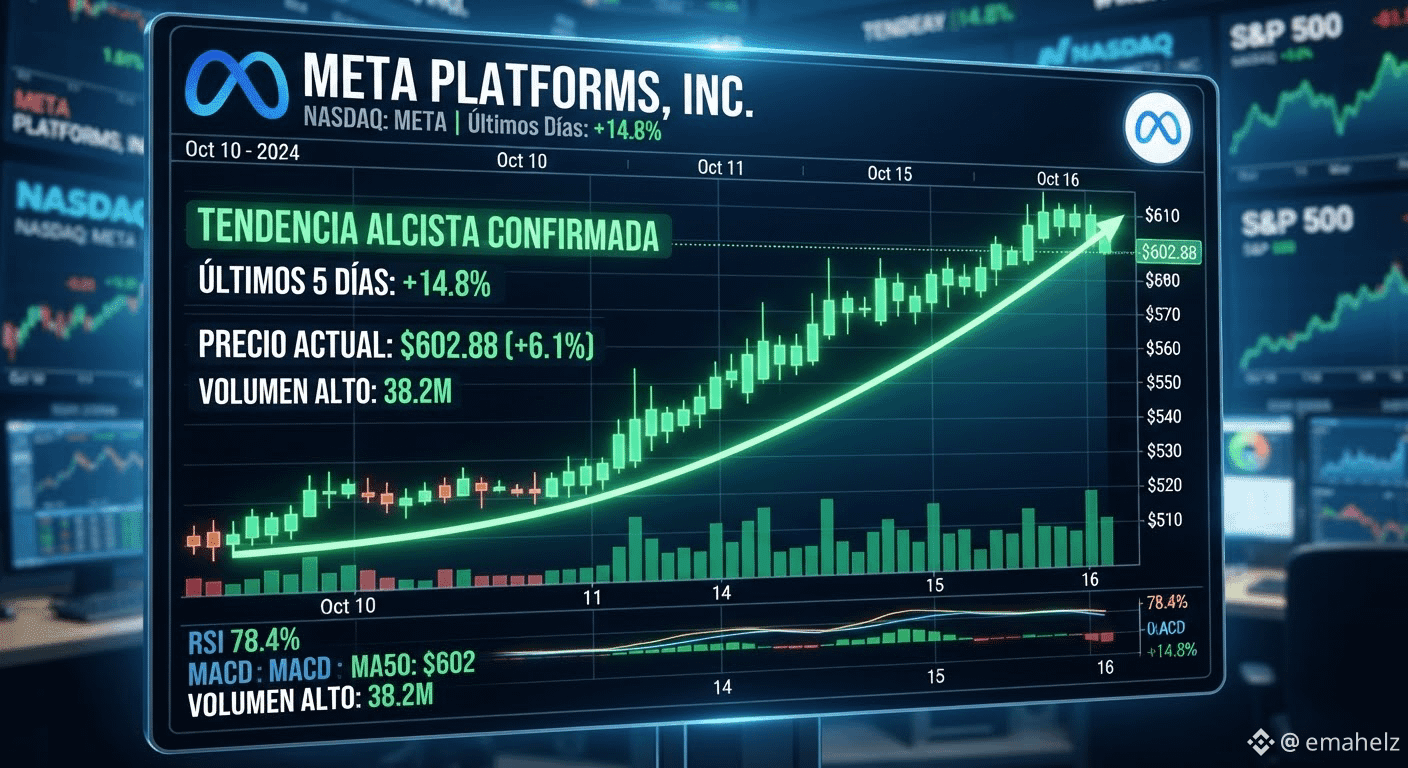
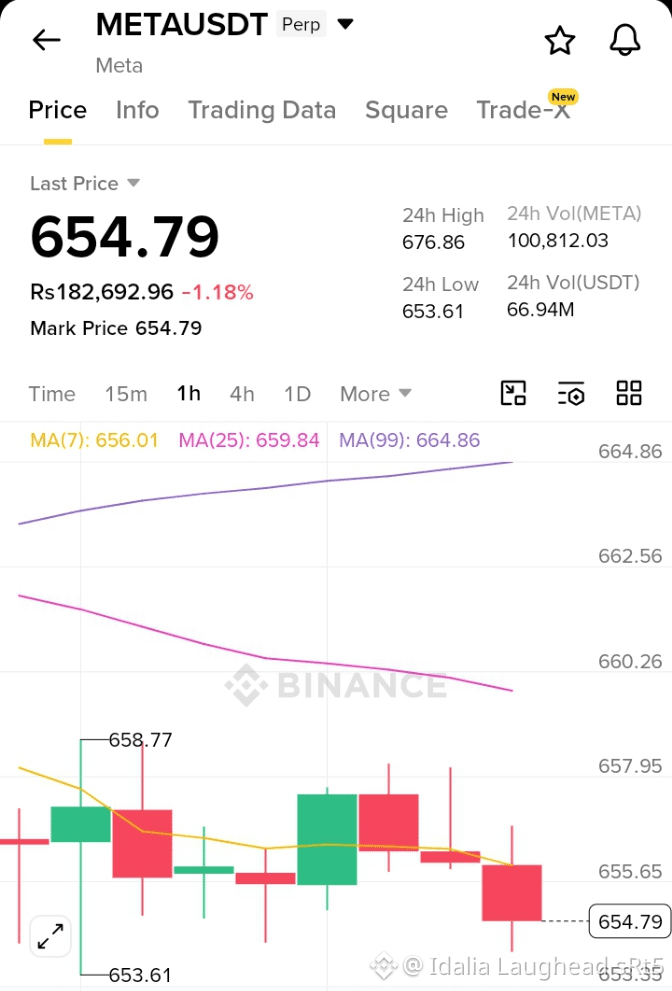
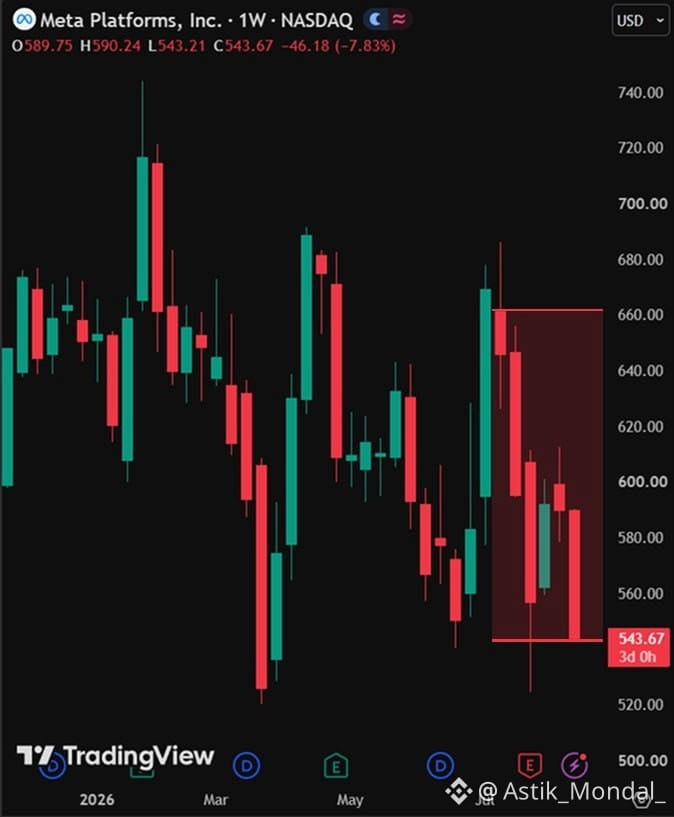
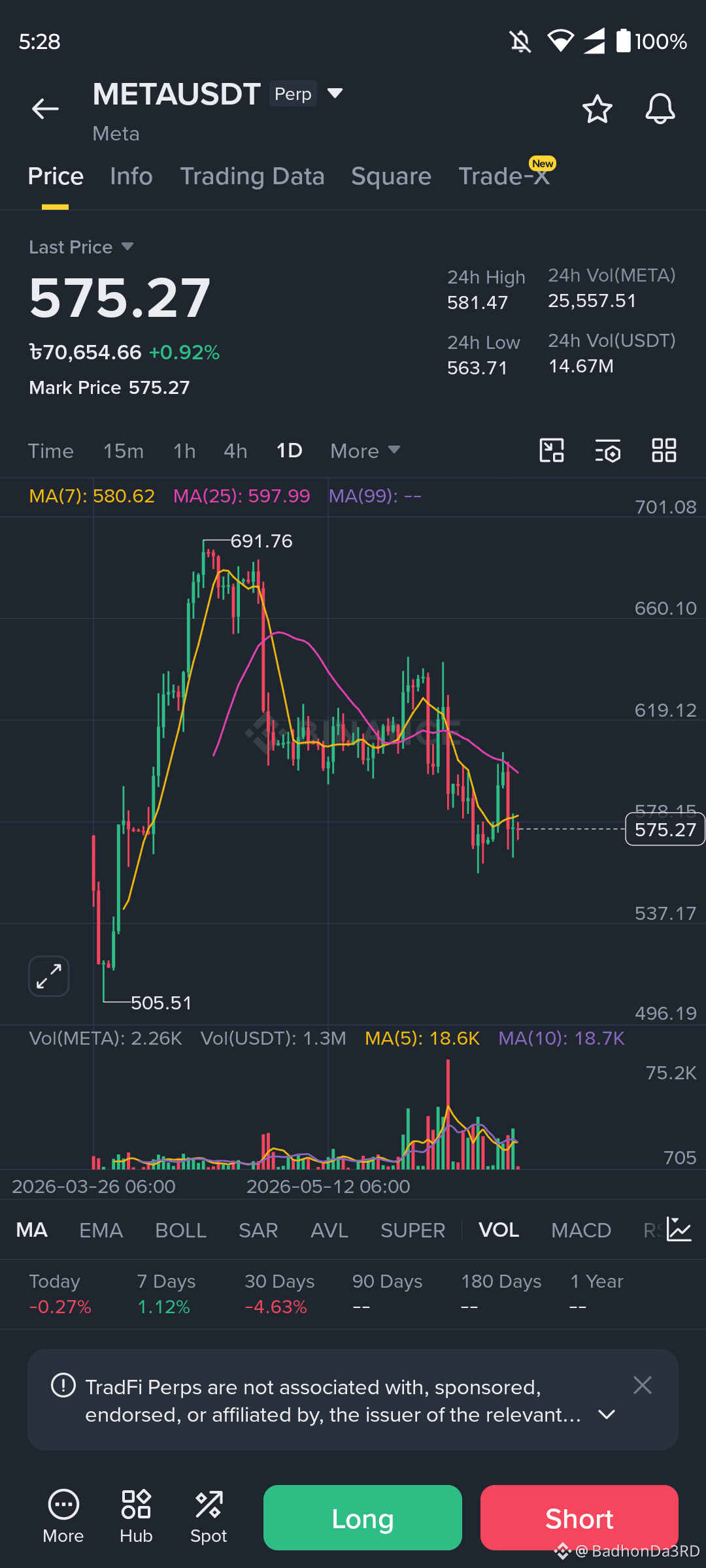
Die Aktie fiel am Montag um 3,54 % auf 568,97 $, rutschte dann weiter in den Dienstag hinein, als die Eröffnungsplädoyers vor dem Bundesgericht in Oakland begannen.
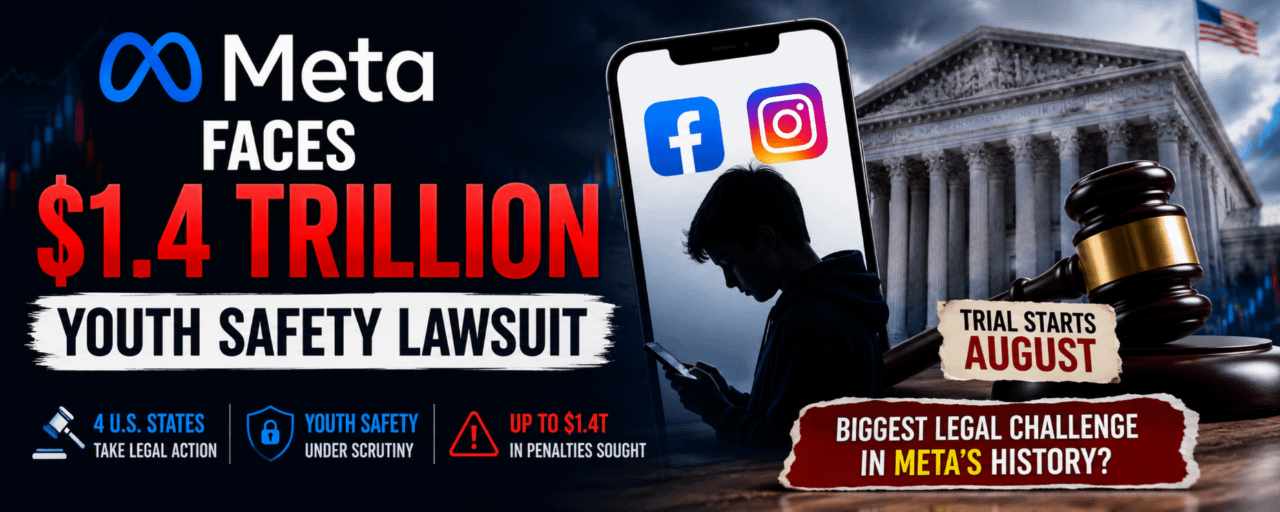
Die Zahl, die den Abverkauf antreibt: 1,4 Billionen US-Dollar. Das ist das maximale Strafmaß, das Meta selbst als Worst-Case-Szenario offengelegt hat – eine Größenordnung, die ungefähr der gesamten Marktkapitalisierung des Unternehmens von 1,45 Billionen US-Dollar entspricht.
Neunundzwanzig Bundesstaaten verklagen Meta, weil es angeblich das Kinderdatenschutzgesetz verletzt habe, indem es die Daten Minderjähriger ohne Einwilligung abgegriffen hat. Vier dieser Staaten – Kalifornien, Colorado, Kentucky und New Jersey – gehen noch weiter und werfen Meta vor, Facebook und Instagram gezielt so konstruiert zu haben, dass sie für Teenager besonders süchtig machend sind, und die Plattformen anschließend als sicher darzustellen. Allein diese vier Staaten fordern Schadensersatz in Höhe von nahezu 200 Milliarden US-Dollar.
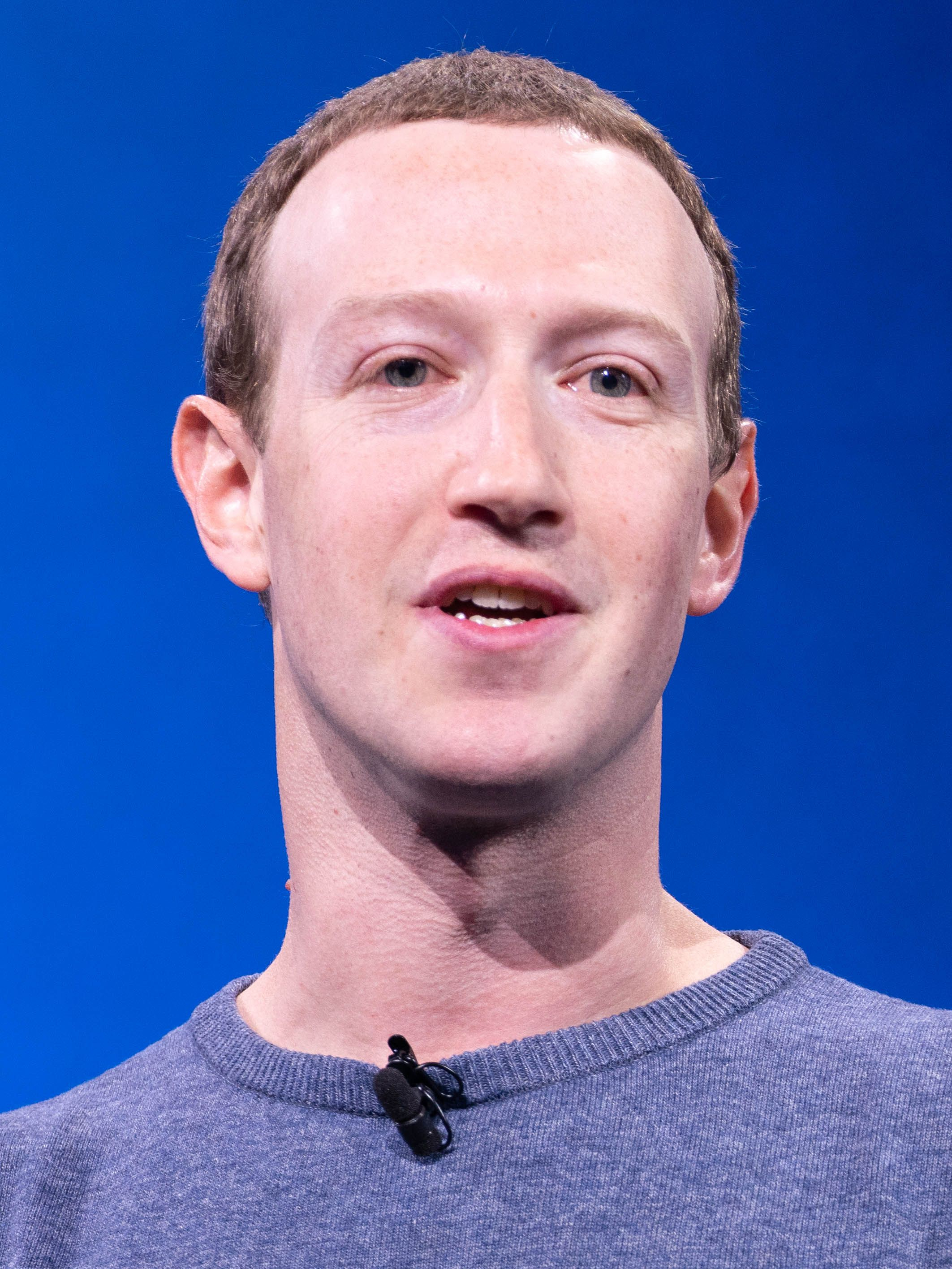
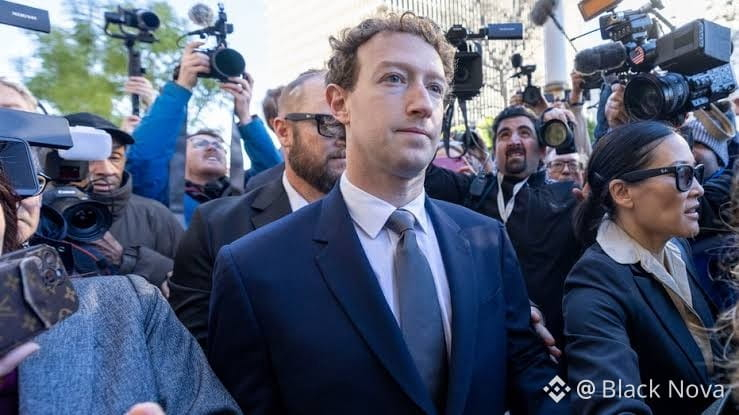
Das wird kein schneller Rechtsstreit. Das Verfahren soll sechs bis sieben Wochen dauern, ein Urteil wird frühestens im Oktober erwartet. Sowohl Mark Zuckerberg als auch Adam Mosseri, Chef von Instagram, sollen aussagen.
Die Rechtskosten häufen sich bereits zusätzlich zu jeder möglichen Entscheidung: Meta hat in einem einzelnen Quartal 2,4 Milliarden US-Dollar für Anwaltskosten ausgegeben – ein echter Bremser, der sich bereits in den Ergebnissen zeigt, bevor der Prozess überhaupt gestartet ist.
Die geforderten Maßnahmen gehen über Geld hinaus. Die Bundesstaaten verlangen Altersverifikationspflichten, die Entfernung des endlosen Scrollens sowie erzwungene Änderungen an den Algorithmen und KI-Modellen, die die Plattformen von Meta steuern.
Rechtsexperten ziehen bereits Vergleiche mit der Tabak-Klagewelle der 1990er-Jahre: Damals kosteten die Fälle zwar Milliarden, doch sie veränderten zudem dauerhaft, wie eine ganze Branche funktioniert.
Meta bestreitet alle Vorwürfe und sagt, dass es unabhängig vom Ausgang in Berufung gehen wird.
#Meta #Trial #StockMarket #BigTech #Facebook