

#decentralizedstorage
decentralizedstorage
233,822 Aufrufe
2,329 Kommentare
Hot
Zuletzt

·
--
$WAL Schnelle Marktanalyse zum Kursanstieg! 🌐
Das dezentrale Speicherprotokoll Walrus ($WAL) legt um +26 % zu, während das Handelsvolumen um mehr als 264 % gestiegen ist! Das sind die wichtigsten Gründe für den Kursanstieg:
• Unterstützung durch Institutionen in Höhe von 30 Mio. $: Das DATA Network hat Walrus als Standardschicht für die Speicherung von KI-Daten eingeführt, unterstützt durch eine Investition von 30 Millionen Dollar der Sui Foundation.
• Hype um den KI-Trend: Mit dem Start von MemWal erhalten KI-Agenten eine langfristige, überprüfbare Speicherinfrastruktur. Damit rückt $WAL ins Zentrum des Trends rund um dezentrale KI.
• Technischer Short Squeeze: Nach der Erholung von überverkauften Niveaus trieb ein massiver Ausbruch beim Handelsvolumen den Kurs über den Widerstand bei 0,043 $.
⚠️ Achtung: Der RSI ist stark überkauft. Mit kurzfristigen Rücksetzern ist zu rechnen!
#wallet🔥 #DecentralizedStorage #DeAI赛道 #cryptotrading #BinanceSquareBTC
$WAL Schnelle Marktanalyse zum Kursanstieg! 🌐
Das dezentrale Speicherprotokoll Walrus ($WAL ) legt um +26 % zu, während das Handelsvolumen um mehr als 264 % gestiegen ist! Das sind die wichtigsten Gründe für den Kursanstieg:
• Unterstützung durch Institutionen in Höhe von 30 Mio. $: Das DATA Network hat Walrus als Standardschicht für die Speicherung von KI-Daten eingeführt, unterstützt durch eine Investition von 30 Millionen Dollar der Sui Foundation.
• Hype um den KI-Trend: Mit dem Start von MemWal erhalten KI-Agenten eine langfristige, überprüfbare Speicherinfrastruktur. Damit rückt $WAL ins Zentrum des Trends rund um dezentrale KI.
• Technischer Short Squeeze: Nach der Erholung von überverkauften Niveaus trieb ein massiver Ausbruch beim Handelsvolumen den Kurs über den Widerstand bei 0,043 $.
⚠️ Achtung: Der RSI ist stark überkauft. Mit kurzfristigen Rücksetzern ist zu rechnen!
#wallet🔥 #DecentralizedStorage #DeAI赛道 #cryptotrading #BinanceSquareBTC
Das dezentrale Speicherprotokoll Walrus ($WAL ) legt um +26 % zu, während das Handelsvolumen um mehr als 264 % gestiegen ist! Das sind die wichtigsten Gründe für den Kursanstieg:
• Unterstützung durch Institutionen in Höhe von 30 Mio. $: Das DATA Network hat Walrus als Standardschicht für die Speicherung von KI-Daten eingeführt, unterstützt durch eine Investition von 30 Millionen Dollar der Sui Foundation.
• Hype um den KI-Trend: Mit dem Start von MemWal erhalten KI-Agenten eine langfristige, überprüfbare Speicherinfrastruktur. Damit rückt $WAL ins Zentrum des Trends rund um dezentrale KI.
• Technischer Short Squeeze: Nach der Erholung von überverkauften Niveaus trieb ein massiver Ausbruch beim Handelsvolumen den Kurs über den Widerstand bei 0,043 $.
⚠️ Achtung: Der RSI ist stark überkauft. Mit kurzfristigen Rücksetzern ist zu rechnen!
#wallet🔥 #DecentralizedStorage #DeAI赛道 #cryptotrading #BinanceSquareBTC
152

·
--
$FIL 🚀 Die Zukunft der Datenspeicherung ist mit Filecoin dezentralisiert! 🌐
Filecoin baut ein offeneres und widerstandsfähigeres Internet auf, indem es sichere, überprüfbare und dezentrale Datenspeicherung ermöglicht. Mithilfe kryptografischer Nachweise und eines globalen Netzwerks von Speicheranbietern trägt Filecoin dazu bei, wertvolle Daten zugänglich zu halten, ohne sich ausschließlich auf zentralisierte Plattformen zu verlassen. 🔐
💡 Dezentrale Speicherung
🔒 Überprüfbare Datenintegrität
🌍 Offene Infrastruktur
⚡ Treibt Web3- und KI-Innovationen voran
Filecoin ist mehr als nur Speicherplatz – es schafft die Grundlage für eine dezentrale digitale Zukunft. 💪
🔗 Entdecke die Dokumentation: "Filecoin-Dokumentation" (https://reference-url-citation.invalid/0)
#Filecoin #FIL #Web3 #DePIN #DecentralizedStorage
$FIL 🚀 Die Zukunft der Datenspeicherung ist mit Filecoin dezentralisiert! 🌐
Filecoin baut ein offeneres und widerstandsfähigeres Internet auf, indem es sichere, überprüfbare und dezentrale Datenspeicherung ermöglicht. Mithilfe kryptografischer Nachweise und eines globalen Netzwerks von Speicheranbietern trägt Filecoin dazu bei, wertvolle Daten zugänglich zu halten, ohne sich ausschließlich auf zentralisierte Plattformen zu verlassen. 🔐
💡 Dezentrale Speicherung
🔒 Überprüfbare Datenintegrität
🌍 Offene Infrastruktur
⚡ Treibt Web3- und KI-Innovationen voran
Filecoin ist mehr als nur Speicherplatz – es schafft die Grundlage für eine dezentrale digitale Zukunft. 💪
🔗 Entdecke die Dokumentation: "Filecoin-Dokumentation" (https://reference-url-citation.invalid/0)
#Filecoin #FIL #Web3 #DePIN #DecentralizedStorage
Filecoin baut ein offeneres und widerstandsfähigeres Internet auf, indem es sichere, überprüfbare und dezentrale Datenspeicherung ermöglicht. Mithilfe kryptografischer Nachweise und eines globalen Netzwerks von Speicheranbietern trägt Filecoin dazu bei, wertvolle Daten zugänglich zu halten, ohne sich ausschließlich auf zentralisierte Plattformen zu verlassen. 🔐
💡 Dezentrale Speicherung
🔒 Überprüfbare Datenintegrität
🌍 Offene Infrastruktur
⚡ Treibt Web3- und KI-Innovationen voran
Filecoin ist mehr als nur Speicherplatz – es schafft die Grundlage für eine dezentrale digitale Zukunft. 💪
🔗 Entdecke die Dokumentation: "Filecoin-Dokumentation" (https://reference-url-citation.invalid/0)
#Filecoin #FIL #Web3 #DePIN #DecentralizedStorage
60
·
--
$FIL 🌐 Die Zukunft der Datenspeicherung ist dezentral!
Mit Filecoin kann jeder Daten über ein globales Peer-to-Peer-Netzwerk speichern und abrufen. 🔗
🔹 Dezentrale Speicherinfrastruktur
🔹 Nachweisbare Datenspeicherung
🔹 Leistungsstarke Tools für Entwickler
🔹 Aufbau eines offeneren und widerstandsfähigeren Internets
Bei der Zukunft des Internets geht es nicht nur darum, auf Daten zuzugreifen – sondern auch darum, sie zuverlässig und sicher zu speichern. 🚀
Entdecke das Ökosystem: „Filecoin-Dokumentation“ (https://reference-url-citation.invalid/0)
#Filecoin #FIL #Web3 #DePIN #DecentralizedStorage
$FIL 🌐 Die Zukunft der Datenspeicherung ist dezentral!
Mit Filecoin kann jeder Daten über ein globales Peer-to-Peer-Netzwerk speichern und abrufen. 🔗
🔹 Dezentrale Speicherinfrastruktur
🔹 Nachweisbare Datenspeicherung
🔹 Leistungsstarke Tools für Entwickler
🔹 Aufbau eines offeneren und widerstandsfähigeren Internets
Bei der Zukunft des Internets geht es nicht nur darum, auf Daten zuzugreifen – sondern auch darum, sie zuverlässig und sicher zu speichern. 🚀
Entdecke das Ökosystem: „Filecoin-Dokumentation“ (https://reference-url-citation.invalid/0)
#Filecoin #FIL #Web3 #DePIN #DecentralizedStorage
Mit Filecoin kann jeder Daten über ein globales Peer-to-Peer-Netzwerk speichern und abrufen. 🔗
🔹 Dezentrale Speicherinfrastruktur
🔹 Nachweisbare Datenspeicherung
🔹 Leistungsstarke Tools für Entwickler
🔹 Aufbau eines offeneren und widerstandsfähigeren Internets
Bei der Zukunft des Internets geht es nicht nur darum, auf Daten zuzugreifen – sondern auch darum, sie zuverlässig und sicher zu speichern. 🚀
Entdecke das Ökosystem: „Filecoin-Dokumentation“ (https://reference-url-citation.invalid/0)
#Filecoin #FIL #Web3 #DePIN #DecentralizedStorage
83

·
--
📦 $FIL
{spot}(FILUSDT)
: DEZENTRALER SPEICHER IST DIE THESE — DIE AKZEPTANZ DER TEST.
Filecoin konzentriert sich auf die dezentrale Datenspeicherung – ein Bereich, den es im Blick zu behalten gilt, während sich die Nachfrage nach digitaler Infrastruktur weiterentwickelt.
Die entscheidende Frage ist, ob die Nutzung von Speicherplatz und die Entwicklung des Ökosystems zu nachhaltiger wirtschaftlicher Aktivität führen.
Beobachte die Netzwerknachfrage, die Speicherauslastung, die Token-Ökonomie und den Wettbewerbsdruck.
📊 Aus technischer Sicht sind durch Volumen gestützte Ausbrüche aussagekräftiger als einzelne Kursspitzen.
⚠️ Auch eine starke Erzählung kann einen Token bei schwachen Marktbedingungen nicht vor Kursverlusten bewahren.
Bei FIL sollten Fundamentaldaten und charttechnische Bestätigung gemeinsam bewertet werden.
#Filecoin #FIL #EtherETFsExtendOutflowsToNineDays #DecentralizedStorage
📦 $FIL
: DEZENTRALER SPEICHER IST DIE THESE — DIE AKZEPTANZ DER TEST.
Filecoin konzentriert sich auf die dezentrale Datenspeicherung – ein Bereich, den es im Blick zu behalten gilt, während sich die Nachfrage nach digitaler Infrastruktur weiterentwickelt.
Die entscheidende Frage ist, ob die Nutzung von Speicherplatz und die Entwicklung des Ökosystems zu nachhaltiger wirtschaftlicher Aktivität führen.
Beobachte die Netzwerknachfrage, die Speicherauslastung, die Token-Ökonomie und den Wettbewerbsdruck.
📊 Aus technischer Sicht sind durch Volumen gestützte Ausbrüche aussagekräftiger als einzelne Kursspitzen.
⚠️ Auch eine starke Erzählung kann einen Token bei schwachen Marktbedingungen nicht vor Kursverlusten bewahren.
Bei FIL sollten Fundamentaldaten und charttechnische Bestätigung gemeinsam bewertet werden.
#Filecoin #FIL #EtherETFsExtendOutflowsToNineDays #DecentralizedStorage
: DEZENTRALER SPEICHER IST DIE THESE — DIE AKZEPTANZ DER TEST.
Filecoin konzentriert sich auf die dezentrale Datenspeicherung – ein Bereich, den es im Blick zu behalten gilt, während sich die Nachfrage nach digitaler Infrastruktur weiterentwickelt.
Die entscheidende Frage ist, ob die Nutzung von Speicherplatz und die Entwicklung des Ökosystems zu nachhaltiger wirtschaftlicher Aktivität führen.
Beobachte die Netzwerknachfrage, die Speicherauslastung, die Token-Ökonomie und den Wettbewerbsdruck.
📊 Aus technischer Sicht sind durch Volumen gestützte Ausbrüche aussagekräftiger als einzelne Kursspitzen.
⚠️ Auch eine starke Erzählung kann einen Token bei schwachen Marktbedingungen nicht vor Kursverlusten bewahren.
Bei FIL sollten Fundamentaldaten und charttechnische Bestätigung gemeinsam bewertet werden.
#Filecoin #FIL #EtherETFsExtendOutflowsToNineDays #DecentralizedStorage
1
291

Verifiziert
Wir sind überzeugt, dass digitale Kunst echte Sorgfalt und Transparenz verdient. Alle 10.000 Originalkunstwerke mit insgesamt 50,6 GB und einer Auflösung von 4.000 × 4.000 werden auf Filecoin und IPFS gesichert, abgesichert durch geprüfte Ethereum-Verträge. Auch wenn das Minting nach dem Blind-Box-Prinzip erfolgt, können Sie gerne alles überprüfen.
Entdecken Sie unser vollständiges Provenienzverzeichnis auf GitHub:
https://github.com/futurevanityfairclub/futurevanityfairclub/blob/main/PROVENANCE.md
$FIL $ETH #Filecoin #IPFS #DecentralizedStorage #NFTArchive
Wir sind überzeugt, dass digitale Kunst echte Sorgfalt und Transparenz verdient. Alle 10.000 Originalkunstwerke mit insgesamt 50,6 GB und einer Auflösung von 4.000 × 4.000 werden auf Filecoin und IPFS gesichert, abgesichert durch geprüfte Ethereum-Verträge. Auch wenn das Minting nach dem Blind-Box-Prinzip erfolgt, können Sie gerne alles überprüfen.
Entdecken Sie unser vollständiges Provenienzverzeichnis auf GitHub:
https://github.com/futurevanityfairclub/futurevanityfairclub/blob/main/PROVENANCE.md
$FIL $ETH #Filecoin #IPFS #DecentralizedStorage #NFTArchive
Entdecken Sie unser vollständiges Provenienzverzeichnis auf GitHub:
https://github.com/futurevanityfairclub/futurevanityfairclub/blob/main/PROVENANCE.md
$FIL $ETH #Filecoin #IPFS #DecentralizedStorage #NFTArchive
1
454
·
--
$FIL 🌐 Filecoin baut ein dezentrales, Peer-to-Peer-Netzwerk zum Speichern und Abrufen von Daten über das Internet auf.
Mit kryptografischen Beweisen können Speicheranbieter nachweisen, dass die Daten wie versprochen gespeichert werden, während Entwickler Anwendungen und Services auf der Grundlage des Netzwerks entwickeln können.
📦 Dezentraler Speicher
🔐 Nachprüfbarer Datenspeicher
⚙️ Entwicklerfreundliche Infrastruktur
🌍 Offene, verteilte Datenwirtschaft
Die Zukunft der Datenspeicherung ist nachprüfbar, dezentral und programmierbar.
#Filecoin #FIL #Web3 #DePIN #DecentralizedStorage
$FIL 🌐 Filecoin baut ein dezentrales, Peer-to-Peer-Netzwerk zum Speichern und Abrufen von Daten über das Internet auf.
Mit kryptografischen Beweisen können Speicheranbieter nachweisen, dass die Daten wie versprochen gespeichert werden, während Entwickler Anwendungen und Services auf der Grundlage des Netzwerks entwickeln können.
📦 Dezentraler Speicher
🔐 Nachprüfbarer Datenspeicher
⚙️ Entwicklerfreundliche Infrastruktur
🌍 Offene, verteilte Datenwirtschaft
Die Zukunft der Datenspeicherung ist nachprüfbar, dezentral und programmierbar.
#Filecoin #FIL #Web3 #DePIN #DecentralizedStorage
Mit kryptografischen Beweisen können Speicheranbieter nachweisen, dass die Daten wie versprochen gespeichert werden, während Entwickler Anwendungen und Services auf der Grundlage des Netzwerks entwickeln können.
📦 Dezentraler Speicher
🔐 Nachprüfbarer Datenspeicher
⚙️ Entwicklerfreundliche Infrastruktur
🌍 Offene, verteilte Datenwirtschaft
Die Zukunft der Datenspeicherung ist nachprüfbar, dezentral und programmierbar.
#Filecoin #FIL #Web3 #DePIN #DecentralizedStorage
107

·
--
Bullisch
Was wäre, wenn Cloud-Speicher nicht von einem einzigen Unternehmen abhängt? ☁️
Lerne $SOL
{spot}(SOLUSDT)
.
$STORJ ist Teil des dezentralen Storage-Ökosystems, in dem ungenutzte Speicherkapazität zu einem verteilten Netzwerk beitragen kann.
Nicht so:
Ein Unternehmen → deine Daten
die Idee ist eher so:
Viele Computer → verteilter Speicher.
Würde dezentraler Cloud-Speicher mit dem explosionsartigen Wachstum von KI-Daten noch wichtiger werden?
#STORJ #DecentralizedStorage #Web3 #crypto #DePIN
Was wäre, wenn Cloud-Speicher nicht von einem einzigen Unternehmen abhängt? ☁️
Lerne $SOL
.
$STORJ ist Teil des dezentralen Storage-Ökosystems, in dem ungenutzte Speicherkapazität zu einem verteilten Netzwerk beitragen kann.
Nicht so:
Ein Unternehmen → deine Daten
die Idee ist eher so:
Viele Computer → verteilter Speicher.
Würde dezentraler Cloud-Speicher mit dem explosionsartigen Wachstum von KI-Daten noch wichtiger werden?
#STORJ #DecentralizedStorage #Web3 #crypto #DePIN
Lerne $SOL
.
$STORJ ist Teil des dezentralen Storage-Ökosystems, in dem ungenutzte Speicherkapazität zu einem verteilten Netzwerk beitragen kann.
Nicht so:
Ein Unternehmen → deine Daten
die Idee ist eher so:
Viele Computer → verteilter Speicher.
Würde dezentraler Cloud-Speicher mit dem explosionsartigen Wachstum von KI-Daten noch wichtiger werden?
#STORJ #DecentralizedStorage #Web3 #crypto #DePIN
1
100
·
--
$FIL 🗄️🌐 Filecoin: Dezentrale Speicherung für das offene Internet
Filecoin ist ein dezentrales Peer-to-Peer-Netzwerk, das entwickelt wurde, um Daten zuverlässig über das Internet zu speichern und abzurufen.
🔹 Nachweisbare Speicherung mit Proof-of-Replication & Proof-of-Spacetime
🔹 Dezentrale Speicheranbieter
🔹 Leistungsstarke Entwickler-Tools & APIs
🔹 Filecoin Virtual Machine (FVM) für Smart Contracts
🔹 Entwickelt für die Speicherung wertvoller Daten im großen Maßstab
Die Zukunft der Daten ist dezentral. 🚀
#Filecoin #FIL #Web3 #DePIN #DecentralizedStorage
$FIL 🗄️🌐 Filecoin: Dezentrale Speicherung für das offene Internet
Filecoin ist ein dezentrales Peer-to-Peer-Netzwerk, das entwickelt wurde, um Daten zuverlässig über das Internet zu speichern und abzurufen.
🔹 Nachweisbare Speicherung mit Proof-of-Replication & Proof-of-Spacetime
🔹 Dezentrale Speicheranbieter
🔹 Leistungsstarke Entwickler-Tools & APIs
🔹 Filecoin Virtual Machine (FVM) für Smart Contracts
🔹 Entwickelt für die Speicherung wertvoller Daten im großen Maßstab
Die Zukunft der Daten ist dezentral. 🚀
#Filecoin #FIL #Web3 #DePIN #DecentralizedStorage
Filecoin ist ein dezentrales Peer-to-Peer-Netzwerk, das entwickelt wurde, um Daten zuverlässig über das Internet zu speichern und abzurufen.
🔹 Nachweisbare Speicherung mit Proof-of-Replication & Proof-of-Spacetime
🔹 Dezentrale Speicheranbieter
🔹 Leistungsstarke Entwickler-Tools & APIs
🔹 Filecoin Virtual Machine (FVM) für Smart Contracts
🔹 Entwickelt für die Speicherung wertvoller Daten im großen Maßstab
Die Zukunft der Daten ist dezentral. 🚀
#Filecoin #FIL #Web3 #DePIN #DecentralizedStorage
75

·
--
Stell dir vor, du speicherst deine Dateien in einem Netzwerk, das von Millionen alltäglicher Geräte betrieben wird – statt von großen Tech-Servern. Das ist Autonomi.
Autonomi (ANT) ist ein dezentrales Ökosystem, in dem Daten sicher über unzählige Knoten wie Laptops und Smartphones verteilt gespeichert werden – mit standardmäßig integrierter Privatsphäre. Keine einzelne Firma kontrolliert es, und die Knoten validieren sich autonom gegenseitig, ohne Zwischenhändler. Stell es dir als eine cloudähnliche Plattform vor, die von der Community betrieben wird, in der du die Kontrolle über deine Daten behältst. Der Token ANT treibt dieses Netzwerk an. Er wird derzeit etwa bei 0,076 $ gehandelt, mit einem täglichen Anstieg von 6,6 % und einer Marktkapitalisierung von 25,4 Millionen $. Obwohl es sich noch in einem frühen Stadium befindet (aktuell Rang 711), ist die Vision kühn: eine wirklich private, zensurresistente Internet-Infrastruktur, die von Menschen – nicht von Konzernen – betrieben wird.
#DecentralizedStorage #DataPrivacy
Würdest du deine persönlichen Dateien einem Netzwerk anvertrauen, das von den Geräten fremder Menschen betrieben wird, statt von Google oder Amazon?
Stell dir vor, du speicherst deine Dateien in einem Netzwerk, das von Millionen alltäglicher Geräte betrieben wird – statt von großen Tech-Servern. Das ist Autonomi.
Autonomi (ANT) ist ein dezentrales Ökosystem, in dem Daten sicher über unzählige Knoten wie Laptops und Smartphones verteilt gespeichert werden – mit standardmäßig integrierter Privatsphäre. Keine einzelne Firma kontrolliert es, und die Knoten validieren sich autonom gegenseitig, ohne Zwischenhändler. Stell es dir als eine cloudähnliche Plattform vor, die von der Community betrieben wird, in der du die Kontrolle über deine Daten behältst. Der Token ANT treibt dieses Netzwerk an. Er wird derzeit etwa bei 0,076 $ gehandelt, mit einem täglichen Anstieg von 6,6 % und einer Marktkapitalisierung von 25,4 Millionen $. Obwohl es sich noch in einem frühen Stadium befindet (aktuell Rang 711), ist die Vision kühn: eine wirklich private, zensurresistente Internet-Infrastruktur, die von Menschen – nicht von Konzernen – betrieben wird.
#DecentralizedStorage #DataPrivacy
Würdest du deine persönlichen Dateien einem Netzwerk anvertrauen, das von den Geräten fremder Menschen betrieben wird, statt von Google oder Amazon?
Autonomi (ANT) ist ein dezentrales Ökosystem, in dem Daten sicher über unzählige Knoten wie Laptops und Smartphones verteilt gespeichert werden – mit standardmäßig integrierter Privatsphäre. Keine einzelne Firma kontrolliert es, und die Knoten validieren sich autonom gegenseitig, ohne Zwischenhändler. Stell es dir als eine cloudähnliche Plattform vor, die von der Community betrieben wird, in der du die Kontrolle über deine Daten behältst. Der Token ANT treibt dieses Netzwerk an. Er wird derzeit etwa bei 0,076 $ gehandelt, mit einem täglichen Anstieg von 6,6 % und einer Marktkapitalisierung von 25,4 Millionen $. Obwohl es sich noch in einem frühen Stadium befindet (aktuell Rang 711), ist die Vision kühn: eine wirklich private, zensurresistente Internet-Infrastruktur, die von Menschen – nicht von Konzernen – betrieben wird.
#DecentralizedStorage #DataPrivacy
Würdest du deine persönlichen Dateien einem Netzwerk anvertrauen, das von den Geräten fremder Menschen betrieben wird, statt von Google oder Amazon?
70
·
--
$AR Arweave baut ein dauerhaftes Zuhause für Daten im Internet. 🌐
Sein dezentrales Speichernetzwerk ist darauf ausgelegt, Informationen langfristig zugänglich zu halten, während AR das Ökosystem antreibt.
Die Vision: Daten, die länger halten als Server, Unternehmen und zentrale Kontrolle. 🔗
#Arweave #AR #Web3 #DecentralizedStorage
$AR Arweave baut ein dauerhaftes Zuhause für Daten im Internet. 🌐
Sein dezentrales Speichernetzwerk ist darauf ausgelegt, Informationen langfristig zugänglich zu halten, während AR das Ökosystem antreibt.
Die Vision: Daten, die länger halten als Server, Unternehmen und zentrale Kontrolle. 🔗
#Arweave #AR #Web3 #DecentralizedStorage
Sein dezentrales Speichernetzwerk ist darauf ausgelegt, Informationen langfristig zugänglich zu halten, während AR das Ökosystem antreibt.
Die Vision: Daten, die länger halten als Server, Unternehmen und zentrale Kontrolle. 🔗
#Arweave #AR #Web3 #DecentralizedStorage
162
·
--
Stell dir vor, du speicherst deine Daten in einem Netzwerk, das von Millionen normaler Geräte betrieben wird — nicht von Servern großer Tech-Unternehmen. Autonomi (ANT) baut genau das: eine dezentrale Speicherschicht, in der deine Dateien verschlüsselt, in Teile aufgeteilt und auf alltäglichen Computern und Telefonen auf der ganzen Welt verteilt werden. Kein zentrales Unternehmen hält deine Schlüssel oder entscheidet darüber, wer auf was zugreifen darf. Die Knoten validieren sich autonom gegenseitig, das heißt, das Netzwerk läuft sich selbst — ohne Chefs oder Zwischeninstanzen. Stell es dir wie eine globale, von der Community gestützte Festplatte vor, bei der Privatsphäre kein Zusatz ist — sondern der Standard. Mit einer Marktkapitalisierung von rund 24,5 Mio. US-Dollar und einem Token-Plus von über 8% heute gewinnt das Projekt leise an Zugkraft. Für Einsteiger ist es ein Blick auf Web3s ursprüngliches Versprechen: Du besitzt deine Daten — nicht die Plattform.
#Autonomi #DezentraleSpeicherung
Würdest du deine persönlichen Dateien einem Netzwerk anvertrauen, das von den Geräten Fremder betrieben wird, statt von Google oder AWS?
Stell dir vor, du speicherst deine Daten in einem Netzwerk, das von Millionen normaler Geräte betrieben wird — nicht von Servern großer Tech-Unternehmen. Autonomi (ANT) baut genau das: eine dezentrale Speicherschicht, in der deine Dateien verschlüsselt, in Teile aufgeteilt und auf alltäglichen Computern und Telefonen auf der ganzen Welt verteilt werden. Kein zentrales Unternehmen hält deine Schlüssel oder entscheidet darüber, wer auf was zugreifen darf. Die Knoten validieren sich autonom gegenseitig, das heißt, das Netzwerk läuft sich selbst — ohne Chefs oder Zwischeninstanzen. Stell es dir wie eine globale, von der Community gestützte Festplatte vor, bei der Privatsphäre kein Zusatz ist — sondern der Standard. Mit einer Marktkapitalisierung von rund 24,5 Mio. US-Dollar und einem Token-Plus von über 8% heute gewinnt das Projekt leise an Zugkraft. Für Einsteiger ist es ein Blick auf Web3s ursprüngliches Versprechen: Du besitzt deine Daten — nicht die Plattform.
#Autonomi #DezentraleSpeicherung
Würdest du deine persönlichen Dateien einem Netzwerk anvertrauen, das von den Geräten Fremder betrieben wird, statt von Google oder AWS?
#Autonomi #DezentraleSpeicherung
Würdest du deine persönlichen Dateien einem Netzwerk anvertrauen, das von den Geräten Fremder betrieben wird, statt von Google oder AWS?
67

·
--
🚀 $FIL — Filecoin: Aufbau der Zukunft dezentraler Speicherung
Die digitale Welt erzeugt jeden Tag massive Mengen an Daten — und dezentrale Speicherung gewinnt zunehmend an Bedeutung. 🌐
$FIL treibt Filecoin, ein dezentrales Speichernetzwerk, das die Datenspeicherung nachvollziehbarer, offener und widerstandsfähiger machen soll.
🔹 Warum Filecoin wichtig ist
• Dezentrale Daten-Speicherinfrastruktur
• Proof of Replication & Proof of Spacetime für verifizierbare Speicherung
• wird in der Speicherökonomie des Netzwerks eingesetzt
• Wachsende Fokussierung auf skalierbare Dateninfrastruktur und AI-bezogene Storage-Use-Cases
• Proof of Data Possession ermöglicht verifizierbares Hot Storage für schnell zugreifbare Daten
🔥 Eine Schlüsselentwicklung bei der Token-Zuteilung (Token Supply)
Die geplanten Vesting-Änderungen bei Filecoin ziehen Aufmerksamkeit auf sich: Das Vesting-Programm von Protocol Labs und Filecoin Foundation soll voraussichtlich am 15. Oktober 2026 enden. Das wird voraussichtlich die Brutto-Neuausgabe von FIL um ungefähr 75% reduzieren.
📊 Worauf du achten solltest
• Netzwerkausbau & Speichernachfrage
• KI- und Dateninfrastruktur-Anwendungen
• FIL-Angebot und Ausgabe-Dynamik
• On-Chain-Aktivität
• Marktliquidität und die gesamte Krypto-Stimmung
bleibt ein spannendes Projekt, das man im Blick behalten sollte, während sich dezentrale Speicherung weiterentwickelt — gemeinsam mit KI und der wachsenden weltweiten Nachfrage nach Dateninfrastruktur.
💡 Mach deine eigene Recherche und gehe Risiken sorgfältig ein.
Wie ist deine Meinung dazu — werden dezentrale Storage-Netzwerke zu einem wichtigen Bestandteil der nächsten Generation der Web3-Infrastruktur werden? 👇
#FIL #Filecoin #Crypto #Web3 #DePIN. #DecentralizedStorage #blockchain #Aİ #BinanceSquare $FIL
🚀 $FIL — Filecoin: Aufbau der Zukunft dezentraler Speicherung
Die digitale Welt erzeugt jeden Tag massive Mengen an Daten — und dezentrale Speicherung gewinnt zunehmend an Bedeutung. 🌐
$FIL treibt Filecoin, ein dezentrales Speichernetzwerk, das die Datenspeicherung nachvollziehbarer, offener und widerstandsfähiger machen soll.
🔹 Warum Filecoin wichtig ist
• Dezentrale Daten-Speicherinfrastruktur
• Proof of Replication & Proof of Spacetime für verifizierbare Speicherung
• wird in der Speicherökonomie des Netzwerks eingesetzt
• Wachsende Fokussierung auf skalierbare Dateninfrastruktur und AI-bezogene Storage-Use-Cases
• Proof of Data Possession ermöglicht verifizierbares Hot Storage für schnell zugreifbare Daten
🔥 Eine Schlüsselentwicklung bei der Token-Zuteilung (Token Supply)
Die geplanten Vesting-Änderungen bei Filecoin ziehen Aufmerksamkeit auf sich: Das Vesting-Programm von Protocol Labs und Filecoin Foundation soll voraussichtlich am 15. Oktober 2026 enden. Das wird voraussichtlich die Brutto-Neuausgabe von FIL um ungefähr 75% reduzieren.
📊 Worauf du achten solltest
• Netzwerkausbau & Speichernachfrage
• KI- und Dateninfrastruktur-Anwendungen
• FIL-Angebot und Ausgabe-Dynamik
• On-Chain-Aktivität
• Marktliquidität und die gesamte Krypto-Stimmung
bleibt ein spannendes Projekt, das man im Blick behalten sollte, während sich dezentrale Speicherung weiterentwickelt — gemeinsam mit KI und der wachsenden weltweiten Nachfrage nach Dateninfrastruktur.
💡 Mach deine eigene Recherche und gehe Risiken sorgfältig ein.
Wie ist deine Meinung dazu — werden dezentrale Storage-Netzwerke zu einem wichtigen Bestandteil der nächsten Generation der Web3-Infrastruktur werden? 👇
#FIL #Filecoin #Crypto #Web3 #DePIN. #DecentralizedStorage #blockchain #Aİ #BinanceSquare $FIL
Die digitale Welt erzeugt jeden Tag massive Mengen an Daten — und dezentrale Speicherung gewinnt zunehmend an Bedeutung. 🌐
$FIL treibt Filecoin, ein dezentrales Speichernetzwerk, das die Datenspeicherung nachvollziehbarer, offener und widerstandsfähiger machen soll.
🔹 Warum Filecoin wichtig ist
• Dezentrale Daten-Speicherinfrastruktur
• Proof of Replication & Proof of Spacetime für verifizierbare Speicherung
• wird in der Speicherökonomie des Netzwerks eingesetzt
• Wachsende Fokussierung auf skalierbare Dateninfrastruktur und AI-bezogene Storage-Use-Cases
• Proof of Data Possession ermöglicht verifizierbares Hot Storage für schnell zugreifbare Daten
🔥 Eine Schlüsselentwicklung bei der Token-Zuteilung (Token Supply)
Die geplanten Vesting-Änderungen bei Filecoin ziehen Aufmerksamkeit auf sich: Das Vesting-Programm von Protocol Labs und Filecoin Foundation soll voraussichtlich am 15. Oktober 2026 enden. Das wird voraussichtlich die Brutto-Neuausgabe von FIL um ungefähr 75% reduzieren.
📊 Worauf du achten solltest
• Netzwerkausbau & Speichernachfrage
• KI- und Dateninfrastruktur-Anwendungen
• FIL-Angebot und Ausgabe-Dynamik
• On-Chain-Aktivität
• Marktliquidität und die gesamte Krypto-Stimmung
bleibt ein spannendes Projekt, das man im Blick behalten sollte, während sich dezentrale Speicherung weiterentwickelt — gemeinsam mit KI und der wachsenden weltweiten Nachfrage nach Dateninfrastruktur.
💡 Mach deine eigene Recherche und gehe Risiken sorgfältig ein.
Wie ist deine Meinung dazu — werden dezentrale Storage-Netzwerke zu einem wichtigen Bestandteil der nächsten Generation der Web3-Infrastruktur werden? 👇
#FIL #Filecoin #Crypto #Web3 #DePIN. #DecentralizedStorage #blockchain #Aİ #BinanceSquare $FIL
129
·
--
$AR Arweave baut für die lange Zukunft. 🧵
Die Vision: ein dezentraler Netzwerk, in dem Daten dauerhaft gespeichert werden können – zugänglich, ohne auf ein einzelnes Unternehmen oder einen Server angewiesen zu sein.
Mit $AR , das das Ökosystem antreibt, macht Arweave die dauerhafte Datenspeicherung zu Infrastruktur für das dezentrale Web.
Die Zukunft des Internets braucht Gedächtnis. Arweave baut es. 🐘🔗
#Arweave #AR #Web3 #DePIN #DecentralizedStorage
$AR Arweave baut für die lange Zukunft. 🧵
Die Vision: ein dezentraler Netzwerk, in dem Daten dauerhaft gespeichert werden können – zugänglich, ohne auf ein einzelnes Unternehmen oder einen Server angewiesen zu sein.
Mit $AR , das das Ökosystem antreibt, macht Arweave die dauerhafte Datenspeicherung zu Infrastruktur für das dezentrale Web.
Die Zukunft des Internets braucht Gedächtnis. Arweave baut es. 🐘🔗
#Arweave #AR #Web3 #DePIN #DecentralizedStorage
Die Vision: ein dezentraler Netzwerk, in dem Daten dauerhaft gespeichert werden können – zugänglich, ohne auf ein einzelnes Unternehmen oder einen Server angewiesen zu sein.
Mit $AR , das das Ökosystem antreibt, macht Arweave die dauerhafte Datenspeicherung zu Infrastruktur für das dezentrale Web.
Die Zukunft des Internets braucht Gedächtnis. Arweave baut es. 🐘🔗
#Arweave #AR #Web3 #DePIN #DecentralizedStorage
1
197

·
--
Artikel
Siacoin explodiert um 40% – ist das die Wiederbelebung dezentraler Speicherung?In einem Markt, in dem die meisten Coins Schwierigkeiten haben, eine Richtung zu finden, hat sich ein erfahrenes Projekt entschlossen, ein Zeichen zu setzen. $SC , das native Token von Siacoin, hat gerade einen massiven Anstieg von 39,61% in nur einem Tag hingelegt – es ging von einem Tiefstand von 0,000593 $ auf ein Hoch von 0,000843 $. Aktuell wird es bei rund 0,000829 $ gehandelt. Dieses dezentrale Storage-Projekt ist plötzlich bei allen im Blick. 👀
Aber ist das eine echte Wiederbelebung oder nur ein weiterer kurzer Höhenflug? Lass uns eintauchen. 👇
Was befeuert das Feuer? 🔥
Massive Käufer-Dominanz: Die 24-Stunden-Handelsaktivität zeigt 57,8% Käufer gegenüber 42,2% Verkäufern. Das deutet darauf hin, dass der Rückgang aggressiv gekauft wird, was ein bullisches Zeichen ist.
Siacoin explodiert um 40% – ist das die Wiederbelebung dezentraler Speicherung?
In einem Markt, in dem die meisten Coins Schwierigkeiten haben, eine Richtung zu finden, hat sich ein erfahrenes Projekt entschlossen, ein Zeichen zu setzen. $SC , das native Token von Siacoin, hat gerade einen massiven Anstieg von 39,61% in nur einem Tag hingelegt – es ging von einem Tiefstand von 0,000593 $ auf ein Hoch von 0,000843 $. Aktuell wird es bei rund 0,000829 $ gehandelt. Dieses dezentrale Storage-Projekt ist plötzlich bei allen im Blick. 👀
Aber ist das eine echte Wiederbelebung oder nur ein weiterer kurzer Höhenflug? Lass uns eintauchen. 👇
Was befeuert das Feuer? 🔥
Massive Käufer-Dominanz: Die 24-Stunden-Handelsaktivität zeigt 57,8% Käufer gegenüber 42,2% Verkäufern. Das deutet darauf hin, dass der Rückgang aggressiv gekauft wird, was ein bullisches Zeichen ist.
Aber ist das eine echte Wiederbelebung oder nur ein weiterer kurzer Höhenflug? Lass uns eintauchen. 👇
Was befeuert das Feuer? 🔥
Massive Käufer-Dominanz: Die 24-Stunden-Handelsaktivität zeigt 57,8% Käufer gegenüber 42,2% Verkäufern. Das deutet darauf hin, dass der Rückgang aggressiv gekauft wird, was ein bullisches Zeichen ist.
141

·
--
AR:Dauerhafte Speicher-Narrative und die reale Bedarfslücke
AR steigt um 3,84% auf 4,25 $; Tagesumsatz 16,95 Mio. $, Umsatzumschlag 6,1% – unter fünf Tokens ist die Liquidität am besten, doch die 29%ige Spanne zwischen dem Hoch von 4,95 $ und dem Tief von 3,82 $ zeigt eine starke Uneinigkeit unter den Inhabern.
Das Narrative von Arweave für dauerhafte Speicherung gewinnt in neuen Szenarien wie der dauerhaften KI-Datenpersistenz und dezentralem Frontend-Hosting einen Sekundärmarkt-Aufschlag. Die tatsächliche Adoption bei zahlenden Nutzern wächst jedoch nur langsam; die Protokolleinnahmen hängen primär von der Freigabe des Storage-Fonds ab, weniger von echten Nachfrageeffekten. Eine Marktkapitalisierung von 278 Mio. $ im Vergleich zu Web2-Cloud-Speicher-Giganten wirkt nach wie vor zu ambitioniert, und die Produktmarkt-Passung (PMF) befindet sich weiterhin in der Validierungsphase.
Auch die Signale von „Smart Money“ zeigen: netto Short, Null-Positionen, keine Long-Trades. Das Fehlen professionellen Kapitals deutet darauf hin, dass trotz starker Story die Monetarisierungspfade in den Fundamentals unklar sind, das Token-Ökonomie-Modell keine zwingenden Mechanismen für Burn/Rückkäufe bietet und zudem ein Entsperrdruck bei frühen Investoren besteht. Das Chance-Risiko-Verhältnis reicht nicht aus, um institutionelles Aufbaukapital anzuziehen.
Der soziale Stimmungsindikator ist ebenfalls durchgehend N/A. Obwohl die Marktaufmerksamkeit besser ist als bei den ersten vier Coins, bleibt sie insgesamt auf einem niedrigen Niveau. Der Wettbewerb im Storage-Sektor nimmt zu (Filecoin, Storj, Jackal usw.); eine differenzierte Burgmauer muss durch technische Umsetzung verifiziert werden, nicht durch Whitepaper-Narrative.
**Kernaussage: Der Aufschlag für die Story liegt der Umsetzung der Fundamentals voraus; erst ein Rücksetzer auf den Bereich 3,5–3,8 $ bietet einen konfigurationswürdigen Preis-Leistungs-Effekt.**
#AR #DecentralizedStorage
AR:Dauerhafte Speicher-Narrative und die reale Bedarfslücke
AR steigt um 3,84% auf 4,25 $; Tagesumsatz 16,95 Mio. $, Umsatzumschlag 6,1% – unter fünf Tokens ist die Liquidität am besten, doch die 29%ige Spanne zwischen dem Hoch von 4,95 $ und dem Tief von 3,82 $ zeigt eine starke Uneinigkeit unter den Inhabern.
Das Narrative von Arweave für dauerhafte Speicherung gewinnt in neuen Szenarien wie der dauerhaften KI-Datenpersistenz und dezentralem Frontend-Hosting einen Sekundärmarkt-Aufschlag. Die tatsächliche Adoption bei zahlenden Nutzern wächst jedoch nur langsam; die Protokolleinnahmen hängen primär von der Freigabe des Storage-Fonds ab, weniger von echten Nachfrageeffekten. Eine Marktkapitalisierung von 278 Mio. $ im Vergleich zu Web2-Cloud-Speicher-Giganten wirkt nach wie vor zu ambitioniert, und die Produktmarkt-Passung (PMF) befindet sich weiterhin in der Validierungsphase.
Auch die Signale von „Smart Money“ zeigen: netto Short, Null-Positionen, keine Long-Trades. Das Fehlen professionellen Kapitals deutet darauf hin, dass trotz starker Story die Monetarisierungspfade in den Fundamentals unklar sind, das Token-Ökonomie-Modell keine zwingenden Mechanismen für Burn/Rückkäufe bietet und zudem ein Entsperrdruck bei frühen Investoren besteht. Das Chance-Risiko-Verhältnis reicht nicht aus, um institutionelles Aufbaukapital anzuziehen.
Der soziale Stimmungsindikator ist ebenfalls durchgehend N/A. Obwohl die Marktaufmerksamkeit besser ist als bei den ersten vier Coins, bleibt sie insgesamt auf einem niedrigen Niveau. Der Wettbewerb im Storage-Sektor nimmt zu (Filecoin, Storj, Jackal usw.); eine differenzierte Burgmauer muss durch technische Umsetzung verifiziert werden, nicht durch Whitepaper-Narrative.
**Kernaussage: Der Aufschlag für die Story liegt der Umsetzung der Fundamentals voraus; erst ein Rücksetzer auf den Bereich 3,5–3,8 $ bietet einen konfigurationswürdigen Preis-Leistungs-Effekt.**
#AR #DecentralizedStorage
AR steigt um 3,84% auf 4,25 $; Tagesumsatz 16,95 Mio. $, Umsatzumschlag 6,1% – unter fünf Tokens ist die Liquidität am besten, doch die 29%ige Spanne zwischen dem Hoch von 4,95 $ und dem Tief von 3,82 $ zeigt eine starke Uneinigkeit unter den Inhabern.
Das Narrative von Arweave für dauerhafte Speicherung gewinnt in neuen Szenarien wie der dauerhaften KI-Datenpersistenz und dezentralem Frontend-Hosting einen Sekundärmarkt-Aufschlag. Die tatsächliche Adoption bei zahlenden Nutzern wächst jedoch nur langsam; die Protokolleinnahmen hängen primär von der Freigabe des Storage-Fonds ab, weniger von echten Nachfrageeffekten. Eine Marktkapitalisierung von 278 Mio. $ im Vergleich zu Web2-Cloud-Speicher-Giganten wirkt nach wie vor zu ambitioniert, und die Produktmarkt-Passung (PMF) befindet sich weiterhin in der Validierungsphase.
Auch die Signale von „Smart Money“ zeigen: netto Short, Null-Positionen, keine Long-Trades. Das Fehlen professionellen Kapitals deutet darauf hin, dass trotz starker Story die Monetarisierungspfade in den Fundamentals unklar sind, das Token-Ökonomie-Modell keine zwingenden Mechanismen für Burn/Rückkäufe bietet und zudem ein Entsperrdruck bei frühen Investoren besteht. Das Chance-Risiko-Verhältnis reicht nicht aus, um institutionelles Aufbaukapital anzuziehen.
Der soziale Stimmungsindikator ist ebenfalls durchgehend N/A. Obwohl die Marktaufmerksamkeit besser ist als bei den ersten vier Coins, bleibt sie insgesamt auf einem niedrigen Niveau. Der Wettbewerb im Storage-Sektor nimmt zu (Filecoin, Storj, Jackal usw.); eine differenzierte Burgmauer muss durch technische Umsetzung verifiziert werden, nicht durch Whitepaper-Narrative.
**Kernaussage: Der Aufschlag für die Story liegt der Umsetzung der Fundamentals voraus; erst ein Rücksetzer auf den Bereich 3,5–3,8 $ bietet einen konfigurationswürdigen Preis-Leistungs-Effekt.**
#AR #DecentralizedStorage
284
BINANCE SQUARE👁️ Eye Cache – Die Zukunft der dezentralen Speicherung
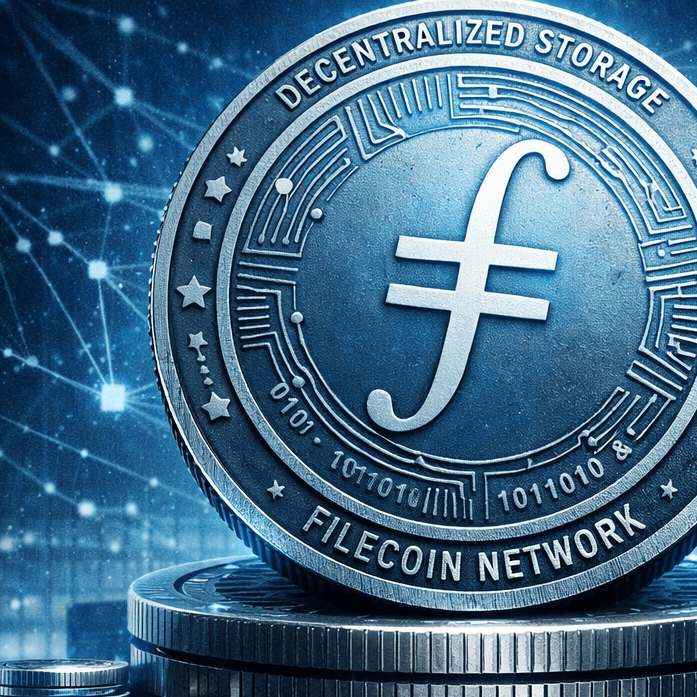
Daten werden zum wertvollsten Gut der Welt. Eye Cache zielt darauf ab, ein sicheres, schnelles und dezentrales Speicherecosystem zu bieten, das für die Ära von KI und Web3 konzipiert ist.
🔹 Datenschutz-first Architektur
🔹 Dezentralisiert & Sicher
🔹 Hochgeschwindigkeits-Datenzugriff
🔹 Entwickelt für KI, dApps & Web3
Da die Nachfrage nach Datenspeicherung weiter steigt, könnten Projekte, die Skalierbarkeit, Sicherheit und Dezentralisierung kombinieren, eine wichtige Rolle in der zukünftigen digitalen Wirtschaft spielen.
BINANCE SQUARE
👁️ Eye Cache – Die Zukunft der dezentralen Speicherung
Daten werden zum wertvollsten Gut der Welt. Eye Cache zielt darauf ab, ein sicheres, schnelles und dezentrales Speicherecosystem zu bieten, das für die Ära von KI und Web3 konzipiert ist.
🔹 Datenschutz-first Architektur
🔹 Dezentralisiert & Sicher
🔹 Hochgeschwindigkeits-Datenzugriff
🔹 Entwickelt für KI, dApps & Web3
Da die Nachfrage nach Datenspeicherung weiter steigt, könnten Projekte, die Skalierbarkeit, Sicherheit und Dezentralisierung kombinieren, eine wichtige Rolle in der zukünftigen digitalen Wirtschaft spielen.
Daten werden zum wertvollsten Gut der Welt. Eye Cache zielt darauf ab, ein sicheres, schnelles und dezentrales Speicherecosystem zu bieten, das für die Ära von KI und Web3 konzipiert ist.
🔹 Datenschutz-first Architektur
🔹 Dezentralisiert & Sicher
🔹 Hochgeschwindigkeits-Datenzugriff
🔹 Entwickelt für KI, dApps & Web3
Da die Nachfrage nach Datenspeicherung weiter steigt, könnten Projekte, die Skalierbarkeit, Sicherheit und Dezentralisierung kombinieren, eine wichtige Rolle in der zukünftigen digitalen Wirtschaft spielen.
158


·
--
Riesige KI-Modelle auf dezentralen Netzwerken speichern 💾
Große KI-Modelle benötigen sichere, unveränderliche Speicherung. Die dezentralen Speicherprotokolle von Web3 werden aufgerüstet, um die vollen LLM-Gewichte sicher fernab von einzelnen Ausfallpunkten zu hosten.
#DecentralizedStorage #Web3Infrastructure #AIModels #DataFreedom .
Riesige KI-Modelle auf dezentralen Netzwerken speichern 💾
Große KI-Modelle benötigen sichere, unveränderliche Speicherung. Die dezentralen Speicherprotokolle von Web3 werden aufgerüstet, um die vollen LLM-Gewichte sicher fernab von einzelnen Ausfallpunkten zu hosten.
#DecentralizedStorage #Web3Infrastructure #AIModels #DataFreedom .
Große KI-Modelle benötigen sichere, unveränderliche Speicherung. Die dezentralen Speicherprotokolle von Web3 werden aufgerüstet, um die vollen LLM-Gewichte sicher fernab von einzelnen Ausfallpunkten zu hosten.
#DecentralizedStorage #Web3Infrastructure #AIModels #DataFreedom .
86

·
--
🦈 DER KI-SPEICHERKRIEG HAT ERST BEGONNEN — $FIL AND $AR SIND FÜR DIE NÄCHSTE WELLE PLATZIERT 💥
📌 Während Schlagzeilen von GPUs schreien, könnte der eigentliche Engpass der Speicher sein. Hyperscaler sichern sich langfristige DRAM/NAND-Kapazitäten — und dieselbe Logik gilt für dezentrale Speicherlösungen. $FIL and $AR liegen an der Schnittstelle von KI-Infrastruktur und Datensicherheit. 📊
🔥 Die Geschichte zeigt: Die größten Schritte passieren, wenn sich der Fokus des Marktes von Compute auf die Infrastruktur verlagert, die Compute produktiv hält. KI-Rechenzentren brauchen Speicher mit hoher Bandbreite und unveränderlichen Speicher. Das ist kein nachgeordnetes Element — es ist eine strategische Einschränkung. 💡
💬 Beobachtest du die Storage-Story, oder geht es für dich nur um Chips? 👇
⚠️ Keine Finanzberatung. Achte immer auf dein Risiko. 🛡️
🏷️ $FIL #Storage #AIInfrastructure #DecentralizedStorage #Narrative
🚀 🦈
🦈 DER KI-SPEICHERKRIEG HAT ERST BEGONNEN — $FIL AND $AR SIND FÜR DIE NÄCHSTE WELLE PLATZIERT 💥
📌 Während Schlagzeilen von GPUs schreien, könnte der eigentliche Engpass der Speicher sein. Hyperscaler sichern sich langfristige DRAM/NAND-Kapazitäten — und dieselbe Logik gilt für dezentrale Speicherlösungen. $FIL and $AR liegen an der Schnittstelle von KI-Infrastruktur und Datensicherheit. 📊
🔥 Die Geschichte zeigt: Die größten Schritte passieren, wenn sich der Fokus des Marktes von Compute auf die Infrastruktur verlagert, die Compute produktiv hält. KI-Rechenzentren brauchen Speicher mit hoher Bandbreite und unveränderlichen Speicher. Das ist kein nachgeordnetes Element — es ist eine strategische Einschränkung. 💡
💬 Beobachtest du die Storage-Story, oder geht es für dich nur um Chips? 👇
⚠️ Keine Finanzberatung. Achte immer auf dein Risiko. 🛡️
🏷️ $FIL #Storage #AIInfrastructure #DecentralizedStorage #Narrative
🚀 🦈
📌 Während Schlagzeilen von GPUs schreien, könnte der eigentliche Engpass der Speicher sein. Hyperscaler sichern sich langfristige DRAM/NAND-Kapazitäten — und dieselbe Logik gilt für dezentrale Speicherlösungen. $FIL and $AR liegen an der Schnittstelle von KI-Infrastruktur und Datensicherheit. 📊
🔥 Die Geschichte zeigt: Die größten Schritte passieren, wenn sich der Fokus des Marktes von Compute auf die Infrastruktur verlagert, die Compute produktiv hält. KI-Rechenzentren brauchen Speicher mit hoher Bandbreite und unveränderlichen Speicher. Das ist kein nachgeordnetes Element — es ist eine strategische Einschränkung. 💡
💬 Beobachtest du die Storage-Story, oder geht es für dich nur um Chips? 👇
⚠️ Keine Finanzberatung. Achte immer auf dein Risiko. 🛡️
🏷️ $FIL #Storage #AIInfrastructure #DecentralizedStorage #Narrative
🚀 🦈
337

·
--
Warum sollte die Speicherung von einem einzigen Unternehmen abhängen?
Das Internet wurde widerstandsfähig, weil es dezentralisiert war.
Die Speicherung folgt demselben Weg.
BTFS Finder bietet einen Zugang zu dezentraler Speicherung, ohne Nutzer mit technischer Komplexität zu überfordern.
Lade Dateien hoch. Greife einfach darauf zu. Lass das BTFS-Netzwerk die Verteilung im Hintergrund übernehmen.
Die Technologie ist vielleicht dezentral, aber das Erlebnis bleibt angenehm einfach.
So erreicht Innovation alle.
🔗 https://finder.btfs.io/
@BitTorrent @justinsuntron #BitTorrent #BTFS #Web3 #DecentralizedStorage #TRONEcoStar
Warum sollte die Speicherung von einem einzigen Unternehmen abhängen?
Das Internet wurde widerstandsfähig, weil es dezentralisiert war.
Die Speicherung folgt demselben Weg.
BTFS Finder bietet einen Zugang zu dezentraler Speicherung, ohne Nutzer mit technischer Komplexität zu überfordern.
Lade Dateien hoch. Greife einfach darauf zu. Lass das BTFS-Netzwerk die Verteilung im Hintergrund übernehmen.
Die Technologie ist vielleicht dezentral, aber das Erlebnis bleibt angenehm einfach.
So erreicht Innovation alle.
🔗 https://finder.btfs.io/
@BitTorrent @justinsuntron #BitTorrent #BTFS #Web3 #DecentralizedStorage #TRONEcoStar
Das Internet wurde widerstandsfähig, weil es dezentralisiert war.
Die Speicherung folgt demselben Weg.
BTFS Finder bietet einen Zugang zu dezentraler Speicherung, ohne Nutzer mit technischer Komplexität zu überfordern.
Lade Dateien hoch. Greife einfach darauf zu. Lass das BTFS-Netzwerk die Verteilung im Hintergrund übernehmen.
Die Technologie ist vielleicht dezentral, aber das Erlebnis bleibt angenehm einfach.
So erreicht Innovation alle.
🔗 https://finder.btfs.io/
@BitTorrent @justinsuntron #BitTorrent #BTFS #Web3 #DecentralizedStorage #TRONEcoStar
1
20
·
--
$FIL Filecoin baut ein dezentrales Speichernetzwerk auf, in dem Daten gespeichert und abgerufen werden können, ohne auf einen einzelnen zentralisierten Anbieter angewiesen zu sein.
🔹 Proof-of-Replication (Nachweis der Replikation) verifiziert eindeutige Datenkopien
🔹 Proof-of-Spacetime (Nachweis der Raumzeit) verifiziert, dass die Daten über die Zeit hinweg gespeichert bleiben
🔹 Storage Provider konkurrieren in einem offenen Speichermarkt
🔹 Kryptografische Beweise machen die Speicherung öffentlich überprüfbar
Filecoin verwandelt ungenutzten Speicher in eine globale, verifizierbare Ressource für das dezentrale Web.
#Filecoin #FIL #DePIN #Web3 #DecentralizedStorage
$FIL Filecoin baut ein dezentrales Speichernetzwerk auf, in dem Daten gespeichert und abgerufen werden können, ohne auf einen einzelnen zentralisierten Anbieter angewiesen zu sein.
🔹 Proof-of-Replication (Nachweis der Replikation) verifiziert eindeutige Datenkopien
🔹 Proof-of-Spacetime (Nachweis der Raumzeit) verifiziert, dass die Daten über die Zeit hinweg gespeichert bleiben
🔹 Storage Provider konkurrieren in einem offenen Speichermarkt
🔹 Kryptografische Beweise machen die Speicherung öffentlich überprüfbar
Filecoin verwandelt ungenutzten Speicher in eine globale, verifizierbare Ressource für das dezentrale Web.
#Filecoin #FIL #DePIN #Web3 #DecentralizedStorage
🔹 Proof-of-Replication (Nachweis der Replikation) verifiziert eindeutige Datenkopien
🔹 Proof-of-Spacetime (Nachweis der Raumzeit) verifiziert, dass die Daten über die Zeit hinweg gespeichert bleiben
🔹 Storage Provider konkurrieren in einem offenen Speichermarkt
🔹 Kryptografische Beweise machen die Speicherung öffentlich überprüfbar
Filecoin verwandelt ungenutzten Speicher in eine globale, verifizierbare Ressource für das dezentrale Web.
#Filecoin #FIL #DePIN #Web3 #DecentralizedStorage
264
Anmelden und weiter Inhalte entdecken
Krypto-Nutzer weltweit auf Binance Square kennenlernen
⚡️ Bleib in Sachen Krypto stets am Puls.
💬 Die weltgrößte Kryptobörse vertraut darauf.
👍 Erhalte verlässliche Einblicke von verifizierten Creators.
E-Mail-Adresse/Telefonnummer
Trendthemen
1
#EarningsSeason
3.5M Aufrufe
16,837 Kommentare
2
#PepeJumps14%ToLeadAltcoinRebound
54,154 Aufrufe
734 Kommentare
3
#GoldFallsBelow$4000ForFirstTimeSinceJuly
11,723 Aufrufe
83 Kommentare
4
#SwedishCentralBankUrgesEKronaReview
36,947 Aufrufe
669 Kommentare
5
#BinancePick
893,689 Aufrufe
74,563 Kommentare
6
#BitcoinHashrateHitsSevenMonthHigh
71,524 Aufrufe
998 Kommentare
7
#EthereumHoodiTestnetGlamsterdamHardForkDelayed
28,158 Aufrufe
579 Kommentare
8
#CardanoHoldersAskedToBet$5MOnCopper
1,382 Aufrufe
14 Kommentare
9
#MalaysiaAndThailandJoinSingaporeStablecoinInitiative
5,272 Aufrufe
41 Kommentare
10
#WinklevossAndSilbertBackedMinersEachHold20%OfZcashHashRate
1,550 Aufrufe
10 Kommentare