Binance Square

danmalikithebbi

515 Aufrufe
10 Kommentare
danmalikiTHEBBI
·
--
Bärisch
BTCUSD brach den aufsteigenden Kanal [Analysis explanation: prices channel](https://app.binance.com/uni-qr/cart/301169150550962?r=DC4TQYDG&l=en-AF&uco=1YYQ5MDoEHmvr1qejVzxTQ&uc=app_square_share_link&us=copylink) BTCUSD bewegte sich innerhalb des aufsteigenden Kanals, der sich bildete, als der Preis die Kanalgrenzen 8 Mal berührte und seit dem 25. Februar gültig ist. Aktuelle Situation BTCUSD brach den aufsteigenden Kanal. Mögliches Szenario Analysten empfehlen, eine Verkaufsorder mit einem Stop-Loss in der Nähe der unteren Kanalgrenze zu eröffnen. Wir werden unseren nächsten Beitrag zu Preiskanälen heute um 15:00 Uhr UTC veröffentlichen. Kommen Sie zurück, um weitere Handelsinsights zu entdecken. Teilen Sie Ihre Gedanken im Kommentarfeld, wenn es für Sie verfügbar ist.#SECApprovesNasdaqTokenizedStocksPilot #danmalikiTHEBBI $BTC {spot}(BTCUSDT)
BTCUSD brach den aufsteigenden Kanal

Analysis explanation: prices channel

BTCUSD bewegte sich innerhalb des aufsteigenden Kanals, der sich bildete, als der Preis die Kanalgrenzen 8 Mal berührte und seit dem 25. Februar gültig ist.
Aktuelle Situation
BTCUSD brach den aufsteigenden Kanal.
Mögliches Szenario
Analysten empfehlen, eine Verkaufsorder mit einem Stop-Loss in der Nähe der unteren Kanalgrenze zu eröffnen.
Wir werden unseren nächsten Beitrag zu Preiskanälen heute um 15:00 Uhr UTC veröffentlichen. Kommen Sie zurück, um weitere Handelsinsights zu entdecken.
Teilen Sie Ihre Gedanken im Kommentarfeld, wenn es für Sie verfügbar ist.#SECApprovesNasdaqTokenizedStocksPilot #danmalikiTHEBBI $BTC
Übersetzung ansehen
Analysis explanation: RSI: relative strength indexRSI is a technical indicator that measures the speed and strength of price movements. Traders use it to assess whether an asset is overbought or oversold. How RSI works RSI measures the ratio between average gains and losses, typically over a period of 14 candles. The indicator fluctuates between 0 and 100% and can help identify possible price reversals. A reading above 70% indicates overbought conditions, meaning the price may decline soon.A reading below 30% indicates oversold conditions, suggesting a potential price rebound. Reading RSI signals Buy signal If the asset's trend begins moving upwards and RSI crosses above 30%, this confirms a potential Buy signal. Sell signal If the asset's trend moves down and RSI breaks below 70%, this may signal a good entry point to Sell. Trading example Bullish RSI signal Add the RSI tool to your trading chart from the indicators menu in your trading app.Open a chart. The upper graph shows the asset price, while the lower one shows RSI.Wait until RSI exceeds 30% and the asset's main trend goes up.Place a Buy order and set a stop loss below the asset's most recent low point.Calculate your position size, ensuring the stop loss is no more than 5% of your total deposit.Set your take profit according to your risk management strategy. Bearish RSI signal Add the RSI tool to your trading chart from the indicators menu in your trading app.Open a chart. The upper graph shows the asset price, while the lower one shows RSI.Ensure that RSI breaks below 70% and the asset's main trend also goes down.Place a Sell order and set a stop loss above the asset's most recent high point.Calculate your position size, ensuring the stop loss is no more than 5% of your total deposit.Set your take profit according to your risk management strategy. Leveraged trading involves risk. This content is not investment advice. Trade responsibly. #FTXCreditorPayouts #danmalikiTHEBBI #BinanceKOLIntroductionProgram $XAU {future}(XAUUSDT)

Analysis explanation: RSI: relative strength index

RSI is a technical indicator that measures the speed and strength of price movements. Traders use it to assess whether an asset is overbought or oversold.
How RSI works
RSI measures the ratio between average gains and losses, typically over a period of 14 candles. The indicator fluctuates between 0 and 100% and can help identify possible price reversals.
A reading above 70% indicates overbought conditions, meaning the price may decline soon.A reading below 30% indicates oversold conditions, suggesting a potential price rebound.
Reading RSI signals
Buy signal
If the asset's trend begins moving upwards and RSI crosses above 30%, this confirms a potential Buy signal.
Sell signal
If the asset's trend moves down and RSI breaks below 70%, this may signal a good entry point to Sell.
Trading example
Bullish RSI signal
Add the RSI tool to your trading chart from the indicators menu in your trading app.Open a chart. The upper graph shows the asset price, while the lower one shows RSI.Wait until RSI exceeds 30% and the asset's main trend goes up.Place a Buy order and set a stop loss below the asset's most recent low point.Calculate your position size, ensuring the stop loss is no more than 5% of your total deposit.Set your take profit according to your risk management strategy.
Bearish RSI signal

Add the RSI tool to your trading chart from the indicators menu in your trading app.Open a chart. The upper graph shows the asset price, while the lower one shows RSI.Ensure that RSI breaks below 70% and the asset's main trend also goes down.Place a Sell order and set a stop loss above the asset's most recent high point.Calculate your position size, ensuring the stop loss is no more than 5% of your total deposit.Set your take profit according to your risk management strategy.
Leveraged trading involves risk. This content is not investment advice. Trade responsibly. #FTXCreditorPayouts #danmalikiTHEBBI #BinanceKOLIntroductionProgram $XAU
·
--
Bärisch
China: Inlandsnachfrage unter dem 15. FYP – HSBC Das Makroteam von HSBC in China überprüft die Daten von Januar bis Februar 2026 und die neuesten Ergebnisse des Nationalen Volkskongresses, wobei ein Wachstumsziel des BIP von 4,5–5,0 % für 2026 hervorgehoben wird. Die Bank vermerkt starke Investitionen in feste Vermögenswerte, eine widerstandsfähige industrielle Produktion und solide Exporte, zusammen mit einer proaktiven Fiskalpolitik, investitionsintensiven Infrastrukturplänen und einem klaren Fokus auf die Stärkung der Inlandsnachfrage, technologischen Fortschritt und Reformen des Kapitalmarktes im Rahmen des 15. Fünfjahresplans. Wachstumsziel und politische Unterstützung Der jährliche Nationale Volkskongress (NPC) Chinas schloss am 12. März nach einer Woche von politischen Sitzungen. Das Hauptwachstumsziel des BIP wurde auf 4,5 % bis 5 % für 2026 festgesetzt, mit dem Engagement, in der Praxis sogar bessere Ergebnisse zu erzielen. China wird eine proaktive fiskalische Haltung beibehalten, wobei die Zentralregierung einen größeren Anteil der Ausgaben übernimmt. Dieser Wandel ist eine Reaktion auf anhaltende Druck von der Schwäche auf dem Immobilienmarkt, gedämpften Preisniveaus und langsamem Steuerwachstum sowie dem Bedarf, den 15. FYP zu starten. Die Regierung priorisiert fiskalische Unterstützung, beschleunigt die Anleiheausgabe und zielt darauf ab, Reformen zur Angleichung des lokalen und zentralen Fiskalmanagements umzusetzen. Die Ausgabenprioritäten stehen in enger Verbindung zu langfristigen Zielen: Stärkung der Inlandsnachfrage, Förderung von Technologie und industriellem Fortschritt sowie Sicherung der Lebensgrundlagen. "Große Projekte sollen der Hauptkatalysator für höhere Investitionen sein. Der 15. FYP skizziert 109 Projekte über die "Sechs Netzwerke" (Wasser, Stromnetze, Rechenleistung, Kommunikation, Pipelines und Logistik) sowie Infrastruktur für Verkehr, Konsum, Bildung und Gesundheitsversorgung. Diese Projekte werden voraussichtlich die Gesamtinvestitionen in diesem Jahr auf über RMB7 Billionen treiben, so die Nationale Entwicklungs- und Reformkommission. Die staatliche Finanzierung wird eine bedeutende unterstützende Rolle spielen, wobei diese Investitionen voraussichtlich RMB5 Billionen im Jahr 2026 überschreiten werden. #china #danmalikiTHEBBI #USFebruaryPPISurgedSurprisingly
China: Inlandsnachfrage unter dem 15. FYP – HSBC

Das Makroteam von HSBC in China überprüft die Daten von Januar bis Februar 2026 und die neuesten Ergebnisse des Nationalen Volkskongresses, wobei ein Wachstumsziel des BIP von 4,5–5,0 % für 2026 hervorgehoben wird. Die Bank vermerkt starke Investitionen in feste Vermögenswerte, eine widerstandsfähige industrielle Produktion und solide Exporte, zusammen mit einer proaktiven Fiskalpolitik, investitionsintensiven Infrastrukturplänen und einem klaren Fokus auf die Stärkung der Inlandsnachfrage, technologischen Fortschritt und Reformen des Kapitalmarktes im Rahmen des 15. Fünfjahresplans.

Wachstumsziel und politische Unterstützung

Der jährliche Nationale Volkskongress (NPC) Chinas schloss am 12. März nach einer Woche von politischen Sitzungen.

Das Hauptwachstumsziel des BIP wurde auf 4,5 % bis 5 % für 2026 festgesetzt, mit dem Engagement, in der Praxis sogar bessere Ergebnisse zu erzielen.

China wird eine proaktive fiskalische Haltung beibehalten, wobei die Zentralregierung einen größeren Anteil der Ausgaben übernimmt. Dieser Wandel ist eine Reaktion auf anhaltende Druck von der Schwäche auf dem Immobilienmarkt, gedämpften Preisniveaus und langsamem Steuerwachstum sowie dem Bedarf, den 15. FYP zu starten. Die Regierung priorisiert fiskalische Unterstützung, beschleunigt die Anleiheausgabe und zielt darauf ab, Reformen zur Angleichung des lokalen und zentralen Fiskalmanagements umzusetzen.

Die Ausgabenprioritäten stehen in enger Verbindung zu langfristigen Zielen: Stärkung der Inlandsnachfrage, Förderung von Technologie und industriellem Fortschritt sowie Sicherung der Lebensgrundlagen.

"Große Projekte sollen der Hauptkatalysator für höhere Investitionen sein. Der 15. FYP skizziert 109 Projekte über die "Sechs Netzwerke" (Wasser, Stromnetze, Rechenleistung, Kommunikation, Pipelines und Logistik) sowie Infrastruktur für Verkehr, Konsum, Bildung und Gesundheitsversorgung. Diese Projekte werden voraussichtlich die Gesamtinvestitionen in diesem Jahr auf über RMB7 Billionen treiben, so die Nationale Entwicklungs- und Reformkommission.

Die staatliche Finanzierung wird eine bedeutende unterstützende Rolle spielen, wobei diese Investitionen voraussichtlich RMB5 Billionen im Jahr 2026 überschreiten werden. #china #danmalikiTHEBBI #USFebruaryPPISurgedSurprisingly
·
--
Bärisch
BoC: Dovish Haltung mit einer Neigung zur Lockerung – TD Securities TD Securities-Strategen berichten, dass die Bank of Canada (BoC) ihren Leitzins bei 2,25 % gehalten hat und die Prognose fallen ließ, dass der aktuelle Zinssatz angemessen ist. Sie sehen jetzt Wachstumsrisiken nach unten und Inflationsrisiken nach oben, wobei die kurzfristigen politischen Risiken zur Lockerung tendieren, es sei denn, ein längerer Konflikt im Nahen Osten zwingt zu einer Neubewertung. Wachstumsrisiken unten, Inflationsrisiken oben Die Bank of Canada hielt die Zinssätze wie erwartet bei 2,25 %, da die geldpolitische Erklärung einen weiteren vorsichtigen Ton anschlug, indem sie sich auf weichere Wirtschaftsdaten seit Januar stützte. Die Bank stellte fest, dass die Risiken für das Wachstum jetzt nach unten geneigt sind, während die Inflationsrisiken nach oben geneigt sind. Die Bank erklärte, dass sie die höheren kurzfristigen Energiepreise ignorieren will, aber dass sie nicht zulassen wird, dass sich dies in anhaltender Inflation ausweitet. Sie entfernten auch die Formulierung aus ihrer Prognose, dass der aktuelle Übernachtzinssatz weiterhin angemessen bleibt. Wir glauben nicht, dass dies einen bevorstehenden Wechsel in der Politik signalisiert, passt jedoch zu der Vorstellung, dass die kurzfristigen Risiken weiterhin zur Lockerung tendieren, während ein langanhaltender Konflikt im Nahen Osten es schwieriger machen würde, darüber hinwegzusehen. BoC weist auf das Risiko einer Stagflation hin und eine hohe Hürde für Zinserhöhungen, die potenziell gegeben ist durch die Abnahme der Dynamik auf dem Arbeitsmarkt in letzter Zeit. Wir mögen CAD im aktuellen Umfeld gegenüber Nicht-USD-Peers, da es eine niedrigere Beta gegenüber risikoscheu hat, Ölverbindungen und Handelsbedingungen steigert (auch wenn bescheiden) und weniger exponiert ist gegenüber einem Wachstumsrückgang auf der anderen Seite der Welt durch einen verlängerten Konflikt (da es hauptsächlich der US-Wirtschaft ausgesetzt ist). Wir erwarten jedoch, dass USDCAD weiterhin steigen wird, je länger sich dies hinzieht. Zinssätze und Wachstumsunterschiede werden zugunsten der USA sein, zusammen mit dem anhaltenden Risikoscheu.#astermainnet #USDCAD #danmalikiTHEBBI
BoC: Dovish Haltung mit einer Neigung zur Lockerung – TD Securities

TD Securities-Strategen berichten, dass die Bank of Canada (BoC) ihren Leitzins bei 2,25 % gehalten hat und die Prognose fallen ließ, dass der aktuelle Zinssatz angemessen ist. Sie sehen jetzt Wachstumsrisiken nach unten und Inflationsrisiken nach oben, wobei die kurzfristigen politischen Risiken zur Lockerung tendieren, es sei denn, ein längerer Konflikt im Nahen Osten zwingt zu einer Neubewertung.

Wachstumsrisiken unten, Inflationsrisiken oben

Die Bank of Canada hielt die Zinssätze wie erwartet bei 2,25 %, da die geldpolitische Erklärung einen weiteren vorsichtigen Ton anschlug, indem sie sich auf weichere Wirtschaftsdaten seit Januar stützte. Die Bank stellte fest, dass die Risiken für das Wachstum jetzt nach unten geneigt sind, während die Inflationsrisiken nach oben geneigt sind.

Die Bank erklärte, dass sie die höheren kurzfristigen Energiepreise ignorieren will, aber dass sie nicht zulassen wird, dass sich dies in anhaltender Inflation ausweitet. Sie entfernten auch die Formulierung aus ihrer Prognose, dass der aktuelle Übernachtzinssatz weiterhin angemessen bleibt. Wir glauben nicht, dass dies einen bevorstehenden Wechsel in der Politik signalisiert, passt jedoch zu der Vorstellung, dass die kurzfristigen Risiken weiterhin zur Lockerung tendieren, während ein langanhaltender Konflikt im Nahen Osten es schwieriger machen würde, darüber hinwegzusehen.

BoC weist auf das Risiko einer Stagflation hin und eine hohe Hürde für Zinserhöhungen, die potenziell gegeben ist durch die Abnahme der Dynamik auf dem Arbeitsmarkt in letzter Zeit. Wir mögen CAD im aktuellen Umfeld gegenüber Nicht-USD-Peers, da es eine niedrigere Beta gegenüber risikoscheu hat, Ölverbindungen und Handelsbedingungen steigert (auch wenn bescheiden) und weniger exponiert ist gegenüber einem Wachstumsrückgang auf der anderen Seite der Welt durch einen verlängerten Konflikt (da es hauptsächlich der US-Wirtschaft ausgesetzt ist). Wir erwarten jedoch, dass USDCAD weiterhin steigen wird, je länger sich dies hinzieht. Zinssätze und Wachstumsunterschiede werden zugunsten der USA sein, zusammen mit dem anhaltenden Risikoscheu.#astermainnet #USDCAD #danmalikiTHEBBI
Übersetzung ansehen
Analysis explanation:DojiA Doji candlestick pattern is a single candlestick that signals market uncertainty and has its opening and closing prices approximately at the same level. Named after the Japanese word ‘doji’ for 'the same thing,' its bullish or bearish interpretation hinges on its market position. Its variants include the 'gravestone' at the bottom, 'dragonfly' at the top, and 'long-legged' in the middle. How Doji works The Doji pattern, emerging after a notable market trend, signals a potential trend reversal. It reflects market indecision, regardless of previous candlestick colour or position. Its appearance suggests a shift in market dynamics as the candlesticks stop moving in a single direction. Identifying the Doji pattern The bullish Doji pattern usually emerges at the end of a previous bearish trend. You can often find it near a strong support level or a significant round number level. The bearish Doji pattern appears at the peak of a preceding bullish trend. You can find it near a strong resistance level or a notable round number level. Trading examples Bullish Doji When the pattern is close to the nearest support or round number level, open a Buy order instantly or wait for a slight price drop (pullback). Place a Stop Loss just below the pattern's lowest point. If it is a real trend change, the price won't return to where it started, so you can use many Doji patterns with small losses.Calculate your position size, ensuring the Stop Loss is no more than 5% of your total deposit.Make your Take Profit at least three times bigger than your Stop Loss. Aim to take your profit close to a high resistance level. To maximise profit, keep your position open as long as the upward trend continues. Bearish Doji When the pattern is close to the nearest resistance or round number level, open a Sell order instantly or wait for a slight price drop (pullback).Place a Stop Loss just below the pattern's highest point. If it is a real trend change, the price won't return to where it started, so you can use many Doji patterns with small losses.Calculate your position size, ensuring the Stop Loss is no more than 5% of your total deposit.Make your Take Profit at least three times bigger than your Stop Loss. Aim to take your profit close to a strong support level. To maximise profit, keep your position open as long as the downward trend continues. Leveraged trading involves risk. This content is not investment advice. Trade responsibly.#Doji #danmalikiTHEBBI #THEBBI #Danmaliki

Analysis explanation:Doji

A Doji candlestick pattern is a single candlestick that signals market uncertainty and has its opening and closing prices approximately at the same level.
Named after the Japanese word ‘doji’ for 'the same thing,' its bullish or bearish interpretation hinges on its market position. Its variants include the 'gravestone' at the bottom, 'dragonfly' at the top, and 'long-legged' in the middle.

How Doji works

The Doji pattern, emerging after a notable market trend, signals a potential trend reversal. It reflects market indecision, regardless of previous candlestick colour or position. Its appearance suggests a shift in market dynamics as the candlesticks stop moving in a single direction.
Identifying the Doji pattern
The bullish Doji pattern usually emerges at the end of a previous bearish trend. You can often find it near a strong support level or a significant round number level.
The bearish Doji pattern appears at the peak of a preceding bullish trend. You can find it near a strong resistance level or a notable round number level.
Trading examples
Bullish Doji
When the pattern is close to the nearest support or round number level, open a Buy order instantly or wait for a slight price drop (pullback).
Place a Stop Loss just below the pattern's lowest point. If it is a real trend change, the price won't return to where it started, so you can use many Doji patterns with small losses.Calculate your position size, ensuring the Stop Loss is no more than 5% of your total deposit.Make your Take Profit at least three times bigger than your Stop Loss. Aim to take your profit close to a high resistance level. To maximise profit, keep your position open as long as the upward trend continues.
Bearish Doji

When the pattern is close to the nearest resistance or round number level, open a Sell order instantly or wait for a slight price drop (pullback).Place a Stop Loss just below the pattern's highest point. If it is a real trend change, the price won't return to where it started, so you can use many Doji patterns with small losses.Calculate your position size, ensuring the Stop Loss is no more than 5% of your total deposit.Make your Take Profit at least three times bigger than your Stop Loss. Aim to take your profit close to a strong support level. To maximise profit, keep your position open as long as the downward trend continues.
Leveraged trading involves risk. This content is not investment advice. Trade responsibly.#Doji #danmalikiTHEBBI #THEBBI #Danmaliki
·
--
Bullisch
Übersetzung ansehen
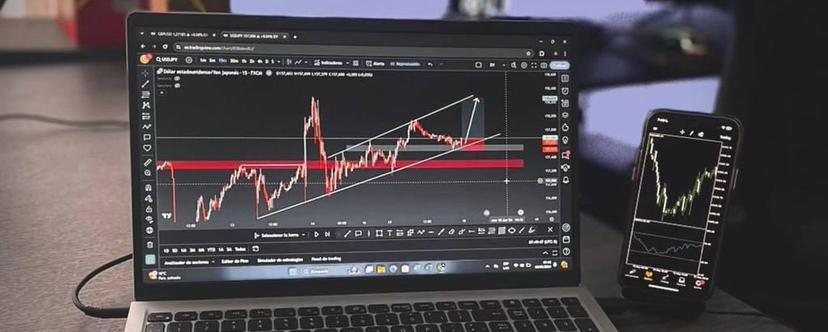
GBP/USD steadies ahead of back-to-back Fed and BoE decisions The Pound Sterling edged higher for a second session as traders brace for Wednesday's Fed hold and Thursday's BoE rate decision. The Fed is expected to hold rates at 3.50% to 3.75% on Wednesday as the Iran conflict clouds the rate outlook. The BoE is widely expected to hold at 3.75% on Thursday in a 7-2 vote after the Iran-driven energy shock slashed March rate cut odds. GBP/USD rose about 0.3% on Tuesday, gaining ground for a second consecutive session and trading around 1.3360. The pair has found a floor between 1.3250 and 1.3300 after sliding to a three-month low close to 1.3220 late last week, though it remains below both its key daily moving averages. The two-day bounce has produced a pair of modestly bullish candles, but price is still well within the broader sell-off from the late-January high near 1.3870. Wednesday brings the Federal Reserve's (Fed) March decision, where the central bank is all but certain to keep interest rates on hold. The focus falls squarely on the updated Summary of Economic Projections (SEP) and dot plot, with the Iran conflict and surging energy prices complicating the current path toward further rate cuts. Futures pricing has shifted sharply since the war began, with traders now expecting only one cut this year, likely in December, compared with two or three before the conflict escalated. Chair Jerome Powell's press conference, one of his last before stepping down in May, will be watched for any signal on how the Federal Open Market Committee (FOMC) is weighing the oil shock against a softening labour market. $GBP #GBPUSD #danmalikiTHEBBI
GBP/USD steadies ahead of back-to-back Fed and BoE decisions

The Pound Sterling edged higher for a second session as traders brace for Wednesday's Fed hold and Thursday's BoE rate decision.

The Fed is expected to hold rates at 3.50% to 3.75% on Wednesday as the Iran conflict clouds the rate outlook.

The BoE is widely expected to hold at 3.75% on Thursday in a 7-2 vote after the Iran-driven energy shock slashed March rate cut odds.

GBP/USD rose about 0.3% on Tuesday, gaining ground for a second consecutive session and trading around 1.3360. The pair has found a floor between 1.3250 and 1.3300 after sliding to a three-month low close to 1.3220 late last week, though it remains below both its key daily moving averages. The two-day bounce has produced a pair of modestly bullish candles, but price is still well within the broader sell-off from the late-January high near 1.3870.

Wednesday brings the Federal Reserve's (Fed) March decision, where the central bank is all but certain to keep interest rates on hold. The focus falls squarely on the updated Summary of Economic Projections (SEP) and dot plot, with the Iran conflict and surging energy prices complicating the current path toward further rate cuts. Futures pricing has shifted sharply since the war began, with traders now expecting only one cut this year, likely in December, compared with two or three before the conflict escalated. Chair Jerome Powell's press conference, one of his last before stepping down in May, will be watched for any signal on how the Federal Open Market Committee (FOMC) is weighing the oil shock against a softening labour market.
$GBP #GBPUSD #danmalikiTHEBBI
Analyseerklärung: Head and ShouldersHead and Shoulders ist ein beliebtes Chartmuster zur Erkennung von Trendwenden, das durch einen zentralen Gipfel (den Kopf) und zwei niedrigere Gipfel (die Schultern) gekennzeichnet ist. Dieses Muster bietet eine solide Grundlage für umfassende, nachhaltige Handelsstrategien. Lesen Sie weiter, um zu lernen, wie Sie Head and Shoulders über verschiedene Marktanlagen und Zeitrahmen hinweg anwenden können. Wie Head and Shoulders funktioniert Das Muster wird aktiviert, wenn der Preis die Nackenlinie durchbricht. Händler verwenden das Niveaus der Nackenlinie in zwei Szenarien: um einen Stop-Loss im Falle einer Trendfortsetzung festzulegen

Analyseerklärung: Head and Shoulders

Head and Shoulders ist ein beliebtes Chartmuster zur Erkennung von Trendwenden, das durch einen zentralen Gipfel (den Kopf) und zwei niedrigere Gipfel (die Schultern) gekennzeichnet ist.
Dieses Muster bietet eine solide Grundlage für umfassende, nachhaltige Handelsstrategien.
Lesen Sie weiter, um zu lernen, wie Sie Head and Shoulders über verschiedene Marktanlagen und Zeitrahmen hinweg anwenden können.
Wie Head and Shoulders funktioniert

Das Muster wird aktiviert, wenn der Preis die Nackenlinie durchbricht. Händler verwenden das Niveaus der Nackenlinie in zwei Szenarien:
um einen Stop-Loss im Falle einer Trendfortsetzung festzulegen
Übersetzung ansehen
Analysis explanation: EngulfingThe Engulfing candlestick pattern is a powerful trend reversal signal in technical analysis. The pattern comprises two candles, where the second candle completely overlaps the first one and signals a potential market sentiment and direction shift. How Engulfing works The Engulfing pattern's effectiveness increases when the first overlapping candle is followed by several other candles of the same colour, symbolising an exhaustive trend. The pattern typically appears at the peak or bottom of the preceding trend. In this pattern, the market encounters a significant reversal volume, triggering Stop Losses and creating a trap for traders who open positions expecting the trend to continue. A significant difference in the size of the candlesticks in an Engulfing pattern indicates a robust price rejection driven by a substantial volume of opposing trades. The first candlestick within this pattern always matches the trend direction, while the second forms in the opposite direction. Identifying Engulfing The bullish Engulfing pattern typically appears at the bottom of a preceding bearish trend near a strong support level or a round number level. The bearish Engulfing pattern typically appears at the top of the preceding bullish trend near a strong resistance level or a round number level. Trading examples Bullish Engulfing When the pattern is formed on the nearest support level, you can open a Buy order immediately or wait for a pullback.Place a Stop Loss at the pattern's lowest point.Ensure your Stop Loss is less than 5% of your total deposit to calculate how much you should invest in this position.Set your Take Profit at a level three times greater than your Stop Loss. You can also target a level located near a significant resistance level. Ideally, hold the position as long as the uptrend remains active. Bearish Engulfing When the pattern is formed on the nearest resistance level, you can open a Sell order immediately or wait for a pullback.Place a Stop Loss at the pattern's high. A true trend reversal typically doesn't exceed the high of the bearish engulfing candle, allowing for multiple attempts at the trade with minimal losses.Ensure your Stop Loss is less than 5% of your total deposit to calculate how much you should invest in this position.Set your Take Profit at a level three times greater than your Stop Loss. You can also target a level near a significant support level. Ideally, hold the position as the downtrend continues. Leveraged trading involves risk. This content is not investment advice. Trade responsibly.#DanmalikiThebbi #Thebbi #Engulfing

Analysis explanation: Engulfing

The Engulfing candlestick pattern is a powerful trend reversal signal in technical analysis. The pattern comprises two candles, where the second candle completely overlaps the first one and signals a potential market sentiment and direction shift.

How Engulfing works
The Engulfing pattern's effectiveness increases when the first overlapping candle is followed by several other candles of the same colour, symbolising an exhaustive trend. The pattern typically appears at the peak or bottom of the preceding trend.

In this pattern, the market encounters a significant reversal volume, triggering Stop Losses and creating a trap for traders who open positions expecting the trend to continue. A significant difference in the size of the candlesticks in an Engulfing pattern indicates a robust price rejection driven by a substantial volume of opposing trades. The first candlestick within this pattern always matches the trend direction, while the second forms in the opposite direction.
Identifying Engulfing

The bullish Engulfing pattern typically appears at the bottom of a preceding bearish trend near a strong support level or a round number level.
The bearish Engulfing pattern typically appears at the top of the preceding bullish trend near a strong resistance level or a round number level.
Trading examples
Bullish Engulfing

When the pattern is formed on the nearest support level, you can open a Buy order immediately or wait for a pullback.Place a Stop Loss at the pattern's lowest point.Ensure your Stop Loss is less than 5% of your total deposit to calculate how much you should invest in this position.Set your Take Profit at a level three times greater than your Stop Loss. You can also target a level located near a significant resistance level. Ideally, hold the position as long as the uptrend remains active.
Bearish Engulfing

When the pattern is formed on the nearest resistance level, you can open a Sell order immediately or wait for a pullback.Place a Stop Loss at the pattern's high. A true trend reversal typically doesn't exceed the high of the bearish engulfing candle, allowing for multiple attempts at the trade with minimal losses.Ensure your Stop Loss is less than 5% of your total deposit to calculate how much you should invest in this position.Set your Take Profit at a level three times greater than your Stop Loss. You can also target a level near a significant support level. Ideally, hold the position as the downtrend continues.
Leveraged trading involves risk. This content is not investment advice. Trade responsibly.#DanmalikiThebbi #Thebbi #Engulfing
Analyseerklärung: Hammer (Pin-Bar) Ein Hammer (auch als Pin-Bar bezeichnet) ist eine Art von Kerzenmuster mit einem langen Schatten und einem kurzen Körper. Der Hammer signalisiert stark eine Trend- oder Impulsumkehr. Sie können mächtige Umkehrstrategien mit diesem Muster erstellen. Wie der Hammer funktioniert Der Hammer signalisiert, dass eine Umkehr in der Preisrichtung wahrscheinlicher ist als ein Ausbruch. Dieses Muster besteht typischerweise aus drei Teilen: Der lange Schatten zeigt an, dass der Preis erheblich (entweder nach oben oder nach unten) bewegt wurde, aber dann nahe seinem Ausgangspunkt zurückkehrte. Dies geschieht, wenn Händler den Preis in eine Richtung drücken, aber gegensätzliche Aufträge genug Druck erzeugen, um ihn umzukehren.

Analyseerklärung: Hammer (Pin-Bar)


Ein Hammer (auch als Pin-Bar bezeichnet) ist eine Art von Kerzenmuster mit einem langen Schatten und einem kurzen Körper.
Der Hammer signalisiert stark eine Trend- oder Impulsumkehr. Sie können mächtige Umkehrstrategien mit diesem Muster erstellen.
Wie der Hammer funktioniert
Der Hammer signalisiert, dass eine Umkehr in der Preisrichtung wahrscheinlicher ist als ein Ausbruch.
Dieses Muster besteht typischerweise aus drei Teilen:
Der lange Schatten zeigt an, dass der Preis erheblich (entweder nach oben oder nach unten) bewegt wurde, aber dann nahe seinem Ausgangspunkt zurückkehrte. Dies geschieht, wenn Händler den Preis in eine Richtung drücken, aber gegensätzliche Aufträge genug Druck erzeugen, um ihn umzukehren.
Melde dich an, um weitere Inhalte zu entdecken
Bleib immer am Ball mit den neuesten Nachrichten aus der Kryptowelt
⚡️ Beteilige dich an aktuellen Diskussionen rund um Kryptothemen
💬 Interagiere mit deinen bevorzugten Content-Erstellern
👍 Entdecke für dich interessante Inhalte
E-Mail-Adresse/Telefonnummer