
#api
api
60,083 Aufrufe
252 Kommentare
Hot
Zuletzt

·
--
📰 DeepSeek Open-Platform-Ankündigung: Ab 12:00 Uhr (Peking-Zeit) am 10. September sinken die Aufrufpreise für die Flash-Modelle.
Diesmal ist es nicht einfach nur ein einheitlicher Rabatt: Treffer im Cache, keine Treffer im Cache und die Ausgabepreise werden jeweils angepasst.
🔥 Ehrlich gesagt ist „Cache-Treffer“ der Punkt, bei dem es am deutlichsten runtergeht. In Szenarien mit wiederholten Aufrufen ähnlicher Inhalte wird sich die Kostenänderung noch direkter auswirken; die Preise bei „kein Treffer“ und für die Ausgabe werden ebenfalls gesenkt, aber in einem geringeren Ausmaß.
Eigentlich wirken sich solche API-Preisänderungen nicht nur auf Entwicklerabrechnungen aus, sondern veranlassen alle dazu, die Nutzung von Modellaufrufen neu zu berechnen: Welche Anfragen sich für den Cache eignen und welche Inhalte eher für die Flash-Verarbeitung zuständig sind, lässt sich dann viel leichter gegeneinander abwägen.
💡 Die in der Ankündigung genannte Wirksamkeitszeit ist morgen um 12:00 Uhr. Bis dahin ist es nicht mehr weit. Teams, die KI-Tools, Robotik oder Automatisierungsdienste bauen, werden vermutlich zuerst ihre Aufrufstruktur und Kosten überprüfen.
🤔 Werden Sie aufgrund dieser Preissenkung die Aufrufmenge von DeepSeek Flash erhöhen?
#DeepSeek #AI #API #加密行业
📰 DeepSeek Open-Platform-Ankündigung: Ab 12:00 Uhr (Peking-Zeit) am 10. September sinken die Aufrufpreise für die Flash-Modelle.
Diesmal ist es nicht einfach nur ein einheitlicher Rabatt: Treffer im Cache, keine Treffer im Cache und die Ausgabepreise werden jeweils angepasst.
🔥 Ehrlich gesagt ist „Cache-Treffer“ der Punkt, bei dem es am deutlichsten runtergeht. In Szenarien mit wiederholten Aufrufen ähnlicher Inhalte wird sich die Kostenänderung noch direkter auswirken; die Preise bei „kein Treffer“ und für die Ausgabe werden ebenfalls gesenkt, aber in einem geringeren Ausmaß.
Eigentlich wirken sich solche API-Preisänderungen nicht nur auf Entwicklerabrechnungen aus, sondern veranlassen alle dazu, die Nutzung von Modellaufrufen neu zu berechnen: Welche Anfragen sich für den Cache eignen und welche Inhalte eher für die Flash-Verarbeitung zuständig sind, lässt sich dann viel leichter gegeneinander abwägen.
💡 Die in der Ankündigung genannte Wirksamkeitszeit ist morgen um 12:00 Uhr. Bis dahin ist es nicht mehr weit. Teams, die KI-Tools, Robotik oder Automatisierungsdienste bauen, werden vermutlich zuerst ihre Aufrufstruktur und Kosten überprüfen.
🤔 Werden Sie aufgrund dieser Preissenkung die Aufrufmenge von DeepSeek Flash erhöhen?
#DeepSeek #AI #API #加密行业
Diesmal ist es nicht einfach nur ein einheitlicher Rabatt: Treffer im Cache, keine Treffer im Cache und die Ausgabepreise werden jeweils angepasst.
🔥 Ehrlich gesagt ist „Cache-Treffer“ der Punkt, bei dem es am deutlichsten runtergeht. In Szenarien mit wiederholten Aufrufen ähnlicher Inhalte wird sich die Kostenänderung noch direkter auswirken; die Preise bei „kein Treffer“ und für die Ausgabe werden ebenfalls gesenkt, aber in einem geringeren Ausmaß.
Eigentlich wirken sich solche API-Preisänderungen nicht nur auf Entwicklerabrechnungen aus, sondern veranlassen alle dazu, die Nutzung von Modellaufrufen neu zu berechnen: Welche Anfragen sich für den Cache eignen und welche Inhalte eher für die Flash-Verarbeitung zuständig sind, lässt sich dann viel leichter gegeneinander abwägen.
💡 Die in der Ankündigung genannte Wirksamkeitszeit ist morgen um 12:00 Uhr. Bis dahin ist es nicht mehr weit. Teams, die KI-Tools, Robotik oder Automatisierungsdienste bauen, werden vermutlich zuerst ihre Aufrufstruktur und Kosten überprüfen.
🤔 Werden Sie aufgrund dieser Preissenkung die Aufrufmenge von DeepSeek Flash erhöhen?
#DeepSeek #AI #API #加密行业

1
214
DeepSeek V4 Pro ist offiziell live: Die App, die Weboberfläche und die API wurden bereits umfassend aktualisiert. Wenn du das neue Modell ausprobieren möchtest, öffne in der App oder auf der Webseite „Expertenmodus“ und du kannst es direkt nutzen; der API-Modellname bleibt unverändert.
Besonders bemerkenswert ist diesmal die Anpassung des API-Preisgestaltungssystems. DeepSeek führt erstmals eine Peak- und Off-Peak-Preisgestaltung ein: In den Hauptverkehrszeiten (Beijing-Zeit 9:00–12:00, 14:00–18:00) wird zum Standardpreis abgerechnet, in den Randzeiten wird der Preis direkt halbiert – das entspricht einem Fünfzig-Prozent-Rabatt für Nutzungsszenarien außerhalb der Hauptzeiten. Der neue Preis tritt am 17. August 2026 um 0:00 Uhr offiziell in Kraft.
Für Nutzer, die mit quantitativen Handelssstrategien arbeiten oder Batch-Aufgaben ausführen, können Anrufe außerhalb der Peak-Zeiten eine ganze Menge Kosten sparen. Für einzelne Entwickler verbessert sich die Wirtschaftlichkeit von Inferenz-Aufgaben am Abend und in den frühen Morgenstunden deutlich.
Spannend ist außerdem, dass die Veröffentlichung von DeepSeek-V4-Pro-0813 zuvor zurückgezogen wurde: Nach einer stillen Einführung, die keine 24 Stunden dauerte, wurde es wieder aus dem Angebot genommen. Nun wird es erneut unter dem Namen „Offizielles Release“ veröffentlicht. Ob dahinter technische Probleme stecken oder eine strategische Anpassung – das sollte man weiter beobachten.
#DeepSeek #AI #API
DeepSeek V4 Pro ist offiziell live: Die App, die Weboberfläche und die API wurden bereits umfassend aktualisiert. Wenn du das neue Modell ausprobieren möchtest, öffne in der App oder auf der Webseite „Expertenmodus“ und du kannst es direkt nutzen; der API-Modellname bleibt unverändert.
Besonders bemerkenswert ist diesmal die Anpassung des API-Preisgestaltungssystems. DeepSeek führt erstmals eine Peak- und Off-Peak-Preisgestaltung ein: In den Hauptverkehrszeiten (Beijing-Zeit 9:00–12:00, 14:00–18:00) wird zum Standardpreis abgerechnet, in den Randzeiten wird der Preis direkt halbiert – das entspricht einem Fünfzig-Prozent-Rabatt für Nutzungsszenarien außerhalb der Hauptzeiten. Der neue Preis tritt am 17. August 2026 um 0:00 Uhr offiziell in Kraft.
Für Nutzer, die mit quantitativen Handelssstrategien arbeiten oder Batch-Aufgaben ausführen, können Anrufe außerhalb der Peak-Zeiten eine ganze Menge Kosten sparen. Für einzelne Entwickler verbessert sich die Wirtschaftlichkeit von Inferenz-Aufgaben am Abend und in den frühen Morgenstunden deutlich.
Spannend ist außerdem, dass die Veröffentlichung von DeepSeek-V4-Pro-0813 zuvor zurückgezogen wurde: Nach einer stillen Einführung, die keine 24 Stunden dauerte, wurde es wieder aus dem Angebot genommen. Nun wird es erneut unter dem Namen „Offizielles Release“ veröffentlicht. Ob dahinter technische Probleme stecken oder eine strategische Anpassung – das sollte man weiter beobachten.
#DeepSeek #AI #API
Besonders bemerkenswert ist diesmal die Anpassung des API-Preisgestaltungssystems. DeepSeek führt erstmals eine Peak- und Off-Peak-Preisgestaltung ein: In den Hauptverkehrszeiten (Beijing-Zeit 9:00–12:00, 14:00–18:00) wird zum Standardpreis abgerechnet, in den Randzeiten wird der Preis direkt halbiert – das entspricht einem Fünfzig-Prozent-Rabatt für Nutzungsszenarien außerhalb der Hauptzeiten. Der neue Preis tritt am 17. August 2026 um 0:00 Uhr offiziell in Kraft.
Für Nutzer, die mit quantitativen Handelssstrategien arbeiten oder Batch-Aufgaben ausführen, können Anrufe außerhalb der Peak-Zeiten eine ganze Menge Kosten sparen. Für einzelne Entwickler verbessert sich die Wirtschaftlichkeit von Inferenz-Aufgaben am Abend und in den frühen Morgenstunden deutlich.
Spannend ist außerdem, dass die Veröffentlichung von DeepSeek-V4-Pro-0813 zuvor zurückgezogen wurde: Nach einer stillen Einführung, die keine 24 Stunden dauerte, wurde es wieder aus dem Angebot genommen. Nun wird es erneut unter dem Namen „Offizielles Release“ veröffentlicht. Ob dahinter technische Probleme stecken oder eine strategische Anpassung – das sollte man weiter beobachten.
#DeepSeek #AI #API
63
$NFP GETS A DATA BOOST WITH CRYPTORANK API V3 🔥
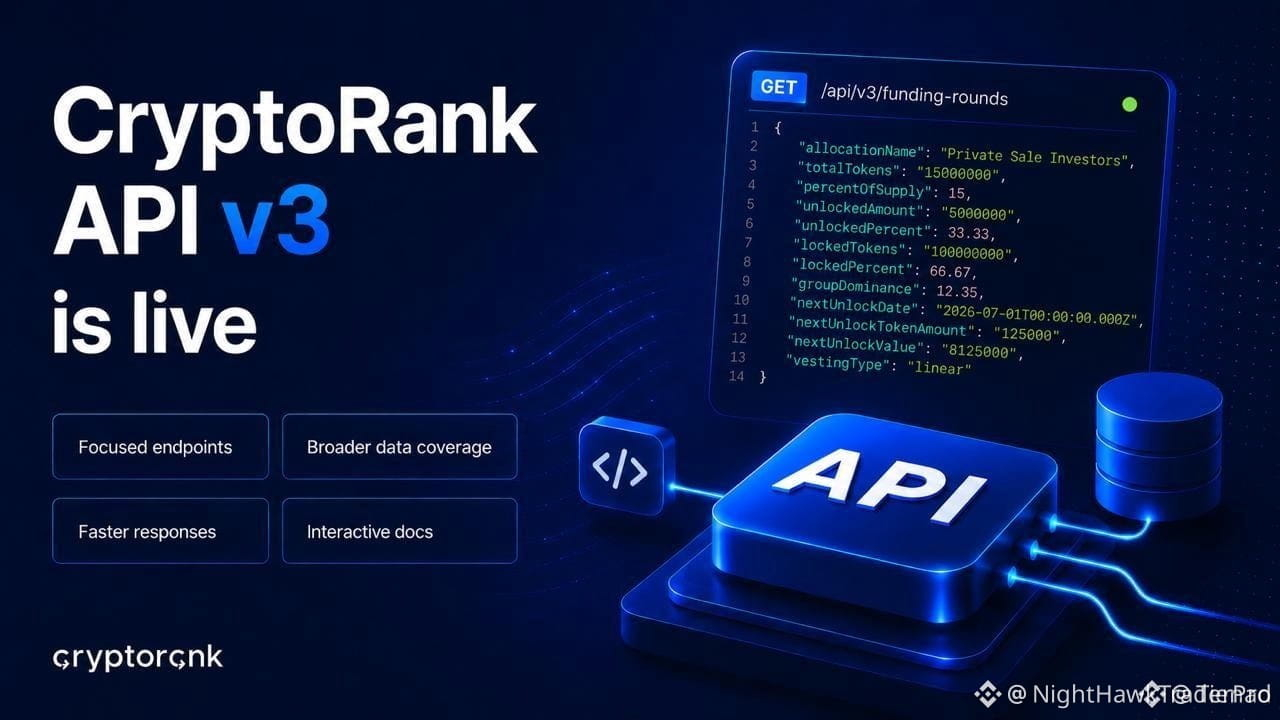
CryptoRank hat gerade API v3 veröffentlicht — schnellere Endpoints, breitere Abdeckung und genau die Effizienz, die ernstes Kapital anzieht. Das ist die Infrastruktur-Ebene, die Smart Money beobachtet, bevor es sich bewegt.
Geringere Latenz bedeutet engere Spreads bei datengetriebenen Strategien, und Tokens wie $NFP und $ZBT führen oft, wenn der Informationsfluss besser wird. Die Community stimmt bereits über die Auswirkungen ab — kaufst du das Upgrade oder wartest du auf die Bestätigung?
Keine Finanzberatung. Manage immer dein Risiko.
#NFP #ZBT #CryptoNews #API #Bullish
🔥
$NFP GETS A DATA BOOST WITH CRYPTORANK API V3 🔥
CryptoRank hat gerade API v3 veröffentlicht — schnellere Endpoints, breitere Abdeckung und genau die Effizienz, die ernstes Kapital anzieht. Das ist die Infrastruktur-Ebene, die Smart Money beobachtet, bevor es sich bewegt.
Geringere Latenz bedeutet engere Spreads bei datengetriebenen Strategien, und Tokens wie $NFP und $ZBT führen oft, wenn der Informationsfluss besser wird. Die Community stimmt bereits über die Auswirkungen ab — kaufst du das Upgrade oder wartest du auf die Bestätigung?
Keine Finanzberatung. Manage immer dein Risiko.
#NFP #ZBT #CryptoNews #API #Bullish
🔥
CryptoRank hat gerade API v3 veröffentlicht — schnellere Endpoints, breitere Abdeckung und genau die Effizienz, die ernstes Kapital anzieht. Das ist die Infrastruktur-Ebene, die Smart Money beobachtet, bevor es sich bewegt.
Geringere Latenz bedeutet engere Spreads bei datengetriebenen Strategien, und Tokens wie $NFP und $ZBT führen oft, wenn der Informationsfluss besser wird. Die Community stimmt bereits über die Auswirkungen ab — kaufst du das Upgrade oder wartest du auf die Bestätigung?
Keine Finanzberatung. Manage immer dein Risiko.
#NFP #ZBT #CryptoNews #API #Bullish
🔥
213

·
--
Ich denke gerade darüber nach, wie einfach es heutzutage ist, Krypto in Apps zu integrieren. Um ehrlich zu sein, ein API-Call und du kannst Wallets, Zahlungen oder was auch immer im Backend abwickeln. Keine verrückten Setups mehr oder monatelange Entwicklungsarbeit.
Es fühlt sich an, als wären die Barrieren für $btc, $eth und $sol-Projekte praktisch verschwunden. Das verändert alles für Builder, die voll onchain gehen wollen. wagmi, wenn du jetzt mit Experimentieren anfängst.
#CryptoDev #Web3 #Blockchain #API
Ich denke gerade darüber nach, wie einfach es heutzutage ist, Krypto in Apps zu integrieren. Um ehrlich zu sein, ein API-Call und du kannst Wallets, Zahlungen oder was auch immer im Backend abwickeln. Keine verrückten Setups mehr oder monatelange Entwicklungsarbeit.
Es fühlt sich an, als wären die Barrieren für $btc, $eth und $sol-Projekte praktisch verschwunden. Das verändert alles für Builder, die voll onchain gehen wollen. wagmi, wenn du jetzt mit Experimentieren anfängst.
#CryptoDev #Web3 #Blockchain #API
Es fühlt sich an, als wären die Barrieren für $btc, $eth und $sol-Projekte praktisch verschwunden. Das verändert alles für Builder, die voll onchain gehen wollen. wagmi, wenn du jetzt mit Experimentieren anfängst.
#CryptoDev #Web3 #Blockchain #API
160

SOLANA DRÜCKT 80M TXNS TÄGLICH — JETZT WIRD DIE API-EBENE ZUM ENGPASS. $EDEN $ACE $AKE IN FOKUS ⚡
Solana bewegt sich wie ein außer Kontrolle geratener Güterzug — 80M+ Transaktionen hämmern täglich unaufhaltsam über die Schienen. Aber das eigentliche Schlachtfeld ist nicht die Kette selbst; es ist die API-Ebene. Genau dort trifft der Schwung auf Reibung, und im Moment schaut jeder darauf, wer die Front halten kann ⚡
$EDEN , $ACE und $AKE geraten plötzlich ins Visier. Wenn ihre Infrastruktur es schafft, die Daten mit der Geschwindigkeit von Solana am Laufen zu halten, werden sie zu den stillen Helden dieser Geschichte. Wenn sie unter Druck einbrechen, dreht sich der gesamte Handel schneller als ein Panikverkauf 📊
Der Markt bepreist gerade das Unbekannte. Welcher API-Stack schluckt dieses Ausmaß als Erstes — die erprobten Veteranen oder die neuen Herausforderer? 🔥
⚠️ Keine Finanzberatung. Verwalte immer dein Risiko. 🛡️
🏷️ $EDEN #Solana #API #Infrastructure #Crypto
🔥⚡
SOLANA DRÜCKT 80M TXNS TÄGLICH — JETZT WIRD DIE API-EBENE ZUM ENGPASS. $EDEN $ACE $AKE IN FOKUS ⚡
Solana bewegt sich wie ein außer Kontrolle geratener Güterzug — 80M+ Transaktionen hämmern täglich unaufhaltsam über die Schienen. Aber das eigentliche Schlachtfeld ist nicht die Kette selbst; es ist die API-Ebene. Genau dort trifft der Schwung auf Reibung, und im Moment schaut jeder darauf, wer die Front halten kann ⚡
$EDEN , $ACE und $AKE geraten plötzlich ins Visier. Wenn ihre Infrastruktur es schafft, die Daten mit der Geschwindigkeit von Solana am Laufen zu halten, werden sie zu den stillen Helden dieser Geschichte. Wenn sie unter Druck einbrechen, dreht sich der gesamte Handel schneller als ein Panikverkauf 📊
Der Markt bepreist gerade das Unbekannte. Welcher API-Stack schluckt dieses Ausmaß als Erstes — die erprobten Veteranen oder die neuen Herausforderer? 🔥
⚠️ Keine Finanzberatung. Verwalte immer dein Risiko. 🛡️
🏷️ $EDEN #Solana #API #Infrastructure #Crypto
🔥⚡
Solana bewegt sich wie ein außer Kontrolle geratener Güterzug — 80M+ Transaktionen hämmern täglich unaufhaltsam über die Schienen. Aber das eigentliche Schlachtfeld ist nicht die Kette selbst; es ist die API-Ebene. Genau dort trifft der Schwung auf Reibung, und im Moment schaut jeder darauf, wer die Front halten kann ⚡
$EDEN , $ACE und $AKE geraten plötzlich ins Visier. Wenn ihre Infrastruktur es schafft, die Daten mit der Geschwindigkeit von Solana am Laufen zu halten, werden sie zu den stillen Helden dieser Geschichte. Wenn sie unter Druck einbrechen, dreht sich der gesamte Handel schneller als ein Panikverkauf 📊
Der Markt bepreist gerade das Unbekannte. Welcher API-Stack schluckt dieses Ausmaß als Erstes — die erprobten Veteranen oder die neuen Herausforderer? 🔥
⚠️ Keine Finanzberatung. Verwalte immer dein Risiko. 🛡️
🏷️ $EDEN #Solana #API #Infrastructure #Crypto
🔥⚡

187

·
--
#API
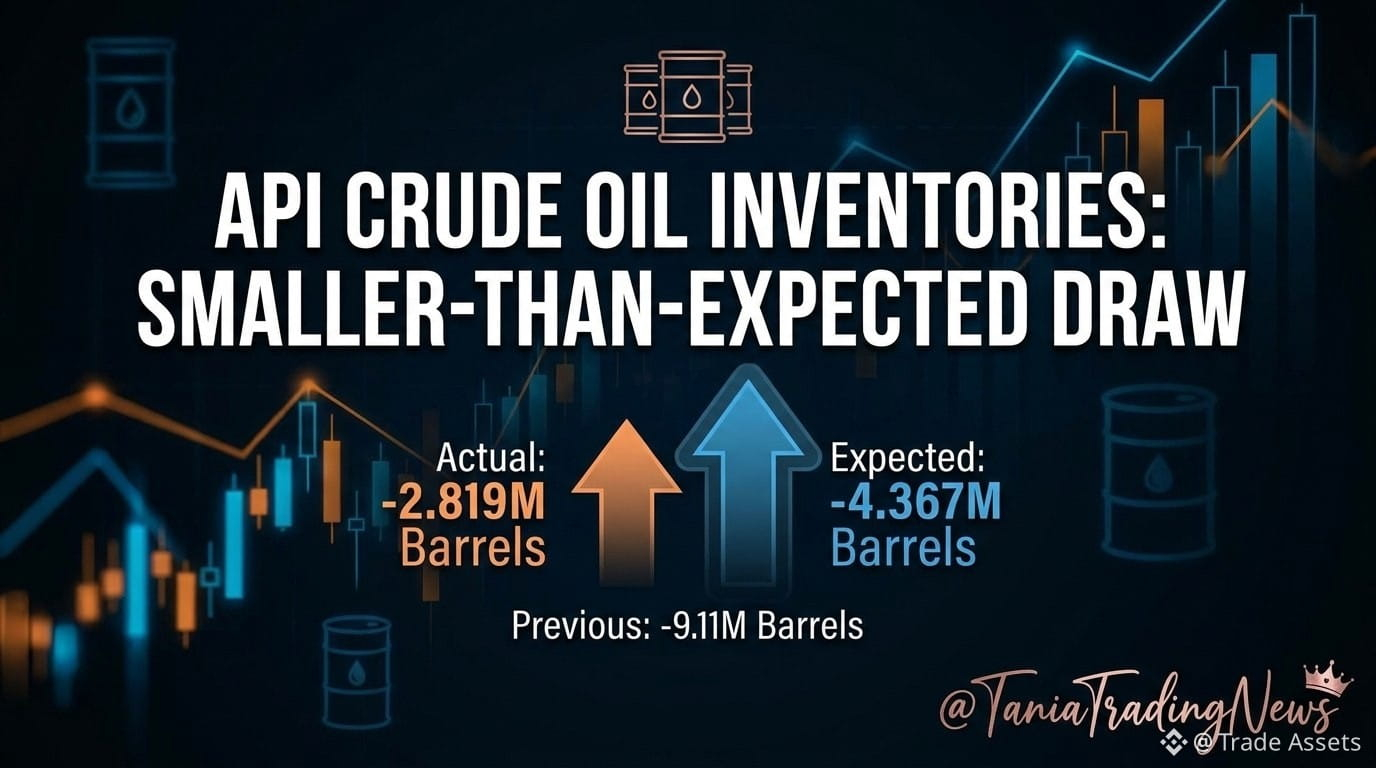
Die neuesten API-Daten zeigen, dass die Rohölvorräte um 2,819 Millionen Barrel gesunken sind, was weniger ist als der erwartete Rückgang von 4,367 Millionen Barrel. In der vorherigen Woche waren die Vorräte um 9,11 Millionen Barrel gefallen.
#API
Die neuesten API-Daten zeigen, dass die Rohölvorräte um 2,819 Millionen Barrel gesunken sind, was weniger ist als der erwartete Rückgang von 4,367 Millionen Barrel. In der vorherigen Woche waren die Vorräte um 9,11 Millionen Barrel gefallen.
Die neuesten API-Daten zeigen, dass die Rohölvorräte um 2,819 Millionen Barrel gesunken sind, was weniger ist als der erwartete Rückgang von 4,367 Millionen Barrel. In der vorherigen Woche waren die Vorräte um 9,11 Millionen Barrel gefallen.
1
235

·
--
Bullisch
Hast du dich jemals gefragt, was passiert, nachdem du auf „Bezahlen“ klickst? 🤔
Stell dir eine API wie das Bestellsystem in einem Restaurant vor.
🍽️ Du gibst eine Bestellung auf.
👨🍳 Die Küche bereitet sie zu.
📲 Das System verbindet beide Seiten und bringt das Ergebnis zurück.
Krypto-Zahlungen funktionieren genauso.
Wenn ein Nutzer auf Bezahlen klickt, sendet die API die Anfrage, verarbeitet die Transaktion, bestätigt die Zahlung und gibt das Ergebnis zurück – alles innerhalb von Sekunden.
Deshalb sind APIs wichtig.
Sie sind nicht nur Code.
Sie sind die unsichtbare Infrastruktur, die jede reibungslose Zahlungsabwicklung ermöglicht.
Mit der UPay Business API können Entwickler integrieren:
• Crypto Pay-In
• Zahlungsbestätigung
• Abrechnung
• Updates zum Zahlungsstatus
…ohne die komplette Zahlungsinfrastruktur von Grund auf neu aufbauen zu müssen.
Die beste Zahlungs-Erfahrung ist die, über die Nutzer nie nachdenken müssen. 💚
#Crypto #API #Web3 #CryptoPayments #Fintech
Hast du dich jemals gefragt, was passiert, nachdem du auf „Bezahlen“ klickst? 🤔
Stell dir eine API wie das Bestellsystem in einem Restaurant vor.
🍽️ Du gibst eine Bestellung auf.
👨🍳 Die Küche bereitet sie zu.
📲 Das System verbindet beide Seiten und bringt das Ergebnis zurück.
Krypto-Zahlungen funktionieren genauso.
Wenn ein Nutzer auf Bezahlen klickt, sendet die API die Anfrage, verarbeitet die Transaktion, bestätigt die Zahlung und gibt das Ergebnis zurück – alles innerhalb von Sekunden.
Deshalb sind APIs wichtig.
Sie sind nicht nur Code.
Sie sind die unsichtbare Infrastruktur, die jede reibungslose Zahlungsabwicklung ermöglicht.
Mit der UPay Business API können Entwickler integrieren:
• Crypto Pay-In
• Zahlungsbestätigung
• Abrechnung
• Updates zum Zahlungsstatus
…ohne die komplette Zahlungsinfrastruktur von Grund auf neu aufbauen zu müssen.
Die beste Zahlungs-Erfahrung ist die, über die Nutzer nie nachdenken müssen. 💚
#Crypto #API #Web3 #CryptoPayments #Fintech
Stell dir eine API wie das Bestellsystem in einem Restaurant vor.
🍽️ Du gibst eine Bestellung auf.
👨🍳 Die Küche bereitet sie zu.
📲 Das System verbindet beide Seiten und bringt das Ergebnis zurück.
Krypto-Zahlungen funktionieren genauso.
Wenn ein Nutzer auf Bezahlen klickt, sendet die API die Anfrage, verarbeitet die Transaktion, bestätigt die Zahlung und gibt das Ergebnis zurück – alles innerhalb von Sekunden.
Deshalb sind APIs wichtig.
Sie sind nicht nur Code.
Sie sind die unsichtbare Infrastruktur, die jede reibungslose Zahlungsabwicklung ermöglicht.
Mit der UPay Business API können Entwickler integrieren:
• Crypto Pay-In
• Zahlungsbestätigung
• Abrechnung
• Updates zum Zahlungsstatus
…ohne die komplette Zahlungsinfrastruktur von Grund auf neu aufbauen zu müssen.
Die beste Zahlungs-Erfahrung ist die, über die Nutzer nie nachdenken müssen. 💚
#Crypto #API #Web3 #CryptoPayments #Fintech

91

·
--
Bullisch
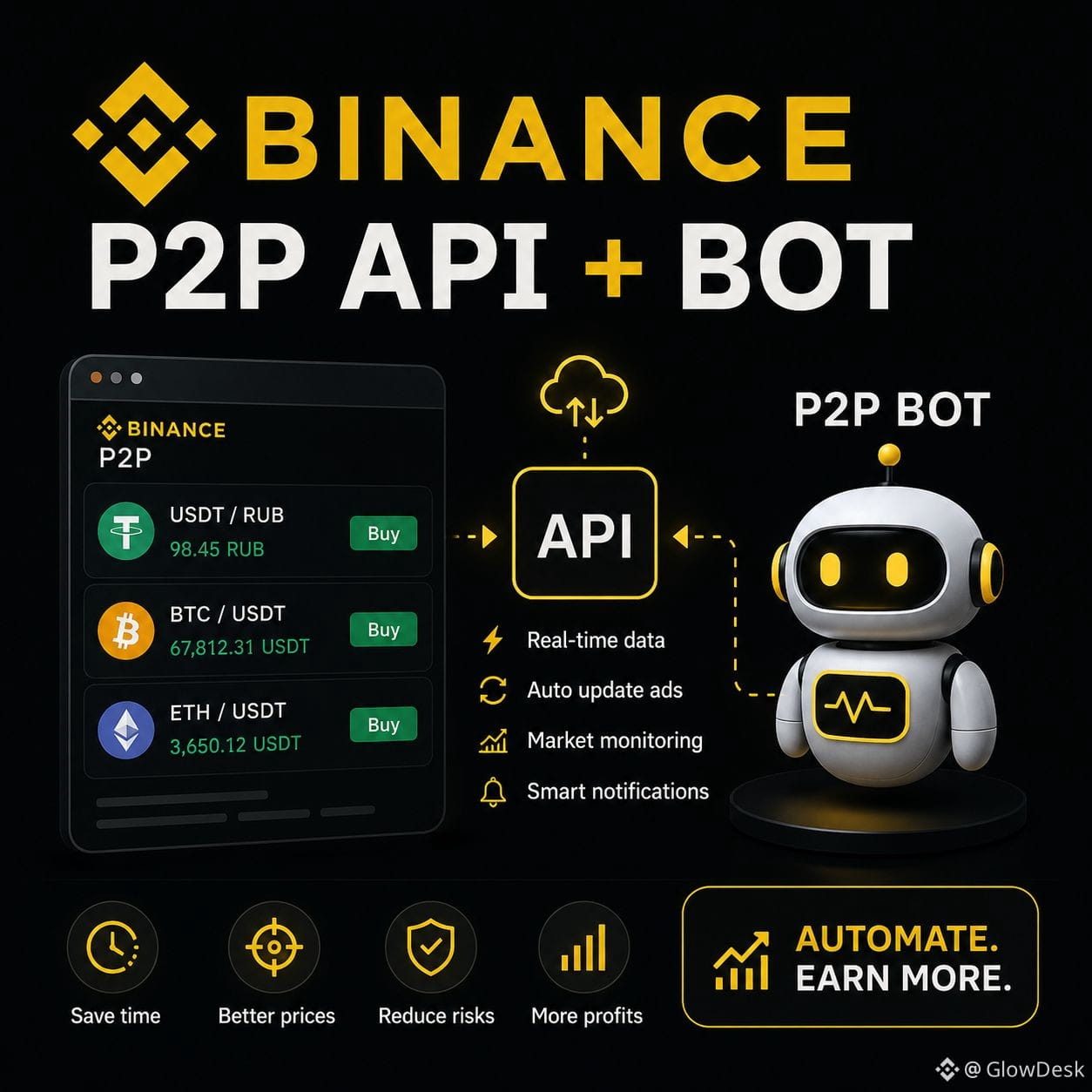
🟢 P2P-Händler, nutzt ihr die P2P-API oder aktualisiert ihr eure Angebote immer noch manuell? 👀
Für die, die nicht im Bilde sind – die P2P-API ermöglicht es, einen Teil der Routineprozesse beim P2P-Handel zu automatisieren.
Was bedeutet das in der Praxis:
⚡ Schnelles Aktualisieren der Preise in den Angeboten.
📊 Erhalt von aktuellen Marktdaten in Echtzeit.
🔄 Automatische Reaktion auf Preisänderungen der Konkurrenz.
⏳ Zeitersparnis beim ständigen Monitoring.
Je aktiver der Markt, desto schwieriger wird es, alle Änderungen manuell im Auge zu behalten. Besonders wenn die Preise mehrmals pro Stunde schwanken können.
Deshalb gehen viele Händler allmählich zur Automatisierung und der Arbeit über die API über.
🤖 Übrigens, die Daten über die P2P-API können mit PricePulseBot verbunden werden, um noch mehr Möglichkeiten für das Marktmonitoring und das Verfolgen von Preisänderungen an einem Ort zu erhalten.
Technologie ersetzt nicht die Erfahrung, hilft aber definitiv, sie effektiver zu nutzen.
Nutzen Sie die P2P-API oder arbeiten Sie bisher komplett manuell? 👇
#P2PTrading #API
🟢 P2P-Händler, nutzt ihr die P2P-API oder aktualisiert ihr eure Angebote immer noch manuell? 👀
Für die, die nicht im Bilde sind – die P2P-API ermöglicht es, einen Teil der Routineprozesse beim P2P-Handel zu automatisieren.
Was bedeutet das in der Praxis:
⚡ Schnelles Aktualisieren der Preise in den Angeboten.
📊 Erhalt von aktuellen Marktdaten in Echtzeit.
🔄 Automatische Reaktion auf Preisänderungen der Konkurrenz.
⏳ Zeitersparnis beim ständigen Monitoring.
Je aktiver der Markt, desto schwieriger wird es, alle Änderungen manuell im Auge zu behalten. Besonders wenn die Preise mehrmals pro Stunde schwanken können.
Deshalb gehen viele Händler allmählich zur Automatisierung und der Arbeit über die API über.
🤖 Übrigens, die Daten über die P2P-API können mit PricePulseBot verbunden werden, um noch mehr Möglichkeiten für das Marktmonitoring und das Verfolgen von Preisänderungen an einem Ort zu erhalten.
Technologie ersetzt nicht die Erfahrung, hilft aber definitiv, sie effektiver zu nutzen.
Nutzen Sie die P2P-API oder arbeiten Sie bisher komplett manuell? 👇
#P2PTrading #API
Für die, die nicht im Bilde sind – die P2P-API ermöglicht es, einen Teil der Routineprozesse beim P2P-Handel zu automatisieren.
Was bedeutet das in der Praxis:
⚡ Schnelles Aktualisieren der Preise in den Angeboten.
📊 Erhalt von aktuellen Marktdaten in Echtzeit.
🔄 Automatische Reaktion auf Preisänderungen der Konkurrenz.
⏳ Zeitersparnis beim ständigen Monitoring.
Je aktiver der Markt, desto schwieriger wird es, alle Änderungen manuell im Auge zu behalten. Besonders wenn die Preise mehrmals pro Stunde schwanken können.
Deshalb gehen viele Händler allmählich zur Automatisierung und der Arbeit über die API über.
🤖 Übrigens, die Daten über die P2P-API können mit PricePulseBot verbunden werden, um noch mehr Möglichkeiten für das Marktmonitoring und das Verfolgen von Preisänderungen an einem Ort zu erhalten.
Technologie ersetzt nicht die Erfahrung, hilft aber definitiv, sie effektiver zu nutzen.
Nutzen Sie die P2P-API oder arbeiten Sie bisher komplett manuell? 👇
#P2PTrading #API
1
241

Übersetzung ansehen
🦈 $BTC RESERVES BACK CFD API EXPANSION FOR ALGOS
A top-tier exchange is folding CFD access into the same API rails traders already use for digital assets. 🦈 That means algo desks can run crypto and traditional-market strategies from one stack: orders, balances, live pricing, transfers, TP/SL logic. 💡
The real edge is infrastructure: lower execution friction, one liquidity map across $BTC and macro CFDs, and programmable risk across assets. 📊 For systematic traders, unified rails can tighten monitoring, reduce fragmentation, and make multi-asset strategy deployment cleaner. 💬 Does one API layer change how you allocate between crypto and traditional exposure?
⚠️ Not financial advice. Always manage your risk. 🛡️
🏷️ #BTC #CFD #API #AlgoTrading #Crypto
🎯
🦈 $BTC RESERVES BACK CFD API EXPANSION FOR ALGOS
A top-tier exchange is folding CFD access into the same API rails traders already use for digital assets. 🦈 That means algo desks can run crypto and traditional-market strategies from one stack: orders, balances, live pricing, transfers, TP/SL logic. 💡
The real edge is infrastructure: lower execution friction, one liquidity map across $BTC and macro CFDs, and programmable risk across assets. 📊 For systematic traders, unified rails can tighten monitoring, reduce fragmentation, and make multi-asset strategy deployment cleaner. 💬 Does one API layer change how you allocate between crypto and traditional exposure?
⚠️ Not financial advice. Always manage your risk. 🛡️
🏷️ #BTC #CFD #API #AlgoTrading #Crypto
🎯
A top-tier exchange is folding CFD access into the same API rails traders already use for digital assets. 🦈 That means algo desks can run crypto and traditional-market strategies from one stack: orders, balances, live pricing, transfers, TP/SL logic. 💡
The real edge is infrastructure: lower execution friction, one liquidity map across $BTC and macro CFDs, and programmable risk across assets. 📊 For systematic traders, unified rails can tighten monitoring, reduce fragmentation, and make multi-asset strategy deployment cleaner. 💬 Does one API layer change how you allocate between crypto and traditional exposure?
⚠️ Not financial advice. Always manage your risk. 🛡️
🏷️ #BTC #CFD #API #AlgoTrading #Crypto
🎯
5

Übersetzung ansehen
🚨 $BTC RESERVES MEET CFD API EXPANSION: INSTITUTIONAL HYBRID ERA 🦈
A top-tier exchange just widened its open API into CFDs, letting algo traders run $BTC alongside gold, FX, indices, and oil without rebuilding infrastructure. 📊 This is not a novelty—it is a liquidity bridge between crypto volatility and traditional finance.
With up to 40% of trading volume already in non-crypto products and a $BTC -based reserve pool, the platform is positioning for cross-market strategies. ⚡ The edge? One system, multi-asset execution, faster adaptation. 💬 Are hybrid APIs the next unlock for quant traders?
⚠️ Not financial advice. Always manage your risk. 🛡️
🏷️ #BTC #CFD #API #Quant #Crypto
🎯
🚨 $BTC RESERVES MEET CFD API EXPANSION: INSTITUTIONAL HYBRID ERA 🦈
A top-tier exchange just widened its open API into CFDs, letting algo traders run $BTC alongside gold, FX, indices, and oil without rebuilding infrastructure. 📊 This is not a novelty—it is a liquidity bridge between crypto volatility and traditional finance.
With up to 40% of trading volume already in non-crypto products and a $BTC -based reserve pool, the platform is positioning for cross-market strategies. ⚡ The edge? One system, multi-asset execution, faster adaptation. 💬 Are hybrid APIs the next unlock for quant traders?
⚠️ Not financial advice. Always manage your risk. 🛡️
🏷️ #BTC #CFD #API #Quant #Crypto
🎯
A top-tier exchange just widened its open API into CFDs, letting algo traders run $BTC alongside gold, FX, indices, and oil without rebuilding infrastructure. 📊 This is not a novelty—it is a liquidity bridge between crypto volatility and traditional finance.
With up to 40% of trading volume already in non-crypto products and a $BTC -based reserve pool, the platform is positioning for cross-market strategies. ⚡ The edge? One system, multi-asset execution, faster adaptation. 💬 Are hybrid APIs the next unlock for quant traders?
⚠️ Not financial advice. Always manage your risk. 🛡️
🏷️ #BTC #CFD #API #Quant #Crypto
🎯
8

Die 8 besten Stablecoin-APIs im Jahr 2026 für Zahlungen und Infrastruktur
- Die Stablecoin-API ist ein Tool für Entwickler und ermöglicht es Unternehmen, Stablecoins per Programmierung zu senden, zu empfangen, umzutauschen, zu halten, auszugeben oder zu bezahlen.
- Zu den Anwendungsfällen zählen: Zahlungen empfangen, Zahlungen ausführen, Wallets, Fiat-Ramps, Überweisungen aus dem Schatzamt, Zahlungen an Händler, Geldtransfers (Remittances), Gehaltszahlungen und eingebettete Finanzen.
- Die Auswahl der passenden Stablecoin-API hängt von den konkreten Anforderungen jedes Unternehmens ab.
- Die RSS-Quelle liefert noch keine weiteren Details zur Liste der 8 konkreten APIs.
#Stablecoin #API #CryptoNews #BinanceSquare
$btc $eth
#vlikevn Titanbot
Quelle: CoinGape
Die 8 besten Stablecoin-APIs im Jahr 2026 für Zahlungen und Infrastruktur
- Die Stablecoin-API ist ein Tool für Entwickler und ermöglicht es Unternehmen, Stablecoins per Programmierung zu senden, zu empfangen, umzutauschen, zu halten, auszugeben oder zu bezahlen.
- Zu den Anwendungsfällen zählen: Zahlungen empfangen, Zahlungen ausführen, Wallets, Fiat-Ramps, Überweisungen aus dem Schatzamt, Zahlungen an Händler, Geldtransfers (Remittances), Gehaltszahlungen und eingebettete Finanzen.
- Die Auswahl der passenden Stablecoin-API hängt von den konkreten Anforderungen jedes Unternehmens ab.
- Die RSS-Quelle liefert noch keine weiteren Details zur Liste der 8 konkreten APIs.
#Stablecoin #API #CryptoNews #BinanceSquare
$btc $eth
#vlikevn Titanbot
Quelle: CoinGape
- Die Stablecoin-API ist ein Tool für Entwickler und ermöglicht es Unternehmen, Stablecoins per Programmierung zu senden, zu empfangen, umzutauschen, zu halten, auszugeben oder zu bezahlen.
- Zu den Anwendungsfällen zählen: Zahlungen empfangen, Zahlungen ausführen, Wallets, Fiat-Ramps, Überweisungen aus dem Schatzamt, Zahlungen an Händler, Geldtransfers (Remittances), Gehaltszahlungen und eingebettete Finanzen.
- Die Auswahl der passenden Stablecoin-API hängt von den konkreten Anforderungen jedes Unternehmens ab.
- Die RSS-Quelle liefert noch keine weiteren Details zur Liste der 8 konkreten APIs.
#Stablecoin #API #CryptoNews #BinanceSquare
$btc $eth
#vlikevn Titanbot
Quelle: CoinGape
62

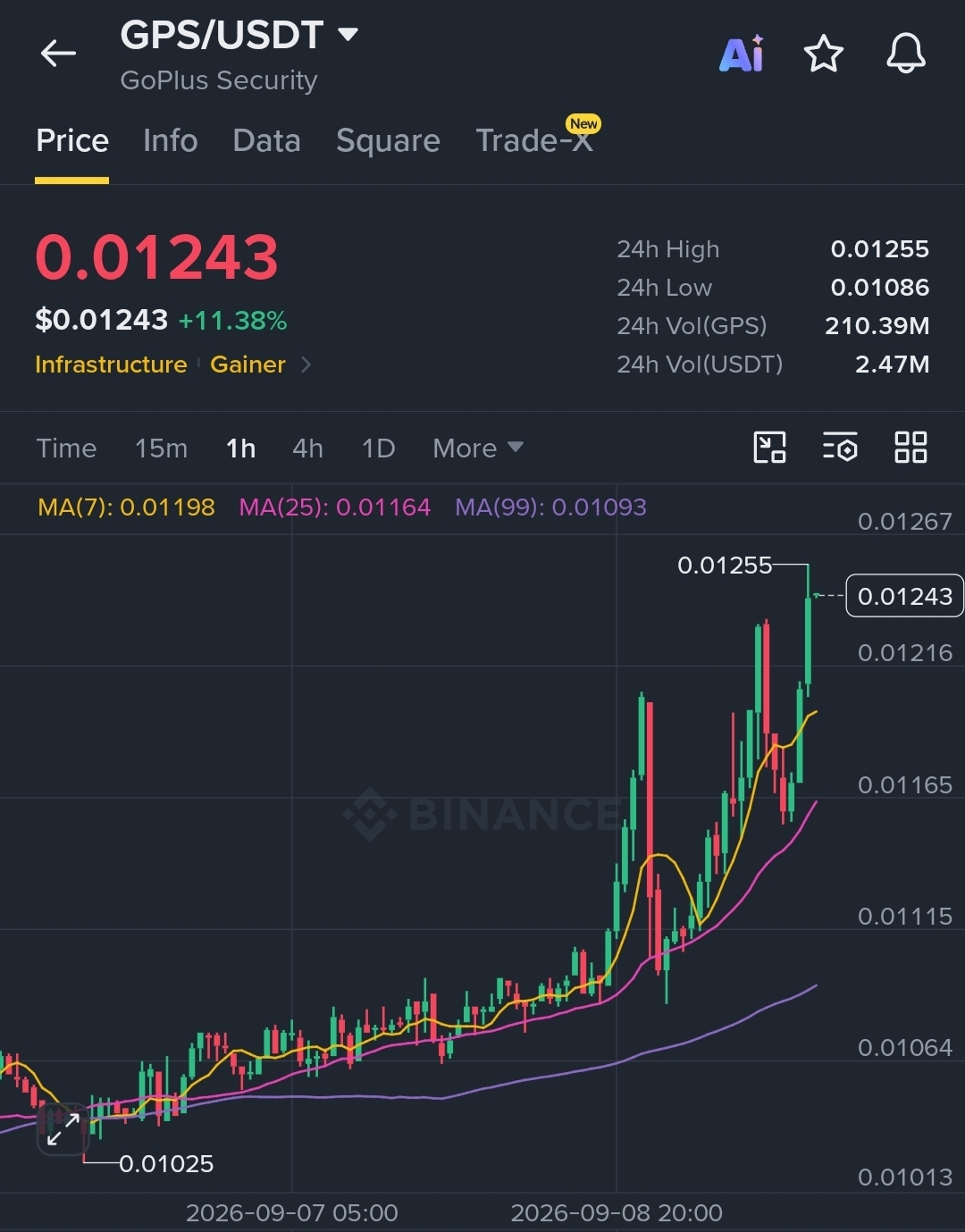
$GPS /USDT — 🟢 LONG · Conf 80%
📍 Einstieg: 0.01239 – 0.01247
🛑 SL: 0.01053
🎯 TP1: 0.01305
✅ TP2: 0.01355
🏆 TP3: 0.01430
1H MA7 hat MA25 im mittleren Chartbereich nach oben gekreuzt, und der Kurs ist jetzt oberhalb beider ausgedehnt, mit einem nahezu vertikalen Impuls — der Momentum ist aktiv, aber die Kerzen werden nahe dem 0.01255-Hoch dünner; beobachte einen Pullback- bzw. Retest von MA7.
$GPS : GoPlus Security ist eine On-Chain-Sicherheits-;Schicht, die Echtzeit-Threat-Detection-APIs für Wallets und dApps bereitstellt — das Token ist nutzungsgetrieben für Zugriffsgebühren, aber mit nur 2,47 Mio. $ USDT-Volumen in 24H ist das Liquiditätsrisiko beim Ausstieg real.
Benötigt dezentrale Sicherheitsinfrastruktur tatsächlich ein Token, oder ist GPS nur ein Gebühren-Schalter, der entfernt werden könnte, ohne das Produkt zu beschädigen?
#GPS #GoPlusSecurity #Security #API #Crypto
{future}(GPSUSDT)
$GPS /USDT — 🟢 LONG · Conf 80%
📍 Einstieg: 0.01239 – 0.01247
🛑 SL: 0.01053
🎯 TP1: 0.01305
✅ TP2: 0.01355
🏆 TP3: 0.01430
1H MA7 hat MA25 im mittleren Chartbereich nach oben gekreuzt, und der Kurs ist jetzt oberhalb beider ausgedehnt, mit einem nahezu vertikalen Impuls — der Momentum ist aktiv, aber die Kerzen werden nahe dem 0.01255-Hoch dünner; beobachte einen Pullback- bzw. Retest von MA7.
$GPS : GoPlus Security ist eine On-Chain-Sicherheits-;Schicht, die Echtzeit-Threat-Detection-APIs für Wallets und dApps bereitstellt — das Token ist nutzungsgetrieben für Zugriffsgebühren, aber mit nur 2,47 Mio. $ USDT-Volumen in 24H ist das Liquiditätsrisiko beim Ausstieg real.
Benötigt dezentrale Sicherheitsinfrastruktur tatsächlich ein Token, oder ist GPS nur ein Gebühren-Schalter, der entfernt werden könnte, ohne das Produkt zu beschädigen?
#GPS #GoPlusSecurity #Security #API #Crypto
📍 Einstieg: 0.01239 – 0.01247
🛑 SL: 0.01053
🎯 TP1: 0.01305
✅ TP2: 0.01355
🏆 TP3: 0.01430
1H MA7 hat MA25 im mittleren Chartbereich nach oben gekreuzt, und der Kurs ist jetzt oberhalb beider ausgedehnt, mit einem nahezu vertikalen Impuls — der Momentum ist aktiv, aber die Kerzen werden nahe dem 0.01255-Hoch dünner; beobachte einen Pullback- bzw. Retest von MA7.
$GPS : GoPlus Security ist eine On-Chain-Sicherheits-;Schicht, die Echtzeit-Threat-Detection-APIs für Wallets und dApps bereitstellt — das Token ist nutzungsgetrieben für Zugriffsgebühren, aber mit nur 2,47 Mio. $ USDT-Volumen in 24H ist das Liquiditätsrisiko beim Ausstieg real.
Benötigt dezentrale Sicherheitsinfrastruktur tatsächlich ein Token, oder ist GPS nur ein Gebühren-Schalter, der entfernt werden könnte, ohne das Produkt zu beschädigen?
#GPS #GoPlusSecurity #Security #API #Crypto

1
222

🔄 Neue Aktualisierung der CCXT-API-Bibliothek bis Version 4.5.77
Das Update Nr. 4.5.77 für die CCXT-API wurde veröffentlicht. CCXT ist eine Open-Source-Bibliothek für den Handel mit Kryptowährungen. Die Bibliothek unterstützt mehr als 100 Handelsplattformen und ist in mehreren Programmiersprachen verfügbar, darunter Python und JavaScript.
━━━━━━━━━━━━━━
📊 Auswirkung: 📊 mittel
🏷️ OTHER
#CCXT #API #Blockchain #TradingTools #Development
📰 Quelle: pypi.org
🔄 Neue Aktualisierung der CCXT-API-Bibliothek bis Version 4.5.77
Das Update Nr. 4.5.77 für die CCXT-API wurde veröffentlicht. CCXT ist eine Open-Source-Bibliothek für den Handel mit Kryptowährungen. Die Bibliothek unterstützt mehr als 100 Handelsplattformen und ist in mehreren Programmiersprachen verfügbar, darunter Python und JavaScript.
━━━━━━━━━━━━━━
📊 Auswirkung: 📊 mittel
🏷️ OTHER
#CCXT #API #Blockchain #TradingTools #Development
📰 Quelle: pypi.org
Das Update Nr. 4.5.77 für die CCXT-API wurde veröffentlicht. CCXT ist eine Open-Source-Bibliothek für den Handel mit Kryptowährungen. Die Bibliothek unterstützt mehr als 100 Handelsplattformen und ist in mehreren Programmiersprachen verfügbar, darunter Python und JavaScript.
━━━━━━━━━━━━━━
📊 Auswirkung: 📊 mittel
🏷️ OTHER
#CCXT #API #Blockchain #TradingTools #Development
📰 Quelle: pypi.org
⚙️ CCXT-Bibliothek aktualisiert, um mehr als 100 Handelsplattformen zu unterstützen
Es gibt ein neues Update für die CCXT-Programmbibliothek, Version 4.5.71, die eine einheitliche Programmierschnittstelle (API) für den Handel mit Kryptowährungen bietet. Die Bibliothek unterstützt jetzt mehr als 100 Krypto-Handelsplattformen und ist in mehreren Programmiersprachen wie JavaScript und Python verfügbar.
━━━━━━━━━━━━━━
📊 Auswirkung: 📊 mittel
🏷️ EXCHANGE
#CCXT #API #Cryptocurrency #Trading #Development
📰 Quelle: pypi.org
⚙️ CCXT-Bibliothek aktualisiert, um mehr als 100 Handelsplattformen zu unterstützen
Es gibt ein neues Update für die CCXT-Programmbibliothek, Version 4.5.71, die eine einheitliche Programmierschnittstelle (API) für den Handel mit Kryptowährungen bietet. Die Bibliothek unterstützt jetzt mehr als 100 Krypto-Handelsplattformen und ist in mehreren Programmiersprachen wie JavaScript und Python verfügbar.
━━━━━━━━━━━━━━
📊 Auswirkung: 📊 mittel
🏷️ EXCHANGE
#CCXT #API #Cryptocurrency #Trading #Development
📰 Quelle: pypi.org
Es gibt ein neues Update für die CCXT-Programmbibliothek, Version 4.5.71, die eine einheitliche Programmierschnittstelle (API) für den Handel mit Kryptowährungen bietet. Die Bibliothek unterstützt jetzt mehr als 100 Krypto-Handelsplattformen und ist in mehreren Programmiersprachen wie JavaScript und Python verfügbar.
━━━━━━━━━━━━━━
📊 Auswirkung: 📊 mittel
🏷️ EXCHANGE
#CCXT #API #Cryptocurrency #Trading #Development
📰 Quelle: pypi.org
1
29
📈 Trumps Medien verkaufen Truth Social-Daten an Wall-Street-Trader über eine neue API
Die Trump Media Group hat eine neue Programmierschnittstelle (API) für ihre Plattform Truth Social veröffentlicht, die es Unternehmen im Handel an der Wall Street ermöglicht, in ultraschneller Geschwindigkeit auf Beiträge zuzugreifen. Das Update richtet sich an algorithmische Händler, die nach frühen Informationen suchen, die den Markt beeinflussen könnten, und wirft Fragen nach der Transparenz der Informationen sowie deren Auswirkungen auf die Aktienhandelsgeschäfte auf.
━━━━━━━━━━━━━━
📊 Auswirkung: 📊 mittel
🏷️ OTHER
#TrumpMedia #TruthSocial #WallStreet #MarketData #API
🔗 Quelle: https://cryptobriefing.com/trump-media-truth-api-trading-firms/
📈 Trumps Medien verkaufen Truth Social-Daten an Wall-Street-Trader über eine neue API
Die Trump Media Group hat eine neue Programmierschnittstelle (API) für ihre Plattform Truth Social veröffentlicht, die es Unternehmen im Handel an der Wall Street ermöglicht, in ultraschneller Geschwindigkeit auf Beiträge zuzugreifen. Das Update richtet sich an algorithmische Händler, die nach frühen Informationen suchen, die den Markt beeinflussen könnten, und wirft Fragen nach der Transparenz der Informationen sowie deren Auswirkungen auf die Aktienhandelsgeschäfte auf.
━━━━━━━━━━━━━━
📊 Auswirkung: 📊 mittel
🏷️ OTHER
#TrumpMedia #TruthSocial #WallStreet #MarketData #API
🔗 Quelle: https://cryptobriefing.com/trump-media-truth-api-trading-firms/
Die Trump Media Group hat eine neue Programmierschnittstelle (API) für ihre Plattform Truth Social veröffentlicht, die es Unternehmen im Handel an der Wall Street ermöglicht, in ultraschneller Geschwindigkeit auf Beiträge zuzugreifen. Das Update richtet sich an algorithmische Händler, die nach frühen Informationen suchen, die den Markt beeinflussen könnten, und wirft Fragen nach der Transparenz der Informationen sowie deren Auswirkungen auf die Aktienhandelsgeschäfte auf.
━━━━━━━━━━━━━━
📊 Auswirkung: 📊 mittel
🏷️ OTHER
#TrumpMedia #TruthSocial #WallStreet #MarketData #API
🔗 Quelle: https://cryptobriefing.com/trump-media-truth-api-trading-firms/
16
·
--
Artikel
RLUSD: Wird es zum neuen Motor des XRP Ledger Netzwerks?$RLUSD unterscheidet sich von den meisten Kryptowährungen hinsichtlich des Ziels: Es ist darauf ausgelegt, einen Wert nahe bei einem US-Dollar zu halten – nicht, um wie $XRP oder Bitcoin $BTC einen Kursanstieg zu erzielen. Daher liegt ihre Bedeutung in:Erleichterung von internationalen Überweisungen und Zahlungen.Bereitstellung von Liquidität für Institutionen und Fintech-Unternehmen.Unterstützung von Kredit- und Finanzierungs-Apps auf #Xrp🔥🔥 .
RLUSD: Wird es zum neuen Motor des XRP Ledger Netzwerks?
$RLUSD unterscheidet sich von den meisten Kryptowährungen hinsichtlich des Ziels: Es ist darauf ausgelegt, einen Wert nahe bei einem US-Dollar zu halten – nicht, um wie $XRP oder Bitcoin $BTC einen Kursanstieg zu erzielen. Daher liegt ihre Bedeutung in:Erleichterung von internationalen Überweisungen und Zahlungen.Bereitstellung von Liquidität für Institutionen und Fintech-Unternehmen.Unterstützung von Kredit- und Finanzierungs-Apps auf #Xrp🔥🔥 .
1
203

·
--
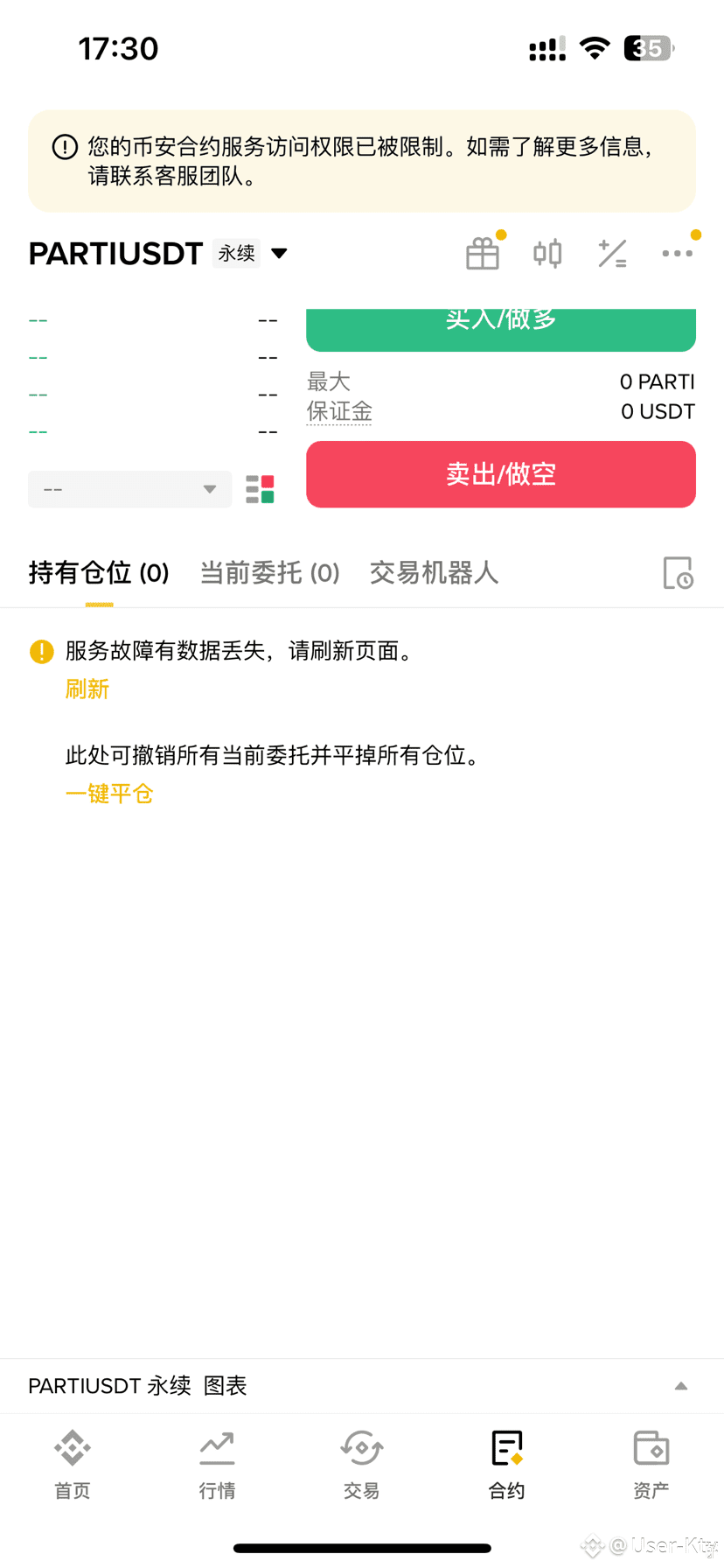
Vertragsgeschäfte eingeschränkt? Was ist plötzlich mit #api #无法提币联系客户不回邮件 passiert?
Vertragsgeschäfte eingeschränkt? Was ist plötzlich mit #api #无法提币联系客户不回邮件 passiert?
1
123

·
--
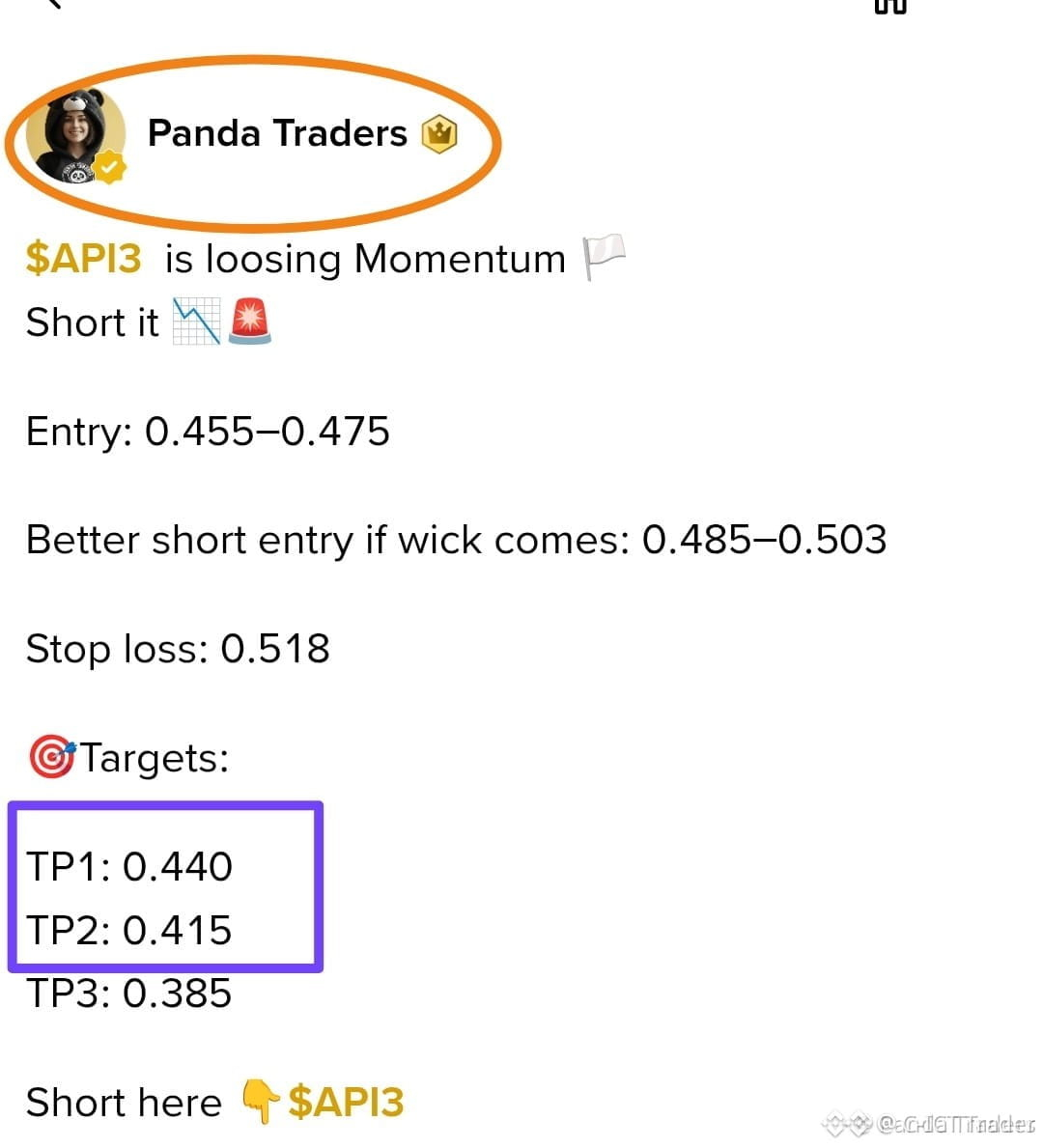
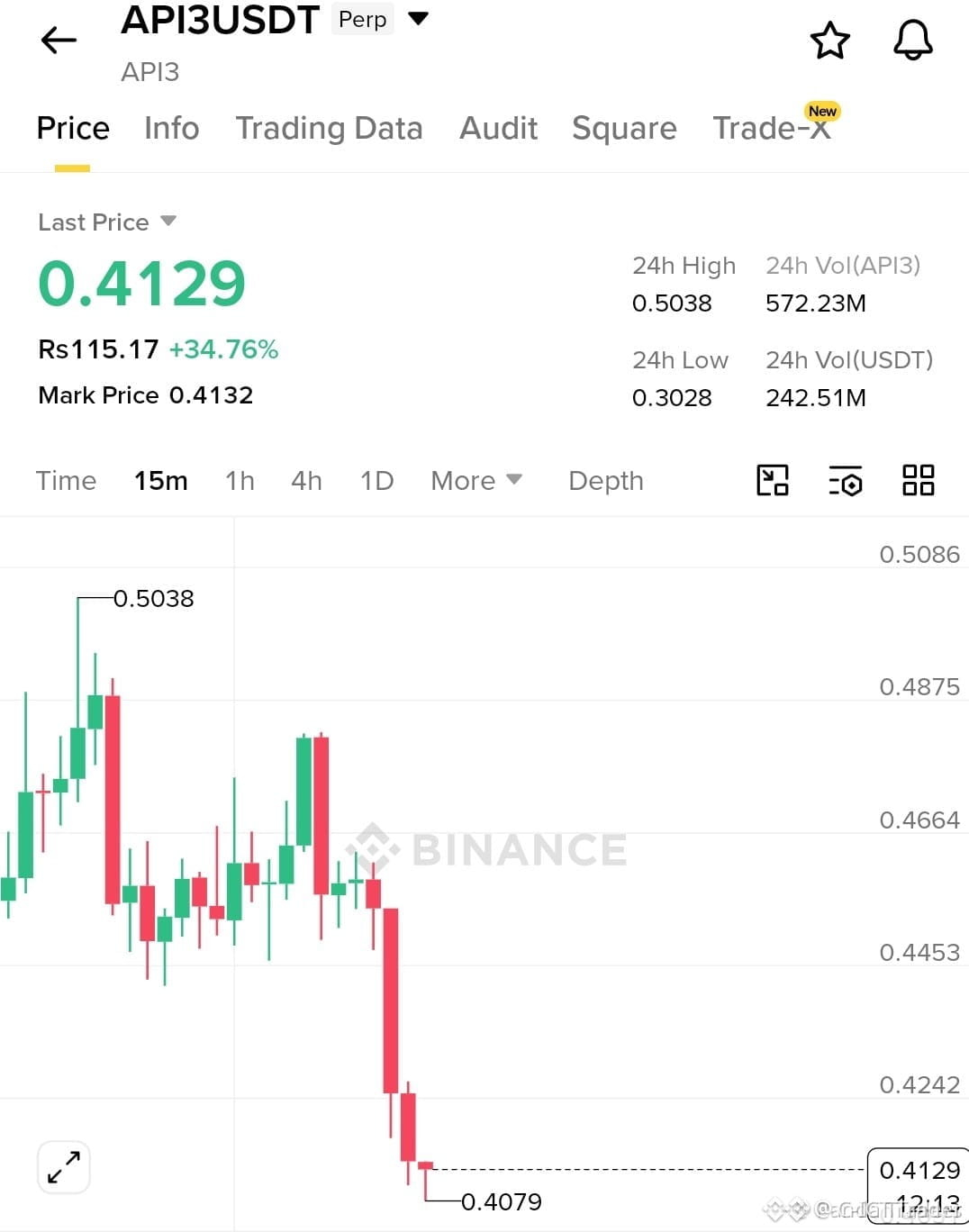
$API3 bricht schnell nach dem zweiten Zielprint ein 🔻
Die Tape sieht so aus, als ob Gewinnmitnahmen überhandnehmen, während die Gebote schwinden und die Liquidität dünner wird. So eine Bewegung deutet normalerweise darauf hin, dass größere Akteure in Stärke verkaufen, während späte Käufer gezwungen sind, dem Rückgang hinterherzulaufen. Die klare Erkenntnis hier ist einfach: Der Markt atmet aus, baut noch keine Basis auf.
Keine Finanzberatung. Manage dein Risiko und schütze dein Kapital.
#API #Crypto #Altcoins #DeFi #Trading
✌️
{future}(API3USDT)
$API3 bricht schnell nach dem zweiten Zielprint ein 🔻
Die Tape sieht so aus, als ob Gewinnmitnahmen überhandnehmen, während die Gebote schwinden und die Liquidität dünner wird. So eine Bewegung deutet normalerweise darauf hin, dass größere Akteure in Stärke verkaufen, während späte Käufer gezwungen sind, dem Rückgang hinterherzulaufen. Die klare Erkenntnis hier ist einfach: Der Markt atmet aus, baut noch keine Basis auf.
Keine Finanzberatung. Manage dein Risiko und schütze dein Kapital.
#API #Crypto #Altcoins #DeFi #Trading
✌️
Die Tape sieht so aus, als ob Gewinnmitnahmen überhandnehmen, während die Gebote schwinden und die Liquidität dünner wird. So eine Bewegung deutet normalerweise darauf hin, dass größere Akteure in Stärke verkaufen, während späte Käufer gezwungen sind, dem Rückgang hinterherzulaufen. Die klare Erkenntnis hier ist einfach: Der Markt atmet aus, baut noch keine Basis auf.
Keine Finanzberatung. Manage dein Risiko und schütze dein Kapital.
#API #Crypto #Altcoins #DeFi #Trading
✌️
66


·
--
#openledger $OPEN
Ich habe heute Morgen das neu open-source Backend von OpenLedger geklont und den Dev-Server in weniger als zehn Minuten zum Laufen gebracht, was mich ehrlich gesagt überrascht hat, angesichts des Aufwands, den die meisten Krypto-Infrastrukturprojekte erfordern.
Wenn ich durch das Repository schaue, umfasst das Framework bereits Express.js, PostgreSQL-Integration über Sequelize, wallet-basierte Authentifizierung, sechs dedizierte #API Endpunkte, Anwendungsmanagement, Chatverlauf und eine saubere Struktur über Routen, Controller, Middleware und Modelle. Für die meisten Entwickler spart dieses Fundament allein Tage an Boilerplate-Arbeit, bevor das eigentliche Produktbuilding beginnt.
Ein Detail, das mir im Kopf geblieben ist, ist, wie vollständig der Anwendungsfluss bereits ist. Wallet-gebundene Besitzverhältnisse, Branding-Assets, schnelles Management, Multi-Netzwerk-Konfiguration und Chat-Initialisierung werden alle behandelt. Es fühlt sich nicht wie eine Demo-Version an. Es fühlt sich nach nutzbarer Infrastruktur an. $MEME
Ich sehe ständig Projekte, die zukünftige KI-Agenten und dezentrale Tools ankündigen. Was dies anders macht, ist, dass es das Gespräch von Ankündigungen zur Ausführung bewegt. Ein Entwickler könnte dies heute nehmen und ein Recherche-Tool, einen Handelsassistenten oder etwas völlig Unerwartetes bauen, ohne das Backend von Grund auf anzufassen.
Die #OpenCode Herausforderung macht mehr Sinn, wenn man sie aus diesem Blickwinkel betrachtet. Es ist keine Content-Kampagne. Es ist ein Live-Test, ob kleinere Barrieren tatsächlich Builder anziehen.
Ecosysteme werden nicht durch das definiert, was Teams ankündigen. Sie werden durch die Nischenprodukte definiert, die die Community danach baut. Das Anziehen von Builders, die dies in Produkte verwandeln, die die Leute tatsächlich nutzen, bestimmt, ob OpenLedger über seine aktuelle Erzählung hinaus wächst.
@Openledger $OPEN #OpenLedger
#openledger $OPEN
Ich habe heute Morgen das neu open-source Backend von OpenLedger geklont und den Dev-Server in weniger als zehn Minuten zum Laufen gebracht, was mich ehrlich gesagt überrascht hat, angesichts des Aufwands, den die meisten Krypto-Infrastrukturprojekte erfordern.
Wenn ich durch das Repository schaue, umfasst das Framework bereits Express.js, PostgreSQL-Integration über Sequelize, wallet-basierte Authentifizierung, sechs dedizierte #API Endpunkte, Anwendungsmanagement, Chatverlauf und eine saubere Struktur über Routen, Controller, Middleware und Modelle. Für die meisten Entwickler spart dieses Fundament allein Tage an Boilerplate-Arbeit, bevor das eigentliche Produktbuilding beginnt.
Ein Detail, das mir im Kopf geblieben ist, ist, wie vollständig der Anwendungsfluss bereits ist. Wallet-gebundene Besitzverhältnisse, Branding-Assets, schnelles Management, Multi-Netzwerk-Konfiguration und Chat-Initialisierung werden alle behandelt. Es fühlt sich nicht wie eine Demo-Version an. Es fühlt sich nach nutzbarer Infrastruktur an. $MEME
Ich sehe ständig Projekte, die zukünftige KI-Agenten und dezentrale Tools ankündigen. Was dies anders macht, ist, dass es das Gespräch von Ankündigungen zur Ausführung bewegt. Ein Entwickler könnte dies heute nehmen und ein Recherche-Tool, einen Handelsassistenten oder etwas völlig Unerwartetes bauen, ohne das Backend von Grund auf anzufassen.
Die #OpenCode Herausforderung macht mehr Sinn, wenn man sie aus diesem Blickwinkel betrachtet. Es ist keine Content-Kampagne. Es ist ein Live-Test, ob kleinere Barrieren tatsächlich Builder anziehen.
Ecosysteme werden nicht durch das definiert, was Teams ankündigen. Sie werden durch die Nischenprodukte definiert, die die Community danach baut. Das Anziehen von Builders, die dies in Produkte verwandeln, die die Leute tatsächlich nutzen, bestimmt, ob OpenLedger über seine aktuelle Erzählung hinaus wächst.
@OpenLedger $OPEN #OpenLedger
Ich habe heute Morgen das neu open-source Backend von OpenLedger geklont und den Dev-Server in weniger als zehn Minuten zum Laufen gebracht, was mich ehrlich gesagt überrascht hat, angesichts des Aufwands, den die meisten Krypto-Infrastrukturprojekte erfordern.
Wenn ich durch das Repository schaue, umfasst das Framework bereits Express.js, PostgreSQL-Integration über Sequelize, wallet-basierte Authentifizierung, sechs dedizierte #API Endpunkte, Anwendungsmanagement, Chatverlauf und eine saubere Struktur über Routen, Controller, Middleware und Modelle. Für die meisten Entwickler spart dieses Fundament allein Tage an Boilerplate-Arbeit, bevor das eigentliche Produktbuilding beginnt.
Ein Detail, das mir im Kopf geblieben ist, ist, wie vollständig der Anwendungsfluss bereits ist. Wallet-gebundene Besitzverhältnisse, Branding-Assets, schnelles Management, Multi-Netzwerk-Konfiguration und Chat-Initialisierung werden alle behandelt. Es fühlt sich nicht wie eine Demo-Version an. Es fühlt sich nach nutzbarer Infrastruktur an. $MEME
Ich sehe ständig Projekte, die zukünftige KI-Agenten und dezentrale Tools ankündigen. Was dies anders macht, ist, dass es das Gespräch von Ankündigungen zur Ausführung bewegt. Ein Entwickler könnte dies heute nehmen und ein Recherche-Tool, einen Handelsassistenten oder etwas völlig Unerwartetes bauen, ohne das Backend von Grund auf anzufassen.
Die #OpenCode Herausforderung macht mehr Sinn, wenn man sie aus diesem Blickwinkel betrachtet. Es ist keine Content-Kampagne. Es ist ein Live-Test, ob kleinere Barrieren tatsächlich Builder anziehen.
Ecosysteme werden nicht durch das definiert, was Teams ankündigen. Sie werden durch die Nischenprodukte definiert, die die Community danach baut. Das Anziehen von Builders, die dies in Produkte verwandeln, die die Leute tatsächlich nutzen, bestimmt, ob OpenLedger über seine aktuelle Erzählung hinaus wächst.
@OpenLedger $OPEN #OpenLedger
33
19
967

·
--
Artikel
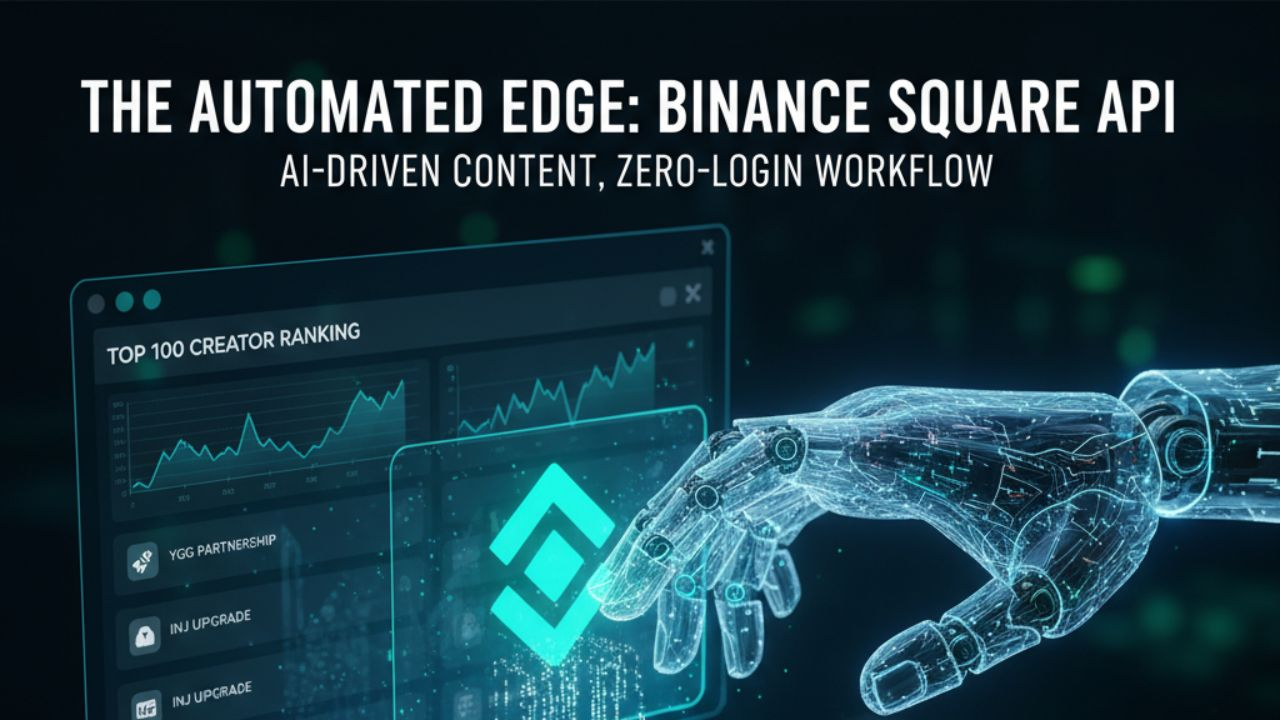
Der Vorteil des Inhaltscreators: Meisterung der neuen Binance Square API für KI-gesteuerte AutomatisierungIn der sich schnell entwickelnden Welt der Web3-Inhaltserstellung ist "Konsistenz König." Für Ersteller, die es in die Binance Square Top 100 schaffen wollen, war die Hürde nie die Qualität der Ideen, sondern die schiere manuelle Arbeit, die erforderlich ist, um in Echtzeit zu posten, sich zu engagieren und Updates vorzunehmen.
Dies erkannt, hat Binance offiziell die Binance Square Skill eingeführt, eine revolutionäre API-gesteuerte Funktion innerhalb des Binance Skills Hub. Dieses Update ermöglicht es den Erstellern, Inhalte programmgesteuert über KI-Agenten zu veröffentlichen – ganz ohne sich für jedes einzelne Update manuell in die App einloggen zu müssen.
Der Vorteil des Inhaltscreators: Meisterung der neuen Binance Square API für KI-gesteuerte Automatisierung
In der sich schnell entwickelnden Welt der Web3-Inhaltserstellung ist "Konsistenz König." Für Ersteller, die es in die Binance Square Top 100 schaffen wollen, war die Hürde nie die Qualität der Ideen, sondern die schiere manuelle Arbeit, die erforderlich ist, um in Echtzeit zu posten, sich zu engagieren und Updates vorzunehmen.
Dies erkannt, hat Binance offiziell die Binance Square Skill eingeführt, eine revolutionäre API-gesteuerte Funktion innerhalb des Binance Skills Hub. Dieses Update ermöglicht es den Erstellern, Inhalte programmgesteuert über KI-Agenten zu veröffentlichen – ganz ohne sich für jedes einzelne Update manuell in die App einloggen zu müssen.
Dies erkannt, hat Binance offiziell die Binance Square Skill eingeführt, eine revolutionäre API-gesteuerte Funktion innerhalb des Binance Skills Hub. Dieses Update ermöglicht es den Erstellern, Inhalte programmgesteuert über KI-Agenten zu veröffentlichen – ganz ohne sich für jedes einzelne Update manuell in die App einloggen zu müssen.
6
373
Anmelden und weiter Inhalte entdecken
Krypto-Nutzer weltweit auf Binance Square kennenlernen
⚡️ Bleib in Sachen Krypto stets am Puls.
💬 Die weltgrößte Kryptobörse vertraut darauf.
👍 Erhalte verlässliche Einblicke von verifizierten Creators.
E-Mail-Adresse/Telefonnummer
Trendthemen
1
#BitcoinSurpasses$77000
17,425 Aufrufe
223 Kommentare
2
#ParadigmDisclosesZECHolding
67,712 Aufrufe
1,037 Kommentare
3
#BitcoinETFsShed$450M
26,210 Aufrufe
217 Kommentare
4
#USWeeklyJoblessClaimsFallTo196K
36,947 Aufrufe
598 Kommentare
5
#ArkhamSaysBlackRockBuys$1.5BInETH
6,779 Aufrufe
71 Kommentare
6
#ElSalvadorBTCHoldingsRiseTo7777
67,090 Aufrufe
870 Kommentare
7
#MemeLaunchpads82%OfArcDayOneVolume
67,425 Aufrufe
1,040 Kommentare
8
#OstiumLoanDisputeHearingSetInNYFederalCourt
51,752 Aufrufe
736 Kommentare
9
#HyperliquidUSDCSupplyOvertakesSolana
25,579 Aufrufe
384 Kommentare
10
#SKPoliceRefer18PolymarketUsersToProsecutors
29,476 Aufrufe
526 Kommentare