
#walrus
walrus
8.9M Aufrufe
363,717 Kommentare
Hot
Zuletzt

·
--
[Binance $WAL USDT](https://www.binance.com/en/trade/WAL_USDT?utm_source=chatgpt.com)
WAL/USDT — SHORT 📉
Einstieg: 0.0290 – 0.0294
Stop Loss: 0.0302
TP1: 0.0282
TP2: 0.0275
TP3: 0.0268
Trade hier $WAL
{future}(WALUSDT)
Analyse:
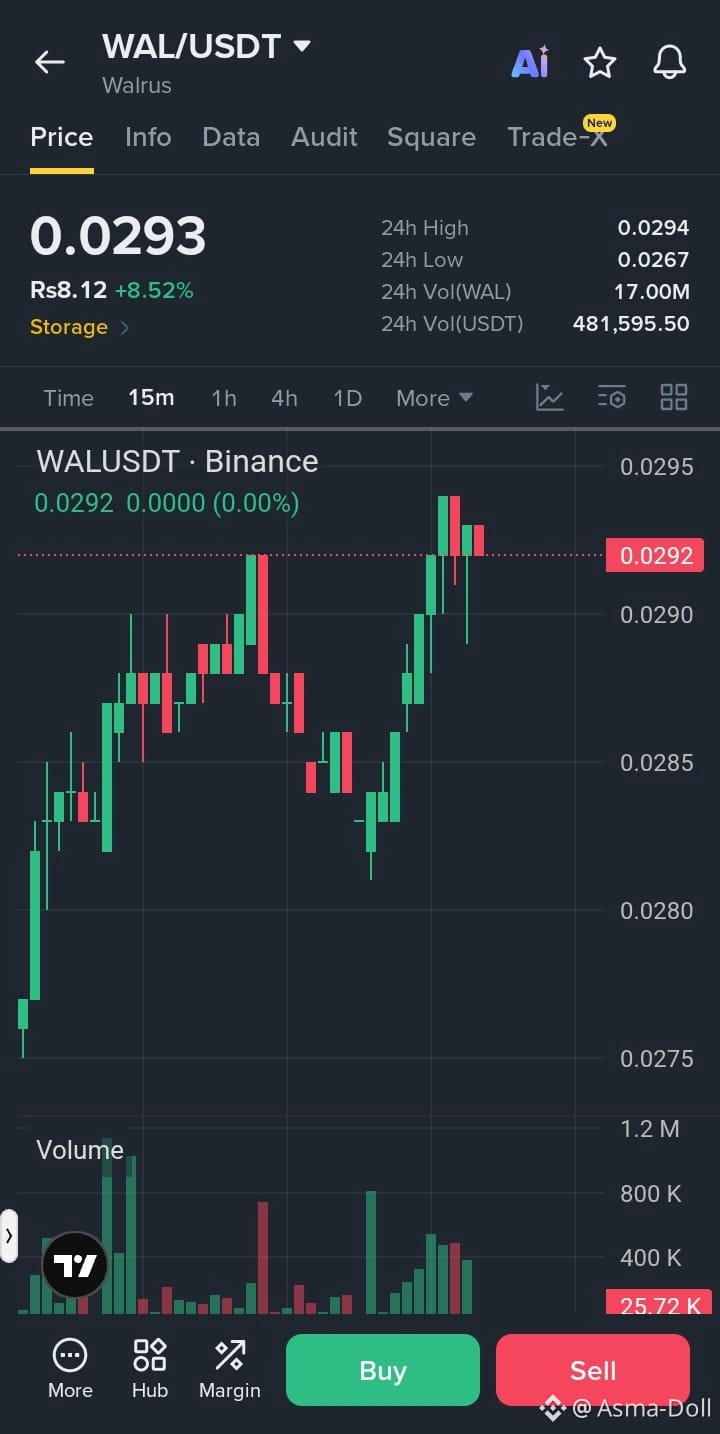
Der Preis liegt nahe dem 24h-Hoch von 0.0294 und zeigt Widerstand.
+8.52% Bewegung machen einen kurzfristigen Rücksetzer möglich.
Die Ablehnung bei 0.0294 stärkt das Short-Setup.
Ein Bruch unter 0.0290 kann den Verkauf beschleunigen Richtung 0.0282/0.0275.
Aktuelle Marktdaten zeigen außerdem, dass WAL bei etwa $0.0293 handelt, mit erhöhter Volatilität.
Bestätigung: Klarer Bruch unter 0.0290 mit ansteigendem Verkaufsvolumen.
⚠️ Wenn der Preis bricht und über 0.0302 hält, das Short-Setup verwerfen.
#WAL #Walrus #WALUSDT #Crypto #ShortSignal
[Binance $WAL USDT](https://www.binance.com/en/trade/WAL_USDT?utm_source=chatgpt.com)
WAL/USDT — SHORT 📉
Einstieg: 0.0290 – 0.0294
Stop Loss: 0.0302
TP1: 0.0282
TP2: 0.0275
TP3: 0.0268
Trade hier $WAL
Analyse:
Der Preis liegt nahe dem 24h-Hoch von 0.0294 und zeigt Widerstand.
+8.52% Bewegung machen einen kurzfristigen Rücksetzer möglich.
Die Ablehnung bei 0.0294 stärkt das Short-Setup.
Ein Bruch unter 0.0290 kann den Verkauf beschleunigen Richtung 0.0282/0.0275.
Aktuelle Marktdaten zeigen außerdem, dass WAL bei etwa $0.0293 handelt, mit erhöhter Volatilität.
Bestätigung: Klarer Bruch unter 0.0290 mit ansteigendem Verkaufsvolumen.
⚠️ Wenn der Preis bricht und über 0.0302 hält, das Short-Setup verwerfen.
#WAL #Walrus #WALUSDT #Crypto #ShortSignal
WAL/USDT — SHORT 📉
Einstieg: 0.0290 – 0.0294
Stop Loss: 0.0302
TP1: 0.0282
TP2: 0.0275
TP3: 0.0268
Trade hier $WAL
Analyse:
Der Preis liegt nahe dem 24h-Hoch von 0.0294 und zeigt Widerstand.
+8.52% Bewegung machen einen kurzfristigen Rücksetzer möglich.
Die Ablehnung bei 0.0294 stärkt das Short-Setup.
Ein Bruch unter 0.0290 kann den Verkauf beschleunigen Richtung 0.0282/0.0275.
Aktuelle Marktdaten zeigen außerdem, dass WAL bei etwa $0.0293 handelt, mit erhöhter Volatilität.
Bestätigung: Klarer Bruch unter 0.0290 mit ansteigendem Verkaufsvolumen.
⚠️ Wenn der Preis bricht und über 0.0302 hält, das Short-Setup verwerfen.
#WAL #Walrus #WALUSDT #Crypto #ShortSignal
32

·
--
$WAL
{future}(WALUSDT)
🐋 WALRUS (WALUUSDT) — Marktanalyse
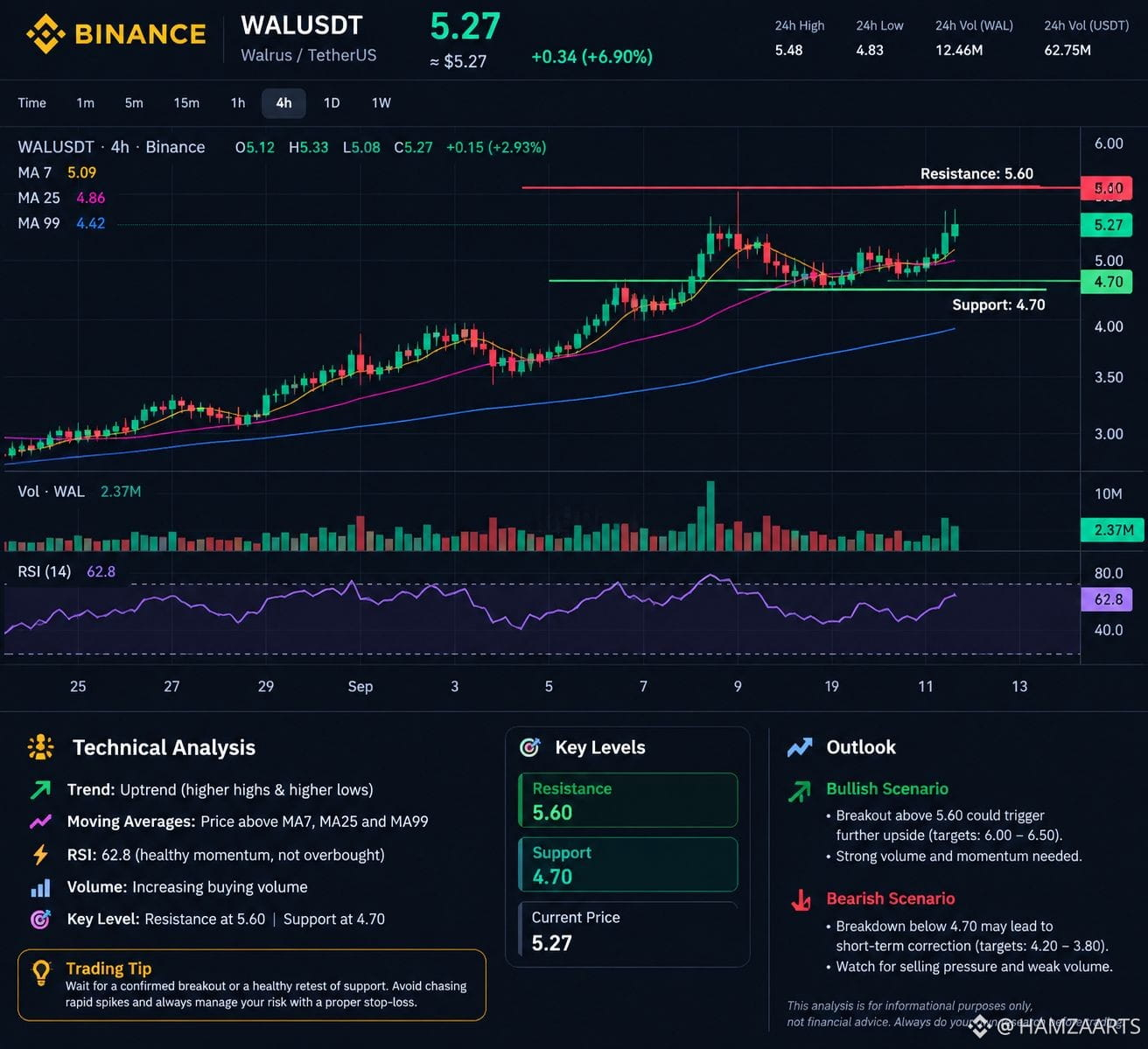
WALUUSDT rückt in den Fokus, während Trader den Schwung, die Liquidität und mögliche Ausbruchschancen beobachten. Die nächste große Bewegung hängt davon ab, ob Käufer die Nachfrage aufrechterhalten und den Preis über die wichtigen Widerstandsniveaus drücken können.
📊 Technischer Ausblick:
• Bullisches Szenario: Ein starker Ausbruch über dem Widerstand, gestützt durch steigendes Volumen, könnte weiteren Aufwärtspotenzial signalisieren.
• Bärisches Szenario: Wenn der entscheidende Support nicht gehalten wird, kann es zu Gewinnmitnahmen kommen und ein erneuter Verkaufsdruck entstehen.
• Momentum: Achte vor der Eröffnung einer Position auf Volumen, RSI und Bestätigungen durch Candlestick-Muster.
• Marktsentiment: Anhaltender Kaufdruck könnte die bullische Struktur stärken, während eine schwache Liquidität die Volatilität erhöhen kann.
🎯 Trading-Strategie: Warte auf einen bestätigten Ausbruch oder einen verlässlichen Retest des Supports. Verfolge keine plötzlichen Kurs-Spikes und steuere das Risiko mit disziplinierten Stop-Loss-Niveaus.
⚠️ Hinweis: Dies ist eine Marktkommentierung, keine Finanzberatung.#walrus #Ethereum #BTC🔥🔥🔥🔥🔥 #Write2Earn #viralpost
$WAL
🐋 WALRUS (WALUUSDT) — Marktanalyse
WALUUSDT rückt in den Fokus, während Trader den Schwung, die Liquidität und mögliche Ausbruchschancen beobachten. Die nächste große Bewegung hängt davon ab, ob Käufer die Nachfrage aufrechterhalten und den Preis über die wichtigen Widerstandsniveaus drücken können.
📊 Technischer Ausblick:
• Bullisches Szenario: Ein starker Ausbruch über dem Widerstand, gestützt durch steigendes Volumen, könnte weiteren Aufwärtspotenzial signalisieren.
• Bärisches Szenario: Wenn der entscheidende Support nicht gehalten wird, kann es zu Gewinnmitnahmen kommen und ein erneuter Verkaufsdruck entstehen.
• Momentum: Achte vor der Eröffnung einer Position auf Volumen, RSI und Bestätigungen durch Candlestick-Muster.
• Marktsentiment: Anhaltender Kaufdruck könnte die bullische Struktur stärken, während eine schwache Liquidität die Volatilität erhöhen kann.
🎯 Trading-Strategie: Warte auf einen bestätigten Ausbruch oder einen verlässlichen Retest des Supports. Verfolge keine plötzlichen Kurs-Spikes und steuere das Risiko mit disziplinierten Stop-Loss-Niveaus.
⚠️ Hinweis: Dies ist eine Marktkommentierung, keine Finanzberatung.#walrus #Ethereum #BTC🔥🔥🔥🔥🔥 #Write2Earn #viralpost
🐋 WALRUS (WALUUSDT) — Marktanalyse
WALUUSDT rückt in den Fokus, während Trader den Schwung, die Liquidität und mögliche Ausbruchschancen beobachten. Die nächste große Bewegung hängt davon ab, ob Käufer die Nachfrage aufrechterhalten und den Preis über die wichtigen Widerstandsniveaus drücken können.
📊 Technischer Ausblick:
• Bullisches Szenario: Ein starker Ausbruch über dem Widerstand, gestützt durch steigendes Volumen, könnte weiteren Aufwärtspotenzial signalisieren.
• Bärisches Szenario: Wenn der entscheidende Support nicht gehalten wird, kann es zu Gewinnmitnahmen kommen und ein erneuter Verkaufsdruck entstehen.
• Momentum: Achte vor der Eröffnung einer Position auf Volumen, RSI und Bestätigungen durch Candlestick-Muster.
• Marktsentiment: Anhaltender Kaufdruck könnte die bullische Struktur stärken, während eine schwache Liquidität die Volatilität erhöhen kann.
🎯 Trading-Strategie: Warte auf einen bestätigten Ausbruch oder einen verlässlichen Retest des Supports. Verfolge keine plötzlichen Kurs-Spikes und steuere das Risiko mit disziplinierten Stop-Loss-Niveaus.
⚠️ Hinweis: Dies ist eine Marktkommentierung, keine Finanzberatung.#walrus #Ethereum #BTC🔥🔥🔥🔥🔥 #Write2Earn #viralpost
98

·
--
Bullisch
$WAL
{future}(WALUSDT)
LANGE HANDELSANZEIGE
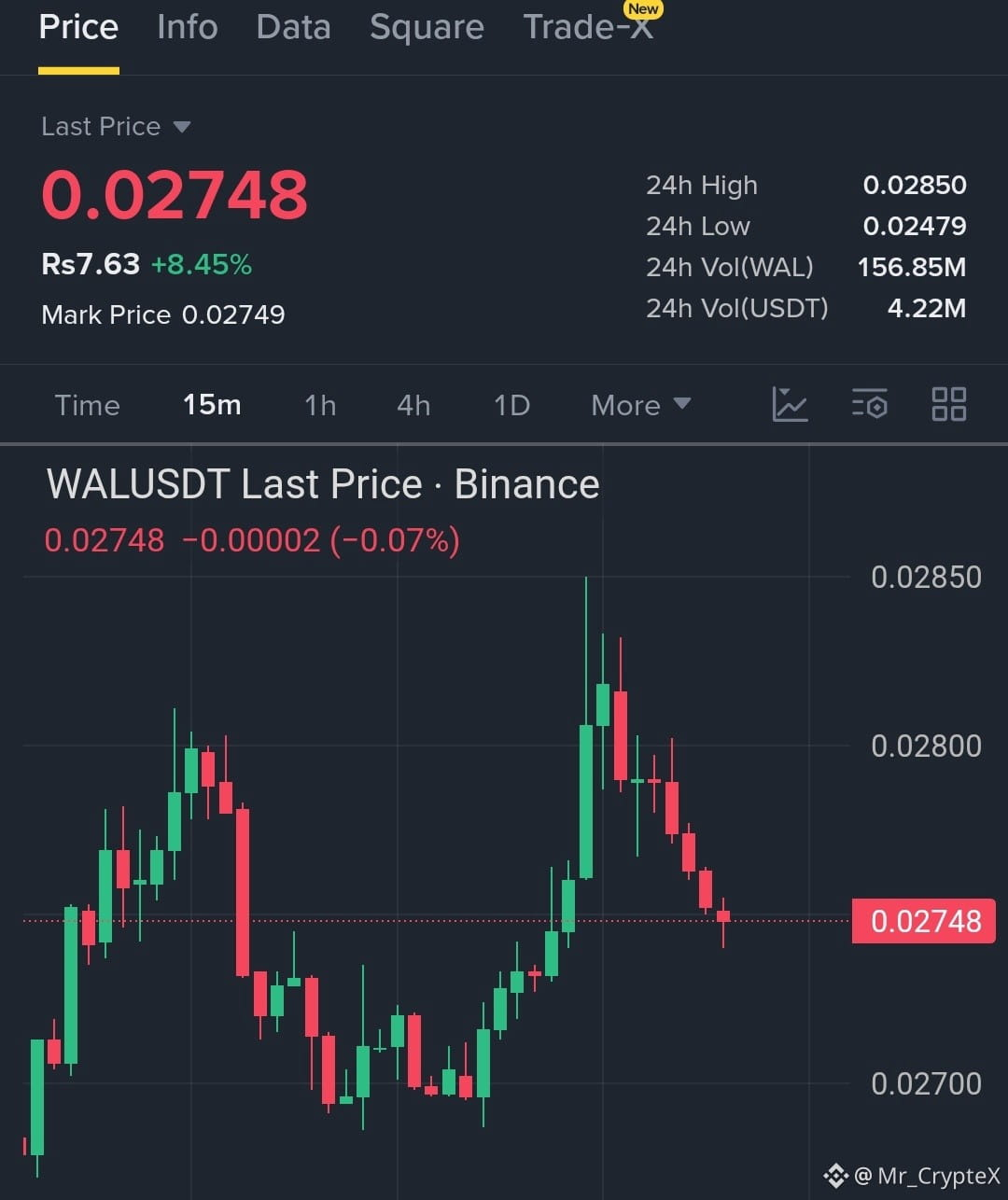
$WAL stellt seine Position wieder her, während Käufer nach dem jüngsten Rücksetzer wieder nachziehen. Die Kerzen zeigen eine stärkere Erholung, und der Preis drängt zurück in die obere Zone. Wenn Käufer den Druck beibehalten, wirkt $WAL bereit für ein großes Spiel und einen frischen bullischen Move.
Einstieg: 0.02720–0.02750
TP1: 0.02850
TP2: 0.02950
#WAL #Walrus
$WAL
LANGE HANDELSANZEIGE
$WAL stellt seine Position wieder her, während Käufer nach dem jüngsten Rücksetzer wieder nachziehen. Die Kerzen zeigen eine stärkere Erholung, und der Preis drängt zurück in die obere Zone. Wenn Käufer den Druck beibehalten, wirkt $WAL bereit für ein großes Spiel und einen frischen bullischen Move.
Einstieg: 0.02720–0.02750
TP1: 0.02850
TP2: 0.02950
#WAL #Walrus
LANGE HANDELSANZEIGE
$WAL stellt seine Position wieder her, während Käufer nach dem jüngsten Rücksetzer wieder nachziehen. Die Kerzen zeigen eine stärkere Erholung, und der Preis drängt zurück in die obere Zone. Wenn Käufer den Druck beibehalten, wirkt $WAL bereit für ein großes Spiel und einen frischen bullischen Move.
Einstieg: 0.02720–0.02750
TP1: 0.02850
TP2: 0.02950
#WAL #Walrus
1
57

·
--
🦭 WAL — Käufer kehren zurück
WAL zeigt erneut positive Dynamik. Aktuell wird Walrus etwa bei 0,023 $ gehandelt, und innerhalb der letzten 24 Stunden ist der Preis um rund 1% gestiegen.
📊 Gleichzeitig bleibt der Vermögenswert sehr volatil: Zuvor hatte WAL bereits in einer einzigen Sitzung starke Bewegungen von 5–10% gezeigt.
⚡ Zusätzliche Aufmerksamkeit zieht derzeit die Tokenomics auf sich — für den 26. August ist eine weitere Freigabe von WAL-Tokens geplant, was den Verkaufsdruck durch das Angebot erhöhen könnte. (DefiLlama)
👀 Daher könnte die kurzfristige Reaktion des Preises auf die Spannen von 0,023–0,024 $ besonders interessant sein.
$WAL
#WallStreetNews #walrus #Binance #Altcoins
{future}(WALUSDT)
🦭 WAL — Käufer kehren zurück
WAL zeigt erneut positive Dynamik. Aktuell wird Walrus etwa bei 0,023 $ gehandelt, und innerhalb der letzten 24 Stunden ist der Preis um rund 1% gestiegen.
📊 Gleichzeitig bleibt der Vermögenswert sehr volatil: Zuvor hatte WAL bereits in einer einzigen Sitzung starke Bewegungen von 5–10% gezeigt.
⚡ Zusätzliche Aufmerksamkeit zieht derzeit die Tokenomics auf sich — für den 26. August ist eine weitere Freigabe von WAL-Tokens geplant, was den Verkaufsdruck durch das Angebot erhöhen könnte. (DefiLlama)
👀 Daher könnte die kurzfristige Reaktion des Preises auf die Spannen von 0,023–0,024 $ besonders interessant sein.
$WAL
#WallStreetNews #walrus #Binance #Altcoins
WAL zeigt erneut positive Dynamik. Aktuell wird Walrus etwa bei 0,023 $ gehandelt, und innerhalb der letzten 24 Stunden ist der Preis um rund 1% gestiegen.
📊 Gleichzeitig bleibt der Vermögenswert sehr volatil: Zuvor hatte WAL bereits in einer einzigen Sitzung starke Bewegungen von 5–10% gezeigt.
⚡ Zusätzliche Aufmerksamkeit zieht derzeit die Tokenomics auf sich — für den 26. August ist eine weitere Freigabe von WAL-Tokens geplant, was den Verkaufsdruck durch das Angebot erhöhen könnte. (DefiLlama)
👀 Daher könnte die kurzfristige Reaktion des Preises auf die Spannen von 0,023–0,024 $ besonders interessant sein.
$WAL
#WallStreetNews #walrus #Binance #Altcoins
115

Artikel
Binance🚀 #WALRUS : Die Währung, die die nächste Generation des dezentralen Internets aufbauen wird
Ganz ehrlich… als ich von der Notierung von ($WAL) bei Binance gehört habe, hätte ich nicht gedacht, dass dieses Projekt so viel Gewicht mitbringen würde. Ich rede hier nicht von einer neuen Münze, die gerade erst erschienen ist — sondern von einer kompletten Infrastruktur, die verändern könnte, wie wir Daten speichern und sie auf der Blockchain übertragen.
Jeder hat ein einziges Problem: Die Daten wachsen Tag für Tag, und zentrale Plattformen kontrollieren sie vollständig — sie löschen sie, verkaufen sie oder schließen plötzlich ihre Türen. Genau deshalb ist Walrus da: Niemand besitzt deine Daten außer dir.
Binance
🚀 #WALRUS : Die Währung, die die nächste Generation des dezentralen Internets aufbauen wird
Ganz ehrlich… als ich von der Notierung von ($WAL) bei Binance gehört habe, hätte ich nicht gedacht, dass dieses Projekt so viel Gewicht mitbringen würde. Ich rede hier nicht von einer neuen Münze, die gerade erst erschienen ist — sondern von einer kompletten Infrastruktur, die verändern könnte, wie wir Daten speichern und sie auf der Blockchain übertragen.
Jeder hat ein einziges Problem: Die Daten wachsen Tag für Tag, und zentrale Plattformen kontrollieren sie vollständig — sie löschen sie, verkaufen sie oder schließen plötzlich ihre Türen. Genau deshalb ist Walrus da: Niemand besitzt deine Daten außer dir.
Ganz ehrlich… als ich von der Notierung von ($WAL) bei Binance gehört habe, hätte ich nicht gedacht, dass dieses Projekt so viel Gewicht mitbringen würde. Ich rede hier nicht von einer neuen Münze, die gerade erst erschienen ist — sondern von einer kompletten Infrastruktur, die verändern könnte, wie wir Daten speichern und sie auf der Blockchain übertragen.
Jeder hat ein einziges Problem: Die Daten wachsen Tag für Tag, und zentrale Plattformen kontrollieren sie vollständig — sie löschen sie, verkaufen sie oder schließen plötzlich ihre Türen. Genau deshalb ist Walrus da: Niemand besitzt deine Daten außer dir.
115


·
--
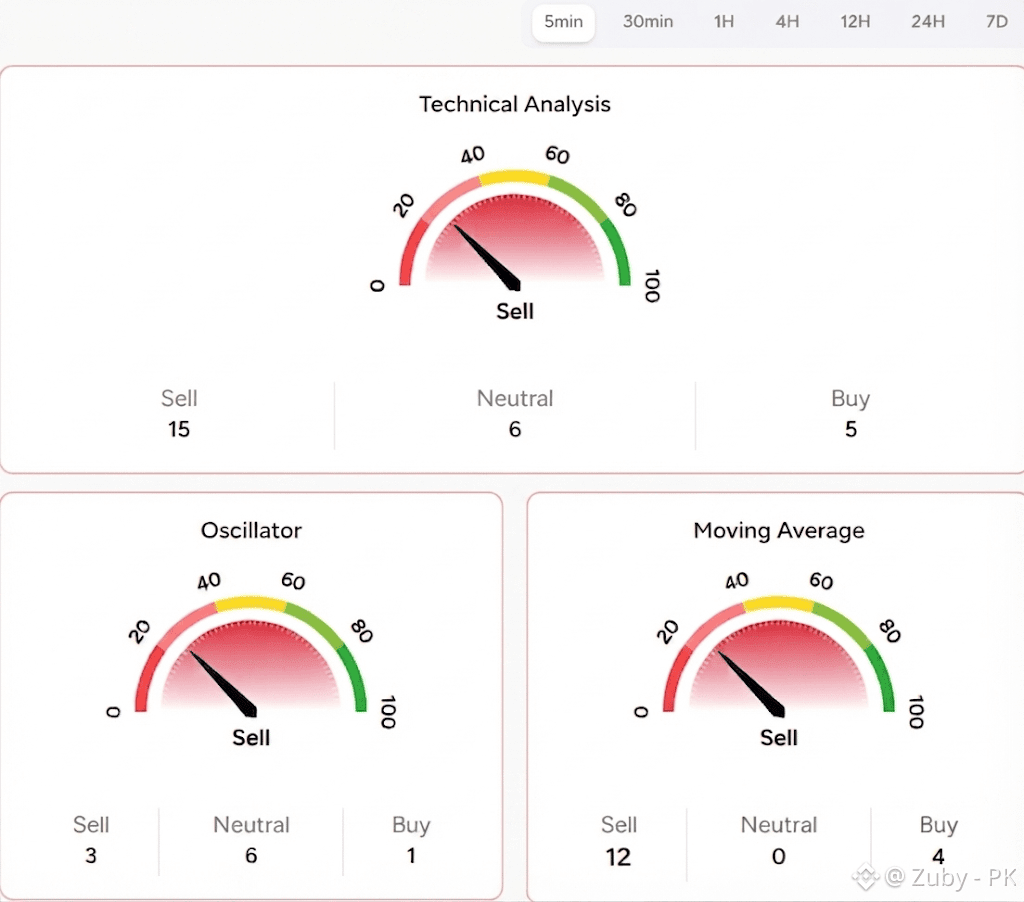
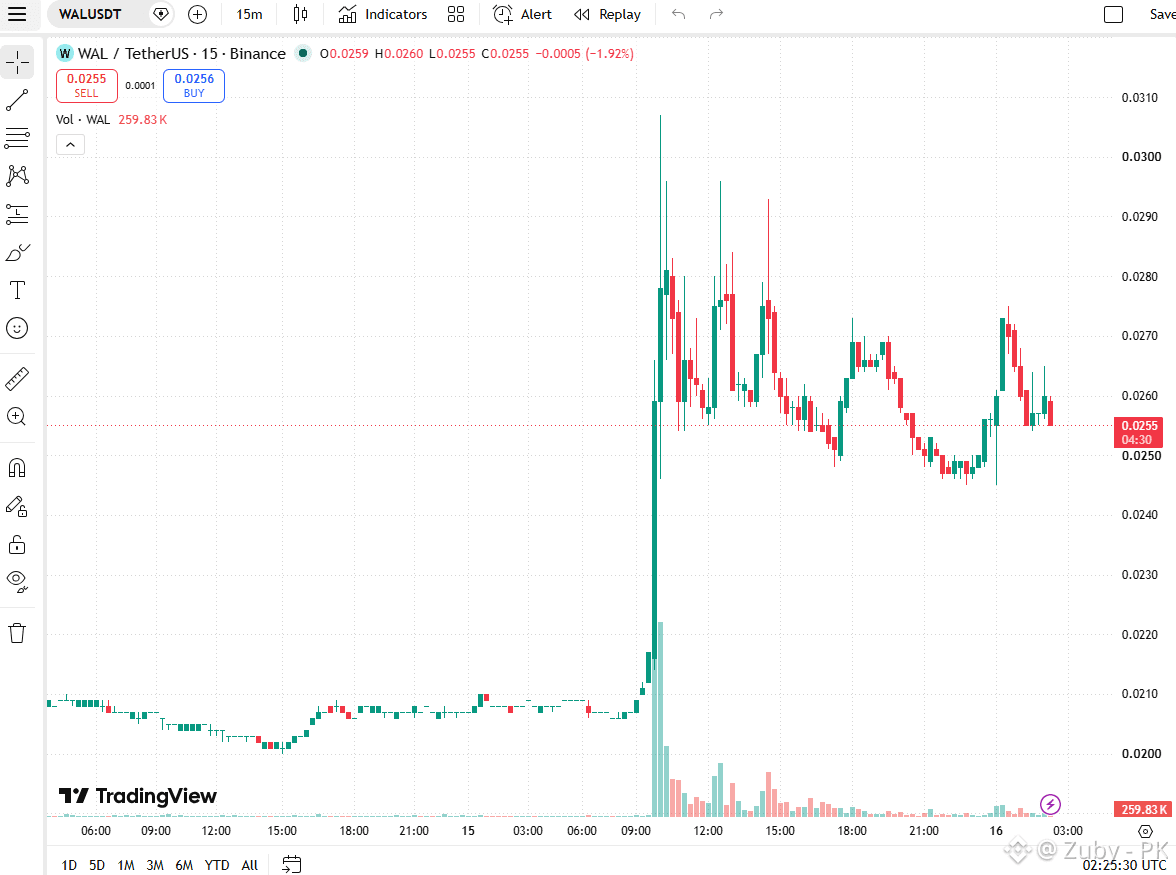
📈 Analyse der derzeitigen Trend-Altcoins: 🐘 Walross auf einen Blick
Preis: $0.02295
🔻 -6.80% 1h
📈 +10.42% 24h
🔸24h-Volumen: $70.55M
Angebot: 2.51B im Umlauf / 5B max (deflationär)
📉 Preis-Spannen
🔸ATH: $0.8742 (27. März 2025) | -97.37% Rückgang
🔸ATL: $0.06917 (28. März 2026) | -66.81% Veränderung
📊 Technische Daten & Indikatoren
🔸Trends: Bärische Kreuzungen über kurz-, mittel- und langfristige Horizonte 🔸SMAs (50-Tage-SMA: $0.02842 | 200-Tage-SMA: $0.05924)
🔸Momentum: Volatilität 4.85% (Neutral)
🔸RSI 47.09 (Neutral)
🔸MACD -0.0020 (Abwärtsdruck)
🔸Signale: Stochastic K 21.32 (Bull-Zone)
🔸ROC -7.93 | MFI 79.68 (Hohe Beteiligung)
🔊 Keine Finanzberatung. Hohe Volatilität. Mit Risikomanagement handeln. Informiere dich selbst (DYOR) ⚠️
#Walrus #WALToken #TechnicalAnalys
$WAL
{spot}(WALUSDT)
📈 Analyse der derzeitigen Trend-Altcoins: 🐘 Walross auf einen Blick
Preis: $0.02295
🔻 -6.80% 1h
📈 +10.42% 24h
🔸24h-Volumen: $70.55M
Angebot: 2.51B im Umlauf / 5B max (deflationär)
📉 Preis-Spannen
🔸ATH: $0.8742 (27. März 2025) | -97.37% Rückgang
🔸ATL: $0.06917 (28. März 2026) | -66.81% Veränderung
📊 Technische Daten & Indikatoren
🔸Trends: Bärische Kreuzungen über kurz-, mittel- und langfristige Horizonte 🔸SMAs (50-Tage-SMA: $0.02842 | 200-Tage-SMA: $0.05924)
🔸Momentum: Volatilität 4.85% (Neutral)
🔸RSI 47.09 (Neutral)
🔸MACD -0.0020 (Abwärtsdruck)
🔸Signale: Stochastic K 21.32 (Bull-Zone)
🔸ROC -7.93 | MFI 79.68 (Hohe Beteiligung)
🔊 Keine Finanzberatung. Hohe Volatilität. Mit Risikomanagement handeln. Informiere dich selbst (DYOR) ⚠️
#Walrus #WALToken #TechnicalAnalys
$WAL
Preis: $0.02295
🔻 -6.80% 1h
📈 +10.42% 24h
🔸24h-Volumen: $70.55M
Angebot: 2.51B im Umlauf / 5B max (deflationär)
📉 Preis-Spannen
🔸ATH: $0.8742 (27. März 2025) | -97.37% Rückgang
🔸ATL: $0.06917 (28. März 2026) | -66.81% Veränderung
📊 Technische Daten & Indikatoren
🔸Trends: Bärische Kreuzungen über kurz-, mittel- und langfristige Horizonte 🔸SMAs (50-Tage-SMA: $0.02842 | 200-Tage-SMA: $0.05924)
🔸Momentum: Volatilität 4.85% (Neutral)
🔸RSI 47.09 (Neutral)
🔸MACD -0.0020 (Abwärtsdruck)
🔸Signale: Stochastic K 21.32 (Bull-Zone)
🔸ROC -7.93 | MFI 79.68 (Hohe Beteiligung)
🔊 Keine Finanzberatung. Hohe Volatilität. Mit Risikomanagement handeln. Informiere dich selbst (DYOR) ⚠️
#Walrus #WALToken #TechnicalAnalys
$WAL
2
184

·
--
Bärisch
🚀📈 $WAL Trades zu $0.0250 (+20.19%).
Volumen: $6.55M | Spanne: $0.0206–$0.0307. WAL zeigt eine starke bullische Dynamik mit solider Handelsaktivität, liegt jedoch noch unter seinem 24h-Hoch. 🔥
⚠️ Handel vorsichtig — ein +20%-Move kann starke Volatilität und Rücksetzer mit sich bringen.
#WAL #WALUSDT #walrus #crypto 🚀📈
{future}(WALUSDT)
🚀📈 $WAL Trades zu $0.0250 (+20.19%).
Volumen: $6.55M | Spanne: $0.0206–$0.0307. WAL zeigt eine starke bullische Dynamik mit solider Handelsaktivität, liegt jedoch noch unter seinem 24h-Hoch. 🔥
⚠️ Handel vorsichtig — ein +20%-Move kann starke Volatilität und Rücksetzer mit sich bringen.
#WAL #WALUSDT #walrus #crypto 🚀📈
Volumen: $6.55M | Spanne: $0.0206–$0.0307. WAL zeigt eine starke bullische Dynamik mit solider Handelsaktivität, liegt jedoch noch unter seinem 24h-Hoch. 🔥
⚠️ Handel vorsichtig — ein +20%-Move kann starke Volatilität und Rücksetzer mit sich bringen.
#WAL #WALUSDT #walrus #crypto 🚀📈
51

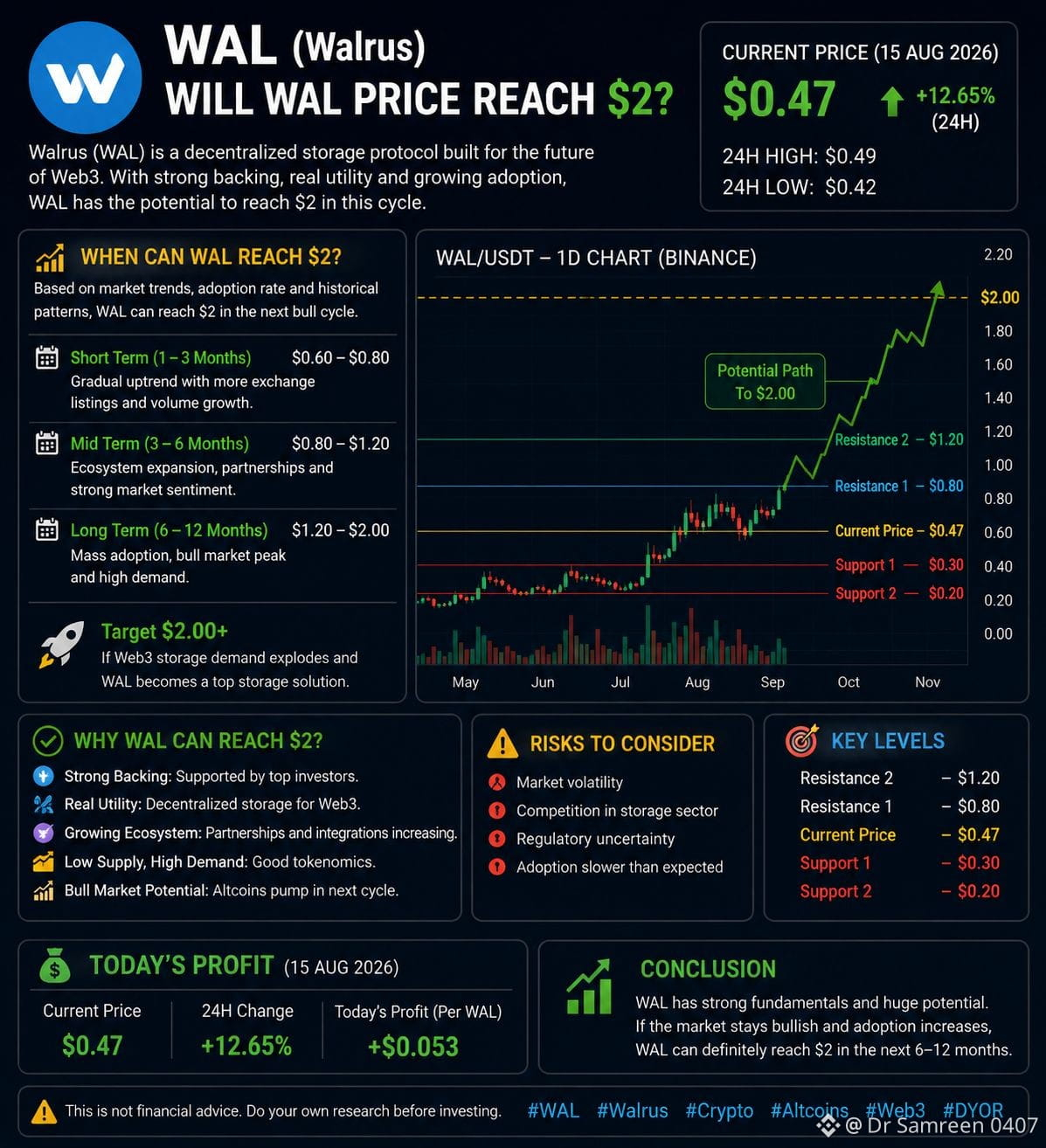
🔵 WAL (Walross) — $2 Target-Analyse 🚀
$WAL ist ein dezentrales Web3-Speicherprojekt mit echtem Nutzen und einem wachsenden Ökosystem. Wenn der Kryptomarkt weiterhin bullisch bleibt, steigt das Handelsvolumen und die Akzeptanz, und WAL durchbricht wichtige Widerstandsniveaus, dann könnte $2 zu einem langfristigen Ziel werden – aber es ist nicht garantiert.
📌 Wichtige Levels:
• Aktueller Bereich: ~$0.47
• Widerstand: ~$0.80 → $1.20
• Großes Ziel: $2.00
• Unterstützung: ~$0.30 → $0.20
⏳ Möglicher Zeitrahmen: Ein Weg hin zu $2 könnte 6–12 Monate oder länger dauern – je nach Bitcoin, Altcoin-Momentum, Akzeptanz und den allgemeinen Marktbedingungen.
⚠️ WAL ist sehr volatil. Mach deine eigene Recherche und nutze ein geeignetes Risikomanagement. Keine Finanzberatung.
#wallet🔥 #walrus #WALusdt🚀🔥
🔵 WAL (Walross) — $2 Target-Analyse 🚀
$WAL ist ein dezentrales Web3-Speicherprojekt mit echtem Nutzen und einem wachsenden Ökosystem. Wenn der Kryptomarkt weiterhin bullisch bleibt, steigt das Handelsvolumen und die Akzeptanz, und WAL durchbricht wichtige Widerstandsniveaus, dann könnte $2 zu einem langfristigen Ziel werden – aber es ist nicht garantiert.
📌 Wichtige Levels:
• Aktueller Bereich: ~$0.47
• Widerstand: ~$0.80 → $1.20
• Großes Ziel: $2.00
• Unterstützung: ~$0.30 → $0.20
⏳ Möglicher Zeitrahmen: Ein Weg hin zu $2 könnte 6–12 Monate oder länger dauern – je nach Bitcoin, Altcoin-Momentum, Akzeptanz und den allgemeinen Marktbedingungen.
⚠️ WAL ist sehr volatil. Mach deine eigene Recherche und nutze ein geeignetes Risikomanagement. Keine Finanzberatung.
#wallet🔥 #walrus #WALusdt🚀🔥
$WAL ist ein dezentrales Web3-Speicherprojekt mit echtem Nutzen und einem wachsenden Ökosystem. Wenn der Kryptomarkt weiterhin bullisch bleibt, steigt das Handelsvolumen und die Akzeptanz, und WAL durchbricht wichtige Widerstandsniveaus, dann könnte $2 zu einem langfristigen Ziel werden – aber es ist nicht garantiert.
📌 Wichtige Levels:
• Aktueller Bereich: ~$0.47
• Widerstand: ~$0.80 → $1.20
• Großes Ziel: $2.00
• Unterstützung: ~$0.30 → $0.20
⏳ Möglicher Zeitrahmen: Ein Weg hin zu $2 könnte 6–12 Monate oder länger dauern – je nach Bitcoin, Altcoin-Momentum, Akzeptanz und den allgemeinen Marktbedingungen.
⚠️ WAL ist sehr volatil. Mach deine eigene Recherche und nutze ein geeignetes Risikomanagement. Keine Finanzberatung.
#wallet🔥 #walrus #WALusdt🚀🔥
102

·
--
Bullisch
🟢 $WAL
{future}(WALUSDT)
Kurze Liquidationswarnung
💰 Liquidierter Betrag:
3,8433K US-Dollar
📍 Liquidationspreis:
0,0263 US-Dollar (BINANCE)
━━━━━━━━━━━━━━
📊 Handelsausblick
🎯 Ziel:
0,02725 US-Dollar
📥 Einstiegzone:
0,02650–0,02660 US-Dollar
📈 Take Profit:
0,02695 US-Dollar
🛑 Stop Loss:
0,02605 US-Dollar
━━━━━━━━━━━━━━
⚡ ELITE-TRADING-INSIGHT ⚡
Die Short-Liquidation deutet darauf hin, dass die Kaufdynamik das nahe Angebot absorbiert und den Preis möglicherweise in Richtung der nächsten Liquiditätszone nach oben treibt. Warte auf eine Bestätigung oberhalb des Einstiegsbereichs, bevor du Positionen eröffnest, und halte das Risiko eng kontrolliert, falls die Dynamik nachlässt.
#WAL
#walrus
#sui
🟢 $WAL
Kurze Liquidationswarnung
💰 Liquidierter Betrag:
3,8433K US-Dollar
📍 Liquidationspreis:
0,0263 US-Dollar (BINANCE)
━━━━━━━━━━━━━━
📊 Handelsausblick
🎯 Ziel:
0,02725 US-Dollar
📥 Einstiegzone:
0,02650–0,02660 US-Dollar
📈 Take Profit:
0,02695 US-Dollar
🛑 Stop Loss:
0,02605 US-Dollar
━━━━━━━━━━━━━━
⚡ ELITE-TRADING-INSIGHT ⚡
Die Short-Liquidation deutet darauf hin, dass die Kaufdynamik das nahe Angebot absorbiert und den Preis möglicherweise in Richtung der nächsten Liquiditätszone nach oben treibt. Warte auf eine Bestätigung oberhalb des Einstiegsbereichs, bevor du Positionen eröffnest, und halte das Risiko eng kontrolliert, falls die Dynamik nachlässt.
#WAL
#walrus
#sui
Kurze Liquidationswarnung
💰 Liquidierter Betrag:
3,8433K US-Dollar
📍 Liquidationspreis:
0,0263 US-Dollar (BINANCE)
━━━━━━━━━━━━━━
📊 Handelsausblick
🎯 Ziel:
0,02725 US-Dollar
📥 Einstiegzone:
0,02650–0,02660 US-Dollar
📈 Take Profit:
0,02695 US-Dollar
🛑 Stop Loss:
0,02605 US-Dollar
━━━━━━━━━━━━━━
⚡ ELITE-TRADING-INSIGHT ⚡
Die Short-Liquidation deutet darauf hin, dass die Kaufdynamik das nahe Angebot absorbiert und den Preis möglicherweise in Richtung der nächsten Liquiditätszone nach oben treibt. Warte auf eine Bestätigung oberhalb des Einstiegsbereichs, bevor du Positionen eröffnest, und halte das Risiko eng kontrolliert, falls die Dynamik nachlässt.
#WAL
#walrus
#sui
73

·
--
$WAL ist von seinem Hoch um 95% abgestürzt, aber das Projekt hat nicht nichts gemacht.
Walrus Memory ist live gegangen, mehrere Integrationen sind bereits umgesetzt. Das Kernproblem ist: **Der Markt kauft nicht ein**.
Die Erzählung vom AI Agent Gedächtnisschicht + dezentralem Speicher hat keinen Konsens gebildet, und das Tokenomics-Modell wird in Frage gestellt, was den Preis weiterhin unter Druck setzt.
Das ist keine "Zero"-Geschichte, sondern ein typisches Beispiel für **Narrative-Mismatch** – das Produkt existiert, aber der Markt ist nicht bereit, diesem Story den entsprechenden Preis zu geben.
Ist es Unterbewertung oder ein strukturelles Problem? Die Zeit wird die Antwort liefern.
#Walrus
$WAL ist von seinem Hoch um 95% abgestürzt, aber das Projekt hat nicht nichts gemacht.
Walrus Memory ist live gegangen, mehrere Integrationen sind bereits umgesetzt. Das Kernproblem ist: **Der Markt kauft nicht ein**.
Die Erzählung vom AI Agent Gedächtnisschicht + dezentralem Speicher hat keinen Konsens gebildet, und das Tokenomics-Modell wird in Frage gestellt, was den Preis weiterhin unter Druck setzt.
Das ist keine "Zero"-Geschichte, sondern ein typisches Beispiel für **Narrative-Mismatch** – das Produkt existiert, aber der Markt ist nicht bereit, diesem Story den entsprechenden Preis zu geben.
Ist es Unterbewertung oder ein strukturelles Problem? Die Zeit wird die Antwort liefern.
#Walrus
Walrus Memory ist live gegangen, mehrere Integrationen sind bereits umgesetzt. Das Kernproblem ist: **Der Markt kauft nicht ein**.
Die Erzählung vom AI Agent Gedächtnisschicht + dezentralem Speicher hat keinen Konsens gebildet, und das Tokenomics-Modell wird in Frage gestellt, was den Preis weiterhin unter Druck setzt.
Das ist keine "Zero"-Geschichte, sondern ein typisches Beispiel für **Narrative-Mismatch** – das Produkt existiert, aber der Markt ist nicht bereit, diesem Story den entsprechenden Preis zu geben.
Ist es Unterbewertung oder ein strukturelles Problem? Die Zeit wird die Antwort liefern.
#Walrus
211

·
--
$WAL ist von seinem historischen Hoch um 95% abgestürzt, der aktuelle Preis liegt nur bei 0,034 USD, die Marktkapitalisierung ist auf 82,54 Millionen USD geschrumpft, und das 24-Stunden-Handelsvolumen beträgt 5,9 Millionen USD.
Interessant ist, dass das Kernprodukt von Walrus, die Walrus Memory, bereits offiziell gelauncht wurde und mehrere ökologische Integrationen abgeschlossen hat, aber der Markt hat sich immer noch nicht auf die Erzählung von „AI Agent Memory + dezentrale Speicherung“ geeinigt. In Anbetracht der umstrittenen Token-Ökonomiemodelle und Anreizmechanismen ist es nur logisch, dass der Preis weiterhin unter Druck steht.
Der Krypto-Markt folgt nie der Logik „mit Produkt gibt es Preis“, entscheidend ist, dass die Erzählung weit akzeptiert wird. Der aktuelle Rückgang ist im Wesentlichen eine Abstimmung mit den Füßen des Marktes.
#Crypto #Walrus
$WAL ist von seinem historischen Hoch um 95% abgestürzt, der aktuelle Preis liegt nur bei 0,034 USD, die Marktkapitalisierung ist auf 82,54 Millionen USD geschrumpft, und das 24-Stunden-Handelsvolumen beträgt 5,9 Millionen USD.
Interessant ist, dass das Kernprodukt von Walrus, die Walrus Memory, bereits offiziell gelauncht wurde und mehrere ökologische Integrationen abgeschlossen hat, aber der Markt hat sich immer noch nicht auf die Erzählung von „AI Agent Memory + dezentrale Speicherung“ geeinigt. In Anbetracht der umstrittenen Token-Ökonomiemodelle und Anreizmechanismen ist es nur logisch, dass der Preis weiterhin unter Druck steht.
Der Krypto-Markt folgt nie der Logik „mit Produkt gibt es Preis“, entscheidend ist, dass die Erzählung weit akzeptiert wird. Der aktuelle Rückgang ist im Wesentlichen eine Abstimmung mit den Füßen des Marktes.
#Crypto #Walrus
Interessant ist, dass das Kernprodukt von Walrus, die Walrus Memory, bereits offiziell gelauncht wurde und mehrere ökologische Integrationen abgeschlossen hat, aber der Markt hat sich immer noch nicht auf die Erzählung von „AI Agent Memory + dezentrale Speicherung“ geeinigt. In Anbetracht der umstrittenen Token-Ökonomiemodelle und Anreizmechanismen ist es nur logisch, dass der Preis weiterhin unter Druck steht.
Der Krypto-Markt folgt nie der Logik „mit Produkt gibt es Preis“, entscheidend ist, dass die Erzählung weit akzeptiert wird. Der aktuelle Rückgang ist im Wesentlichen eine Abstimmung mit den Füßen des Marktes.
#Crypto #Walrus
101

·
--
Bullisch
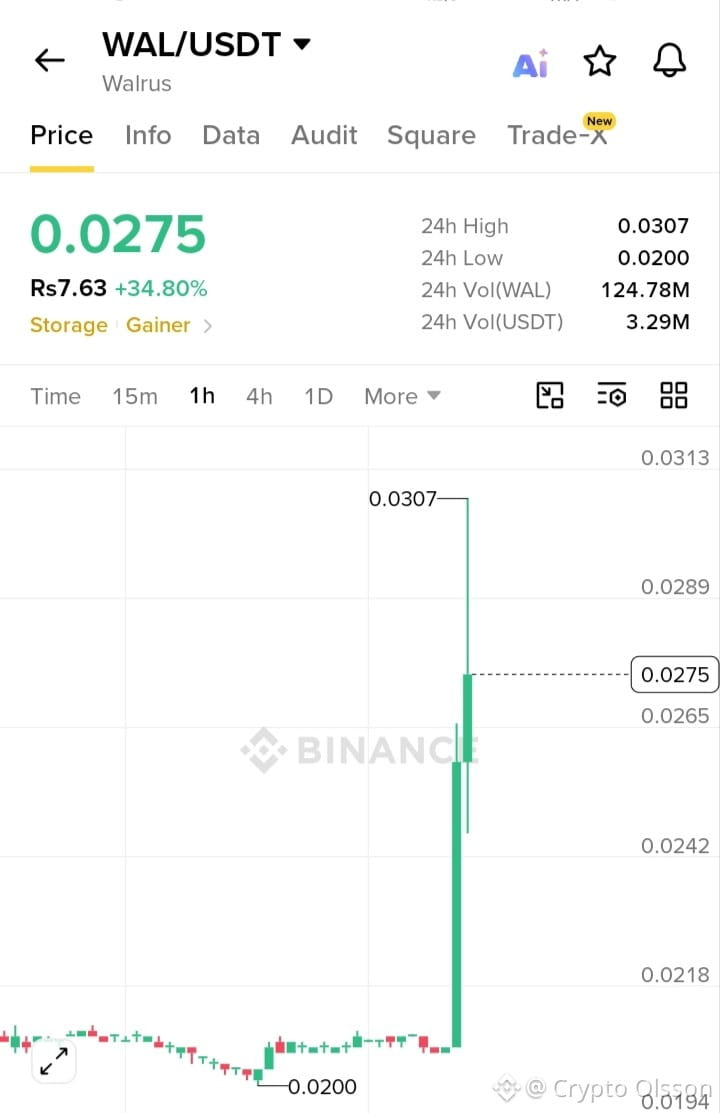
🔥 $WAL USDT — Starkes Momentum-Setup!
$WAL
{future}(WALUSDT)
liegt bei +34.80% und handelt um 0.0275. Das Momentum ist stark, aber warte auf einen sauberen Hold/Retest, bevor du einsteigst.
🎯 Einstieg: 0.0265 – 0.0275 ✅ TP1: 0.0289 ✅ TP2: 0.0307 🚀 TP3: 0.0313 🛑 SL: 0.0242
Risk manage karo — pump ko chase mat karo. 📈
#WAL #Walrus #Crypto #Binance
🔥 $WAL USDT — Starkes Momentum-Setup!
$WAL
liegt bei +34.80% und handelt um 0.0275. Das Momentum ist stark, aber warte auf einen sauberen Hold/Retest, bevor du einsteigst.
🎯 Einstieg: 0.0265 – 0.0275 ✅ TP1: 0.0289 ✅ TP2: 0.0307 🚀 TP3: 0.0313 🛑 SL: 0.0242
Risk manage karo — pump ko chase mat karo. 📈
#WAL #Walrus #Crypto #Binance
$WAL
liegt bei +34.80% und handelt um 0.0275. Das Momentum ist stark, aber warte auf einen sauberen Hold/Retest, bevor du einsteigst.
🎯 Einstieg: 0.0265 – 0.0275 ✅ TP1: 0.0289 ✅ TP2: 0.0307 🚀 TP3: 0.0313 🛑 SL: 0.0242
Risk manage karo — pump ko chase mat karo. 📈
#WAL #Walrus #Crypto #Binance
1
203
·
--
💾 Die Datenspeicherung wird zu einer zentralen Blockchain-Funktion
Während dezentrale Anwendungen wachsen, wird eine zuverlässige Datenspeicherung zunehmend wichtiger.
Projekte wie Walrus erforschen skalierbare dezentrale Speicherlösungen, die Web3-Anwendungen, KI und digitale Inhalte unterstützen.
Starke Ökosysteme werden auf verlässlicher Infrastruktur aufgebaut.
Die Speicherung könnte zu einem der wertvollsten Dienste der Blockchain werden.
$WAL $SUI
#Walrus #DecentralizedStorage #Web3 #Blockchain #Innovation
💾 Die Datenspeicherung wird zu einer zentralen Blockchain-Funktion
Während dezentrale Anwendungen wachsen, wird eine zuverlässige Datenspeicherung zunehmend wichtiger.
Projekte wie Walrus erforschen skalierbare dezentrale Speicherlösungen, die Web3-Anwendungen, KI und digitale Inhalte unterstützen.
Starke Ökosysteme werden auf verlässlicher Infrastruktur aufgebaut.
Die Speicherung könnte zu einem der wertvollsten Dienste der Blockchain werden.
$WAL $SUI
#Walrus #DecentralizedStorage #Web3 #Blockchain #Innovation
Während dezentrale Anwendungen wachsen, wird eine zuverlässige Datenspeicherung zunehmend wichtiger.
Projekte wie Walrus erforschen skalierbare dezentrale Speicherlösungen, die Web3-Anwendungen, KI und digitale Inhalte unterstützen.
Starke Ökosysteme werden auf verlässlicher Infrastruktur aufgebaut.
Die Speicherung könnte zu einem der wertvollsten Dienste der Blockchain werden.
$WAL $SUI
#Walrus #DecentralizedStorage #Web3 #Blockchain #Innovation

183
·
--
💾 Daten sind das neue digitale Öl
Jedes KI-Modell, jede Blockchain-Anwendung und jedes dezentrale Netzwerk hängt von einer Sache ab—Daten.
Während Web3 wächst, werden dezentrale Speicherlösungen zunehmend wertvoll.
Projekte wie Walrus bauen Infrastruktur, die darauf ausgelegt ist, massive Mengen dezentraler Daten effizient und sicher zu speichern.
Die Zukunft wird nicht nur den schnellsten Blockchains gehören.
Sie wird der stärksten Infrastruktur gehören.
$WAL $SUI
#Walrus #WAL #DecentralizedStorage #Web3 #Blockchain
💾 Daten sind das neue digitale Öl
Jedes KI-Modell, jede Blockchain-Anwendung und jedes dezentrale Netzwerk hängt von einer Sache ab—Daten.
Während Web3 wächst, werden dezentrale Speicherlösungen zunehmend wertvoll.
Projekte wie Walrus bauen Infrastruktur, die darauf ausgelegt ist, massive Mengen dezentraler Daten effizient und sicher zu speichern.
Die Zukunft wird nicht nur den schnellsten Blockchains gehören.
Sie wird der stärksten Infrastruktur gehören.
$WAL $SUI
#Walrus #WAL #DecentralizedStorage #Web3 #Blockchain
Jedes KI-Modell, jede Blockchain-Anwendung und jedes dezentrale Netzwerk hängt von einer Sache ab—Daten.
Während Web3 wächst, werden dezentrale Speicherlösungen zunehmend wertvoll.
Projekte wie Walrus bauen Infrastruktur, die darauf ausgelegt ist, massive Mengen dezentraler Daten effizient und sicher zu speichern.
Die Zukunft wird nicht nur den schnellsten Blockchains gehören.
Sie wird der stärksten Infrastruktur gehören.
$WAL $SUI
#Walrus #WAL #DecentralizedStorage #Web3 #Blockchain

194

·
--
Bullisch
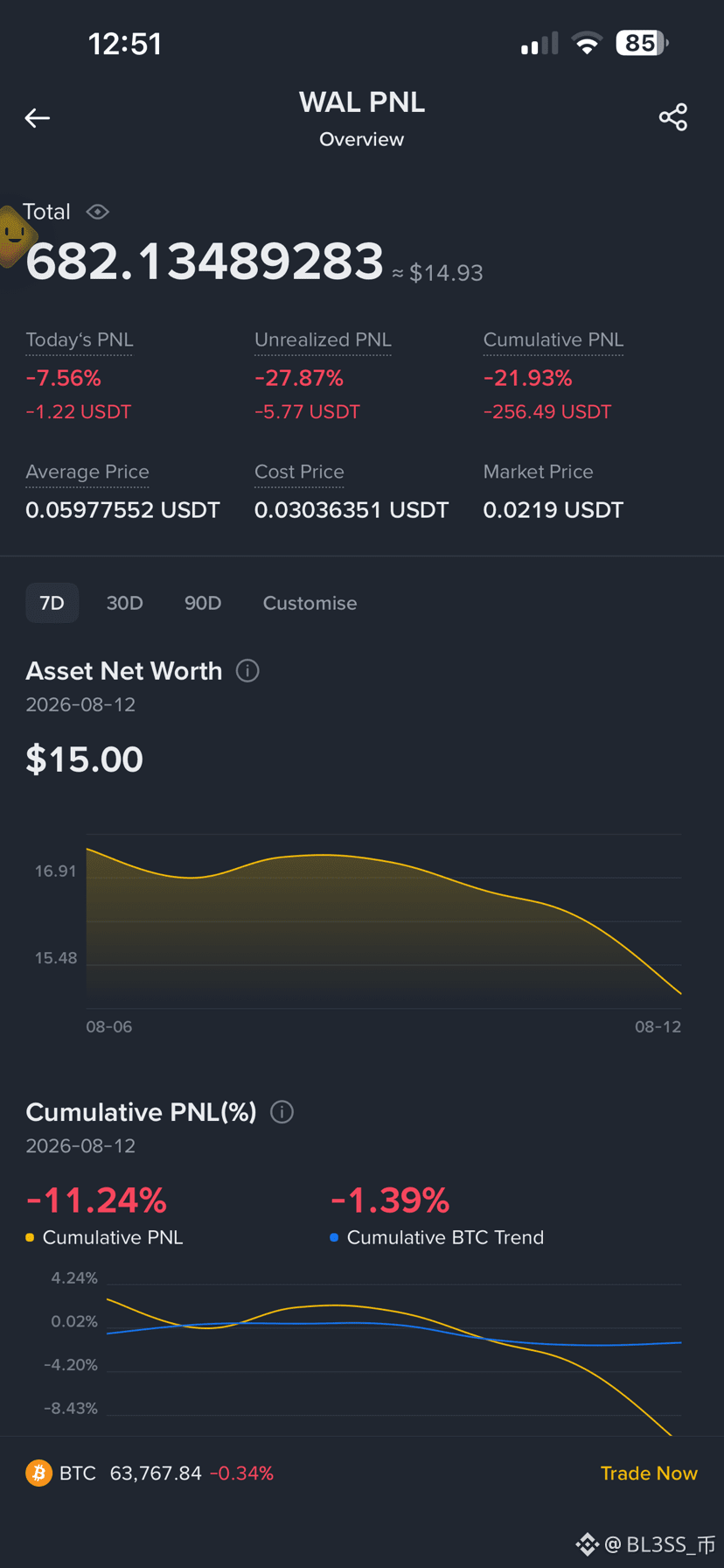
Was zum Teufel ist mit dieser Münze passiert, warum steigt sie nicht 😭 $WAL Ich hab sie für meine 200 $ gekauft, jetzt kostet sie 15 $
Warum geht sie nur runter?
#walrus #iamrigged
Was zum Teufel ist mit dieser Münze passiert, warum steigt sie nicht 😭 $WAL Ich hab sie für meine 200 $ gekauft, jetzt kostet sie 15 $
Warum geht sie nur runter?
#walrus #iamrigged
Warum geht sie nur runter?
#walrus #iamrigged
1
2
285

·
--
Bullisch
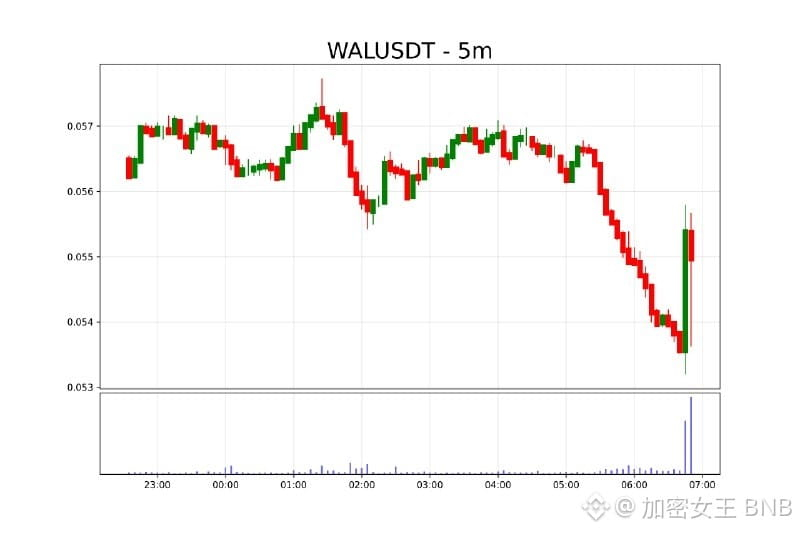
Der $WAL Ticker zeigt gerade eine absolute Meisterleistung in der Liquiditätsabsorption, und das Tape verlangt sofortige Aufmerksamkeit. Wir sehen eine massive Explosion von 971% im 24-Stunden-Volumen, die fast neun Millionen Dollar durch das System schiebt, während der Preis am Tag um 4% gefangen bleibt. Wenn das Volumen um fast das 10-fache ansteigt, aber der Preis sich weigert, weiter zu capitulieren, bedeutet das, dass eine immense Wand von passiven Kaufaufträgen unter dem Markt sitzt und jedes einzelne Stück an verfügbarer Liquidität aufsaugt, ohne den Preis bisher entweichen zu lassen.
Das ist klassisches institutionelles Churn, wo ein hohes Angebot auf einen ebenso aggressiven Kontrahenten trifft. Wäre dies ein normaler, ungehinderter Dump, hätte ein Volumenspitzenwert dieser Größenordnung das Chart über die Klippe geschickt. Stattdessen sehen wir lokalisierte Bounces von den Tiefs, was signalisiert, dass das schlaue Geld möglicherweise eine massive Position an diesen genauen Koordinaten aufbaut. Das Orderbuch arbeitet Überstunden, und dieses Niveau der strukturellen Kompression wirkt normalerweise wie eine aufgespannte Feder vor einer massiven Volatilitätsexpansion. Ich beobachte genau, ob diese lokalen Tiefs halten, denn wenn diese Kaufwand echt ist, wird die Verkaufsseite bald komplett ohne Treibstoff dastehen.#walrus
{future}(WALUSDT)
Der $WAL Ticker zeigt gerade eine absolute Meisterleistung in der Liquiditätsabsorption, und das Tape verlangt sofortige Aufmerksamkeit. Wir sehen eine massive Explosion von 971% im 24-Stunden-Volumen, die fast neun Millionen Dollar durch das System schiebt, während der Preis am Tag um 4% gefangen bleibt. Wenn das Volumen um fast das 10-fache ansteigt, aber der Preis sich weigert, weiter zu capitulieren, bedeutet das, dass eine immense Wand von passiven Kaufaufträgen unter dem Markt sitzt und jedes einzelne Stück an verfügbarer Liquidität aufsaugt, ohne den Preis bisher entweichen zu lassen.
Das ist klassisches institutionelles Churn, wo ein hohes Angebot auf einen ebenso aggressiven Kontrahenten trifft. Wäre dies ein normaler, ungehinderter Dump, hätte ein Volumenspitzenwert dieser Größenordnung das Chart über die Klippe geschickt. Stattdessen sehen wir lokalisierte Bounces von den Tiefs, was signalisiert, dass das schlaue Geld möglicherweise eine massive Position an diesen genauen Koordinaten aufbaut. Das Orderbuch arbeitet Überstunden, und dieses Niveau der strukturellen Kompression wirkt normalerweise wie eine aufgespannte Feder vor einer massiven Volatilitätsexpansion. Ich beobachte genau, ob diese lokalen Tiefs halten, denn wenn diese Kaufwand echt ist, wird die Verkaufsseite bald komplett ohne Treibstoff dastehen.#walrus
Das ist klassisches institutionelles Churn, wo ein hohes Angebot auf einen ebenso aggressiven Kontrahenten trifft. Wäre dies ein normaler, ungehinderter Dump, hätte ein Volumenspitzenwert dieser Größenordnung das Chart über die Klippe geschickt. Stattdessen sehen wir lokalisierte Bounces von den Tiefs, was signalisiert, dass das schlaue Geld möglicherweise eine massive Position an diesen genauen Koordinaten aufbaut. Das Orderbuch arbeitet Überstunden, und dieses Niveau der strukturellen Kompression wirkt normalerweise wie eine aufgespannte Feder vor einer massiven Volatilitätsexpansion. Ich beobachte genau, ob diese lokalen Tiefs halten, denn wenn diese Kaufwand echt ist, wird die Verkaufsseite bald komplett ohne Treibstoff dastehen.#walrus
1
377

$WAL WAL BREAKDOWN WIRD ERNST
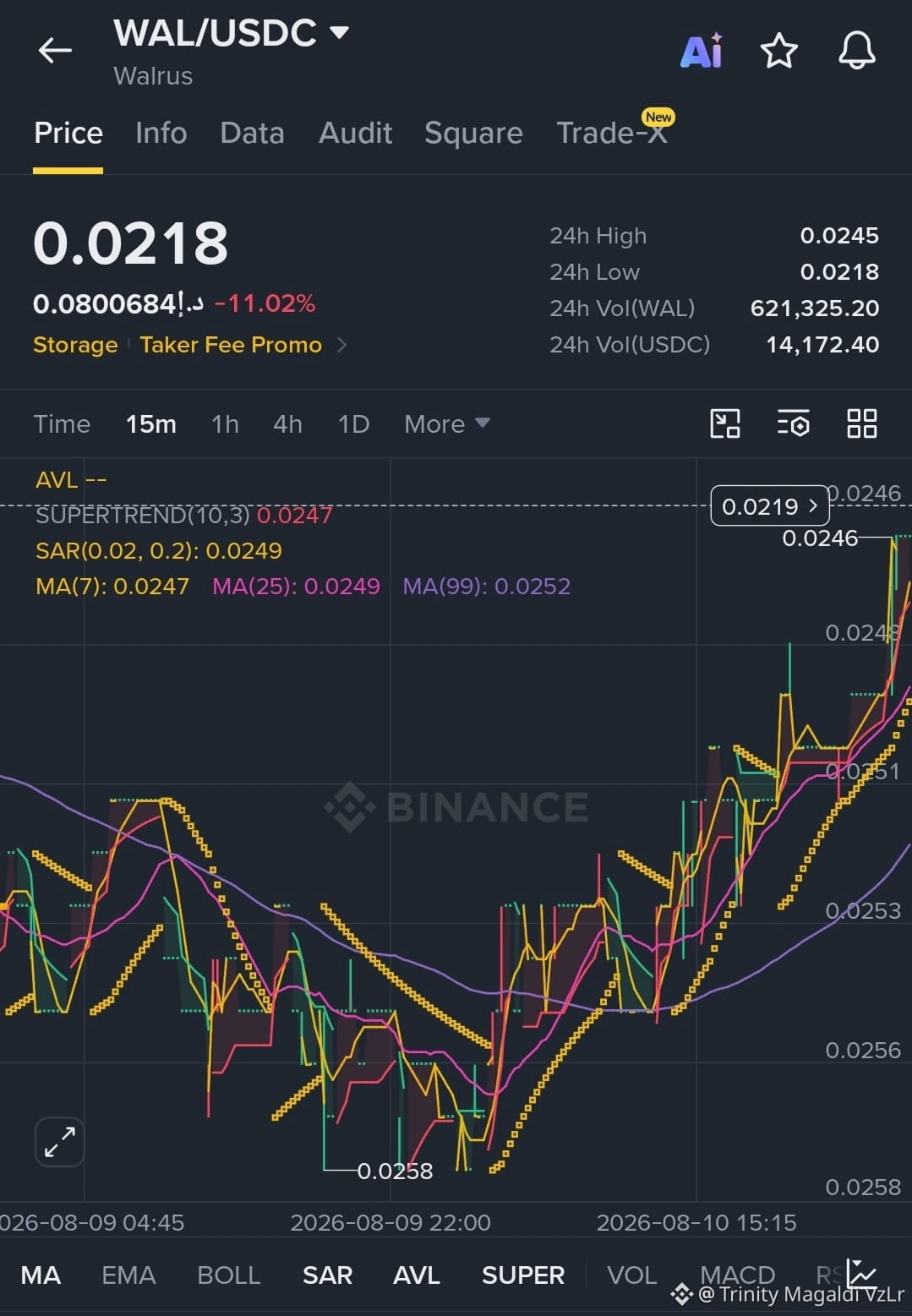
WAL ist um 11% gefallen und liegt bei dem 24h-Tief um $0.0218. Der Kurs liegt weit unter MA7, MA25 und MA99, während der Supertrend weiterhin bärisch ist. Die Verkäufer kontrollieren eindeutig den Momentum—behalte eine Rückeroberung im Blick, bevor du eine Wende erwartest.
#WAL #Walrus #Crypto
$GIGGLE
{spot}(GIGGLEUSDT)
$RIVER
{future}(RIVERUSDT)
$WAL WAL BREAKDOWN WIRD ERNST
WAL ist um 11% gefallen und liegt bei dem 24h-Tief um $0.0218. Der Kurs liegt weit unter MA7, MA25 und MA99, während der Supertrend weiterhin bärisch ist. Die Verkäufer kontrollieren eindeutig den Momentum—behalte eine Rückeroberung im Blick, bevor du eine Wende erwartest.
#WAL #Walrus #Crypto
$GIGGLE
$RIVER
WAL ist um 11% gefallen und liegt bei dem 24h-Tief um $0.0218. Der Kurs liegt weit unter MA7, MA25 und MA99, während der Supertrend weiterhin bärisch ist. Die Verkäufer kontrollieren eindeutig den Momentum—behalte eine Rückeroberung im Blick, bevor du eine Wende erwartest.
#WAL #Walrus #Crypto
$GIGGLE
$RIVER
1
325

·
--
$WAL 📊 Analyse des Wachstums!
Was ist Walrus? Walrus ist ein dezentralen Datenspeichernetz der nächsten Generation, das auf der Basis von Sui aufgebaut wurde. Das Projekt konzentriert sich auf Skalierbarkeit, günstige Kosten und hohe Performance für Web3-Anwendungen.
Aktuelle Lage: Der Preis $0.0276** (+35,29%) hat alle EMAs durchbrochen — **bullischer Trend**. Aber **RSI 80,2** — starke Überkauftheit! Widerstand **$0.0307, Unterstützung $0.0221. Das Volumen ist riesig — 113 Mio. in 24 Std.
Fazit: Einstieg nur bei einem Rücksetzer auf $0.024–0.025 mit kurzem Stop. Die Überhitzung ist offensichtlich.
👉 Abonniere die Analysen!
#Walrus #DePIN #Trade 👇
{future}(WALUSDT)
$WAL 📊 Analyse des Wachstums!
Was ist Walrus? Walrus ist ein dezentralen Datenspeichernetz der nächsten Generation, das auf der Basis von Sui aufgebaut wurde. Das Projekt konzentriert sich auf Skalierbarkeit, günstige Kosten und hohe Performance für Web3-Anwendungen.
Aktuelle Lage: Der Preis $0.0276** (+35,29%) hat alle EMAs durchbrochen — **bullischer Trend**. Aber **RSI 80,2** — starke Überkauftheit! Widerstand **$0.0307, Unterstützung $0.0221. Das Volumen ist riesig — 113 Mio. in 24 Std.
Fazit: Einstieg nur bei einem Rücksetzer auf $0.024–0.025 mit kurzem Stop. Die Überhitzung ist offensichtlich.
👉 Abonniere die Analysen!
#Walrus #DePIN #Trade 👇
Was ist Walrus? Walrus ist ein dezentralen Datenspeichernetz der nächsten Generation, das auf der Basis von Sui aufgebaut wurde. Das Projekt konzentriert sich auf Skalierbarkeit, günstige Kosten und hohe Performance für Web3-Anwendungen.
Aktuelle Lage: Der Preis $0.0276** (+35,29%) hat alle EMAs durchbrochen — **bullischer Trend**. Aber **RSI 80,2** — starke Überkauftheit! Widerstand **$0.0307, Unterstützung $0.0221. Das Volumen ist riesig — 113 Mio. in 24 Std.
Fazit: Einstieg nur bei einem Rücksetzer auf $0.024–0.025 mit kurzem Stop. Die Überhitzung ist offensichtlich.
👉 Abonniere die Analysen!
#Walrus #DePIN #Trade 👇
217

·
--
$WAL Walrus Die On-Chain-Aktivität hat sich in letzter Zeit deutlich erhöht, vor allem dank der Zusammenarbeit mit Astros zur Einführung des KI-lesbaren WVTS-Transaktionsstandards. Bisher gab es bereits mehr als 22 Millionen Transaktionen, wodurch es zur entscheidenden Infrastruktur im Talus-AI-Ökosystem geworden ist. Gleichzeitig erhielt es strategische Investitionen von Institutionen wie Perceptron. Kurzfristig bewegen sich die Fundamentaldaten und der Fortschritt im Ökosystem synchron nach oben und liefern damit einen positiven Katalysator für den Preis.
Allerdings ist die Marktkapitalisierung von $WAL derzeit nur rund 51 Millionen US-Dollar, mit einem 24-Stunden-Volumen von etwa 2,37 Millionen US-Dollar. Insgesamt ist das Handelsvolumen noch relativ klein, und Risiken hinsichtlich Volatilität sowie Drawdown sind nicht zu unterschätzen. Wer kurzfristig einsteigt, sollte unbedingt die Positionsgröße kontrollieren und strikt Stop-Loss setzen.
#Walrus#AI
$WAL Walrus Die On-Chain-Aktivität hat sich in letzter Zeit deutlich erhöht, vor allem dank der Zusammenarbeit mit Astros zur Einführung des KI-lesbaren WVTS-Transaktionsstandards. Bisher gab es bereits mehr als 22 Millionen Transaktionen, wodurch es zur entscheidenden Infrastruktur im Talus-AI-Ökosystem geworden ist. Gleichzeitig erhielt es strategische Investitionen von Institutionen wie Perceptron. Kurzfristig bewegen sich die Fundamentaldaten und der Fortschritt im Ökosystem synchron nach oben und liefern damit einen positiven Katalysator für den Preis.
Allerdings ist die Marktkapitalisierung von $WAL derzeit nur rund 51 Millionen US-Dollar, mit einem 24-Stunden-Volumen von etwa 2,37 Millionen US-Dollar. Insgesamt ist das Handelsvolumen noch relativ klein, und Risiken hinsichtlich Volatilität sowie Drawdown sind nicht zu unterschätzen. Wer kurzfristig einsteigt, sollte unbedingt die Positionsgröße kontrollieren und strikt Stop-Loss setzen.
#Walrus#AI
Allerdings ist die Marktkapitalisierung von $WAL derzeit nur rund 51 Millionen US-Dollar, mit einem 24-Stunden-Volumen von etwa 2,37 Millionen US-Dollar. Insgesamt ist das Handelsvolumen noch relativ klein, und Risiken hinsichtlich Volatilität sowie Drawdown sind nicht zu unterschätzen. Wer kurzfristig einsteigt, sollte unbedingt die Positionsgröße kontrollieren und strikt Stop-Loss setzen.
#Walrus#AI
117

·
--
🦭 WALRUS (WAL): Bestätigter Bounce vom Boden! 🚀
Wer hat's gemacht: Walrus Foundation, ein Entwicklungsteam, das aus den Mysten Labs hervorgegangen ist (die gleichen, die das SUI-Netzwerk geschaffen haben, eines der größten und seriösesten im Krypto-Bereich).
✅ Preis heute: $0,0616 | +4,41% 📈
✅ Tiefstpreis erreicht: $0,0579 → Da endete der Drop
📌 WER HINTER DEM PROJEKT STECKT UND WAS ES IST:
Projekt, das von dem eigenen Team der Walrus Foundation entwickelt wurde, ein Netzwerk, das sich auf dezentrale Datenspeicherung spezialisiert hat (ähnlich wie Grass, jedoch fokussiert auf die Speicherung von Informationen). Es arbeitet mit großen Netzwerken und Unternehmen, ist echte Technologie, bereit und im Einsatz. Offiziell auf Binance gelistet.
🔥 DIE BESTE NACHRICHT:
✅ ES IST SCHON NACH OBEN GEGANGEN UND ES WURDE STARK EINGEKAUFT!
Hat seinen historischen Boden bei $0,0579 erreicht, ist nicht weiter gefallen, massives Kaufvolumen ist eingegangen und JETZT GEHT ES NUR NOCH NACH OBEN. Der Rückgang von 60% ist vorbei, hier beginnt die Erholung. #walrus $WAL
🦭 WALRUS (WAL): Bestätigter Bounce vom Boden! 🚀
Wer hat's gemacht: Walrus Foundation, ein Entwicklungsteam, das aus den Mysten Labs hervorgegangen ist (die gleichen, die das SUI-Netzwerk geschaffen haben, eines der größten und seriösesten im Krypto-Bereich).
✅ Preis heute: $0,0616 | +4,41% 📈
✅ Tiefstpreis erreicht: $0,0579 → Da endete der Drop
📌 WER HINTER DEM PROJEKT STECKT UND WAS ES IST:
Projekt, das von dem eigenen Team der Walrus Foundation entwickelt wurde, ein Netzwerk, das sich auf dezentrale Datenspeicherung spezialisiert hat (ähnlich wie Grass, jedoch fokussiert auf die Speicherung von Informationen). Es arbeitet mit großen Netzwerken und Unternehmen, ist echte Technologie, bereit und im Einsatz. Offiziell auf Binance gelistet.
🔥 DIE BESTE NACHRICHT:
✅ ES IST SCHON NACH OBEN GEGANGEN UND ES WURDE STARK EINGEKAUFT!
Hat seinen historischen Boden bei $0,0579 erreicht, ist nicht weiter gefallen, massives Kaufvolumen ist eingegangen und JETZT GEHT ES NUR NOCH NACH OBEN. Der Rückgang von 60% ist vorbei, hier beginnt die Erholung. #walrus $WAL
Wer hat's gemacht: Walrus Foundation, ein Entwicklungsteam, das aus den Mysten Labs hervorgegangen ist (die gleichen, die das SUI-Netzwerk geschaffen haben, eines der größten und seriösesten im Krypto-Bereich).
✅ Preis heute: $0,0616 | +4,41% 📈
✅ Tiefstpreis erreicht: $0,0579 → Da endete der Drop
📌 WER HINTER DEM PROJEKT STECKT UND WAS ES IST:
Projekt, das von dem eigenen Team der Walrus Foundation entwickelt wurde, ein Netzwerk, das sich auf dezentrale Datenspeicherung spezialisiert hat (ähnlich wie Grass, jedoch fokussiert auf die Speicherung von Informationen). Es arbeitet mit großen Netzwerken und Unternehmen, ist echte Technologie, bereit und im Einsatz. Offiziell auf Binance gelistet.
🔥 DIE BESTE NACHRICHT:
✅ ES IST SCHON NACH OBEN GEGANGEN UND ES WURDE STARK EINGEKAUFT!
Hat seinen historischen Boden bei $0,0579 erreicht, ist nicht weiter gefallen, massives Kaufvolumen ist eingegangen und JETZT GEHT ES NUR NOCH NACH OBEN. Der Rückgang von 60% ist vorbei, hier beginnt die Erholung. #walrus $WAL
161
Anmelden und weiter Inhalte entdecken
Krypto-Nutzer weltweit auf Binance Square kennenlernen
⚡️ Bleib in Sachen Krypto stets am Puls.
💬 Die weltgrößte Kryptobörse vertraut darauf.
👍 Erhalte verlässliche Einblicke von verifizierten Creators.
E-Mail-Adresse/Telefonnummer
Trendthemen
1
#OstiumLoanDisputeHearingSetInNYFederalCourt
0 Aufrufe
0 Kommentare
2
#SKPoliceRefer18PolymarketUsersToProsecutors
941 Aufrufe
79 Kommentare
3
#FedSEPProjects2026RateAt4.1%
2,920 Aufrufe
134 Kommentare
4
#USHouseAdvancesBitcoinReserveBill
2,840 Aufrufe
113 Kommentare
5
#AmazonGetsWarrantsToBuyGeneracStock
3,385 Aufrufe
131 Kommentare
6
#DotPlotSignalsOneMoreHikeIn2026
23,817 Aufrufe
499 Kommentare
7
#RobinhoodToSupportCircleArcNetwork
6,302 Aufrufe
171 Kommentare
8
#FedHikes25BpsUSStocksClose
34,200 Aufrufe
434 Kommentare
9
#AaveToLaunchRWAMarketOnAvalanche
7,982 Aufrufe
186 Kommentare
10
#CryptoVCFundingRebounds$5.6BInQ2
8,610 Aufrufe
47 Kommentare