
#strategicbitcoinreserve
strategicbitcoinreserve
10,618 Aufrufe
99 Kommentare
Hot
Zuletzt


·
--
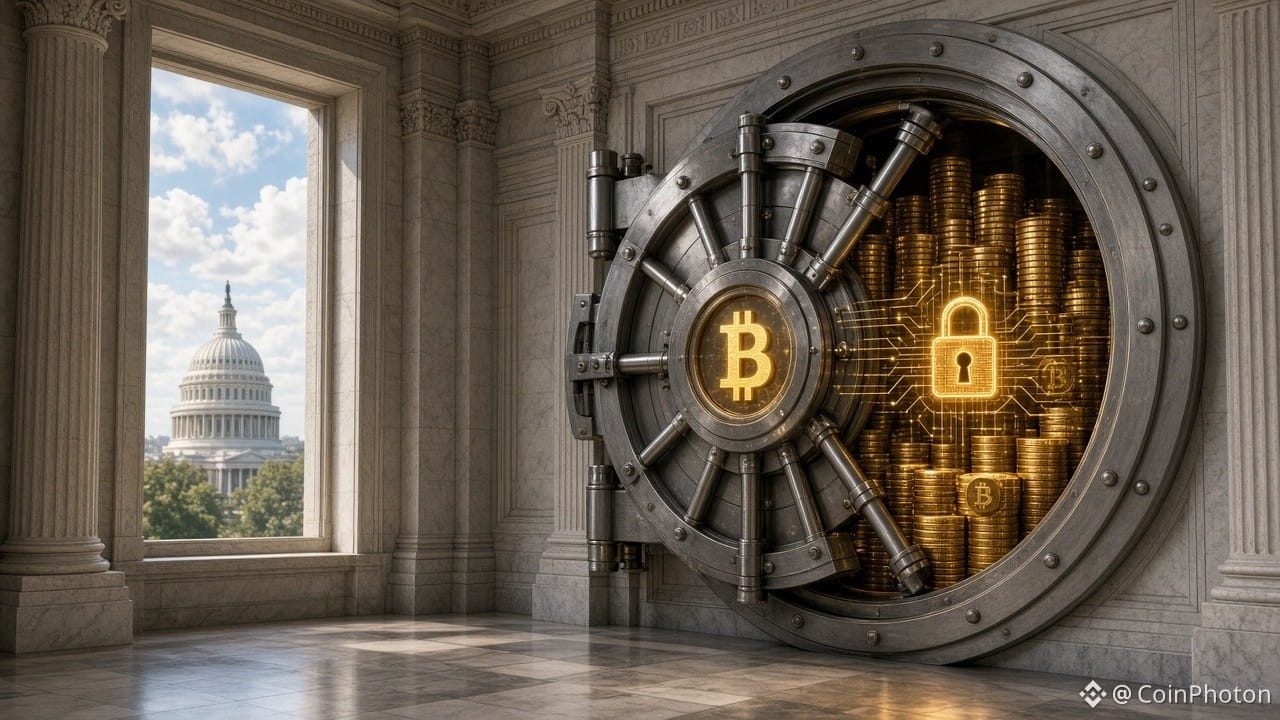
🇺🇸 US-Gesetzentwurf zur strategischen Bitcoin-Reserve passiert Ausschuss und kommt ins Plenum des Repräsentantenhauses
Der Ausschuss für Finanzdienstleistungen des Repräsentantenhauses hat am 24. November den Gesetzentwurf H.R. 8957 von Abgeordnetem Nick Begich, den American Reserve Modernization Act, offiziell vorgelegt. Damit kann er dem gesamten Repräsentantenhaus zur Abstimmung vorgelegt werden.
Der überarbeitete Text weist das Finanzministerium an, innerhalb von 180 Tagen eine strategische Bitcoin-Reserve einzurichten und jeden darin gehaltenen Coin mindestens 20 Jahre lang aufzubewahren – ohne Verkäufe, Tauschgeschäfte oder Belastungen. Außerdem streicht er Vorschläge, Käufe mit Mitteln der Federal Reserve zu finanzieren, und verbietet Kreditaufnahmen oder neue Steuern zum Kauf von Bitcoin. Der Gesetzentwurf hat nun 23 Mitunterstützer.
⭐ Wird er Gesetz, wären die Bitcoin-Bestände der US-Regierung für Jahrzehnte gebunden. Damit entfiele das Risiko staatlicher Verkäufe.
#Bitcoin #BTC #StrategicBitcoinReserve #Regulierung
415

·
--
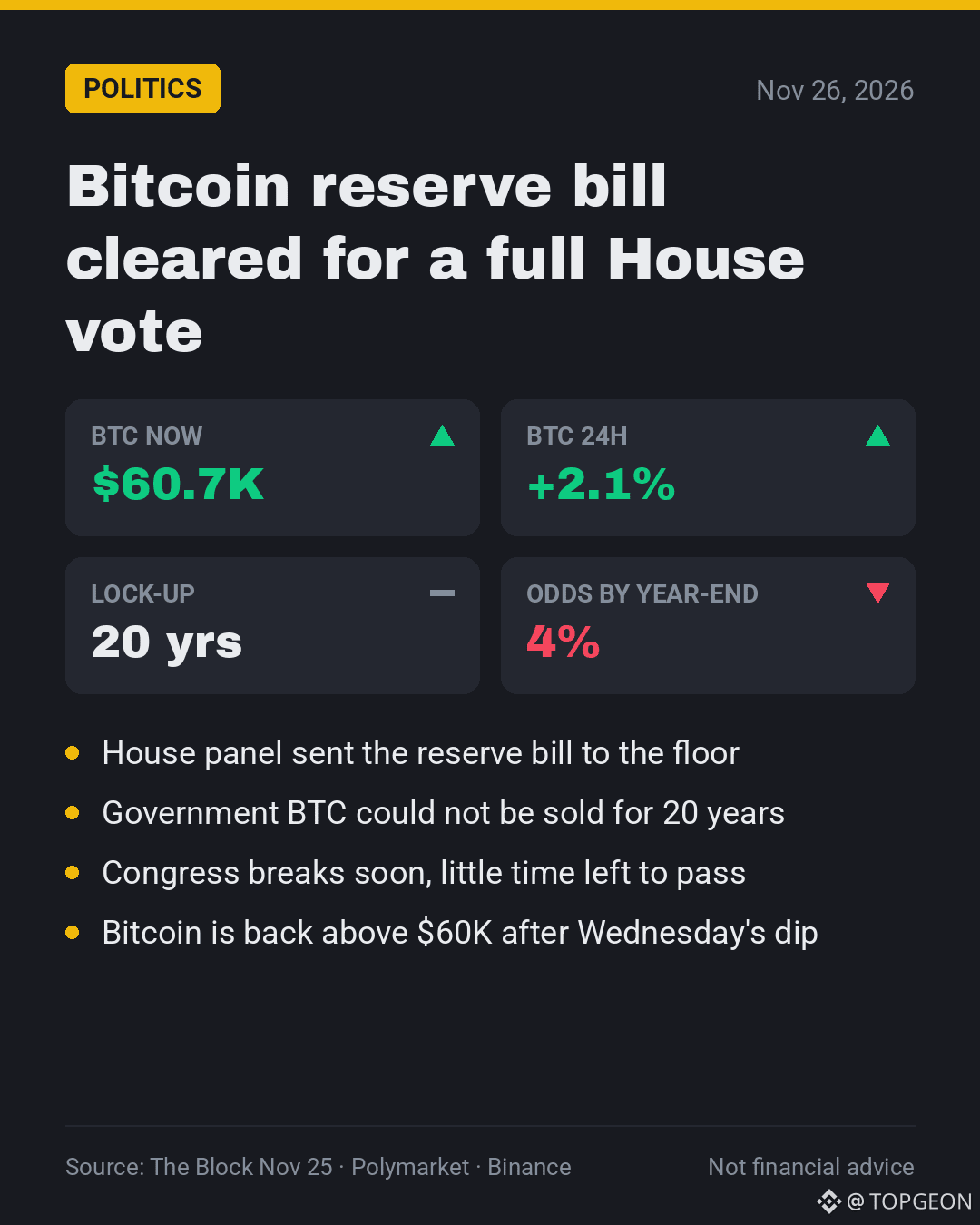
🏛️ $BTC Der Gesetzentwurf zur Bitcoin-Reserve ist nun für eine Abstimmung im gesamten US-Repräsentantenhaus freigegeben.
📰 Wenn er verabschiedet wird, dürfte der Staat seine Bitcoin 20 Jahre lang nicht verkaufen.
🤔 Der Haken: Der Kongress geht bald in die Pause, und die Wettquoten liegen bei etwa 4 %.
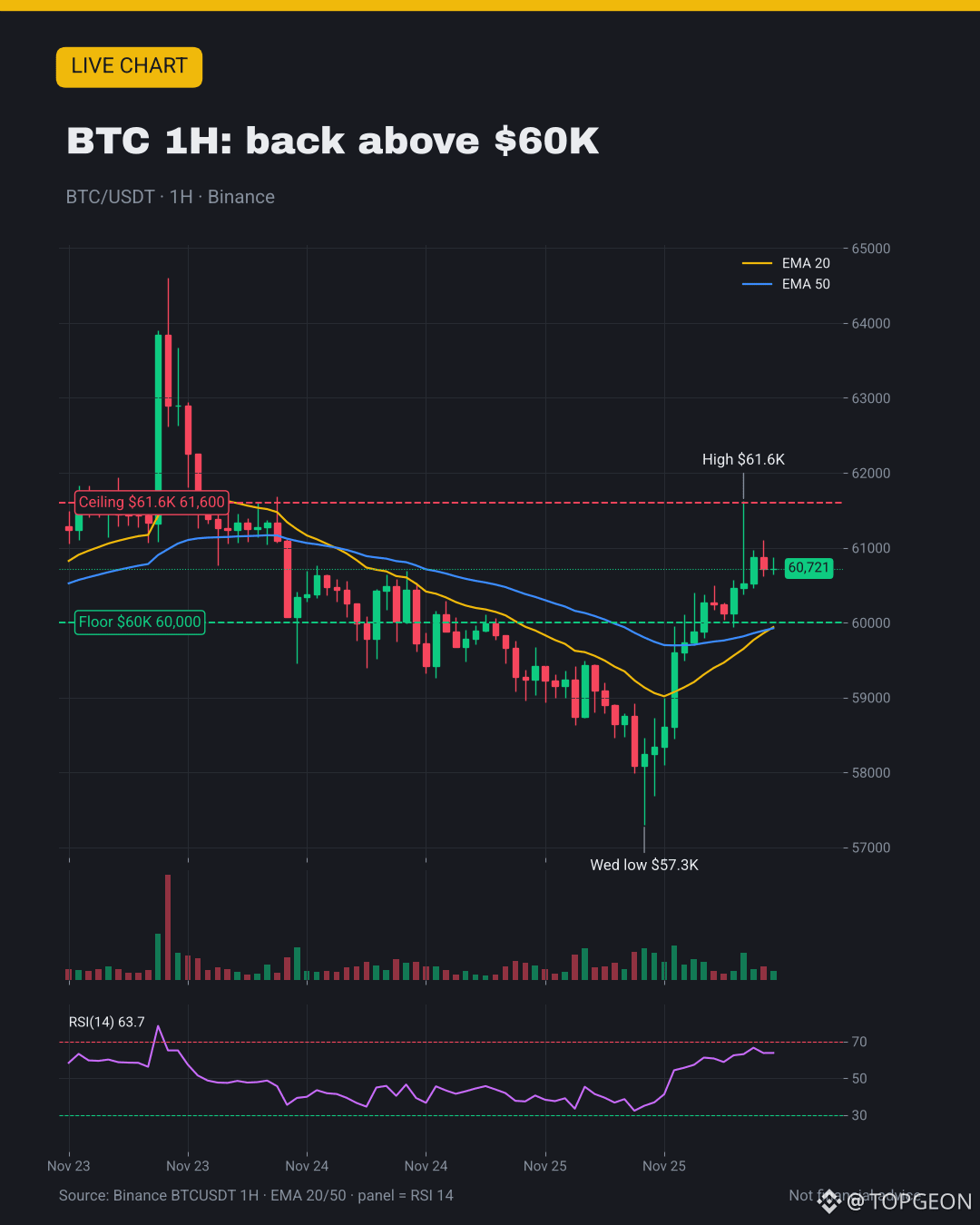
👀 Währenddessen hält sich $BTC bei 60,7 Tsd. $, wieder über dem Tief vom Mittwoch.
🎯 Meine Einschätzung: starke Schlagzeile, aber die Zeit ist der wahre Gegner.
💬 Wird der Gesetzentwurf vor der Pause verabschiedet? 👇
#StrategicBitcoinReserve #Bitcoin
39

·
--
Der US-Gesetzentwurf zur Bitcoin-Reserve sieht ein Verkaufsverbot für 20 Jahre vor. Er beinhaltet KEINE Käufe von $BTC. 🏛️
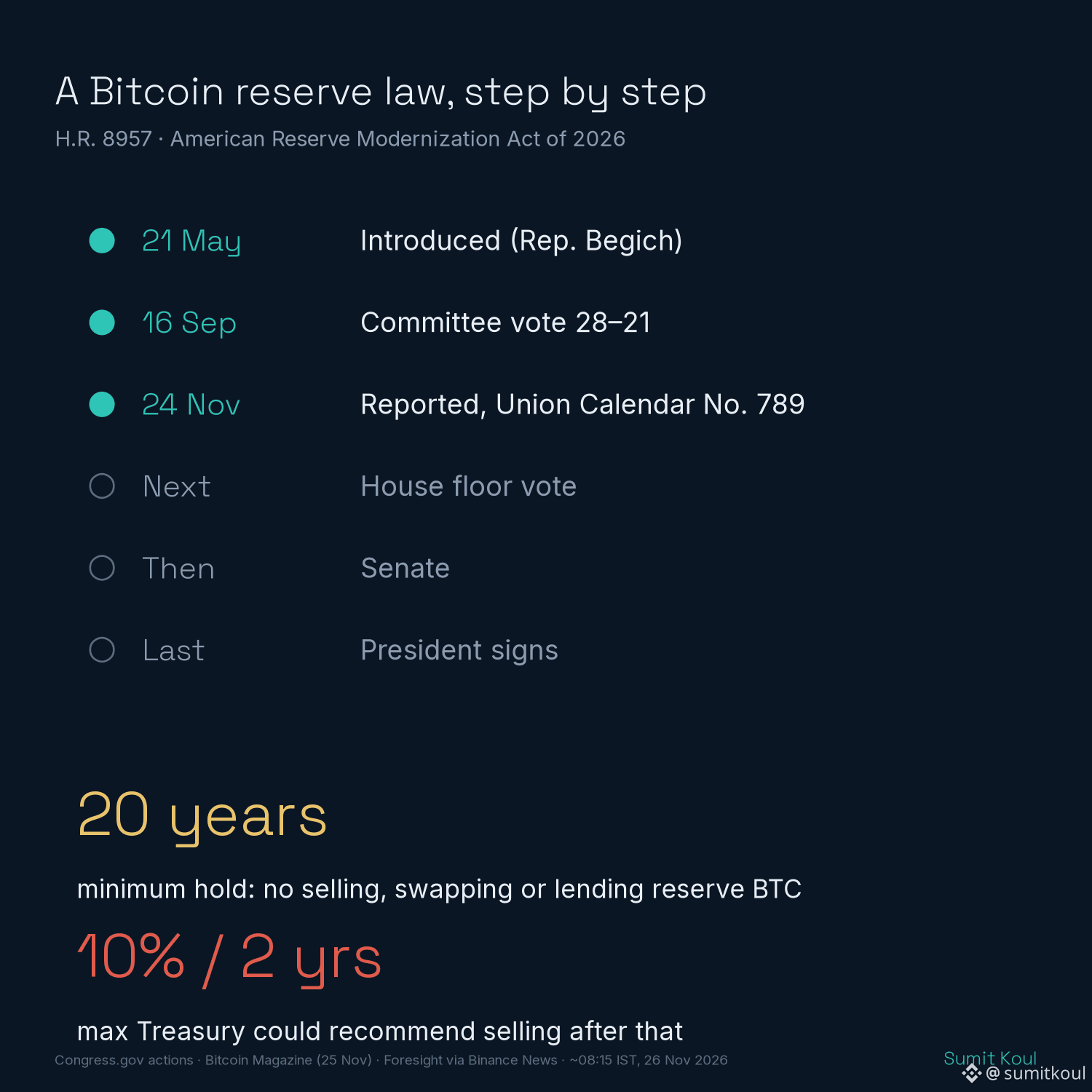
H.R. 8957 hat gerade einen wichtigen Schritt gemacht:
• 21. Mai: eingebracht (Abgeordneter Begich)
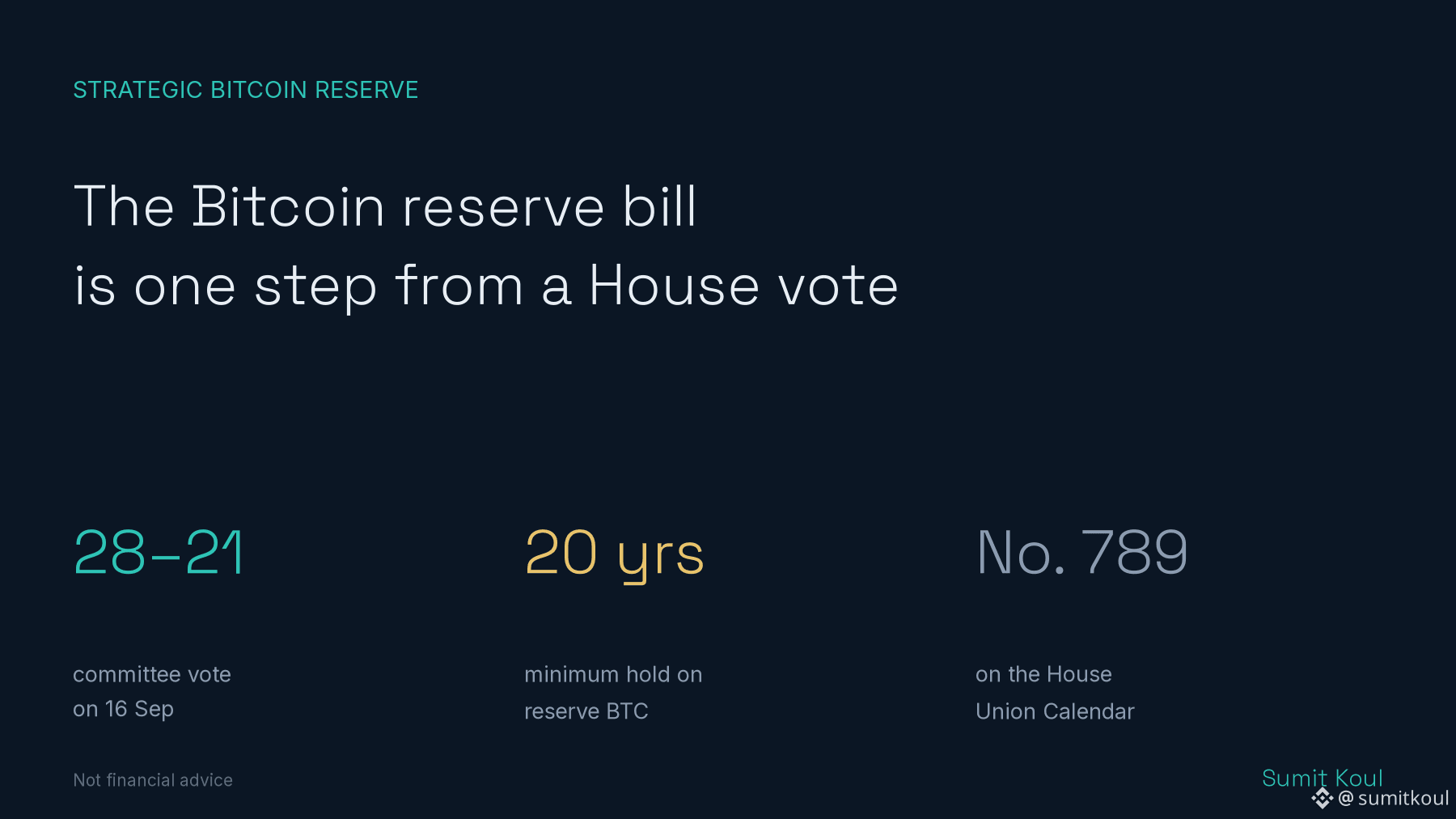
• 16. Sep.: Abstimmung im Ausschuss mit 28–21 Stimmen
• 24. Nov.: vorgelegt, jetzt auf dem Union Calendar des Repräsentantenhauses (Nr. 789)
Das steht drin:
• Vom Staat gehaltene BTC sind mindestens 20 Jahre gesperrt: kein Verkauf, Tausch oder Verleihen
• Danach könnten höchstens 10 % alle 2 Jahre verkauft werden
• Jährlich geprüfter Nachweis der Reserven
• Bundesstaaten können ihre BTC in der Bundesreserve verwahren
Gestrichen wurden: die Vorschläge, Käufe mit Überweisungen der Fed, einer Neubewertung von Gold oder Zöllen zu finanzieren.
Der Entwurf muss noch vom Repräsentantenhaus und anschließend vom Senat gebilligt werden.
Meine vollständige Einschätzung dazu, was das bedeutet (und was nicht): https://www.binance.com/en/square/post/392274292411121
Gut für Bitcoin oder bedeutungslos ohne Käufe? Entscheide dich 👇
Folge mir für Politiknachrichten ohne Hype.
#StrategicBitcoinReserve #Bitcoin #CryptoPolicy
Keine Finanzberatung.
Der US-Gesetzentwurf zur Bitcoin-Reserve sieht ein Verkaufsverbot für 20 Jahre vor. Er beinhaltet KEINE Käufe von $BTC . 🏛️
H.R. 8957 hat gerade einen wichtigen Schritt gemacht:
• 21. Mai: eingebracht (Abgeordneter Begich)
• 16. Sep.: Abstimmung im Ausschuss mit 28–21 Stimmen
• 24. Nov.: vorgelegt, jetzt auf dem Union Calendar des Repräsentantenhauses (Nr. 789)
Das steht drin:
• Vom Staat gehaltene BTC sind mindestens 20 Jahre gesperrt: kein Verkauf, Tausch oder Verleihen
• Danach könnten höchstens 10 % alle 2 Jahre verkauft werden
• Jährlich geprüfter Nachweis der Reserven
• Bundesstaaten können ihre BTC in der Bundesreserve verwahren
Gestrichen wurden: die Vorschläge, Käufe mit Überweisungen der Fed, einer Neubewertung von Gold oder Zöllen zu finanzieren.
Der Entwurf muss noch vom Repräsentantenhaus und anschließend vom Senat gebilligt werden.
Meine vollständige Einschätzung dazu, was das bedeutet (und was nicht): https://www.binance.com/en/square/post/392274292411121
Gut für Bitcoin oder bedeutungslos ohne Käufe? Entscheide dich 👇
Folge mir für Politiknachrichten ohne Hype.
#StrategicBitcoinReserve #Bitcoin #CryptoPolicy
Keine Finanzberatung.
25
·
--
Artikel
Übersetzung ansehen
The Bitcoin Reserve Bill Is One Step From a House Vote. Here's What It Actually SaysA bill that would put the US Strategic Bitcoin Reserve into law moved this week. Most headlines stop at "Bitcoin reserve bill advances." The details are more interesting than that, and a few of them are not what people assume. Here's what happened, what the bill does, and what it doesn't do.
## What happened
The bill is H.R. 8957, the American Reserve Modernization Act of 2026. The timeline, from Congress.gov:
• 21 May 2026: introduced by Rep. Nick Begich (R-Alaska)
• 16 Sep 2026: the House Financial Services Committee voted 28–21 to advance it
• 24 Nov 2026: reported with amendments (House Report 119-894) and placed on the Union Calendar as No. 789
Being on the Union Calendar means it's eligible for a floor vote. It has not had one. If it passes the House, the Senate still has to act before it reaches the president.
According to Bitcoin Magazine, the bill now has 23 cosponsors, including Democrat Jared Golden of Maine, with Byron Donalds and Maria Elvira Salazar added on 24 Nov.
## Doesn't the reserve already exist?
Yes, sort of. A Strategic Bitcoin Reserve was created by Executive Order 14233 in March 2025. The issue is that an executive order can be reversed by the next president. Writing it into a statute makes it much harder to undo. That is the whole point of this bill.
## What the amended bill does
Per the reported text and Bitcoin Magazine's summary:
• Treasury must set up a Strategic Bitcoin Reserve and a separate Digital Asset Stockpile within 180 days of enactment.
• Bitcoin the federal government owns, mostly from forfeitures, moves into the reserve. Other digital assets go to the stockpile.
• The headline: a 20-year minimum hold. During that time, reserve bitcoin can't be "sold, swapped, auctioned, encumbered, or otherwise disposed of for any purpose."
• After 20 years, Treasury could recommend selling up to 10% of the reserve in any two-year period.
• Federal agencies get 60 days to give Treasury a full accounting of the bitcoin and other digital assets they hold or have seized.
• A Proof of Reserve system: an annual public report on holdings, transactions and control of private keys, checked by an independent auditor, with GAO oversight.
• States could store their own bitcoin in segregated accounts inside the federal reserve and keep title to it.
## What it doesn't do
This is the part that matters for anyone expecting a buyer.
The original version asked Treasury and Commerce to study funding bitcoin purchases with things like surplus Federal Reserve remittances, a revaluation of the Fed's gold certificates, tariff revenue and tax payments. The committee removed those options.
The amended study now looks at swapping other digital assets in the stockpile, forfeitures and settlements, and partnerships with states or private entities. It also says nothing in the study authorizes borrowing, pledging government assets as collateral, new taxes or deficit spending to buy bitcoin.
So as written, this is a law about holding what the government already has and not selling it. It is not a law that sends Treasury into the market to buy.
## Why it still matters
Two reasons.
First, supply. A 20-year lock with no selling, lending or encumbering takes government-held coins off the table as a source of future sell pressure. Past government sales have been a recurring headline risk.
Second, transparency. Right now there's no single official public number for how much bitcoin the US government holds across agencies. A mandated accounting plus an annual audited Proof of Reserve would fix that.
## How I'd think about it as a trader
I wouldn't trade the headline. Floor time in the House isn't scheduled, the Senate is a separate fight, and Democrats take over the House Financial Services Committee in January (Rep. Maxine Waters said this week it would investigate the president's crypto businesses, reported via Odaily). The window for this Congress is short.
What I'd watch: whether it gets a floor date before the session ends, whether any more Democrats sign on, and whether a Senate companion moves. Each of those is a real step. "Bill advances" by itself is not.
For context, $BTC is around 61,000 this morning on Binance, after closing yesterday's daily candle at 60,430.
Do you think a 20-year no-sell rule is good for Bitcoin, or does it not matter without buying? Tell me which and why.
I break down policy news like this without the hype. If that's useful, follow me for the next update when this bill moves.
#StrategicBitcoinReserve #Bitcoin #CryptoPolicy
Not financial advice.
The Bitcoin Reserve Bill Is One Step From a House Vote. Here's What It Actually Says
A bill that would put the US Strategic Bitcoin Reserve into law moved this week. Most headlines stop at "Bitcoin reserve bill advances." The details are more interesting than that, and a few of them are not what people assume. Here's what happened, what the bill does, and what it doesn't do.
## What happened
The bill is H.R. 8957, the American Reserve Modernization Act of 2026. The timeline, from Congress.gov:
• 21 May 2026: introduced by Rep. Nick Begich (R-Alaska)
• 16 Sep 2026: the House Financial Services Committee voted 28–21 to advance it
• 24 Nov 2026: reported with amendments (House Report 119-894) and placed on the Union Calendar as No. 789
Being on the Union Calendar means it's eligible for a floor vote. It has not had one. If it passes the House, the Senate still has to act before it reaches the president.
According to Bitcoin Magazine, the bill now has 23 cosponsors, including Democrat Jared Golden of Maine, with Byron Donalds and Maria Elvira Salazar added on 24 Nov.
## Doesn't the reserve already exist?
Yes, sort of. A Strategic Bitcoin Reserve was created by Executive Order 14233 in March 2025. The issue is that an executive order can be reversed by the next president. Writing it into a statute makes it much harder to undo. That is the whole point of this bill.
## What the amended bill does
Per the reported text and Bitcoin Magazine's summary:
• Treasury must set up a Strategic Bitcoin Reserve and a separate Digital Asset Stockpile within 180 days of enactment.
• Bitcoin the federal government owns, mostly from forfeitures, moves into the reserve. Other digital assets go to the stockpile.
• The headline: a 20-year minimum hold. During that time, reserve bitcoin can't be "sold, swapped, auctioned, encumbered, or otherwise disposed of for any purpose."
• After 20 years, Treasury could recommend selling up to 10% of the reserve in any two-year period.
• Federal agencies get 60 days to give Treasury a full accounting of the bitcoin and other digital assets they hold or have seized.
• A Proof of Reserve system: an annual public report on holdings, transactions and control of private keys, checked by an independent auditor, with GAO oversight.
• States could store their own bitcoin in segregated accounts inside the federal reserve and keep title to it.
## What it doesn't do
This is the part that matters for anyone expecting a buyer.
The original version asked Treasury and Commerce to study funding bitcoin purchases with things like surplus Federal Reserve remittances, a revaluation of the Fed's gold certificates, tariff revenue and tax payments. The committee removed those options.
The amended study now looks at swapping other digital assets in the stockpile, forfeitures and settlements, and partnerships with states or private entities. It also says nothing in the study authorizes borrowing, pledging government assets as collateral, new taxes or deficit spending to buy bitcoin.
So as written, this is a law about holding what the government already has and not selling it. It is not a law that sends Treasury into the market to buy.
## Why it still matters
Two reasons.
First, supply. A 20-year lock with no selling, lending or encumbering takes government-held coins off the table as a source of future sell pressure. Past government sales have been a recurring headline risk.
Second, transparency. Right now there's no single official public number for how much bitcoin the US government holds across agencies. A mandated accounting plus an annual audited Proof of Reserve would fix that.
## How I'd think about it as a trader
I wouldn't trade the headline. Floor time in the House isn't scheduled, the Senate is a separate fight, and Democrats take over the House Financial Services Committee in January (Rep. Maxine Waters said this week it would investigate the president's crypto businesses, reported via Odaily). The window for this Congress is short.
What I'd watch: whether it gets a floor date before the session ends, whether any more Democrats sign on, and whether a Senate companion moves. Each of those is a real step. "Bill advances" by itself is not.
For context, $BTC is around 61,000 this morning on Binance, after closing yesterday's daily candle at 60,430.
Do you think a 20-year no-sell rule is good for Bitcoin, or does it not matter without buying? Tell me which and why.
I break down policy news like this without the hype. If that's useful, follow me for the next update when this bill moves.
#StrategicBitcoinReserve #Bitcoin #CryptoPolicy
Not financial advice.
55

·
--
🇺🇸 Der Gesetzentwurf zur Strategischen Bitcoin-Reserve der USA (H.R. 8957, der American Reserve Modernization Act) wurde am 24. November vom Finanzausschuss des Repräsentantenhauses verabschiedet und auf die Tagesordnung des Repräsentantenhauses gesetzt. Die geänderte Fassung sieht vor, dass staatliche Bitcoin in der Reserve mindestens 20 Jahre lang gehalten werden müssen: kein Verkauf, Tausch, keine Versteigerung und keine Belastung.
Ein gesetzlich festgeschriebenes HODL über 20 Jahre?
#Bitcoin #BTC #StrategicBitcoinReserve
Ein gesetzlich festgeschriebenes HODL über 20 Jahre?
#Bitcoin #BTC #StrategicBitcoinReserve
111

·
--
🚨 324,527 BTC KÖNNTEN 20 JAHRE LANG GESPERRT BLEIBEN 🔒
Der Finanzausschuss des US-Repräsentantenhauses hat den American Reserve Modernization Act (H.R. 8957) weitergeleitet – den Gesetzentwurf, der die Strategische Bitcoin-Reserve im Bundesrecht verankern würde (Bitcoin Magazine). Der Ausschuss stimmte am 16. September mit 28 zu 21 Stimmen dafür. Am 24. November wurde der Entwurf in den Union Calendar aufgenommen und kann damit im Plenum des Repräsentantenhauses abgestimmt werden.
📊 DIE ENTSCHEIDENDEN ZAHLEN
Bestände der US-Regierung: ~324,527 BTC (Schätzung von Arkham)
Sperrfrist: 20 Jahre, Verkauf, Tausch oder Versteigerung sind untersagt
Frist für die Einrichtung: Das Finanzministerium muss die Reserve innerhalb von 180 Tagen nach Inkrafttreten einrichten
Warum das wichtig ist: Derzeit besteht die Reserve nur aufgrund einer Exekutivverordnung vom März 2025, die ein künftiger Präsident mit einer einzigen Unterschrift widerrufen kann. Ein Gesetz lässt sich deutlich schwerer rückgängig machen. Wird der Entwurf verabschiedet, bleiben rund 324.000 BTC aus beschlagnahmten Coins eine Generation lang vom Markt fern, und die Frage nach dem Verkaufsdruck, die auf jede große Beschlagnahmung in den USA folgt, stellt sich nicht mehr.
⚠️ Der Haken: Der Gesetzentwurf erlaubt keinerlei Käufe. Er weist das Finanz- und das Handelsministerium lediglich an zu prüfen, ob weitere Käufe ohne Kosten für die Steuerzahler möglich wären. Es handelt sich um ein Gesetz zur Sperrung der Bestände, nicht um ein Kaufprogramm – und es muss noch vom gesamten Repräsentantenhaus und anschließend vom Senat verabschiedet werden.
In der Zwischenzeit wird $BTC bei 60.815 $ gehandelt, 2,05 % höher innerhalb von 24 Stunden, nachdem der Kurs am Mittwoch nach der Veröffentlichung der PCE-Daten auf 57.540 $ gefallen war. Der Fear-&-Greed-Index liegt bei 11 (extreme Angst). Spot-BTC-ETFs verzeichneten am 25. November weiterhin Abflüsse in Höhe von 74 Mio. $ (AlphaFinance).
Fazit: Die Reserve wird nicht länger nur eine Pressemitteilung sein, sondern nimmt zunehmend Gesetzesform an – doch die Kaufabsicht bleibt weiterhin hypothetisch.
Ändert eine Sperrfrist von 20 Jahren deine langfristige Einschätzung, oder ist das bloß Politik? Stimme ab: GESETZ 🟢 / RAUSCHEN 🔴
Keine Anlageberatung. Informiere dich selbst.
#crypto #Bitcoin #StrategicBitcoinReserve

94

·
--
Washington hat Bitcoin gerade einen Schritt näher an die Gesetzbücher gebracht — und der Markt hat kaum mit der Wimper gezuckt.
Der American Reserve Modernization Act (H.R. 8957) wurde am 24. Nov. formell vorgelegt (H. Rept. 119-894) und auf den Union Calendar gesetzt — jetzt kann im Plenum des Repräsentantenhauses darüber abgestimmt werden. Der Gesetzentwurf von Abgeordnetem Nick Begich würde die US-amerikanische Strategische Bitcoin-Reserve gesetzlich verankern: Das Finanzministerium müsste die Reserve sowie einen separaten Bestand an digitalen Vermögenswerten innerhalb von 180 Tagen einrichten.
Das Kernstück ist eine 20-jährige Sperrfrist — kein Bitcoin aus der Reserve dürfte zwei Jahrzehnte lang verkauft, getauscht, versteigert oder belastet werden. Der Haken: Anders als Senatorin Lummis’ BITCOIN Act enthält dieser Gesetzentwurf keine Vorgabe, 1 Million BTC zu kaufen. Die Reserve würde mit Bitcoin bestückt, den die Regierung bereits besitzt oder beschlagnahmt. Das Finanzministerium hat noch keinen gekauft; die Reserve besteht bislang nur aufgrund einer Verfügung der Regierung vom März 2025.
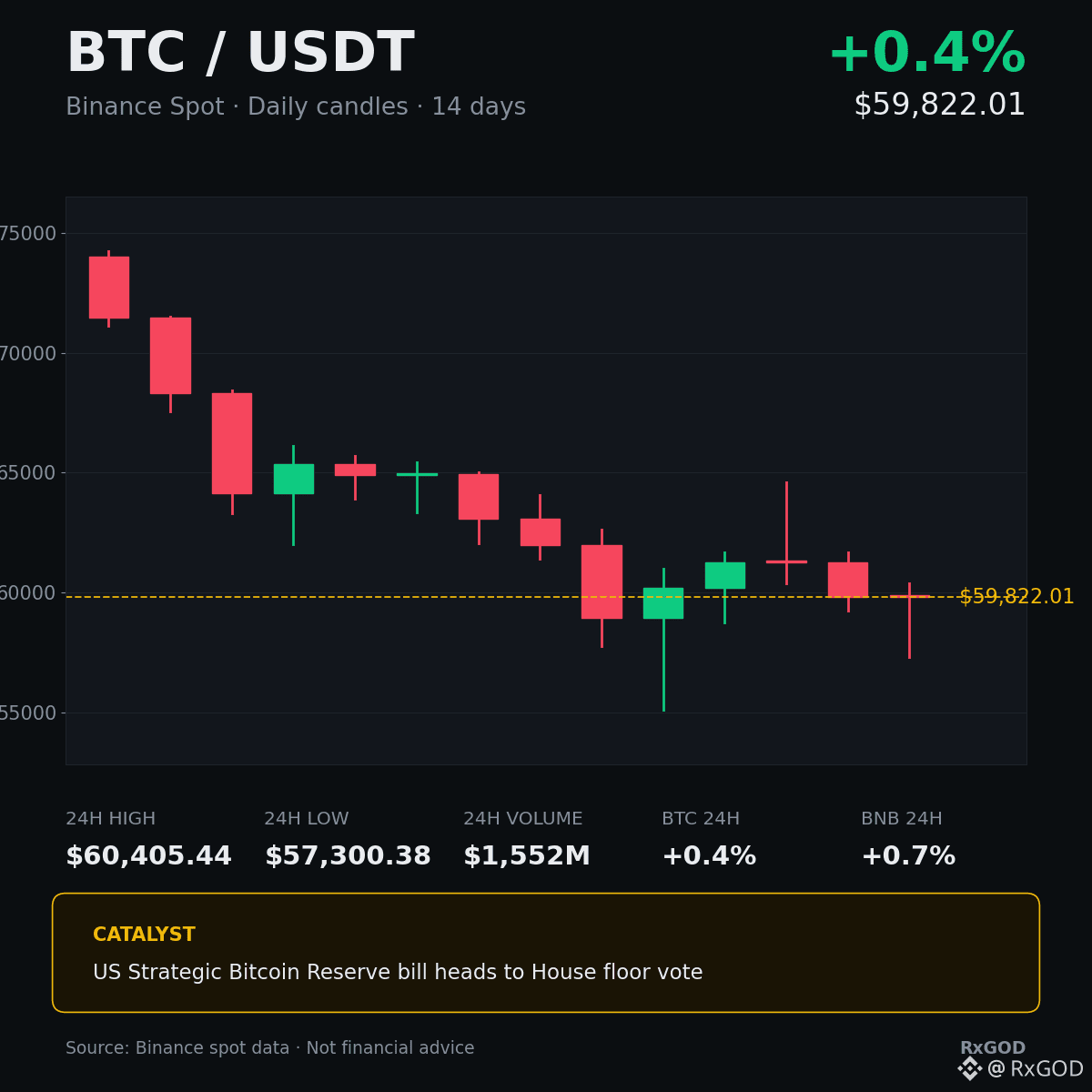
Der Gesetzentwurf muss noch im Plenum des Repräsentantenhauses verabschiedet werden, den Senat passieren und vom Präsidenten unterzeichnet werden — und in einer Übergangssitzung ist nichts garantiert. Währenddessen notiert $BTC bei 59.822 $, ein Plus von 0,4 % innerhalb von 24 Stunden, nachdem der Kurs von einem Tief bei 57.300 $ abgeprallt war und bei 60.405 $ zurückgewiesen wurde. Er liegt erst bei 24 % seiner 14-Tage-Spanne (55.130–74.811 $), während der Fear-&-Greed-Index bei 9 steht — extreme Angst.
Wenn der Gesetzentwurf verabschiedet wird: Ist eine 20-jährige staatliche Sperrfrist ein echter struktureller Nachfrageimpuls für Bitcoin — oder nur Symbolpolitik, bis das Finanzministerium tatsächlich kauft? Und was kommt zuerst: die Rückeroberung von 60.000 $ oder ein erneuter Test der 55.000-$-Marke? Sag mir, wie du dazu stehst.
Keine Anlageberatung — DYOR.
#StrategicBitcoinReserve #ExtremeFear #CryptoNews #BTC
3
·
--
🏛️ Ehemaliger Krypto-Beamter des Weißen Hauses: Die USA brauchen die ausdrückliche Zustimmung des Kongresses, um Bitcoin zu kaufen
Patrick Witt, ehemaliger geschäftsführender Direktor des Krypto-Rats des Weißen Hauses, sagte in einem Interview mit What Bitcoin Did, dass Präsident Trump daran interessiert sei, die Bitcoin-Bestände der Regierung aufzustocken. Es bleiben jedoch rechtliche Fragen dazu, ob die Regierung BTC direkt am offenen Markt kaufen kann und wie dies möglich ist, ohne den Markt aufzuschrecken. Witt sagte, die Regierung wolle die Strategische Bitcoin-Reserve gesetzlich verankern und sich die ausdrückliche Genehmigung des Kongresses sichern, da dieser über die Haushaltsmittel entscheidet. Ein zu frühes Vorgehen, warnte er, könnte Abgeordnete dazu veranlassen, ein Verbot solcher Käufe in den National Defense Authorization Act aufzunehmen.
⭐ Die Hoffnung auf direkte Bitcoin-Käufe der US-Regierung hängt nun vom Kongress ab. Damit ist eine kurzfristige staatliche Nachfrage nach BTC weniger wahrscheinlich, als viele Optimisten erwartet hatten.
#Bitcoin #BTC #StrategicBitcoinReserve #KryptoPolitik
73

·
--
DIE US-REGIERUNG HAT SOEBEN ABGESTIMMT, UM BITCOIN ZU KAUFEN. 🚨
Heute hat der US- Ausschuss für Finanzdienstleistungen des Repräsentantenhauses einen Gesetzentwurf mit 28-21 angenommen, um eine offizielle Strategic Bitcoin Reserve zu schaffen.
Für Einsteiger bedeutet das: Die US-Regierung würde offiziell damit beginnen, Bitcoin zu kaufen und als nationale Reserve zu halten. Wie Gold. Nur eben Bitcoin.
Überleg dir, was das bedeutet:
🏦 Dieselbe Regierung, die versucht hat, Krypto aus der Existenz zu regulieren, stimmt jetzt dafür, ES ZU EIGEN
📈 Wenn das Gesetz wird, wird die US-Regierung zu einem der größten Bitcoin-Käufer auf dem Planeten
🌍 Andere Länder müssten folgen oder würden zurückgelassen
💰 Der Kurs-Boden für Bitcoin ändert sich für immer, wenn eine Regierung es dauerhaft kauft.
Das ist NICHT die endgültige Abstimmung. Es muss noch das gesamte Repräsentantenhaus und den Senat passieren. Aber eine Ausschuss-Abstimmung mit 28-21 ist der erste echte Schritt.
In der Zwischenzeit heute:
→ Die SEC sagte, sie werde Krypto regulieren – mit oder ohne den CLARITY Act
→ Deutsche Bank hat gerade Krypto-Custody für Institutionen in Europa gestartet
→ Die Bank of Japan entscheidet MORGEN die Zinsen, was globale Märkte erschüttern könnte
Der CLARITY Act wurde am Montag blockiert. Die Fed hat gestern die Zinsen erhöht. Und heute stimmt die Regierung dafür, Bitcoin zu kaufen.
Diese Woche war die wichtigste Woche in der Geschichte von Krypto. 👀
Glaubst du, dass die Strategic Bitcoin Reserve Gesetz wird? 👇
$BTC $ETH $XRP #Bitcoin #StrategicBitcoinReserve #CryptoNews #BinanceSquare #BTCReserve
103

·
--
Artikel
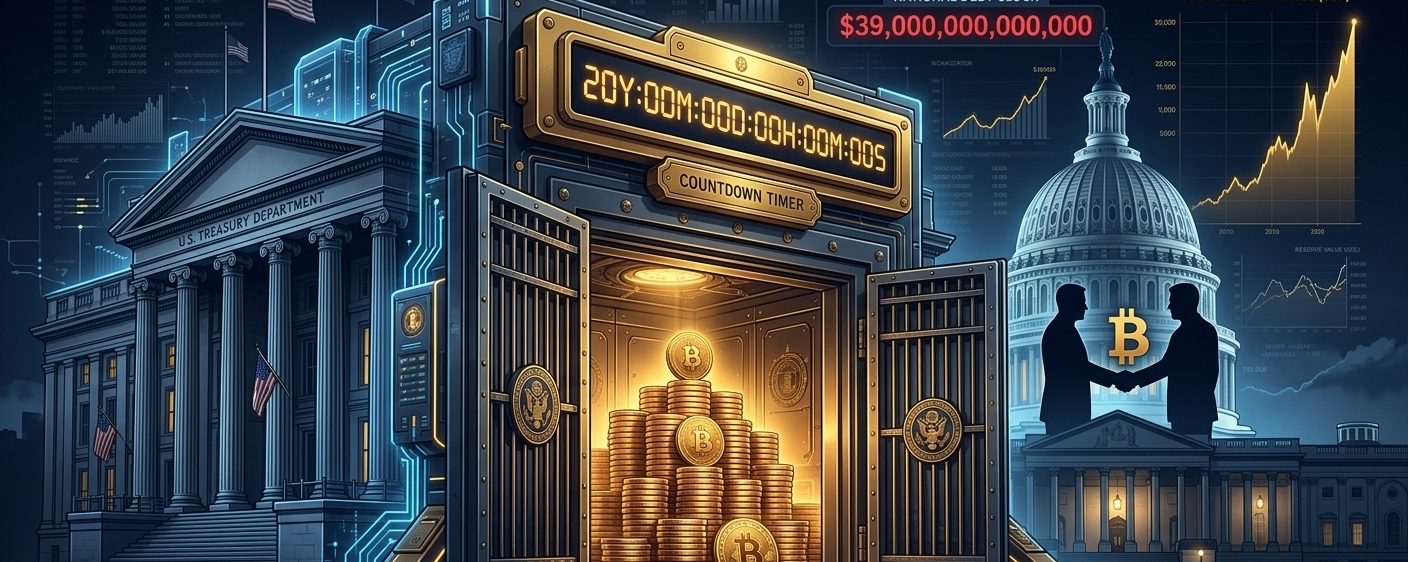
🏛️ Kongress Bewegt Sich, 1 Million Bitcoin für 20 Jahre zu Sperren - Amerika Setzt auf BTC als Souveräne Reserve#ARMABillIntroducedWith20YrLockup
Am 21. Mai 2026 haben die Abgeordneten Nick Begich (R-AK) und Jared Golden (D-ME) formal den American Reserve Modernization Act von 2026 (ARMA) vorgestellt, der sofort von einer parteiübergreifenden Koalition von mehr als 16 Mitunterzeichnern unterstützt wurde, was ihn zum umfangreichsten Push für Bitcoin-Reserven im US-Kongress macht.
📊 Die Kernbestimmungen:
ARMA würde verlangen, dass alle Bitcoin, die in die Strategische Reserve eingezahlt werden, dort für mindestens 20 Jahre bleiben müssen, wobei die Regierung ausdrücklich daran gehindert wird, die Vermögenswerte aus "zu verkaufen, zu tauschen, zu versteigern, zu belasten oder anderweitig zu veräußern" aus irgendwelchen Gründen.
🏛️ Kongress Bewegt Sich, 1 Million Bitcoin für 20 Jahre zu Sperren - Amerika Setzt auf BTC als Souveräne Reserve
#ARMABillIntroducedWith20YrLockup
Am 21. Mai 2026 haben die Abgeordneten Nick Begich (R-AK) und Jared Golden (D-ME) formal den American Reserve Modernization Act von 2026 (ARMA) vorgestellt, der sofort von einer parteiübergreifenden Koalition von mehr als 16 Mitunterzeichnern unterstützt wurde, was ihn zum umfangreichsten Push für Bitcoin-Reserven im US-Kongress macht.
📊 Die Kernbestimmungen:
ARMA würde verlangen, dass alle Bitcoin, die in die Strategische Reserve eingezahlt werden, dort für mindestens 20 Jahre bleiben müssen, wobei die Regierung ausdrücklich daran gehindert wird, die Vermögenswerte aus "zu verkaufen, zu tauschen, zu versteigern, zu belasten oder anderweitig zu veräußern" aus irgendwelchen Gründen.
1
1
236

$BTC
{spot}(BTCUSDT)
#ARMAStrategicBitcoinReserve
**🏛️ US-Bundesstaaten bewegen sich, um souveräne Krypto-Vorräte aufzubauen**
Nach der Einrichtung des bundesstaatlichen US-Strategischen Bitcoin-Reserve bewegen sich die Landesregierungen in ganz Amerika aggressiv vorwärts mit ihren eigenen **"Asset Reserve Management Acts" (ARMA)**, um souveräne digitale Vorräte zu sichern.
**⚡ Die Highlights**
* **Der Anstieg auf Landesebene:** Inspiriert durch die bundesstaatliche Exekutivverordnung von Präsident Trump haben über 16 US-Bundesstaaten Gesetze auf Landesebene für ARMA eingeführt oder verabschiedet. Das ermöglicht es den Staatskassen, Bitcoin direkt als Absicherung gegen Inflation und systemische wirtschaftliche Risiken zu halten.
* **Die Kapitalisierungsstruktur:** Anstatt Steuergelder für spekulative Marktkäufe zu verwenden, konzentrieren sich die standardisierten ARMA-Rahmenbedingungen der Bundesstaaten auf eine budgetneutrale Kapitalisierung. Staaten wie Arizona nutzen staatliche Mittel aus der Beschlagnahmung von Kriminalitätsvermögen, um beschlagnahmte Krypto direkt in ihre dauerhaften souveränen Fonds aufzunehmen.
* **Die wirtschaftlichen Sicherheitsnetze:** Um die Staatsfinanzen vor der Volatilität von Vermögenswerten zu schützen, verfügen diese Reservengesetze typischerweise über explizite Sicherheitsnetze. Die Gesetzgebung sperrt die angesammelten BTC für einen mehrjährigen HODL-Zeitraum – behandelt den digitalen Vermögenswert mit den gleichen langfristigen Verwahrstandards, die auf staatliche Gold- und physische Edelmetallreserven angewendet werden.
#StrategicBitcoinReserve #CryptoRegulation #BinanceSquare #Write2Earn
$BTC
#ARMAStrategicBitcoinReserve
**🏛️ US-Bundesstaaten bewegen sich, um souveräne Krypto-Vorräte aufzubauen**
Nach der Einrichtung des bundesstaatlichen US-Strategischen Bitcoin-Reserve bewegen sich die Landesregierungen in ganz Amerika aggressiv vorwärts mit ihren eigenen **"Asset Reserve Management Acts" (ARMA)**, um souveräne digitale Vorräte zu sichern.
**⚡ Die Highlights**
* **Der Anstieg auf Landesebene:** Inspiriert durch die bundesstaatliche Exekutivverordnung von Präsident Trump haben über 16 US-Bundesstaaten Gesetze auf Landesebene für ARMA eingeführt oder verabschiedet. Das ermöglicht es den Staatskassen, Bitcoin direkt als Absicherung gegen Inflation und systemische wirtschaftliche Risiken zu halten.
* **Die Kapitalisierungsstruktur:** Anstatt Steuergelder für spekulative Marktkäufe zu verwenden, konzentrieren sich die standardisierten ARMA-Rahmenbedingungen der Bundesstaaten auf eine budgetneutrale Kapitalisierung. Staaten wie Arizona nutzen staatliche Mittel aus der Beschlagnahmung von Kriminalitätsvermögen, um beschlagnahmte Krypto direkt in ihre dauerhaften souveränen Fonds aufzunehmen.
* **Die wirtschaftlichen Sicherheitsnetze:** Um die Staatsfinanzen vor der Volatilität von Vermögenswerten zu schützen, verfügen diese Reservengesetze typischerweise über explizite Sicherheitsnetze. Die Gesetzgebung sperrt die angesammelten BTC für einen mehrjährigen HODL-Zeitraum – behandelt den digitalen Vermögenswert mit den gleichen langfristigen Verwahrstandards, die auf staatliche Gold- und physische Edelmetallreserven angewendet werden.
#StrategicBitcoinReserve #CryptoRegulation #BinanceSquare #Write2Earn
2
2
278

Die US-Regierung setzt große Erwartungen auf Bitcoin
Der Ausschuss für Finanzdienstleistungen des US-Repräsentantenhauses wird über einen richtungsweisenden Gesetzentwurf abstimmen, der eine bundesweite „Strategische Bitcoin-Reserve“ mit einer verbindlichen Haltedauer von 20 Jahren schaffen würde.
#StrategicBitcoinReserve #BitcoinReserve
Der Ausschuss für Finanzdienstleistungen des US-Repräsentantenhauses wird über einen richtungsweisenden Gesetzentwurf abstimmen, der eine bundesweite „Strategische Bitcoin-Reserve“ mit einer verbindlichen Haltedauer von 20 Jahren schaffen würde.
#StrategicBitcoinReserve #BitcoinReserve

33


Artikel
US-STRATEGISCHES BITCOIN-RESERVEGesetz schreitet im Kongress voran!🔥 US-STRATEGISCHES BITCOIN-RESERVEGesetz schreitet im Kongress voran! 🚨
Große Entwicklungen entfalten sich gerade in der US-Krypto-Regulierungslandschaft! Nach der von Präsident Donald Trump erlassenen Executive Order zur Einrichtung der US-Strategischen Bitcoin-Reserve hat der Kongress einen entscheidenden Schritt nach vorn gemacht: Der Ausschuss für Finanzdienstleistungen des Repräsentantenhauses hat dafür gestimmt, das American Reserve Modernization Act (ARMA) voranzubringen.
Mit diesem Gesetz soll die Regierung offiziell ihre 328.000+ BTC-Bestände für 20 Jahre in einen permanenten nationalen Tresor „einsperren“ — und damit effektiv Zehnermilliarden von Dollar an Verkaufsdruck vom Markt nehmen!
US-STRATEGISCHES BITCOIN-RESERVEGesetz schreitet im Kongress voran!
🔥 US-STRATEGISCHES BITCOIN-RESERVEGesetz schreitet im Kongress voran! 🚨
Große Entwicklungen entfalten sich gerade in der US-Krypto-Regulierungslandschaft! Nach der von Präsident Donald Trump erlassenen Executive Order zur Einrichtung der US-Strategischen Bitcoin-Reserve hat der Kongress einen entscheidenden Schritt nach vorn gemacht: Der Ausschuss für Finanzdienstleistungen des Repräsentantenhauses hat dafür gestimmt, das American Reserve Modernization Act (ARMA) voranzubringen.
Mit diesem Gesetz soll die Regierung offiziell ihre 328.000+ BTC-Bestände für 20 Jahre in einen permanenten nationalen Tresor „einsperren“ — und damit effektiv Zehnermilliarden von Dollar an Verkaufsdruck vom Markt nehmen!
1
187

💥 Eine kleine US-Bitcoin-Überweisung legt die Feinheiten hinter Trumps „nie verkaufen“-Reserve offen
Eine kleine Bitcoin-Überweisung, die mit Vermögenswerten verknüpft ist, die von Alameda Research beschlagnahmt wurden, hat eine wichtige Unterscheidung im US Strategic Bitcoin Reserve hervorgehoben: staatlich kontrolliertes BTC ist nicht automatisch „reservegeschütztes“ BTC.
Trumps Executive Order vom März 2025 besagt, dass Bitcoin, das in die Strategic Bitcoin Reserve eingezahlt wird, nicht verkauft werden darf. Allerdings kann BTC, das lediglich beschlagnahmt wurde oder das noch in Verfahren zur Einziehung (forfeiture) verwickelt ist, weiterhin gesetzlichen Verpflichtungen unterliegen – einschließlich Wiedergutmachung an Opfer (victim restitution).
Gerichtsakten, die mit dem Alameda-Fall verknüpft sind, führen ungefähr 683,7 BTC an „native“ Bitcoin auf, die aus Binance.US-Konten beschlagnahmt wurden. Einige dieser Coins könnten schließlich für die Reserve infrage kommen, während andere zur Erfüllung von Wiedergutmachungsansprüchen oder anderer rechtlicher Anforderungen genutzt werden. Die aktuellste Überweisung beweist daher nicht, dass die USA Reserve-Bitcoin verkaufen.
#Bitcoin #StrategicBitcoinReserve #Alameda
#ThuyBNB
$BTC $BNB
1
38

·
--
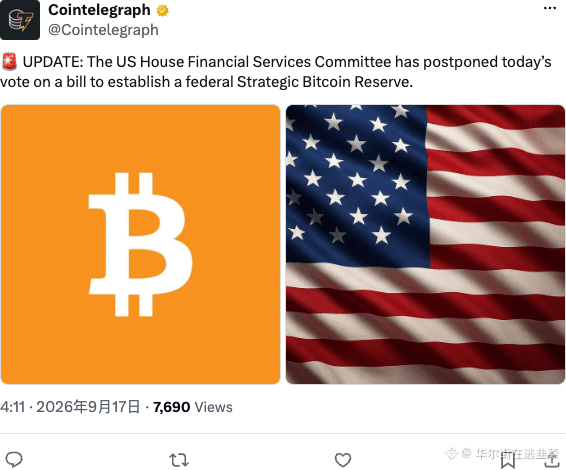
Das Finanzdienstleistungskomitee des US-Repräsentantenhauses hat heute die Abstimmung über den Gesetzentwurf zur Schaffung einer föderalen strategischen Bitcoin-Reserve verschoben.
Gute Nachrichten sind wieder verschoben. Noch kein Grund zum schnellen Schimpfen: Dieser Prozess ist ohnehin langsam. Die Ausschussabstimmung ist nur die erste Hürde; danach kommen noch die Abstimmung im gesamten Repräsentantenhaus, der Senat und die Unterschrift des Präsidenten. Kurzfristig ist die Stimmung eher bärisch, aber Bitcoin steigt nie dadurch, dass Washington ihn füttert. Beobachte die tatsächlichen Fortschritte weiter und lass dich nicht von einer einzigen Verschiebung aus dem Kurs bringen.
$BTC #StrategicBitcoinReserve
158

·
--
🇺🇸 Strategische Bitcoin-Reserve: Wie ist der Stand?
📌 Im März 2025 unterzeichnete Trump eine Anordnung zur Einrichtung einer Strategischen Bitcoin-Reserve. Die USA behalten die rund 200.000 BTC, die sie bereits beschlagnahmt haben.
📌 Geplant war, die Reserve ohne Kosten für die Steuerzahler um weitere BTC aufzustocken. Käufe am offenen Markt stoßen jedoch auf rechtliche Hürden.
📌 Unterdessen ist der CLARITY Act (Gesetzentwurf zur Marktstruktur) weiterhin das wichtigste Thema, das man im Kongress im Auge behalten sollte.
📊 Politische Schlagzeilen bewegen den Markt schnell, doch die Kursentwicklung folgt nicht immer den Nachrichten. Achte auf die Fakten, nicht auf den Hype.
💬 Sollte die US-Regierung weitere Bitcoin kaufen oder nur die bereits vorhandenen halten? Schreib uns unten 👇
#Bitcoin #StrategicBitcoinReserve #TRUMP #CLARITYAct #BinanceSquareFamily $BTC $ETH $USDC
⚠️ Keine Finanzberatung.

1
1
243

·
--
Bärisch
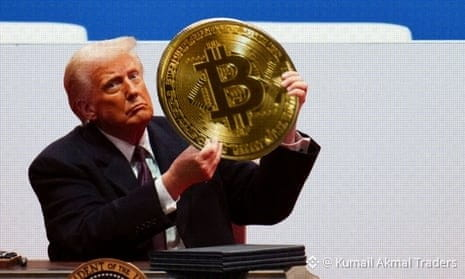
🚨🚨🚨🇺🇸 Trump und Bitcoin: Kann die USA $BTC nutzen, um 35 Billionen US-Dollar Staatsschulden zu bewältigen?₿🔥
Donald Trump hat eine bemerkenswerte Idee ins Spiel gebracht: Könnten die USA künftig einen Teil oder sogar ihre gesamten Staatsschulden zurückzahlen, indem sie ihren Gläubigern Bitcoin anbieten?
Auf den ersten Blick scheint diese Vorstellung kaum glaubhaft. Doch sie spiegelt einen bemerkenswerten Trend wider.
Trump ist der Ansicht, dass Bitcoin angesichts seines steigenden Werts und seines wachsenden globalen Einflusses zu einem wichtigen strategischen Finanzvermögenswert werden könnte, der den USA dabei hilft, Vermögen aufzubauen und ihre langfristige Finanzkraft zu stärken.
Tatsächlich haben die USA bereits entsprechende Schritte unternommen. Im März 2025 unterzeichnete Trump eine Durchführungsverordnung, mit der die Strategische Bitcoin-Reserve der USA (Strategic Bitcoin Reserve) offiziell eingerichtet wurde.
Meiner persönlichen Meinung nach überdenken Regierungen weltweit den Wert von Bitcoin. Die Kryptowährung steht nicht mehr nur bei privaten Anlegern im Fokus, sondern wird zunehmend zu einem wichtigen Bestandteil der Diskussionen über nationales Vermögen, Finanzstrategie und globalen wirtschaftlichen Einfluss.
Natürlich kann Bitcoin die enorme Staatsverschuldung der USA nicht einfach beseitigen. Dennoch verdient seine Rolle in der nationalen Finanzstrategie zunehmend Aufmerksamkeit.
💭 **Glaubst du, dass Bitcoin künftig zu einem wichtigen strategischen Reservevermögenswert für Länder wird? Könnten die USA ihre Schuldensituation tatsächlich mithilfe von BTC verändern?**
Teile deine Meinung gerne in den Kommentaren!
❤️ Like, kommentiere und folge uns, um weitere Informationen zum Kryptomarkt zu erhalten!
#Bitcoin #BTC #Trump #CryptoNews #StrategicBitcoinReserve #US-Staatsverschuldung #Bitcoin #加密货币
{spot}(BTCUSDT)
🚨🚨🚨🇺🇸 Trump und Bitcoin: Kann die USA $BTC nutzen, um 35 Billionen US-Dollar Staatsschulden zu bewältigen?₿🔥
Donald Trump hat eine bemerkenswerte Idee ins Spiel gebracht: Könnten die USA künftig einen Teil oder sogar ihre gesamten Staatsschulden zurückzahlen, indem sie ihren Gläubigern Bitcoin anbieten?
Auf den ersten Blick scheint diese Vorstellung kaum glaubhaft. Doch sie spiegelt einen bemerkenswerten Trend wider.
Trump ist der Ansicht, dass Bitcoin angesichts seines steigenden Werts und seines wachsenden globalen Einflusses zu einem wichtigen strategischen Finanzvermögenswert werden könnte, der den USA dabei hilft, Vermögen aufzubauen und ihre langfristige Finanzkraft zu stärken.
Tatsächlich haben die USA bereits entsprechende Schritte unternommen. Im März 2025 unterzeichnete Trump eine Durchführungsverordnung, mit der die Strategische Bitcoin-Reserve der USA (Strategic Bitcoin Reserve) offiziell eingerichtet wurde.
Meiner persönlichen Meinung nach überdenken Regierungen weltweit den Wert von Bitcoin. Die Kryptowährung steht nicht mehr nur bei privaten Anlegern im Fokus, sondern wird zunehmend zu einem wichtigen Bestandteil der Diskussionen über nationales Vermögen, Finanzstrategie und globalen wirtschaftlichen Einfluss.
Natürlich kann Bitcoin die enorme Staatsverschuldung der USA nicht einfach beseitigen. Dennoch verdient seine Rolle in der nationalen Finanzstrategie zunehmend Aufmerksamkeit.
💭 **Glaubst du, dass Bitcoin künftig zu einem wichtigen strategischen Reservevermögenswert für Länder wird? Könnten die USA ihre Schuldensituation tatsächlich mithilfe von BTC verändern?**
Teile deine Meinung gerne in den Kommentaren!
❤️ Like, kommentiere und folge uns, um weitere Informationen zum Kryptomarkt zu erhalten!
#Bitcoin #BTC #Trump #CryptoNews #StrategicBitcoinReserve #US-Staatsverschuldung #Bitcoin #加密货币
56

🚨 Das Weiße Haus hat gerade signalisiert, dass eine Bitcoin-Reserve-Ankündigung bevorsteht.
"In den nächsten Wochen."
Diese vier Worte haben alles verändert.
Patrick Witt, Mitglied des Beratungsgremiums des Präsidenten für digitale Vermögenswerte, hat das nicht geleakt. Er hat es angekündigt. Absichtlich. Das ist kein Gerücht. Das ist ein Signal.
Die US-Regierung wird Bitcoin offiziell genauso behandeln wie Gold.
Lass das für einen Moment in deinem Kopf nachwirken.
Jeder Staatsfonds schaut zu. Jede Zentralbank macht sich Notizen. Jeder institutionelle Anleger, der auf "regulatorische Klarheit" gewartet hat, bekommt jetzt sein grünes Licht.
Die Strategische Bitcoin-Reserve ist keine Krypto-Geschichte mehr.
Es ist eine geopolitische Geschichte. Eine Geschichte über Geldpolitik. Eine Geschichte darüber, was mit dem Dollar passiert.
Und die Ankündigung ist noch nicht einmal gefallen.
Wenn sie kommt, wird es ein Vorher und Nachher geben. Zwei Arten von Investoren: diejenigen, die verstanden haben, was kommt, und diejenigen, die es aus den Nachrichten erfahren.
Die Uhr tickt in Wochen, nicht in Jahren.
#Bitcoin #StrategicBitcoinReserve #BTC #Crypto #Geopolitics
63

·
--
Aktualisierung der US Bitcoin-Reserven Erwartet "In Den Nächsten Wochen" 💰🪙
Der Berater für digitale Vermögenswerte des Weißen Hauses, Patrick Witt, sagt, dass bald eine Ankündigung zur strategischen Bitcoin-Reserve kommt und verweist auf Sicherheitslücken in der aktuellen bundesstaatlichen Krypto-Verwahrung.
Aktueller Status
➡️ Bestandsaufnahme Im Gange: Das Weiße Haus prüft Krypto, das über verschiedene Behörden gehalten wird, nachdem das EO von Trump "Feuerverkaufs"-Liquidationen gestoppt hat
➡️ Sicherheitsprobleme: Witt: „Kaltes Wallet in Schubladen von Schreibtischen gelagert.“ US-Marshals nutzen dies Ende 2025 aus und verlieren über 60 Millionen Dollar, einschließlich beschlagnahmter Wallets
➡️ Größe Unbekannt: Witt lehnte es ab, Bestände offenzulegen. Priorität: „Zuerst unser eigenes Haus in Ordnung bringen“ + ordnungsgemäße Verwahrung
So Funktioniert Es
➡️ Nicht Automatisch: Beschlagnahmte Krypto bleibt ausstehend, bis die Einziehung abgeschlossen ist. Möglicherweise geht es zuerst an die Entschädigung der Opfer, bevor es zur SBR oder zu einem separaten Krypto-Vorrat geht
➡️ Rechtliche Überprüfung: Behörden prüfen die Befugnis zur Verwaltung von Vermögenswerten, Dauer und das Risiko einer Rückforderung durch den Kongress. „Das wurde wirklich nicht erkundet, bis der Präsident die Exekutive erlassen hat“
Benötigt Gesetzgebung
➡️ Gesetze: Der BITCOIN-Gesetzentwurf von Sen. Lummis + der American Reserves Modernization Act von Rep. Begich im Haus
➡️ Witt: „Es muss immer mit ordnungsgemäßer Gesetzgebung nachgehalten werden.“ Zeitrahmen unklar, da die Kapazität des Kongresses begrenzt ist
#StrategicBitcoinReserve #USBitcoinReserve #AmericanReservesModernizationAct #DigitalAssetPolicy #GovernmentBitcoin
$BTC
{future}(BTCUSDT)
Aktualisierung der US Bitcoin-Reserven Erwartet "In Den Nächsten Wochen" 💰🪙
Der Berater für digitale Vermögenswerte des Weißen Hauses, Patrick Witt, sagt, dass bald eine Ankündigung zur strategischen Bitcoin-Reserve kommt und verweist auf Sicherheitslücken in der aktuellen bundesstaatlichen Krypto-Verwahrung.
Aktueller Status
➡️ Bestandsaufnahme Im Gange: Das Weiße Haus prüft Krypto, das über verschiedene Behörden gehalten wird, nachdem das EO von Trump "Feuerverkaufs"-Liquidationen gestoppt hat
➡️ Sicherheitsprobleme: Witt: „Kaltes Wallet in Schubladen von Schreibtischen gelagert.“ US-Marshals nutzen dies Ende 2025 aus und verlieren über 60 Millionen Dollar, einschließlich beschlagnahmter Wallets
➡️ Größe Unbekannt: Witt lehnte es ab, Bestände offenzulegen. Priorität: „Zuerst unser eigenes Haus in Ordnung bringen“ + ordnungsgemäße Verwahrung
So Funktioniert Es
➡️ Nicht Automatisch: Beschlagnahmte Krypto bleibt ausstehend, bis die Einziehung abgeschlossen ist. Möglicherweise geht es zuerst an die Entschädigung der Opfer, bevor es zur SBR oder zu einem separaten Krypto-Vorrat geht
➡️ Rechtliche Überprüfung: Behörden prüfen die Befugnis zur Verwaltung von Vermögenswerten, Dauer und das Risiko einer Rückforderung durch den Kongress. „Das wurde wirklich nicht erkundet, bis der Präsident die Exekutive erlassen hat“
Benötigt Gesetzgebung
➡️ Gesetze: Der BITCOIN-Gesetzentwurf von Sen. Lummis + der American Reserves Modernization Act von Rep. Begich im Haus
➡️ Witt: „Es muss immer mit ordnungsgemäßer Gesetzgebung nachgehalten werden.“ Zeitrahmen unklar, da die Kapazität des Kongresses begrenzt ist
#StrategicBitcoinReserve #USBitcoinReserve #AmericanReservesModernizationAct #DigitalAssetPolicy #GovernmentBitcoin
$BTC
11
271

BULLISH AF 🇩🇪
Der Krypto-Berater des Weißen Hauses, Patrick Witt, hat gerade eine Bombe platzen lassen:
Eine „GROßE ANKÜNDIGUNG“ über die strategische #Bitcoin-Reserve der USA steht in den nächsten Wochen an! 👀
Die Trump-Administration drückt kräftig aufs Gas – rechtliche Durchbrüche gesichert, exekutive Maßnahmen in der Pipeline. Die Annahme durch Nationalstaaten steht bevor.
Das könnte der Katalysator sein, der $BTC parabolisch steigen lässt. Bist du bereit? 🔥
#bitcoin.” #StrategicBitcoinReserve

1
140
Anmelden und weiter Inhalte entdecken
Krypto-Nutzer weltweit auf Binance Square kennenlernen
⚡️ Bleib in Sachen Krypto stets am Puls.
💬 Die weltgrößte Kryptobörse vertraut darauf.
👍 Erhalte verlässliche Einblicke von verifizierten Creators.
E-Mail-Adresse/Telefonnummer
Trendthemen
1
#CanMarketsReboundAfterThanksgiving?
3,681 Aufrufe
120 Kommentare
2
#CouldSpaceX’sOrbitalDataCentersBoostAIChipDemand?
3,408 Aufrufe
88 Kommentare
3
#EvolveAtBinanceBlockchainWeek
633,403 Aufrufe
6,434 Kommentare
4
#CorePCEBeatLiftsFedHikeOdds
142,754 Aufrufe
1,158 Kommentare
5
#BitcoinAndStocksSlipAgainAmidTrump’sTariffPlans
199,639 Aufrufe
1,975 Kommentare
6
#JensenHuangSaysNvidiaDoesn’tNeedASuccessionPlan
96,355 Aufrufe
1,195 Kommentare
7
#NasdaqFuturesSlideMoreThan3%
37,444 Aufrufe
344 Kommentare
8
#USOctoberPCEPriceIndexAt0.3%MoM
42,899 Aufrufe
351 Kommentare
9
#BitcoinETFsPostRecord$4.94BNovemberOutflows
7,391 Aufrufe
46 Kommentare
10
#TetherInvestsInArgentinasLemon
16,294 Aufrufe
200 Kommentare