

#plasmaxpl
plasmaxpl
117,392 Aufrufe
2,178 Kommentare
Hot
Zuletzt

·
--
Artikel
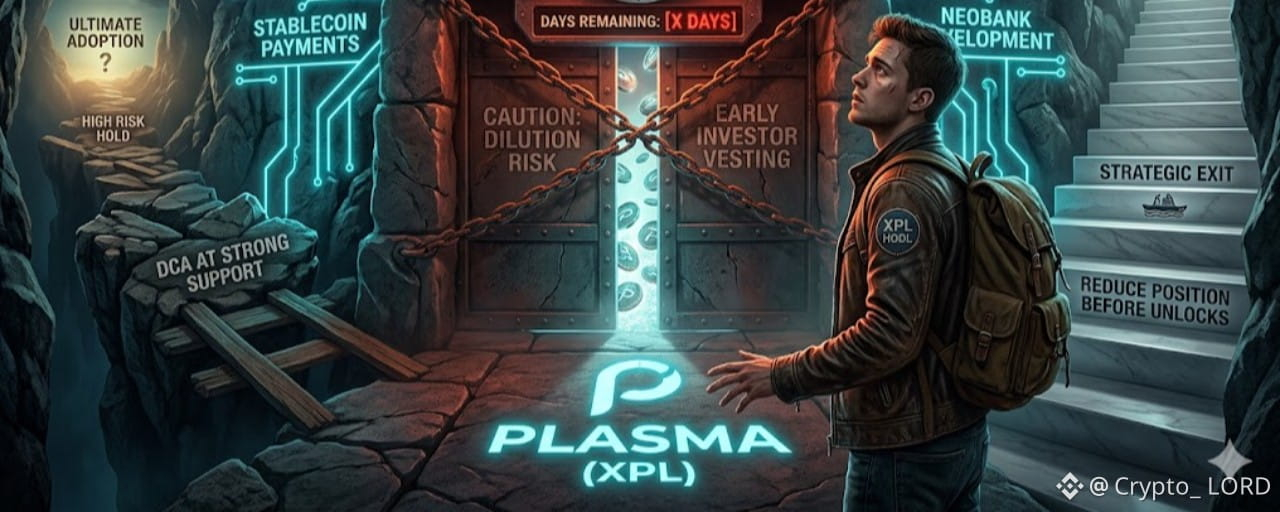
Der größte Test für XPL im Jahr 2026 ???Plasma (XPL) im Jahr 2026: Können Hodler den Token Unlock Sturm überstehen?
Der Kryptomarkt war schon immer ein Schlachtfeld zwischen Hype und Realität, und gerade jetzt erleben Plasma (XPL) Hodler diesen Druck hautnah. Nach einer starken Anfangsnarrative und wachsendem Community-Interesse ist XPL erheblich von seinem Allzeithoch gefallen, was viele Anleger in tiefen Verlusten zurücklässt. Gleichzeitig schaffen massive Token Unlocks, die für 2026 angesetzt sind, Unsicherheit im gesamten Markt.
Für viele Hodler stellt sich nicht mehr die Frage, ob XPL Technologie oder Vision hat. Die eigentliche Sorge ist, ob das Projekt dem Druck der Tokenomics lange genug standhalten kann, um eine bedeutende Adoption zu erreichen.
Der größte Test für XPL im Jahr 2026 ???
Plasma (XPL) im Jahr 2026: Können Hodler den Token Unlock Sturm überstehen?
Der Kryptomarkt war schon immer ein Schlachtfeld zwischen Hype und Realität, und gerade jetzt erleben Plasma (XPL) Hodler diesen Druck hautnah. Nach einer starken Anfangsnarrative und wachsendem Community-Interesse ist XPL erheblich von seinem Allzeithoch gefallen, was viele Anleger in tiefen Verlusten zurücklässt. Gleichzeitig schaffen massive Token Unlocks, die für 2026 angesetzt sind, Unsicherheit im gesamten Markt.
Für viele Hodler stellt sich nicht mehr die Frage, ob XPL Technologie oder Vision hat. Die eigentliche Sorge ist, ob das Projekt dem Druck der Tokenomics lange genug standhalten kann, um eine bedeutende Adoption zu erreichen.
Der Kryptomarkt war schon immer ein Schlachtfeld zwischen Hype und Realität, und gerade jetzt erleben Plasma (XPL) Hodler diesen Druck hautnah. Nach einer starken Anfangsnarrative und wachsendem Community-Interesse ist XPL erheblich von seinem Allzeithoch gefallen, was viele Anleger in tiefen Verlusten zurücklässt. Gleichzeitig schaffen massive Token Unlocks, die für 2026 angesetzt sind, Unsicherheit im gesamten Markt.
Für viele Hodler stellt sich nicht mehr die Frage, ob XPL Technologie oder Vision hat. Die eigentliche Sorge ist, ob das Projekt dem Druck der Tokenomics lange genug standhalten kann, um eine bedeutende Adoption zu erreichen.
1
1
459

·
--
Bullisch
MENDIDIH BOOM BOOM 💥🎊🚀💰🫰
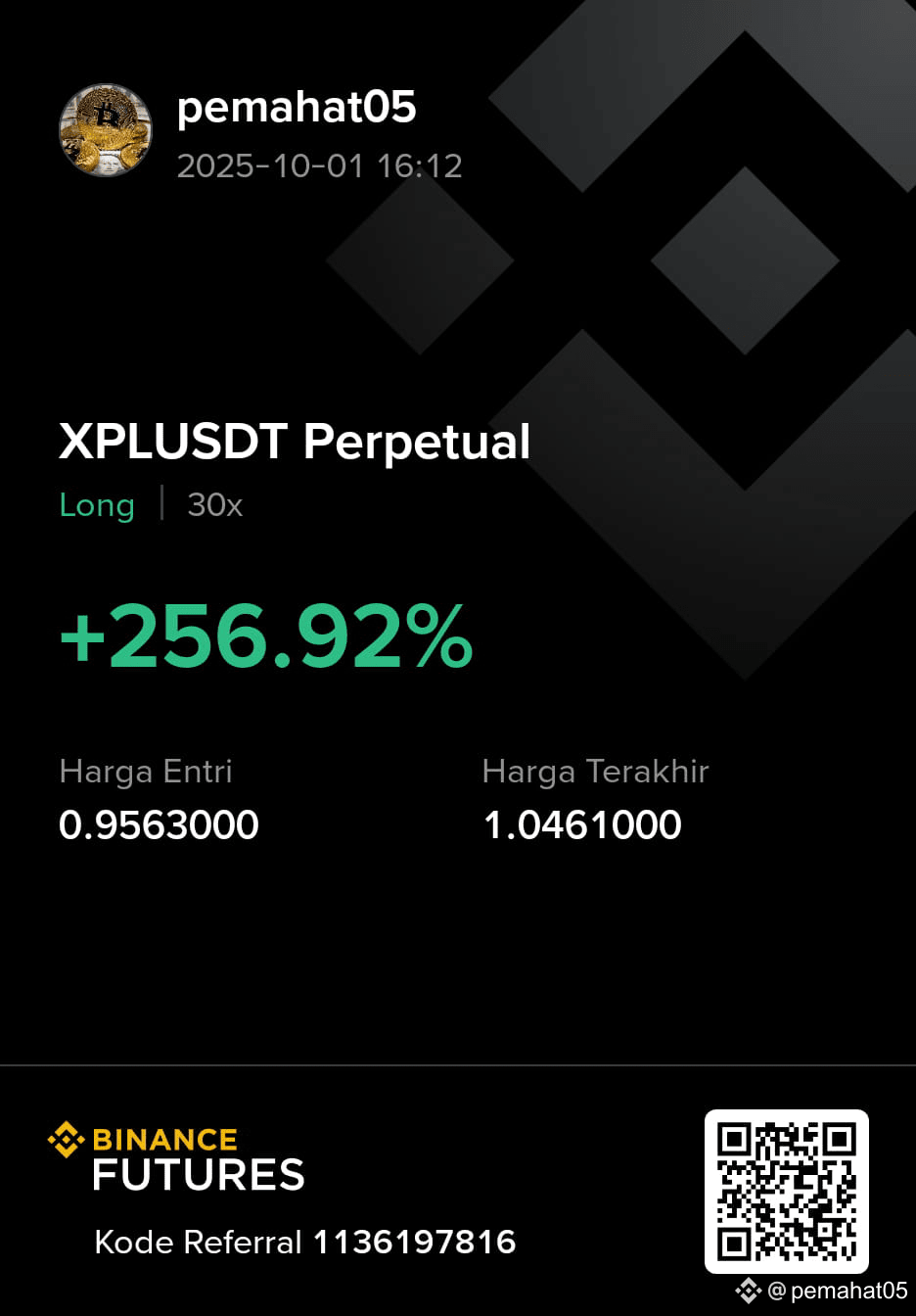
Wer hat gerade am Anruf teilgenommen, vor ein paar Minuten habe ich Informationen - vorherige Beiträge - $XPL MELEDAK 😉 REBOUND.. von $0.9 auf bis zu $1.07 yuhuuu..
Denkt an die TP TP mit Frist, ja Freunde".
HERZLICHEN GLÜCKWUNSCH ZUM FEIERN HEUTE im GRÜNEN.
***DYOR $PUMP
#justemka #plasmaXPL #pump #marketrebound
MENDIDIH BOOM BOOM 💥🎊🚀💰🫰
Wer hat gerade am Anruf teilgenommen, vor ein paar Minuten habe ich Informationen - vorherige Beiträge - $XPL MELEDAK 😉 REBOUND.. von $0.9 auf bis zu $1.07 yuhuuu..
Denkt an die TP TP mit Frist, ja Freunde".
HERZLICHEN GLÜCKWUNSCH ZUM FEIERN HEUTE im GRÜNEN.
***DYOR $PUMP
#justemka #plasmaXPL #pump #marketrebound
Wer hat gerade am Anruf teilgenommen, vor ein paar Minuten habe ich Informationen - vorherige Beiträge - $XPL MELEDAK 😉 REBOUND.. von $0.9 auf bis zu $1.07 yuhuuu..
Denkt an die TP TP mit Frist, ja Freunde".
HERZLICHEN GLÜCKWUNSCH ZUM FEIERN HEUTE im GRÜNEN.
***DYOR $PUMP
#justemka #plasmaXPL #pump #marketrebound
1
1
3
3.4k

·
--
Artikel
Tiefgehende Analyse, wie Plasma XPL die Zahlungslandschaft neu gestaltet$XPL
In dem aktuellen Kryptomarkt ist der Wettbewerb zwischen Layer-1-Blockchain-Netzwerken längst in die heiße Phase eingetreten. Doch während die meisten Netzwerke darum ringen, den Traffic für DeFi und NFTs zu gewinnen, verkennen sie häufig den grundlegendsten und größten Anwendungsfall der Blockchain: die Abwicklung von Stablecoins. Heute möchte ich mit euch eingehend über ein Projekt sprechen, das genau diesen Schmerzpunkt adressiert: <c-59/> .
🌐 Warum brauchen wir Plasma?
Mit der zunehmenden Verbreitung von Web3 wächst die Nachfrage nach On-Chain-Überweisungen mit USDT und USDC exponentiell. Doch egal ob das mitunter überfüllte Ethereum oder das gelegentlich ausfallende Solana – scheinbar kann keines davon die Vision eines „globalen Zahlungsnetzwerks“ perfekt verwirklichen. Das <c-34/>-Auftauchen genau zu diesem Zeitpunkt ist dazu da, diese Lücke zu schließen. Als Layer-1-Blockchain, die speziell für die Abwicklung von Stablecoin-Transaktionen maßgeschneidert ist, ist ihr Kernziel äußerst klar: ein reibungsloses Zahlungserlebnis mit hohem Durchsatz und geringer Latenz zu bieten.
Tiefgehende Analyse, wie Plasma XPL die Zahlungslandschaft neu gestaltet
$XPL
In dem aktuellen Kryptomarkt ist der Wettbewerb zwischen Layer-1-Blockchain-Netzwerken längst in die heiße Phase eingetreten. Doch während die meisten Netzwerke darum ringen, den Traffic für DeFi und NFTs zu gewinnen, verkennen sie häufig den grundlegendsten und größten Anwendungsfall der Blockchain: die Abwicklung von Stablecoins. Heute möchte ich mit euch eingehend über ein Projekt sprechen, das genau diesen Schmerzpunkt adressiert: <c-59/> .
🌐 Warum brauchen wir Plasma?
Mit der zunehmenden Verbreitung von Web3 wächst die Nachfrage nach On-Chain-Überweisungen mit USDT und USDC exponentiell. Doch egal ob das mitunter überfüllte Ethereum oder das gelegentlich ausfallende Solana – scheinbar kann keines davon die Vision eines „globalen Zahlungsnetzwerks“ perfekt verwirklichen. Das <c-34/>-Auftauchen genau zu diesem Zeitpunkt ist dazu da, diese Lücke zu schließen. Als Layer-1-Blockchain, die speziell für die Abwicklung von Stablecoin-Transaktionen maßgeschneidert ist, ist ihr Kernziel äußerst klar: ein reibungsloses Zahlungserlebnis mit hohem Durchsatz und geringer Latenz zu bieten.
In dem aktuellen Kryptomarkt ist der Wettbewerb zwischen Layer-1-Blockchain-Netzwerken längst in die heiße Phase eingetreten. Doch während die meisten Netzwerke darum ringen, den Traffic für DeFi und NFTs zu gewinnen, verkennen sie häufig den grundlegendsten und größten Anwendungsfall der Blockchain: die Abwicklung von Stablecoins. Heute möchte ich mit euch eingehend über ein Projekt sprechen, das genau diesen Schmerzpunkt adressiert: <c-59/> .
🌐 Warum brauchen wir Plasma?
Mit der zunehmenden Verbreitung von Web3 wächst die Nachfrage nach On-Chain-Überweisungen mit USDT und USDC exponentiell. Doch egal ob das mitunter überfüllte Ethereum oder das gelegentlich ausfallende Solana – scheinbar kann keines davon die Vision eines „globalen Zahlungsnetzwerks“ perfekt verwirklichen. Das <c-34/>-Auftauchen genau zu diesem Zeitpunkt ist dazu da, diese Lücke zu schließen. Als Layer-1-Blockchain, die speziell für die Abwicklung von Stablecoin-Transaktionen maßgeschneidert ist, ist ihr Kernziel äußerst klar: ein reibungsloses Zahlungserlebnis mit hohem Durchsatz und geringer Latenz zu bieten.
4
77

·
--
Bärisch
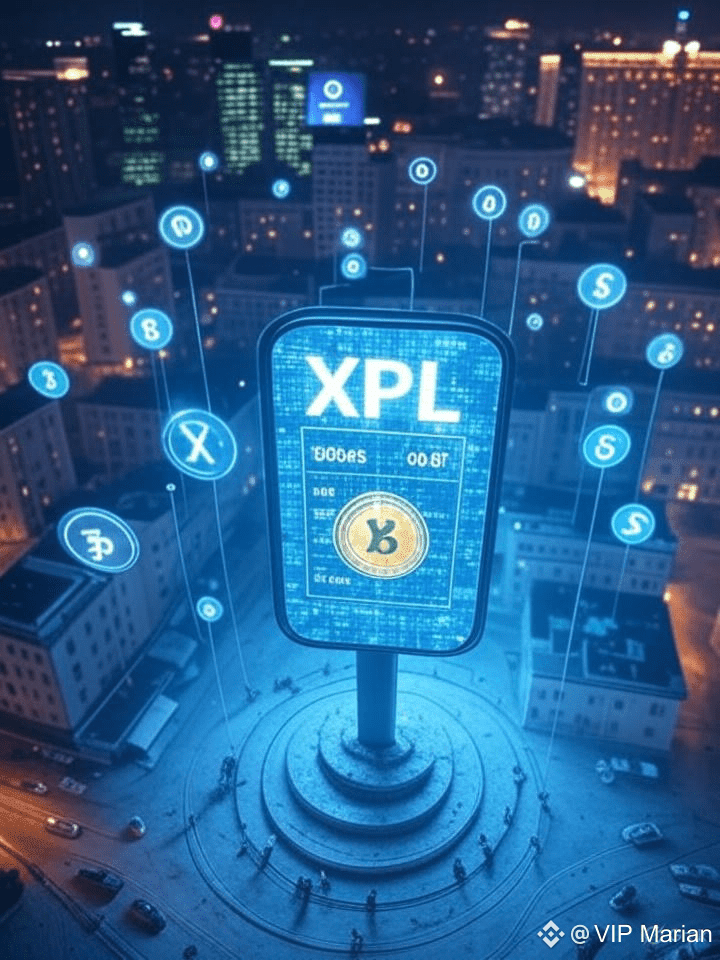
$XPL 🚀 Aktuelle Nachrichten auf dem Kryptomarkt: Plasma (XPL) steigt um 30% in 24 Stunden! 📈🇺🇦
Kollegen, wenn Sie nach dem nächsten Durchbruch für Stablecoin-Zahlungen suchen, ist Plasma die Lösung, die Sie in Betracht ziehen sollten! 🪙 Diese Layer-1-Blockchain wurde speziell für sofortige, kostenfreie USDT-Überweisungen mit EVM-Kompatibilität entwickelt. Gestart in der Hauptnetz-Beta mit über 2 Milliarden US-Dollar in Stablecoin-TVL, rangiert sie gleich zu Beginn unter den Top 10 für Liquidität! 💥
XPL dient als nativer Token, der Gasgebühren, Staking und Belohnungen unterstützt. Der aktuelle Preis liegt bei 1,62 $, mit einem Handelsvolumen von 3,3 Milliarden $ und einer Marktkapitalisierung von 2,9 Milliarden $. Ihr Debüt auf Binance und OKX hat erhebliches Interesse geweckt! Mit PlasmaBFT für schnelle Transaktionsfinalisierung und Integrationen mit über 100 DeFi-Projekten ist dies mehr als nur ein Netzwerk—es ist eine robuste Infrastruktur für globale Stablecoin-Zahlungen. 🌍
Handelsaktivitäten auf Binance sind stark, wobei das Paar XPL/USDT im Volumen führt. Verpassen Sie nicht diese Gelegenheit—erwägen Sie, es Ihrem Portfolio hinzuzufügen und an der Spitze der Innovation zu bleiben. 🔥 #PlasmaXPL #CryptoPayments #Binance #Stablecoins
{spot}(XPLUSDT)
$XPL 🚀 Aktuelle Nachrichten auf dem Kryptomarkt: Plasma (XPL) steigt um 30% in 24 Stunden! 📈🇺🇦
Kollegen, wenn Sie nach dem nächsten Durchbruch für Stablecoin-Zahlungen suchen, ist Plasma die Lösung, die Sie in Betracht ziehen sollten! 🪙 Diese Layer-1-Blockchain wurde speziell für sofortige, kostenfreie USDT-Überweisungen mit EVM-Kompatibilität entwickelt. Gestart in der Hauptnetz-Beta mit über 2 Milliarden US-Dollar in Stablecoin-TVL, rangiert sie gleich zu Beginn unter den Top 10 für Liquidität! 💥
XPL dient als nativer Token, der Gasgebühren, Staking und Belohnungen unterstützt. Der aktuelle Preis liegt bei 1,62 $, mit einem Handelsvolumen von 3,3 Milliarden $ und einer Marktkapitalisierung von 2,9 Milliarden $. Ihr Debüt auf Binance und OKX hat erhebliches Interesse geweckt! Mit PlasmaBFT für schnelle Transaktionsfinalisierung und Integrationen mit über 100 DeFi-Projekten ist dies mehr als nur ein Netzwerk—es ist eine robuste Infrastruktur für globale Stablecoin-Zahlungen. 🌍
Handelsaktivitäten auf Binance sind stark, wobei das Paar XPL/USDT im Volumen führt. Verpassen Sie nicht diese Gelegenheit—erwägen Sie, es Ihrem Portfolio hinzuzufügen und an der Spitze der Innovation zu bleiben. 🔥 #PlasmaXPL #CryptoPayments #Binance #Stablecoins
Kollegen, wenn Sie nach dem nächsten Durchbruch für Stablecoin-Zahlungen suchen, ist Plasma die Lösung, die Sie in Betracht ziehen sollten! 🪙 Diese Layer-1-Blockchain wurde speziell für sofortige, kostenfreie USDT-Überweisungen mit EVM-Kompatibilität entwickelt. Gestart in der Hauptnetz-Beta mit über 2 Milliarden US-Dollar in Stablecoin-TVL, rangiert sie gleich zu Beginn unter den Top 10 für Liquidität! 💥
XPL dient als nativer Token, der Gasgebühren, Staking und Belohnungen unterstützt. Der aktuelle Preis liegt bei 1,62 $, mit einem Handelsvolumen von 3,3 Milliarden $ und einer Marktkapitalisierung von 2,9 Milliarden $. Ihr Debüt auf Binance und OKX hat erhebliches Interesse geweckt! Mit PlasmaBFT für schnelle Transaktionsfinalisierung und Integrationen mit über 100 DeFi-Projekten ist dies mehr als nur ein Netzwerk—es ist eine robuste Infrastruktur für globale Stablecoin-Zahlungen. 🌍
Handelsaktivitäten auf Binance sind stark, wobei das Paar XPL/USDT im Volumen führt. Verpassen Sie nicht diese Gelegenheit—erwägen Sie, es Ihrem Portfolio hinzuzufügen und an der Spitze der Innovation zu bleiben. 🔥 #PlasmaXPL #CryptoPayments #Binance #Stablecoins


243
128
28
351
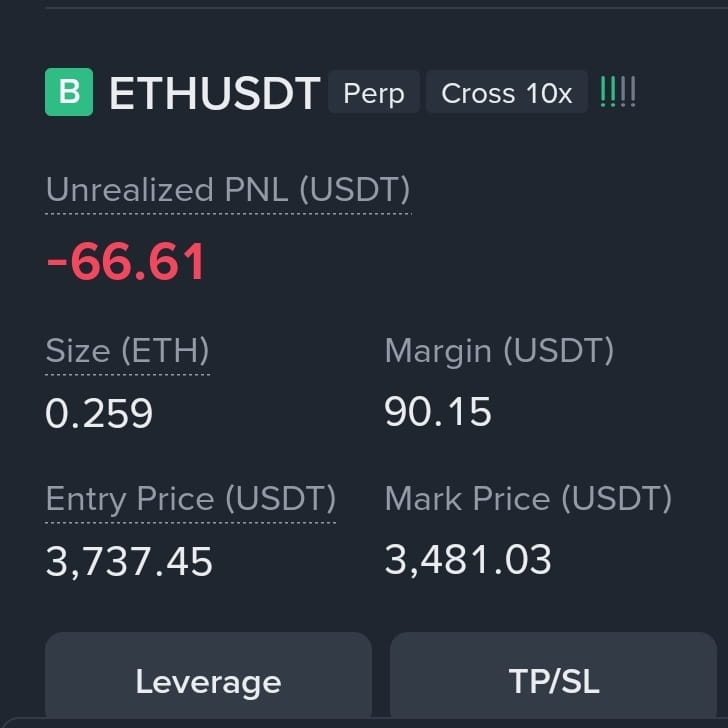
$XPL
zeigt Anzeichen von Leben nach einem starken Verkaufsdruck und erholt sich vom wichtigen Unterstützungsniveau um $0.6870.
Der Preis versucht nun, verlorenen Boden zurückzugewinnen, steht jedoch vor seinem ersten großen Test im Widerstandsbereich von ~$0.7300 (dem 25-Perioden gleitenden Durchschnitt).
* Bullish Case: Ein fester Ausbruch über $0.7300 könnte eine weitere Erholung in Richtung des nächsten Widerstands nahe $0.7472 signalisieren.
* Bearish Case: Ein Scheitern beim Durchbrechen des Widerstands könnte eine erneute Testung der entscheidenden Unterstützung bei $0.6870 zur Folge haben.
Händler beobachten genau, ob dieser Aufschwung genug Momentum hat, um sich in eine Umkehr zu verwandeln.
#XPLUSDT #XPL #PlasmaXPL
letzten Monat Handel
$XPL
zeigt Anzeichen von Leben nach einem starken Verkaufsdruck und erholt sich vom wichtigen Unterstützungsniveau um $0.6870.
Der Preis versucht nun, verlorenen Boden zurückzugewinnen, steht jedoch vor seinem ersten großen Test im Widerstandsbereich von ~$0.7300 (dem 25-Perioden gleitenden Durchschnitt).
* Bullish Case: Ein fester Ausbruch über $0.7300 könnte eine weitere Erholung in Richtung des nächsten Widerstands nahe $0.7472 signalisieren.
* Bearish Case: Ein Scheitern beim Durchbrechen des Widerstands könnte eine erneute Testung der entscheidenden Unterstützung bei $0.6870 zur Folge haben.
Händler beobachten genau, ob dieser Aufschwung genug Momentum hat, um sich in eine Umkehr zu verwandeln.
#XPLUSDT #XPL #PlasmaXPL
letzten Monat Handel
zeigt Anzeichen von Leben nach einem starken Verkaufsdruck und erholt sich vom wichtigen Unterstützungsniveau um $0.6870.
Der Preis versucht nun, verlorenen Boden zurückzugewinnen, steht jedoch vor seinem ersten großen Test im Widerstandsbereich von ~$0.7300 (dem 25-Perioden gleitenden Durchschnitt).
* Bullish Case: Ein fester Ausbruch über $0.7300 könnte eine weitere Erholung in Richtung des nächsten Widerstands nahe $0.7472 signalisieren.
* Bearish Case: Ein Scheitern beim Durchbrechen des Widerstands könnte eine erneute Testung der entscheidenden Unterstützung bei $0.6870 zur Folge haben.
Händler beobachten genau, ob dieser Aufschwung genug Momentum hat, um sich in eine Umkehr zu verwandeln.
#XPLUSDT #XPL #PlasmaXPL
letzten Monat Handel
1
794

#plasma $XPL
{spot}(XPLUSDT)
#PlasmaXPL Grüße, ich stelle mich vor. Als ein weiterer HODLer erhalte ich täglich exzellente Notifications.
#plasma $XPL
#PlasmaXPL Grüße, ich stelle mich vor. Als ein weiterer HODLer erhalte ich täglich exzellente Notifications.
#PlasmaXPL Grüße, ich stelle mich vor. Als ein weiterer HODLer erhalte ich täglich exzellente Notifications.
1
28
·
--
Bullisch
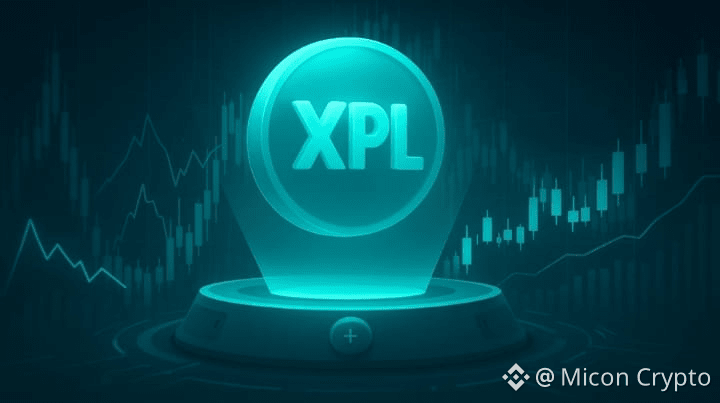
$XPL 🚀 Plasma (XPL): Ein stiller Bullischer
Infrastrukturspiel | MiconCrypto
Während die meisten Layer 1 um Hype konkurrieren, löst Plasma ein spezifisches Problem — wie Stablecoins on-chain bewegt, abgerechnet und skaliert werden. Dieser Fokus ist ein großer Vorteil 👀
#Plasma $XPL
Plasma ist einer, den man genau beobachten sollte 👑
— MiconCrypto
#MiconCrypto #PlasmaXPL #CryptoInfrastructure #StablecoinEconomy #Layer1 #Web3Alpha #CreatorPad
{spot}(XPLUSDT)
$XPL 🚀 Plasma (XPL): Ein stiller Bullischer
Infrastrukturspiel | MiconCrypto
Während die meisten Layer 1 um Hype konkurrieren, löst Plasma ein spezifisches Problem — wie Stablecoins on-chain bewegt, abgerechnet und skaliert werden. Dieser Fokus ist ein großer Vorteil 👀
#Plasma $XPL
Plasma ist einer, den man genau beobachten sollte 👑
— MiconCrypto
#MiconCrypto #PlasmaXPL #CryptoInfrastructure #StablecoinEconomy #Layer1 #Web3Alpha #CreatorPad
Infrastrukturspiel | MiconCrypto
Während die meisten Layer 1 um Hype konkurrieren, löst Plasma ein spezifisches Problem — wie Stablecoins on-chain bewegt, abgerechnet und skaliert werden. Dieser Fokus ist ein großer Vorteil 👀
#Plasma $XPL
Plasma ist einer, den man genau beobachten sollte 👑
— MiconCrypto
#MiconCrypto #PlasmaXPL #CryptoInfrastructure #StablecoinEconomy #Layer1 #Web3Alpha #CreatorPad
2
175

·
--

Artikel
Plasma: Aufbau einer skalierbaren und effizienten Blockchain-ZukunftPlasma entwickelt sich zu einem innovativen Projekt, das darauf abzielt, Effizienz, Skalierbarkeit und die Benutzerfreundlichkeit in der Blockchain-Ökosystem zu verbessern. Was @plasma hervorhebt, ist seine klare Vision, ein System zu schaffen, das sich auf Geschwindigkeit, Sicherheit und Benutzerzugänglichkeit konzentriert, ohne die Dezentralisierung zu gefährden.
Der Token $XPL spielt eine Schlüsselrolle im Plasma-Ökosystem, unterstützt Netzwerkoperationen und fördert die Teilnahme der Gemeinschaft. Da die Akzeptanz von Blockchain weiter wächst, sind Projekte wie Plasma wichtig, weil sie sich darauf konzentrieren, bestehende Herausforderungen zu lösen, anstatt nur dem Hype zu folgen.
Plasma: Aufbau einer skalierbaren und effizienten Blockchain-Zukunft
Plasma entwickelt sich zu einem innovativen Projekt, das darauf abzielt, Effizienz, Skalierbarkeit und die Benutzerfreundlichkeit in der Blockchain-Ökosystem zu verbessern. Was @plasma hervorhebt, ist seine klare Vision, ein System zu schaffen, das sich auf Geschwindigkeit, Sicherheit und Benutzerzugänglichkeit konzentriert, ohne die Dezentralisierung zu gefährden.
Der Token $XPL spielt eine Schlüsselrolle im Plasma-Ökosystem, unterstützt Netzwerkoperationen und fördert die Teilnahme der Gemeinschaft. Da die Akzeptanz von Blockchain weiter wächst, sind Projekte wie Plasma wichtig, weil sie sich darauf konzentrieren, bestehende Herausforderungen zu lösen, anstatt nur dem Hype zu folgen.
Der Token $XPL spielt eine Schlüsselrolle im Plasma-Ökosystem, unterstützt Netzwerkoperationen und fördert die Teilnahme der Gemeinschaft. Da die Akzeptanz von Blockchain weiter wächst, sind Projekte wie Plasma wichtig, weil sie sich darauf konzentrieren, bestehende Herausforderungen zu lösen, anstatt nur dem Hype zu folgen.
4
31

·
--
#plasma $XPL Der Fokus von Plasma liegt auf dem Aufbau skalierbarer und effizienter Blockchain-Infrastruktur, die für den realen Einsatz konzipiert ist. Mit @Plasma entwickelt Plasma Lösungen, die die Transaktionsgeschwindigkeit verbessern und Kosten senken, $XPL spielt dabei eine zentrale Rolle bei der Stärkung des Ökosystems.
Während die Blockchain-Nutzung wächst, positioniert Plasmas Ansatz für Skalierbarkeit und Performance es als starken Kandidaten für die langfristige Web3-Entwicklung und für ein nutzungsgetriebenes Wachstum.
#PlasmaXPL #WEFDavos2026 #TrumpCancelsEUTariffThreat #Write2Earn
#plasma $XPL Der Fokus von Plasma liegt auf dem Aufbau skalierbarer und effizienter Blockchain-Infrastruktur, die für den realen Einsatz konzipiert ist. Mit @Plasma entwickelt Plasma Lösungen, die die Transaktionsgeschwindigkeit verbessern und Kosten senken, $XPL spielt dabei eine zentrale Rolle bei der Stärkung des Ökosystems.
Während die Blockchain-Nutzung wächst, positioniert Plasmas Ansatz für Skalierbarkeit und Performance es als starken Kandidaten für die langfristige Web3-Entwicklung und für ein nutzungsgetriebenes Wachstum.
#PlasmaXPL #WEFDavos2026 #TrumpCancelsEUTariffThreat #Write2Earn
Während die Blockchain-Nutzung wächst, positioniert Plasmas Ansatz für Skalierbarkeit und Performance es als starken Kandidaten für die langfristige Web3-Entwicklung und für ein nutzungsgetriebenes Wachstum.
#PlasmaXPL #WEFDavos2026 #TrumpCancelsEUTariffThreat #Write2Earn
1
7
·
--

Artikel
Verständnis der Rolle von $XPL im Plasma-ÖkosystemDer $XPL-Token spielt eine zentrale Rolle im Plasma-Blockchain-Ökosystem, indem er Netzwerkoperationen antreibt und aktive Teilnahme fördert.
Da Plasma sich auf die Abwicklung von Stablecoins und reale finanzielle Anwendungen konzentriert, ist $XPL darauf ausgelegt, sowohl technische als auch wirtschaftliche Aktivitäten innerhalb des Netzwerks zu unterstützen.
Eine der Hauptanwendungen von $XPL ist die Zahlung von Transaktionsgebühren, um eine reibungslose und effiziente Verarbeitung über die Plasma Layer 1-Blockchain hinweg sicherzustellen.
Darüber hinaus kann $XPL für Netzwerk-Anreize verwendet werden, um Validatoren, Entwickler und Mitglieder der Gemeinschaft zu belohnen, die zum Wachstum des Ökosystems beitragen.
Verständnis der Rolle von $XPL im Plasma-Ökosystem
Der $XPL-Token spielt eine zentrale Rolle im Plasma-Blockchain-Ökosystem, indem er Netzwerkoperationen antreibt und aktive Teilnahme fördert.
Da Plasma sich auf die Abwicklung von Stablecoins und reale finanzielle Anwendungen konzentriert, ist $XPL darauf ausgelegt, sowohl technische als auch wirtschaftliche Aktivitäten innerhalb des Netzwerks zu unterstützen.
Eine der Hauptanwendungen von $XPL ist die Zahlung von Transaktionsgebühren, um eine reibungslose und effiziente Verarbeitung über die Plasma Layer 1-Blockchain hinweg sicherzustellen.
Darüber hinaus kann $XPL für Netzwerk-Anreize verwendet werden, um Validatoren, Entwickler und Mitglieder der Gemeinschaft zu belohnen, die zum Wachstum des Ökosystems beitragen.
Da Plasma sich auf die Abwicklung von Stablecoins und reale finanzielle Anwendungen konzentriert, ist $XPL darauf ausgelegt, sowohl technische als auch wirtschaftliche Aktivitäten innerhalb des Netzwerks zu unterstützen.
Eine der Hauptanwendungen von $XPL ist die Zahlung von Transaktionsgebühren, um eine reibungslose und effiziente Verarbeitung über die Plasma Layer 1-Blockchain hinweg sicherzustellen.
Darüber hinaus kann $XPL für Netzwerk-Anreize verwendet werden, um Validatoren, Entwickler und Mitglieder der Gemeinschaft zu belohnen, die zum Wachstum des Ökosystems beitragen.
2
109

·
--
Bullisch
🔥 $XPL – Die Zukunft der hochgeschwindigkeits, kostengünstigen Geldbewegung! 🔥
XPL ist nicht nur ein weiterer Krypto-Ticker — es ist der native Token, der Plasma antreibt, eine bahnbrechende Layer-1-Blockchain, die von Grund auf für Stablecoins und globale Zahlungen entwickelt wurde. Im Gegensatz zu veralteten Netzwerken, die mit hohen Gebühren und langsamen Abwicklungen belastet sind, bietet Plasma gebührenfreie USDT-Überweisungen, blitzschnelle TPS und nahezu sofortige Endgültigkeit, wodurch digitale Dollar mit realen Geschwindigkeiten bewegt werden.
$XPL sichert das Netzwerk über Proof-of-Stake, ermöglicht Governance-Rechte, fördert DeFi-Aktivitäten und bildet die Grundlage für ein schnell wachsendes Ökosystem, das für Überweisungen, Händlerzahlungen und finanzielle Inklusion konzipiert ist. Mit EVM-Kompatibilität können Entwickler dApps mühelos portieren und erstellen, während sie die Sicherheit und skalierbare Durchsatz von Bitcoin nutzen.
Während digitale Dollar die globale Finanzen neu definieren, steht XPL im Herzen dieser Revolution — es treibt die Akzeptanz voran, reduziert Barrieren und erschließt einen realen Nutzen für Nutzer und Institutionen gleichermaßen. Die Zukunft des Geldes bewegt sich schnell — und XPL führt den Vorstoß an
$XPL #XPL
@Plasma
#Plasma
#PlasmaXPL
#PlasmaChain
#PlasmaFoundation
🔥 $XPL – Die Zukunft der hochgeschwindigkeits, kostengünstigen Geldbewegung! 🔥
XPL ist nicht nur ein weiterer Krypto-Ticker — es ist der native Token, der Plasma antreibt, eine bahnbrechende Layer-1-Blockchain, die von Grund auf für Stablecoins und globale Zahlungen entwickelt wurde. Im Gegensatz zu veralteten Netzwerken, die mit hohen Gebühren und langsamen Abwicklungen belastet sind, bietet Plasma gebührenfreie USDT-Überweisungen, blitzschnelle TPS und nahezu sofortige Endgültigkeit, wodurch digitale Dollar mit realen Geschwindigkeiten bewegt werden.
$XPL sichert das Netzwerk über Proof-of-Stake, ermöglicht Governance-Rechte, fördert DeFi-Aktivitäten und bildet die Grundlage für ein schnell wachsendes Ökosystem, das für Überweisungen, Händlerzahlungen und finanzielle Inklusion konzipiert ist. Mit EVM-Kompatibilität können Entwickler dApps mühelos portieren und erstellen, während sie die Sicherheit und skalierbare Durchsatz von Bitcoin nutzen.
Während digitale Dollar die globale Finanzen neu definieren, steht XPL im Herzen dieser Revolution — es treibt die Akzeptanz voran, reduziert Barrieren und erschließt einen realen Nutzen für Nutzer und Institutionen gleichermaßen. Die Zukunft des Geldes bewegt sich schnell — und XPL führt den Vorstoß an
$XPL #XPL
@Plasma
#Plasma
#PlasmaXPL
#PlasmaChain
#PlasmaFoundation
XPL ist nicht nur ein weiterer Krypto-Ticker — es ist der native Token, der Plasma antreibt, eine bahnbrechende Layer-1-Blockchain, die von Grund auf für Stablecoins und globale Zahlungen entwickelt wurde. Im Gegensatz zu veralteten Netzwerken, die mit hohen Gebühren und langsamen Abwicklungen belastet sind, bietet Plasma gebührenfreie USDT-Überweisungen, blitzschnelle TPS und nahezu sofortige Endgültigkeit, wodurch digitale Dollar mit realen Geschwindigkeiten bewegt werden.
$XPL sichert das Netzwerk über Proof-of-Stake, ermöglicht Governance-Rechte, fördert DeFi-Aktivitäten und bildet die Grundlage für ein schnell wachsendes Ökosystem, das für Überweisungen, Händlerzahlungen und finanzielle Inklusion konzipiert ist. Mit EVM-Kompatibilität können Entwickler dApps mühelos portieren und erstellen, während sie die Sicherheit und skalierbare Durchsatz von Bitcoin nutzen.
Während digitale Dollar die globale Finanzen neu definieren, steht XPL im Herzen dieser Revolution — es treibt die Akzeptanz voran, reduziert Barrieren und erschließt einen realen Nutzen für Nutzer und Institutionen gleichermaßen. Die Zukunft des Geldes bewegt sich schnell — und XPL führt den Vorstoß an
$XPL #XPL
@Plasma
#Plasma
#PlasmaXPL
#PlasmaChain
#PlasmaFoundation
2
7

·
--

Artikel
Warum Plasma und $XPL in der skalierbaren Blockchain-Innovation an Aufmerksamkeit gewinnenPlasma entwickelt sich stetig zu einer Blockchain-Lösung der nächsten Generation, die sich auf Skalierbarkeit, Effizienz und reale Anwendbarkeit konzentriert. In einer Umgebung, in der viele Netzwerke mit Staus und hohen Gebühren kämpfen, ist die Architektur von Plasma darauf ausgelegt, den Transaktionsdurchsatz zu optimieren und gleichzeitig Sicherheit und Dezentralisierung aufrechtzuerhalten. Dies macht es besonders attraktiv für Entwickler, die Anwendungen erstellen, die Geschwindigkeit und Zuverlässigkeit erfordern.
Was Plasma auszeichnet, ist sein Engagement für das langfristige Wachstum des Ökosystems statt kurzfristiger Hype. Durch die Ermöglichung einer reibungsloseren Ausführung von Smart Contracts und die Unterstützung einer skalierbaren Infrastruktur schafft das Netzwerk starke Grundlagen für DeFi, Gaming und Anwendungen auf Unternehmensniveau. Mit zunehmender Akzeptanz wird die nutzungsorientierte Nachfrage nach dem nativen Token relevanter.
Warum Plasma und $XPL in der skalierbaren Blockchain-Innovation an Aufmerksamkeit gewinnen
Plasma entwickelt sich stetig zu einer Blockchain-Lösung der nächsten Generation, die sich auf Skalierbarkeit, Effizienz und reale Anwendbarkeit konzentriert. In einer Umgebung, in der viele Netzwerke mit Staus und hohen Gebühren kämpfen, ist die Architektur von Plasma darauf ausgelegt, den Transaktionsdurchsatz zu optimieren und gleichzeitig Sicherheit und Dezentralisierung aufrechtzuerhalten. Dies macht es besonders attraktiv für Entwickler, die Anwendungen erstellen, die Geschwindigkeit und Zuverlässigkeit erfordern.
Was Plasma auszeichnet, ist sein Engagement für das langfristige Wachstum des Ökosystems statt kurzfristiger Hype. Durch die Ermöglichung einer reibungsloseren Ausführung von Smart Contracts und die Unterstützung einer skalierbaren Infrastruktur schafft das Netzwerk starke Grundlagen für DeFi, Gaming und Anwendungen auf Unternehmensniveau. Mit zunehmender Akzeptanz wird die nutzungsorientierte Nachfrage nach dem nativen Token relevanter.
Was Plasma auszeichnet, ist sein Engagement für das langfristige Wachstum des Ökosystems statt kurzfristiger Hype. Durch die Ermöglichung einer reibungsloseren Ausführung von Smart Contracts und die Unterstützung einer skalierbaren Infrastruktur schafft das Netzwerk starke Grundlagen für DeFi, Gaming und Anwendungen auf Unternehmensniveau. Mit zunehmender Akzeptanz wird die nutzungsorientierte Nachfrage nach dem nativen Token relevanter.
1
33

·
--
Artikel
PLASMAIch habe den Plasma-Airdrop gesehen. Ich denke, die Plasma-Entwickler sind sehr gut. Sie haben so viele Token an die Community verteilt. Wenn das Plasma-Team Unterstützung von der Community erhält, bin ich mir sicher, dass dies ein sehr gutes Projekt sein wird, da das Team und die Community stark sind. Ich denke, dies wird eine trendende Münze im Jahr 2026 sein und könnte sogar ein neues ATH im Jahr 2026 setzen.
Viel Glück den $XPL Inhabern, die auf die bullische Entwicklung dieser Münze warten, und hoffentlich wird dieses Projekt in der Zukunft noch besser.
PLASMA
Ich habe den Plasma-Airdrop gesehen. Ich denke, die Plasma-Entwickler sind sehr gut. Sie haben so viele Token an die Community verteilt. Wenn das Plasma-Team Unterstützung von der Community erhält, bin ich mir sicher, dass dies ein sehr gutes Projekt sein wird, da das Team und die Community stark sind. Ich denke, dies wird eine trendende Münze im Jahr 2026 sein und könnte sogar ein neues ATH im Jahr 2026 setzen.
Viel Glück den $XPL Inhabern, die auf die bullische Entwicklung dieser Münze warten, und hoffentlich wird dieses Projekt in der Zukunft noch besser.
Viel Glück den $XPL Inhabern, die auf die bullische Entwicklung dieser Münze warten, und hoffentlich wird dieses Projekt in der Zukunft noch besser.
1
64
Warum Plasma die Aufmerksamkeit der Krypto-Community auf sich zieht.
Das Plasma-Ökosystem zeichnet sich durch seine klare Vision und schrittweise Umsetzung aus. Mit @plasma ist es das Ziel, konkrete und nachhaltige Lösungen im Blockchain-Universum anzubieten. Der Token $XPL integriert sich natürlich in das Herz des Projekts, stärkt das Engagement der Community und die Nützlichkeit des Netzwerks. Plasma schreitet Schritt für Schritt voran, mit einer langfristig orientierten Strategie.
#PlasmaXPL
Warum Plasma die Aufmerksamkeit der Krypto-Community auf sich zieht.
Das Plasma-Ökosystem zeichnet sich durch seine klare Vision und schrittweise Umsetzung aus. Mit @plasma ist es das Ziel, konkrete und nachhaltige Lösungen im Blockchain-Universum anzubieten. Der Token $XPL integriert sich natürlich in das Herz des Projekts, stärkt das Engagement der Community und die Nützlichkeit des Netzwerks. Plasma schreitet Schritt für Schritt voran, mit einer langfristig orientierten Strategie.
#PlasmaXPL
Das Plasma-Ökosystem zeichnet sich durch seine klare Vision und schrittweise Umsetzung aus. Mit @plasma ist es das Ziel, konkrete und nachhaltige Lösungen im Blockchain-Universum anzubieten. Der Token $XPL integriert sich natürlich in das Herz des Projekts, stärkt das Engagement der Community und die Nützlichkeit des Netzwerks. Plasma schreitet Schritt für Schritt voran, mit einer langfristig orientierten Strategie.
#PlasmaXPL
98
Anmelden und weiter Inhalte entdecken
Krypto-Nutzer weltweit auf Binance Square kennenlernen
⚡️ Bleib in Sachen Krypto stets am Puls.
💬 Die weltgrößte Kryptobörse vertraut darauf.
👍 Erhalte verlässliche Einblicke von verifizierten Creators.
E-Mail-Adresse/Telefonnummer
Trendthemen
1
#SECApproves3xLongCryptoCommodityETPs
0 Aufrufe
7 Kommentare
2
#G7PlansToReleaseUpTo100MBarrelsOilDiesel
566 Aufrufe
54 Kommentare
3
#ICBASuesOCCOverCryptoBankCharters
447 Aufrufe
37 Kommentare
4
#USStocksCloseHigherOnWeakJobsData
223 Aufrufe
29 Kommentare
5
#NFPWatch
10.9M Aufrufe
19,463 Kommentare
6
#BlastToGraduallyShutDownItsL2Network
98 Aufrufe
17 Kommentare
7
#BitcoinFundingRateTriplesTo10%
196,940 Aufrufe
1,324 Kommentare
8
#BitcoinSurpasses$86KUp2.99%
64,860 Aufrufe
122 Kommentare
9
#ZcashFalls21%FromSeptemberPeak
104,174 Aufrufe
924 Kommentare
10
#USSeptemberPayrollsAdd29KUnemploymentRises4.2%
80,778 Aufrufe
567 Kommentare