
#cryptohistory
cryptohistory
2.4M Aufrufe
2,387 Kommentare
Hot
Zuletzt

·
--
$ZEC Geschichtsstunde von 2016
Ich habe aktiv gehandelt, als $ZEC 2016 eingeführt wurde.
Hier ist etwas, das die meisten neuen Trader nicht glauben werden: Es erreichte in seiner Spitze 3.000 BTC.
Ja, 3.000 BTC – nicht USD.
Damals hatten wir keine USD-Paare wie heute, wir handelten Altcoins gegen BTC.
Und wegen des langsamen Mining-Starts von Zcash war das anfängliche zirkulierende Angebot extrem niedrig, was diesen historischen Pump auslöste.
Hast du damals gehandelt? Mal sehen, wie viele OGs noch hier sind.
#zec #CryptoHistory #Binance
$BTC
{spot}(BTCUSDT)
$ZEC
{spot}(ZECUSDT)
$ZEC Geschichtsstunde von 2016
Ich habe aktiv gehandelt, als $ZEC 2016 eingeführt wurde.
Hier ist etwas, das die meisten neuen Trader nicht glauben werden: Es erreichte in seiner Spitze 3.000 BTC.
Ja, 3.000 BTC – nicht USD.
Damals hatten wir keine USD-Paare wie heute, wir handelten Altcoins gegen BTC.
Und wegen des langsamen Mining-Starts von Zcash war das anfängliche zirkulierende Angebot extrem niedrig, was diesen historischen Pump auslöste.
Hast du damals gehandelt? Mal sehen, wie viele OGs noch hier sind.
#zec #CryptoHistory #Binance
$BTC
$ZEC
Ich habe aktiv gehandelt, als $ZEC 2016 eingeführt wurde.
Hier ist etwas, das die meisten neuen Trader nicht glauben werden: Es erreichte in seiner Spitze 3.000 BTC.
Ja, 3.000 BTC – nicht USD.
Damals hatten wir keine USD-Paare wie heute, wir handelten Altcoins gegen BTC.
Und wegen des langsamen Mining-Starts von Zcash war das anfängliche zirkulierende Angebot extrem niedrig, was diesen historischen Pump auslöste.
Hast du damals gehandelt? Mal sehen, wie viele OGs noch hier sind.
#zec #CryptoHistory #Binance
$BTC
$ZEC
328

·
--
EXPLOSIVE KNAPPHEIT AN LIQUIDITÄT IM GEDÄCHTNIS: WENN $ZEC BEI 3.000 BTC PRO TOKEN GEHANDELT WURDE! 🦈 📊
Wenn man auf die Marktstruktur von $ZEC aus dem Jahr 2016 zurückblickt, erkennt man eine der extremsten Liquiditätsklemmen auf der Angebotsseite in der Krypto-Geschichte. 🔍 Aufgrund der langsam startenden Mining-Architektur war das anfängliche zirkulierende Angebot nahezu null, wodurch sich die Bid-Ask-Spreads über den BTC-Paar-Orderbüchern explosionsartig ausdehnten.
Während der ersten Preisfindung traf aggressive Nachfrage auf nicht vorhandene Liquidität auf der Verkaufsseite und trieb $ZEC kurzzeitig auf einen erstaunlichen Höchststand von 3.000 BTC pro Token. 📊 Es ist bis heute ein Lehrbuchbeispiel dafür, wie schwere Orderbuch-Illiquidität und strukturelle Angebotsknappheit die Bewertung eines Assets verzerren. 💬 Hast du während der BTC-Paar-Ära gehandelt oder bist du eingestiegen, nachdem die Stablecoin-Liquidität übernommen hat? 👇
⚠️ Keine Finanzberatung. Steuere immer dein Risiko. 🛡️
🏷️ #ZEC #MarketStructure #OrderFlow #CryptoHistory
🧠 🛡️
EXPLOSIVE KNAPPHEIT AN LIQUIDITÄT IM GEDÄCHTNIS: WENN $ZEC BEI 3.000 BTC PRO TOKEN GEHANDELT WURDE! 🦈 📊
Wenn man auf die Marktstruktur von $ZEC aus dem Jahr 2016 zurückblickt, erkennt man eine der extremsten Liquiditätsklemmen auf der Angebotsseite in der Krypto-Geschichte. 🔍 Aufgrund der langsam startenden Mining-Architektur war das anfängliche zirkulierende Angebot nahezu null, wodurch sich die Bid-Ask-Spreads über den BTC-Paar-Orderbüchern explosionsartig ausdehnten.
Während der ersten Preisfindung traf aggressive Nachfrage auf nicht vorhandene Liquidität auf der Verkaufsseite und trieb $ZEC kurzzeitig auf einen erstaunlichen Höchststand von 3.000 BTC pro Token. 📊 Es ist bis heute ein Lehrbuchbeispiel dafür, wie schwere Orderbuch-Illiquidität und strukturelle Angebotsknappheit die Bewertung eines Assets verzerren. 💬 Hast du während der BTC-Paar-Ära gehandelt oder bist du eingestiegen, nachdem die Stablecoin-Liquidität übernommen hat? 👇
⚠️ Keine Finanzberatung. Steuere immer dein Risiko. 🛡️
🏷️ #ZEC #MarketStructure #OrderFlow #CryptoHistory
🧠 🛡️
Wenn man auf die Marktstruktur von $ZEC aus dem Jahr 2016 zurückblickt, erkennt man eine der extremsten Liquiditätsklemmen auf der Angebotsseite in der Krypto-Geschichte. 🔍 Aufgrund der langsam startenden Mining-Architektur war das anfängliche zirkulierende Angebot nahezu null, wodurch sich die Bid-Ask-Spreads über den BTC-Paar-Orderbüchern explosionsartig ausdehnten.
Während der ersten Preisfindung traf aggressive Nachfrage auf nicht vorhandene Liquidität auf der Verkaufsseite und trieb $ZEC kurzzeitig auf einen erstaunlichen Höchststand von 3.000 BTC pro Token. 📊 Es ist bis heute ein Lehrbuchbeispiel dafür, wie schwere Orderbuch-Illiquidität und strukturelle Angebotsknappheit die Bewertung eines Assets verzerren. 💬 Hast du während der BTC-Paar-Ära gehandelt oder bist du eingestiegen, nachdem die Stablecoin-Liquidität übernommen hat? 👇
⚠️ Keine Finanzberatung. Steuere immer dein Risiko. 🛡️
🏷️ #ZEC #MarketStructure #OrderFlow #CryptoHistory
🧠 🛡️
264
·
--
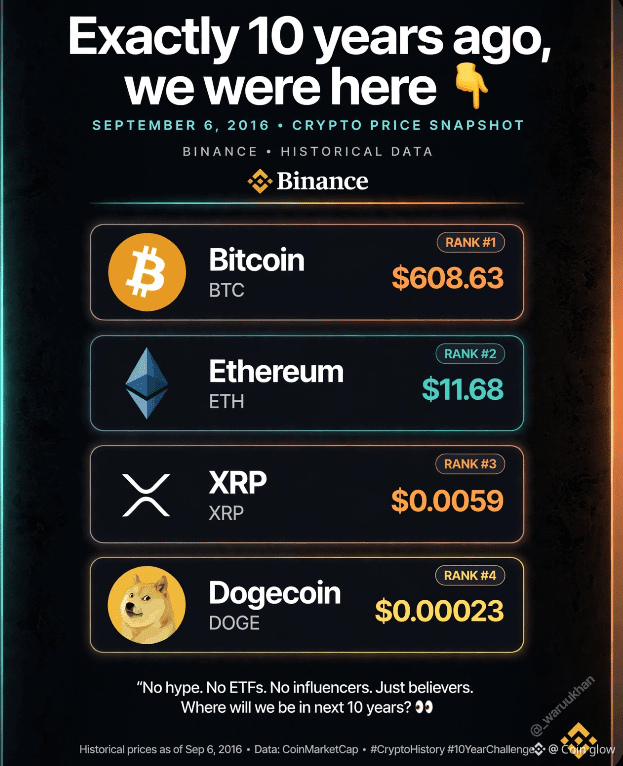
Genau vor 10 Jahren waren wir hier 👇
6. September 2016
₿ Bitcoin: $608.63
Ξ Ethereum: $11.68
XRP: $0.0059
Ð Dogecoin: $0.00023
Kein Hype. Keine ETFs. Keine Influencer. Nur Gläubige.
Wo werden wir in den nächsten 10 Jahren sein? 👀
#CryptoHistory #10YearChallenge #BinanceSquareFamily
$BTC $XRP $ETH
Genau vor 10 Jahren waren wir hier 👇
6. September 2016
₿ Bitcoin: $608.63
Ξ Ethereum: $11.68
XRP: $0.0059
Ð Dogecoin: $0.00023
Kein Hype. Keine ETFs. Keine Influencer. Nur Gläubige.
Wo werden wir in den nächsten 10 Jahren sein? 👀
#CryptoHistory #10YearChallenge #BinanceSquareFamily
$BTC $XRP $ETH
6. September 2016
₿ Bitcoin: $608.63
Ξ Ethereum: $11.68
XRP: $0.0059
Ð Dogecoin: $0.00023
Kein Hype. Keine ETFs. Keine Influencer. Nur Gläubige.
Wo werden wir in den nächsten 10 Jahren sein? 👀
#CryptoHistory #10YearChallenge #BinanceSquareFamily
$BTC $XRP $ETH
45

·
--
Artikel
Antike $BTC-Wallets machen aus $120 $3 Millionen: Was es für neue Investoren bedeutetHast du dich je gefragt, wie eine Handvoll alter Bitcoin-Wallets noch immer Millionen Dollar bewegen kann? Der jüngste Anstieg der Aktivität von wallets aus einem Jahrzehnt – sie bewegten zusammen 15,7 Millionen US-Dollar in nur einer Woche – zeigt, dass selbst die allerersten Nutzer weiterhin im Spiel sind, und dass ihre Bewegungen uns viel über die verborgenen Dynamiken des Marktes verraten können.
Das Konzept
In den frühen Tagen von Bitcoin ging es vor allem um Experimente und um eine kleine Community von Enthusiasten. Diese ersten Wallets, die 2014 oder früher erstellt wurden, blieben oft unangetastet – wie eine Zeitkapsel. Wenn ein Wallet schließlich beschließt, seine Gelder zu bewegen, kann das eine Veränderung in der Stimmung signalisieren oder einen strategischen Verkauf. Stell es dir vor wie einen erfahrenen Investor, der nach Jahren des Haltens auscashen will – das kann Wellen durch den Markt schlagen. #BitcoinBasics #CryptoHistory
Antike $BTC-Wallets machen aus $120 $3 Millionen: Was es für neue Investoren bedeutet
Hast du dich je gefragt, wie eine Handvoll alter Bitcoin-Wallets noch immer Millionen Dollar bewegen kann? Der jüngste Anstieg der Aktivität von wallets aus einem Jahrzehnt – sie bewegten zusammen 15,7 Millionen US-Dollar in nur einer Woche – zeigt, dass selbst die allerersten Nutzer weiterhin im Spiel sind, und dass ihre Bewegungen uns viel über die verborgenen Dynamiken des Marktes verraten können.
Das Konzept
In den frühen Tagen von Bitcoin ging es vor allem um Experimente und um eine kleine Community von Enthusiasten. Diese ersten Wallets, die 2014 oder früher erstellt wurden, blieben oft unangetastet – wie eine Zeitkapsel. Wenn ein Wallet schließlich beschließt, seine Gelder zu bewegen, kann das eine Veränderung in der Stimmung signalisieren oder einen strategischen Verkauf. Stell es dir vor wie einen erfahrenen Investor, der nach Jahren des Haltens auscashen will – das kann Wellen durch den Markt schlagen. #BitcoinBasics #CryptoHistory
Das Konzept
In den frühen Tagen von Bitcoin ging es vor allem um Experimente und um eine kleine Community von Enthusiasten. Diese ersten Wallets, die 2014 oder früher erstellt wurden, blieben oft unangetastet – wie eine Zeitkapsel. Wenn ein Wallet schließlich beschließt, seine Gelder zu bewegen, kann das eine Veränderung in der Stimmung signalisieren oder einen strategischen Verkauf. Stell es dir vor wie einen erfahrenen Investor, der nach Jahren des Haltens auscashen will – das kann Wellen durch den Markt schlagen. #BitcoinBasics #CryptoHistory
12

·
--
Bitcoin (BTC) ging offiziell am 3. Januar 2009 im Internet live.
Whitepaper-Veröffentlichung: Am 31. Oktober 2008 veröffentlichte eine anonyme Person oder Gruppe unter dem Pseudonym Satoshi Nakamoto das Bitcoin-Whitepaper mit dem Titel "Bitcoin: A Peer-to-Peer Electronic Cash System".
Start & Genesis-Block: Am 3. Januar 2009 wurde das Bitcoin-Netzwerk offiziell gestartet, indem der Mining des Genesis-Blocks (Block 0) durchgeführt wurde.
Erste kommerzielle Transaktion: Obwohl Bitcoin 2009 gestartet wurde, gab es zu diesem Zeitpunkt keinen aktiven Handel oder keinen Marktpreis. Am 22. Mai 2010 fand die erste echte kommerzielle Transaktion der realen Welt statt, als 10.000 Bitcoins verwendet wurden, um zwei Pizzen zu kaufen – ein Ereignis, das heute jedes Jahr als "Bitcoin Pizza Day" gefeiert wird.
#Bitcoin #BTC #SatoshiNakamoto #BitcoinHistory #CryptoHistory
#Crypto #Binance #BinanceSquare #CryptoEducation #Blockchain
Bitcoin (BTC) ging offiziell am 3. Januar 2009 im Internet live.
Whitepaper-Veröffentlichung: Am 31. Oktober 2008 veröffentlichte eine anonyme Person oder Gruppe unter dem Pseudonym Satoshi Nakamoto das Bitcoin-Whitepaper mit dem Titel "Bitcoin: A Peer-to-Peer Electronic Cash System".
Start & Genesis-Block: Am 3. Januar 2009 wurde das Bitcoin-Netzwerk offiziell gestartet, indem der Mining des Genesis-Blocks (Block 0) durchgeführt wurde.
Erste kommerzielle Transaktion: Obwohl Bitcoin 2009 gestartet wurde, gab es zu diesem Zeitpunkt keinen aktiven Handel oder keinen Marktpreis. Am 22. Mai 2010 fand die erste echte kommerzielle Transaktion der realen Welt statt, als 10.000 Bitcoins verwendet wurden, um zwei Pizzen zu kaufen – ein Ereignis, das heute jedes Jahr als "Bitcoin Pizza Day" gefeiert wird.
#Bitcoin #BTC #SatoshiNakamoto #BitcoinHistory #CryptoHistory
#Crypto #Binance #BinanceSquare #CryptoEducation #Blockchain
Whitepaper-Veröffentlichung: Am 31. Oktober 2008 veröffentlichte eine anonyme Person oder Gruppe unter dem Pseudonym Satoshi Nakamoto das Bitcoin-Whitepaper mit dem Titel "Bitcoin: A Peer-to-Peer Electronic Cash System".
Start & Genesis-Block: Am 3. Januar 2009 wurde das Bitcoin-Netzwerk offiziell gestartet, indem der Mining des Genesis-Blocks (Block 0) durchgeführt wurde.
Erste kommerzielle Transaktion: Obwohl Bitcoin 2009 gestartet wurde, gab es zu diesem Zeitpunkt keinen aktiven Handel oder keinen Marktpreis. Am 22. Mai 2010 fand die erste echte kommerzielle Transaktion der realen Welt statt, als 10.000 Bitcoins verwendet wurden, um zwei Pizzen zu kaufen – ein Ereignis, das heute jedes Jahr als "Bitcoin Pizza Day" gefeiert wird.
#Bitcoin #BTC #SatoshiNakamoto #BitcoinHistory #CryptoHistory
#Crypto #Binance #BinanceSquare #CryptoEducation #Blockchain
78

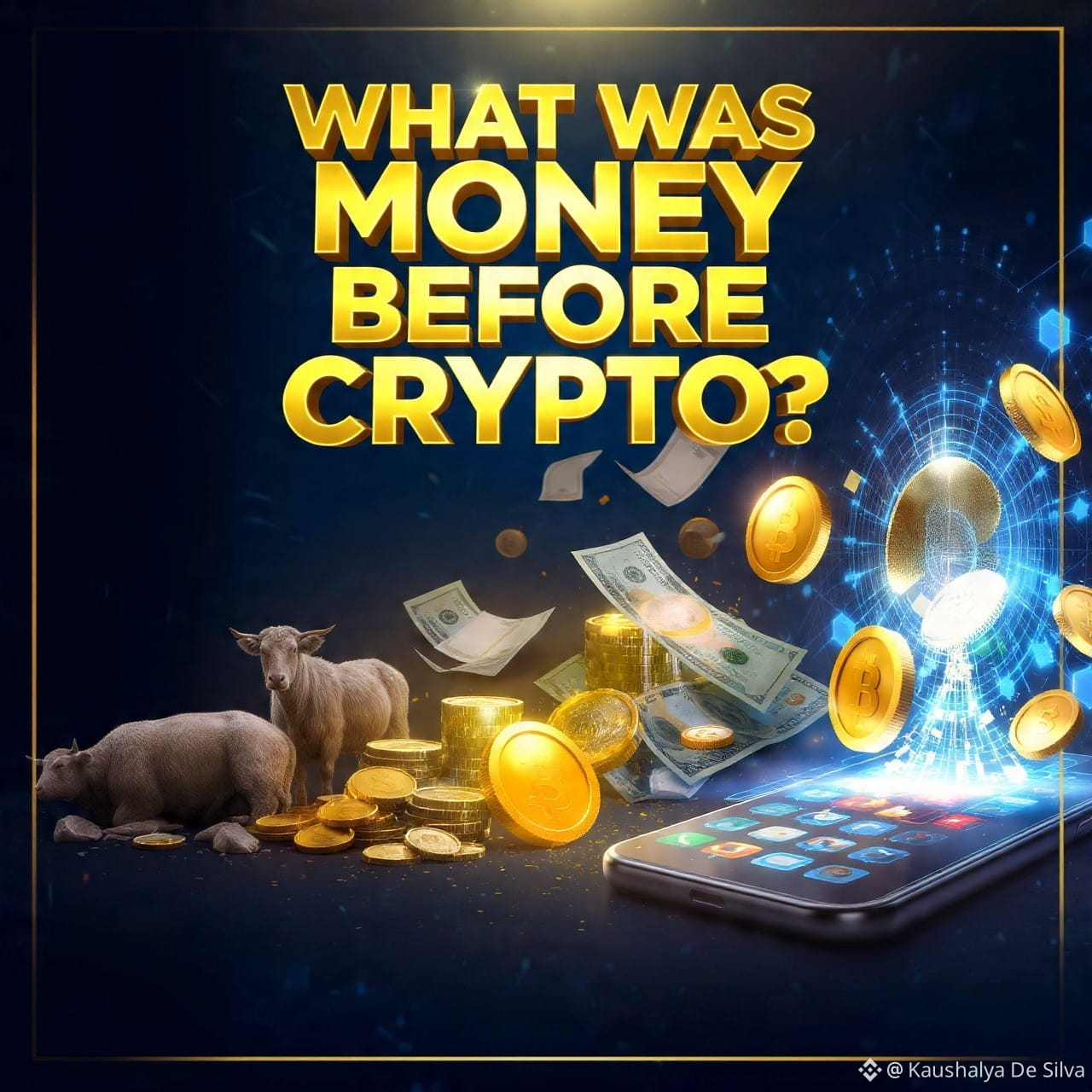
ARTIKEL 1: Was war Geld vor Krypto? 💰
1. Was ist es?
Geld ist alles, was Menschen als wertvoll anerkennen. Es hat sich im Laufe der Zeit stark verändert.
2. Warum solltest du es wissen?
Krypto ist einfach die nächste Version von Geld. Um es zu verstehen, müssen wir wissen, woher wir kommen.
3. Die 4 Phasen des Geldes:
1. Tauschhandel: Reis gegen Fisch tauschen. Problem: Was, wenn ich Fisch will, aber du Schuhe möchtest?
2. Waren-/Sachgeld: Gold, Salz, Muscheln. Der Wert steckte im Gegenstand.
3. Papiergeld: Regierungen sagten: „Dieses Papier = Wert“. Leichter zu transportieren.
4. Digitales Geld: Bank-App, Kreditkarten. Geld wurde zu Zahlen auf einem Bildschirm.
4. Das Problem:
Banken kontrollieren digitales Geld. Sie können es einfrieren, Gebühren erheben und mehr ausdrucken, was Inflation verursacht.
5. Pro-Tipp:
Krypto versucht, das zu beheben, indem Geld digital wird, aber OHNE dass eine Bank es kontrolliert.
#CryptoHistory #Money #Blockchain #Web3 #BinanceSquare
ARTIKEL 1: Was war Geld vor Krypto? 💰
1. Was ist es?
Geld ist alles, was Menschen als wertvoll anerkennen. Es hat sich im Laufe der Zeit stark verändert.
2. Warum solltest du es wissen?
Krypto ist einfach die nächste Version von Geld. Um es zu verstehen, müssen wir wissen, woher wir kommen.
3. Die 4 Phasen des Geldes:
1. Tauschhandel: Reis gegen Fisch tauschen. Problem: Was, wenn ich Fisch will, aber du Schuhe möchtest?
2. Waren-/Sachgeld: Gold, Salz, Muscheln. Der Wert steckte im Gegenstand.
3. Papiergeld: Regierungen sagten: „Dieses Papier = Wert“. Leichter zu transportieren.
4. Digitales Geld: Bank-App, Kreditkarten. Geld wurde zu Zahlen auf einem Bildschirm.
4. Das Problem:
Banken kontrollieren digitales Geld. Sie können es einfrieren, Gebühren erheben und mehr ausdrucken, was Inflation verursacht.
5. Pro-Tipp:
Krypto versucht, das zu beheben, indem Geld digital wird, aber OHNE dass eine Bank es kontrolliert.
#CryptoHistory #Money #Blockchain #Web3 #BinanceSquare
1. Was ist es?
Geld ist alles, was Menschen als wertvoll anerkennen. Es hat sich im Laufe der Zeit stark verändert.
2. Warum solltest du es wissen?
Krypto ist einfach die nächste Version von Geld. Um es zu verstehen, müssen wir wissen, woher wir kommen.
3. Die 4 Phasen des Geldes:
1. Tauschhandel: Reis gegen Fisch tauschen. Problem: Was, wenn ich Fisch will, aber du Schuhe möchtest?
2. Waren-/Sachgeld: Gold, Salz, Muscheln. Der Wert steckte im Gegenstand.
3. Papiergeld: Regierungen sagten: „Dieses Papier = Wert“. Leichter zu transportieren.
4. Digitales Geld: Bank-App, Kreditkarten. Geld wurde zu Zahlen auf einem Bildschirm.
4. Das Problem:
Banken kontrollieren digitales Geld. Sie können es einfrieren, Gebühren erheben und mehr ausdrucken, was Inflation verursacht.
5. Pro-Tipp:
Krypto versucht, das zu beheben, indem Geld digital wird, aber OHNE dass eine Bank es kontrolliert.
#CryptoHistory #Money #Blockchain #Web3 #BinanceSquare
80

Artikel
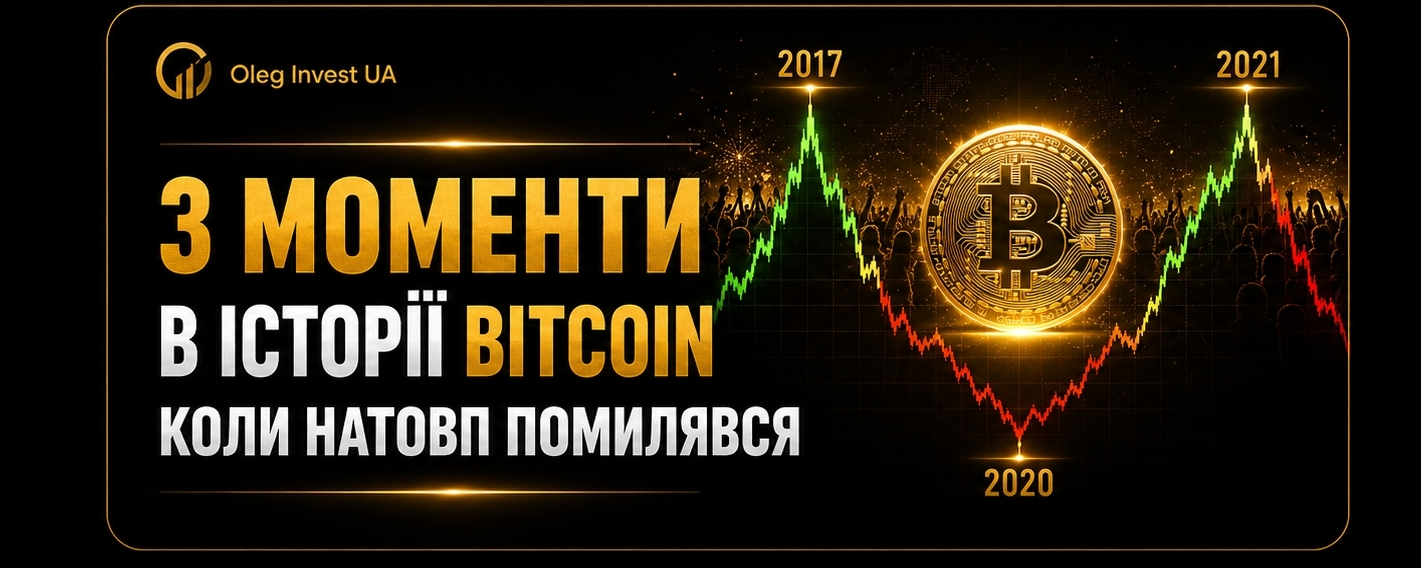
3 Momente in der Bitcoin-Geschichte, in denen die Masse sich irrteIn Krypto ändern sich Börsen, Technologien, Trends und die Lieblings-Coins. Aber eine Sache ändert sich fast nie: das Verhalten der Menschen. Wenn der Preis monatelang steigt, wirkt es so, als wäre ein Absturz unmöglich. Wenn der Markt einbricht, entsteht das gegenteilige Gefühl: „Diesmal ist wirklich alles vorbei.“
🔹 Dezember 2017
3 Momente in der Bitcoin-Geschichte, in denen die Masse sich irrte
In Krypto ändern sich Börsen, Technologien, Trends und die Lieblings-Coins. Aber eine Sache ändert sich fast nie: das Verhalten der Menschen. Wenn der Preis monatelang steigt, wirkt es so, als wäre ein Absturz unmöglich. Wenn der Markt einbricht, entsteht das gegenteilige Gefühl: „Diesmal ist wirklich alles vorbei.“
🔹 Dezember 2017
🔹 Dezember 2017
1
167

💻 MENSCH, DER FAST SEIN VERMÖGEN VERLOREN HAT
Im Jahr 2013 hat ein Brite, James Howells, aus Versehen eine Festplatte mit Zugriff auf seine Bitcoins weggeworfen.
Darauf, so seine Angaben, befand sich eine Wallet mit ungefähr 7.500 BTC.
Jahre lang versuchte er, die Festplatte auf einer Mülldeponie zu finden, aber ohne Erfolg.
Stellen Sie sich vor: Sie werfen eine alte Festplatte weg und erfahren Jahre später, dass darauf Kryptowährung im Wert einer riesigen Summe liegt. 😳
🔐 Krypto kann Freiheit bringen, aber der Zugang muss geschützt werden.
#Bitcoin #BTC #CryptoHistory #Binance
$BTC
{spot}(BTCUSDT)
💻 MENSCH, DER FAST SEIN VERMÖGEN VERLOREN HAT
Im Jahr 2013 hat ein Brite, James Howells, aus Versehen eine Festplatte mit Zugriff auf seine Bitcoins weggeworfen.
Darauf, so seine Angaben, befand sich eine Wallet mit ungefähr 7.500 BTC.
Jahre lang versuchte er, die Festplatte auf einer Mülldeponie zu finden, aber ohne Erfolg.
Stellen Sie sich vor: Sie werfen eine alte Festplatte weg und erfahren Jahre später, dass darauf Kryptowährung im Wert einer riesigen Summe liegt. 😳
🔐 Krypto kann Freiheit bringen, aber der Zugang muss geschützt werden.
#Bitcoin #BTC #CryptoHistory #Binance
$BTC
Im Jahr 2013 hat ein Brite, James Howells, aus Versehen eine Festplatte mit Zugriff auf seine Bitcoins weggeworfen.
Darauf, so seine Angaben, befand sich eine Wallet mit ungefähr 7.500 BTC.
Jahre lang versuchte er, die Festplatte auf einer Mülldeponie zu finden, aber ohne Erfolg.
Stellen Sie sich vor: Sie werfen eine alte Festplatte weg und erfahren Jahre später, dass darauf Kryptowährung im Wert einer riesigen Summe liegt. 😳
🔐 Krypto kann Freiheit bringen, aber der Zugang muss geschützt werden.
#Bitcoin #BTC #CryptoHistory #Binance
$BTC
494

·
--
hmm.. also hab ich heute alte Kurscharts für das Dusk-Research durchforstet und wurde (schon wieder) von dieser Zahl abgelenkt: Vor 10 Jahren, genau diese Woche, wurde Bitcoin bei $586 gehandelt.
$586. kein Tippfehler.
Ich hab die Rechnung tatsächlich ein paar Mal gemacht, weil es sich falsch anfühlte — von $586 bis dorthin, wo wir jetzt sind, ist das eine Rendite von ungefähr 130x, und das zählt nicht mal die mehrfachen 70%+-Drawdowns, die es auf dem Weg überstanden hat. 2018, 2022, alles.
Das lässt einen darüber nachdenken, wie sich "früh" in Echtzeit eigentlich anfühlt. Im Moment wirkt es nie wie ein Schnäppchen — es fühlt sich eher riskant und ungewiss an und irgendwie auch langweilig, ehrlich gesagt. Der Chart sieht nur im Nachhinein offensichtlich aus.
Also — welches ist gerade der äquivalente "$586-Moment", an dem wir alle einfach vorbeiscrollen? 🤔
@Binance_Square_Official
#Bitcoin #BTC #Crypto #CryptoHistory $BTC
{future}(BTCUSDT)
hmm.. also hab ich heute alte Kurscharts für das Dusk-Research durchforstet und wurde (schon wieder) von dieser Zahl abgelenkt: Vor 10 Jahren, genau diese Woche, wurde Bitcoin bei $586 gehandelt.
$586. kein Tippfehler.
Ich hab die Rechnung tatsächlich ein paar Mal gemacht, weil es sich falsch anfühlte — von $586 bis dorthin, wo wir jetzt sind, ist das eine Rendite von ungefähr 130x, und das zählt nicht mal die mehrfachen 70%+-Drawdowns, die es auf dem Weg überstanden hat. 2018, 2022, alles.
Das lässt einen darüber nachdenken, wie sich "früh" in Echtzeit eigentlich anfühlt. Im Moment wirkt es nie wie ein Schnäppchen — es fühlt sich eher riskant und ungewiss an und irgendwie auch langweilig, ehrlich gesagt. Der Chart sieht nur im Nachhinein offensichtlich aus.
Also — welches ist gerade der äquivalente "$586-Moment", an dem wir alle einfach vorbeiscrollen? 🤔
@Binance Square Official
#Bitcoin #BTC #Crypto #CryptoHistory $BTC
$586. kein Tippfehler.
Ich hab die Rechnung tatsächlich ein paar Mal gemacht, weil es sich falsch anfühlte — von $586 bis dorthin, wo wir jetzt sind, ist das eine Rendite von ungefähr 130x, und das zählt nicht mal die mehrfachen 70%+-Drawdowns, die es auf dem Weg überstanden hat. 2018, 2022, alles.
Das lässt einen darüber nachdenken, wie sich "früh" in Echtzeit eigentlich anfühlt. Im Moment wirkt es nie wie ein Schnäppchen — es fühlt sich eher riskant und ungewiss an und irgendwie auch langweilig, ehrlich gesagt. Der Chart sieht nur im Nachhinein offensichtlich aus.
Also — welches ist gerade der äquivalente "$586-Moment", an dem wir alle einfach vorbeiscrollen? 🤔
@Binance Square Official
#Bitcoin #BTC #Crypto #CryptoHistory $BTC
138

·
--
🚨 eINE gROẞARTIGE gESCHICHTE
🍕
Am 22. Mai 2010 schrieb ein Programmierer namens Laszlo Hanyecz Geschichte, als er die erste dokumentierte kommerzielle Transaktion mit Kryptowährungen durchführte.
Laszlo hatte Hunger und postete in einem Forum, dass er 10.000 Bitcoins an jeden zahlen würde, der ihm zwei große Pizzen nach Hause bringen würde. Ein 19-Jähriger nahm das Angebot an, kaufte die Pizzen bei Papa John’s für etwa 41 US-Dollar und erhielt die 10.000 BTC. Damals war jeder Bitcoin gerade einmal einen Bruchteil eines Cent wert.
Wenn wir den Wert dieser 10.000 Bitcoins mit dem aktuellen Preis von 72.000 US-Dollar pro BTC berechnen, würden diese zwei Pizzen heute die astronomische Summe von 720 Millionen US-Dollar kosten! Das ist zweifellos das teuerste Mittagessen der Welt.
➡️ Die große Erkenntnis
Die Lehre aus dieser Geschichte ist nicht „Gib deine Kryptowährungen nicht aus“, sondern der wahre Wert einer langfristigen Vision.
Laszlo ist nicht gescheitert; im Gegenteil: Dank seines Hungers zeigte er der ganzen Welt, dass Bitcoin als echtes Tauschmittel funktioniert. Der häufigste Fehler in der Krypto-Welt ist mangelnde Geduld und die Lust auf sofortige Befriedigung. Viele verkaufen ihre Assets schon bei dem ersten kleinen Gewinn oder beim ersten Marktpanik, ohne das disruptive Potenzial der Technologie zu verstehen, die sie langfristig in ihren Händen haben.
In Kryptowährungen gewinnt fast immer die Zeit im Markt (Halten) gegen die Eile für einen schnellen Gewinn.
$BTC $SOL
#Bitcoin❗ #CryptoHistory #PizzaDay #HODL
{spot}(SOLUSDT)
🚨 eINE gROẞARTIGE gESCHICHTE
🍕
Am 22. Mai 2010 schrieb ein Programmierer namens Laszlo Hanyecz Geschichte, als er die erste dokumentierte kommerzielle Transaktion mit Kryptowährungen durchführte.
Laszlo hatte Hunger und postete in einem Forum, dass er 10.000 Bitcoins an jeden zahlen würde, der ihm zwei große Pizzen nach Hause bringen würde. Ein 19-Jähriger nahm das Angebot an, kaufte die Pizzen bei Papa John’s für etwa 41 US-Dollar und erhielt die 10.000 BTC. Damals war jeder Bitcoin gerade einmal einen Bruchteil eines Cent wert.
Wenn wir den Wert dieser 10.000 Bitcoins mit dem aktuellen Preis von 72.000 US-Dollar pro BTC berechnen, würden diese zwei Pizzen heute die astronomische Summe von 720 Millionen US-Dollar kosten! Das ist zweifellos das teuerste Mittagessen der Welt.
➡️ Die große Erkenntnis
Die Lehre aus dieser Geschichte ist nicht „Gib deine Kryptowährungen nicht aus“, sondern der wahre Wert einer langfristigen Vision.
Laszlo ist nicht gescheitert; im Gegenteil: Dank seines Hungers zeigte er der ganzen Welt, dass Bitcoin als echtes Tauschmittel funktioniert. Der häufigste Fehler in der Krypto-Welt ist mangelnde Geduld und die Lust auf sofortige Befriedigung. Viele verkaufen ihre Assets schon bei dem ersten kleinen Gewinn oder beim ersten Marktpanik, ohne das disruptive Potenzial der Technologie zu verstehen, die sie langfristig in ihren Händen haben.
In Kryptowährungen gewinnt fast immer die Zeit im Markt (Halten) gegen die Eile für einen schnellen Gewinn.
$BTC $SOL
#Bitcoin❗ #CryptoHistory #PizzaDay #HODL
🍕
Am 22. Mai 2010 schrieb ein Programmierer namens Laszlo Hanyecz Geschichte, als er die erste dokumentierte kommerzielle Transaktion mit Kryptowährungen durchführte.
Laszlo hatte Hunger und postete in einem Forum, dass er 10.000 Bitcoins an jeden zahlen würde, der ihm zwei große Pizzen nach Hause bringen würde. Ein 19-Jähriger nahm das Angebot an, kaufte die Pizzen bei Papa John’s für etwa 41 US-Dollar und erhielt die 10.000 BTC. Damals war jeder Bitcoin gerade einmal einen Bruchteil eines Cent wert.
Wenn wir den Wert dieser 10.000 Bitcoins mit dem aktuellen Preis von 72.000 US-Dollar pro BTC berechnen, würden diese zwei Pizzen heute die astronomische Summe von 720 Millionen US-Dollar kosten! Das ist zweifellos das teuerste Mittagessen der Welt.
➡️ Die große Erkenntnis
Die Lehre aus dieser Geschichte ist nicht „Gib deine Kryptowährungen nicht aus“, sondern der wahre Wert einer langfristigen Vision.
Laszlo ist nicht gescheitert; im Gegenteil: Dank seines Hungers zeigte er der ganzen Welt, dass Bitcoin als echtes Tauschmittel funktioniert. Der häufigste Fehler in der Krypto-Welt ist mangelnde Geduld und die Lust auf sofortige Befriedigung. Viele verkaufen ihre Assets schon bei dem ersten kleinen Gewinn oder beim ersten Marktpanik, ohne das disruptive Potenzial der Technologie zu verstehen, die sie langfristig in ihren Händen haben.
In Kryptowährungen gewinnt fast immer die Zeit im Markt (Halten) gegen die Eile für einen schnellen Gewinn.
$BTC $SOL
#Bitcoin❗ #CryptoHistory #PizzaDay #HODL

1
5
2.5k

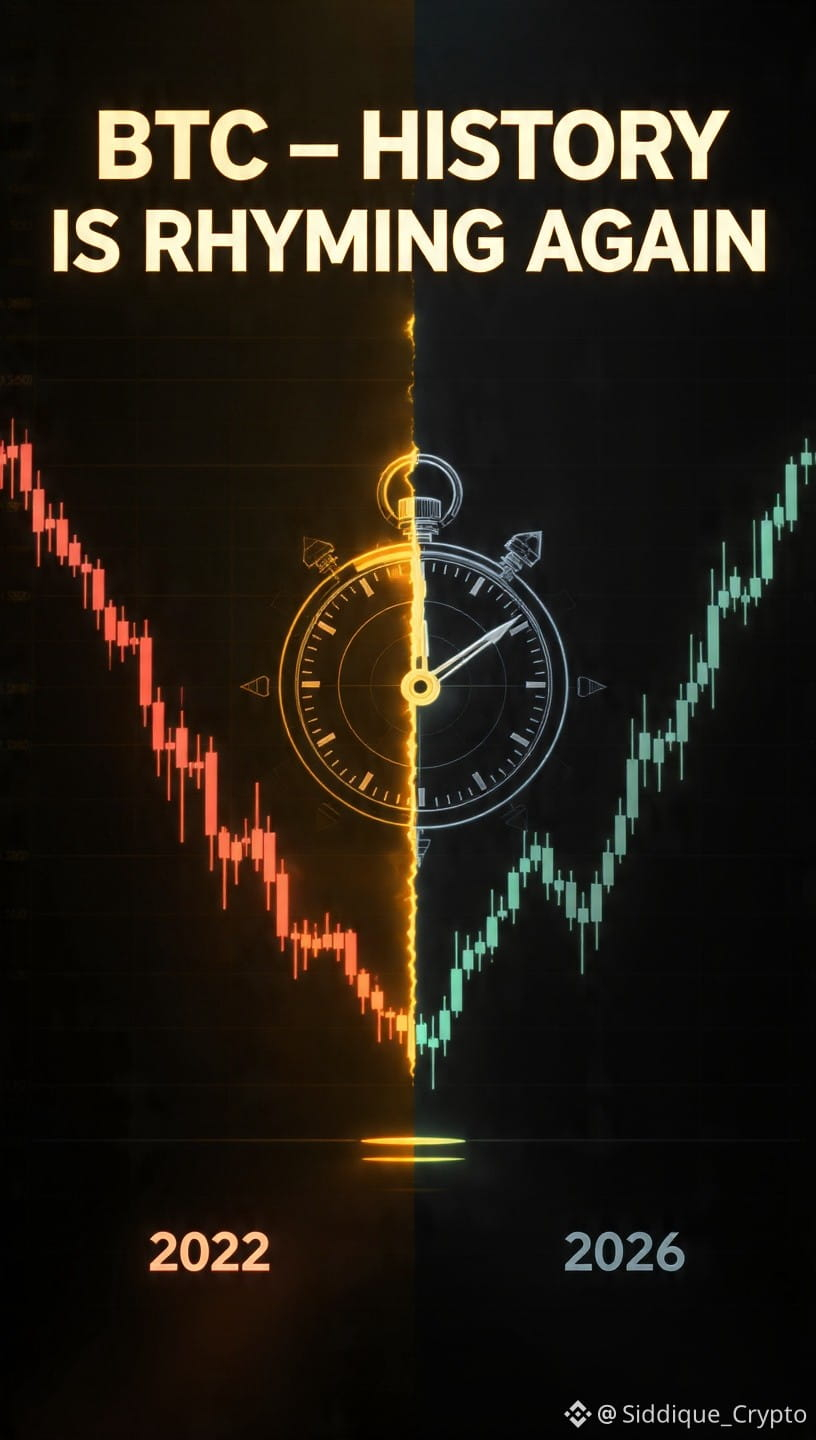
$BTC — Geschichte reimt sich wieder 👀📊
Eines der mächtigsten Konzepte in den Märkten — Geschichte wiederholt sich nicht genau, aber sie reimt sich. Und gerade jetzt zeigt Bitcoin ein vertrautes Muster.
2022 Zyklus:
📉 Wichtige Unterstützungsebene verloren
💀 Massive Kapitulation folgte
😱 Maximale Angst und Panik
📊 Jeder nannte Bitcoin tot
🚀 Genau diese Zone wurde zur Startrampe für den nächsten Bullenmarkt
2026 Jetzt:
📊 Ähnliches Konsolidierungsmuster bildet sich
👀 Gleiche Art von Angst und Ungewissheit vorhanden
🔄 Identische Struktur spielt sich auf den Charts ab
⚡ Aktuelle Zone spiegelt den vorherigen Punkt für den Bullenmarkt wider
Warum Zyklusvergleiche wichtig sind:
📊 Bitcoin hat bemerkenswert ähnliche makroökonomische Muster in jedem Zyklus verfolgt
👥 Menschliche Psychologie treibt die Märkte — Angst und Gier wiederholen sich
🔄 Kapitulationszonen werden historisch zu Akkumulationszonen
🧠 Diejenigen, die das Muster 2022 verstanden haben, wurden belohnt
Wichtige Realitätserklärung:
⚠️ Geschichte reimt sich — sie wiederholt sich nicht genau
⚠️ Die makroökonomischen Bedingungen 2026 sind anders als 2022
⚠️ Neuer Fed-Vorsitzender und geopolitische Spannungen bringen Unsicherheit
⚠️ Mustererkennung ist ein Werkzeug — keine Garantie
Die Schlüsselfrage:
Ist die Konsolidierungszone 2026 der gleiche Zündpunkt, den 2022 geschaffen hat? 👀
Die Zeit wird es zeigen — aber das Muster ist unmöglich zu ignorieren. 📊
💬 Denkst du, dass sich die Geschichte für BTC wiederholt? Schreib's unten!
DYOR — Keine Finanzberatung! 🙏
#bitcoin #BTC #MarketCycles #CryptoHistory #dyor
$BTC — Geschichte reimt sich wieder 👀📊
Eines der mächtigsten Konzepte in den Märkten — Geschichte wiederholt sich nicht genau, aber sie reimt sich. Und gerade jetzt zeigt Bitcoin ein vertrautes Muster.
2022 Zyklus:
📉 Wichtige Unterstützungsebene verloren
💀 Massive Kapitulation folgte
😱 Maximale Angst und Panik
📊 Jeder nannte Bitcoin tot
🚀 Genau diese Zone wurde zur Startrampe für den nächsten Bullenmarkt
2026 Jetzt:
📊 Ähnliches Konsolidierungsmuster bildet sich
👀 Gleiche Art von Angst und Ungewissheit vorhanden
🔄 Identische Struktur spielt sich auf den Charts ab
⚡ Aktuelle Zone spiegelt den vorherigen Punkt für den Bullenmarkt wider
Warum Zyklusvergleiche wichtig sind:
📊 Bitcoin hat bemerkenswert ähnliche makroökonomische Muster in jedem Zyklus verfolgt
👥 Menschliche Psychologie treibt die Märkte — Angst und Gier wiederholen sich
🔄 Kapitulationszonen werden historisch zu Akkumulationszonen
🧠 Diejenigen, die das Muster 2022 verstanden haben, wurden belohnt
Wichtige Realitätserklärung:
⚠️ Geschichte reimt sich — sie wiederholt sich nicht genau
⚠️ Die makroökonomischen Bedingungen 2026 sind anders als 2022
⚠️ Neuer Fed-Vorsitzender und geopolitische Spannungen bringen Unsicherheit
⚠️ Mustererkennung ist ein Werkzeug — keine Garantie
Die Schlüsselfrage:
Ist die Konsolidierungszone 2026 der gleiche Zündpunkt, den 2022 geschaffen hat? 👀
Die Zeit wird es zeigen — aber das Muster ist unmöglich zu ignorieren. 📊
💬 Denkst du, dass sich die Geschichte für BTC wiederholt? Schreib's unten!
DYOR — Keine Finanzberatung! 🙏
#bitcoin #BTC #MarketCycles #CryptoHistory #dyor
Eines der mächtigsten Konzepte in den Märkten — Geschichte wiederholt sich nicht genau, aber sie reimt sich. Und gerade jetzt zeigt Bitcoin ein vertrautes Muster.
2022 Zyklus:
📉 Wichtige Unterstützungsebene verloren
💀 Massive Kapitulation folgte
😱 Maximale Angst und Panik
📊 Jeder nannte Bitcoin tot
🚀 Genau diese Zone wurde zur Startrampe für den nächsten Bullenmarkt
2026 Jetzt:
📊 Ähnliches Konsolidierungsmuster bildet sich
👀 Gleiche Art von Angst und Ungewissheit vorhanden
🔄 Identische Struktur spielt sich auf den Charts ab
⚡ Aktuelle Zone spiegelt den vorherigen Punkt für den Bullenmarkt wider
Warum Zyklusvergleiche wichtig sind:
📊 Bitcoin hat bemerkenswert ähnliche makroökonomische Muster in jedem Zyklus verfolgt
👥 Menschliche Psychologie treibt die Märkte — Angst und Gier wiederholen sich
🔄 Kapitulationszonen werden historisch zu Akkumulationszonen
🧠 Diejenigen, die das Muster 2022 verstanden haben, wurden belohnt
Wichtige Realitätserklärung:
⚠️ Geschichte reimt sich — sie wiederholt sich nicht genau
⚠️ Die makroökonomischen Bedingungen 2026 sind anders als 2022
⚠️ Neuer Fed-Vorsitzender und geopolitische Spannungen bringen Unsicherheit
⚠️ Mustererkennung ist ein Werkzeug — keine Garantie
Die Schlüsselfrage:
Ist die Konsolidierungszone 2026 der gleiche Zündpunkt, den 2022 geschaffen hat? 👀
Die Zeit wird es zeigen — aber das Muster ist unmöglich zu ignorieren. 📊
💬 Denkst du, dass sich die Geschichte für BTC wiederholt? Schreib's unten!
DYOR — Keine Finanzberatung! 🙏
#bitcoin #BTC #MarketCycles #CryptoHistory #dyor
140

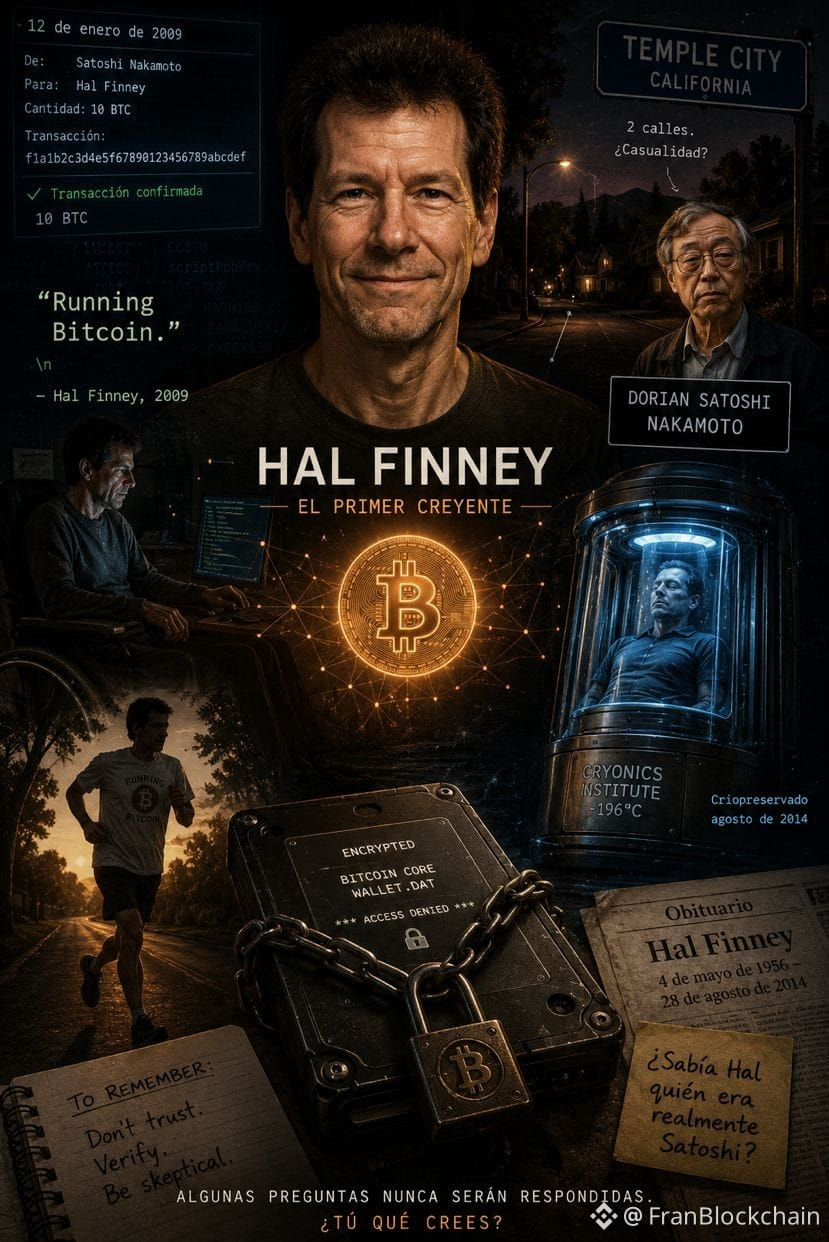
₿ 💥 Er erhielt die erste Bitcoin-Transaktion $BTC in der Geschichte.
Er lebte zwei Straßen weiter von jemandem namens Satoshi Nakamoto.
Und starb mit seinen verschlüsselten Festplatten.
Sein Name war Hal Finney.
Kryptograf. Marathonläufer. Angestellter eines Videospielunternehmens in Kalifornien.
Am 12. Januar 2009 schickte Satoshi Nakamoto ihm 10 BTC.
Die erste Bitcoin-Transaktion in der Geschichte der Welt.
Hal war der erste Gläubige. Der erste, der den Node ausgeführt hat.
Der erste, der zu Satoshi sagte: „das funktioniert.“
Im Jahr 2009 tweetete er etwas, das heute wie eine Prophezeiung klingt:
„Bitcoin läuft.“
Zwei Worte. Ohne Kontext. Ohne Aufhebens.
2013 wurde bei ihm ALS – amyotrophe Lateralsklerose – diagnostiziert.
Er programmierte weiter von seinem Rollstuhl aus.
Diktierte Code mit den Augen, als er seine Finger nicht mehr bewegen konnte.
Er starb im August 2014.
Sein Körper wurde kryokonserviert. Er ist bis heute gefroren.
Aber hier kommt das, was fast niemand weiß.
Hal Finney lebte in Temple City, Kalifornien.
Zwei Straßen von seinem Haus lebte ein älterer, pensionierter japanisch-amerikanischer Mann.
Sein Name: Dorian Satoshi Nakamoto.
Zufall, sagen die, die den Fall untersuchen.
Zu viel Zufall, sagen die anderen.
Die Festplatten von Hal Finney wurden nie entschlüsselt.
Niemand weiß, was darin ist.
Wusste Hal, wer Satoshi wirklich war?
Hat er es mit in die Kryokammer genommen?
Es gibt Fragen in der Crypto-Welt, die der Markt niemals beantworten wird.
Das ist eine davon.
Was denkst du?
Fran Berlin | Blockchain-Institut.
#bitcoin #CryptoHistory #halfinney #FranBerlin #InstitutoBlockchain
{spot}(BTCUSDT)
₿ 💥 Er erhielt die erste Bitcoin-Transaktion $BTC in der Geschichte.
Er lebte zwei Straßen weiter von jemandem namens Satoshi Nakamoto.
Und starb mit seinen verschlüsselten Festplatten.
Sein Name war Hal Finney.
Kryptograf. Marathonläufer. Angestellter eines Videospielunternehmens in Kalifornien.
Am 12. Januar 2009 schickte Satoshi Nakamoto ihm 10 BTC.
Die erste Bitcoin-Transaktion in der Geschichte der Welt.
Hal war der erste Gläubige. Der erste, der den Node ausgeführt hat.
Der erste, der zu Satoshi sagte: „das funktioniert.“
Im Jahr 2009 tweetete er etwas, das heute wie eine Prophezeiung klingt:
„Bitcoin läuft.“
Zwei Worte. Ohne Kontext. Ohne Aufhebens.
2013 wurde bei ihm ALS – amyotrophe Lateralsklerose – diagnostiziert.
Er programmierte weiter von seinem Rollstuhl aus.
Diktierte Code mit den Augen, als er seine Finger nicht mehr bewegen konnte.
Er starb im August 2014.
Sein Körper wurde kryokonserviert. Er ist bis heute gefroren.
Aber hier kommt das, was fast niemand weiß.
Hal Finney lebte in Temple City, Kalifornien.
Zwei Straßen von seinem Haus lebte ein älterer, pensionierter japanisch-amerikanischer Mann.
Sein Name: Dorian Satoshi Nakamoto.
Zufall, sagen die, die den Fall untersuchen.
Zu viel Zufall, sagen die anderen.
Die Festplatten von Hal Finney wurden nie entschlüsselt.
Niemand weiß, was darin ist.
Wusste Hal, wer Satoshi wirklich war?
Hat er es mit in die Kryokammer genommen?
Es gibt Fragen in der Crypto-Welt, die der Markt niemals beantworten wird.
Das ist eine davon.
Was denkst du?
Fran Berlin | Blockchain-Institut.
#bitcoin #CryptoHistory #halfinney #FranBerlin #InstitutoBlockchain
Er lebte zwei Straßen weiter von jemandem namens Satoshi Nakamoto.
Und starb mit seinen verschlüsselten Festplatten.
Sein Name war Hal Finney.
Kryptograf. Marathonläufer. Angestellter eines Videospielunternehmens in Kalifornien.
Am 12. Januar 2009 schickte Satoshi Nakamoto ihm 10 BTC.
Die erste Bitcoin-Transaktion in der Geschichte der Welt.
Hal war der erste Gläubige. Der erste, der den Node ausgeführt hat.
Der erste, der zu Satoshi sagte: „das funktioniert.“
Im Jahr 2009 tweetete er etwas, das heute wie eine Prophezeiung klingt:
„Bitcoin läuft.“
Zwei Worte. Ohne Kontext. Ohne Aufhebens.
2013 wurde bei ihm ALS – amyotrophe Lateralsklerose – diagnostiziert.
Er programmierte weiter von seinem Rollstuhl aus.
Diktierte Code mit den Augen, als er seine Finger nicht mehr bewegen konnte.
Er starb im August 2014.
Sein Körper wurde kryokonserviert. Er ist bis heute gefroren.
Aber hier kommt das, was fast niemand weiß.
Hal Finney lebte in Temple City, Kalifornien.
Zwei Straßen von seinem Haus lebte ein älterer, pensionierter japanisch-amerikanischer Mann.
Sein Name: Dorian Satoshi Nakamoto.
Zufall, sagen die, die den Fall untersuchen.
Zu viel Zufall, sagen die anderen.
Die Festplatten von Hal Finney wurden nie entschlüsselt.
Niemand weiß, was darin ist.
Wusste Hal, wer Satoshi wirklich war?
Hat er es mit in die Kryokammer genommen?
Es gibt Fragen in der Crypto-Welt, die der Markt niemals beantworten wird.
Das ist eine davon.
Was denkst du?
Fran Berlin | Blockchain-Institut.
#bitcoin #CryptoHistory #halfinney #FranBerlin #InstitutoBlockchain
3
2
1.9k

·
--
Habe heute über ein paar alte Krypto-Geschichten nachgedacht. Stell dir dieses Szenario vor: Jemand hat 2011 einen physischen $BTC gekauft, vielleicht nur weil er cool aussah, und dafür weniger als hundert Dollar bezahlt.
Wahrscheinlich haben sie es nur als kurvenreiche Gesprächseröffnung gesehen, irgendwo in einer Schublade verstaut. Spulen wir bis heute vor, und das Ausgraben dieses Relikts würde eine wirklich überwältigende Summe offenbaren, ein Paradebeispiel für frühe $CRYPTO Gewinne.
Was für eine wilde Reise für die frühen Adopter.
#Bitcoin #CryptoHistory #EarlyAdopter #HODL
Habe heute über ein paar alte Krypto-Geschichten nachgedacht. Stell dir dieses Szenario vor: Jemand hat 2011 einen physischen $BTC gekauft, vielleicht nur weil er cool aussah, und dafür weniger als hundert Dollar bezahlt.
Wahrscheinlich haben sie es nur als kurvenreiche Gesprächseröffnung gesehen, irgendwo in einer Schublade verstaut. Spulen wir bis heute vor, und das Ausgraben dieses Relikts würde eine wirklich überwältigende Summe offenbaren, ein Paradebeispiel für frühe $CRYPTO Gewinne.
Was für eine wilde Reise für die frühen Adopter.
#Bitcoin #CryptoHistory #EarlyAdopter #HODL
Wahrscheinlich haben sie es nur als kurvenreiche Gesprächseröffnung gesehen, irgendwo in einer Schublade verstaut. Spulen wir bis heute vor, und das Ausgraben dieses Relikts würde eine wirklich überwältigende Summe offenbaren, ein Paradebeispiel für frühe $CRYPTO Gewinne.
Was für eine wilde Reise für die frühen Adopter.
#Bitcoin #CryptoHistory #EarlyAdopter #HODL
27

·
--
Bullisch
Wir alle kennen die legendäre Geschichte: Am 22. Mai 2010 kaufte Laszlo Hanyecz zwei Pizzas für 10.000 $BTC. Zu der Zeit war es nur ein lustiges Experiment, das etwa 41 $ wert war. Heute? Diese Pizzas sind hunderte Millionen Dollar wert! 🤯
Aber der Binance Pizza Tag ist nicht nur ein Meme—es ist eine Erinnerung daran, wie schnell sich der Krypto-Raum entwickelt.
Was als Nischen-Digitale Währung zum Kauf von Fast Food begann, hat sich zu einem globalen Finanz-Ökosystem verwandelt. Mit steigender institutioneller Akzeptanz, Layer-2-Skalierung und massiven Ökosystemen, die auf Netzwerken wie $BNB und $SOL aufgebaut sind, erweitert sich der Nutzen von Krypto weit über nur einen Wertspeicher hinaus.
💡 Die wichtige Erkenntnis: Markzyklen werden immer Höhen und Tiefen haben, aber der langfristige Trend der Akzeptanz hat nicht aufgehört. Jeder Rücksetzer in der Geschichte hat letztendlich zu neuer Infrastruktur und neuen Höchstständen geführt.
Bist du ein HODLer, der auf die nächste große Welle wartet, oder handelst du aktiv die täglichen Spannen? Teile deine Strategie unten! 👇
#BinancePizzaDay🍕 #CryptoHistory $BTC # #bitcoin #writetoearn
Wir alle kennen die legendäre Geschichte: Am 22. Mai 2010 kaufte Laszlo Hanyecz zwei Pizzas für 10.000 $BTC . Zu der Zeit war es nur ein lustiges Experiment, das etwa 41 $ wert war. Heute? Diese Pizzas sind hunderte Millionen Dollar wert! 🤯
Aber der Binance Pizza Tag ist nicht nur ein Meme—es ist eine Erinnerung daran, wie schnell sich der Krypto-Raum entwickelt.
Was als Nischen-Digitale Währung zum Kauf von Fast Food begann, hat sich zu einem globalen Finanz-Ökosystem verwandelt. Mit steigender institutioneller Akzeptanz, Layer-2-Skalierung und massiven Ökosystemen, die auf Netzwerken wie $BNB und $SOL aufgebaut sind, erweitert sich der Nutzen von Krypto weit über nur einen Wertspeicher hinaus.
💡 Die wichtige Erkenntnis: Markzyklen werden immer Höhen und Tiefen haben, aber der langfristige Trend der Akzeptanz hat nicht aufgehört. Jeder Rücksetzer in der Geschichte hat letztendlich zu neuer Infrastruktur und neuen Höchstständen geführt.
Bist du ein HODLer, der auf die nächste große Welle wartet, oder handelst du aktiv die täglichen Spannen? Teile deine Strategie unten! 👇
#BinancePizzaDay🍕 #CryptoHistory $BTC # #bitcoin #writetoearn
Aber der Binance Pizza Tag ist nicht nur ein Meme—es ist eine Erinnerung daran, wie schnell sich der Krypto-Raum entwickelt.
Was als Nischen-Digitale Währung zum Kauf von Fast Food begann, hat sich zu einem globalen Finanz-Ökosystem verwandelt. Mit steigender institutioneller Akzeptanz, Layer-2-Skalierung und massiven Ökosystemen, die auf Netzwerken wie $BNB und $SOL aufgebaut sind, erweitert sich der Nutzen von Krypto weit über nur einen Wertspeicher hinaus.
💡 Die wichtige Erkenntnis: Markzyklen werden immer Höhen und Tiefen haben, aber der langfristige Trend der Akzeptanz hat nicht aufgehört. Jeder Rücksetzer in der Geschichte hat letztendlich zu neuer Infrastruktur und neuen Höchstständen geführt.
Bist du ein HODLer, der auf die nächste große Welle wartet, oder handelst du aktiv die täglichen Spannen? Teile deine Strategie unten! 👇
#BinancePizzaDay🍕 #CryptoHistory $BTC # #bitcoin #writetoearn
1
1
160

·
--
🚨⚡ $ETH CHANGED FOREVER HERE, AND EVERY HOLDER SHOULD KNOW WHY.
$ETH HOLDERS, THIS ONE MATTERS. 👀
Mehr als 3,6 Millionen ETH wurden aus einem verwundbaren Vertrag abgezogen. Ethereum reagierte mit einer Kettenaufspaltung.
Der DAO-Angriff von 2016 entleerte mehr als 3,6 Millionen ETH aus einem unsicheren Vertrag. Die Community stimmte für einen Fork, der die betroffenen Mittel in einen Auszahlungsvertrag verschob, während Miner, die diese Entscheidung ablehnten, die Kette weiterführten – heute bekannt als Ethereum Classic.
Die Schockwelle
Ein Ausfall bei Smart Contracts wurde zur Debatte darüber, ob Code, Community-Konsens oder Wiederherstellung eine Blockchain bestimmen sollten.
Die Lektion
Technologierisiko endet nicht beim Preis. Governance-Entscheidungen können ein Ökosystem dauerhaft umformen.
🧠 DER RAND
Halte diesen Fork auf dem Radar; eine Krise hat Ethereum für immer neu geformt.
🔥 Keep $ETH on your radar. $ETH history does not repeat quietly.
$ETH #ETH #CryptoStory #CryptoHistory
🚨⚡ $ETH CHANGED FOREVER HERE, AND EVERY HOLDER SHOULD KNOW WHY.
$ETH HOLDERS, THIS ONE MATTERS. 👀
Mehr als 3,6 Millionen ETH wurden aus einem verwundbaren Vertrag abgezogen. Ethereum reagierte mit einer Kettenaufspaltung.
Der DAO-Angriff von 2016 entleerte mehr als 3,6 Millionen ETH aus einem unsicheren Vertrag. Die Community stimmte für einen Fork, der die betroffenen Mittel in einen Auszahlungsvertrag verschob, während Miner, die diese Entscheidung ablehnten, die Kette weiterführten – heute bekannt als Ethereum Classic.
Die Schockwelle
Ein Ausfall bei Smart Contracts wurde zur Debatte darüber, ob Code, Community-Konsens oder Wiederherstellung eine Blockchain bestimmen sollten.
Die Lektion
Technologierisiko endet nicht beim Preis. Governance-Entscheidungen können ein Ökosystem dauerhaft umformen.
🧠 DER RAND
Halte diesen Fork auf dem Radar; eine Krise hat Ethereum für immer neu geformt.
🔥 Keep $ETH on your radar. $ETH history does not repeat quietly.
$ETH #ETH #CryptoStory #CryptoHistory
$ETH HOLDERS, THIS ONE MATTERS. 👀
Mehr als 3,6 Millionen ETH wurden aus einem verwundbaren Vertrag abgezogen. Ethereum reagierte mit einer Kettenaufspaltung.
Der DAO-Angriff von 2016 entleerte mehr als 3,6 Millionen ETH aus einem unsicheren Vertrag. Die Community stimmte für einen Fork, der die betroffenen Mittel in einen Auszahlungsvertrag verschob, während Miner, die diese Entscheidung ablehnten, die Kette weiterführten – heute bekannt als Ethereum Classic.
Die Schockwelle
Ein Ausfall bei Smart Contracts wurde zur Debatte darüber, ob Code, Community-Konsens oder Wiederherstellung eine Blockchain bestimmen sollten.
Die Lektion
Technologierisiko endet nicht beim Preis. Governance-Entscheidungen können ein Ökosystem dauerhaft umformen.
🧠 DER RAND
Halte diesen Fork auf dem Radar; eine Krise hat Ethereum für immer neu geformt.
🔥 Keep $ETH on your radar. $ETH history does not repeat quietly.
$ETH #ETH #CryptoStory #CryptoHistory
65
·
--
Stell dir vor: Jemand behauptet, eine Frau habe 900.000 $BTC im Jahr 2009 gekauft und sei dann einfach in der Krypto-Legende verschwunden.
So eine Geschichte trifft den wunden Punkt jedes Traders: die Angst, zu früh zu verkaufen, den Einstieg zu verpassen oder zuzusehen, wie jemand anderes aus Staub generationsübergreifenden Reichtum macht. Außerdem erinnert sie uns daran, wie leicht virale Krypto-Posts die Grenze zwischen Fallstudie und Mythos verwischen können.
Hier kommt der interessante Teil. 2009 hatte $BTC keinen echten Marktpreis, keine Mainstream-Börsenliquidität und so gut wie keine öffentliche Überzeugung dahinter. Ein 900.000-BTC-Stack wäre vergleichbar mit Beständen aus der Satoshi-Ära, und zu den heutigen Preisen würde er zu den größten individuellen Krypto-Vermögen überhaupt gehören – weit jenseits der meisten bekannten Whale-Wallets.
Vergleiche das mit dem berühmten Kauf von 10.000 BTC im Jahr 2010. Eine Person gab Coins aus, um zu beweisen, dass Bitcoin als Geld funktioniert. Und ein hypothetischer Inhaber von 900.000 BTC hätte stattdessen die Kraft bewiesen, einfach gar nichts zu tun. Dasselbe Asset, komplett anderes Ergebnis. Deshalb dominiert $BTC bis heute Dinner-Table-Krypto-Geschichten mehr als $ETH oder $BNB, weil seine frühe Geschichte voller asymmetrischer Entscheidungen steckt.
Die eigentliche Lehre ist nicht „einfach für immer halten“. Es ist vielmehr: Die Überzeugung wirkt nur im Nachhinein offensichtlich, und die schwersten Trades sind meistens die, die sich zur Zeit einfach lächerlich anfühlen. Glaubst du, dass du von 2009 bis heute durchgehalten hättest?
#Bitcoin #CryptoHistory #BTC
Stell dir vor: Jemand behauptet, eine Frau habe 900.000 $BTC im Jahr 2009 gekauft und sei dann einfach in der Krypto-Legende verschwunden.
So eine Geschichte trifft den wunden Punkt jedes Traders: die Angst, zu früh zu verkaufen, den Einstieg zu verpassen oder zuzusehen, wie jemand anderes aus Staub generationsübergreifenden Reichtum macht. Außerdem erinnert sie uns daran, wie leicht virale Krypto-Posts die Grenze zwischen Fallstudie und Mythos verwischen können.
Hier kommt der interessante Teil. 2009 hatte $BTC keinen echten Marktpreis, keine Mainstream-Börsenliquidität und so gut wie keine öffentliche Überzeugung dahinter. Ein 900.000-BTC-Stack wäre vergleichbar mit Beständen aus der Satoshi-Ära, und zu den heutigen Preisen würde er zu den größten individuellen Krypto-Vermögen überhaupt gehören – weit jenseits der meisten bekannten Whale-Wallets.
Vergleiche das mit dem berühmten Kauf von 10.000 BTC im Jahr 2010. Eine Person gab Coins aus, um zu beweisen, dass Bitcoin als Geld funktioniert. Und ein hypothetischer Inhaber von 900.000 BTC hätte stattdessen die Kraft bewiesen, einfach gar nichts zu tun. Dasselbe Asset, komplett anderes Ergebnis. Deshalb dominiert $BTC bis heute Dinner-Table-Krypto-Geschichten mehr als $ETH oder $BNB , weil seine frühe Geschichte voller asymmetrischer Entscheidungen steckt.
Die eigentliche Lehre ist nicht „einfach für immer halten“. Es ist vielmehr: Die Überzeugung wirkt nur im Nachhinein offensichtlich, und die schwersten Trades sind meistens die, die sich zur Zeit einfach lächerlich anfühlen. Glaubst du, dass du von 2009 bis heute durchgehalten hättest?
#Bitcoin #CryptoHistory #BTC
So eine Geschichte trifft den wunden Punkt jedes Traders: die Angst, zu früh zu verkaufen, den Einstieg zu verpassen oder zuzusehen, wie jemand anderes aus Staub generationsübergreifenden Reichtum macht. Außerdem erinnert sie uns daran, wie leicht virale Krypto-Posts die Grenze zwischen Fallstudie und Mythos verwischen können.
Hier kommt der interessante Teil. 2009 hatte $BTC keinen echten Marktpreis, keine Mainstream-Börsenliquidität und so gut wie keine öffentliche Überzeugung dahinter. Ein 900.000-BTC-Stack wäre vergleichbar mit Beständen aus der Satoshi-Ära, und zu den heutigen Preisen würde er zu den größten individuellen Krypto-Vermögen überhaupt gehören – weit jenseits der meisten bekannten Whale-Wallets.
Vergleiche das mit dem berühmten Kauf von 10.000 BTC im Jahr 2010. Eine Person gab Coins aus, um zu beweisen, dass Bitcoin als Geld funktioniert. Und ein hypothetischer Inhaber von 900.000 BTC hätte stattdessen die Kraft bewiesen, einfach gar nichts zu tun. Dasselbe Asset, komplett anderes Ergebnis. Deshalb dominiert $BTC bis heute Dinner-Table-Krypto-Geschichten mehr als $ETH oder $BNB , weil seine frühe Geschichte voller asymmetrischer Entscheidungen steckt.
Die eigentliche Lehre ist nicht „einfach für immer halten“. Es ist vielmehr: Die Überzeugung wirkt nur im Nachhinein offensichtlich, und die schwersten Trades sind meistens die, die sich zur Zeit einfach lächerlich anfühlen. Glaubst du, dass du von 2009 bis heute durchgehalten hättest?
#Bitcoin #CryptoHistory #BTC
13

·
--
💎 DIE GESCHICHTE DER KRYPTOS 💎⚡️ Alles beginnt im Jahr 2008, mitten in der weltweiten Finanzkrise. Ein geheimnisvolles Pseudonym — Satoshi Nakamoto — veröffentlicht ein simples Dokument mit 9 Seiten: das Whitepaper von $BTC . Die Botschaft ist klar: Nie wieder sollte ein Geldsystem von blindem Vertrauen in Banken abhängen.
▬▬▬▬▬▬▬▬▬▬▬▬▬▬▬▬▬▬▬▬▬▬▬▬▬▬
🔥 2009 → Der „Genesis-Block“ wird ausgegraben. Bitcoin wird offiziell geboren, mit einer versteckten Botschaft, die auf die Rettung der britischen Banken Bezug nimmt. Das ist bereits eine politische Aussage.
💎 DIE GESCHICHTE DER KRYPTOS 💎
⚡️ Alles beginnt im Jahr 2008, mitten in der weltweiten Finanzkrise. Ein geheimnisvolles Pseudonym — Satoshi Nakamoto — veröffentlicht ein simples Dokument mit 9 Seiten: das Whitepaper von $BTC . Die Botschaft ist klar: Nie wieder sollte ein Geldsystem von blindem Vertrauen in Banken abhängen.
▬▬▬▬▬▬▬▬▬▬▬▬▬▬▬▬▬▬▬▬▬▬▬▬▬▬
🔥 2009 → Der „Genesis-Block“ wird ausgegraben. Bitcoin wird offiziell geboren, mit einer versteckten Botschaft, die auf die Rettung der britischen Banken Bezug nimmt. Das ist bereits eine politische Aussage.
▬▬▬▬▬▬▬▬▬▬▬▬▬▬▬▬▬▬▬▬▬▬▬▬▬▬
🔥 2009 → Der „Genesis-Block“ wird ausgegraben. Bitcoin wird offiziell geboren, mit einer versteckten Botschaft, die auf die Rettung der britischen Banken Bezug nimmt. Das ist bereits eine politische Aussage.
82
·
--
Artikel
Krypto-Geschichtslektion: Die Investoren, die die Angst überlebten🕰️ Der Crash von Stellar im Jahr 2020 zeigt, warum Krypto-Zyklen wichtig sind
Während der Unsicherheit beim Börsencrash am COVID-19-Markt im Jahr 2020 erlebten viele Krypto-Assets eine extreme Volatilität — einschließlich Stellar ($XLM), das nahe an historische Tiefststände gehandelt wurde.
Zu diesem Zeitpunkt war die Stimmung extrem negativ. Viele Anleger konzentrierten sich nur auf die kurzfristige Angst und ignorierten die Möglichkeit einer zukünftigen Erholung.
Jahre später wurde XLMs Weg ein weiteres Beispiel dafür, wie sich Krypto-Märkte oft in Zyklen aus Angst, Erholung und neuem Interesse bewegen.
Krypto-Geschichtslektion: Die Investoren, die die Angst überlebten
🕰️ Der Crash von Stellar im Jahr 2020 zeigt, warum Krypto-Zyklen wichtig sind
Während der Unsicherheit beim Börsencrash am COVID-19-Markt im Jahr 2020 erlebten viele Krypto-Assets eine extreme Volatilität — einschließlich Stellar ($XLM ), das nahe an historische Tiefststände gehandelt wurde.
Zu diesem Zeitpunkt war die Stimmung extrem negativ. Viele Anleger konzentrierten sich nur auf die kurzfristige Angst und ignorierten die Möglichkeit einer zukünftigen Erholung.
Jahre später wurde XLMs Weg ein weiteres Beispiel dafür, wie sich Krypto-Märkte oft in Zyklen aus Angst, Erholung und neuem Interesse bewegen.
Während der Unsicherheit beim Börsencrash am COVID-19-Markt im Jahr 2020 erlebten viele Krypto-Assets eine extreme Volatilität — einschließlich Stellar ($XLM ), das nahe an historische Tiefststände gehandelt wurde.
Zu diesem Zeitpunkt war die Stimmung extrem negativ. Viele Anleger konzentrierten sich nur auf die kurzfristige Angst und ignorierten die Möglichkeit einer zukünftigen Erholung.
Jahre später wurde XLMs Weg ein weiteres Beispiel dafür, wie sich Krypto-Märkte oft in Zyklen aus Angst, Erholung und neuem Interesse bewegen.
60

·
--
Zurück in 2013 und 2014 hat das magische Internetgeld ruhig bewiesen, dass es das echte Ding ist. Es wurde als tatsächlich funktionierende Blockchain gestartet, nicht als irgendein Whitepaper-Traum, mit ehrlichem Mining und Jahren an On-Chain-Geschichte, die bereits hinter ihm aufbaut.
Was heraussticht, ist, wie dieses frühe Fundament immer noch wichtig ist. Während neuere Chains experimentieren und iterieren, trägt diese hier das Gewicht, von Anfang an getestet worden zu sein. Es erinnert mich daran, warum einige Projekte überdauern und andere verblassen.
$BTC $ETH $SOL
#Bitcoin #CryptoHistory #Blockchain #MagicInternetMoney
Zurück in 2013 und 2014 hat das magische Internetgeld ruhig bewiesen, dass es das echte Ding ist. Es wurde als tatsächlich funktionierende Blockchain gestartet, nicht als irgendein Whitepaper-Traum, mit ehrlichem Mining und Jahren an On-Chain-Geschichte, die bereits hinter ihm aufbaut.
Was heraussticht, ist, wie dieses frühe Fundament immer noch wichtig ist. Während neuere Chains experimentieren und iterieren, trägt diese hier das Gewicht, von Anfang an getestet worden zu sein. Es erinnert mich daran, warum einige Projekte überdauern und andere verblassen.
$BTC $ETH $SOL
#Bitcoin #CryptoHistory #Blockchain #MagicInternetMoney
Was heraussticht, ist, wie dieses frühe Fundament immer noch wichtig ist. Während neuere Chains experimentieren und iterieren, trägt diese hier das Gewicht, von Anfang an getestet worden zu sein. Es erinnert mich daran, warum einige Projekte überdauern und andere verblassen.
$BTC $ETH $SOL
#Bitcoin #CryptoHistory #Blockchain #MagicInternetMoney
77

·
--
Im Jahr 2017 hatte Changpeng Zhao (CZ) bereits eine Karriere im Bereich Fintech aufgebaut — er arbeitete an Handelssystemen und half sogar beim Aufbau von Bijie Tech, einem Unternehmen, das die Infrastruktur für andere Krypto-Börsen bereitstellte. Er sah aus erster Hand, wie die Branche funktionierte und wo sie hinter den Erwartungen zurückblieb.
Also entschied er sich, seine eigene Börse zu bauen. Binance wurde in nur wenigen Monaten programmiert und startete im Juli 2017 seinen Token-Verkauf (ICO) und nahm dabei rund 15 Millionen US-Dollar ein. Nur wenige Wochen später zwang Chinas Krypto-Razzien CZ dazu, die gesamte Operation praktisch über Nacht zu verlegen — eine Lektion in Bezug auf die Volatilität und Widerstandsfähigkeit, die der Krypto-Sektor von da an verlangen würde.
Trotz dieses holprigen Starts wuchs Binance in einem Tempo, das nur wenige Plattformen in irgendeiner Branche erreicht haben. Innerhalb von 6 Monaten wurde es zur größten Krypto-Börse nach Handelsvolumen. Der Name selbst ist eine Mischung aus „binary“ und „finance“ — ein Hinweis auf die digitale, dezentrale Zukunft, die CZ sich vorstellte.
Wichtige Meilensteine auf dem Weg:
2017: Gegründet, ICO sammelt Mittel für den Start
2018: Wird die weltweit größte Krypto-Börse nach Volumen
2019: Startet die Binance Smart Chain (heute BNB Chain)
2021–2023: Skaliert global trotz intensiver regulatorischer Überprüfung
2023: CZ tritt als CEO zurück, nachdem es zu einer Einigung mit dem US-Justizministerium gekommen ist
2024–2026: Binance läuft unter neuer Führung weiter als dominierende globale Börse
9 Jahre später ist Binance nicht nur eine Börse — es ist eine Infrastruktur für eine ganze Branche. Entstanden durch Volatilität, regulatorische Auseinandersetzungen und unermüdliche Weiterentwicklung.
#BinanceTurns9 #CryptoHistory
Im Jahr 2017 hatte Changpeng Zhao (CZ) bereits eine Karriere im Bereich Fintech aufgebaut — er arbeitete an Handelssystemen und half sogar beim Aufbau von Bijie Tech, einem Unternehmen, das die Infrastruktur für andere Krypto-Börsen bereitstellte. Er sah aus erster Hand, wie die Branche funktionierte und wo sie hinter den Erwartungen zurückblieb.
Also entschied er sich, seine eigene Börse zu bauen. Binance wurde in nur wenigen Monaten programmiert und startete im Juli 2017 seinen Token-Verkauf (ICO) und nahm dabei rund 15 Millionen US-Dollar ein. Nur wenige Wochen später zwang Chinas Krypto-Razzien CZ dazu, die gesamte Operation praktisch über Nacht zu verlegen — eine Lektion in Bezug auf die Volatilität und Widerstandsfähigkeit, die der Krypto-Sektor von da an verlangen würde.
Trotz dieses holprigen Starts wuchs Binance in einem Tempo, das nur wenige Plattformen in irgendeiner Branche erreicht haben. Innerhalb von 6 Monaten wurde es zur größten Krypto-Börse nach Handelsvolumen. Der Name selbst ist eine Mischung aus „binary“ und „finance“ — ein Hinweis auf die digitale, dezentrale Zukunft, die CZ sich vorstellte.
Wichtige Meilensteine auf dem Weg:
2017: Gegründet, ICO sammelt Mittel für den Start
2018: Wird die weltweit größte Krypto-Börse nach Volumen
2019: Startet die Binance Smart Chain (heute BNB Chain)
2021–2023: Skaliert global trotz intensiver regulatorischer Überprüfung
2023: CZ tritt als CEO zurück, nachdem es zu einer Einigung mit dem US-Justizministerium gekommen ist
2024–2026: Binance läuft unter neuer Führung weiter als dominierende globale Börse
9 Jahre später ist Binance nicht nur eine Börse — es ist eine Infrastruktur für eine ganze Branche. Entstanden durch Volatilität, regulatorische Auseinandersetzungen und unermüdliche Weiterentwicklung.
#BinanceTurns9 #CryptoHistory
Also entschied er sich, seine eigene Börse zu bauen. Binance wurde in nur wenigen Monaten programmiert und startete im Juli 2017 seinen Token-Verkauf (ICO) und nahm dabei rund 15 Millionen US-Dollar ein. Nur wenige Wochen später zwang Chinas Krypto-Razzien CZ dazu, die gesamte Operation praktisch über Nacht zu verlegen — eine Lektion in Bezug auf die Volatilität und Widerstandsfähigkeit, die der Krypto-Sektor von da an verlangen würde.
Trotz dieses holprigen Starts wuchs Binance in einem Tempo, das nur wenige Plattformen in irgendeiner Branche erreicht haben. Innerhalb von 6 Monaten wurde es zur größten Krypto-Börse nach Handelsvolumen. Der Name selbst ist eine Mischung aus „binary“ und „finance“ — ein Hinweis auf die digitale, dezentrale Zukunft, die CZ sich vorstellte.
Wichtige Meilensteine auf dem Weg:
2017: Gegründet, ICO sammelt Mittel für den Start
2018: Wird die weltweit größte Krypto-Börse nach Volumen
2019: Startet die Binance Smart Chain (heute BNB Chain)
2021–2023: Skaliert global trotz intensiver regulatorischer Überprüfung
2023: CZ tritt als CEO zurück, nachdem es zu einer Einigung mit dem US-Justizministerium gekommen ist
2024–2026: Binance läuft unter neuer Führung weiter als dominierende globale Börse
9 Jahre später ist Binance nicht nur eine Börse — es ist eine Infrastruktur für eine ganze Branche. Entstanden durch Volatilität, regulatorische Auseinandersetzungen und unermüdliche Weiterentwicklung.
#BinanceTurns9 #CryptoHistory
1
103
Anmelden und weiter Inhalte entdecken
Krypto-Nutzer weltweit auf Binance Square kennenlernen
⚡️ Bleib in Sachen Krypto stets am Puls.
💬 Die weltgrößte Kryptobörse vertraut darauf.
👍 Erhalte verlässliche Einblicke von verifizierten Creators.
E-Mail-Adresse/Telefonnummer
Trendthemen
1
#ClarityActFacesProceduralVoteSept15
9,572 Aufrufe
202 Kommentare
2
#US2YearYieldRisesTo4.61%
14,646 Aufrufe
321 Kommentare
3
#US10YearTreasuryYieldNears5%
7,555 Aufrufe
186 Kommentare
4
#CryptoLiquidations$674MIn24H
5,497 Aufrufe
64 Kommentare
5
#TokenizedStockHoldersUp619.1%
10,416 Aufrufe
221 Kommentare
6
#RevolutConfirmsFakeGovEmailDataBreach
29,289 Aufrufe
528 Kommentare
7
#CanadaOSFISaysTokenizedDepositsEqualTraditionalDeposits
1,444 Aufrufe
51 Kommentare
8
#USBankCompletesCrossBorderPaymentPilotOnStellar
31,683 Aufrufe
727 Kommentare
9
#NvidiaInTalksToInvestUpTo$10BInAnthropicIPO
2,532 Aufrufe
62 Kommentare
10
#EtherRalliesAsBearishBetsLiquidate
45,385 Aufrufe
914 Kommentare