
#bitcoinnews
bitcoinnews
2M Aufrufe
4,088 Kommentare
Hot
Zuletzt

·
--
Bullisch
Übersetzung ansehen
$BTC
🚨 $BTC MARKET WATCH 🚨
{spot}(BTCUSDT)
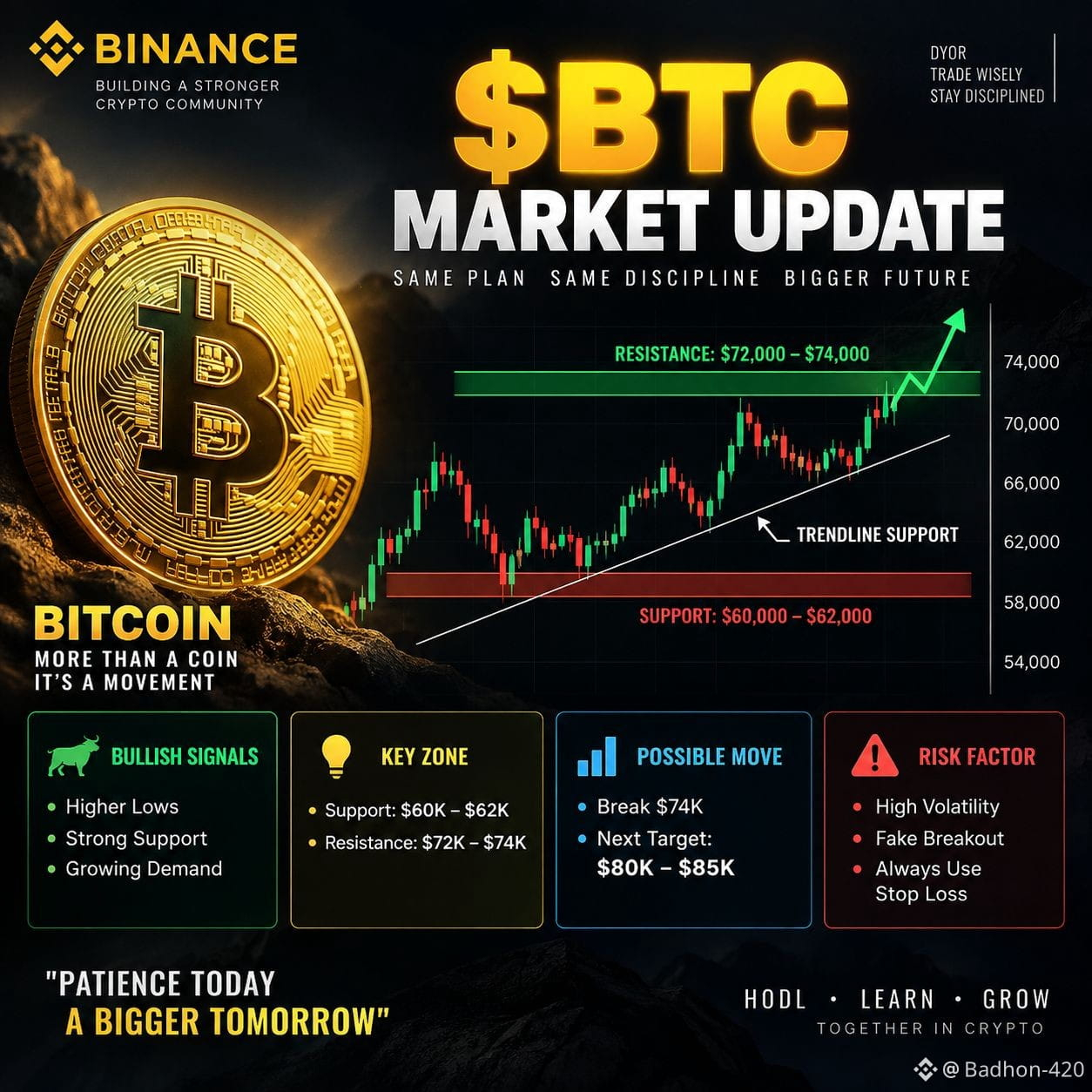
Bitcoin is holding around the $77K zone. 👀
The big question now is simple:
🔥 Can BTC reclaim $80K+?
📉 Or will sellers push it lower first?
With the Fed decision coming next week, volatility could increase. ⚡
Don’t chase the pump.
Don’t panic sell the dip.
Watch the levels. 🧠📊
What do you think?
🚀 $80K+
🐻 More downside
#BTC☀️ #bitcoin.” #CryptoNewss #BTCUSDTUPDATE #BitcoinNews
$BTC
🚨 $BTC MARKET WATCH 🚨
Bitcoin is holding around the $77K zone. 👀
The big question now is simple:
🔥 Can BTC reclaim $80K+?
📉 Or will sellers push it lower first?
With the Fed decision coming next week, volatility could increase. ⚡
Don’t chase the pump.
Don’t panic sell the dip.
Watch the levels. 🧠📊
What do you think?
🚀 $80K+
🐻 More downside
#BTC☀️ #bitcoin.” #CryptoNewss #BTCUSDTUPDATE #BitcoinNews
🚨 $BTC MARKET WATCH 🚨
Bitcoin is holding around the $77K zone. 👀
The big question now is simple:
🔥 Can BTC reclaim $80K+?
📉 Or will sellers push it lower first?
With the Fed decision coming next week, volatility could increase. ⚡
Don’t chase the pump.
Don’t panic sell the dip.
Watch the levels. 🧠📊
What do you think?
🚀 $80K+
🐻 More downside
#BTC☀️ #bitcoin.” #CryptoNewss #BTCUSDTUPDATE #BitcoinNews
262

Übersetzung ansehen
🚨 BINANCE’S BITCOIN HOLDINGS HIT A 2-YEAR HIGH ₿
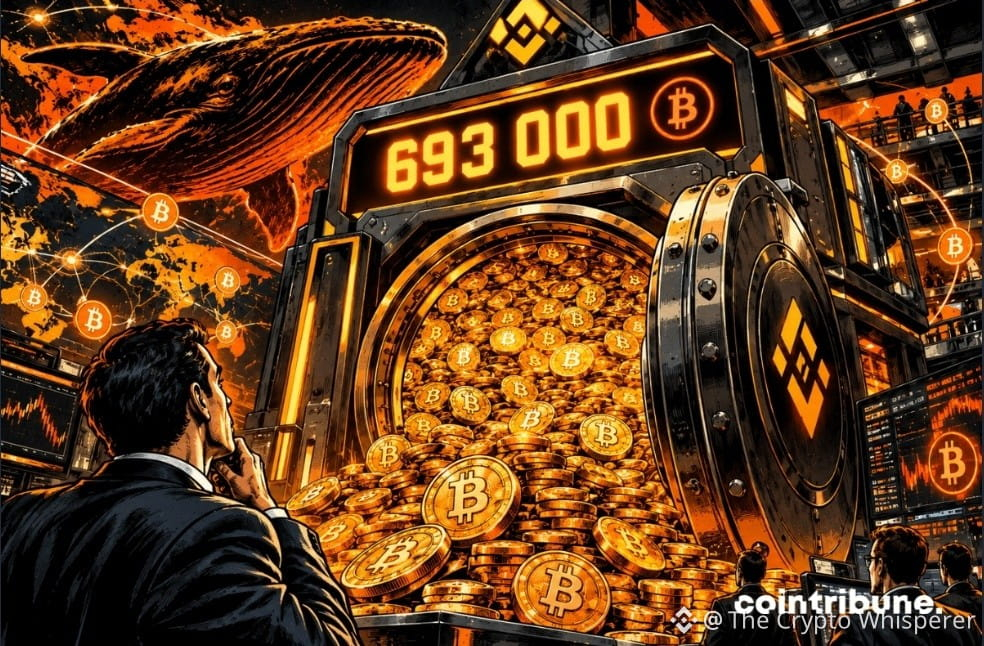
Binance reportedly now holds around 693,000 BTC, its highest level in two years. 👀
That’s a massive amount of Bitcoin sitting on one exchange — but the bigger question is what it means for the market.
📊 Higher exchange balances can mean more potential sell-side liquidity
🐋 It could also reflect institutional custody and internal wallet movements
⚠️ On-chain balances alone don’t confirm whether Binance or its users intend to sell
With BTC already facing a critical market backdrop, 693K $BTC is a number traders will be watching closely.
{spot}(BTCUSDT)
Accumulation, custody shift, or future selling pressure? 👀
#Bitcoin #Binance #Crypto #BitcoinNews #CryptoMarket
🚨 BINANCE’S BITCOIN HOLDINGS HIT A 2-YEAR HIGH ₿
Binance reportedly now holds around 693,000 BTC, its highest level in two years. 👀
That’s a massive amount of Bitcoin sitting on one exchange — but the bigger question is what it means for the market.
📊 Higher exchange balances can mean more potential sell-side liquidity
🐋 It could also reflect institutional custody and internal wallet movements
⚠️ On-chain balances alone don’t confirm whether Binance or its users intend to sell
With BTC already facing a critical market backdrop, 693K $BTC is a number traders will be watching closely.
Accumulation, custody shift, or future selling pressure? 👀
#Bitcoin #Binance #Crypto #BitcoinNews #CryptoMarket
Binance reportedly now holds around 693,000 BTC, its highest level in two years. 👀
That’s a massive amount of Bitcoin sitting on one exchange — but the bigger question is what it means for the market.
📊 Higher exchange balances can mean more potential sell-side liquidity
🐋 It could also reflect institutional custody and internal wallet movements
⚠️ On-chain balances alone don’t confirm whether Binance or its users intend to sell
With BTC already facing a critical market backdrop, 693K $BTC is a number traders will be watching closely.
Accumulation, custody shift, or future selling pressure? 👀
#Bitcoin #Binance #Crypto #BitcoinNews #CryptoMarket
7

·
--
Übersetzung ansehen
🚨 BTC JUST PULLED BACK — WHAT HAPPENS NEXT? 👀
Bitcoin is trading around the $77K zone after recently touching around $78K.
📉 The latest pullback appears to be linked to profit-taking and leverage getting flushed from the market.
But here’s the interesting part 👇
The next major catalyst traders are watching is the September FOMC meeting. Macro news could bring another big move for crypto.
📊 Levels I’m watching:
🔹 BTC: ~$77K
🔹 Recent high: ~$78K
🔹 Key question: Can BTC reclaim $78K and push higher, or will sellers take control?
I’m not predicting a guaranteed pump or dump. The next move could depend heavily on liquidity and macro conditions.
🔥 WHAT DO YOU THINK?
A️⃣ BTC breaks above $80K
B️⃣ BTC drops below $75K
C️⃣ BTC stays between $75K–$80K
👇 Comment A, B, or C — let’s see what the Square community thinks.
$BTC #Bitcoin #Crypto #BinanceSquare #CryptoNews #BitcoinNews #MarketUpdate
🚨 BTC JUST PULLED BACK — WHAT HAPPENS NEXT? 👀
Bitcoin is trading around the $77K zone after recently touching around $78K.
📉 The latest pullback appears to be linked to profit-taking and leverage getting flushed from the market.
But here’s the interesting part 👇
The next major catalyst traders are watching is the September FOMC meeting. Macro news could bring another big move for crypto.
📊 Levels I’m watching:
🔹 BTC: ~$77K
🔹 Recent high: ~$78K
🔹 Key question: Can BTC reclaim $78K and push higher, or will sellers take control?
I’m not predicting a guaranteed pump or dump. The next move could depend heavily on liquidity and macro conditions.
🔥 WHAT DO YOU THINK?
A️⃣ BTC breaks above $80K
B️⃣ BTC drops below $75K
C️⃣ BTC stays between $75K–$80K
👇 Comment A, B, or C — let’s see what the Square community thinks.
$BTC #Bitcoin #Crypto #BinanceSquare #CryptoNews #BitcoinNews #MarketUpdate
Bitcoin is trading around the $77K zone after recently touching around $78K.
📉 The latest pullback appears to be linked to profit-taking and leverage getting flushed from the market.
But here’s the interesting part 👇
The next major catalyst traders are watching is the September FOMC meeting. Macro news could bring another big move for crypto.
📊 Levels I’m watching:
🔹 BTC: ~$77K
🔹 Recent high: ~$78K
🔹 Key question: Can BTC reclaim $78K and push higher, or will sellers take control?
I’m not predicting a guaranteed pump or dump. The next move could depend heavily on liquidity and macro conditions.
🔥 WHAT DO YOU THINK?
A️⃣ BTC breaks above $80K
B️⃣ BTC drops below $75K
C️⃣ BTC stays between $75K–$80K
👇 Comment A, B, or C — let’s see what the Square community thinks.
$BTC #Bitcoin #Crypto #BinanceSquare #CryptoNews #BitcoinNews #MarketUpdate
59

·
--
Bullisch
Übersetzung ansehen
$BTC
{spot}(BTCUSDT)
🚨 Bitcoin Reacts to Hot US PPI
US PPI data came in at 5.4% compared with the 5.3% expectation.
The hotter-than-expected producer inflation reading could add pressure to financial markets and bring more volatility to risk assets.
Bitcoin traders are now watching closely to see how BTC responds to the latest inflation signal.
If inflation remains elevated then expectations around monetary policy could become an important factor for Bitcoin and the wider crypto market.
The next move could be interesting as traders assess whether this is just short-term volatility or the beginning of a larger market reaction.
What do you think?
Is this bullish or bearish for BTC?
#bitcoin #PPI #BitcoinNews #CryptoMarket #trading
$BTC
🚨 Bitcoin Reacts to Hot US PPI
US PPI data came in at 5.4% compared with the 5.3% expectation.
The hotter-than-expected producer inflation reading could add pressure to financial markets and bring more volatility to risk assets.
Bitcoin traders are now watching closely to see how BTC responds to the latest inflation signal.
If inflation remains elevated then expectations around monetary policy could become an important factor for Bitcoin and the wider crypto market.
The next move could be interesting as traders assess whether this is just short-term volatility or the beginning of a larger market reaction.
What do you think?
Is this bullish or bearish for BTC?
#bitcoin #PPI #BitcoinNews #CryptoMarket #trading
🚨 Bitcoin Reacts to Hot US PPI
US PPI data came in at 5.4% compared with the 5.3% expectation.
The hotter-than-expected producer inflation reading could add pressure to financial markets and bring more volatility to risk assets.
Bitcoin traders are now watching closely to see how BTC responds to the latest inflation signal.
If inflation remains elevated then expectations around monetary policy could become an important factor for Bitcoin and the wider crypto market.
The next move could be interesting as traders assess whether this is just short-term volatility or the beginning of a larger market reaction.
What do you think?
Is this bullish or bearish for BTC?
#bitcoin #PPI #BitcoinNews #CryptoMarket #trading

38

₿ BITCOIN STEHT VOR EINEM ENTSCHEIDUNGSPUNKT
Bitcoin wird derzeit um 76,6K–77K US-Dollar gehandelt und liegt im Vergleich zu den letzten 24 Stunden etwa 0,8%–1,4% im Minus.
📊 BTC-MARKTÜBERBLICK
• Preis: ~76,9K
• 24H-Bias: 🔴 Bärisch / Vorsichtig
• BTC-Dominanz: ~59%
• Marktstimmung: ⚠️ Risk-Off
🌍 WAS BEWEGT BTC?
Ein stärkerer USD, steigende Renditen von US-Staatsanleihen und erhöhte Ölpreise üben Druck auf riskante Assets aus. Händler achten außerdem auf die heutigen US-CPI-Daten sowie auf die Fed-Entscheidung nächste Woche, um die nächste große Marktrichtung abzuleiten.
🎯 WICHTIGSTER TAKEAWAY
Das ist nicht die Zeit, jeder Kerze hinterherzulaufen.
Beobachte das Makro.
Beobachte das Volumen.
Dann mach deinen Move.
₿ Bitcoin belohnt keine Ungeduld.
#bitcoin.” #CryptoMarketMoves #TradingCommunity #Marketupdates #BitcoinNews
$BTC $BNB $SOL
₿ BITCOIN STEHT VOR EINEM ENTSCHEIDUNGSPUNKT
Bitcoin wird derzeit um 76,6K–77K US-Dollar gehandelt und liegt im Vergleich zu den letzten 24 Stunden etwa 0,8%–1,4% im Minus.
📊 BTC-MARKTÜBERBLICK
• Preis: ~76,9K
• 24H-Bias: 🔴 Bärisch / Vorsichtig
• BTC-Dominanz: ~59%
• Marktstimmung: ⚠️ Risk-Off
🌍 WAS BEWEGT BTC?
Ein stärkerer USD, steigende Renditen von US-Staatsanleihen und erhöhte Ölpreise üben Druck auf riskante Assets aus. Händler achten außerdem auf die heutigen US-CPI-Daten sowie auf die Fed-Entscheidung nächste Woche, um die nächste große Marktrichtung abzuleiten.
🎯 WICHTIGSTER TAKEAWAY
Das ist nicht die Zeit, jeder Kerze hinterherzulaufen.
Beobachte das Makro.
Beobachte das Volumen.
Dann mach deinen Move.
₿ Bitcoin belohnt keine Ungeduld.
#bitcoin.” #CryptoMarketMoves #TradingCommunity #Marketupdates #BitcoinNews
$BTC $BNB $SOL
Bitcoin wird derzeit um 76,6K–77K US-Dollar gehandelt und liegt im Vergleich zu den letzten 24 Stunden etwa 0,8%–1,4% im Minus.
📊 BTC-MARKTÜBERBLICK
• Preis: ~76,9K
• 24H-Bias: 🔴 Bärisch / Vorsichtig
• BTC-Dominanz: ~59%
• Marktstimmung: ⚠️ Risk-Off
🌍 WAS BEWEGT BTC?
Ein stärkerer USD, steigende Renditen von US-Staatsanleihen und erhöhte Ölpreise üben Druck auf riskante Assets aus. Händler achten außerdem auf die heutigen US-CPI-Daten sowie auf die Fed-Entscheidung nächste Woche, um die nächste große Marktrichtung abzuleiten.
🎯 WICHTIGSTER TAKEAWAY
Das ist nicht die Zeit, jeder Kerze hinterherzulaufen.
Beobachte das Makro.
Beobachte das Volumen.
Dann mach deinen Move.
₿ Bitcoin belohnt keine Ungeduld.
#bitcoin.” #CryptoMarketMoves #TradingCommunity #Marketupdates #BitcoinNews
$BTC $BNB $SOL

32

🚨 VOR 16 JAHREN VERSUCHTE JEMAND, 10.000 BTC FÜR NUR 50 US-DOLLAR ZU VERSTEIGERN.
Niemand platzierte auch nur ein einziges Gebot.
Und heute?
Diese 10.000 BTC sind heute fast 790 MILLIONEN US-DOLLAR wert.
Eines der verrücktesten Beispiele dafür, wie früh Bitcoin falsch verstanden wurde.
Damals war Bitcoin nur einen Bruchteil eines Cent wert.
Für die meisten Menschen sah es wertlos aus.
Heute steht 10.000 BTC für Vermögen über Generationen hinweg.
Die Lehre geht nicht nur um Bitcoin.
Es geht darum, wie schwierig es ist, ein revolutionäres Asset zu erkennen, bevor alle anderen daran glauben.
Die größten Chancen sehen oft lächerlich aus, bevor sie offensichtlich werden.
#Bitcoin #BTC #Crypto #Cryptocurrency #BitcoinNews
🚨 VOR 16 JAHREN VERSUCHTE JEMAND, 10.000 BTC FÜR NUR 50 US-DOLLAR ZU VERSTEIGERN.
Niemand platzierte auch nur ein einziges Gebot.
Und heute?
Diese 10.000 BTC sind heute fast 790 MILLIONEN US-DOLLAR wert.
Eines der verrücktesten Beispiele dafür, wie früh Bitcoin falsch verstanden wurde.
Damals war Bitcoin nur einen Bruchteil eines Cent wert.
Für die meisten Menschen sah es wertlos aus.
Heute steht 10.000 BTC für Vermögen über Generationen hinweg.
Die Lehre geht nicht nur um Bitcoin.
Es geht darum, wie schwierig es ist, ein revolutionäres Asset zu erkennen, bevor alle anderen daran glauben.
Die größten Chancen sehen oft lächerlich aus, bevor sie offensichtlich werden.
#Bitcoin #BTC #Crypto #Cryptocurrency #BitcoinNews
Niemand platzierte auch nur ein einziges Gebot.
Und heute?
Diese 10.000 BTC sind heute fast 790 MILLIONEN US-DOLLAR wert.
Eines der verrücktesten Beispiele dafür, wie früh Bitcoin falsch verstanden wurde.
Damals war Bitcoin nur einen Bruchteil eines Cent wert.
Für die meisten Menschen sah es wertlos aus.
Heute steht 10.000 BTC für Vermögen über Generationen hinweg.
Die Lehre geht nicht nur um Bitcoin.
Es geht darum, wie schwierig es ist, ein revolutionäres Asset zu erkennen, bevor alle anderen daran glauben.
Die größten Chancen sehen oft lächerlich aus, bevor sie offensichtlich werden.
#Bitcoin #BTC #Crypto #Cryptocurrency #BitcoinNews

1
47

·
--
Artikel
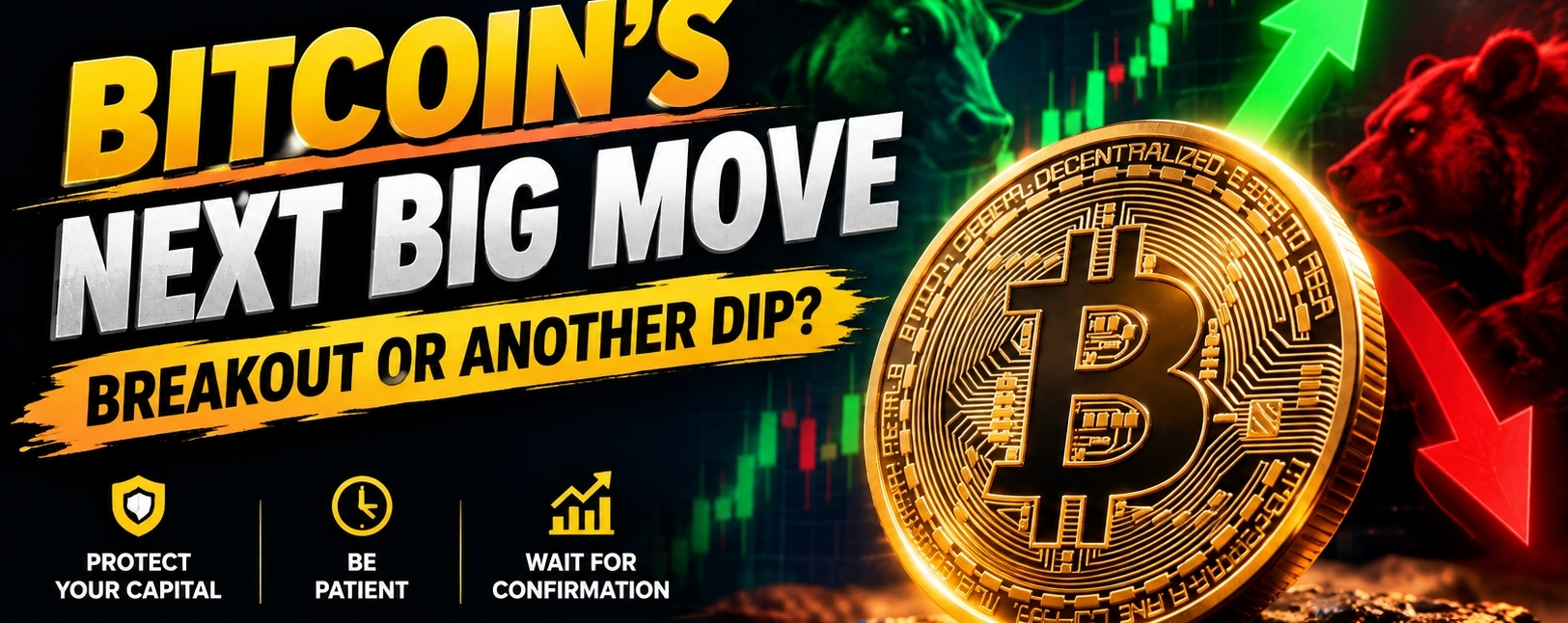
🚨 Bitcoins nächster großer Move: Ausbruch oder ein weiterer Dip?🚨 Bitcoins nächster großer Move: Ausbruch oder ein weiterer Dip?
Bitcoin ($BTC ) betritt eine Phase, in der Geduld vielleicht wertvoller ist als Vorhersagen.
Nach den jüngsten Marktbewegungen kann die Volatilität schnell ansteigen, während Händler auf makroökonomische Daten, die Liquiditätslage und die allgemeine Risikostimmung reagieren. 📊
Die entscheidende Frage lautet jetzt nicht nur: „Wird Bitcoin steigen oder fallen?“
Die eigentliche Frage ist:
Würdest du den nächsten Zug bestätigen, bevor wir eintreten? 🎯
Ein starker Ausbruch mit Bestätigung könnte neue Kaufkraft anziehen und Bitcoin möglicherweise in Richtung höherer Niveaus treiben. Andererseits, wenn Käufer den Schwung nicht aufrechterhalten können, könnte es zu einem weiteren Rücksetzer kommen, bevor der Markt stärkeren Halt findet. 📉➡️📈
🚨 Bitcoins nächster großer Move: Ausbruch oder ein weiterer Dip?
🚨 Bitcoins nächster großer Move: Ausbruch oder ein weiterer Dip?
Bitcoin ($BTC ) betritt eine Phase, in der Geduld vielleicht wertvoller ist als Vorhersagen.
Nach den jüngsten Marktbewegungen kann die Volatilität schnell ansteigen, während Händler auf makroökonomische Daten, die Liquiditätslage und die allgemeine Risikostimmung reagieren. 📊
Die entscheidende Frage lautet jetzt nicht nur: „Wird Bitcoin steigen oder fallen?“
Die eigentliche Frage ist:
Würdest du den nächsten Zug bestätigen, bevor wir eintreten? 🎯
Ein starker Ausbruch mit Bestätigung könnte neue Kaufkraft anziehen und Bitcoin möglicherweise in Richtung höherer Niveaus treiben. Andererseits, wenn Käufer den Schwung nicht aufrechterhalten können, könnte es zu einem weiteren Rücksetzer kommen, bevor der Markt stärkeren Halt findet. 📉➡️📈
Bitcoin ($BTC ) betritt eine Phase, in der Geduld vielleicht wertvoller ist als Vorhersagen.
Nach den jüngsten Marktbewegungen kann die Volatilität schnell ansteigen, während Händler auf makroökonomische Daten, die Liquiditätslage und die allgemeine Risikostimmung reagieren. 📊
Die entscheidende Frage lautet jetzt nicht nur: „Wird Bitcoin steigen oder fallen?“
Die eigentliche Frage ist:
Würdest du den nächsten Zug bestätigen, bevor wir eintreten? 🎯
Ein starker Ausbruch mit Bestätigung könnte neue Kaufkraft anziehen und Bitcoin möglicherweise in Richtung höherer Niveaus treiben. Andererseits, wenn Käufer den Schwung nicht aufrechterhalten können, könnte es zu einem weiteren Rücksetzer kommen, bevor der Markt stärkeren Halt findet. 📉➡️📈
62

🚨 Bitcoin: Bull Run oder letzter Betrugstrick?
Bitcoin zeigt gemischte Signale, und der Markt wird immer spannender.
Bereits wurden Millionen Dollar in Krypto-Positionen liquidiert, während europäische Regulierungsbehörden vor dem Risiko einer scharfen Markt-Korrektur warnen.
Gleichzeitig wird das technische Setup von Bitcoin immer bullischer: Das Golden Cross sorgt für noch mehr Aufmerksamkeit am Markt.
Also die große Frage ist:
Bereitet sich Bitcoin auf seine nächste große Bewegung vor – oder ist das wieder ein Bull Trap vor einer tieferen Korrektur?
Ich beobachte den Markt genau. Was denkt ihr?
Bull Run 🚀 oder Final Trap ⚠️?
#BTC #BitcoinNews #CryptoMarket $BTC
{future}(BTCUSDT)
$BTC
🚨 Bitcoin: Bull Run oder letzter Betrugstrick?
Bitcoin zeigt gemischte Signale, und der Markt wird immer spannender.
Bereits wurden Millionen Dollar in Krypto-Positionen liquidiert, während europäische Regulierungsbehörden vor dem Risiko einer scharfen Markt-Korrektur warnen.
Gleichzeitig wird das technische Setup von Bitcoin immer bullischer: Das Golden Cross sorgt für noch mehr Aufmerksamkeit am Markt.
Also die große Frage ist:
Bereitet sich Bitcoin auf seine nächste große Bewegung vor – oder ist das wieder ein Bull Trap vor einer tieferen Korrektur?
Ich beobachte den Markt genau. Was denkt ihr?
Bull Run 🚀 oder Final Trap ⚠️?
#BTC #BitcoinNews #CryptoMarket $BTC
$BTC
Bitcoin zeigt gemischte Signale, und der Markt wird immer spannender.
Bereits wurden Millionen Dollar in Krypto-Positionen liquidiert, während europäische Regulierungsbehörden vor dem Risiko einer scharfen Markt-Korrektur warnen.
Gleichzeitig wird das technische Setup von Bitcoin immer bullischer: Das Golden Cross sorgt für noch mehr Aufmerksamkeit am Markt.
Also die große Frage ist:
Bereitet sich Bitcoin auf seine nächste große Bewegung vor – oder ist das wieder ein Bull Trap vor einer tieferen Korrektur?
Ich beobachte den Markt genau. Was denkt ihr?
Bull Run 🚀 oder Final Trap ⚠️?
#BTC #BitcoinNews #CryptoMarket $BTC
$BTC
74

🚨 Bitcoin (BTC) Marktupdate — 10. September 2026
Bitcoin wird heute bei rund 79K $ gehandelt, während die Marktvolatilität weiterhin hoch bleibt. In den vergangenen 24 Stunden wurden etwa 246 Mio. $ an Krypto-Positionen liquidiert. �
The Economic Times +1
📈 BTC hat außerdem ein bullisches Golden Cross signalisiert: Der 50-Tage-Durchschnitt liegt nun über dem 200-Tage-Durchschnitt. �
Business Insider
⚠️ Händler beobachten die bevorstehenden US-Inflationsdaten und das Treffen der Federal Reserve besonders genau, da diese die BTC-Volatilität beeinflussen könnten. �
Reuters +1
Wie siehst du das? BTC bald über 80K $? 👀
#Bitcoin #BTC #Crypto #Binance #BitcoinNews #CryptoNews
🚨 Bitcoin (BTC) Marktupdate — 10. September 2026
Bitcoin wird heute bei rund 79K $ gehandelt, während die Marktvolatilität weiterhin hoch bleibt. In den vergangenen 24 Stunden wurden etwa 246 Mio. $ an Krypto-Positionen liquidiert. �
The Economic Times +1
📈 BTC hat außerdem ein bullisches Golden Cross signalisiert: Der 50-Tage-Durchschnitt liegt nun über dem 200-Tage-Durchschnitt. �
Business Insider
⚠️ Händler beobachten die bevorstehenden US-Inflationsdaten und das Treffen der Federal Reserve besonders genau, da diese die BTC-Volatilität beeinflussen könnten. �
Reuters +1
Wie siehst du das? BTC bald über 80K $? 👀
#Bitcoin #BTC #Crypto #Binance #BitcoinNews #CryptoNews
Bitcoin wird heute bei rund 79K $ gehandelt, während die Marktvolatilität weiterhin hoch bleibt. In den vergangenen 24 Stunden wurden etwa 246 Mio. $ an Krypto-Positionen liquidiert. �
The Economic Times +1
📈 BTC hat außerdem ein bullisches Golden Cross signalisiert: Der 50-Tage-Durchschnitt liegt nun über dem 200-Tage-Durchschnitt. �
Business Insider
⚠️ Händler beobachten die bevorstehenden US-Inflationsdaten und das Treffen der Federal Reserve besonders genau, da diese die BTC-Volatilität beeinflussen könnten. �
Reuters +1
Wie siehst du das? BTC bald über 80K $? 👀
#Bitcoin #BTC #Crypto #Binance #BitcoinNews #CryptoNews
1
168

·
--
Bärisch
🚨 BITCOIN HAT EIN SELTENES BULLISHES SIGNAL GESENDET! 🔥
$BTC hat einen Golden Cross gebildet — der 50-Tage-Durchschnitt ist über den 200-Tage-Durchschnitt gestiegen.
Dies ist das erste Bitcoin Golden Cross seit Mai 2025. 👀
Bitcoin wird nun etwa im Bereich von $79K gehandelt, wobei $80K, $84K und $90K wichtige Kursmarken sind, die es zu beobachten gilt.
📈 Bereitet sich Bitcoin auf eine weitere große Rallye vor?
Oder wird $80K zu einem starken Widerstand?
Wie lautet dein BTC-Ziel? 🎯
$85K, $90K oder $100K?
#bitcoin.” oin #BTC C #GoldenCross #CryptoNews #BinanceSquare #Crypto
{spot}(BTCUSDT)
#BitcoinNews #CryptoTrading #Altcoin
🚨 BITCOIN HAT EIN SELTENES BULLISHES SIGNAL GESENDET! 🔥
$BTC hat einen Golden Cross gebildet — der 50-Tage-Durchschnitt ist über den 200-Tage-Durchschnitt gestiegen.
Dies ist das erste Bitcoin Golden Cross seit Mai 2025. 👀
Bitcoin wird nun etwa im Bereich von $79K gehandelt, wobei $80K, $84K und $90K wichtige Kursmarken sind, die es zu beobachten gilt.
📈 Bereitet sich Bitcoin auf eine weitere große Rallye vor?
Oder wird $80K zu einem starken Widerstand?
Wie lautet dein BTC-Ziel? 🎯
$85K, $90K oder $100K?
#bitcoin.” oin #BTC C #GoldenCross #CryptoNews #BinanceSquare #Crypto
#BitcoinNews #CryptoTrading #Altcoin
$BTC hat einen Golden Cross gebildet — der 50-Tage-Durchschnitt ist über den 200-Tage-Durchschnitt gestiegen.
Dies ist das erste Bitcoin Golden Cross seit Mai 2025. 👀
Bitcoin wird nun etwa im Bereich von $79K gehandelt, wobei $80K, $84K und $90K wichtige Kursmarken sind, die es zu beobachten gilt.
📈 Bereitet sich Bitcoin auf eine weitere große Rallye vor?
Oder wird $80K zu einem starken Widerstand?
Wie lautet dein BTC-Ziel? 🎯
$85K, $90K oder $100K?
#bitcoin.” oin #BTC C #GoldenCross #CryptoNews #BinanceSquare #Crypto
#BitcoinNews #CryptoTrading #Altcoin
57
·
--
Bullisch
🚨 BITCOIN HAT SOEBEN EIN BULLISCHES SIGNAL GESENDET! 👀🔥
$BTC hat gerade ein Golden Cross gebildet — wenn der 50-Tage-Durchschnitt über den 200-Tage-Durchschnitt steigt.
Dies ist eines der am häufigsten beobachteten bullischen Signale im Krypto-Bereich. 📈
Bitcoin wird derzeit rund um die $79K-Marke gehandelt, wobei $80K und $83K–$84K wichtige Levels sind, die man im Blick behalten sollte.
Könnte das der Start von Bitcoins nächster großer Bewegung sein? 👀
🎯 Nächstes BTC-Ziel: $85K oder $90K?
Was denkst du? 👇
#Bitcoin #BTC$ #GoldenCross #Crypto_Jobs🎯 #BinanceSquare #CryptoNews #BitcoinNews #CryptoTradingPrediction #altcoins
🚨 BITCOIN HAT SOEBEN EIN BULLISCHES SIGNAL GESENDET! 👀🔥
$BTC hat gerade ein Golden Cross gebildet — wenn der 50-Tage-Durchschnitt über den 200-Tage-Durchschnitt steigt.
Dies ist eines der am häufigsten beobachteten bullischen Signale im Krypto-Bereich. 📈
Bitcoin wird derzeit rund um die $79K-Marke gehandelt, wobei $80K und $83K–$84K wichtige Levels sind, die man im Blick behalten sollte.
Könnte das der Start von Bitcoins nächster großer Bewegung sein? 👀
🎯 Nächstes BTC-Ziel: $85K oder $90K?
Was denkst du? 👇
#Bitcoin #BTC$ #GoldenCross #Crypto_Jobs🎯 #BinanceSquare #CryptoNews #BitcoinNews #CryptoTradingPrediction #altcoins
$BTC hat gerade ein Golden Cross gebildet — wenn der 50-Tage-Durchschnitt über den 200-Tage-Durchschnitt steigt.
Dies ist eines der am häufigsten beobachteten bullischen Signale im Krypto-Bereich. 📈
Bitcoin wird derzeit rund um die $79K-Marke gehandelt, wobei $80K und $83K–$84K wichtige Levels sind, die man im Blick behalten sollte.
Könnte das der Start von Bitcoins nächster großer Bewegung sein? 👀
🎯 Nächstes BTC-Ziel: $85K oder $90K?
Was denkst du? 👇
#Bitcoin #BTC$ #GoldenCross #Crypto_Jobs🎯 #BinanceSquare #CryptoNews #BitcoinNews #CryptoTradingPrediction #altcoins
69

🚨 BTC-UPDATE — $80K rückt näher 👀
Bitcoin (BTC) hat sich nach einem kurzen Absacken unter $78K wieder in Richtung des Bereichs von $79K erholt.
📌 Wichtige Marke: $80.000
Wenn BTC die Marke $80K durchbricht und darüber hält, könnte der Markt bullischer werden. Aber eine Abweisung an dieser Stelle könnte einen weiteren Rücksetzer auslösen.
🔥 Was meinst du?
BTC → 🚀 $80K+
BTC → 📉 Rücksetzer
Kommentiere deine Prognose 👇
#BTC #Bitcoin #Crypto #Binance #BitcoinNews
🚨 BTC-UPDATE — $80K rückt näher 👀
Bitcoin (BTC) hat sich nach einem kurzen Absacken unter $78K wieder in Richtung des Bereichs von $79K erholt.
📌 Wichtige Marke: $80.000
Wenn BTC die Marke $80K durchbricht und darüber hält, könnte der Markt bullischer werden. Aber eine Abweisung an dieser Stelle könnte einen weiteren Rücksetzer auslösen.
🔥 Was meinst du?
BTC → 🚀 $80K+
BTC → 📉 Rücksetzer
Kommentiere deine Prognose 👇
#BTC #Bitcoin #Crypto #Binance #BitcoinNews
Bitcoin (BTC) hat sich nach einem kurzen Absacken unter $78K wieder in Richtung des Bereichs von $79K erholt.
📌 Wichtige Marke: $80.000
Wenn BTC die Marke $80K durchbricht und darüber hält, könnte der Markt bullischer werden. Aber eine Abweisung an dieser Stelle könnte einen weiteren Rücksetzer auslösen.
🔥 Was meinst du?
BTC → 🚀 $80K+
BTC → 📉 Rücksetzer
Kommentiere deine Prognose 👇
#BTC #Bitcoin #Crypto #Binance #BitcoinNews
31

🚨 Bitcoin-News heute!🤫
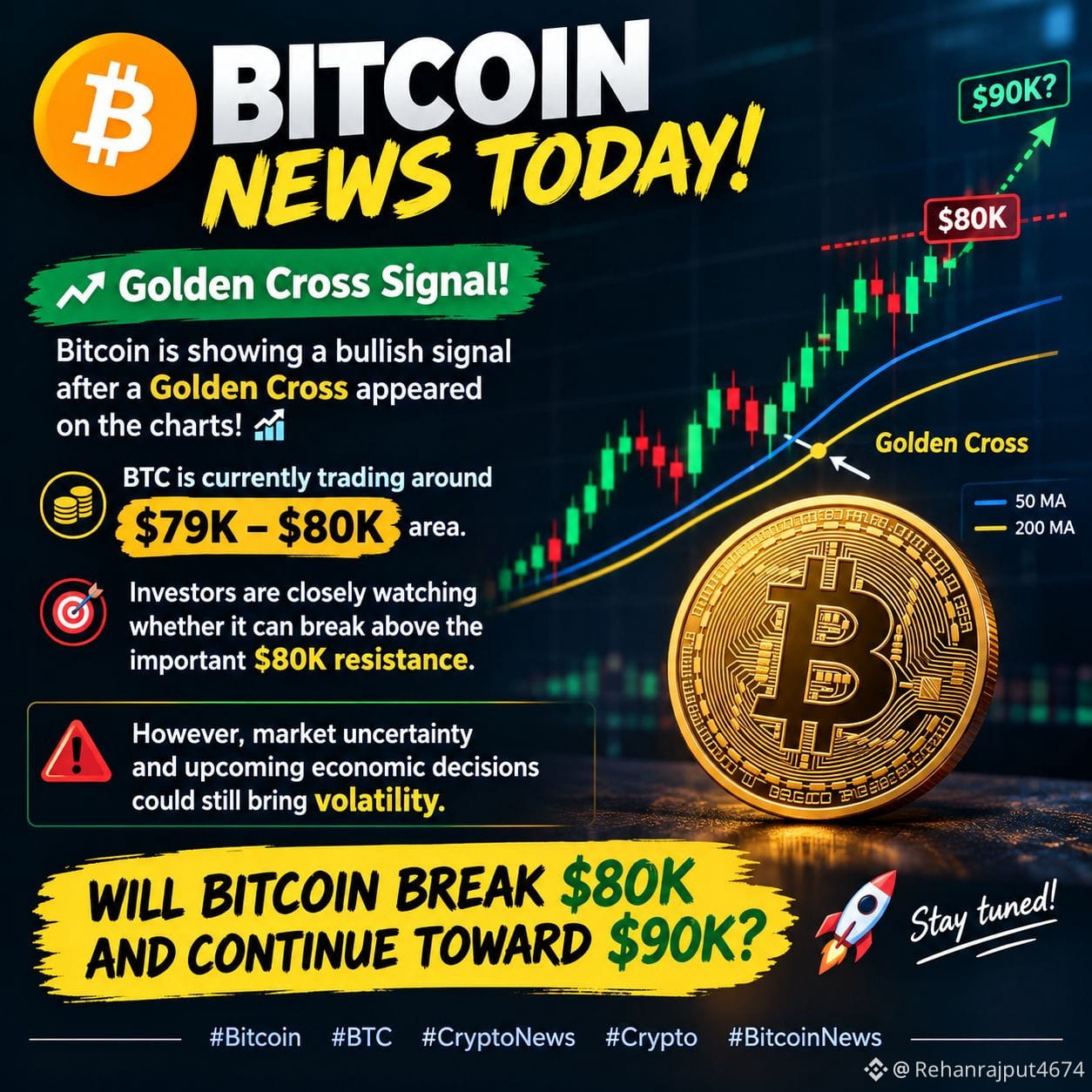
Bitcoin zeigt ein bullisches Signal, nachdem auf den Charts ein Golden Cross aufgetaucht ist! 📈 BTC handelt derzeit in letzter Zeit im Bereich von etwa 79.000–80.000 US-Dollar, während Investoren genau beobachten, ob es über den wichtigen Widerstand bei 80.000 US-Dollar ausbrechen kann. 🚀
Allerdings könnten Markunsicherheit und bevorstehende wirtschaftliche Entscheidungen weiterhin für Volatilität sorgen. 👀
Wird Bitcoin die Marke von 80.000 US-Dollar knacken und weiter in Richtung 90.000 US-Dollar laufen? 🔥
#Bitcoin #BTC #CryptoNews #Crypto #BitcoinNews :::
🚨 Bitcoin-News heute!🤫
Bitcoin zeigt ein bullisches Signal, nachdem auf den Charts ein Golden Cross aufgetaucht ist! 📈 BTC handelt derzeit in letzter Zeit im Bereich von etwa 79.000–80.000 US-Dollar, während Investoren genau beobachten, ob es über den wichtigen Widerstand bei 80.000 US-Dollar ausbrechen kann. 🚀
Allerdings könnten Markunsicherheit und bevorstehende wirtschaftliche Entscheidungen weiterhin für Volatilität sorgen. 👀
Wird Bitcoin die Marke von 80.000 US-Dollar knacken und weiter in Richtung 90.000 US-Dollar laufen? 🔥
#Bitcoin #BTC #CryptoNews #Crypto #BitcoinNews :::
Bitcoin zeigt ein bullisches Signal, nachdem auf den Charts ein Golden Cross aufgetaucht ist! 📈 BTC handelt derzeit in letzter Zeit im Bereich von etwa 79.000–80.000 US-Dollar, während Investoren genau beobachten, ob es über den wichtigen Widerstand bei 80.000 US-Dollar ausbrechen kann. 🚀
Allerdings könnten Markunsicherheit und bevorstehende wirtschaftliche Entscheidungen weiterhin für Volatilität sorgen. 👀
Wird Bitcoin die Marke von 80.000 US-Dollar knacken und weiter in Richtung 90.000 US-Dollar laufen? 🔥
#Bitcoin #BTC #CryptoNews #Crypto #BitcoinNews :::
59
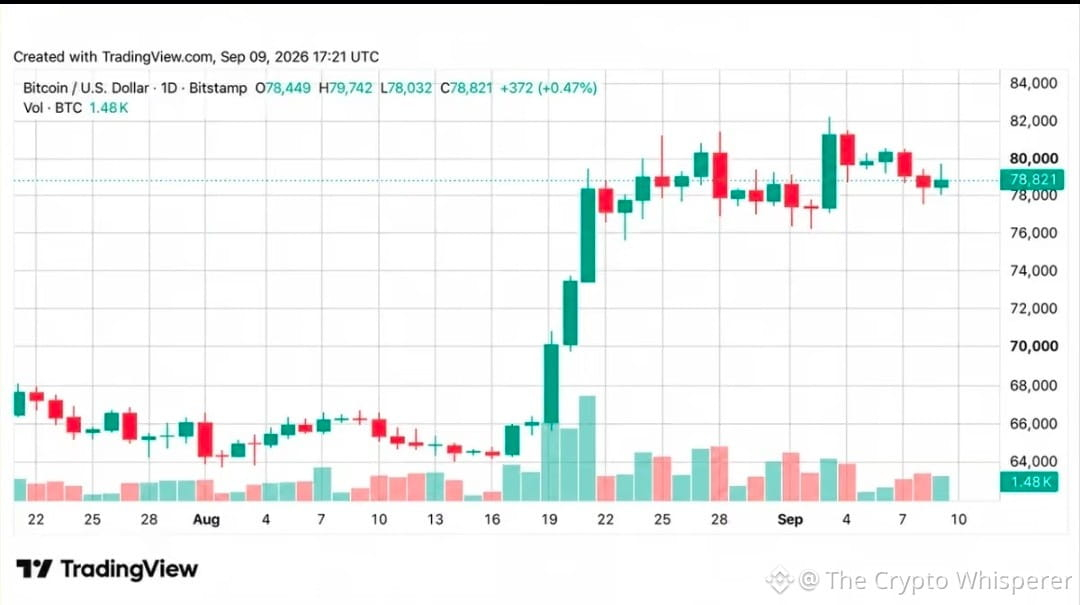
BITCOIN HÄLT SICH BEI NAHEZU 78.000 US-Dollar TROTZ EINER MASSIVEN SCHATZAMTS-BEWEGUNG
Bitcoin zeigt sich weiterhin erstaunlich widerstandsfähig rund um die Zone von 78.000–79.000 US-Dollar, während die Märkte sich auf einen größeren Rückkauf von US-Staatsanleihen vorbereiten, mit Erwartungen von etwa 5–6 Milliarden.
📊 BTC bleibt in einer Konsolidierung
💵 Rückkäufe des Schatzamts könnten den Druck auf die langfristigen Renditen verringern
🏦 Institutionelle & nachfrage von Treasury-Unternehmen bleibt im Fokus
⚠️ Aber 80.000 US-Dollar wirken weiterhin als bedeutende Widerstandszone
Die große Frage: Bereitet sich $BTC still und leise auf seinen nächsten Ausbruch vor – oder kommt eine weitere Zurückweisung?
{spot}(BTCUSDT)
#Bitcoin #BitcoinNews #Treasury #Bullish
BITCOIN HÄLT SICH BEI NAHEZU 78.000 US-Dollar TROTZ EINER MASSIVEN SCHATZAMTS-BEWEGUNG
Bitcoin zeigt sich weiterhin erstaunlich widerstandsfähig rund um die Zone von 78.000–79.000 US-Dollar, während die Märkte sich auf einen größeren Rückkauf von US-Staatsanleihen vorbereiten, mit Erwartungen von etwa 5–6 Milliarden.
📊 BTC bleibt in einer Konsolidierung
💵 Rückkäufe des Schatzamts könnten den Druck auf die langfristigen Renditen verringern
🏦 Institutionelle & nachfrage von Treasury-Unternehmen bleibt im Fokus
⚠️ Aber 80.000 US-Dollar wirken weiterhin als bedeutende Widerstandszone
Die große Frage: Bereitet sich $BTC still und leise auf seinen nächsten Ausbruch vor – oder kommt eine weitere Zurückweisung?
#Bitcoin #BitcoinNews #Treasury #Bullish
Bitcoin zeigt sich weiterhin erstaunlich widerstandsfähig rund um die Zone von 78.000–79.000 US-Dollar, während die Märkte sich auf einen größeren Rückkauf von US-Staatsanleihen vorbereiten, mit Erwartungen von etwa 5–6 Milliarden.
📊 BTC bleibt in einer Konsolidierung
💵 Rückkäufe des Schatzamts könnten den Druck auf die langfristigen Renditen verringern
🏦 Institutionelle & nachfrage von Treasury-Unternehmen bleibt im Fokus
⚠️ Aber 80.000 US-Dollar wirken weiterhin als bedeutende Widerstandszone
Die große Frage: Bereitet sich $BTC still und leise auf seinen nächsten Ausbruch vor – oder kommt eine weitere Zurückweisung?
#Bitcoin #BitcoinNews #Treasury #Bullish
23

🚨🚨 Bitcoin nähert sich 80.000 $: Steht der nächste große Move bevor?🚨🚨 Bitcoin nähert sich 80.000 $: Steht der nächste große Move bevor?
Bitcoin (BTC) zeigt wieder an Stärke zu gewinnen und notiert rund um die 78.000–79.000 $-Spanne, während der Krypto-Markt auf einen möglichen Ausbruch über das wichtige Widerstandsniveau von 80.000 $ wartet.
Nachdem Bitcoin kurzzeitig in Richtung 77.600 $ gefallen war, erholte er sich von den meisten Verlusten und zeigt damit, dass Käufer bei niedrigeren Kursniveaus weiterhin aktiv sind. Analysten beobachten nun die Support-Zone im Bereich von 77.000–78.000 $ sowie den Widerstandsbereich bei 80.000 $ für den nächsten großen Move.
📈 Warum steigt Bitcoin?
🚨🚨 Bitcoin nähert sich 80.000 $: Steht der nächste große Move bevor?
🚨🚨 Bitcoin nähert sich 80.000 $: Steht der nächste große Move bevor?
Bitcoin (BTC) zeigt wieder an Stärke zu gewinnen und notiert rund um die 78.000–79.000 $-Spanne, während der Krypto-Markt auf einen möglichen Ausbruch über das wichtige Widerstandsniveau von 80.000 $ wartet.
Nachdem Bitcoin kurzzeitig in Richtung 77.600 $ gefallen war, erholte er sich von den meisten Verlusten und zeigt damit, dass Käufer bei niedrigeren Kursniveaus weiterhin aktiv sind. Analysten beobachten nun die Support-Zone im Bereich von 77.000–78.000 $ sowie den Widerstandsbereich bei 80.000 $ für den nächsten großen Move.
📈 Warum steigt Bitcoin?
Bitcoin (BTC) zeigt wieder an Stärke zu gewinnen und notiert rund um die 78.000–79.000 $-Spanne, während der Krypto-Markt auf einen möglichen Ausbruch über das wichtige Widerstandsniveau von 80.000 $ wartet.
Nachdem Bitcoin kurzzeitig in Richtung 77.600 $ gefallen war, erholte er sich von den meisten Verlusten und zeigt damit, dass Käufer bei niedrigeren Kursniveaus weiterhin aktiv sind. Analysten beobachten nun die Support-Zone im Bereich von 77.000–78.000 $ sowie den Widerstandsbereich bei 80.000 $ für den nächsten großen Move.
📈 Warum steigt Bitcoin?
76

·
--
Bullisch
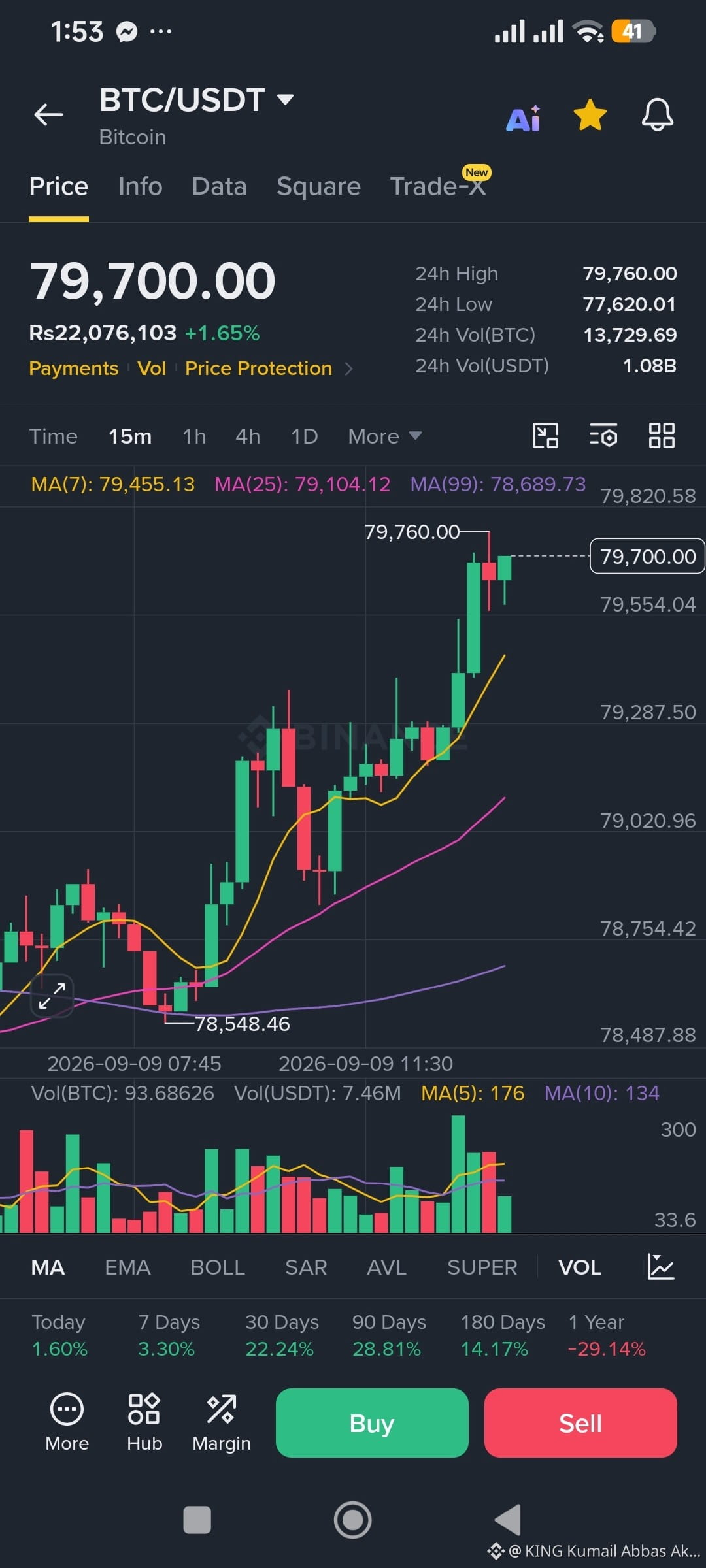
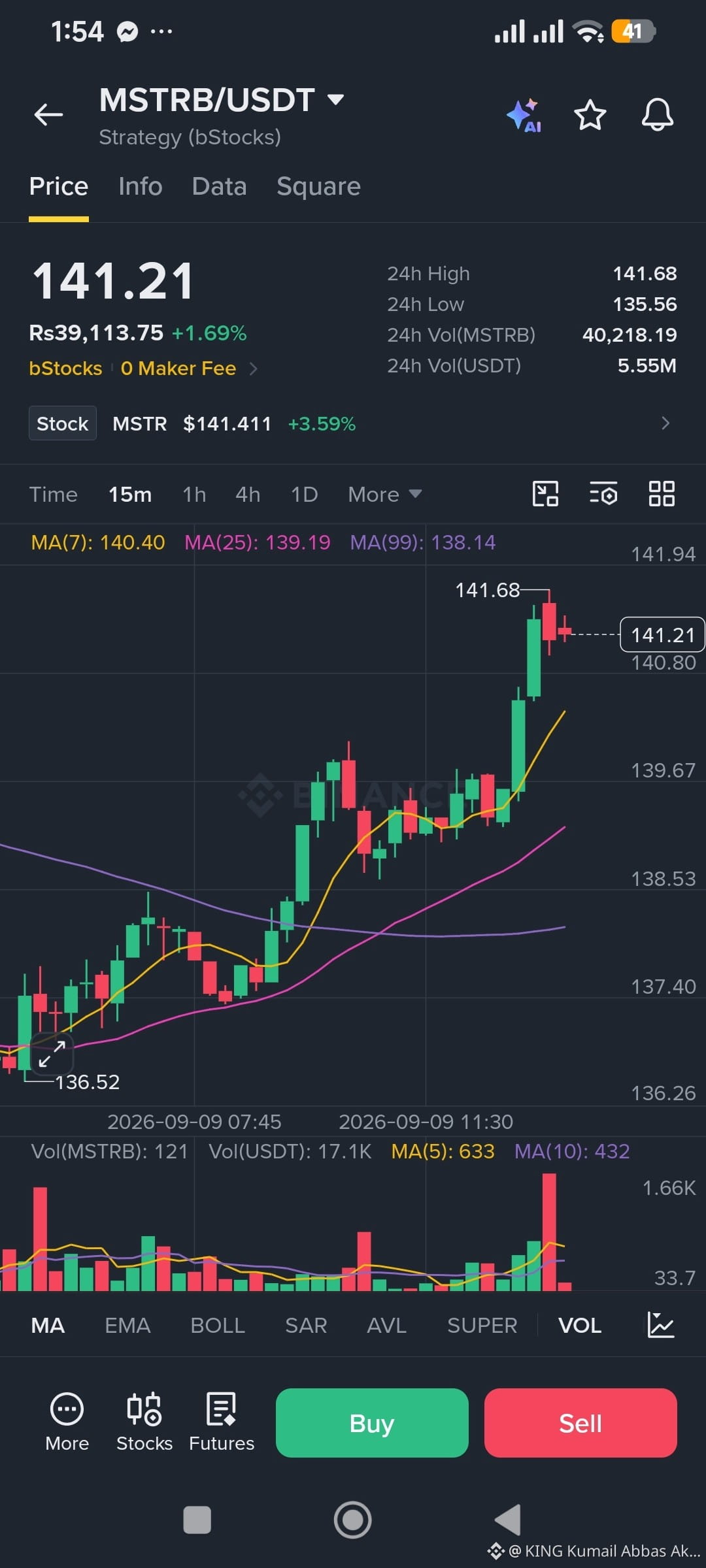
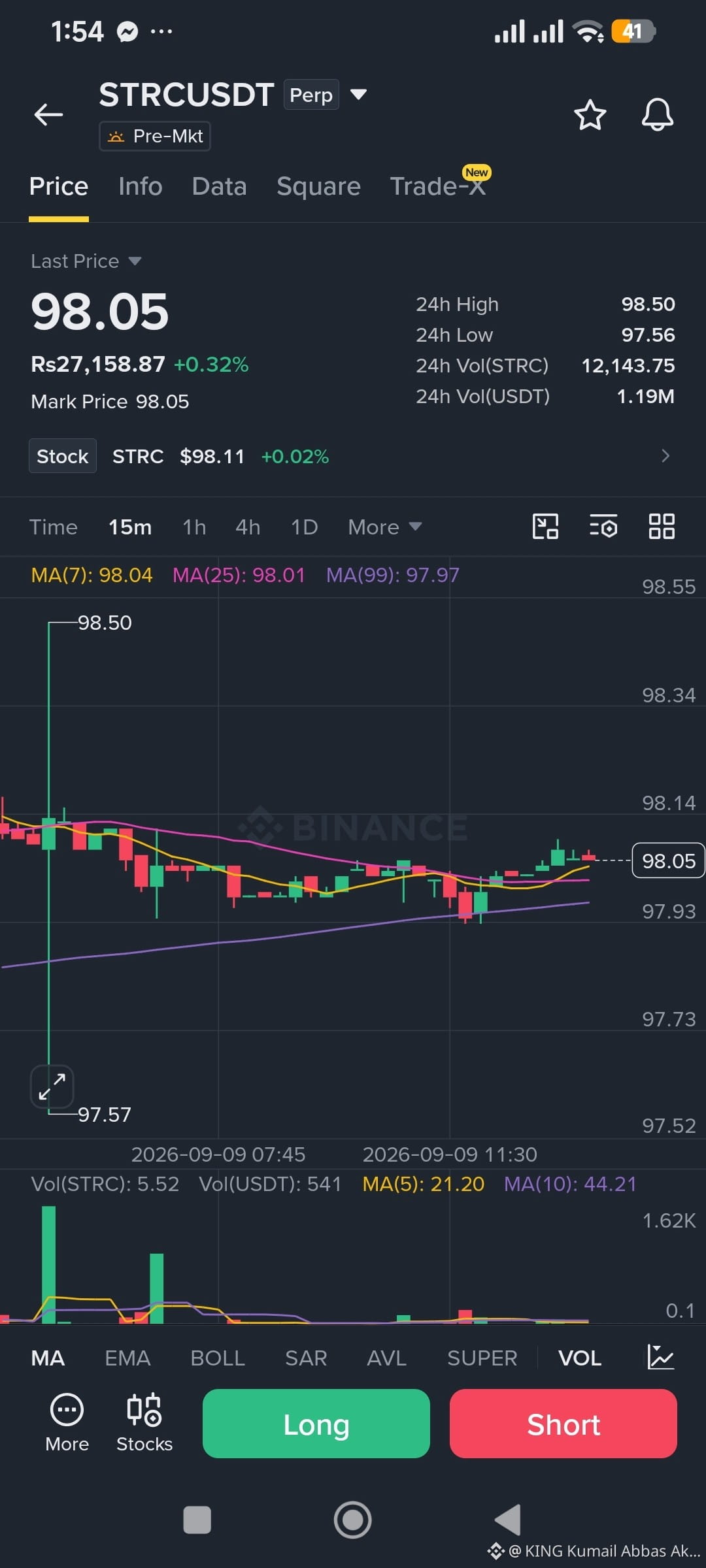
🚨 STRATEGIE WURDE NOCHMAL NACHGELEGT – WAS BEDEUTET DAS FÜR BTC? ₿🔥
Liebe Binancians ❤️,
Große Unternehmensbewegungen können eine wichtige Botschaft an den Krypto-Markt senden. 📊👀
💰 Berichten zufolge hat Strategy 176M $ von $STRC zurückgekauft und gleichzeitig sein Digital Credit Securities Repurchase Program von 1B $ → 2B $ erhöht. 🔥
₿ Bitcoin-Treasury: 845,050 $BTC
💵 USD-Vermögenswerte: 6.5B $
Für Trader ist die größere Erkenntnis nicht nur „Strategy kauft“. 🧠 Die entscheidende Frage ist, was das über die institutionelle Überzeugung, die Liquidität und die langfristige Nachfrage nach Bitcoin aussagt.
Wenn große Akteure ihre Positionen weiter ausbauen, kann das die breitere Bitcoin-Story stärken. 🚀 Aber das heißt nicht, dass BTC sofort steigen muss. Krypto kann weiterhin starke Rücksetzer, Liquidationen und Volatilität erleben. ⚠️📉
🎯 Trading-Mindset:
Jage den News nicht blind hinterher. Warte, bis Bestätigung durch Kursbewegung, Volumen, Marktstruktur und Liquidität vorliegt, bevor du in einen Trade einsteigst.
🔥 Institutionelle Überzeugung kann die langfristige Story stützen, aber das Risikomanagement entscheidet darüber, ob ein Trader den kurzfristigen Zeitraum überlebt.
Bleib geduldig. Trade das Setup, nicht die Emotion. 🧠📈
$MSTR
✅🚀 Like & Follow, wenn du willst 👉 #KumailAbbasAkmal
#Bitcoin #BTC #Strategy #MSTR #Crypto #BinanceSquare #CryptoTrading #BitcoinNews
{spot}(BTCUSDT)
{stock_us}(MSTR.US)
{future}(STRCUSDT)
🚨 STRATEGIE WURDE NOCHMAL NACHGELEGT – WAS BEDEUTET DAS FÜR BTC? ₿🔥
Liebe Binancians ❤️,
Große Unternehmensbewegungen können eine wichtige Botschaft an den Krypto-Markt senden. 📊👀
💰 Berichten zufolge hat Strategy 176M $ von $STRC zurückgekauft und gleichzeitig sein Digital Credit Securities Repurchase Program von 1B $ → 2B $ erhöht. 🔥
₿ Bitcoin-Treasury: 845,050 $BTC
💵 USD-Vermögenswerte: 6.5B $
Für Trader ist die größere Erkenntnis nicht nur „Strategy kauft“. 🧠 Die entscheidende Frage ist, was das über die institutionelle Überzeugung, die Liquidität und die langfristige Nachfrage nach Bitcoin aussagt.
Wenn große Akteure ihre Positionen weiter ausbauen, kann das die breitere Bitcoin-Story stärken. 🚀 Aber das heißt nicht, dass BTC sofort steigen muss. Krypto kann weiterhin starke Rücksetzer, Liquidationen und Volatilität erleben. ⚠️📉
🎯 Trading-Mindset:
Jage den News nicht blind hinterher. Warte, bis Bestätigung durch Kursbewegung, Volumen, Marktstruktur und Liquidität vorliegt, bevor du in einen Trade einsteigst.
🔥 Institutionelle Überzeugung kann die langfristige Story stützen, aber das Risikomanagement entscheidet darüber, ob ein Trader den kurzfristigen Zeitraum überlebt.
Bleib geduldig. Trade das Setup, nicht die Emotion. 🧠📈
$MSTR
✅🚀 Like & Follow, wenn du willst 👉 #KumailAbbasAkmal
#Bitcoin #BTC #Strategy #MSTR #Crypto #BinanceSquare #CryptoTrading #BitcoinNews
Liebe Binancians ❤️,
Große Unternehmensbewegungen können eine wichtige Botschaft an den Krypto-Markt senden. 📊👀
💰 Berichten zufolge hat Strategy 176M $ von $STRC zurückgekauft und gleichzeitig sein Digital Credit Securities Repurchase Program von 1B $ → 2B $ erhöht. 🔥
₿ Bitcoin-Treasury: 845,050 $BTC
💵 USD-Vermögenswerte: 6.5B $
Für Trader ist die größere Erkenntnis nicht nur „Strategy kauft“. 🧠 Die entscheidende Frage ist, was das über die institutionelle Überzeugung, die Liquidität und die langfristige Nachfrage nach Bitcoin aussagt.
Wenn große Akteure ihre Positionen weiter ausbauen, kann das die breitere Bitcoin-Story stärken. 🚀 Aber das heißt nicht, dass BTC sofort steigen muss. Krypto kann weiterhin starke Rücksetzer, Liquidationen und Volatilität erleben. ⚠️📉
🎯 Trading-Mindset:
Jage den News nicht blind hinterher. Warte, bis Bestätigung durch Kursbewegung, Volumen, Marktstruktur und Liquidität vorliegt, bevor du in einen Trade einsteigst.
🔥 Institutionelle Überzeugung kann die langfristige Story stützen, aber das Risikomanagement entscheidet darüber, ob ein Trader den kurzfristigen Zeitraum überlebt.
Bleib geduldig. Trade das Setup, nicht die Emotion. 🧠📈
$MSTR
✅🚀 Like & Follow, wenn du willst 👉 #KumailAbbasAkmal
#Bitcoin #BTC #Strategy #MSTR #Crypto #BinanceSquare #CryptoTrading #BitcoinNews
311

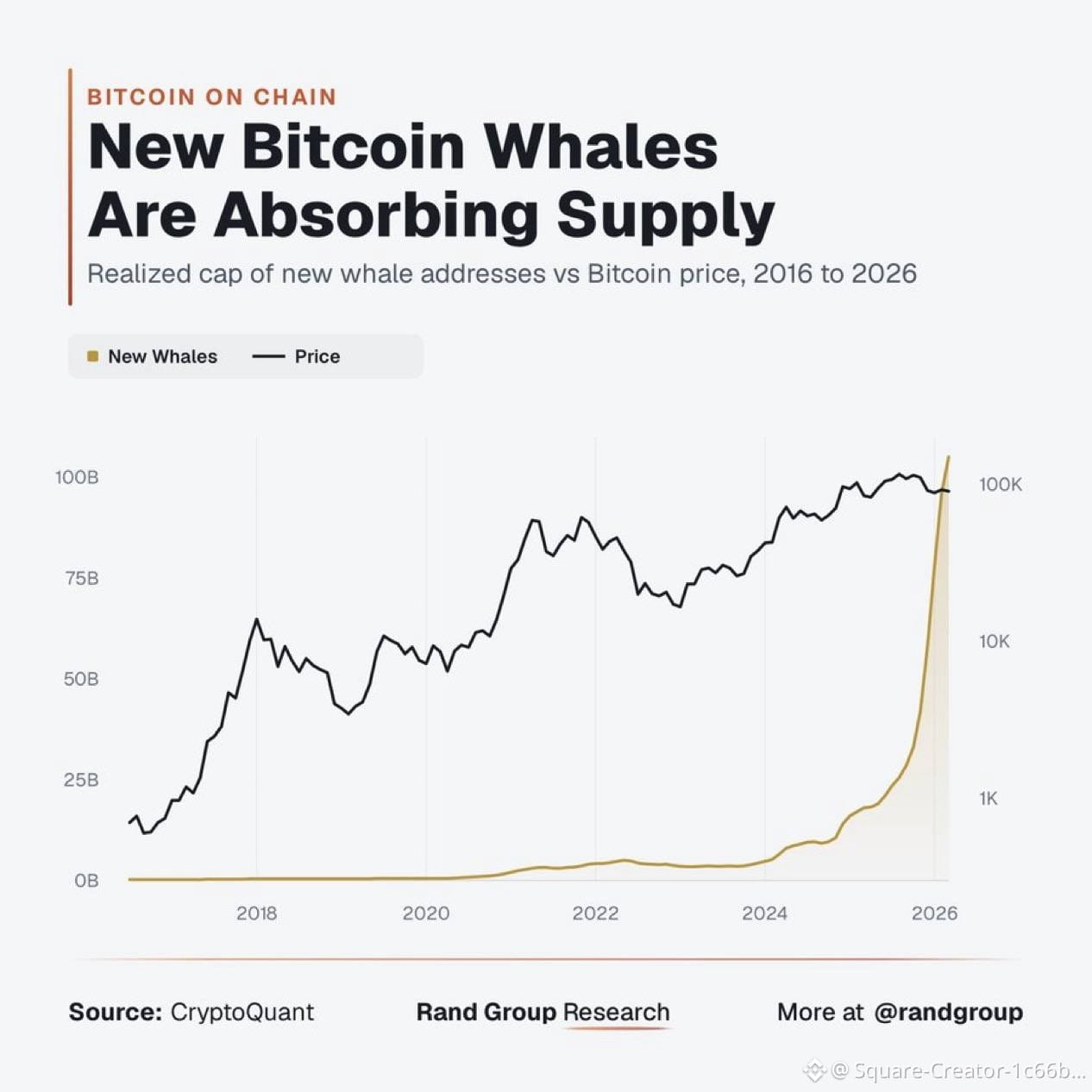
🐂 Neue Wale strömen in Bitcoin BTC
Marktbewegungen deuten darauf hin, dass neue große Wallets in Bitcoin einsteigen könnten, was auf ein wachsendes Interesse vermögender Investoren schließen lässt. Allerdings reichen die Bewegungen der Wale allein nicht aus, um die Marktrichtung eindeutig zu bestätigen, da Liquidität, institutionelle Zuflüsse und die allgemeinen Rahmenbedingungen das Bild schnell verändern können. 👀
$BTC
{future}(BTCUSDT)
#Bitcoin #BTC #CryptoWhales #WhaleAlert #CryptoMarket #BitcoinNews #OnChain #InstitutionalInvestors #Bitcoin #Bitcoin_Wale #Krypto #Krypto_Markt
🐂 Neue Wale strömen in Bitcoin BTC
Marktbewegungen deuten darauf hin, dass neue große Wallets in Bitcoin einsteigen könnten, was auf ein wachsendes Interesse vermögender Investoren schließen lässt. Allerdings reichen die Bewegungen der Wale allein nicht aus, um die Marktrichtung eindeutig zu bestätigen, da Liquidität, institutionelle Zuflüsse und die allgemeinen Rahmenbedingungen das Bild schnell verändern können. 👀
$BTC
#Bitcoin #BTC #CryptoWhales #WhaleAlert #CryptoMarket #BitcoinNews #OnChain #InstitutionalInvestors #Bitcoin #Bitcoin_Wale #Krypto #Krypto_Markt
Marktbewegungen deuten darauf hin, dass neue große Wallets in Bitcoin einsteigen könnten, was auf ein wachsendes Interesse vermögender Investoren schließen lässt. Allerdings reichen die Bewegungen der Wale allein nicht aus, um die Marktrichtung eindeutig zu bestätigen, da Liquidität, institutionelle Zuflüsse und die allgemeinen Rahmenbedingungen das Bild schnell verändern können. 👀
$BTC
#Bitcoin #BTC #CryptoWhales #WhaleAlert #CryptoMarket #BitcoinNews #OnChain #InstitutionalInvestors #Bitcoin #Bitcoin_Wale #Krypto #Krypto_Markt
73
·
--
Bärisch
BITCOIN HAT EIN GEMISCHTES SIGNAL GESENDET!
Bitcoin handelt unter 79.000 $, aber etwas Wichtiges ist gerade im Daily-Chart passiert: Ein Golden Cross ist aufgetaucht. 📈
Das bedeutet, dass sich der kurzfristige Impuls in Richtung bullisch dreht – aber $BTC muss noch beweisen, dass es die wichtige Widerstandszone zurückerobern kann.
👀 Die Levels, die ich im Blick habe: • 79K → unmittelbarer Kampf
• 82,8K → großer Widerstand
• Über 82,8K → bullischer Impuls könnte sich beschleunigen
• Wichtige Unterstützung verlieren → Korrekturrisiko steigt
Der Markt steht gerade an einem spannenden Punkt.
Ausbruch oder ein weiterer Shakeout? 👀
Was glaubst du, macht $BTC als Nächstes?
🚀 82K+ oder 📉 noch ein Dip?
#Bitcoin❗ #BTC☀ #Crypto_Jobs🎯 #BitcoinNews #CryptoMarket $BTC
{spot}(BTCUSDT)
BITCOIN HAT EIN GEMISCHTES SIGNAL GESENDET!
Bitcoin handelt unter 79.000 $, aber etwas Wichtiges ist gerade im Daily-Chart passiert: Ein Golden Cross ist aufgetaucht. 📈
Das bedeutet, dass sich der kurzfristige Impuls in Richtung bullisch dreht – aber $BTC muss noch beweisen, dass es die wichtige Widerstandszone zurückerobern kann.
👀 Die Levels, die ich im Blick habe: • 79K → unmittelbarer Kampf
• 82,8K → großer Widerstand
• Über 82,8K → bullischer Impuls könnte sich beschleunigen
• Wichtige Unterstützung verlieren → Korrekturrisiko steigt
Der Markt steht gerade an einem spannenden Punkt.
Ausbruch oder ein weiterer Shakeout? 👀
Was glaubst du, macht $BTC als Nächstes?
🚀 82K+ oder 📉 noch ein Dip?
#Bitcoin❗ #BTC☀ #Crypto_Jobs🎯 #BitcoinNews #CryptoMarket $BTC
Bitcoin handelt unter 79.000 $, aber etwas Wichtiges ist gerade im Daily-Chart passiert: Ein Golden Cross ist aufgetaucht. 📈
Das bedeutet, dass sich der kurzfristige Impuls in Richtung bullisch dreht – aber $BTC muss noch beweisen, dass es die wichtige Widerstandszone zurückerobern kann.
👀 Die Levels, die ich im Blick habe: • 79K → unmittelbarer Kampf
• 82,8K → großer Widerstand
• Über 82,8K → bullischer Impuls könnte sich beschleunigen
• Wichtige Unterstützung verlieren → Korrekturrisiko steigt
Der Markt steht gerade an einem spannenden Punkt.
Ausbruch oder ein weiterer Shakeout? 👀
Was glaubst du, macht $BTC als Nächstes?
🚀 82K+ oder 📉 noch ein Dip?
#Bitcoin❗ #BTC☀ #Crypto_Jobs🎯 #BitcoinNews #CryptoMarket $BTC
53

·
--
🚨 BREAKING:
„White Hats“ geben 270 Mio. $ in Bitcoin zurück, während das Netzwerk auf einen Neustart vorbereitet
Die Akteure gaben 85 % des Bitcoin zurück, der aus dem Federation-Wallet von Liquid nach dem Sicherheitsvorfall entnommen worden war....
Dies ist eine bedeutende Entwicklung für $OM $BTC. Die Marktreaktion wird es wert sein, genau zu beobachten.
Was ist deine Meinung dazu? Schreib sie unten 👇
#BitcoinNews #Bitcoin #CryptoNews #Binance #CryptoMarket
🚨 BREAKING:
„White Hats“ geben 270 Mio. $ in Bitcoin zurück, während das Netzwerk auf einen Neustart vorbereitet
Die Akteure gaben 85 % des Bitcoin zurück, der aus dem Federation-Wallet von Liquid nach dem Sicherheitsvorfall entnommen worden war....
Dies ist eine bedeutende Entwicklung für $OM $BTC . Die Marktreaktion wird es wert sein, genau zu beobachten.
Was ist deine Meinung dazu? Schreib sie unten 👇
#BitcoinNews #Bitcoin #CryptoNews #Binance #CryptoMarket
„White Hats“ geben 270 Mio. $ in Bitcoin zurück, während das Netzwerk auf einen Neustart vorbereitet
Die Akteure gaben 85 % des Bitcoin zurück, der aus dem Federation-Wallet von Liquid nach dem Sicherheitsvorfall entnommen worden war....
Dies ist eine bedeutende Entwicklung für $OM $BTC . Die Marktreaktion wird es wert sein, genau zu beobachten.
Was ist deine Meinung dazu? Schreib sie unten 👇
#BitcoinNews #Bitcoin #CryptoNews #Binance #CryptoMarket
50

·
--
Bärisch
🚨 #BTC MARKTUPDATE | HEUTE & MORGEN ₿
Bitcoin handelt derzeit um $78,5K–$79K, wobei der Markt nach dem Scheitern, oberhalb der $80K-Zone zu bleiben, eine gewisse kurzfristige Schwäche zeigt. 📊
🔹 Heute:
BTC muss die Zone $79,5K–$80K zurückerobern und halten, um den kurzfristigen Momentum zu verbessern. Wenn die Verkäufer aktiv bleiben, wird der Bereich um $78K zu einer wichtigen Beobachtungszone.
🔹 Morgen:
Eine nachhaltige Bewegung über $80K könnte den bullischen Momentum hin zu höheren Widerständen verstärken. Andererseits könnte das Verlieren der $78K-Zone die Abwärtsvolatilität erhöhen.
🌍 Makro-Risiko:
Geopolitische Spannungen treiben die Ölpreise nach oben, während die Märkte auch auf die kommenden US-Inflationsdaten und die Erwartungen an die Geldpolitik der Federal Reserve achten. Diese Faktoren könnten die Volatilität über riskante Assets hinweg erhöhen – einschließlich BTC.
📌 Meine Markteinschätzung:
Neutral → vorsichtig bärisch unter $80K.
Für eine klarere bullische Wende im kurzfristigen Bild wäre ein deutlicher Ausbruch mit starkem Volumen nötig.
⚠️ Keine Finanzberatung. Krypto ist extrem volatil. Gehe stets mit Risiko um und mach deine eigene Recherche.
Kernaussage: In den nächsten 24–48 Stunden ist $80K die wichtige psychologische Marke, während die Region um $78K es wert ist, auf Anzeichen für erneuten Verkauf zu achten. Das ist ein Marktszenario, keine garantierte Vorhersage.
#Bitcoin
#BTC
#BinanceSquare
#BitcoinNews
🚨 #BTC MARKTUPDATE | HEUTE & MORGEN ₿
Bitcoin handelt derzeit um $78,5K–$79K, wobei der Markt nach dem Scheitern, oberhalb der $80K-Zone zu bleiben, eine gewisse kurzfristige Schwäche zeigt. 📊
🔹 Heute:
BTC muss die Zone $79,5K–$80K zurückerobern und halten, um den kurzfristigen Momentum zu verbessern. Wenn die Verkäufer aktiv bleiben, wird der Bereich um $78K zu einer wichtigen Beobachtungszone.
🔹 Morgen:
Eine nachhaltige Bewegung über $80K könnte den bullischen Momentum hin zu höheren Widerständen verstärken. Andererseits könnte das Verlieren der $78K-Zone die Abwärtsvolatilität erhöhen.
🌍 Makro-Risiko:
Geopolitische Spannungen treiben die Ölpreise nach oben, während die Märkte auch auf die kommenden US-Inflationsdaten und die Erwartungen an die Geldpolitik der Federal Reserve achten. Diese Faktoren könnten die Volatilität über riskante Assets hinweg erhöhen – einschließlich BTC.
📌 Meine Markteinschätzung:
Neutral → vorsichtig bärisch unter $80K.
Für eine klarere bullische Wende im kurzfristigen Bild wäre ein deutlicher Ausbruch mit starkem Volumen nötig.
⚠️ Keine Finanzberatung. Krypto ist extrem volatil. Gehe stets mit Risiko um und mach deine eigene Recherche.
Kernaussage: In den nächsten 24–48 Stunden ist $80K die wichtige psychologische Marke, während die Region um $78K es wert ist, auf Anzeichen für erneuten Verkauf zu achten. Das ist ein Marktszenario, keine garantierte Vorhersage.
#Bitcoin
#BTC
#BinanceSquare
#BitcoinNews
Bitcoin handelt derzeit um $78,5K–$79K, wobei der Markt nach dem Scheitern, oberhalb der $80K-Zone zu bleiben, eine gewisse kurzfristige Schwäche zeigt. 📊
🔹 Heute:
BTC muss die Zone $79,5K–$80K zurückerobern und halten, um den kurzfristigen Momentum zu verbessern. Wenn die Verkäufer aktiv bleiben, wird der Bereich um $78K zu einer wichtigen Beobachtungszone.
🔹 Morgen:
Eine nachhaltige Bewegung über $80K könnte den bullischen Momentum hin zu höheren Widerständen verstärken. Andererseits könnte das Verlieren der $78K-Zone die Abwärtsvolatilität erhöhen.
🌍 Makro-Risiko:
Geopolitische Spannungen treiben die Ölpreise nach oben, während die Märkte auch auf die kommenden US-Inflationsdaten und die Erwartungen an die Geldpolitik der Federal Reserve achten. Diese Faktoren könnten die Volatilität über riskante Assets hinweg erhöhen – einschließlich BTC.
📌 Meine Markteinschätzung:
Neutral → vorsichtig bärisch unter $80K.
Für eine klarere bullische Wende im kurzfristigen Bild wäre ein deutlicher Ausbruch mit starkem Volumen nötig.
⚠️ Keine Finanzberatung. Krypto ist extrem volatil. Gehe stets mit Risiko um und mach deine eigene Recherche.
Kernaussage: In den nächsten 24–48 Stunden ist $80K die wichtige psychologische Marke, während die Region um $78K es wert ist, auf Anzeichen für erneuten Verkauf zu achten. Das ist ein Marktszenario, keine garantierte Vorhersage.
#Bitcoin
#BTC
#BinanceSquare
#BitcoinNews
1
55
Anmelden und weiter Inhalte entdecken
Krypto-Nutzer weltweit auf Binance Square kennenlernen
⚡️ Bleib in Sachen Krypto stets am Puls.
💬 Die weltgrößte Kryptobörse vertraut darauf.
👍 Erhalte verlässliche Einblicke von verifizierten Creators.
E-Mail-Adresse/Telefonnummer
Trendthemen
1
#CryptoLiquidations$674MIn24H
1,807 Aufrufe
43 Kommentare
2
#TokenizedStockHoldersUp619.1%
413 Aufrufe
49 Kommentare
3
#RevolutConfirmsFakeGovEmailDataBreach
12,585 Aufrufe
349 Kommentare
4
#CanadaOSFISaysTokenizedDepositsEqualTraditionalDeposits
906 Aufrufe
41 Kommentare
5
#USBankCompletesCrossBorderPaymentPilotOnStellar
20,978 Aufrufe
579 Kommentare
6
#NvidiaInTalksToInvestUpTo$10BInAnthropicIPO
1,669 Aufrufe
55 Kommentare
7
#EtherRalliesAsBearishBetsLiquidate
33,828 Aufrufe
745 Kommentare
8
#EthereumHits$2600FirstTimeInSevenMonths
3,778 Aufrufe
82 Kommentare
9
#OpticalCommsStocksRallyOver3%
37,227 Aufrufe
505 Kommentare
10
#USInflationHoldsAt3.4%InAugust
46,570 Aufrufe
534 Kommentare