
Max _ Hunter
14.6k Posts

Max _ Hunter
 Square Verified+
Bull Market Hunter | Technical Analysis | AI Enthusiast
Open Trade
Frequent Trader
1.8 Years
318 Following
34.3K+ Followers
38.3K+ Liked
Posts
Portfolio
All
Quotes
Videos
Live
Verified
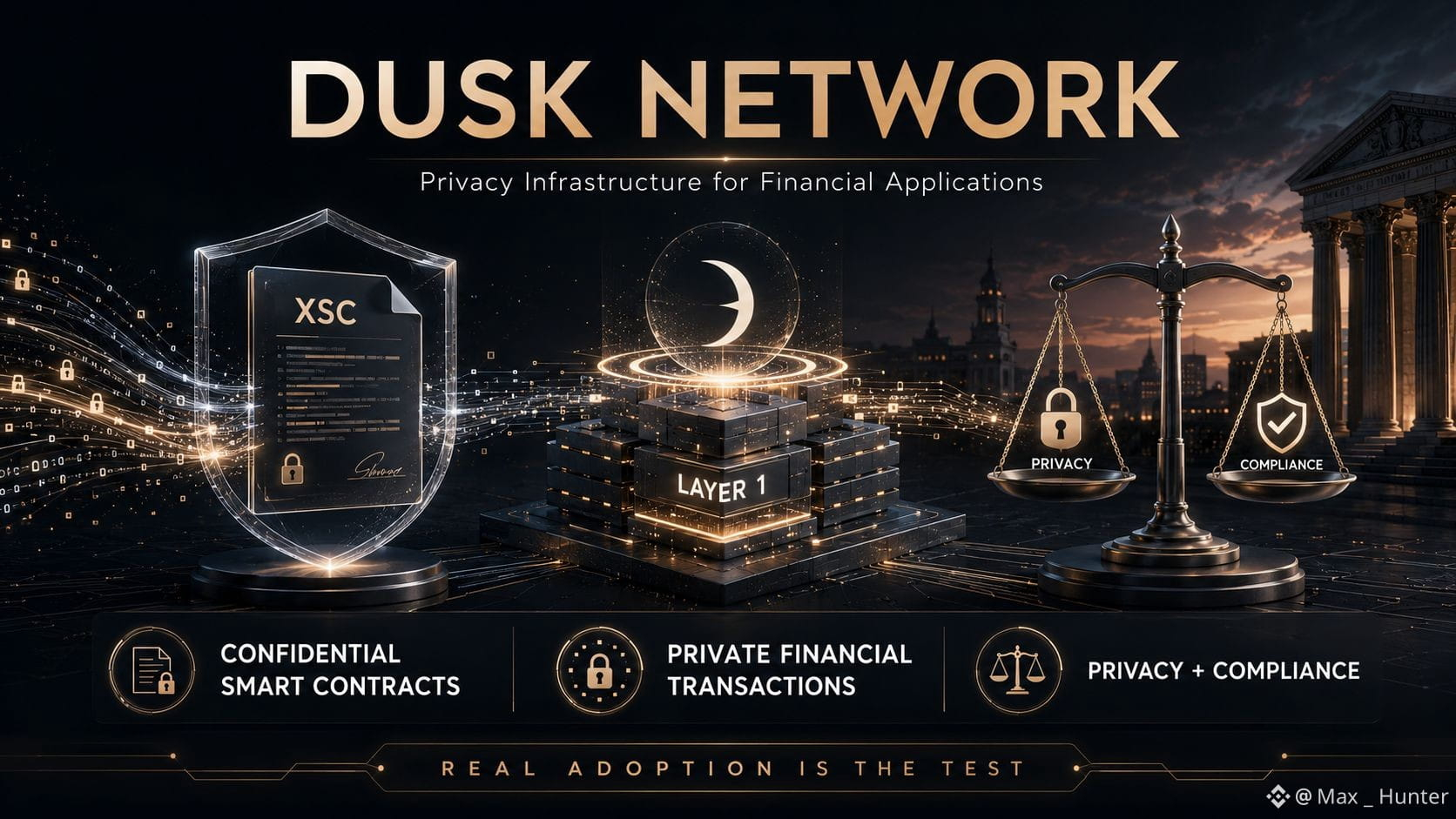
What first made me pause while reading about Dusk Network was how specific its privacy approach feels. Dusk Network is not presenting confidentiality as just another blockchain feature. The entire project appears to be built around the needs of financial applications.
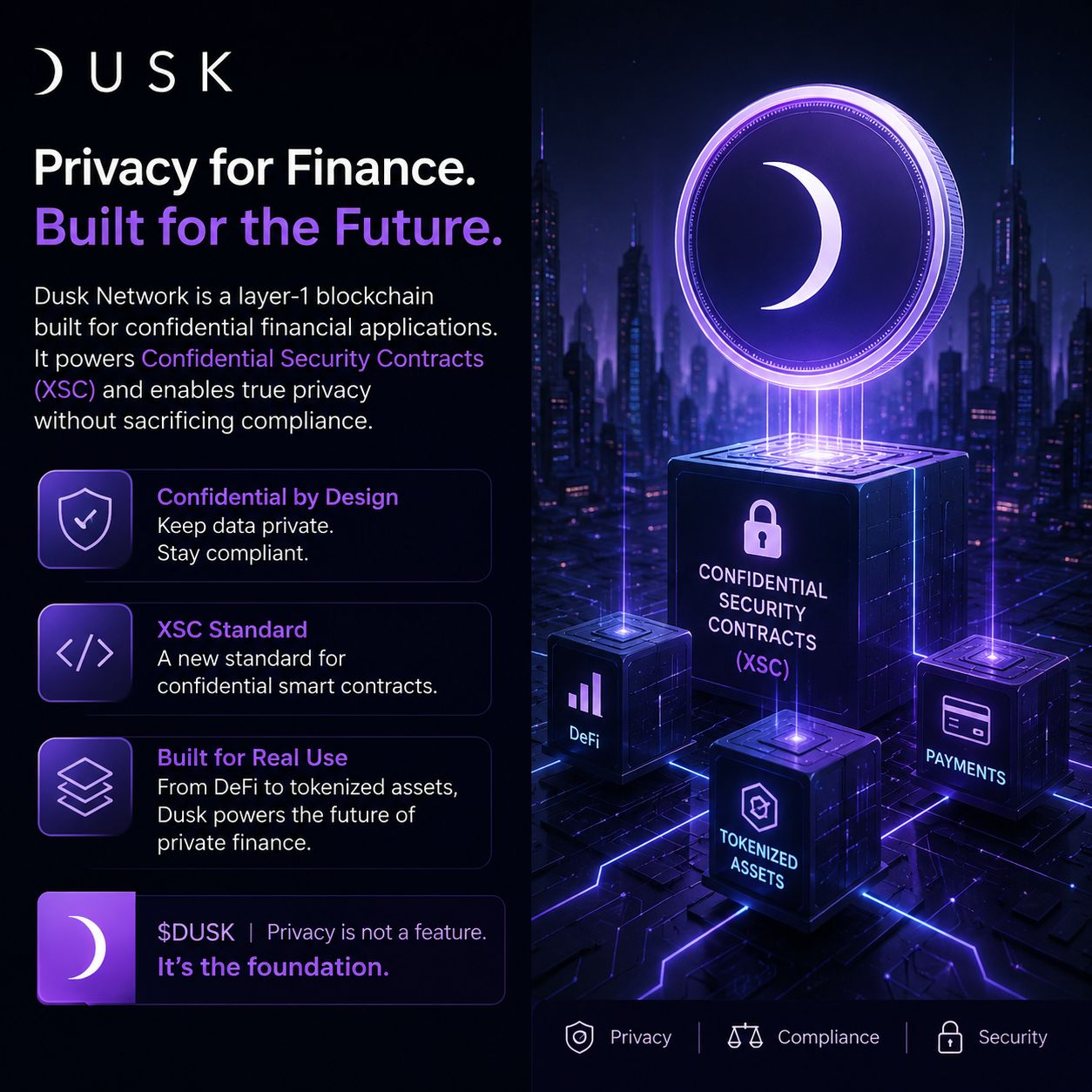
The idea behind Dusk Network is fairly straightforward. It is a layer-1 blockchain that supports confidential smart contracts through its Confidential Security Contract, or XSC, standard. This allows financial transactions and contract conditions to be verified without exposing every private detail on a public ledger.
What I am still trying to understand is how smoothly this design can work in the real world. Financial institutions may want privacy, but they also need identity checks, regulatory reporting, and controlled access to information. Dusk Network seems designed to balance those requirements, although the practical boundaries are not completely clear yet.
I am also watching whether Dusk Network can attract genuine financial activity instead of relying mainly on incentives to create early usage. That may seem like a small concern today, but it could become important as the network develops.
Dusk Network has an interesting technical direction, but real adoption will matter more than the privacy narrative. Nothing here changes my view immediately. It just changes what I am watching now.
#dusk @Dusk $DUSK
The idea behind Dusk Network is fairly straightforward. It is a layer-1 blockchain that supports confidential smart contracts through its Confidential Security Contract, or XSC, standard. This allows financial transactions and contract conditions to be verified without exposing every private detail on a public ledger.
What I am still trying to understand is how smoothly this design can work in the real world. Financial institutions may want privacy, but they also need identity checks, regulatory reporting, and controlled access to information. Dusk Network seems designed to balance those requirements, although the practical boundaries are not completely clear yet.
I am also watching whether Dusk Network can attract genuine financial activity instead of relying mainly on incentives to create early usage. That may seem like a small concern today, but it could become important as the network develops.
Dusk Network has an interesting technical direction, but real adoption will matter more than the privacy narrative. Nothing here changes my view immediately. It just changes what I am watching now.
#dusk @Dusk $DUSK
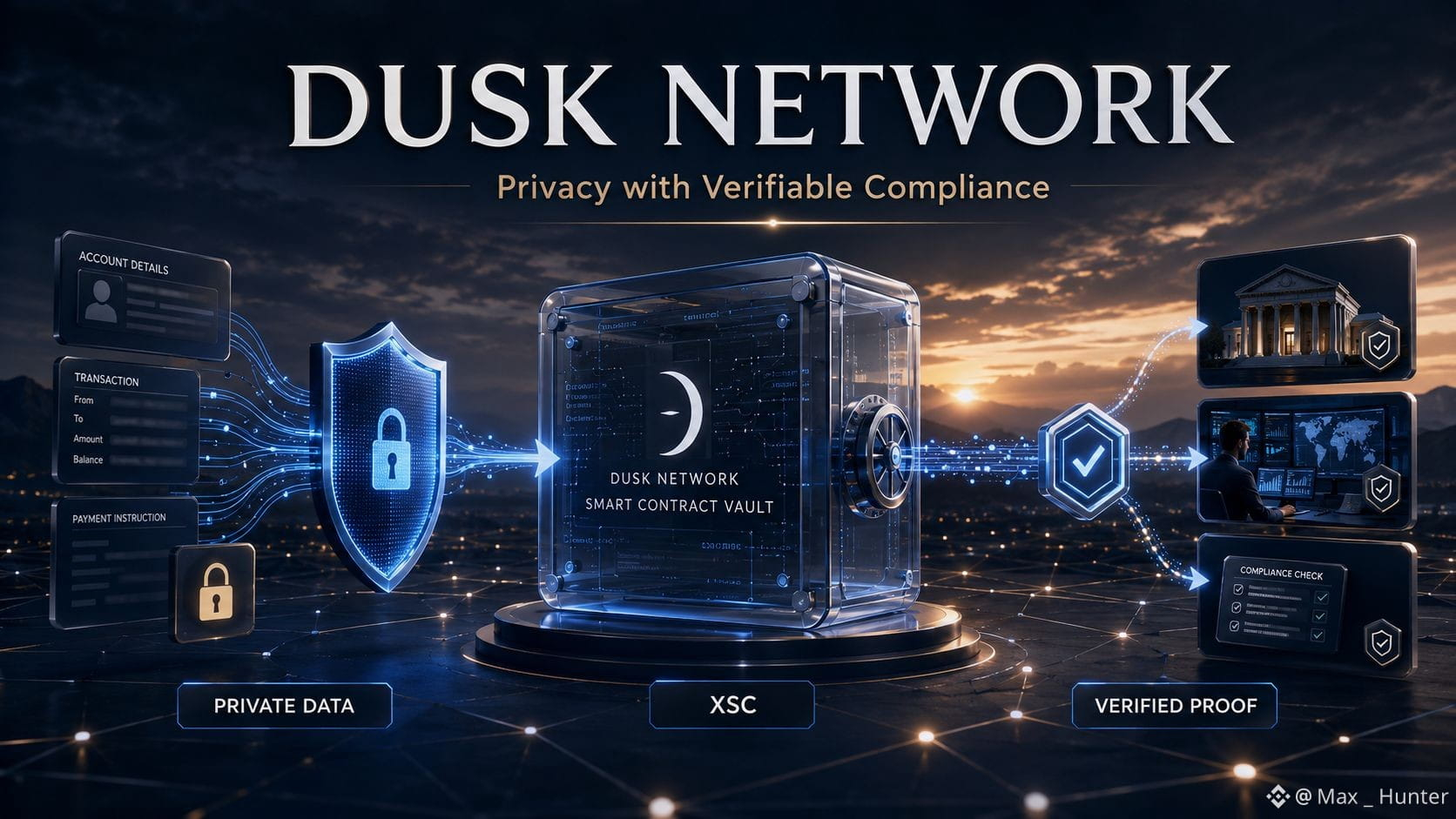
The detail I keep coming back to with Dusk Network is that its privacy is not really about hiding everything. It is about choosing what stays private and what can still be verified.
That distinction sits at the center of Dusk Network. Through confidential smart contracts and the XSC standard, financial activity can happen on-chain without every sensitive detail becoming public, while still leaving room for required compliance checks.
What I am less certain about is how this balance will feel in real use. If access to private information must be granted, someone still decides who can see it, for how long, and under which rules. That could become complicated once Dusk Network operates across different markets and jurisdictions.
That is why I find this more interesting than the “privacy blockchain” label. The technology may work as designed, but adoption will depend on whether issuers, regulators, and users can agree on how that privacy should be handled.
It looks minor at first, but over time it could shape how useful Dusk Network actually becomes.
Nothing here changes my view immediately. It just changes what I am watching now
#dusk @Dusk $DUSK $LAB $TUT
That distinction sits at the center of Dusk Network. Through confidential smart contracts and the XSC standard, financial activity can happen on-chain without every sensitive detail becoming public, while still leaving room for required compliance checks.
What I am less certain about is how this balance will feel in real use. If access to private information must be granted, someone still decides who can see it, for how long, and under which rules. That could become complicated once Dusk Network operates across different markets and jurisdictions.
That is why I find this more interesting than the “privacy blockchain” label. The technology may work as designed, but adoption will depend on whether issuers, regulators, and users can agree on how that privacy should be handled.
It looks minor at first, but over time it could shape how useful Dusk Network actually becomes.
Nothing here changes my view immediately. It just changes what I am watching now
#dusk @Dusk $DUSK $LAB $TUT
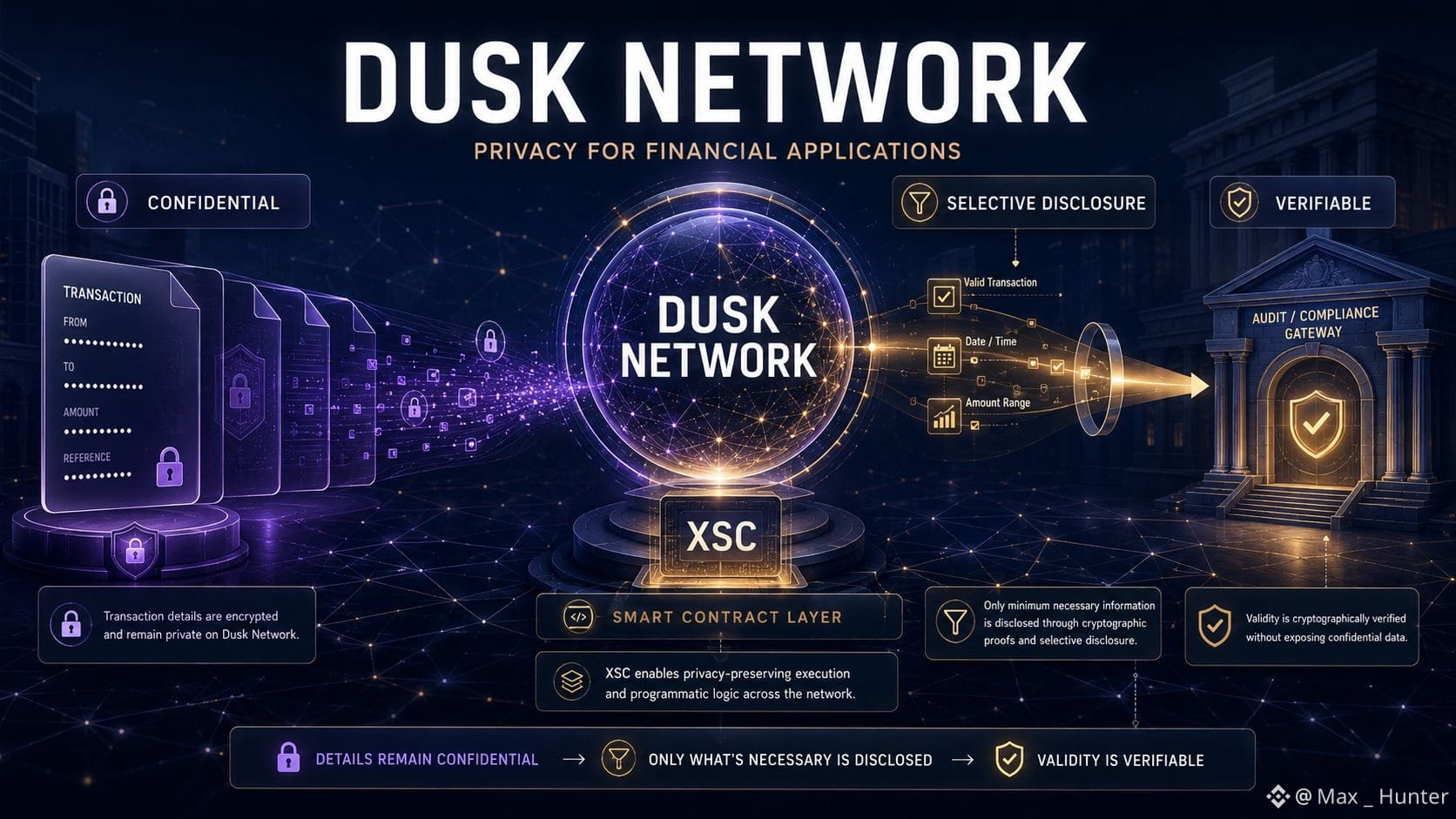
What surprised me about Dusk Network is that the most interesting part is also the hardest one to judge
Dusk Network is building privacy-focused infrastructure for financial applications Through its Confidential Security Contract standard, or XSC, it can verify transactions and smart contract activity without making every detail public The simple idea is that something can be proven correct without exposing all the information behind it.
That makes sense on paper Still, I keep coming back to one question what happens when certain information actually needs to be revealed
Banks, companies, and regulators will not all ask for the same level of access Dusk Network may protect sensitive data, but its long-term usefulness could depend on how selective disclosure works in practice. Who receives access, who approves it, and whether that process adds new points of trust are details worth watching
This is easy to miss because privacy blockchain is the cleaner story. But Dusk Network is trying to operate where privacy and compliance have to exist together, and that balance is rarely simple.
It feels like a small concern now, especially while the technology is still developing. Over time, though, it could shape how widely Dusk Network is actually used.
Nothing here changes my view immediately It just changes what I am watching nowJ
#dusk $DUSK @Dusk
Dusk Network is building privacy-focused infrastructure for financial applications Through its Confidential Security Contract standard, or XSC, it can verify transactions and smart contract activity without making every detail public The simple idea is that something can be proven correct without exposing all the information behind it.
That makes sense on paper Still, I keep coming back to one question what happens when certain information actually needs to be revealed
Banks, companies, and regulators will not all ask for the same level of access Dusk Network may protect sensitive data, but its long-term usefulness could depend on how selective disclosure works in practice. Who receives access, who approves it, and whether that process adds new points of trust are details worth watching
This is easy to miss because privacy blockchain is the cleaner story. But Dusk Network is trying to operate where privacy and compliance have to exist together, and that balance is rarely simple.
It feels like a small concern now, especially while the technology is still developing. Over time, though, it could shape how widely Dusk Network is actually used.
Nothing here changes my view immediately It just changes what I am watching nowJ
#dusk $DUSK @Dusk
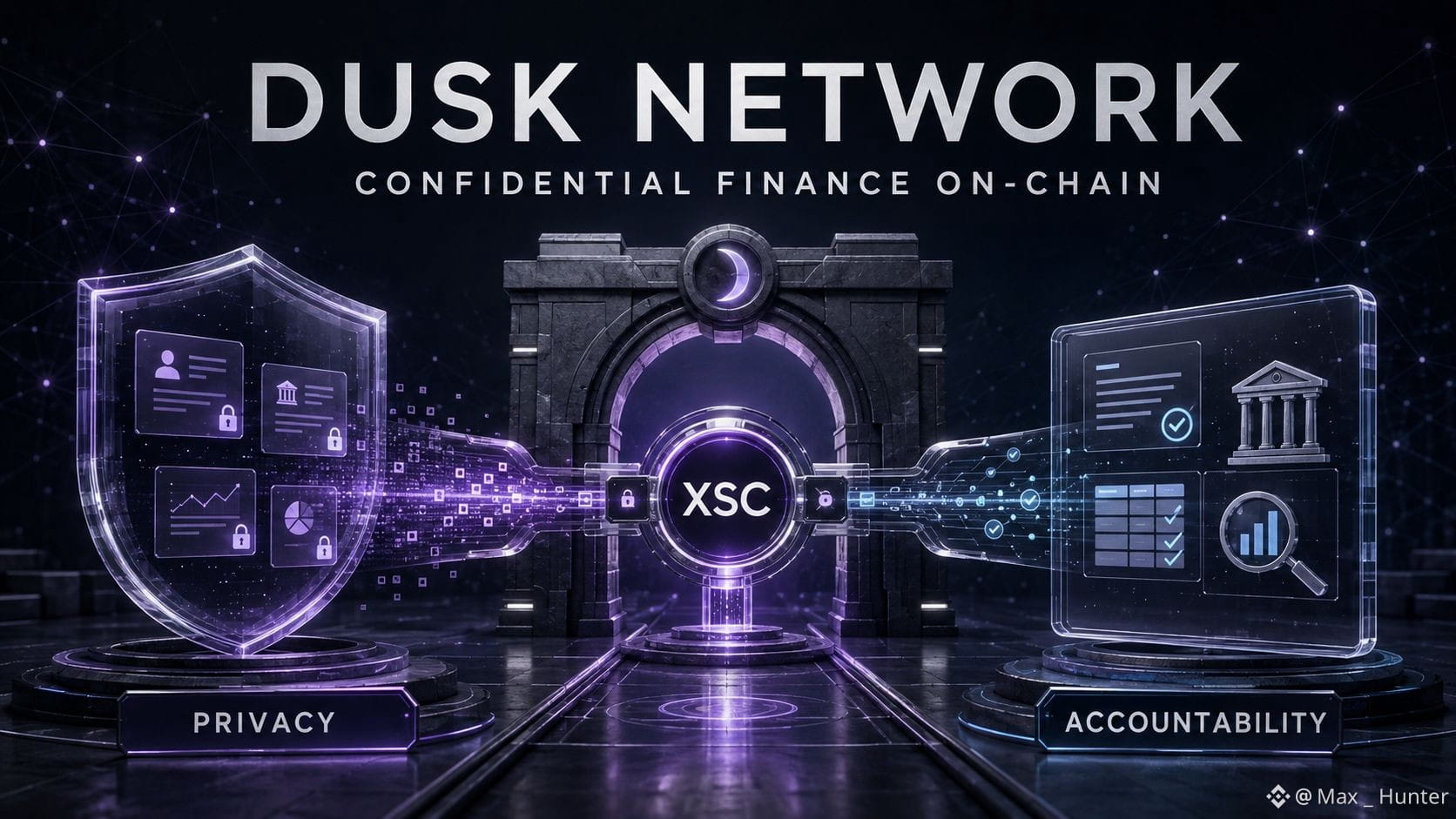
While reading about Dusk Network, one thing kept pulling my attention away from the usual privacy narrative. Dusk Network is not simply trying to hide transaction data; it is attempting to build privacy directly into financial applications.
The network uses confidential smart contracts and its Confidential Security Contract (XSC) standard. In plain English, this means people or institutions could move financial assets on-chain without making every sensitive detail visible to everyone. That makes sense, especially when real financial records or business information are involved.
Still, I think the difficult part for Dusk Network begins where privacy meets accountability. Financial institutions need confidentiality, but they also deal with audits, compliance checks, and legal disclosure requirements. I want to understand exactly who can view protected information, how access is granted, and whether users can clearly verify those rules.
It feels like a small technical detail compared with the larger Dusk Network vision. But these details often decide whether a blockchain works outside crypto-native circles. Privacy sounds attractive in theory; making it practical without creating new trust assumptions is the harder challenge.
Nothing about Dusk Network changes my view immediately. It simply changes what I am paying attention to now.
#dusk $DUSK @Dusk
The network uses confidential smart contracts and its Confidential Security Contract (XSC) standard. In plain English, this means people or institutions could move financial assets on-chain without making every sensitive detail visible to everyone. That makes sense, especially when real financial records or business information are involved.
Still, I think the difficult part for Dusk Network begins where privacy meets accountability. Financial institutions need confidentiality, but they also deal with audits, compliance checks, and legal disclosure requirements. I want to understand exactly who can view protected information, how access is granted, and whether users can clearly verify those rules.
It feels like a small technical detail compared with the larger Dusk Network vision. But these details often decide whether a blockchain works outside crypto-native circles. Privacy sounds attractive in theory; making it practical without creating new trust assumptions is the harder challenge.
Nothing about Dusk Network changes my view immediately. It simply changes what I am paying attention to now.
#dusk $DUSK @Dusk
Verified
While reading through Dusk Network’s tokenomics, one detail made me pause. It wasn’t the maximum supply or the long emission schedule. It was the way Dusk Network handles transaction fees.
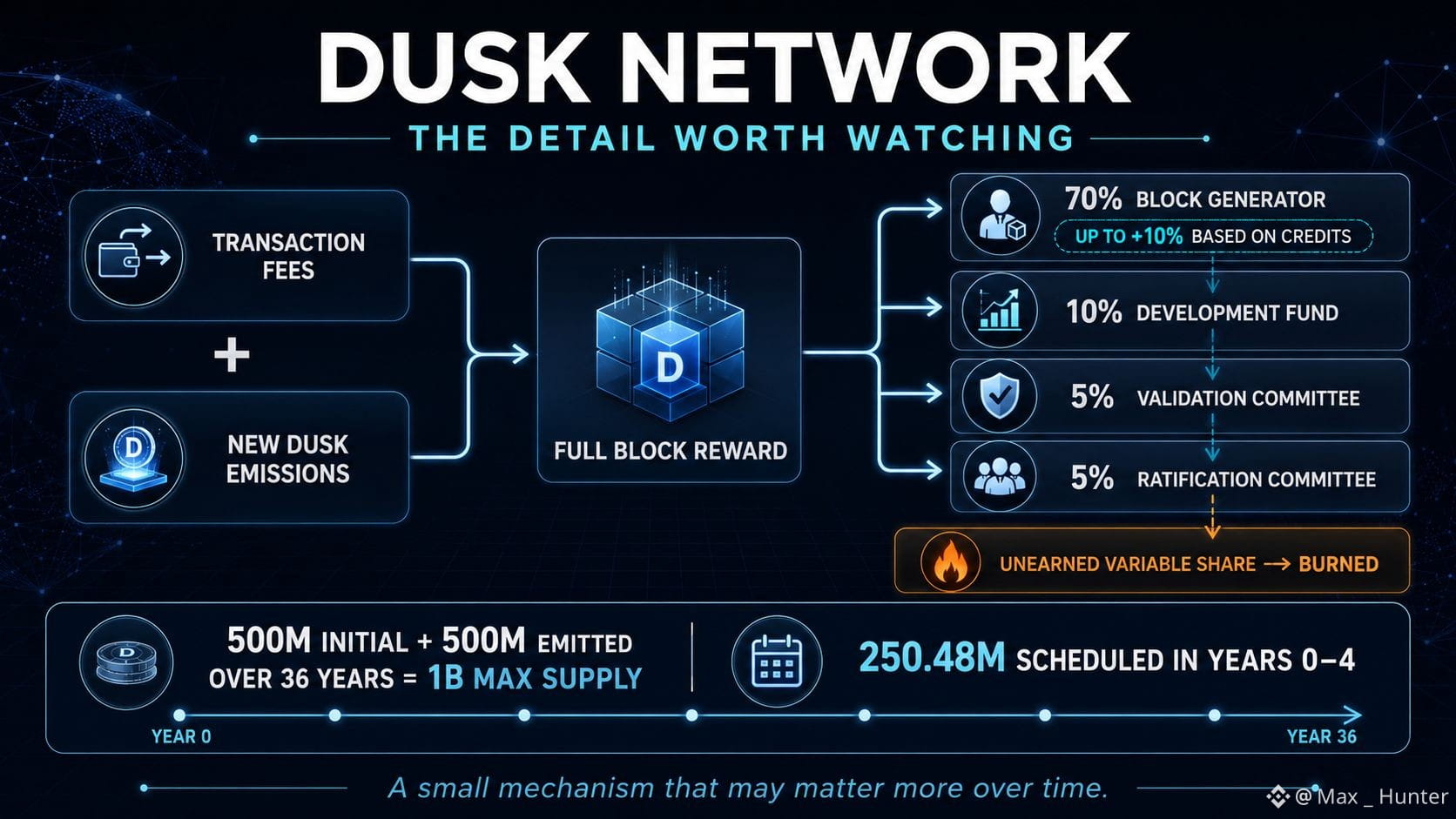
Instead of treating fees separately, the network adds them to newly emitted DUSK and distributes everything as one block reward. The block generator receives 70%, with the possibility of earning another 10% through credits. The development fund gets 10%, while the validation and ratification committees each receive 5%.
On paper, that looks simple. The part I am watching is what happens when the block generator does not earn the full extra 10%. Whatever remains is burned. I understand the rule, but I could not find a clear sense of how often this is likely to happen during activity on Dusk Network.
That feels worth noting because Dusk Network started with 500 million DUSK and plans to emit another 500 million over 36 years. Roughly 250.48 million is scheduled for the first four years alone.
The burned amount may seem unimportant from block to block, but small differences can build up across a long emission cycle.
Nothing here changes my view immediately. It just changes what I am watching now.
#dusk $DUSK @Dusk
Instead of treating fees separately, the network adds them to newly emitted DUSK and distributes everything as one block reward. The block generator receives 70%, with the possibility of earning another 10% through credits. The development fund gets 10%, while the validation and ratification committees each receive 5%.
On paper, that looks simple. The part I am watching is what happens when the block generator does not earn the full extra 10%. Whatever remains is burned. I understand the rule, but I could not find a clear sense of how often this is likely to happen during activity on Dusk Network.
That feels worth noting because Dusk Network started with 500 million DUSK and plans to emit another 500 million over 36 years. Roughly 250.48 million is scheduled for the first four years alone.
The burned amount may seem unimportant from block to block, but small differences can build up across a long emission cycle.
Nothing here changes my view immediately. It just changes what I am watching now.
#dusk $DUSK @Dusk
Verified
I opened Dusk Network’s docs expecting to focus on privacy and confidential smart contracts. Instead, one small detail in its block rewards kept my attention.
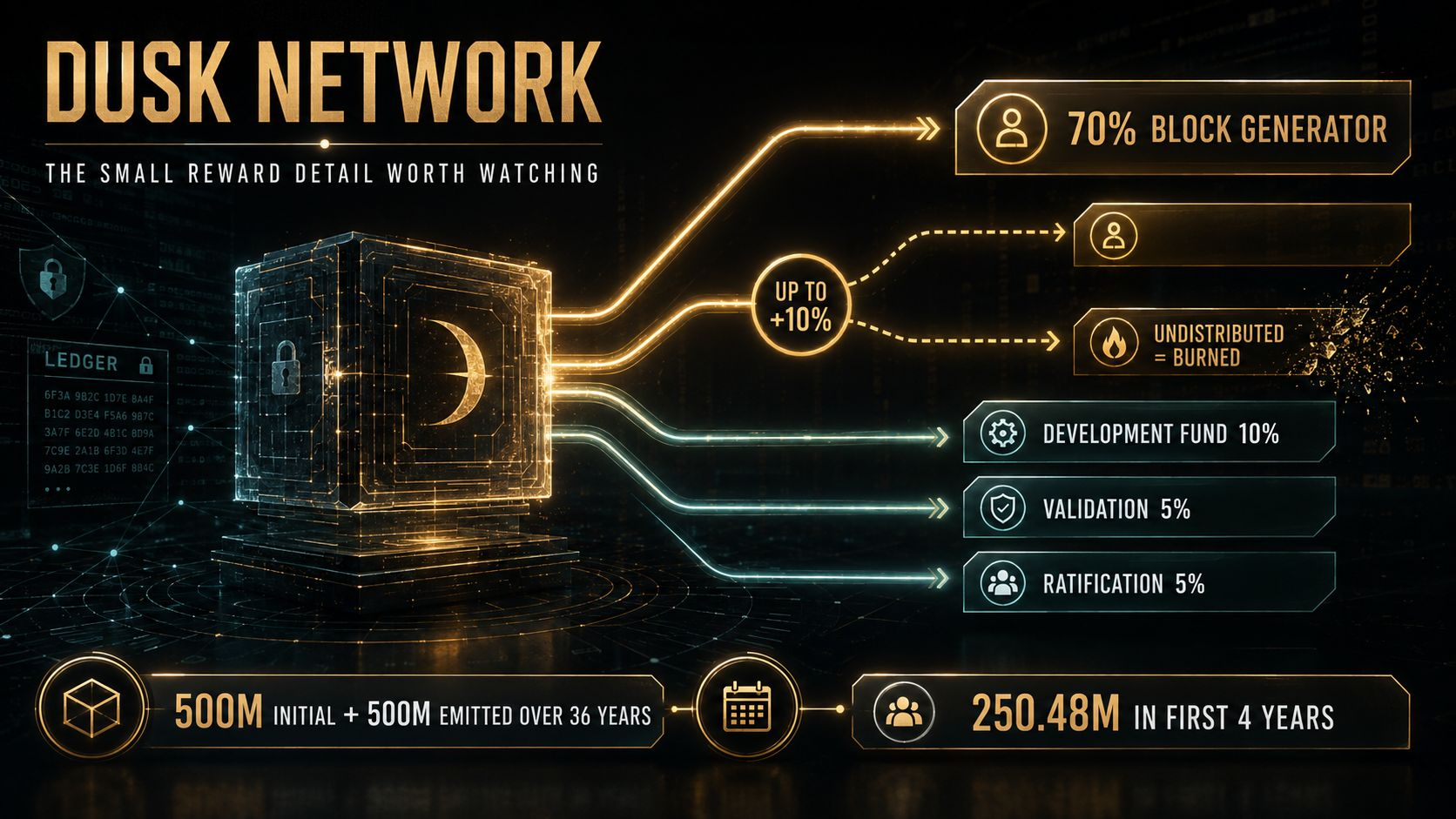
On Dusk Network, a block generator receives 70% of the reward and can earn another 10% depending on credits included in the block certificate. If that extra share is not fully distributed, the remainder is burned.
The mechanism sounds simple, but I was left with one question: what does this look like over time? I could not find a running total for the DUSK burned this way, or how often generators receive the full extra amount.
The rest is easier to follow. Dusk Network directs 10% to its development fund, while the validation and ratification committees each receive 5%.
The supply plan starts with 500 million DUSK and adds another 500 million over 36 years. Around 250.48 million is scheduled during the first four-year emission period.
It feels like a small detail beside Dusk Network’s larger goal of building privacy-focused financial infrastructure. Still, repeated block after block, it could make the actual supply different from the schedule people usually quote. Nothing here changes my view immediately. It just changes what I am watching now.
#dusk @Dusk $DUSK
On Dusk Network, a block generator receives 70% of the reward and can earn another 10% depending on credits included in the block certificate. If that extra share is not fully distributed, the remainder is burned.
The mechanism sounds simple, but I was left with one question: what does this look like over time? I could not find a running total for the DUSK burned this way, or how often generators receive the full extra amount.
The rest is easier to follow. Dusk Network directs 10% to its development fund, while the validation and ratification committees each receive 5%.
The supply plan starts with 500 million DUSK and adds another 500 million over 36 years. Around 250.48 million is scheduled during the first four-year emission period.
It feels like a small detail beside Dusk Network’s larger goal of building privacy-focused financial infrastructure. Still, repeated block after block, it could make the actual supply different from the schedule people usually quote. Nothing here changes my view immediately. It just changes what I am watching now.
#dusk @Dusk $DUSK
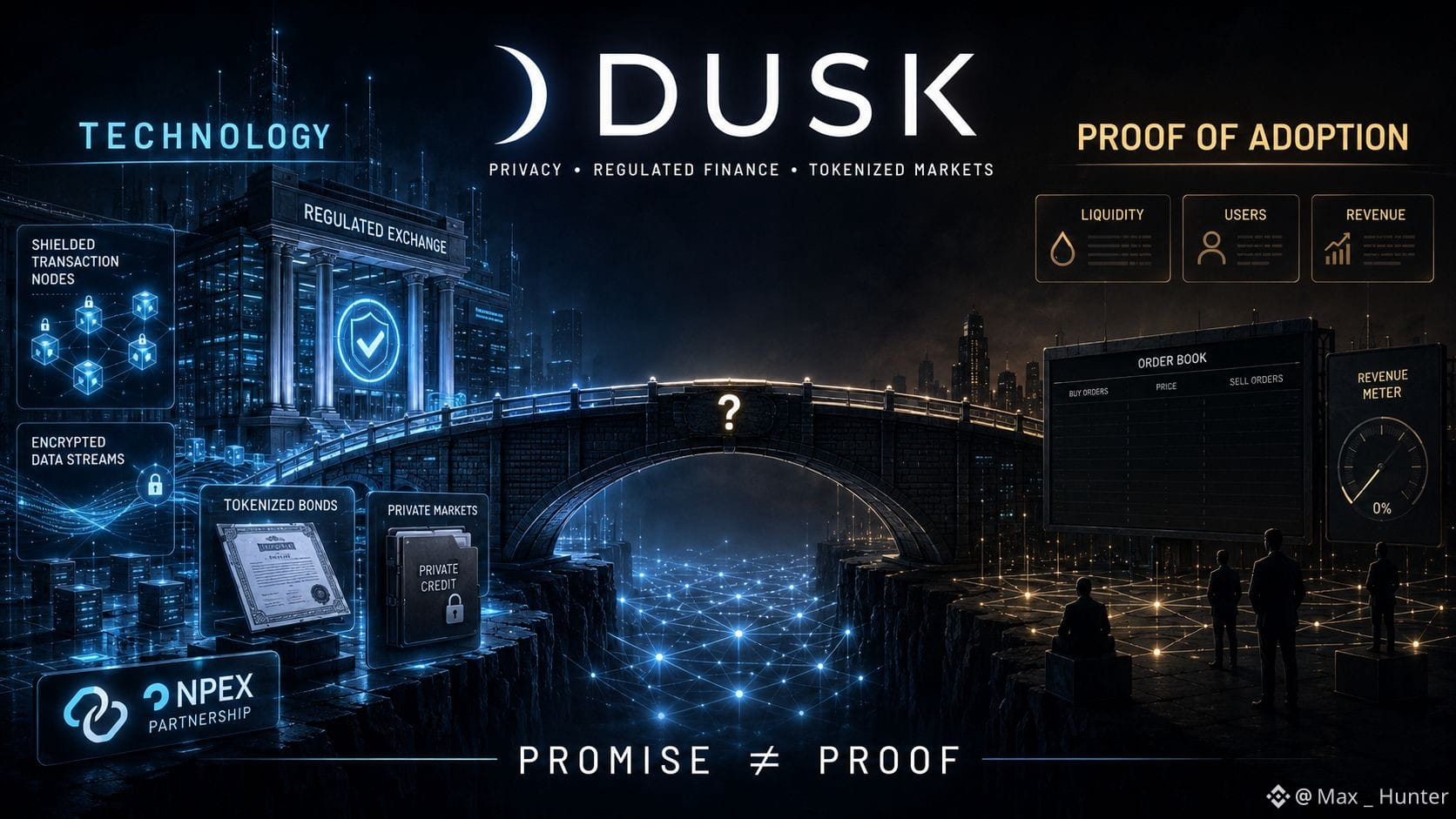
DUSK is building a privacy-focused Layer-1 for regulated finance, with tokenized private markets and NPEX at the center of its vision. I like the direction, but I’m still waiting for the part that matters most: proof that real issuers, investors, and trading volume are actually using it. The technology can make settlement cleaner, but it can’t create demand by itself. Until DUSK turns partnerships and polished infrastructure into recurring usage and revenue, it’s still a promising blueprint—not a proven financial network.
#dusk @Dusk $DUSK
#dusk @Dusk $DUSK
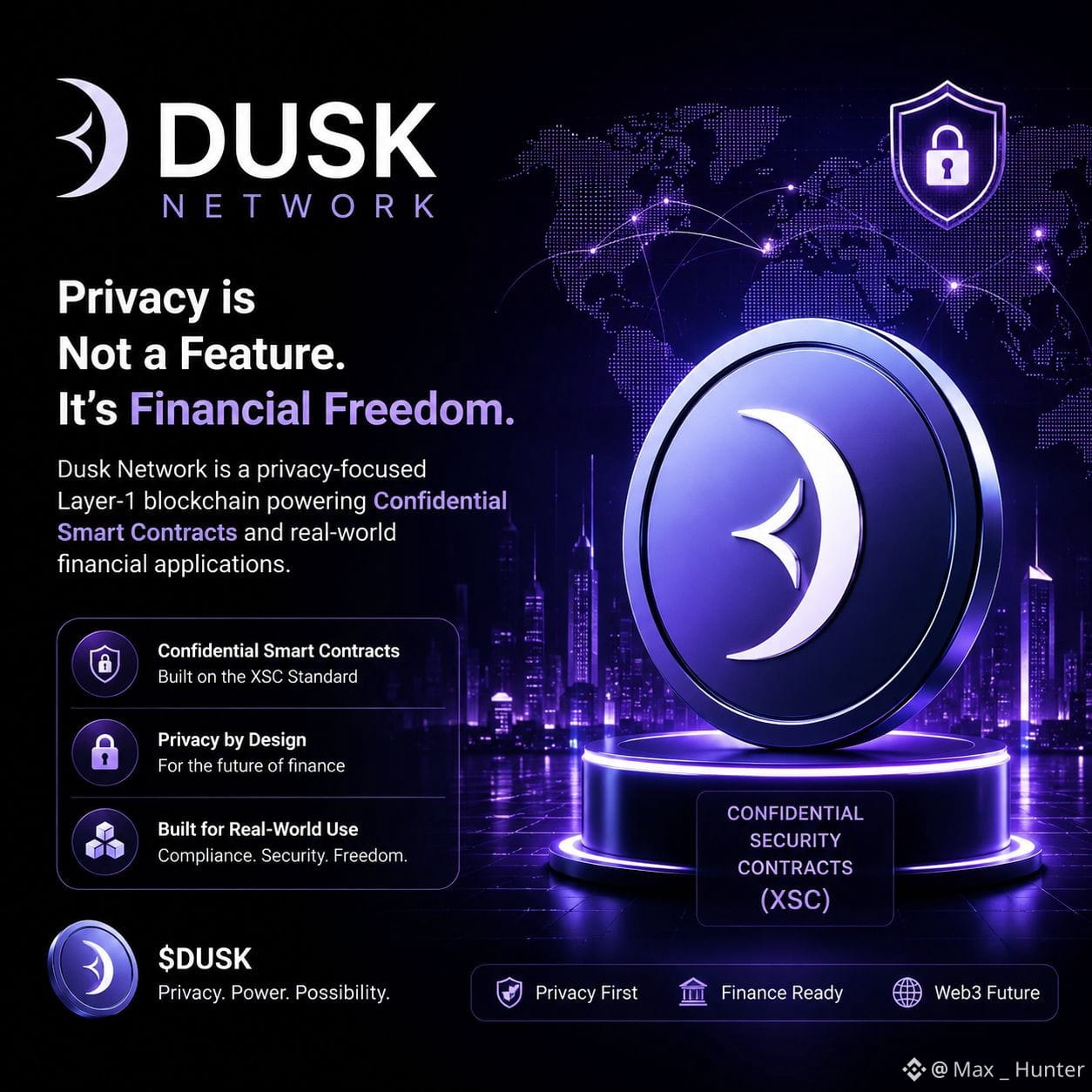
Dusk Network keeps catching my attention because the idea behind it actually makes sense. Privacy isn’t just a nice feature when real financial assets move onchain—it can be essential. Dusk is building around confidential smart contracts and regulated finance, which gives $DUSK a clearer purpose than another chain chasing hype. What matters to me now is whether the technology turns into real applications, real users and real activity. That’s the part I’m watching.
#dusk @Dusk $DUSK
#dusk @Dusk $DUSK
Verified
Dusk Network is interesting to me because it’s trying to solve a real problem: bringing privacy to financial applications without making everything public by default. Confidential smart contracts are the core idea here. The technology looks promising, but real adoption and consistent network usage are what I’m watching next.
@Dusk #dusk $DUSK
@Dusk #dusk $DUSK
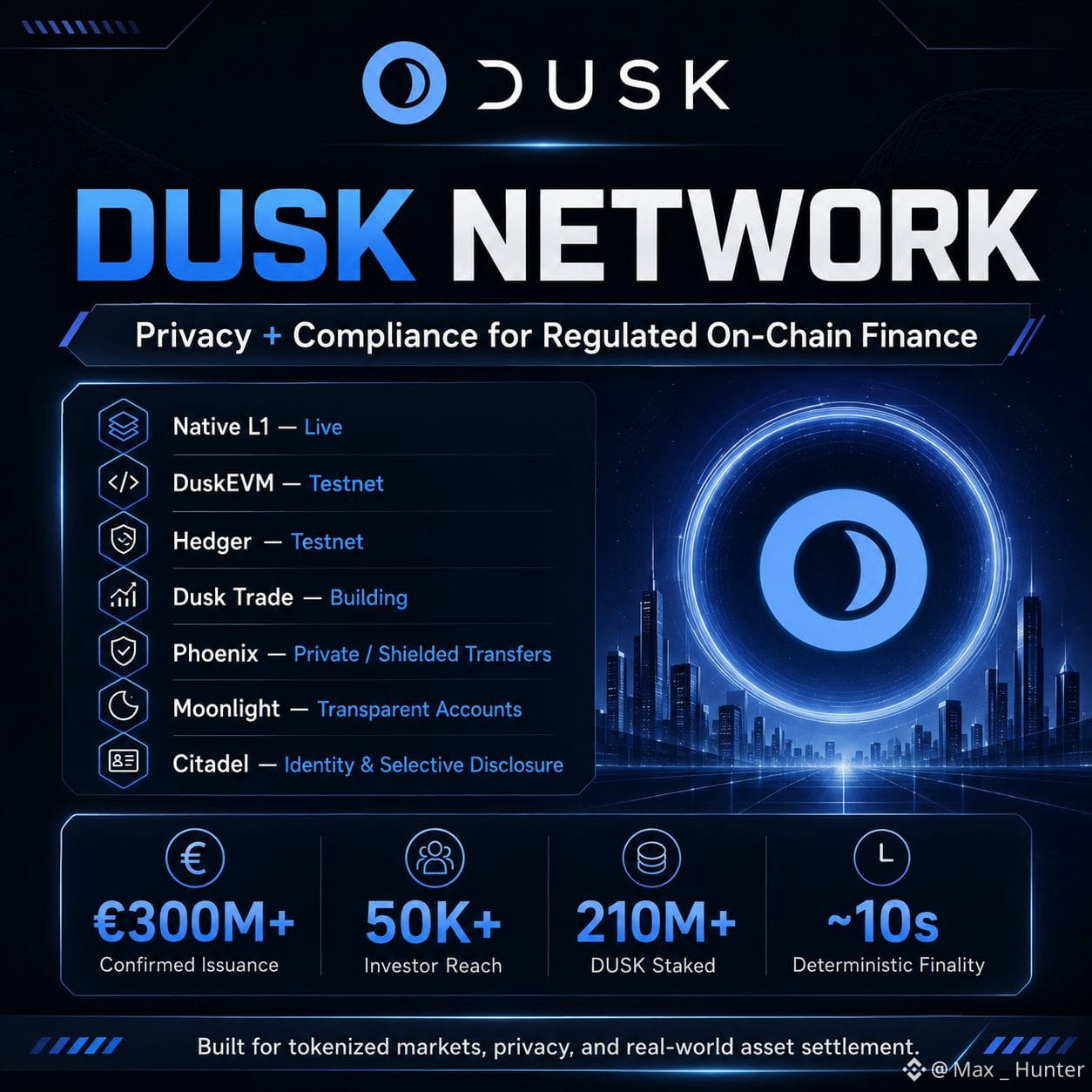
$DUSK is evolving far beyond its old XSC-focused narrative.
Dusk is now building a broader infrastructure stack for regulated on-chain finance, combining privacy, compliance, identity and real-world asset settlement in one ecosystem.
🔹 Dusk L1 Live
🔹 DuskEVM Testnet
🔹 Phoenix Private/shielded transfers
🔹 Moonlight Transparent transactions
🔹 Citadel Identity & selective disclosure
🔹 Zedger/Hedger Regulated asset infrastructure
🔹 Dusk Trade Building
The network reports €300M+ in confirmed issuance, 50K+ investor reach, 210M+ DUSK staked and around 10-second deterministic finality.
The bigger vision for $DUSK is clear: bring stocks, bonds and other regulated real-world assets on-chain without sacrificing financial privacy or compliance.
@Dusk #dusk $DUSK
Dusk is now building a broader infrastructure stack for regulated on-chain finance, combining privacy, compliance, identity and real-world asset settlement in one ecosystem.
🔹 Dusk L1 Live
🔹 DuskEVM Testnet
🔹 Phoenix Private/shielded transfers
🔹 Moonlight Transparent transactions
🔹 Citadel Identity & selective disclosure
🔹 Zedger/Hedger Regulated asset infrastructure
🔹 Dusk Trade Building
The network reports €300M+ in confirmed issuance, 50K+ investor reach, 210M+ DUSK staked and around 10-second deterministic finality.
The bigger vision for $DUSK is clear: bring stocks, bonds and other regulated real-world assets on-chain without sacrificing financial privacy or compliance.
@Dusk #dusk $DUSK
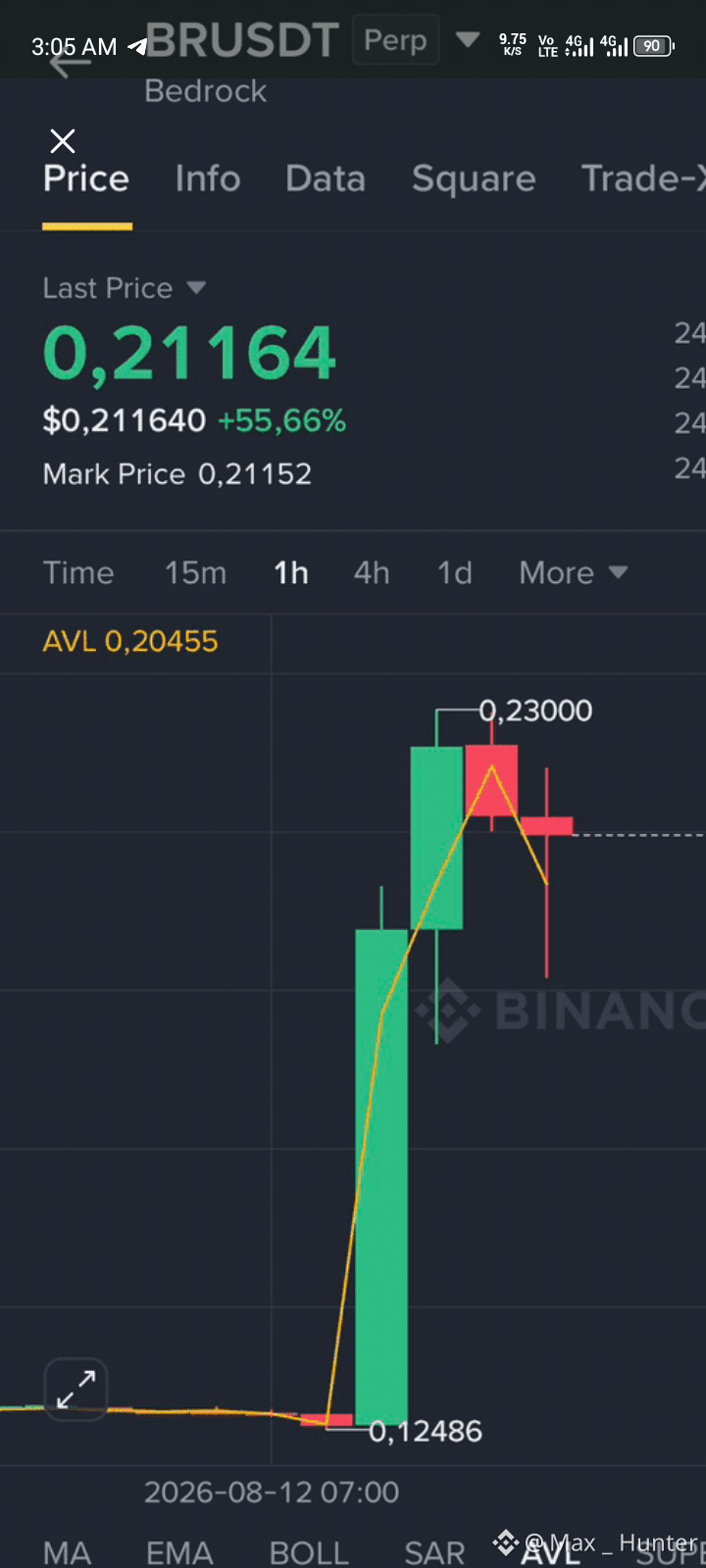
🚨 $BR SHORT SETUP — HIGH RISK ⚠️
I’m watching a potential short setup on $BR , but this is an extremely risky trade due to the token’s high volatility.
⚠️ Sudden price swings can happen quickly, so don’t rush into an entry. Wait for clear confirmation and use strict risk management.
This is a high-risk setup, not a guaranteed trade.
#BR #Trading #Crypto #RiskManagement
I’m watching a potential short setup on $BR , but this is an extremely risky trade due to the token’s high volatility.
⚠️ Sudden price swings can happen quickly, so don’t rush into an entry. Wait for clear confirmation and use strict risk management.
This is a high-risk setup, not a guaranteed trade.
#BR #Trading #Crypto #RiskManagement
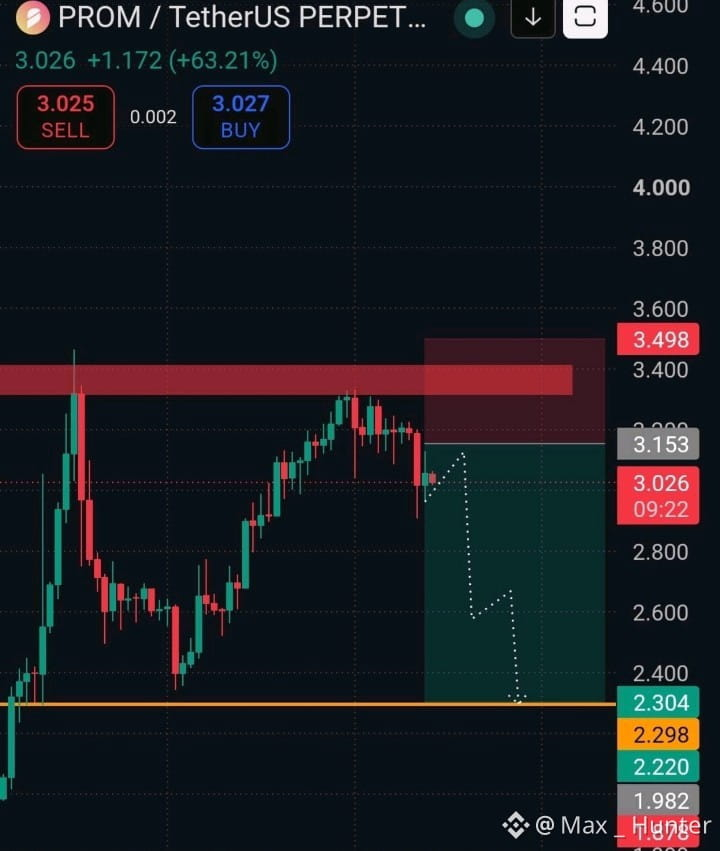
🚨 $PROM BIG SHORT ALERT
$PROM is approaching a key short zone. Watching for bearish confirmation around the entry before taking any setup.
📍 Entry: $3.00
🎯 TP1: $2.80
🎯 TP2: $2.60
🎯 TP3: $2.40
🛑 Stop Loss: $3.50
⚠️ High-volatility setup — wait for confirmation and manage risk carefully.
#PROM #Crypto #Trading #altcoins
$PROM is approaching a key short zone. Watching for bearish confirmation around the entry before taking any setup.
📍 Entry: $3.00
🎯 TP1: $2.80
🎯 TP2: $2.60
🎯 TP3: $2.40
🛑 Stop Loss: $3.50
⚠️ High-volatility setup — wait for confirmation and manage risk carefully.
#PROM #Crypto #Trading #altcoins
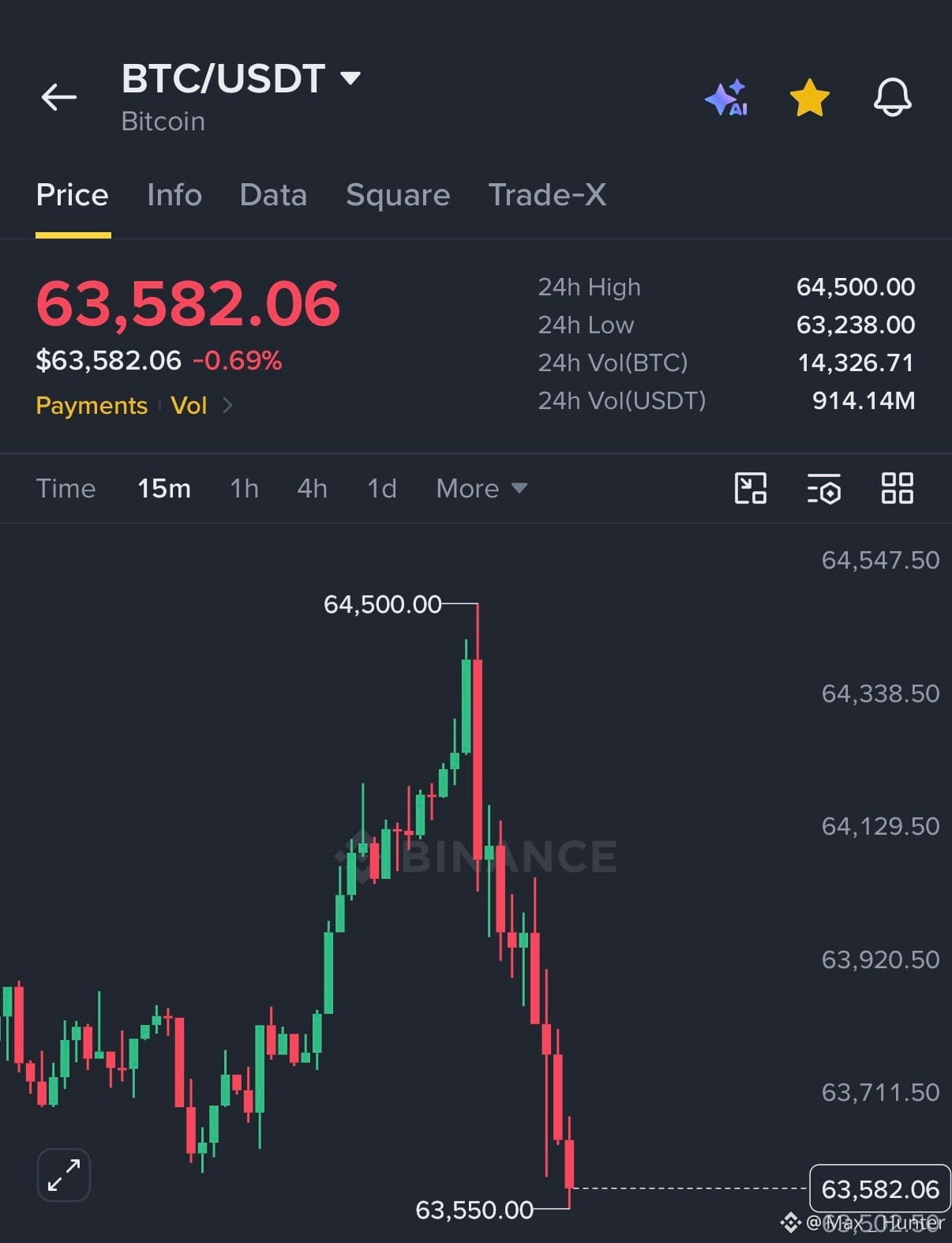
#USJulyCPI&PPIDueThisWeek #DogecoinLeadsMajorsUpNearly3% #CFTCOrdersKalshiToKeepOperating Why go to Dubai when you can see the Burj Khalifa on the Bitcoin chart.$BTC
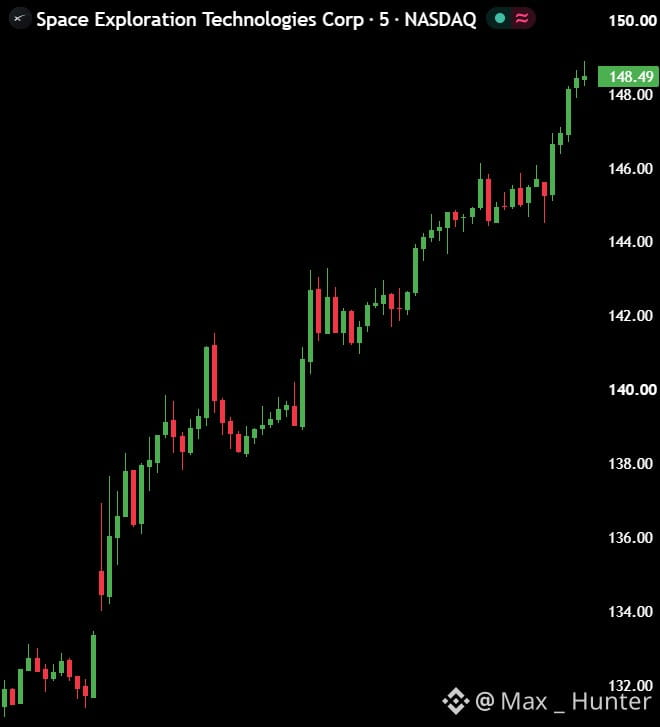
BREAKING: SpaceX is now a top 10 asset by market cap.
$SPCX is up 42% in the last 5 trading days, adding $570 Billion.
$SPCX is up 42% in the last 5 trading days, adding $570 Billion.
Worked for 36s
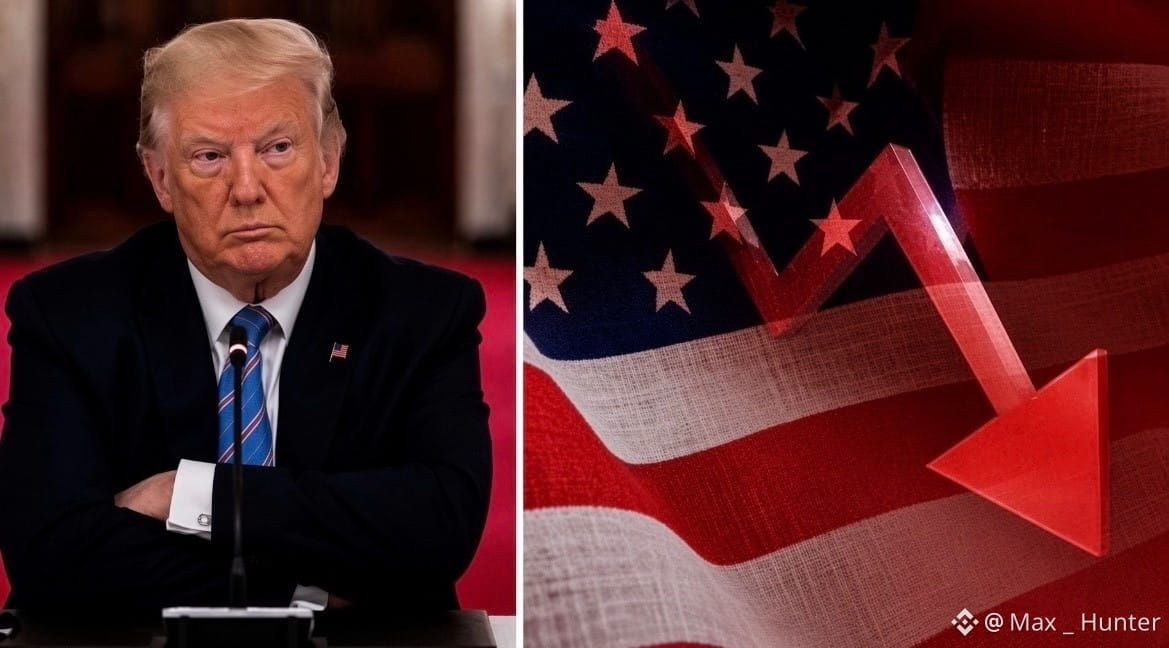
The item-level numbers check out against the latest FRED/BLS data: whole milk averaged $4.313/gal in July 2026 vs. $3.031 in July 2019 — about +42.3%. Boneless chicken breast averaged $4.153/lb vs. $2.975 — about +39.6%.
One caution: FRED itself says these average-price series are best for comparing price levels in specific months, while CPI indexes are better for measuring price changes over time. I also couldn’t verify an official St. Louis Fed source for the broader claim that a whole “grocery run” is over 40% more expensive, so I’d avoid attributing that exact basket claim to the Fed without the original source. $TUT $BEAT
The item-level numbers check out against the latest FRED/BLS data: whole milk averaged $4.313/gal in July 2026 vs. $3.031 in July 2019 — about +42.3%. Boneless chicken breast averaged $4.153/lb vs. $2.975 — about +39.6%.
One caution: FRED itself says these average-price series are best for comparing price levels in specific months, while CPI indexes are better for measuring price changes over time. I also couldn’t verify an official St. Louis Fed source for the broader claim that a whole “grocery run” is over 40% more expensive, so I’d avoid attributing that exact basket claim to the Fed without the original source. $TUT $BEAT


🚨 THIS IS INSANE: U.S. DEFICIT EXPLODES 🇺🇸
The U.S. federal budget deficit surged to $432 BILLION in July 2026, up sharply from a year earlier.
💸 Government spending: $766B
💰 Revenue collected: $334B
📉 July deficit: $432B
It was the largest monthly shortfall since the COVID-era period, while the fiscal-year deficit has already reached roughly $1.8 TRILLION.
The numbers are getting massive.
👀 How long can deficits keep growing at this pace?
#USA #Economy #Bitcoin #Crypto #BTC
The U.S. federal budget deficit surged to $432 BILLION in July 2026, up sharply from a year earlier.
💸 Government spending: $766B
💰 Revenue collected: $334B
📉 July deficit: $432B
It was the largest monthly shortfall since the COVID-era period, while the fiscal-year deficit has already reached roughly $1.8 TRILLION.
The numbers are getting massive.
👀 How long can deficits keep growing at this pace?
#USA #Economy #Bitcoin #Crypto #BTC
$PROM is showing bullish momentum after a $1.8359K short liquidation around $2.62278. Buyers are gaining control as shorts get squeezed near the current reaction area.
EP
2.600–2.630
TP
TP1 2.670
TP2 2.730
TP3 2.800
SL
2.560
Liquidity is building above the recent high while price continues holding near the short-liquidation region. As long as buyers defend support, bullish structure remains intact and continuation toward higher liquidity is favored.
Let’s go $PROM
EP
2.600–2.630
TP
TP1 2.670
TP2 2.730
TP3 2.800
SL
2.560
Liquidity is building above the recent high while price continues holding near the short-liquidation region. As long as buyers defend support, bullish structure remains intact and continuation toward higher liquidity is favored.
Let’s go $PROM
$ONE is showing strong bearish pressure after a $4.6966K long liquidation around $0.00098. Sellers remain firmly active as buyers struggle near the current reaction zone.
EP
0.000970–0.000990
TP
TP1 0.000950
TP2 0.000920
TP3 0.000880
SL
0.001020
Liquidity is building below the recent structure while price remains vulnerable after the liquidation flush. As long as buyers fail to reclaim the upper reaction zone, bearish continuation toward lower liquidity is favored.
Let’s go $ONE
EP
0.000970–0.000990
TP
TP1 0.000950
TP2 0.000920
TP3 0.000880
SL
0.001020
Liquidity is building below the recent structure while price remains vulnerable after the liquidation flush. As long as buyers fail to reclaim the upper reaction zone, bearish continuation toward lower liquidity is favored.
Let’s go $ONE
$BICO is showing stronger bullish momentum after another $2.8711K short liquidation around $0.03938. Continued short liquidations suggest buyers are maintaining pressure.
EP
0.0391–0.0396
TP
TP1 0.0402
TP2 0.0410
TP3 0.0422
SL
0.0385
Liquidity is building above the recent high while price continues holding near the liquidation zone. As long as buyers defend the current structure, bullish momentum remains intact and higher liquidity stays in focus.
Let’s go $BICO
EP
0.0391–0.0396
TP
TP1 0.0402
TP2 0.0410
TP3 0.0422
SL
0.0385
Liquidity is building above the recent high while price continues holding near the liquidation zone. As long as buyers defend the current structure, bullish momentum remains intact and higher liquidity stays in focus.
Let’s go $BICO
$LSK is facing bearish momentum after a $1.0912K long liquidation around $0.08424. Sellers remain active while buyers attempt to stabilize the current reaction area.
EP
0.0838–0.0846
TP
TP1 0.0828
TP2 0.0815
TP3 0.0798
SL
0.0858
Liquidity remains exposed below the recent structure while price stays vulnerable following the long-position flush. Unless buyers reclaim resistance, bearish continuation remains favored.
Let’s go $LSK
EP
0.0838–0.0846
TP
TP1 0.0828
TP2 0.0815
TP3 0.0798
SL
0.0858
Liquidity remains exposed below the recent structure while price stays vulnerable following the long-position flush. Unless buyers reclaim resistance, bearish continuation remains favored.
Let’s go $LSK
Log in to explore more content