
#decentralizedcomputing
decentralizedcomputing
91,044 views
131 Discussing
Hot
Latest

*SC records 0.001017$ now on Binance*
Accumulating the bottom + a trend of decentralized storage—back again 🔥
*📊 Key Points:*
- *Current Price*: 0.001017$ on Binance
- *Move*: Holding above support at 0.001000$ after dropping from 0.001120$
- *Platform*: SPOT trading
- *Context*: sc - SiaCoin is a decentralized storage DePIN project. With rising demand for data and AI, the distributed storage sector has started to bounce back again
Volume is stable, and Network Utilization is over 30% compared to last month. New protocol updates are coming in
*📌 Forecast*
$SC at 0.001017$
- *Break above 0.001025$* = targeting 0.001050$ → 0.001080$ → 0.001120$
- *Break below 0.000995$* = retesting 0.000980$ as a buying zone
*Summary*: $SC at a historical bottom versus storage technology. Any DePIN or AI trend will lift it quickly. Entry 0.001017$ - 0.001020$ | target 0.001080$ | stop 0.000990$ | long-term investment 👇
$ #BinanceSquareFamily #devcripto #StoryTime #DecentralizedComputing # #DegenKongZ #
$SC
Accumulating the bottom + a trend of decentralized storage—back again 🔥
*📊 Key Points:*
- *Current Price*: 0.001017$ on Binance
- *Move*: Holding above support at 0.001000$ after dropping from 0.001120$
- *Platform*: SPOT trading
- *Context*: sc - SiaCoin is a decentralized storage DePIN project. With rising demand for data and AI, the distributed storage sector has started to bounce back again
Volume is stable, and Network Utilization is over 30% compared to last month. New protocol updates are coming in
*📌 Forecast*
$SC at 0.001017$
- *Break above 0.001025$* = targeting 0.001050$ → 0.001080$ → 0.001120$
- *Break below 0.000995$* = retesting 0.000980$ as a buying zone
*Summary*: $SC at a historical bottom versus storage technology. Any DePIN or AI trend will lift it quickly. Entry 0.001017$ - 0.001020$ | target 0.001080$ | stop 0.000990$ | long-term investment 👇
$ #BinanceSquareFamily #devcripto #StoryTime #DecentralizedComputing # #DegenKongZ #
$SC


🎨⚡ Render (RENDER) — Harness the power of GPUs to enter the Web3 world!
Can we tap into the untapped power of graphics processing units (GPUs) around the world? 🌐
This is one of the goals of the Render Network, a decentralized network that connects people who need GPU power with device owners who have underutilized computing capacity.
🔹 Name: Render Network
🔹 Ticker: RENDER
🔹 Sector: Web3 / DePIN / GPU Computing
🔹 Use: Decentralized computing and graphics
🔹 Technologies: GPU + Blockchain
💡 Creators and developers can benefit from distributed computing power to perform tasks such as 3D rendering, graphics, and artificial intelligence.
🚀 Web3 + GPU + AI = a new segment of decentralized computing.
#Render #RENDER #Web3 #DePIN #Crypto #AI #GPU #Blockchain #DecentralizedComputing
Can we tap into the untapped power of graphics processing units (GPUs) around the world? 🌐
This is one of the goals of the Render Network, a decentralized network that connects people who need GPU power with device owners who have underutilized computing capacity.
🔹 Name: Render Network
🔹 Ticker: RENDER
🔹 Sector: Web3 / DePIN / GPU Computing
🔹 Use: Decentralized computing and graphics
🔹 Technologies: GPU + Blockchain
💡 Creators and developers can benefit from distributed computing power to perform tasks such as 3D rendering, graphics, and artificial intelligence.
🚀 Web3 + GPU + AI = a new segment of decentralized computing.
#Render #RENDER #Web3 #DePIN #Crypto #AI #GPU #Blockchain #DecentralizedComputing


The Web3 space is starting to feel more infrastructure-driven than ever, especially with the rise of DePIN, AI, and decentralized compute narratives.
@Fluence ($FLT) is one of the projects that fits naturally into this shift. Instead of focusing only on hype cycles, Fluence is building decentralized cloud compute infrastructure that could become increasingly important as AI demand and on-chain applications continue to scale.
A few other projects connected to this broader narrative:
$PEAQ : focused on machine economies and real-world DePIN networks.
$ZBT : bringing more utility to blockchain-based payments and financial infrastructure.
$TFUEL : powering decentralized bandwidth sharing, streaming, and edge compute services.
What’s interesting is how all these ecosystems are contributing to a larger goal: building decentralized infrastructure that can support AI, data, connectivity, and digital services at scale.
Feels like the market is slowly moving from speculation toward real utility and long-term infrastructure.
#DecentralizedComputing #DePIN
@Fluence ($FLT) is one of the projects that fits naturally into this shift. Instead of focusing only on hype cycles, Fluence is building decentralized cloud compute infrastructure that could become increasingly important as AI demand and on-chain applications continue to scale.
A few other projects connected to this broader narrative:
$PEAQ : focused on machine economies and real-world DePIN networks.
$ZBT : bringing more utility to blockchain-based payments and financial infrastructure.
$TFUEL : powering decentralized bandwidth sharing, streaming, and edge compute services.
What’s interesting is how all these ecosystems are contributing to a larger goal: building decentralized infrastructure that can support AI, data, connectivity, and digital services at scale.
Feels like the market is slowly moving from speculation toward real utility and long-term infrastructure.
#DecentralizedComputing #DePIN

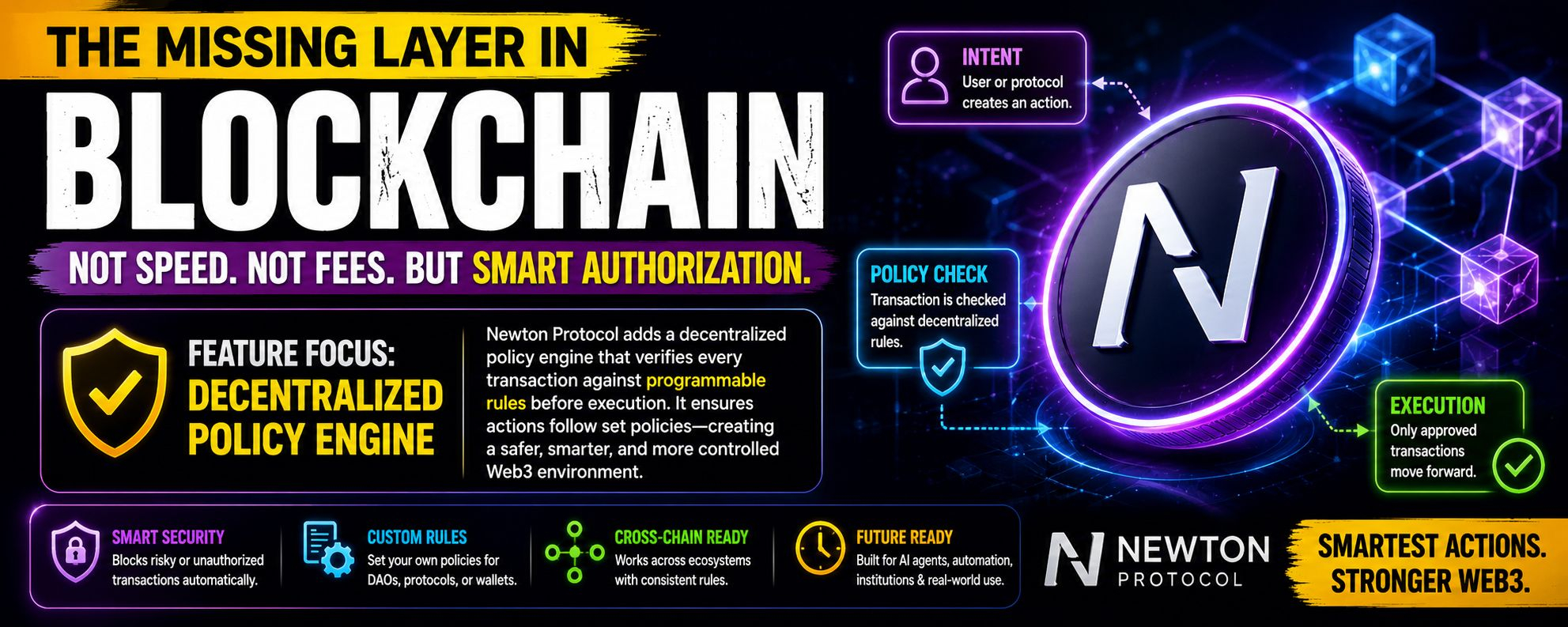

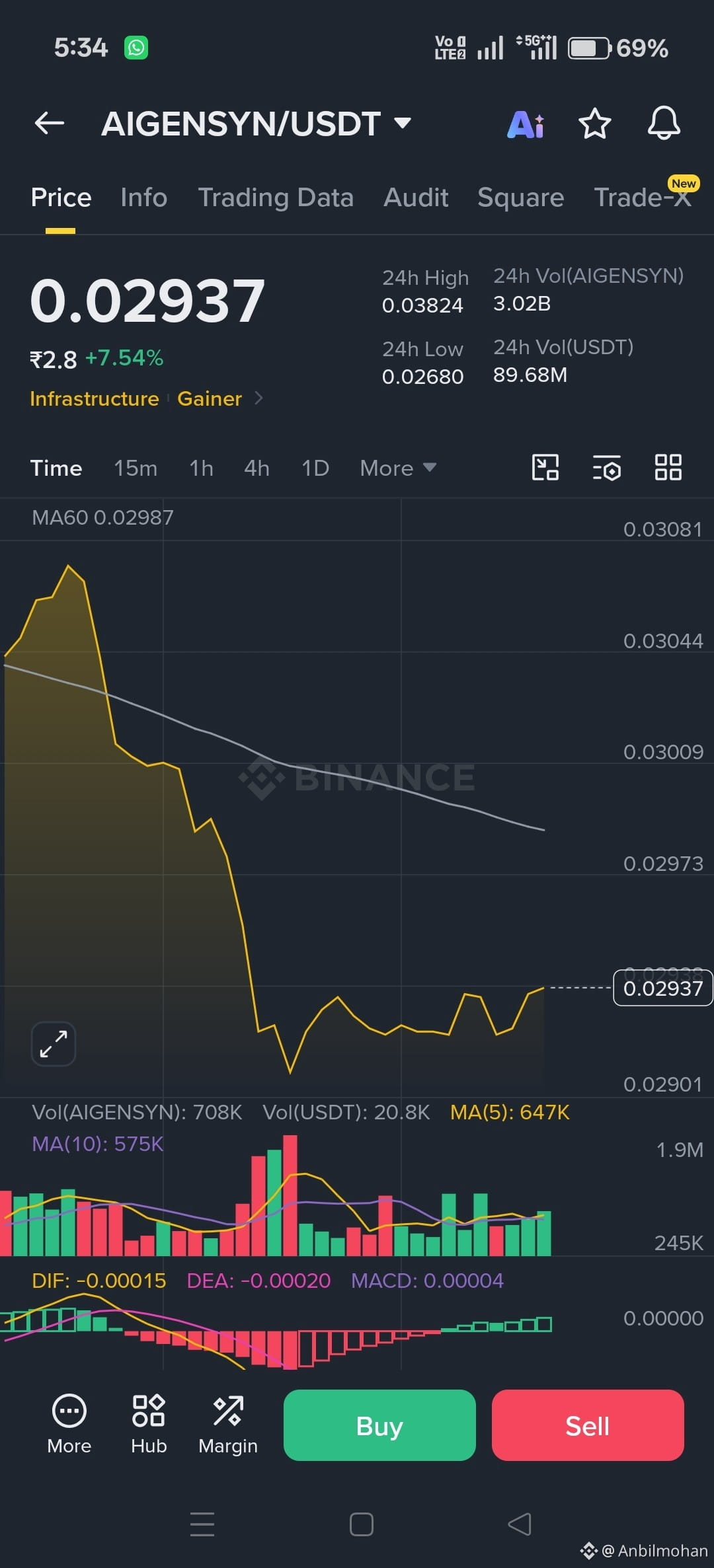
$AIGENSYN
aigensyn
is a decentralized AI infrastructure network that connects idle computing power to AI training needs.
#GensynA #AI #DecentralizedComputing #DePIN #machinelearning
aigensyn
is a decentralized AI infrastructure network that connects idle computing power to AI training needs.
#GensynA #AI #DecentralizedComputing #DePIN #machinelearning
Log in to explore more content