


There’s an assumption in crypto that transparency automatically equals fairness. In real financial markets, that assumption breaks very quickly.
Large trades can’t sit in public mempools. Order intent can’t be broadcast without consequences. Settlement details can’t leak without changing behavior. That’s not corruption — that’s just how markets function once real money is involved.
This is the problem Dusk Network is built around. Not hiding activity, not avoiding rules, but allowing markets to operate without self-sabotage.
Public Chains Are Honest, But Often Unusable
Public blockchains are great for experimentation. They’re terrible at discretion.
When everything is visible by default, front-running becomes structural, not malicious. Positions get exposed. Strategies leak before execution. For institutions, that’s a non-starter.
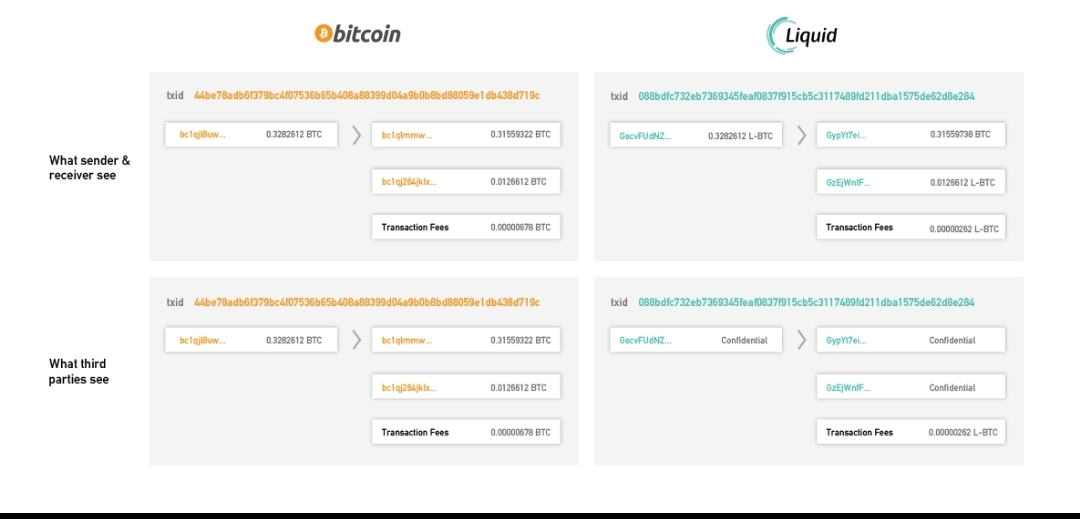
Dusk flips the default. Transactions are private unless there’s a reason for them not to be. And when verification is needed — audits, compliance checks, counterparty validation — cryptographic proofs handle that without exposing the entire flow.
So the data exists. It’s just not screaming at everyone.
Privacy Here Is About Control, Not Escape
A lot of privacy chains talk about freedom from oversight. That’s not Dusk’s angle.
In regulated environments, someone always needs visibility. The difference is who, when, and how much.
Dusk allows selective disclosure. Regulators can verify correctness. Auditors can trace settlement. Counterparties can confirm outcomes. The public doesn’t need to see internal mechanics in real time.
That’s not anti-transparency. It’s scoped transparency, which is what finance has always relied on.
The Network Feels Quiet for a Reason
If you’re used to crypto launches, Dusk can feel oddly calm. No aggressive incentives. No constant redesign. No rush to chase narratives.
That calm is not accidental.
Settlement infrastructure doesn’t benefit from drama. It benefits from being boring, consistent, and predictable. Banks and financial institutions don’t adopt systems that change behavior every quarter.
Dusk’s slow, steady progression is actually one of its strongest signals. It’s being built to last, not to trend.
Data Integrity Matters as Much as Privacy
Privacy alone doesn’t make a market usable. Markets need reference points — prices, timestamps, valuations — that regulators and counterparties agree on.
Dusk integrates verified market data directly into its settlement logic. This aligns on-chain execution with off-chain financial standards. It avoids the common DeFi problem where price feeds are good enough for trading, but not good enough for compliance.
Without trustworthy data, privacy just hides errors. Dusk avoids that trap.
Tokenization Without Pretending Law Doesn’t Exist
A lot of tokenization talk assumes legal complexity will sort itself out later. Dusk doesn’t.
Securities come with obligations. Reporting. Custody. Jurisdiction. Post-trade rules. Ignoring those doesn’t make them disappear.
Dusk builds around these constraints instead of abstracting them away. That’s why progress feels slower than hype-driven projects. But it’s also why the model doesn’t collapse the moment regulators show interest.
It’s not proving tokenization is possible. That was obvious years ago. It’s proving it can be done properly.
EVM Compatibility, Used Carefully
Dusk adding EVM compatibility isn’t a pivot. It’s a bridge.
Most financial developers already understand Ethereum tooling. Forcing them into an entirely new stack creates risk, not innovation. Dusk lets teams reuse familiar workflows while gaining privacy and compliance at the settlement layer.
No big migration story. Just fewer reasons to say no.
The DUSK Token Isn’t the Story
The DUSK token secures the network and aligns validators. That’s it.
It’s not marketed as a growth lever or speculative hook, and that’s intentional. Financial infrastructure depends on stability, not volatility. Incentives that swing wildly tend to break trust.
Dusk seems comfortable being unexciting in that regard.
Who Dusk Is Actually Competing With
Dusk isn’t competing with retail chains, meme ecosystems, or app-first networks.
It’s competing with:
Legacy settlement rails
Private permissioned ledgers
Fragmented post-trade systems
Its edge is offering institutional controls on a public network without turning everything into a black box.
Where This Leads
If public blockchains ever host serious markets — equities, bonds, regulated instruments — privacy and compliance won’t be optional features. They’ll be baseline requirements.
Dusk is building for that future without trying to sell it as exciting.
And if it works, most people won’t notice anything changed.
Markets will just run… without leaking themselves to death.
That’s usually when you know infrastructure is doing its job.
