


The first time decentralized storage feels important is not during a market pump
It happens on a normal boring day when something you need suddenly disappears
A picture does not load
A file link is dead
An app opens but the main content is gone
That moment teaches the real lesson
Decentralized storage is not selling comfort
It is selling survival
Walrus exists inside this exact problem
Many people think decentralized storage is about censorship resistance or low cost
Traders see only a hot narrative
Investors call it infrastructure
But daily reality is more basic
Users leave apps when small things break
If images fail or game files vanish people lose trust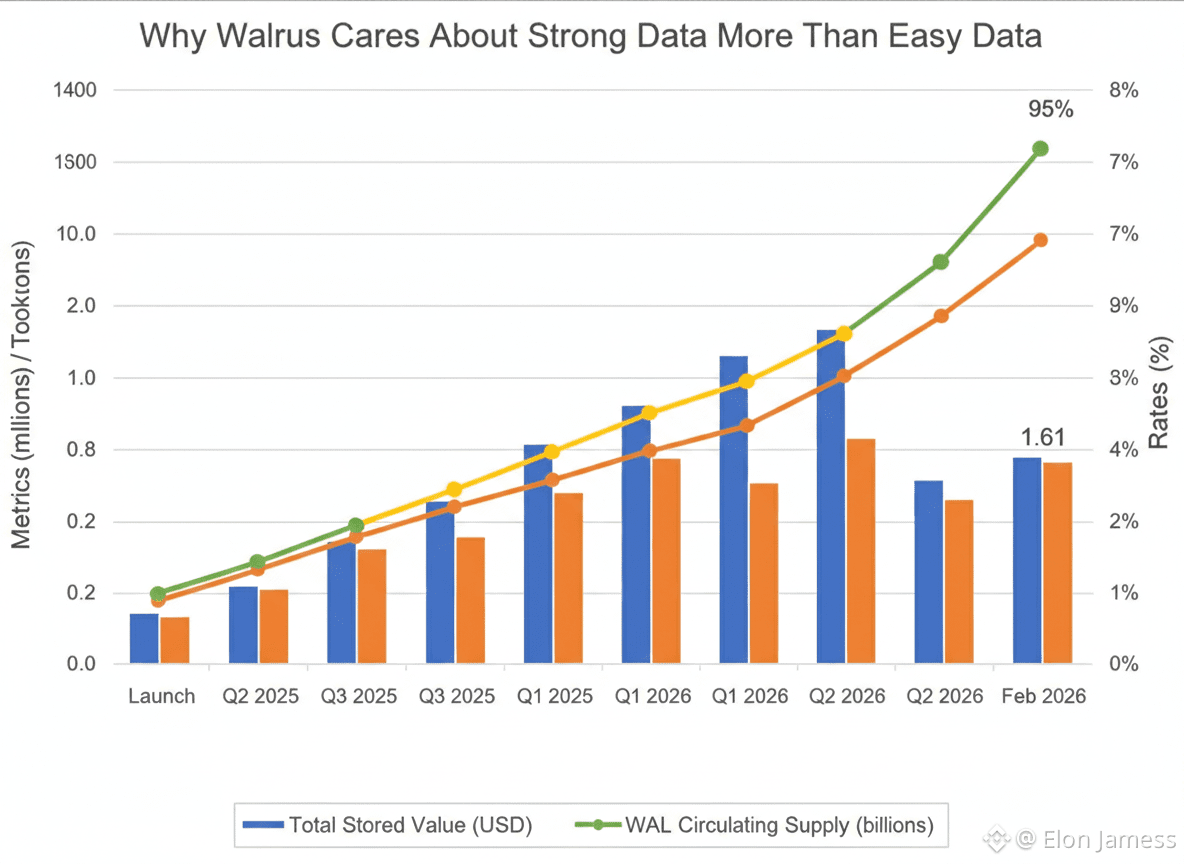
They do not quit because fees are high
They quit because the product feels unreliable
Reliability is emotional before it is technical
Centralized storage wins on convenience
It is fast simple and familiar
You pay upload and forget
Decentralized storage tries to win somewhere else
It focuses on working even when the world gets messy
Nodes can shut down
Companies can change rules
Regions can lose power
The goal is to keep data alive anyway
This creates trade offs
The product is not just store my file
The product is keep my file safe even when parts of the system fail
Walrus is built as a decentralized blob storage network connected to the Sui blockchain
Stored data can be managed directly by onchain logic
Apps can control renewals payments and access rules in a programmable way
This matters because long term storage is never a one time action
Files need to be renewed and maintained
Walrus treats storage like an ongoing relationship instead of a single upload
The resilience model of Walrus is very practical
It uses erasure coding instead of copying full files everywhere
Data is split into many pieces and spread across nodes
Even if a large part of the network goes offline the file can still be rebuilt
The overhead is around five times the original size which is efficient for this level of safety
The blockchain is used for coordination incentives and verification
Storage nodes are rewarded for keeping data available
This design aims for high durability without wasting huge amounts of space
Resilience always has a cost
Redundancy coordination and audits require resources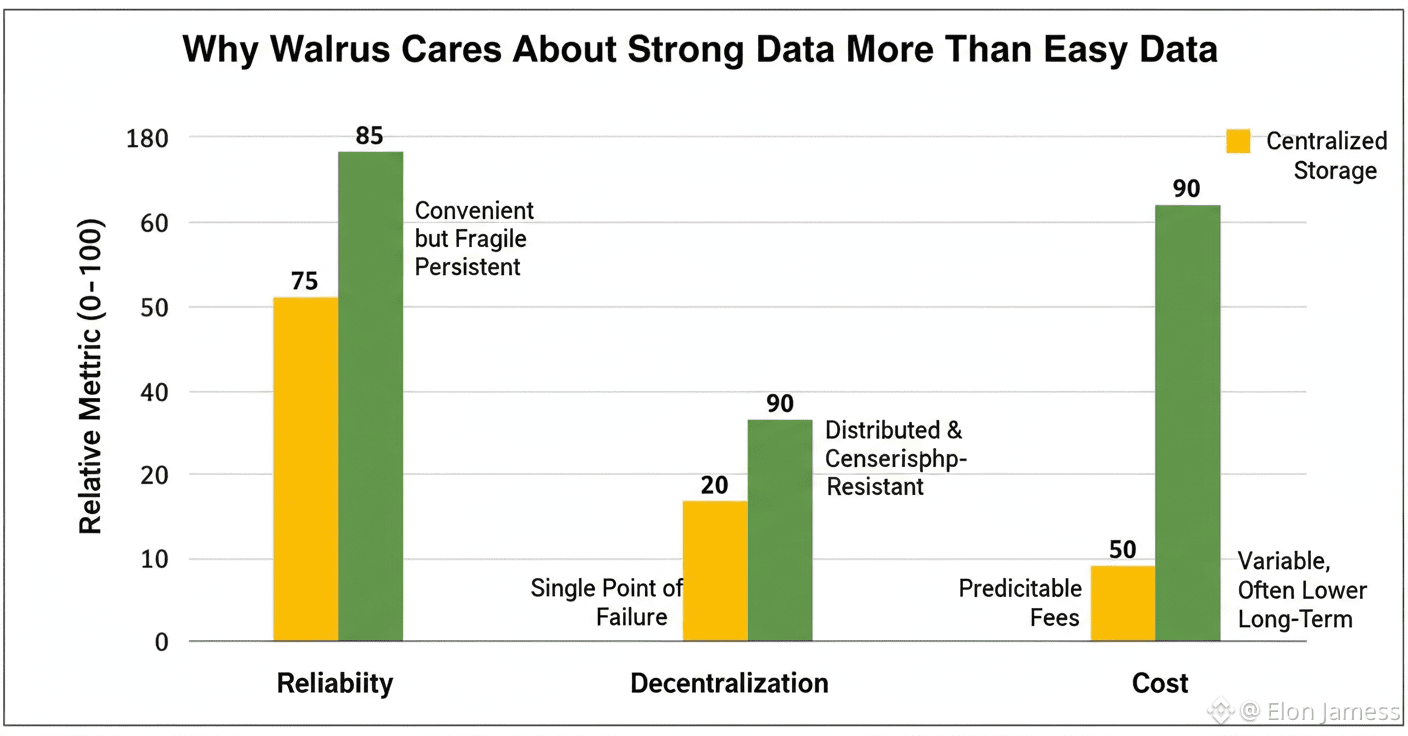
User experience can feel slower than a normal cloud server
Academic research on decentralized storage confirms this problem
Distributed retrieval often has higher latency than centralized systems
That delay is where real user retention gets tested
People forgive problems once
They rarely forgive them every day
Imagine a simple example
A game issues onchain items but hosts images on one normal server
If that server fails the items still exist onchain but look broken
Markets slowly lose interest
Liquidity disappears
The failure is not about money
It is about user trust
This is the kind of problem decentralized storage tries to prevent
Market numbers give context to the story
Around February 3 2026 WAL trades near 0 point 094 dollars
Daily trading volume is roughly 16 million dollars
Market cap sits around 152 million dollars
Circulating supply is about 1 point 61 billion tokens with a maximum of 5 billion
These figures show Walrus is treated as a mid size infrastructure project rather than a small experiment
Walrus became real with its public mainnet launch on March 27 2025
It was developed as a major protocol after the success of Sui
Before mainnet the project raised around 140 million dollars in a token sale
That capital gives strong runway but also raises expectations
Money can help growth but it cannot force people to stay
For investors the important question is simple
Are people actually using it
Decentralized storage wins only when renewals become normal behavior
When apps keep paying month after month
When retrieval works under heavy load
When developers rely on it as default infrastructure instead of a marketing feature
The true signal is not social media hype
It is steady paid storage and predictable renewal patterns
It is integrations that survive during quiet markets
Walrus must compete with other networks like Filecoin Arweave and Storj on real usage not stories
Trading WAL requires doing the unsexy work
Watch whether real applications store real user assets
Look for proof that renewals are automated
Check if developers build directly around programmable storage features
Adoption matters more than temporary price moves
Convenience can win the first click
Resilience wins the second month
That second month is where real retention begins
If users and apps keep coming back then revenue becomes stable
At that point infrastructure stops being a slogan and becomes a true business
Walrus is betting everything on that long game
Strong data over easy data
Survival over comfort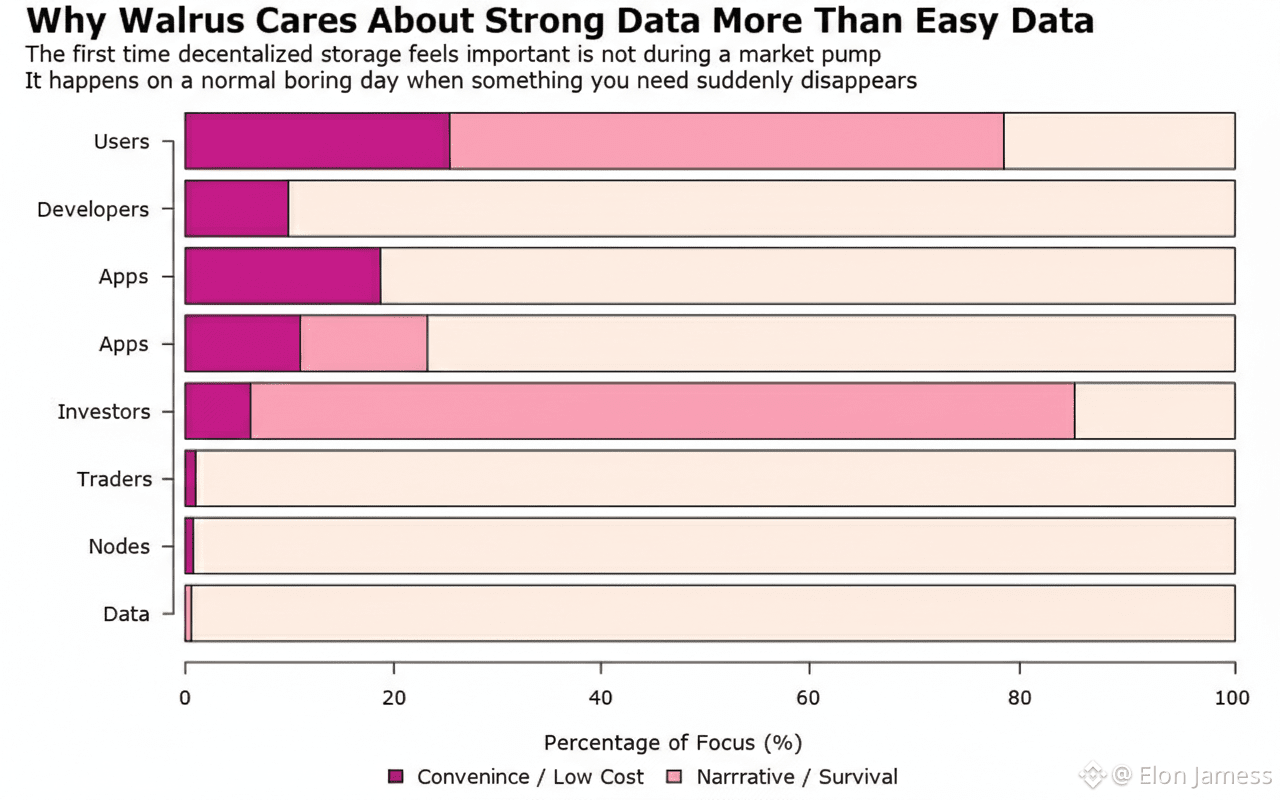
In a world where digital products depend on files images and records that must not disappear
That focus on resilience may be the foundation for the next generation of reliable decentralized apps


