
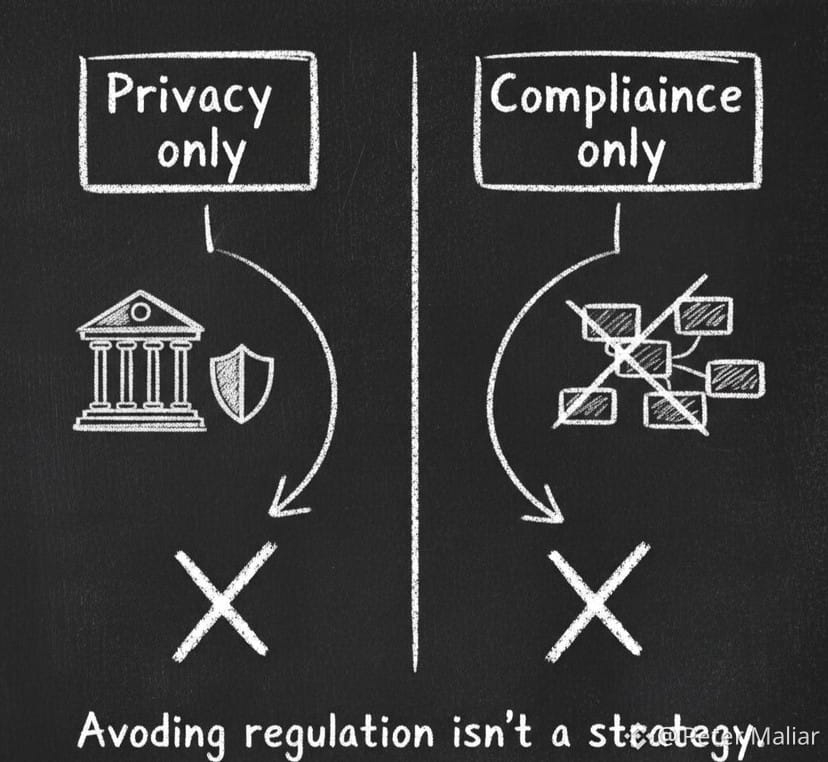
I’ve followed privacy-focused projects for years, and to be honest, most of them fall into one of two traps.
Either they hide behind “privacy” and pretend regulation doesn’t exist, or they chase “compliance” so hard that what’s left barely feels like blockchain anymore. Lots of promises. Lots of slides. Very little you can actually run.
That’s why I’ve always been cautious with Dusk.
Not because it sounded bad but because it sounded serious. And serious projects take longer to show their hand.
After the recent mainnet progress and the rollout of DuskEVM, I’ve started looking at it differently. Not with excitement, but with scrutiny. And that’s a good thing.
What stood out to me isn’t just that the mainnet exists. Plenty of chains say that. What matters is how they rolled it out. Clear phases. Clear dates. Clear expectations. No endless “soon™” messaging. That alone puts it ahead of a lot of projects that launch and then quietly reset the narrative a month later.
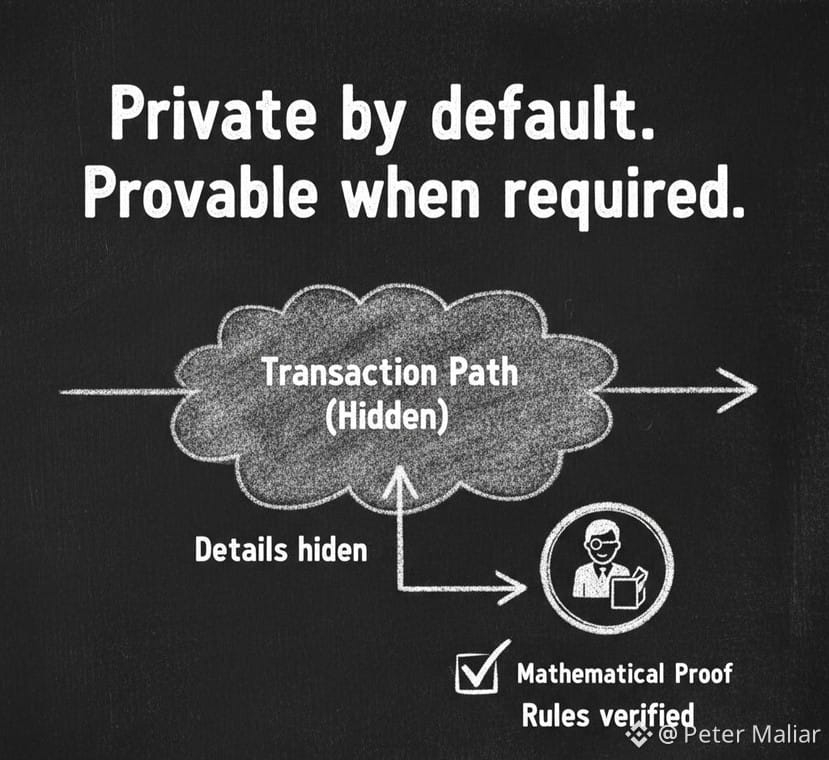
But the bigger shift is this: Dusk is trying to make three things work together that usually don’t — privacy, compliance, and usability.
Most projects pick two and sacrifice the third.
Dusk is clearly aiming at regulated finance, not retail hype. Things like DuskTrade, NPEX, Chainlink integration, and DuskEVM aren’t random buzzwords — they point toward one direction: getting real assets and licensed activity on-chain, not just token issuance but trading and settlement too.
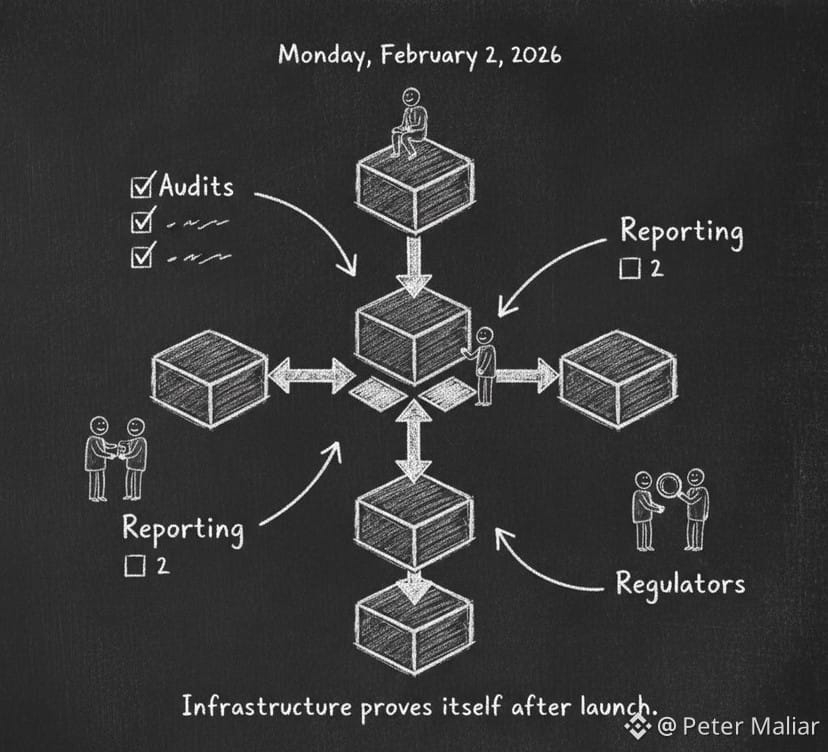
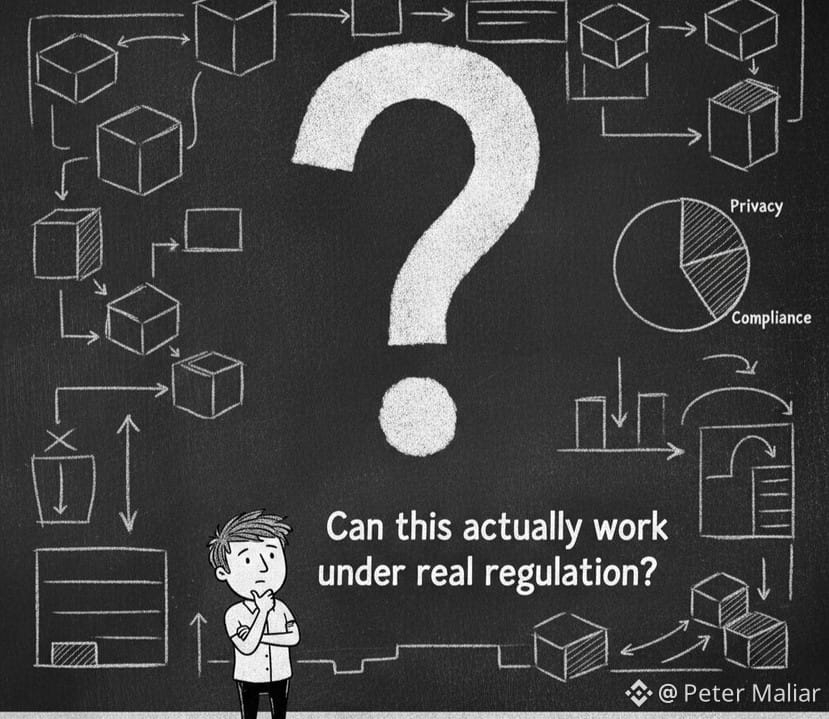
NPEX isn’t a crypto-native experiment. It’s a regulated platform with hundreds of millions in assets. If that pipeline actually runs on Dusk, the conversation shifts from “interesting tech” to “can this handle audits, reporting, and regulators?”
That’s where Dusk’s idea of auditable privacy matters. Institutions don’t want everything public, but they also can’t accept a black box. Dusk’s approach sits in the middle: transactions can stay private by default, but proofs and disclosures exist when they’re required. That’s much closer to how real finance already works.
The Chainlink piece matters here more than people realize. Issuing assets is easy. Moving them safely across chains, pricing them correctly, settling them cleanly — that’s where most RWA ideas break. Without trusted data and interoperability, you don’t get liquidity, just isolated experiments. Dusk at least seems aware of that problem.
Now, about price because I know that’s what most people actually watch.
After the mainnet rollout, DUSK saw higher volume and then a pullback. To me, that doesn’t scream failure. It looks like expectations meeting reality. Some people bought the launch. Some people sold the news. That’s normal. I’d rather see that than a chart held together purely by hype.
What matters more now is what happens after the launch.
And this is where I stay cautious.
Dusk still has real hurdles ahead. EVM compatibility alone isn’t enough to attract developers — it needs a reason they must build here. Regulated trading is one such reason, but it has to be proven in practice, not theory.
If DuskTrade moves slowly or compliance timelines drag, patience will wear thin. That’s just how this sector works. And privacy as a narrative will be under more scrutiny in the coming years, not less. Dusk’s balanced approach helps, but it also means there’s very little room for mistakes.
So where do I land?
I don’t see Dusk as a “narrative coin” anymore. It feels more like a slow infrastructure project that’s now out of excuses. That’s not a bad thing it’s just a different way to evaluate it.
From here, I’m watching three things only:
• Are developers actually deploying and using DuskEVM?
• Does DuskTrade show concrete progress, not just partnerships?
• Does trading volume turn into sustained activity instead of one-off spikes?
If Dusk succeeds, it won’t be because it pumped hard. It’ll be because it proved it can survive under real regulatory pressure and still function.
And honestly, in this market, that’s rare enough to be worth paying attention to.
