


 FTX had collapsed ,Trillions in value were gone ,Bitcoin and Ether were down more than 60% Mining firms were overleveraged, undercapitalized, and failing one by one
In that chaos, Michael Novogratz didn’t make a bold bet
He made a defensive one
Galaxy Digital had mining chips stranded in third-party data centers run by operators whose balance sheets were quietly cracking
The risk wasn’t price—it was control , If those facilities failed, Galaxy’s capital would be trapped
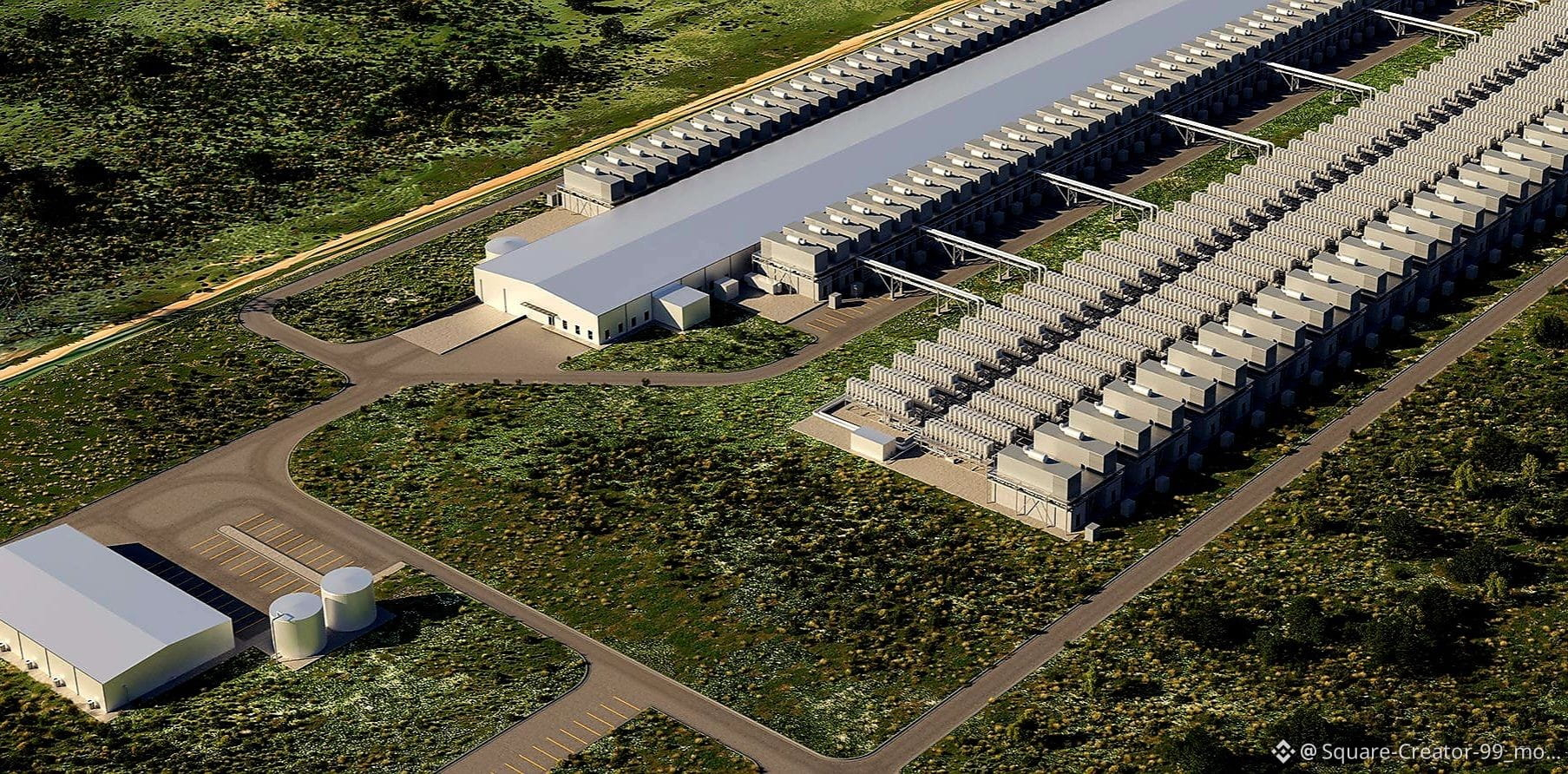
So Galaxy paid $65 million for something deeply unfashionable at the time: a distressed bitcoin mining site in rural Texas called Helios
On paper, it looked mistimed.
In reality, it was about one thing: power
Helios sat on cheap land, near abundant electricity, with permits already in place. At the bottom of a crypto winter, Galaxy wasn’t buying bitcoin exposure. It was buying optionality over energy and infrastructure
At first, Helios was just a hedge—insurance against counterparties blowing up. But by late 2023, the world changed
Not because of crypto
Because of AI
As generative AI scaled, a new constraint emerged: electricity. Data centers didn’t just need chips; they needed massive, reliable power—now, not five years from now. Building new sites from scratch meant permits, grid access, and time
Lots of time
Helios already had all three.
By 2024, Galaxy began repurposing the site. Bitcoin mining—once the best way to monetize cheap power—was no longer the highest use
AI inference and training paid better, lasted longer, and came with contractual stability
Galaxy leased Helios’ capacity to CoreWeave under long-term agreements
What started as an 800-megawatt site is now approved to scale to 1.6 gigawatts, making Helios one of the largest independent data-center assets in the United States
The economics flipped
That $65 million hedge is now projected to generate over $1 billion a year in revenue, with analysts valuing the asset north of $20 billion—potentially worth more than Galaxy’s entire crypto business
This wasn’t luck
It was a recognition that in the next phase of technology, infrastructure beats assets
Crypto taught firms how to monetize power quickly
AI taught them how to monetize it durably
Novogratz’s career arc explains why he could see this
He’s lived through cycles where timing mattered less than survival—Wall Street booms, busts, rehabs, comebacks ,The Helios deal wasn’t a moonshot. It was about staying alive long enough to benefit when the use-case changed
Today, Galaxy sits in two worlds
One volatile and reflexive—crypto
One capital-intensive and contractual—AI infrastructure
 That creates tension , Markets like simple stories ,Analysts are already asking whether Helios should be spun off, sold, or separated from the crypto business entirely. ,And risks remain: grid volatility in Texas, AI demand cycles, regulatory shifts
But the lesson is already clear
The biggest wins of the next decade won’t come from guessing which token wins or which model dominates ,They’ll come from owning the quiet bottlenecks—power, land, permits, and scale—before the world realizes they matter
Helios wasn’t a bet on crypto
It was a bet on electricity
And electricity, it turns out, is where the future priced itself wrong 👀
🚸 Warning 🚸 I do not provide financial advice 🔞The intent of this content is for you to be aware of market conditions before starting to invest 👌Thank you for reading 👌
