

Plasma is emerging as one of the infrastructure-focused blockchain projects aiming to solve one of crypto’s oldest problems: how to scale transactions while preserving security and usability for real-world applications. As digital payments, decentralized finance, and on-chain settlement systems push toward mainstream adoption, networks that can process activity quickly and cheaply without fragmenting liquidity are becoming increasingly valuable. Plasma positions itself within that race by emphasizing fast settlement, scalable execution environments, and cross-chain compatibility designed for practical deployment rather than speculative experimentation.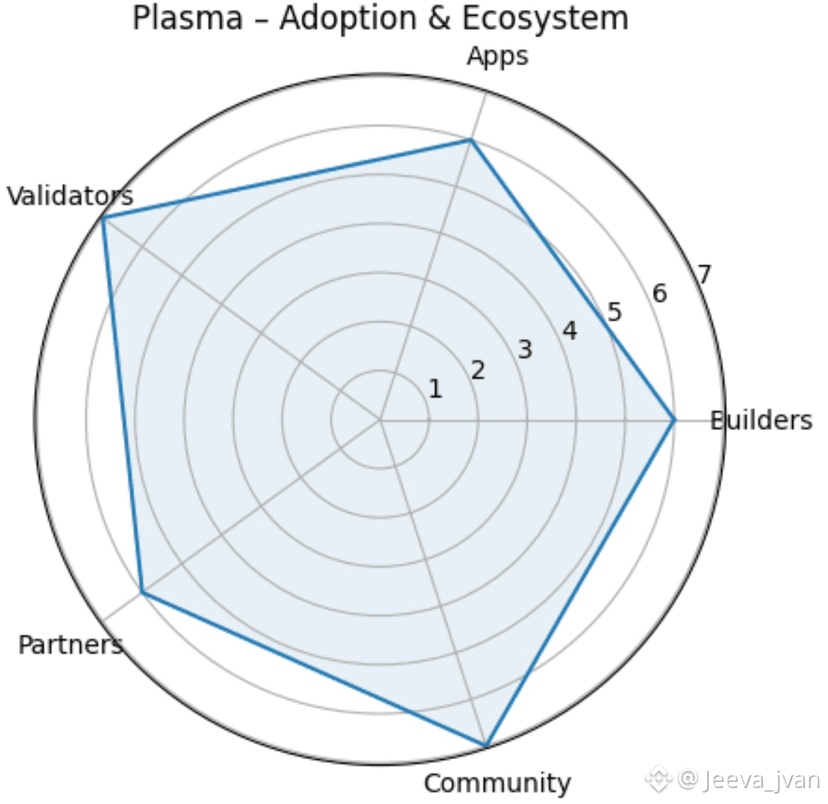
The project draws conceptual roots from earlier scalability frameworks while evolving them into a modern execution layer optimized for high-frequency activity. Plasma’s narrative centers on making blockchain systems behave more like global payment rails and application backends than slow-moving financial ledgers. That focus places it close to emerging use cases such as micro-transactions, consumer crypto apps, merchant settlement networks, and DeFi systems that require rapid confirmation and predictable performance.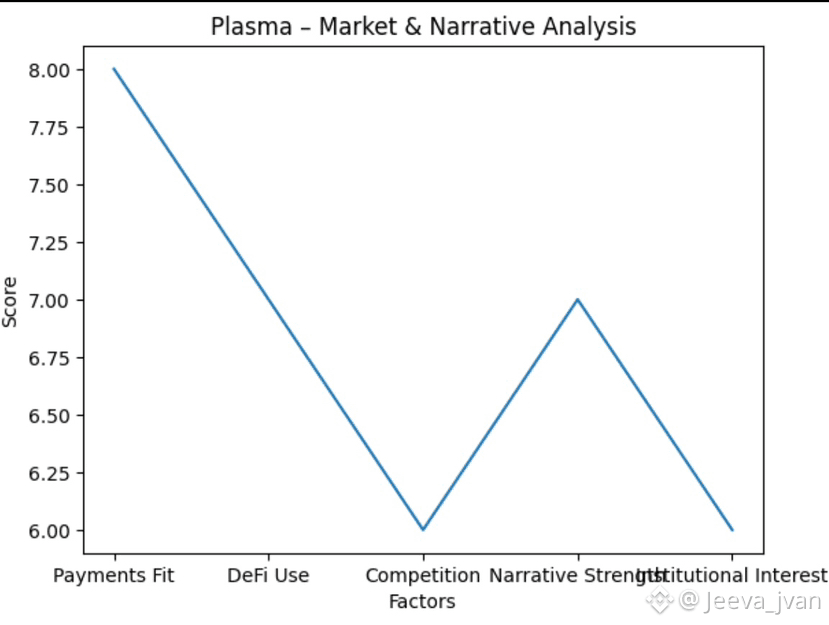
Within the wider Web3 stack, Plasma competes in a dense field of Layer-2 solutions, high-throughput Layer-1 networks, and modular settlement architectures. Its differentiation lies in positioning itself as a chain optimized for speed and interoperability rather than pure experimentation. By leaning into cross-chain design and settlement efficiency, Plasma attempts to capture builders who care less about ideological maximalism and more about shipping products that can support millions of everyday users.
From a market standpoint, Plasma’s strongest narrative aligns with digital payments and scalable DeFi infrastructure. Those sectors tend to mature slowly, driven by regulation, consumer UX improvements, and enterprise partnerships rather than speculative hype alone. That can temper short-term visibility, but historically it is also how long-lasting financial networks form. If Plasma secures production-level deployments in commerce platforms, wallet ecosystems, or remittance corridors, its profile could shift quickly from emerging protocol to backbone infrastructure.
Adoption remains the decisive variable. Developer tooling, ecosystem grants, validator decentralization, and flagship consumer applications will determine whether Plasma can translate architectural ambition into sustained network activity. Early infrastructure chains often look similar on paper; the winners are those that attract committed builders and institutions willing to bet years of roadmap on the network’s stability.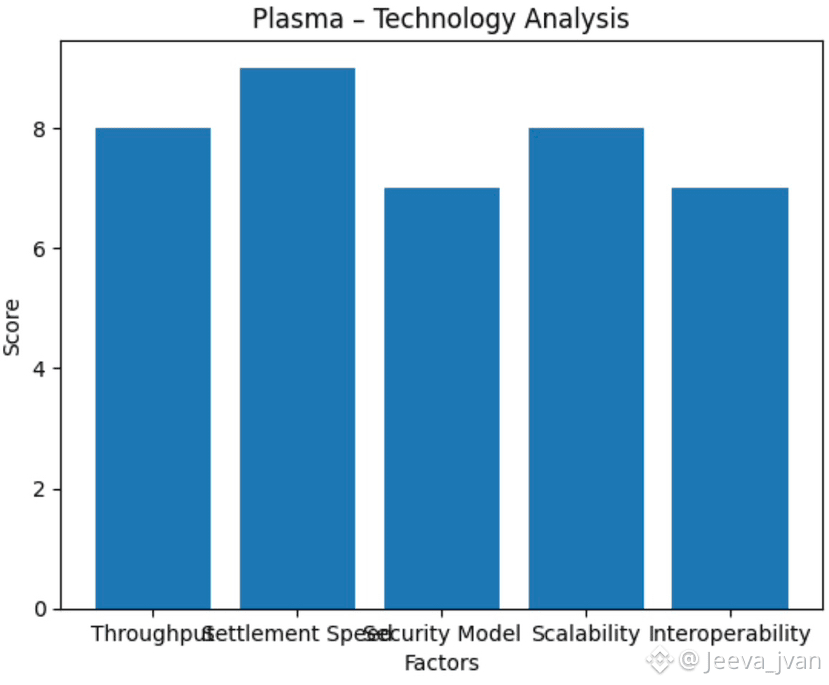
Over the long term, Plasma is wagering that blockchain adoption will be driven less by speculative trading venues and more by systems people use daily for payments, applications, and financial coordination without thinking about the chain beneath the interface. If that vision unfolds, the protocols that dominate may not be the loudest during bull markets, but the ones quietly processing billions of transactions in the background. Plasma is clearly positioning itself for that future.

