

Whenever I take time to look at where Web3 is genuinely heading, a handful of projects stand out—not because they’re loud, but because of how consistently they execute. Vanar Chain is one of those projects. It doesn’t chase short-term attention or flashy narratives. Instead, it focuses on building the kind of infrastructure that actually supports long-term adoption. And if you look closely at recent developments, it’s clear that a lot of progress is happening away from the spotlight.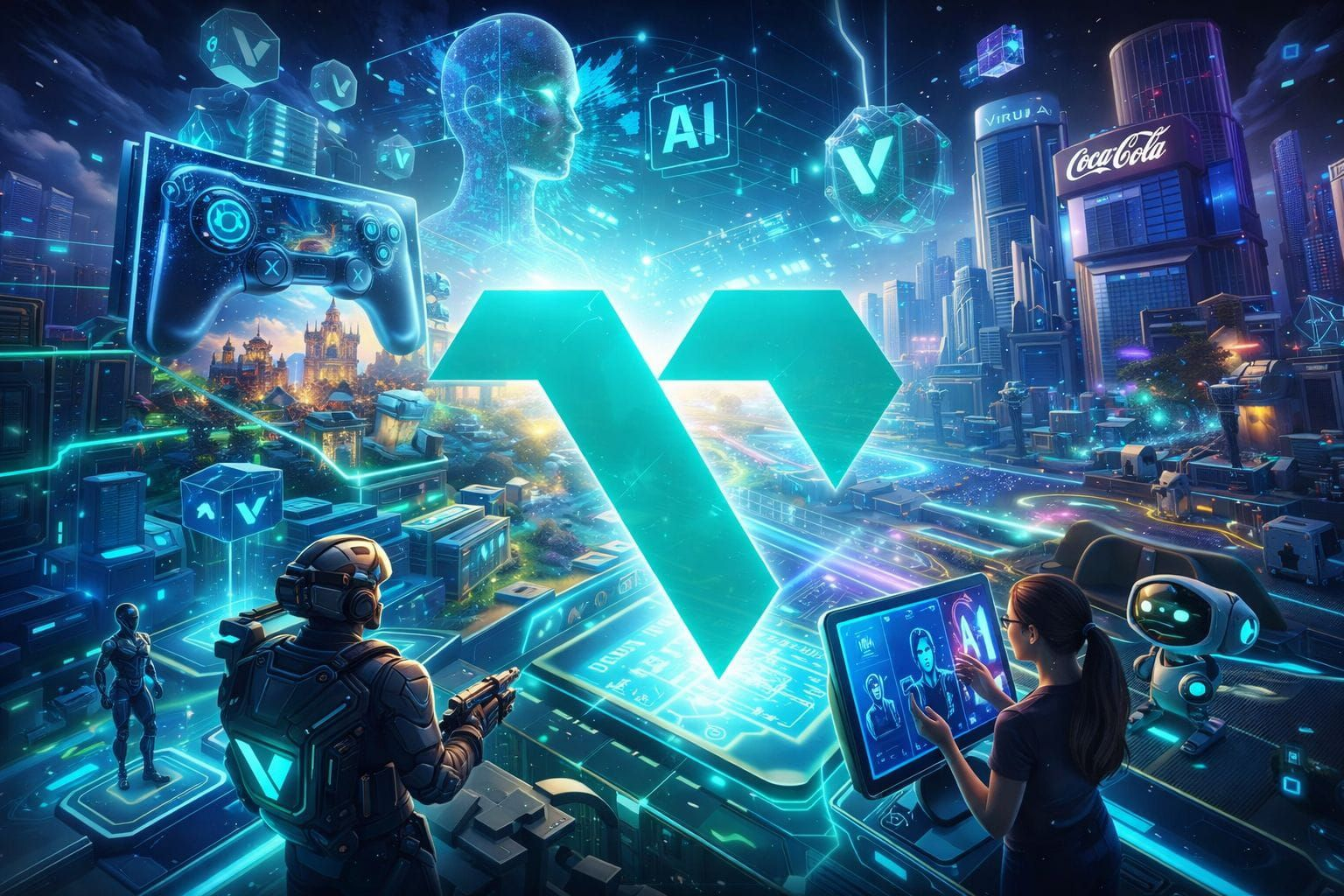
One of the most telling signs has been the steady influx of creators joining the ecosystem. Over the past few weeks, new creators have been onboarding almost daily. That kind of momentum can’t be faked. When people consistently choose a platform, it usually means the tools are improving, the environment feels intuitive, and the opportunities feel tangible. What stands out about Vanar’s creator ecosystem is its practicality. Creators aren’t arriving because of hype—they’re coming because the chain supports what they want to build. Whether it’s gaming, entertainment, digital art, or AI-driven experiences, Vanar offers a space where creative ideas actually make sense to deploy.
What makes this even more compelling is how naturally the different verticals come together. On most blockchains, gaming, AI, entertainment, and branded experiences feel fragmented. On Vanar, they’re evolving as parts of a single, connected ecosystem. The constant refinements in onboarding, creator tools, and asset pipelines show a team that understands real-world builder pain points. Instead of overengineering everything, Vanar simplifies workflows, letting creators focus on creativity rather than infrastructure headaches.
The entertainment layer is another area where progress is impossible to miss. This is where Vanar’s background in real-world digital industries really shows. The team understands audience behavior, engagement loops, and how digital experiences scale beyond niche communities. Recent improvements in tooling, content distribution, and immersive experience design suggest that Vanar isn’t experimenting—it’s methodically shaping a long-term entertainment network that connects creators, brands, and users in meaningful ways.
Gaming has also accelerated noticeably. The VGN network is drawing interest from studios that want to explore on-chain ownership without compromising gameplay. This is a major advantage. Many blockchain games struggle because their infrastructure wasn’t designed for large, interactive environments—fees spike, performance fluctuates, and development timelines fall apart. Vanar offers a more stable foundation, allowing gameplay and ownership to coexist smoothly. Lately, more studios have been testing game pipelines, asset interactions, and production-ready metadata. This kind of early groundwork usually precedes much larger releases down the line.
Virtua Metaverse continues to act as a central hub where all these verticals intersect. It’s where gaming, entertainment, creators, and brands come together. What makes Virtua stand out is its long-term vision. Instead of feeling like a temporary metaverse experiment, it feels like a persistent digital environment being built for future generations. Improvements in asset interoperability, creator tooling, and branded spaces suggest that Vanar is laying foundations for deeper, more meaningful virtual interactions.
AI remains another core pillar of the ecosystem. Vanar has been steadily enhancing AI-powered creation tools, automation systems, and intelligent interaction layers. These upgrades are making creators faster, more flexible, and more expressive. Faster asset generation, instant personalization, and interactive elements with minimal overhead are becoming real advantages. This naturally ties into Vanar’s evolving digital identity framework, which allows users to move seamlessly across experiences while maintaining ownership and presence. Identity isn’t treated as an afterthought—it’s a core layer.
What really ties everything together is the clarity of direction. Vanar isn’t building for the next market cycle—it’s building for a digital future where people move fluidly between games, AI experiences, entertainment platforms, and brand environments, all while retaining ownership that Web2 never offered. Every update released so far points toward that future. This momentum doesn’t feel like marketing; it feels like steady, disciplined development.
Crypto adoption itself is also changing. The next wave won’t be driven solely by trading. It will come from creators, gamers, AI-powered workflows, immersive content, and brand engagement. People will enter Web3 because the experiences feel familiar, useful, and enjoyable—not because of speculation. Vanar clearly understands this shift. Instead of forcing industries to adapt to crypto-native structures, it builds tools that meet them where they already operate.
Looking ahead, the trajectory is hard to ignore. More creator tools are coming. Entertainment experiences are expanding. Additional studios are exploring the VGN network. The AI layer continues to mature. And brands are increasingly likely to see Vanar as a natural home for long-term digital ecosystems. The groundwork is already there. Progress is steady. The vision is consistent.
When you put it all together, Vanar doesn’t feel like a project making promises—it feels like one quietly assembling the future piece by piece. Every update strengthens an ecosystem designed for scale, creators, and the industries that define modern digital culture. That’s what truly sets Vanar apart. It’s one of the rare cases where the execution genuinely matches the vision.
