


In an era where financial markets demand efficiency, transparency, and compliance, blockchain technology is emerging as a transformative force. Dusk Network stands out as a privacy-focused Layer-1 blockchain designed specifically for regulated finance. It enables the tokenization of real-world assets (RWAs), such as securities, while ensuring privacy through zero-knowledge proofs and maintaining regulatory adherence under frameworks like MiFID II and MiCA. Traditional finance (TradFi), on the other hand, relies on centralized systems involving banks, brokers, and clearinghouses, which have long been criticized for their inefficiencies.
This article compares Dusk Network and traditional finance in two key areas: transaction speed and cost. By leveraging decentralized infrastructure, Dusk aims to address TradFi's pain points, offering faster settlements and lower fees without sacrificing security or compliance. Drawing from real-world examples and data, we'll explore how Dusk could bridge the gap between decentralized finance (DeFi) and institutional needs.
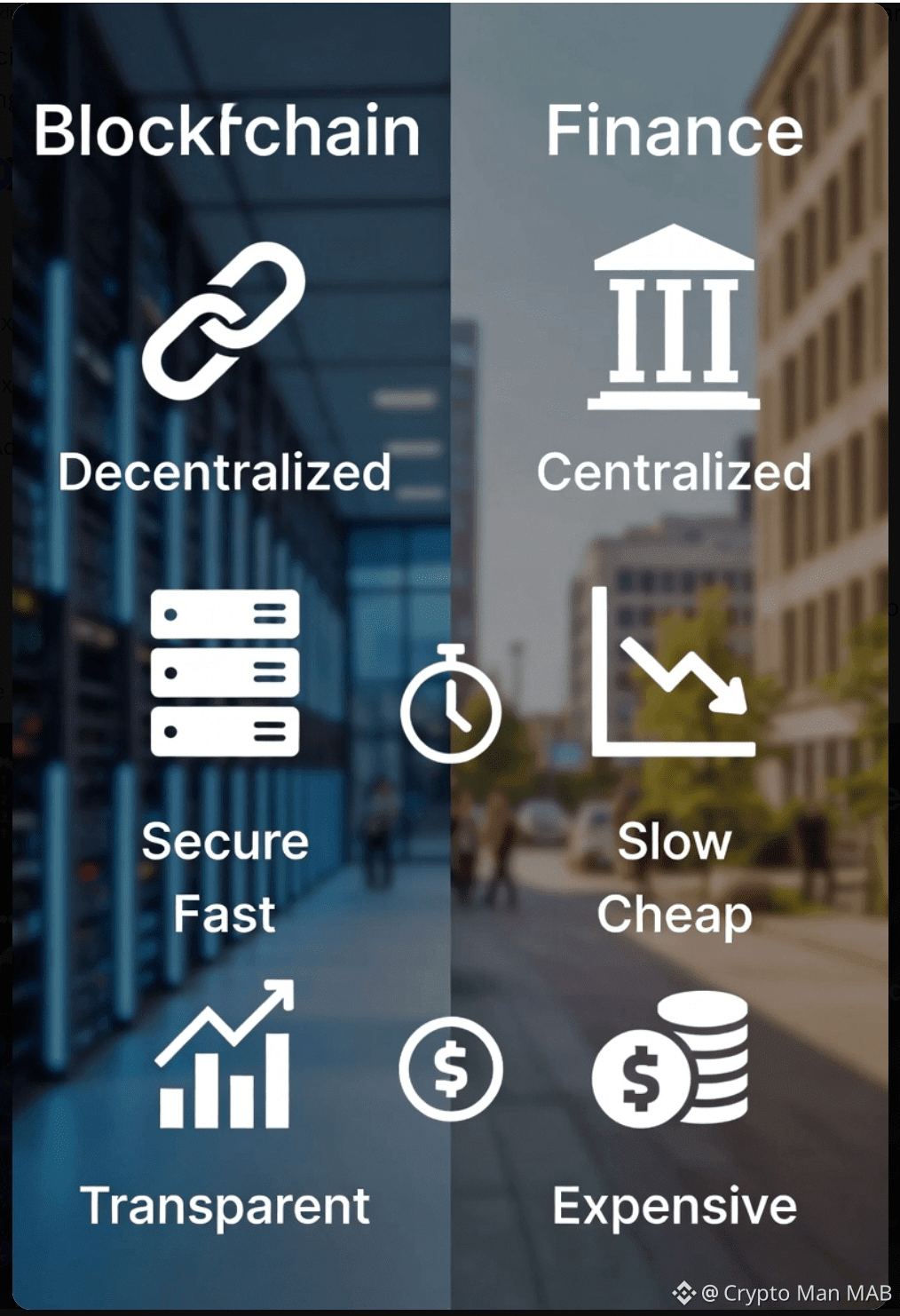
Transaction Speed: From Days to Seconds
Speed is a critical factor in finance, where delays can lead to missed opportunities, increased risks, and higher holding costs. Traditional systems often operate on legacy infrastructure, resulting in protracted processing times.
In TradFi, domestic wire transfers or ACH payments typically take 1-3 business days to settle, while international transfers via networks like SWIFT can extend to 5 days or more due to multiple intermediaries and batch processing. For securities trading, the standard T+2 settlement cycle--where trades clear two business days after execution--remains common, exposing parties to counterparty risk and liquidity issues. Cross-border remittances, a staple for global businesses, average 6-8% in fees but can still take days, especially in underserved regions. These delays stem from reliance on banking hours, regulatory checks, and correspondent banks, which introduce friction and vulnerability to time zone differences.
Dusk Network flips this script with its blockchain architecture optimized for high-throughput and low-latency operations. Powered by the Succinct Attestation consensus protocol--a proof-of-stake mechanism designed for deterministic finality--Dusk achieves transaction settlements in seconds, with no user-facing reorgs under normal conditions. The network's Moonlight transaction model further boosts speed, enabling higher transactions per second (TPS) for compliance-heavy use cases like RWA tokenization. On Dusk, trades and transfers reach immediate on-chain finality, allowing for real-time clearance and settlement--ideal for institutional markets where speed reduces fragmentation and enhances liquidity.
For context, while a traditional bank transfer from Canada to the US might take 1-5 days, Dusk's privacy-preserving smart contracts enable confidential transactions to complete in mere seconds, even across borders. This represents a paradigm shift: Dusk's design eliminates intermediaries, automating compliance and settlement on-chain, which could cut processing times by orders of magnitude compared to TradFi's batch-based systems.
Transaction Costs: Cutting Out the Middlemen
Cost efficiency is another battleground where blockchain challenges traditional finance. TradFi's layered structure-- involving custodians, brokers, and payment processors--often inflates expenses through fees, markups, and overheads.
In traditional systems, wire transfers can cost $20-50 per transaction, with international ones adding currency conversion markups of 1-3% and intermediary fees pushing totals higher. Remittances via banks or services like Western Union average 5-12% in fees, particularly on high-volume corridors. Securities settlements incur clearing fees, custody charges, and compliance costs, often amounting to hundreds of basis points per trade. These expenses arise from manual processes, regulatory overhead, and the need to maintain physical infrastructure, making TradFi particularly burdensome for small businesses or frequent cross-border operations.
Dusk Network counters this with a gas-based fee model that is transparent, adjustable, and often minimal. Transactions consume gas measured in LUX (where 1 LUX = 10-9 DUSK), with fees calculated as gas used multiplied by gas price--unused gas is refunded to prevent overpayment. With DUSK trading around $0.11 USD, typical fees remain low, especially during periods of low network demand, often equating to pennies per transaction. DUSK tokens fuel everything from smart contract deployments to token transfers, compensating nodes for bandwidth and verification without the need for costly intermediaries.
Comparatively, Dusk's model can reduce costs by 60-70% for cross-border equivalents, mirroring broader blockchain trends where fees drop below 2% even for complex operations. By automating compliance via zero-knowledge proofs and native smart contracts, Dusk eliminates the need for expensive audits or third-party verifiers, a stark contrast to TradFi's intermediary-heavy approach. For instance, tokenizing securities on Dusk incurs fractional costs compared to traditional issuance, which involves legal fees and exchange listings.
Broader Implications and Challenges
The speed and cost advantages position Dusk as a bridge between TradFi and DeFi, enabling institutions to tokenize assets while meeting EU regulations. This could democratize access to institutional-grade finance, allowing users self-custody while enjoying instant, low-cost transactions. However, challenges remain: blockchain adoption requires regulatory buy-in, and Dusk's focus on privacy must balance with anti-money laundering needs. Scalability under high demand could also affect fees, though its SBA consensus aims to mitigate this.
In contrast, TradFi's entrenched systems offer stability but at the expense of innovation, with ongoing efforts like faster payment initiatives (e.g., real-time gross settlement) still lagging blockchain's potential.
Toward a Hybrid Future
Dusk Network outperforms traditional finance in speed--delivering seconds-long settlements versus days and cost, with minimal gas fees trumping intermediary-laden expenses. By combining privacy, compliance, and efficiency, Dusk not only challenges TradFi's inefficiencies but also paves the way for a more inclusive financial ecosystem. As tokenization gains traction, platforms like Dusk could reshape markets, reducing barriers for businesses and users alike. While TradFi remains dominant, the writing is on the wall: blockchain's advantages in speed and cost are hard to ignore.
