


The rain had finally stopped, leaving the evening air clean and cool. I was curled up in my favorite chair, the one with the sagging cushion that fits just right, nursing a mug of tea that had gone slightly cold. My phone was in my hand, and I was doing that thing we all do now—falling down the rabbit hole of crypto feeds, watching the digital circus perform.

It was the usual show. Someone was dancing on the charts, celebrating a win. Someone else was doomscrolling, predicting the sky would fall by morning. Memes flashed by, jokes about lambos and ramen noodles. @Fabric Foundation It’s a world that breathes in seconds, a world where every conversation eventually circles back to one thing: the number next to the dollar sign.

Then, in the middle of the noise, I found a quiet corner. A discussion, really. It wasn't shouting about a "100x gem" or a "rug pull." It was talking about something called the Fabric Foundation and a token named $ROBO . But here’s the thing—it wasn't talking about the token's price. It was talking about its purpose.
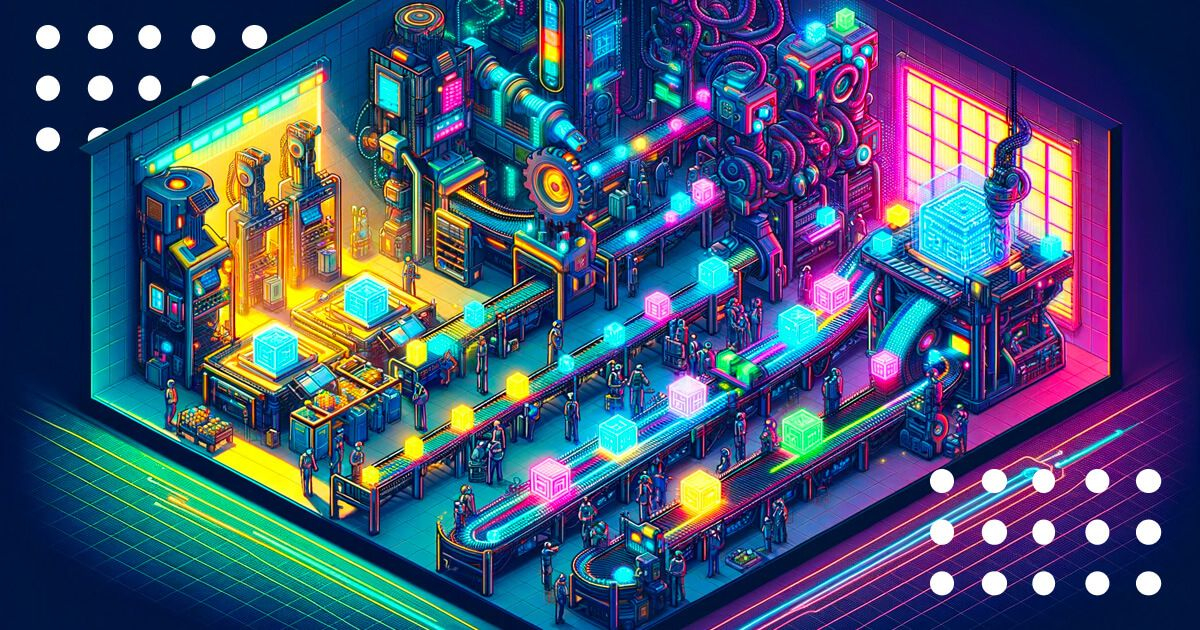
It made me put my phone down for a second and just stare out the window at the wet streetlights. We’ve built this strange habit, haven’t we? We judge a twenty-story building by the color of the door, completely ignoring the foundation, the steel frame, the architecture that keeps it standing. A token is that door. It’s what we see, what we touch, what we trade. But the protocol—the invisible code, the rules, the nervous system of the whole operation—that’s the building itself.
The conversation wandered into ideas that felt less like finance and more like science fiction, but the gentle kind that feels inevitable. It talked about a world where machines aren't just tools, but participants. Where a delivery drone might need to pay for access to a fast route, or a farm robot might need to verify its task is complete to receive its next指令.
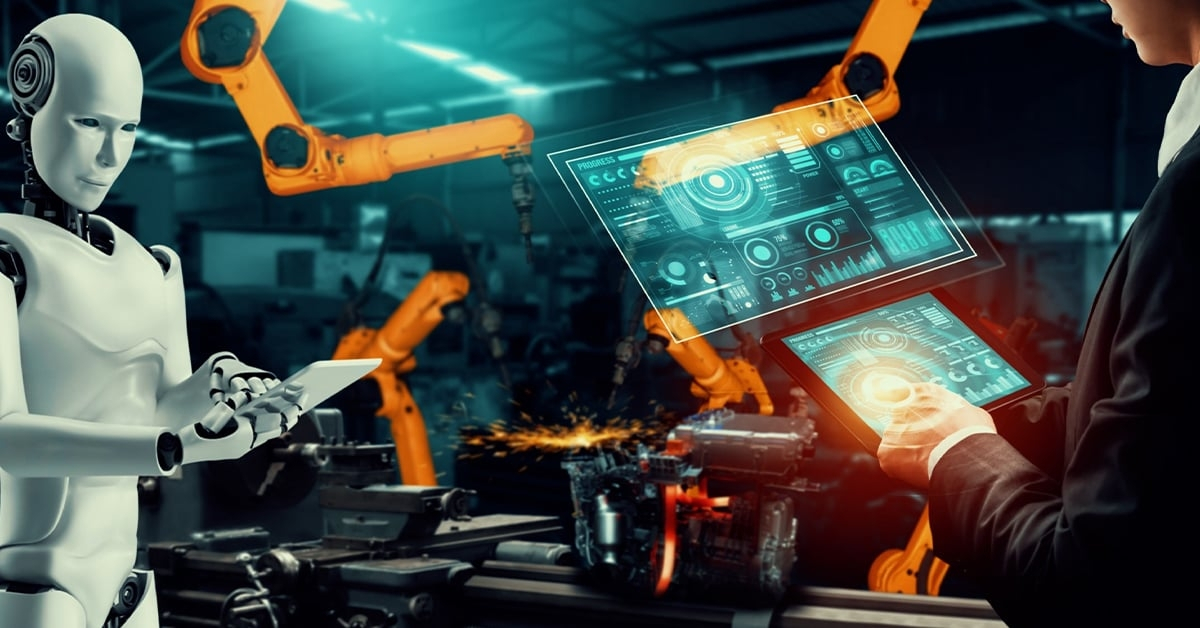
It raised questions that don't fit in a tweet. How do you make a robot accountable? How do you build trust with something that has no conscience? The answer wasn't a meme or a prediction. #ROBO It was architecture. It was about building a transparent ledger, a shared memory, where a machine's decisions are recorded not for punishment, but for understanding. A robot with a wallet. An agent with a verifiable identity. It sounds strange, but it also sounds like the next logical step.
Sitting there with my cold tea, I realized the crypto world is often like a fleet of speedboats, racing and splashing and making a lot of noise. But underneath, deep and slow, are the tankers. The infrastructure. And the most important questions aren't about which speedboat is winning the current lap. They're about where the tankers are heading, and what kind of world they're building for us to live in once the race is over.