
The first time I heard about $FOGO I reacted the way most of us do when we hear the words high performance Layer 1. I assumed it was another race for bigger numbers. Faster blocks. Higher throughput. More dramatic comparisons. The space is full of those conversations. But the more I looked into Fogo the more it started to feel different. It felt less like a competition and more like a quiet attempt to take execution seriously.
$FOGO is built around the Solana Virtual Machine. That choice matters more than it might seem at first glance. The Solana Virtual Machine is designed for parallel execution. Instead of processing every transaction one after another it allows many transactions to run at the same time as long as they are not trying to modify the same accounts. Each transaction clearly states what it touches. That clarity allows the network to schedule work efficiently.
When I slowed down and really thought about that I realized something. Parallel execution is not about bragging rights. It is about reducing friction inside the machine. It means validators are not wasting time waiting for unrelated operations to complete. It means hardware is used more effectively. It means the system can breathe under load instead of choking.
Behind the scenes #fogo leans into that structure. Validators execute transactions concurrently while maintaining deterministic outcomes. The architecture depends on clear account definitions and predictable state transitions. If two transactions do not interfere they move together. If they do conflict the system resolves them in an orderly way. It sounds mechanical but there is something elegant about it. The design respects logic instead of forcing everything into a single narrow pipeline.
I started to see that Fogo was not trying to reinvent how blockchains work. They chose a model that already proved it could scale and then focused on refining it. That decision says a lot. Developers already understand the Solana Virtual Machine. Tooling exists. Wallet integrations feel familiar. Instead of asking builders to relearn everything from scratch Fogo lowers the barrier to experimentation.
That kind of choice feels grounded. They are not chasing novelty. They are choosing familiarity and trying to optimize it. In a space where every project wants to be radically different sometimes the stronger move is disciplined improvement.
When we think about real world impact the conversation becomes clearer. Imagine a decentralized exchange where trades need to execute without lag. Imagine a gaming environment where in game assets move on chain in real time. Imagine financial systems where settlement speed directly affects user trust. If a network slows down during peak demand users notice immediately.
Fogo’s parallel execution model aims to prevent that experience. By allowing non conflicting transactions to process simultaneously the network can handle more activity without stacking delays. We are seeing more applications that demand responsiveness. High frequency trading strategies. Real time gaming mechanics. Complex decentralized finance protocols. These systems do not tolerate congestion gracefully.
The process of adoption usually unfolds quietly. Developers test deployment using SVM compatible tools. Early applications launch. Validators configure hardware optimized for concurrency. Community members begin exploring use cases. Over time if reliability holds confidence grows. That confidence compounds more effectively than marketing.
Growth signals for a network like Fogo are rarely dramatic in the beginning. Validator participation matters. Developer experimentation matters. Ecosystem tooling maturity matters. Exchange accessibility such as availability on Binance increases liquidity pathways and user exposure. But liquidity alone does not create substance. Sustained on chain activity does.
What feels interesting about Fogo is that its development rhythm appears measured. Incremental infrastructure refinement. Ongoing performance tuning. Community building without constant spectacle. It feels less like a sprint and more like steady engineering work.
Of course there are risks. High performance networks can unintentionally increase hardware requirements for validators. If running a node becomes too expensive participation narrows. That weakens decentralization. Competition among Layer 1 chains is intense. Builders have options. Liquidity spreads thin across ecosystems. If Fogo cannot demonstrate consistent reliability its performance narrative loses weight quickly.
Market cycles add another layer of uncertainty. During bullish periods speed attracts attention. During downturns only resilience survives. If the network cannot maintain stability under volatile conditions credibility erodes. Early awareness of these risks is healthy. It prevents blind enthusiasm and encourages realistic evaluation.
The longer I studied Fogo the more I stopped thinking about transactions per second and started thinking about discipline. Performance is easy to claim. It is harder to sustain. Responsibility in infrastructure design means planning for stress not just success. It means understanding that real adoption depends on trust built over time.
If @Fogo Official continues refining its parallel execution model while balancing validator accessibility it could carve out a meaningful role. The blockchain space is maturing. We are seeing specialization emerge. Some chains focus on privacy. Some on interoperability. Some on compliance. A network optimized for consistent parallel execution under pressure can become valuable infrastructure.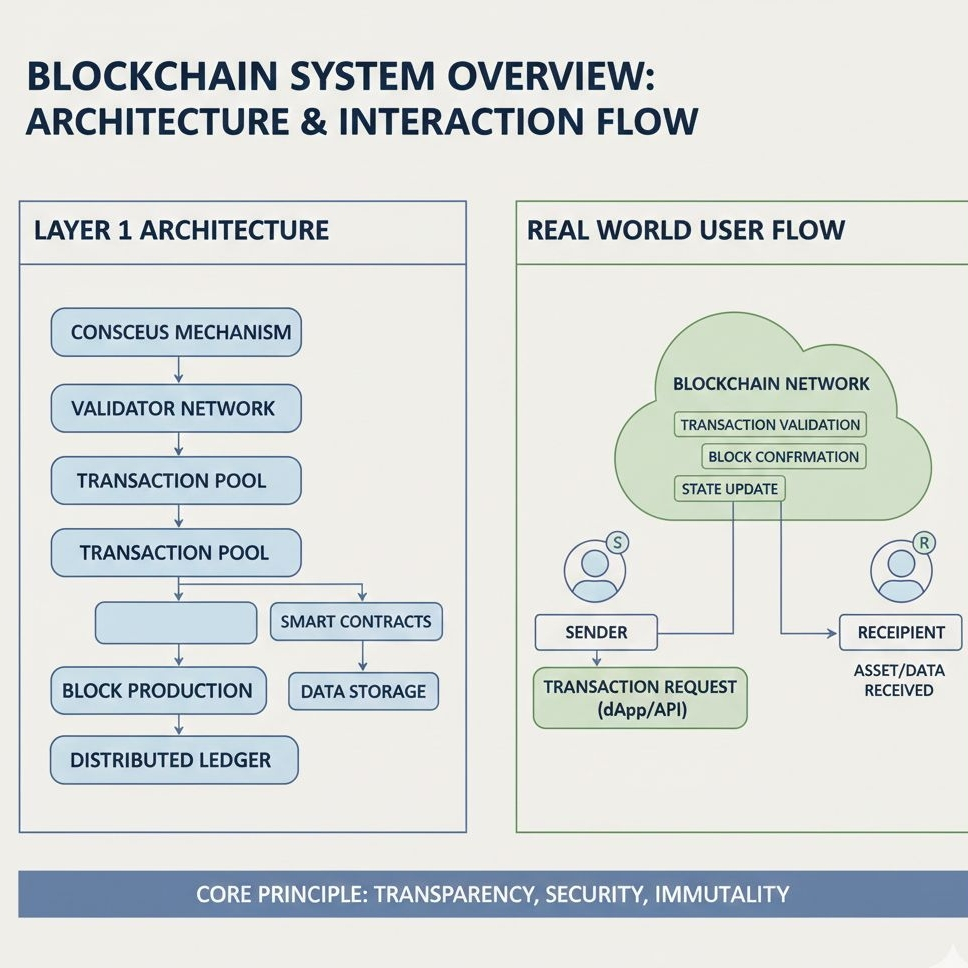
I find myself imagining a future where performance simply feels normal. Where developers deploy demanding applications without worrying about sudden congestion. Where users interact with on chain systems without noticing friction. That kind of invisibility is often the highest compliment infrastructure can receive.
In the end Fogo feels less like a speed experiment and more like a lesson in taking execution seriously. If they continue choosing refinement over noise and consistency over exaggeration something durable could form. Not because it was the loudest network in the room but because it quietly proved it could handle responsibility when it mattered most.
