
The market is full of Layer-1 promises. Faster blocks. Lower fees. Higher throughput.
But building a high-performance chain is only half the equation.
FOGO is positioning itself as a high-performance, SVM-based Layer-1 — a technical bar that already filters out most competitors. Yet the second hurdle is just as critical, and arguably harder:
Designing a believable token economy where early adoption doesn’t turn into early dumping.
Let’s break this down. See
1️⃣ The Technical Ambition: SVM as a Performance Standard
FOGO’s ambition to operate as a Single-Validated-Message (SVM) Layer-1 places it in a demanding architectural category.
SVM-based systems are designed for:
• Parallelized execution
• Deterministic transaction processing
• High throughput with low latency
• Developer-friendly smart contract environments
This model is associated with performance-driven ecosystems like Solana which demonstrated that optimized execution environments can compete with centralized systems in terms of speed.
For FOGO, choosing SVM means:
• Competing on execution quality, not marketing
• Reducing congestion risk through architectural efficiency
• Offering a developer base tools that scale with demand
That’s already a high technical bar.
But high performance alone does not create sustainable value.
2️⃣ The Second Hurdle: Tokenomics That Survive the First Cycle
Many Layer-1 projects collapse not because their technology fails — but because their token structure fails.
The common pattern:
1. Early investors receive significant allocations
2. Incentives are distributed aggressively to bootstrap activity
3. Initial hype drives speculative inflows
4. Unlock events create selling pressure
5. Price collapses → narrative shifts → ecosystem weakens
FOGO’s real challenge is avoiding this structural trap.
A believable token economy must solve three core problems:
🔹 A. Preventing Short-Term Extraction
If early participants are incentivized purely through:
• Airdrops
• High inflation rewards
• Short vesting schedules
Then the rational behavior becomes simple: accumulate → dump → exit.
Sustainable token design shifts incentives toward:
• Long-term staking
• Governance participation
• Network-aligned revenue models
• Utility-driven demand instead of purely speculative demand
🔹 B. Aligning Validators, Developers, and Users
In an SVM Layer-1, validators play a critical role in performance and security.
If token rewards are misaligned:
• Validators may centralize
• Developers may leave after grants expire
• Users may only engage during incentive windows
The goal is equilibrium:
• Validators earn through real network usage
• Developers build because users stay
• Users stay because applications generate recurring value
This alignment is what separates ecosystems that fade from those that compound.
🔹 C. Controlled Emission vs. Aggressive Bootstrapping
Aggressive token emissions can create short-term TVL spikes.
But sustainable Layer-1 growth looks different:
• Gradual liquidity deepening
• Organic transaction growth
• Fee-based validator revenue increasing over time
• Reduced dependency on inflation
The moment a network survives without needing constant incentive injections — that’s when it transitions from “campaign” to “infrastructure.”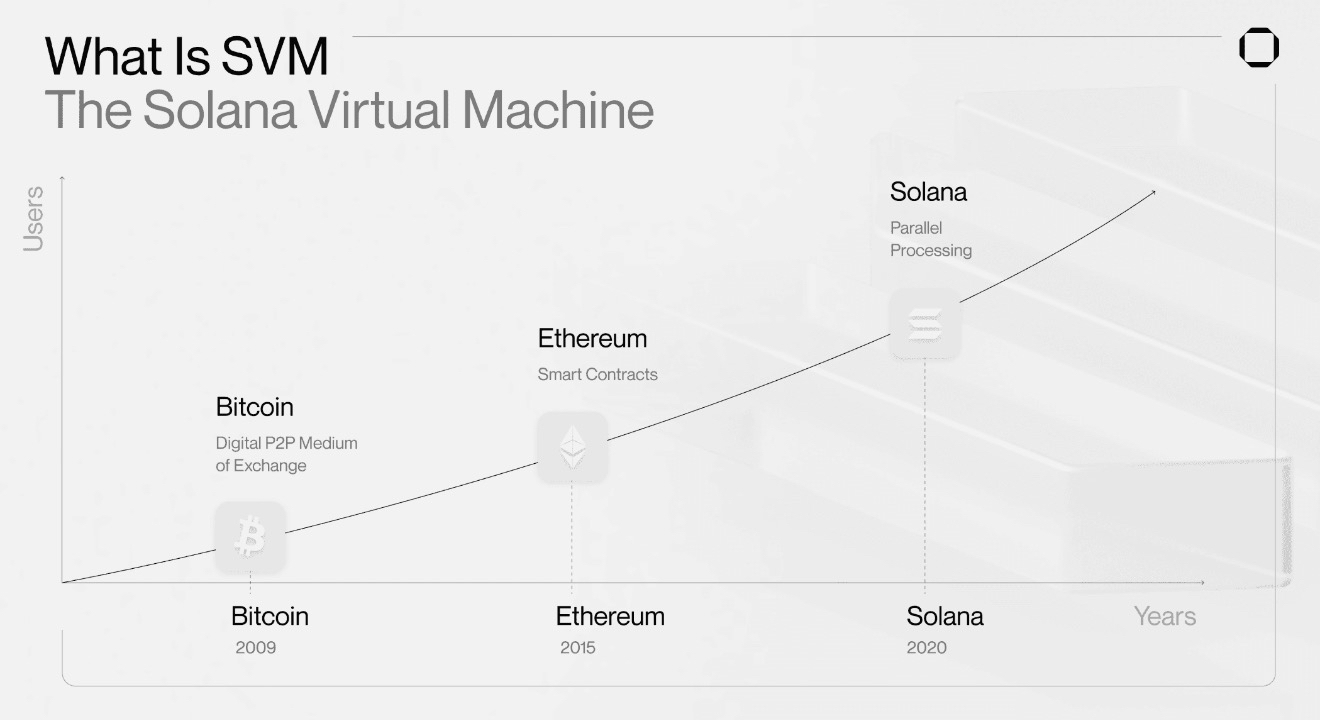
3️⃣ Why This Is Harder Than It Sounds
Designing high-performance infrastructure is an engineering challenge.
Designing sustainable token economics is a behavioral economics challenge.
You’re not just writing code — you’re designing a financial ecosystem where:
• Speculators coexist with builders
• Early backers coexist with long-term believers
• Performance improvements translate into economic demand
Most projects underestimate this second part
4️⃣ The Strategic Positioning Opportunity
If FOGO succeeds in both:
1. Delivering high-performance SVM infrastructure
2. Implementing a token model resistant to early extraction
Then it positions itself differently from many short-cycle L1s.
Instead of:
“Fast chain with hype”
It becomes:
“High-performance infrastructure with durable economic design”
That narrative compounds.
Because markets eventually reward:
• Stability
• Predictability
• Structural growth
• Clear economic logic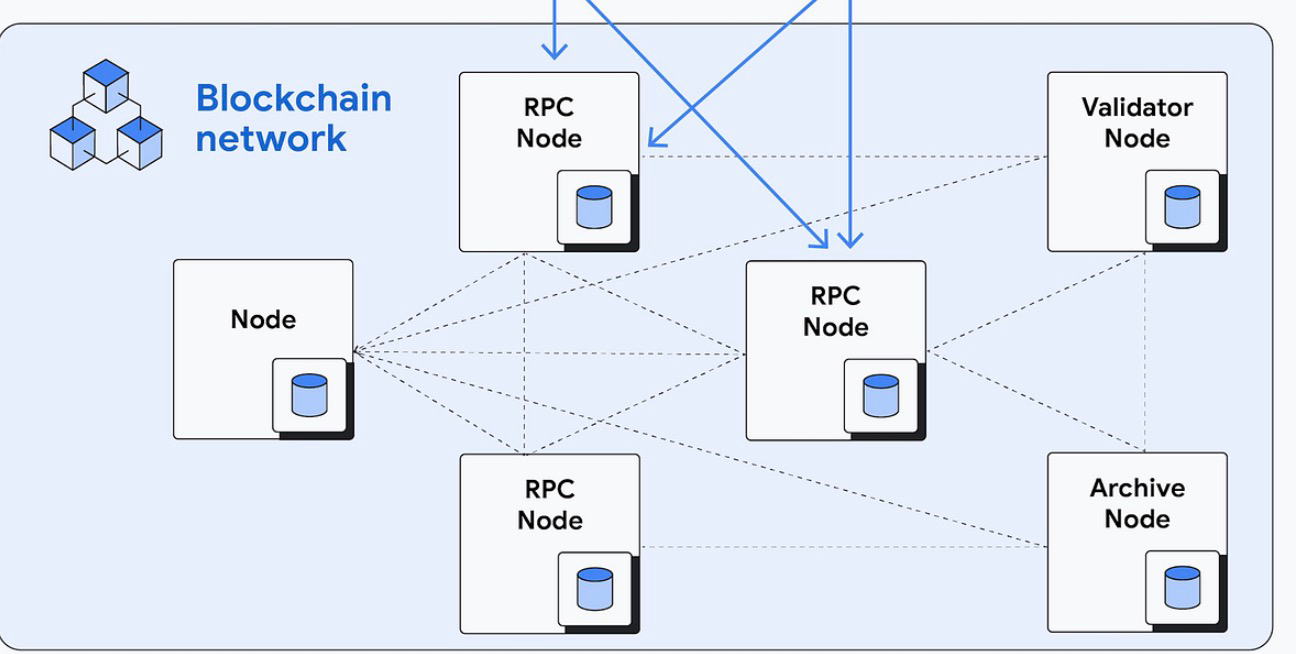
5️⃣ What Traders and Long-Term Holders Should Watch
For observers evaluating FOGO, the real indicators won’t just be TPS or block times.
Watch for:
• 📌 Vesting transparency
• 📌 Validator decentralization metrics
• 📌 Developer retention beyond incentive periods
• 📌 Ratio of real fees vs. inflation rewards
• 📌 Post-unlock price stability
If those metrics remain healthy during the first major unlock cycle — that’s when conviction strengthens.
Conclusion: Performance Gets Attention. Token Design Builds Trust.
FOGO aiming to be a high-performance SVM Layer-1 is ambitious and technically demanding.
But the real differentiator lies in something less flashy:
A token economy that discourages short-term dumping and rewards long-term alignment.
Technology attracts.
Incentives retain.
Structure sustains.
If FOGO balances both layers — execution speed and economic durability — it doesn’t just compete in the L1 race.
It builds a position that survives beyond the first hype cycle. 🔥
