


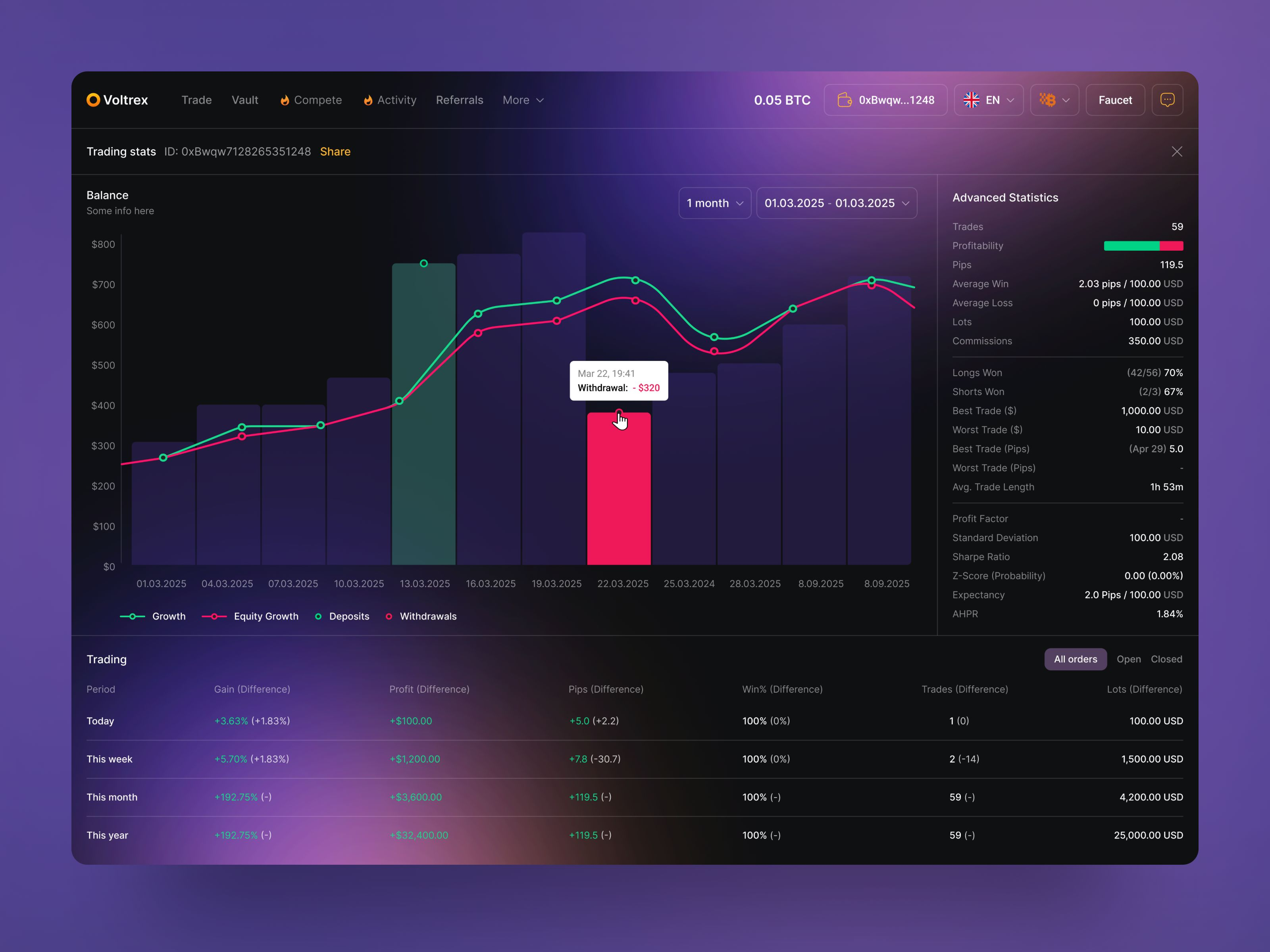
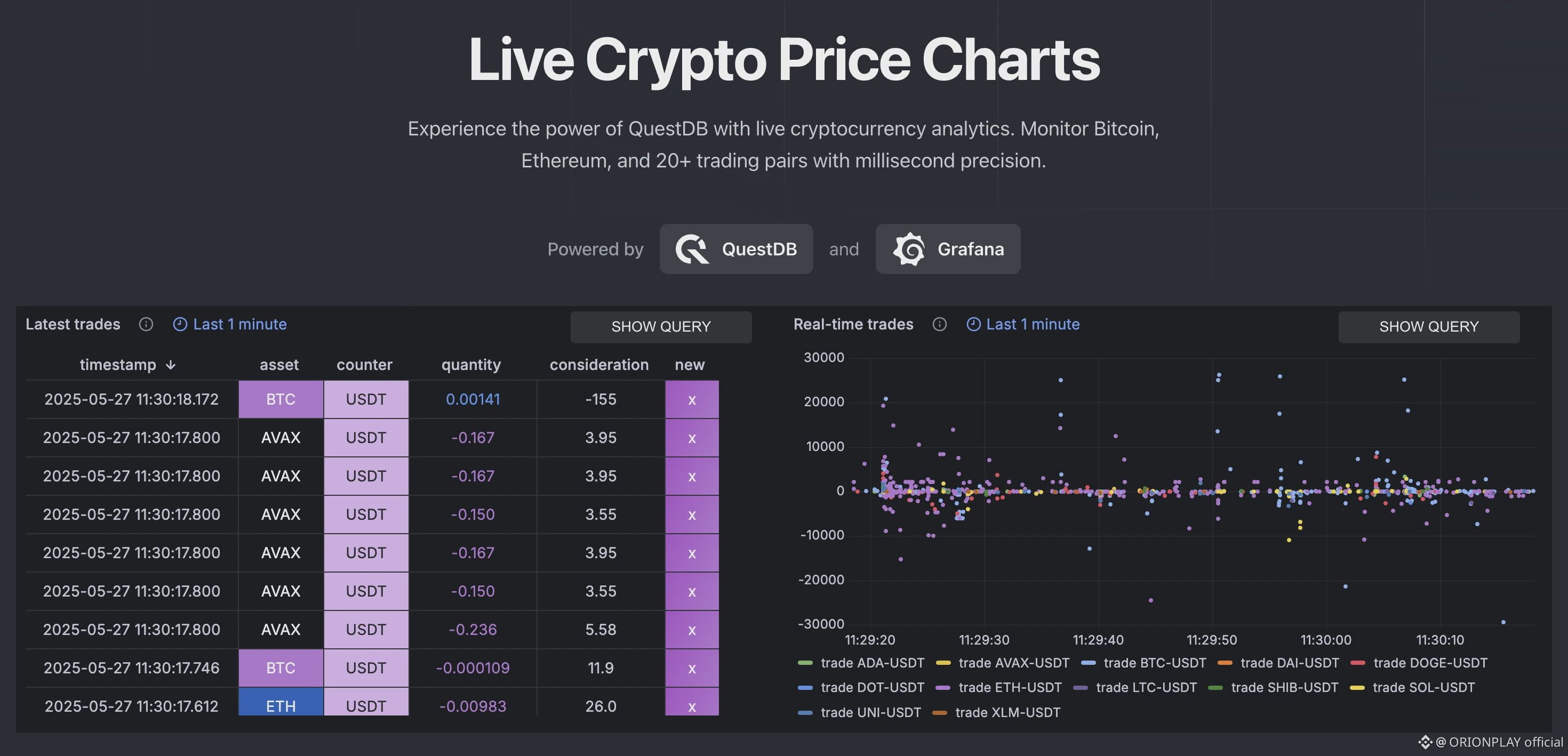
Lately, #Fogo has been standing out for one big reason — focus. $FOGO isn’t trying to compete as a generic “do-everything” Layer 1. Since launching mainnet in mid-January 2026, it’s been built specifically for real-time applications like perpetuals, DEX trading, and on-chain auctions.
And that specialization matters.
⚡ Zone-Based Consensus = Lower Regional Latency
Instead of forcing every transaction through one global path, Fogo uses zone-based, multi-local consensus. That reduces regional latency and improves execution speed where traders actually are.
Combined with its SVM-based architecture, this enables sub-second confirmation times. For DEX traders, that’s huge. Slippage and execution delays are real costs. A chain optimized for speed can directly impact PnL.
🛡 MEV Mitigation That Actually Makes Sense
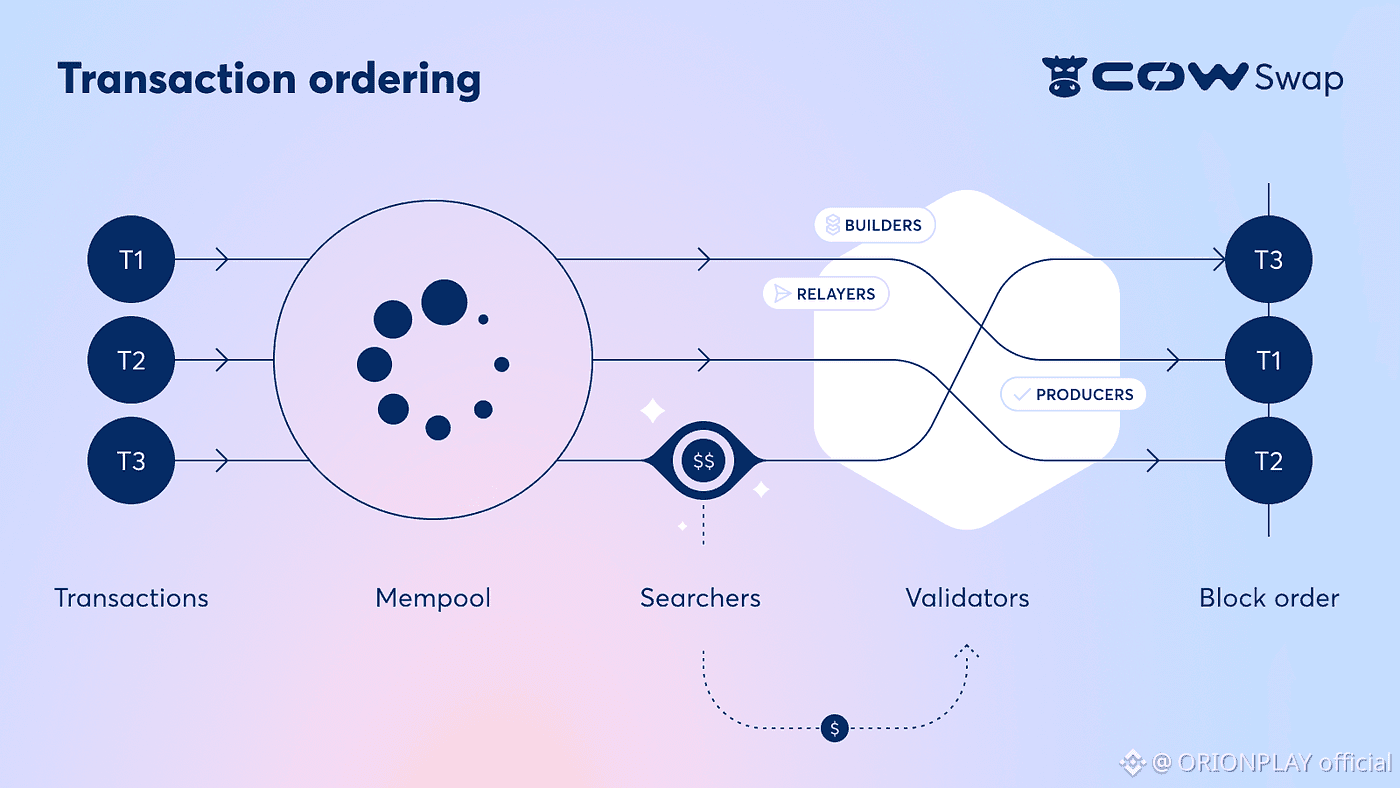
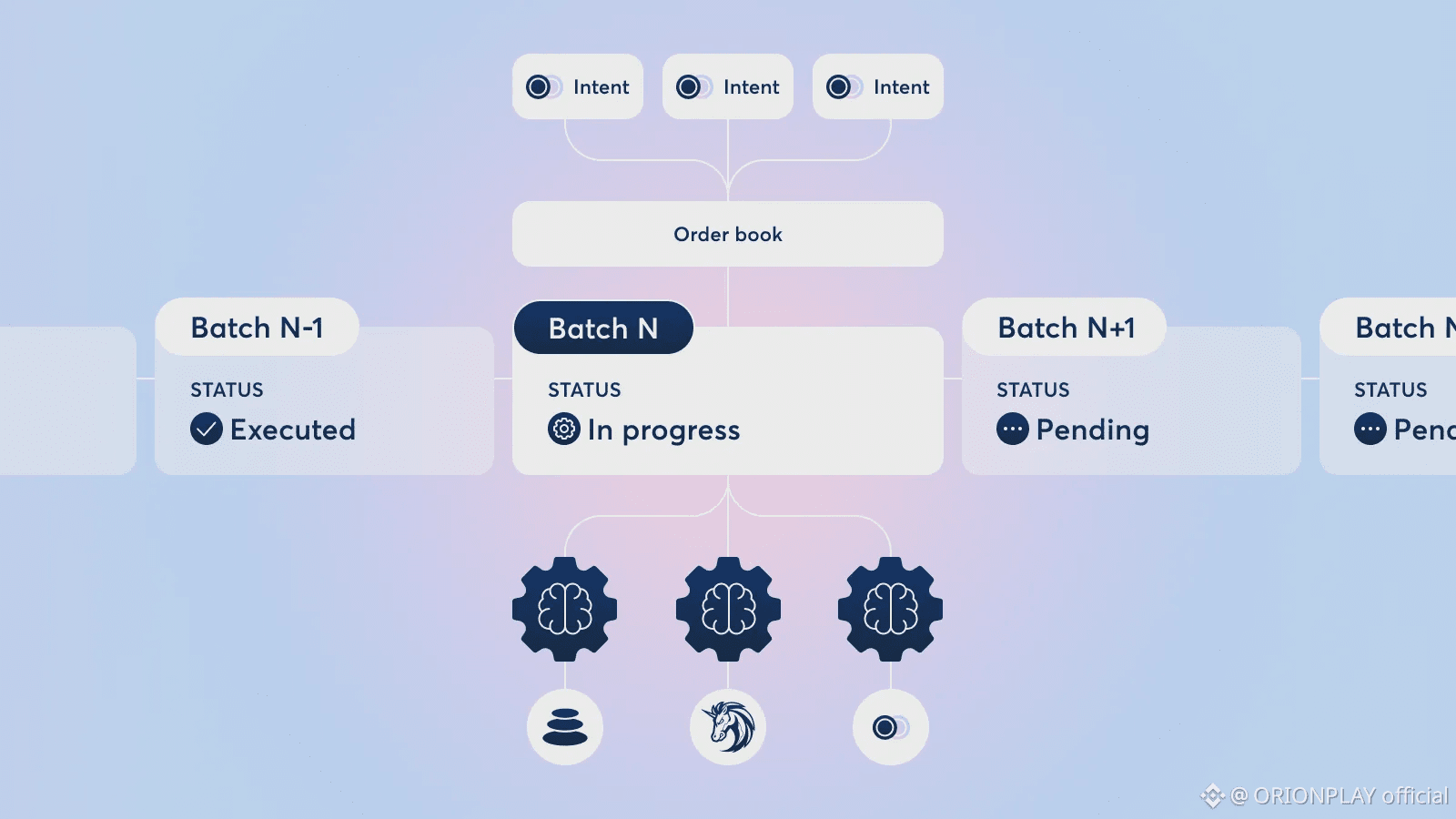
Fogo tackles MEV using batch auctions and in-consensus oracles like Pyth.
Batch auctions reduce the chance of sandwich attacks by grouping transactions together. In-consensus pricing removes reliance on slow or manipulable external feeds. For perps and high-frequency trading, that’s not optional — it’s critical.
It’s refreshing to see MEV mitigation baked into design instead of treated as an afterthought.
💡 Gas-Free Sessions & Institutional Validators
Gas-free trading sessions remove friction. Traders don’t need to constantly manage small balances just to keep operating. That UX improvement may sound small, but for active users it changes the experience completely.
On the infrastructure side, curated validators — many from traditional finance backgrounds like JPMorgan and Jump — signal reliability. This isn’t a hobbyist validator network. It’s engineered for institutional-grade uptime.
📊 Market Snapshot
Price: ~$0.022–$0.023
Market cap: ~$84M–$88M
24h volume: ~$14M–$23M
Circulating supply: ~3.77B FOGO
Max supply: 10B
Volume concentration on Binance, OKX, and Bybit shows solid liquidity. Recent sessions show mild pullbacks, but also small 1–2% 24h recoveries. It’s consolidating, not collapsing.
🔥 The Role of $FOGO
$FOGO powers staking, governance, and network security. As more real-time apps launch, staking demand and transactional utility could increase. With 3.77B circulating out of 10B max, token dynamics still leave room for ecosystem expansion.
In a market full of general-purpose chains, Fogo’s thesis is simple: optimize for speed, fairness, and trading efficiency. That narrow focus might actually be its biggest advantage.
Do specialized, latency-optimized chains like Fogo have a stronger edge in the next market cycle compared to broad L1 ecosystems? 🤔
